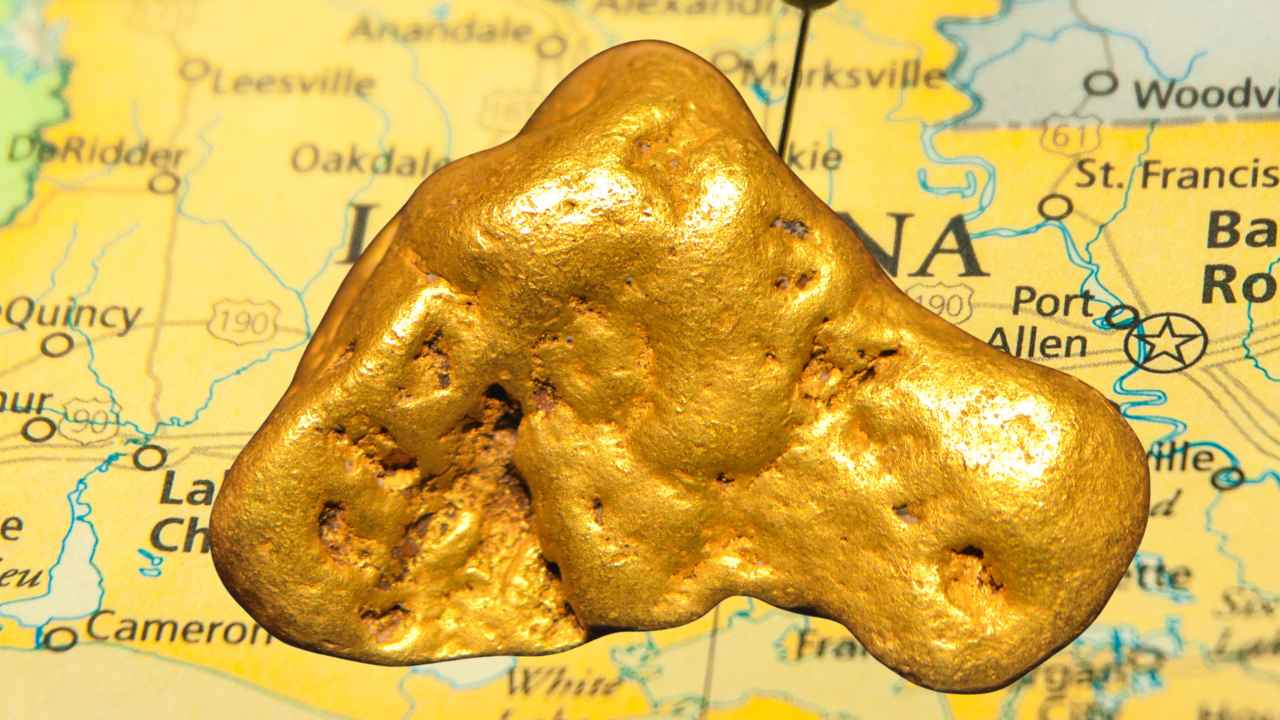
Yes, you can find gold in Louisiana, and people pull real gold out of this state every single year. The Ouachita and Red rivers haul fine gold down from gold country upstream, the Mississippi delivers specks from half a continent, and busy Gulf beaches restock themselves with lost gold jewelry every warm weekend.
With gold trading above $4,000 an ounce, one lost ring in the sand or one good vial of fine gold can pay for your whole trip.
The trick is knowing where the water does the work for you. Gold needs moving water and clean gravel to concentrate, so the best hunts in Louisiana sit on river sandbars, inside bends, and beach sand rather than the muddy bayous most first timers try.
Prospectors report ultra fine flour gold along the Ouachita River and the Red River, washed down from Arkansas and Texas, and detectorists pull gold rings from the sand at Grand Isle and the New Orleans lakefront. This guide covers every spot worth your gas money, the technique that fits each one, and the rules that keep your trip legal.
Our team of geologists and experienced rockhounds put this guide together the same way we approach every gold state. We traced where the rivers and the crowds actually deliver gold, then cut everything that could not back up its story. Here is how to hunt gold in Louisiana without wasting a single weekend.
Table of Contents
- Types of Gold
- Where Gold Hides
- Best Places
- Techniques
- Real vs Fool's Gold
- How Gold Got Here
- What To Bring
- Best Seasons
- Other Minerals
- Legal Rules
- FAQ
The Kinds of Gold You Can Find in Louisiana
Louisiana gold is flour gold, the fine bright color that rivers have been delivering to this state for thousands of years. Knowing exactly what you are hunting keeps you off the mud and on the spots that pay. It has been recovered here, and the right tool makes all the difference.
Flour Gold
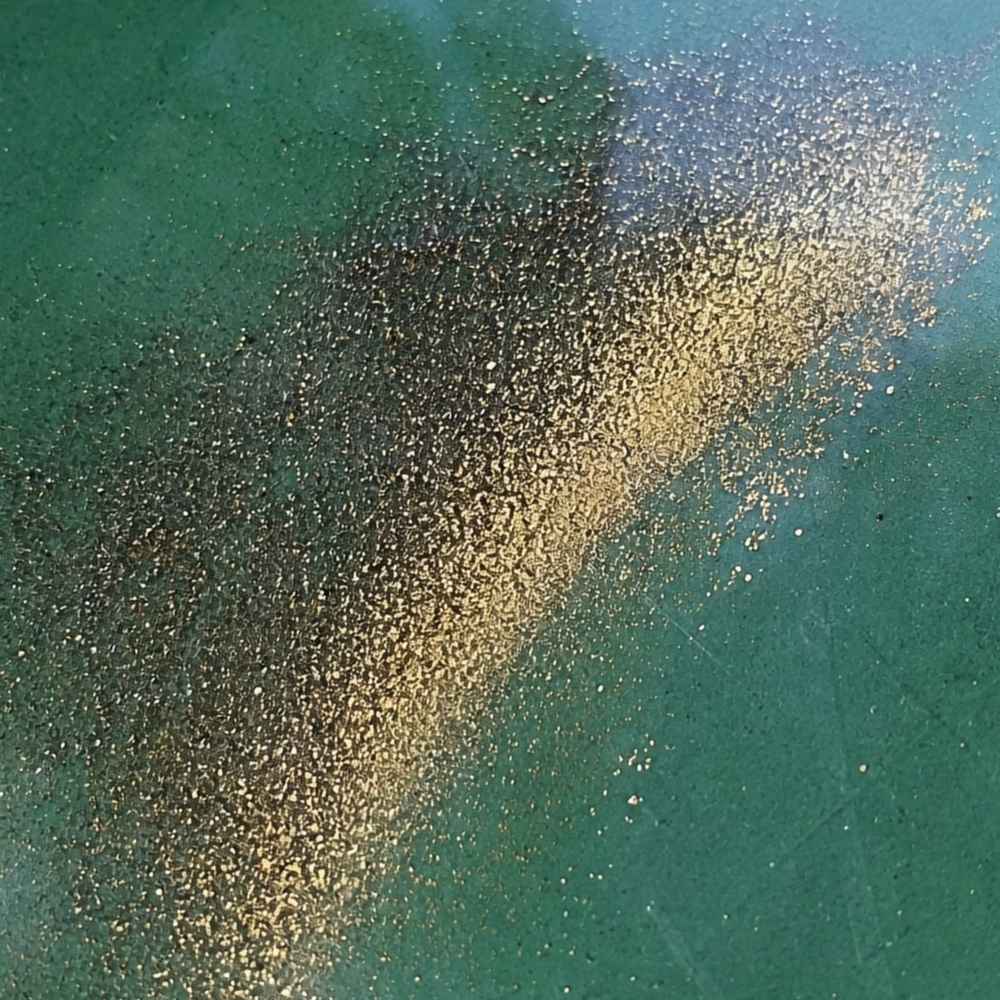
Flour gold is gold ground down to dust sized specks, and it is the natural gold Louisiana’s rivers deliver. The big rivers carry it in from real gold country upstream, the Ouachita from the mountains of Arkansas, the Red from Texas and Oklahoma, and the Mississippi from half the continent. By the time it reaches Louisiana it is as fine as gold gets, which is why the panners who master a finish pan are the ones who bottle it.
The mineral that fools people is mica, which flashes gold in every sandbar in the state. Real flour gold sinks straight to the bottom of your pan and stays golden in the shade, while mica floats, flutters, and goes dull the moment the light changes.
Gold this fine washes out of a normal pan in one careless swirl, so you want a dedicated finish pan for your final concentrates. The Garrett Prospecting 10 Inch Backpacker Gold Pan is the one our team uses for exactly this job.
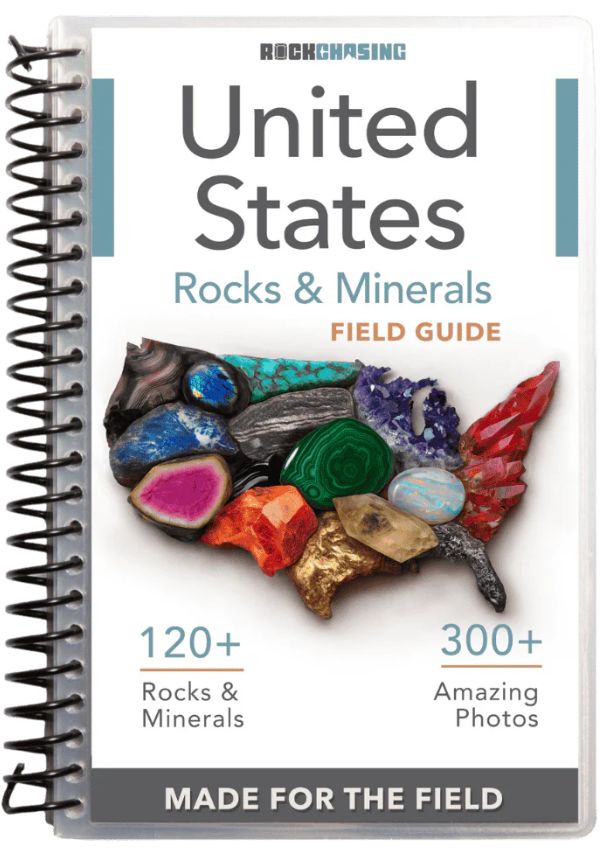
This is also the stage where a good identification reference saves your whole trip. The Rocks and Minerals of the United States Field Guide shows you exactly what real gold looks like next to every mineral that imitates it, so you know what you are looking at while your pan is still wet.
Knowing what Louisiana gold looks like is half the game. The other half is knowing where the water hides it and how to get it out, and that is exactly where this guide goes next.
Where Gold Hides in Louisiana Waters
Gold is about 19 times heavier than water, so it always settles in the lowest, slowest spot the current allows. Louisiana’s hunt splits between river sandbars and Gulf sand, and the same five features do the collecting in both.
Inside Bends
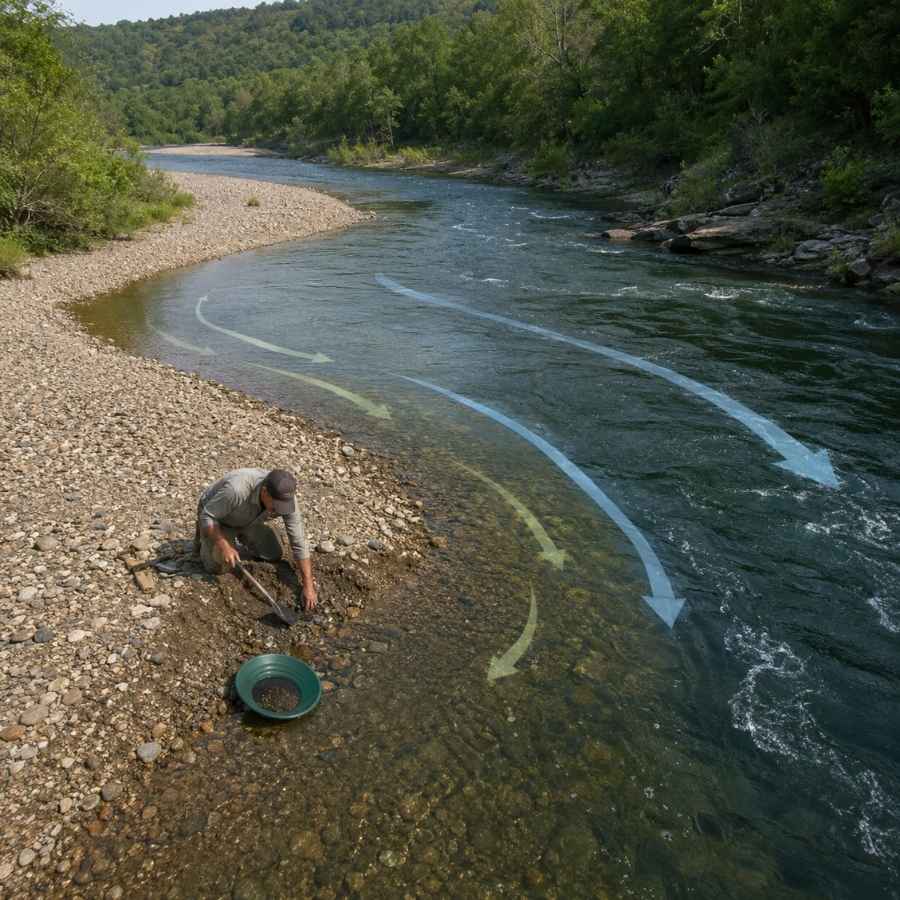
Water slows down on the inside of every curve, and slow water drops its gold. On the Ouachita and Red rivers, the point bars that build on inside bends are the first place to test. Dig where the sand coarsens into gravel and pan the lowest layer you can reach.
Moving that much bar material takes a pan built for volume. The Garrett 15 Inch Dual Riffle SUPERSLUICE Gold Pan processes big scoops while its riffles hold the fine gold.
Sand and Gravel Bars
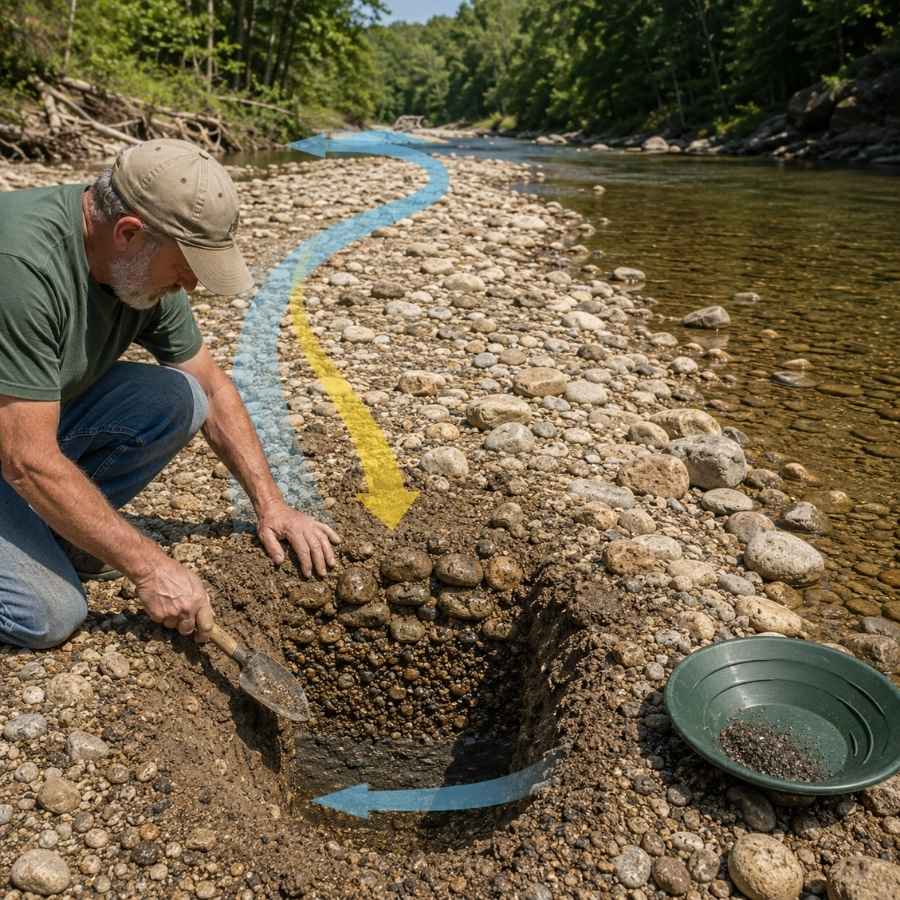
Low water exposes bars that were drowned all spring, and the gold in a bar concentrates at its upstream end and down at its base. Louisiana’s river gold is too fine to sit on the surface, so dig test holes and pan the bottom material. Any patch where the sand turns gravelly is worth a test.
Bars carry driftwood chunks and oversized pebbles that waste pan space. Screening them out first with the SE Half Inch Sifting Screen doubles the material you can process in a day.
Black Sand Streaks
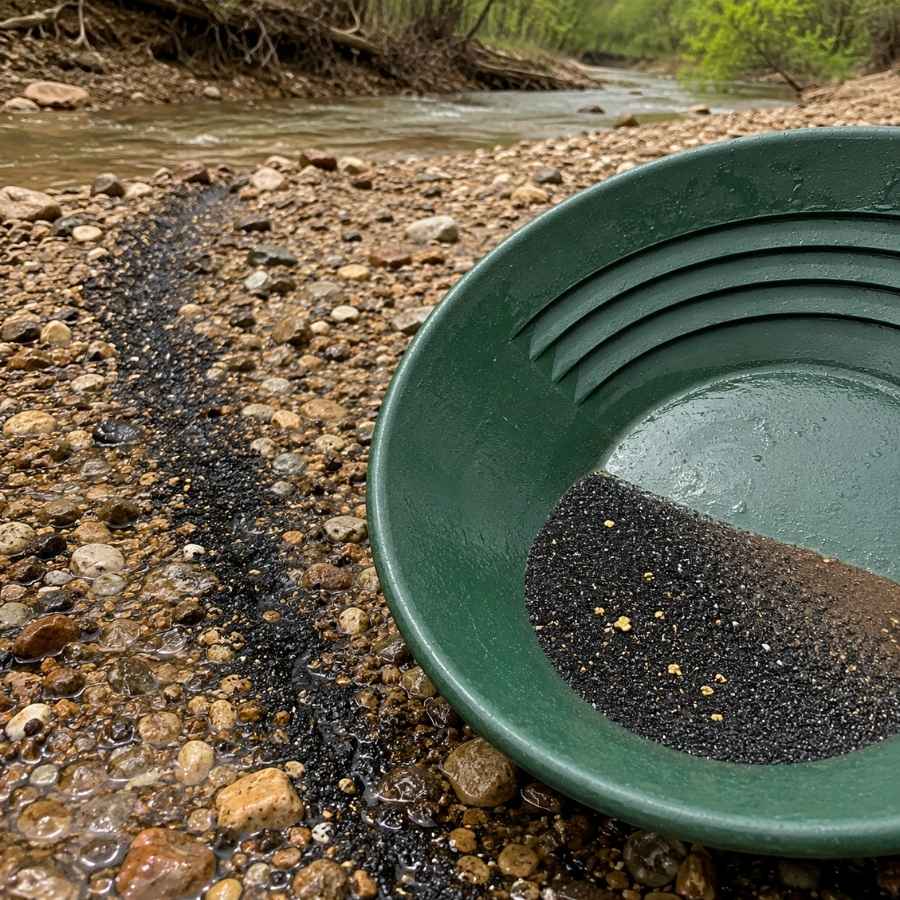
Black sand is heavy mineral sand, mostly magnetite and ilmenite, and it settles exactly where gold settles. A dark streak on a sandbar or a black layer in your pan means the water has been sorting heavy grains on that spot. On Gulf beaches, the dark streaks that appear after rough weather mark the same kind of natural sluice.
Separating ultra fine gold from black sand by hand is tedious. A magnetic separator like the SE Magnetic Separator Pick Up Tool with Quick Release pulls the black sand out and leaves anything golden behind.
The Low Tide Zone
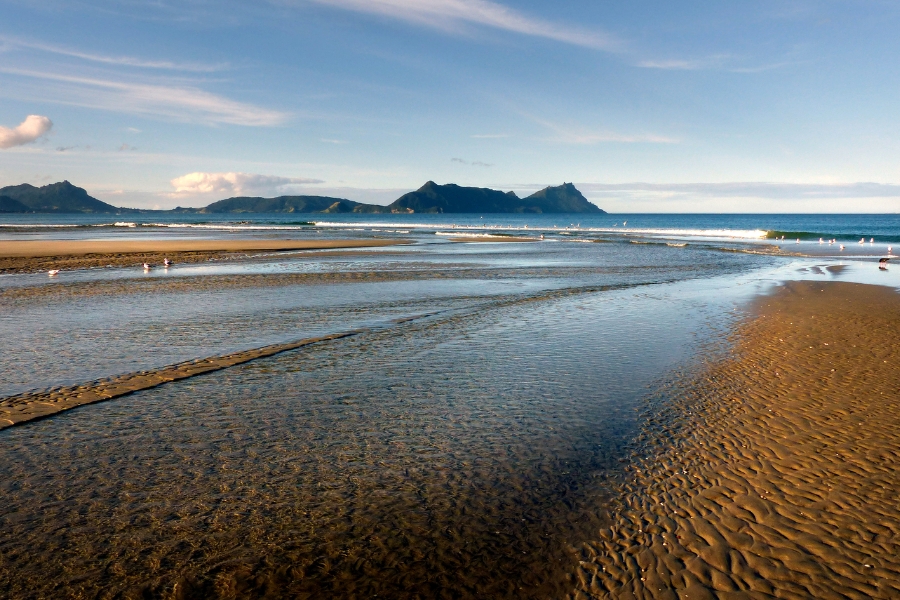
Everything heavy works its way down a beach slope, so the wet sand exposed at low tide covers the richest ground you can legally reach. Dips and troughs in the wet sand act like the riffles of a giant sluice. The lowest tides of the month expose sand that almost never gets hunted.
Wet salt sand fools cheaper machines with false signals. The Garrett AT Gold Metal Detector is built to handle mineralized wet sand and can take a splash.
The Towel Line
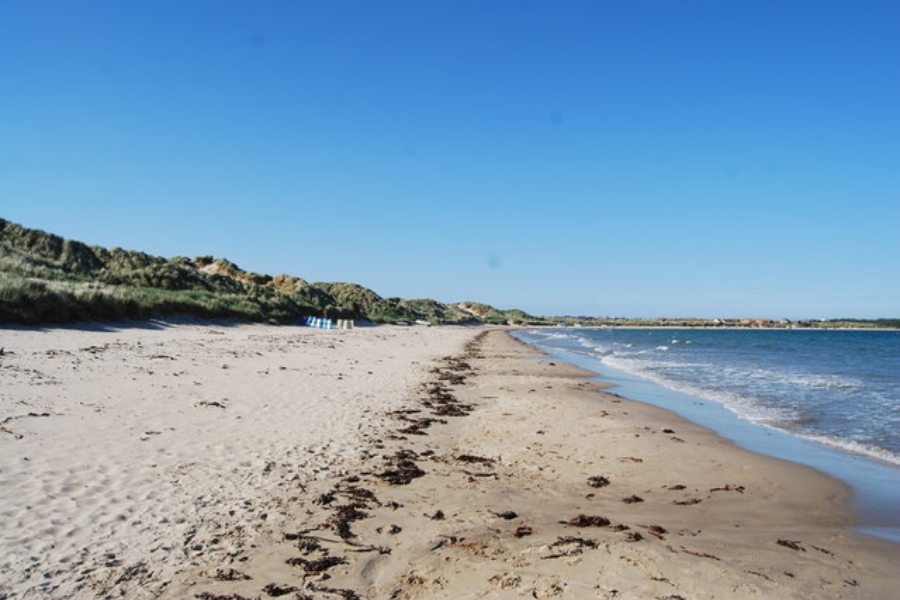
The towel line is the strip of dry sand where beachgoers set up for the day, and it gets restocked with gold every warm weekend. Rings come off with sunscreen, chains come off with shirts, and soft sand swallows both in seconds. This is the easiest gold hunting in Louisiana.
Targets sit shallow here, so recovery is fast if you can nail the spot. A pinpointer like the Garrett Pro Pointer AT turns a two minute crater dig into a five second scoop.
Always Confirm Access and Collection Rules!
Before heading out to any of the locations on our list you need to confirm access requirements and collection rules for both public and private locations directly with the location. We haven’t personally verified every location and the access requirements and collection rules often change without notice.
Many of the locations we mention will not allow collecting but are still great places for those who love to find beautiful rocks and minerals in the wild without keeping them. We also can’t guarantee you will find anything in these locations since they are constantly changing.
Always get updated information directly from the source ahead of time to ensure responsible rockhounding. If you want even more current options it’s always a good idea to contact local rock and mineral clubs and groups
The Best Places To Find Gold in Louisiana
Louisiana’s gold splits into two great hunts, fine river gold in the north and center of the state, and lost gold jewelry along the coast and lakefronts. Here is every spot worth your gas money, grouped by region.
North Louisiana
The north holds the state’s two best rivers, both of them arriving from real gold country upstream. This is where Louisiana panning actually happens.
Ouachita River

The Ouachita is Louisiana’s most talked about gold river, and its story holds up better than any other in the state. It rises in the Ouachita Mountains of Arkansas, a range with genuine minor gold occurrences, and prospectors report fine flour gold from its bars from the state line down past Monroe. The closer you work to the Arkansas line, near Sterlington and the Union Parish stretch, the shorter the ride the gold has taken.
Ultra fine flour gold in black sand is the find, and patient panning is the technique. Work the inside bends at low water and pan the bottom of the bars.
Your pan will also turn up quartz pebbles, agate, jasper, and plenty of mica. This is exactly the moment people throw away good finds, because a wet unidentified stone looks like nothing. The Rocks and Minerals of the United States Field Guide lets you check every odd stone against clear photos before it goes back in the river.
Bring the finish pan and snuffer bottle from the techniques section below.
Difficulty: 3 out of 5
Red River
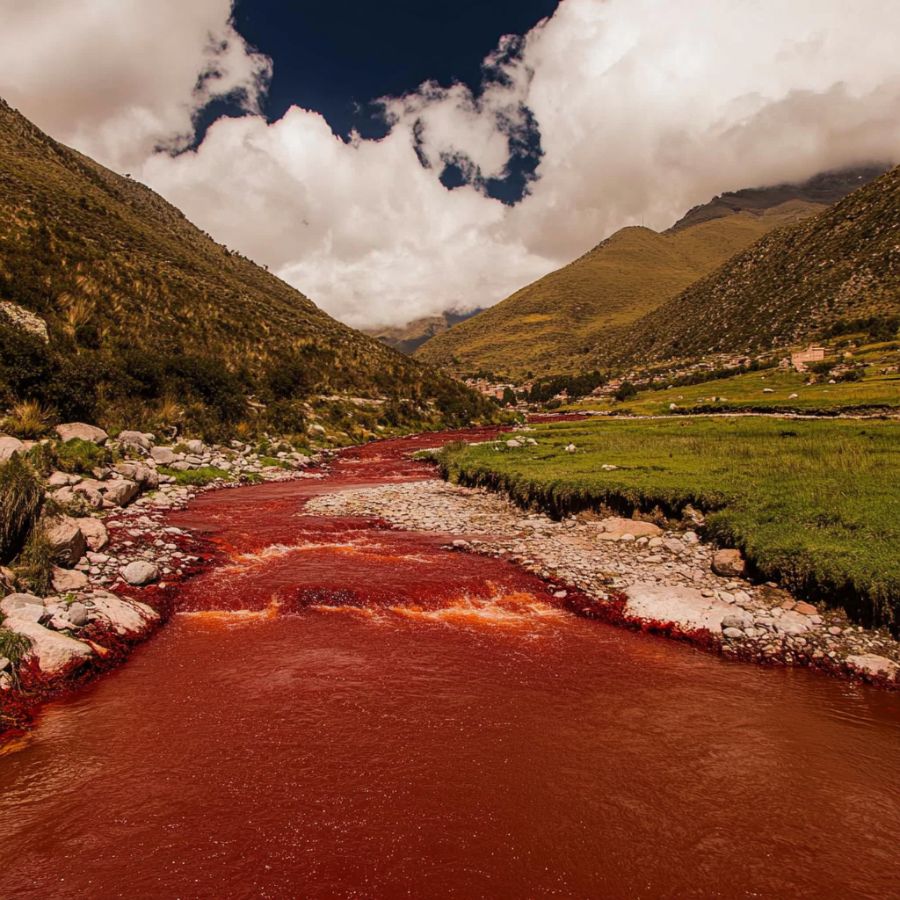
The Red River enters Louisiana at Shreveport carrying sediment from hundreds of miles of Texas and Oklahoma back country, and prospectors report tiny gold flakes in its sandbar concentrates. Low water exposes huge bars through Caddo, Bossier, and Red River parishes, and every one of them resorts its heavy sand with each flood. Boat ramps and bridge crossings offer the easiest access.
Flour gold in black sand streaks is the find, and high volume panning is the method. Run lots of material and let the black sand tell you where to dig.
The same bars produce agates, jasper, and petrified wood, which means every pan pays off one way or another. Watch the river forecast, because the Red rises fast after upstream rain. Standard panning gear from the techniques section covers it.
Difficulty: 3 out of 5
Central Louisiana
The center of the state holds Louisiana’s only national forest and its biggest public land access. The creeks here run over sand and even rock, which is rare in this state.
Kisatchie National Forest

Kisatchie National Forest is the one place in Louisiana where a gold pan and public land meet at scale, with more than 600,000 acres open to recreation. Prospecting lists have long carried Kisatchie, and the Kisatchie Bayou country in Natchitoches Parish is the classic target, where the water actually runs over sandstone and gravel instead of mud. Prospectors keep the reports alive on this water, and this is the most pleasant place in the state to swirl a pan.
Fine flour gold hides in the black sand pockets of the bayou’s bars. Careful test panning is the technique, and the creek scenery makes every trip worth it.
The gravel also gives up quartz, petrified wood, and jasper. Check in with the local ranger district about current rules for hobby panning before you dig. A hand trowel and classifier from the techniques section are all the gear this water needs.
Difficulty: 2 out of 5
Mississippi River Sandbars
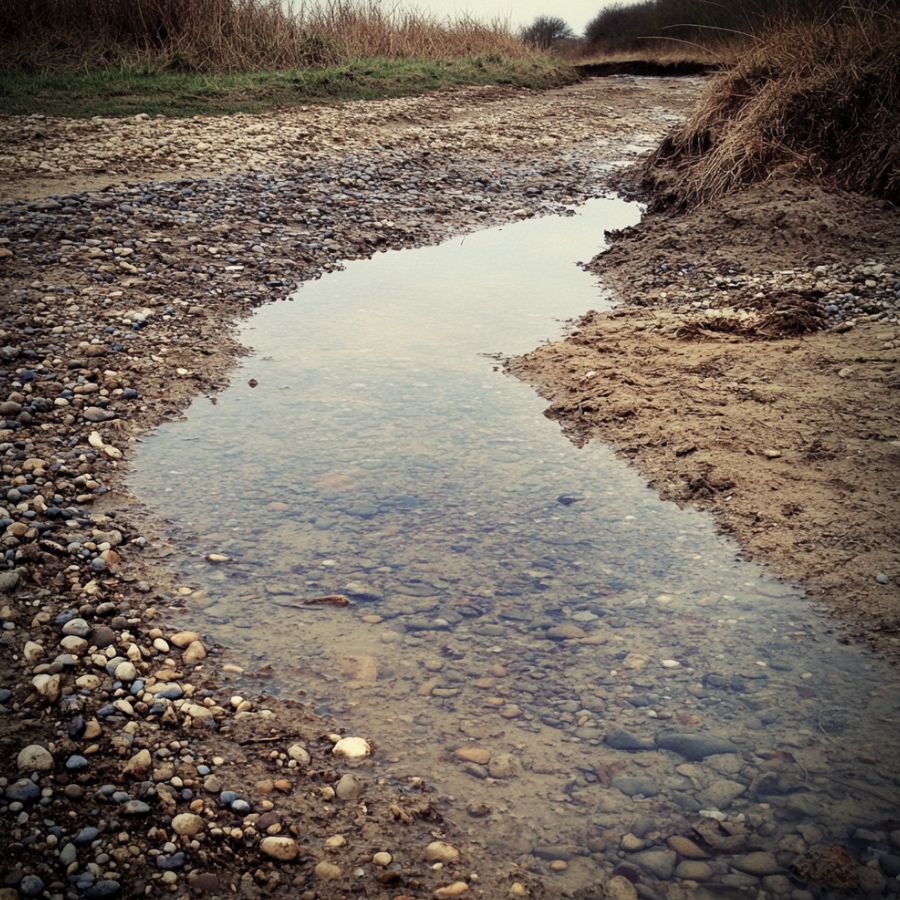
The Mississippi drains the glacial gold country of the upper Midwest and the Rockies, and prospectors report that its Louisiana sandbars carry ultra fine flour gold in their black sand. At extreme low water, big bars surface between the levees from the Angola bend down past St. Francisville and Baton Rouge. This is the hardest hunt in this guide, and the most interesting, because every pan holds sand from half a continent.
Microscopic flour gold in black sand concentrates is the find, and the method is running lots of material and finishing it slowly at home. A magnet and a finish pan matter more here than anywhere else in the state.
The bars also carry agates, petrified wood, and fossil fragments from far upstream. Respect this river completely, because currents, drop offs, and ship wakes kill people on these bars every year, and never go alone. The full fine gold setup is in the techniques section.
Difficulty: 4 out of 5
Southeast Louisiana
The southeast trades pans for detectors. New Orleans area lakefronts and the Barataria coast collect lost gold the way rivers collect flour gold, one heavy piece at a time.
Lake Pontchartrain Lakefront
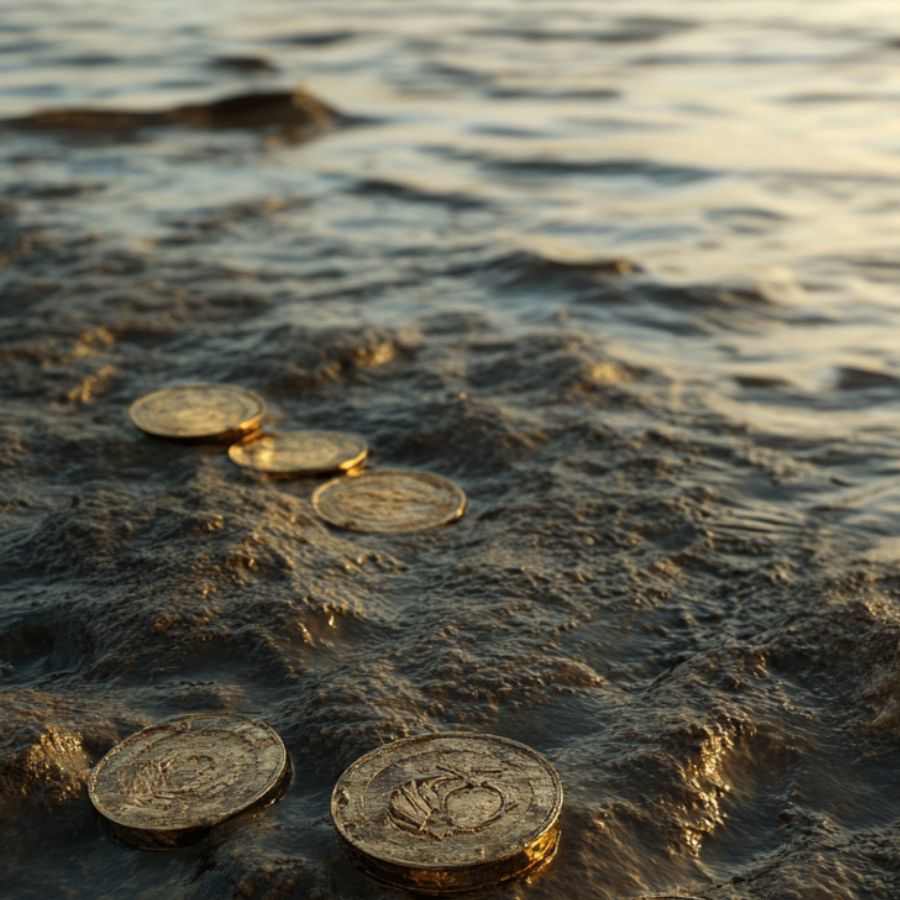
The New Orleans lakefront is the easiest gold hunt in Louisiana. Generations of swimmers, anglers, and picnickers have used the seawall steps and the small sand beaches along Lakeshore Drive, and generations of rings and chains have gone into the shallows. Detectorists work this shoreline year round, and every summer weekend restocks it.
Modern gold jewelry is the find, and dry sand plus shallow water detecting is the method. Hunt Monday mornings after busy weekends and after any strong north wind that drops the lake level.
A century of lakefront crowds keeps this ground restocked. Check current rules with the lakefront’s managing authority before you swing, and fill every hole. The detecting kit is in the techniques section.
Difficulty: 1 out of 5
Grand Isle
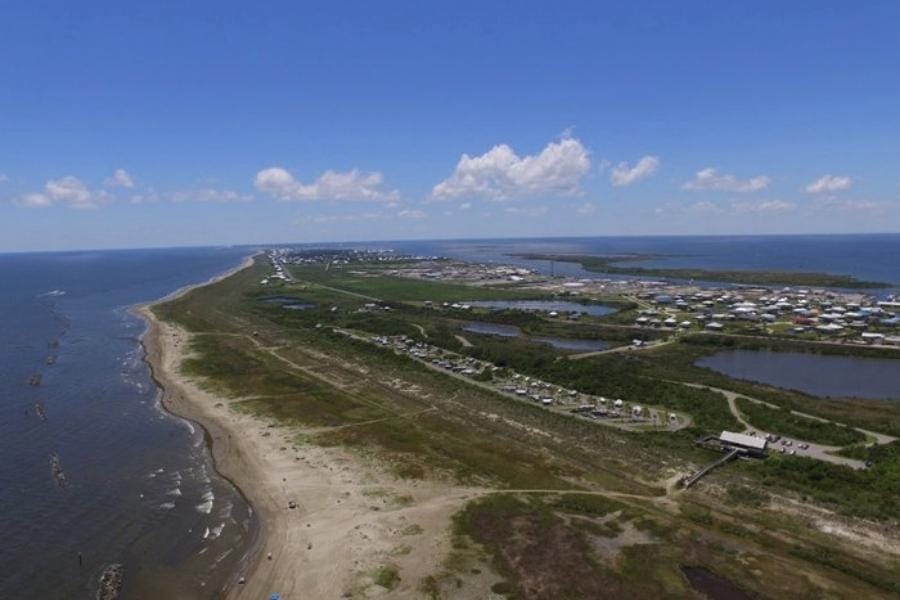
Grand Isle is Louisiana’s only inhabited barrier island, and it is the state’s best beach hunt. It hosts the biggest beach crowds in Louisiana all summer, and hurricanes rework its sand every few years, which keeps fresh rings going in and older losses churning back up. Detectorists here celebrate every storm that rearranges the beach.
Modern gold jewelry is the find, and towel line plus low tide detecting is the method. The days after a storm rearranges the beach are the days locals drop everything and go.
The wrack line also gives up shells and the occasional fossil. The town beach and the state park have different rules, so detect the public town beach and confirm current policy before working anywhere inside Grand Isle State Park. Bring the full beach kit from the techniques section.
Difficulty: 2 out of 5
Southwest Louisiana
The southwest coast is the quiet end of the state, where long shell beaches face the open Gulf. Fewer crowds mean fewer fresh rings, but storms deliver older targets here than anywhere else in Louisiana.
Holly Beach
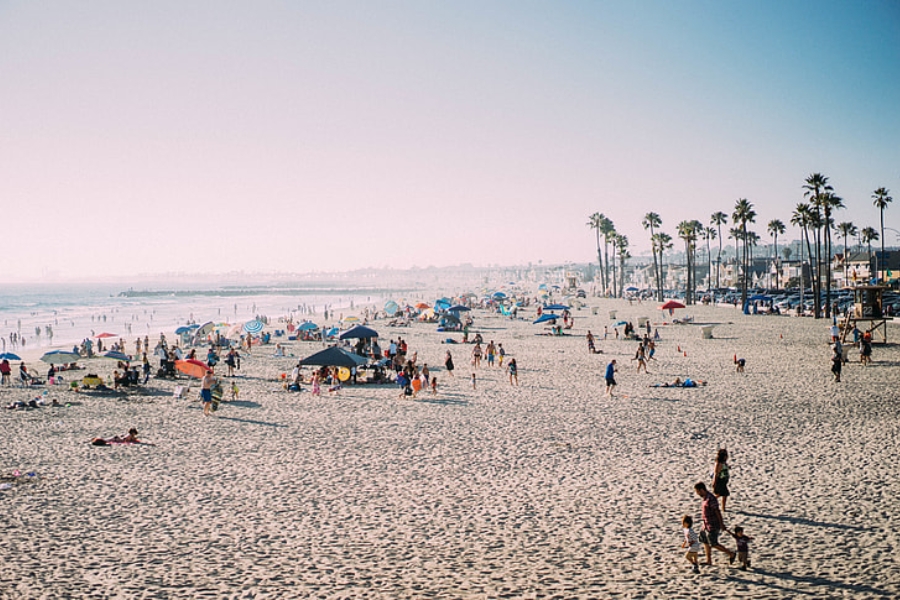
Holly Beach is the Cajun Riviera, a long stretch of drivable Gulf sand in Cameron Parish that draws campers and beachcombers all summer. The same waves that famously pile shells here sort every heavy thing in the surf zone, and detectorists report jewelry and fishing weights from the wet sand. Storm season rewrites this beach completely, which keeps the hunting fresh.
Modern gold jewelry is the find, with the towel line in summer and the low tide zone after cold fronts as the two plays. Every big blow resets the hunt.
The shell hash also hides shark teeth and worn fossil bits, and our guide to the best places to find sharks teeth shows what those look like. Check Cameron Parish rules on driving and digging before you go. The beach kit from the techniques section handles it all.
Difficulty: 2 out of 5
More Proven Places To Find Gold in Louisiana
The seven spots above are where we would send a friend first, but Louisiana’s gold stories reach further than one shortlist. These next spots come from the old prospecting lists, historical reports, and community experience, and every one earns a look when you are nearby. Rules and access change, so check current regulations and get permission before visiting any of them.
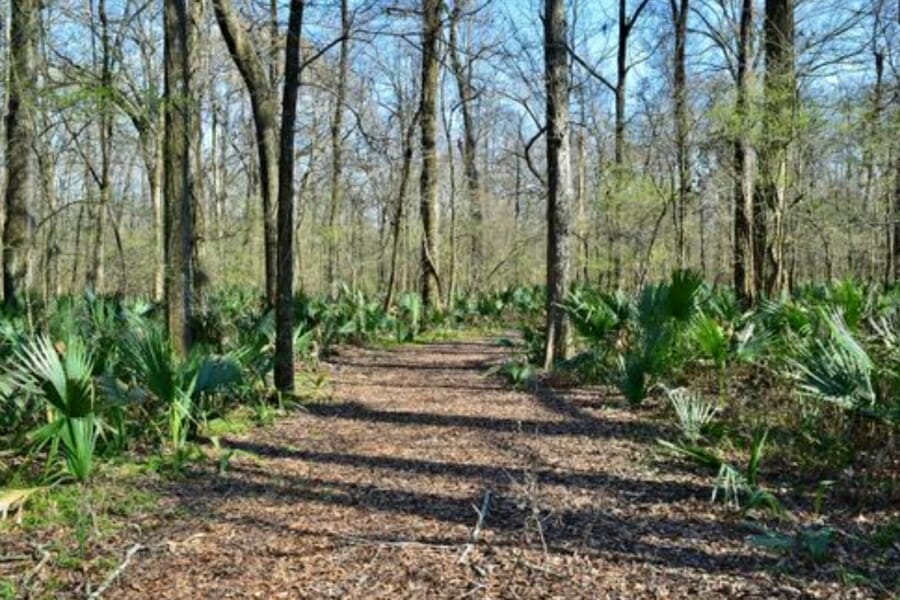
North Louisiana
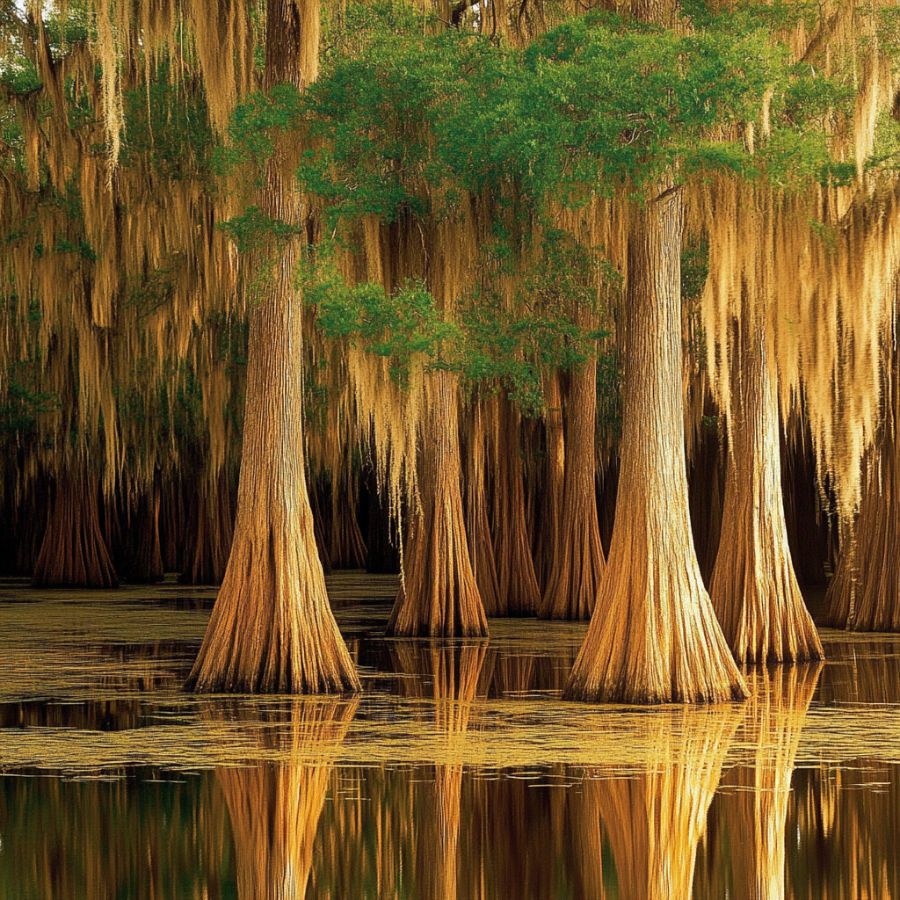
Caddo Lake (Caddo Parish). Caddo Lake sits on the Texas line northwest of Shreveport, and it belongs to the Red River system, so fine gold the Red carries can rest in its old channel sediments. Prospecting lists have carried it for years, and the old river channels are the spots to test. Access is mostly by boat, and the flooded cypress forest makes it the most beautiful hunt in the state.
Hemps Creek (Caddo Parish). The old lists put fine gold in Hemps Creek in Caddo Parish, in the same Red River drainage as the lake. The color runs flour fine and hides in black sand pockets on the inside bends. The banks are private land, so a polite ask comes before your pan.
Central Louisiana
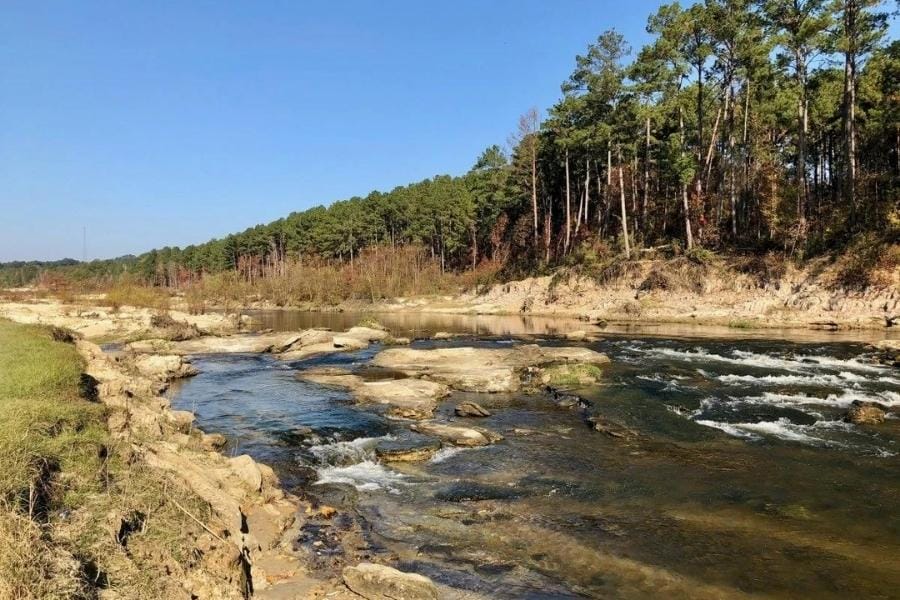
Catahoula Lake (LaSalle Parish). Catahoula Lake drains and refills dramatically with the seasons, and the old lists name it among Louisiana’s gold spots. The seasonal drawdown exposes miles of flats where detectorists look for lost items from generations of hunters and anglers. Much of the lake and its shore is managed for waterfowl, with federal refuge land nearby, so confirm with the state wildlife department exactly where access and collecting are allowed before you go.
Bayou Toro (Sabine Parish). Bayou Toro drains the sandy hill country along the Sabine River near Toledo Bend, some of the only gravel bottomed creek water in western Louisiana. The old lists carry a Toro Creek among Louisiana’s gold spots, and this is the mapped water that fits. Any color would be flour fine in the black sand of the creek’s small bars, and the surrounding gravel is better known for agate and petrified wood.
Southeast Louisiana
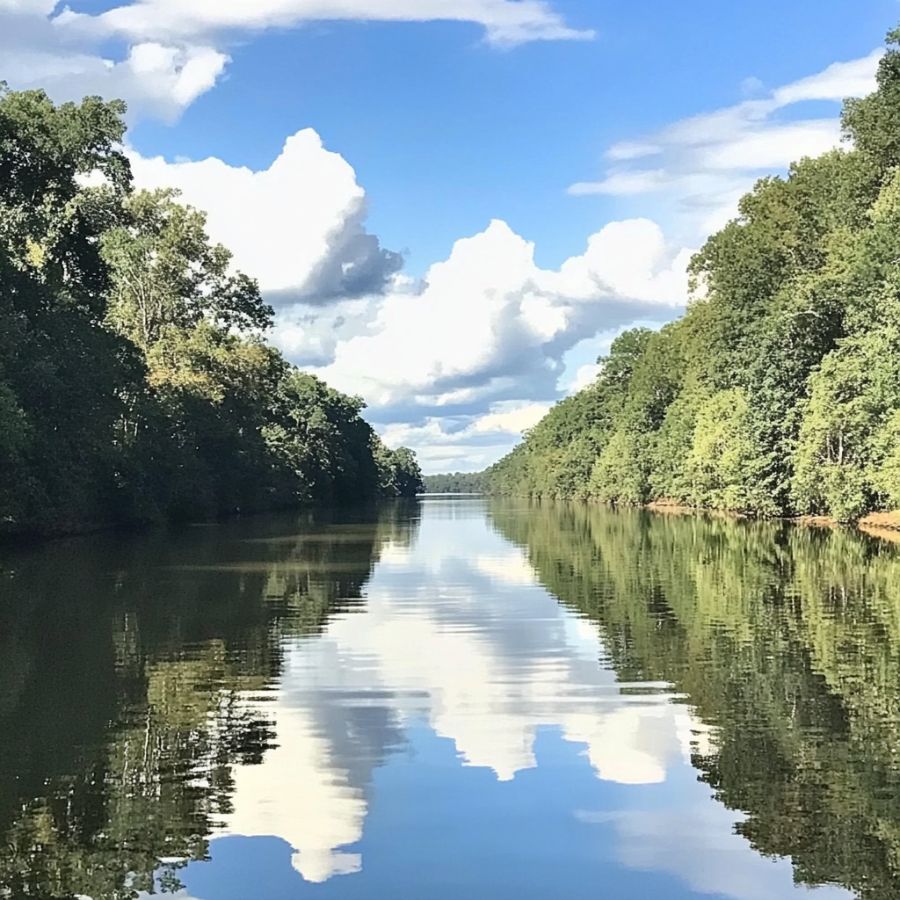
Bayou Lafourche (Lafourche Parish). Bayou Lafourche was once a main channel of the Mississippi River, so its natural levees are built from the same sediment the big river carries, ultra fine gold specks and all. The best hunt here is detecting near old landings and swimming spots along its hundred mile run from Donaldsonville to the Gulf, where generations of Cajun communities have lost small valuables.
Amite River (Livingston Parish). The Amite is the Baton Rouge area’s panning water, a rare Louisiana river with real sand and gravel bars in its upper reaches. Local prospectors report micro specks of flour gold in its black sand, and the same bars produce agate and petrified wood reliably. Work the gravel bars east of Baton Rouge at low water, and ask permission where the banks are private.
Southwest Louisiana
Rutherford Beach (Cameron Parish). Rutherford Beach is Holly Beach’s quiet neighbor, a free, uncrowded shell beach where storms dump fresh material every year. Detectorists report jewelry from the wet sand, with far less competition than any beach in the southeast. Camps and private parcels sit behind the beach, so stay on the open sand and pack out what you dig.
The Best Gold Hunting Techniques in Louisiana
Louisiana rewards two skill sets, fine gold panning and beach detecting, and the best hunters here run both. These are the three methods that actually produce, ordered from easiest to hardest.
Paydirt Panning (Difficulty: 1 out of 5)
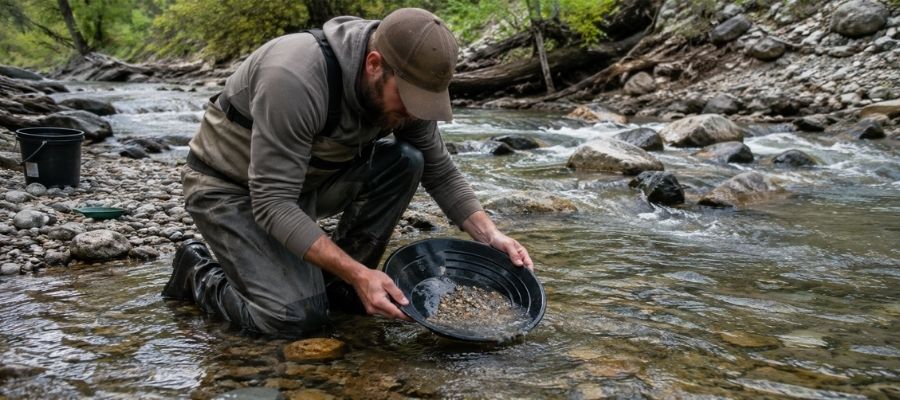
Paydirt panning is how you learn the pan with a guaranteed payoff. Fill your pan from a bag of concentrated gold bearing gravel, submerge it in a tub, shake hard so the gold sinks, then swirl the light material off the top. Every bag ends with real gold in your vial, and the fine gold control you build is exactly what Louisiana’s rivers demand.
It works anywhere you have a bucket of water, which makes it the perfect rainy day and family option in this state.
Essential Tools:
- Practice paydirt: Gold Strike Gold Panning Paydirt
- Deep riffle gold pan: Garrett 15 Inch Dual Riffle SUPERSLUICE Gold Pan
- Snuffer bottle: Garrett Gold Guzzler Bottle
- Storage vials: SE Glass Vials with Caps
Metal Detecting (Difficulty: 2 out of 5)
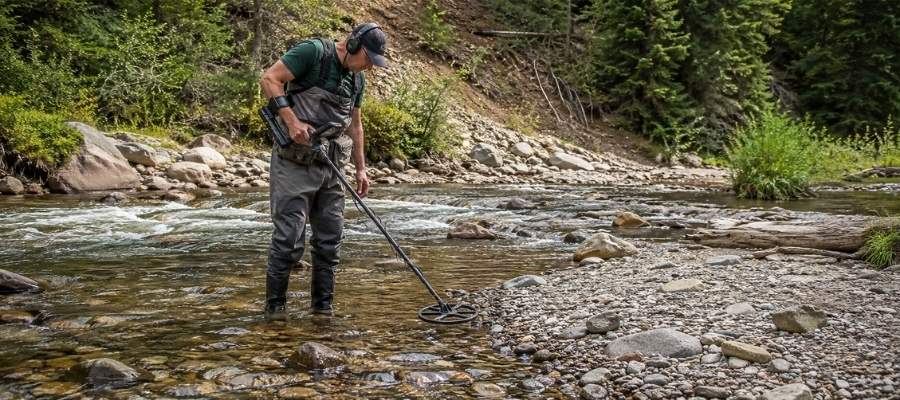
Detecting is the highest percentage gold hunt in Louisiana. Grid the towel line or the low tide zone in slow overlapping lines, swing low and level, and dig every solid signal. Most beginners walk too fast and miss half the targets under their own coil.
It is the whole game at the lakefront, Grand Isle, and the Cameron Parish beaches, and it turns every beach trip into a hunt.
Essential Tools:
- Metal detector: Garrett AT Gold Metal Detector
- Pinpointer: Garrett Pro Pointer AT
- Hand trowel: Edward Tools Bend Proof Trowel
- Classifier screen: SE Half Inch Sifting Screen
River Bar Panning (Difficulty: 3 out of 5)
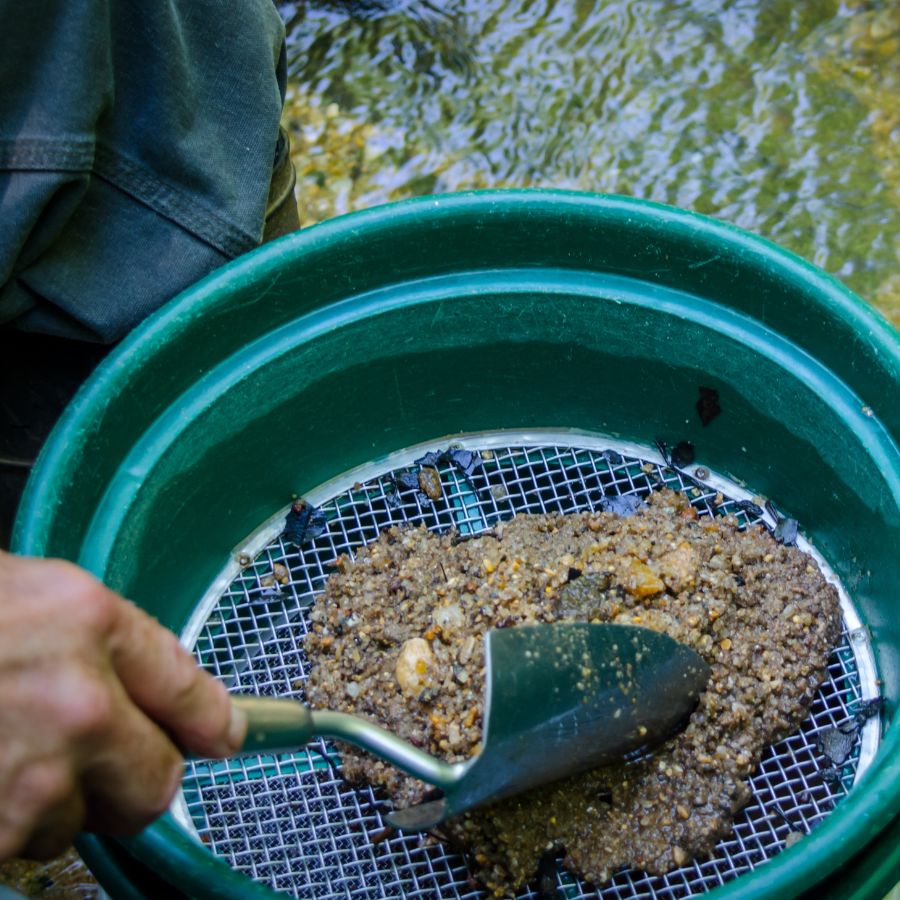
River bar panning is the patient art of pulling flour gold out of Louisiana’s imported sand. Dig from the upstream ends and bottoms of bars, classify out the junk, and pan down to black sand, then finish that concentrate slowly in a smooth finish pan, or bag it and finish at home. One careless swirl loses more gold than an hour of digging gains.
This is the method for the Ouachita, the Red, and the Mississippi bars, and low water is its season.
Essential Tools:
- Finish pan: Garrett Prospecting 10 Inch Backpacker Gold Pan
- Digging shovel: Bully Tools 14 Gauge Round Point Shovel
- Black sand magnet: SE Magnetic Separator Pick Up Tool with Quick Release
- Magnifying loupe: JARLINK 30X 60X Illuminated Loupe
How To Tell Real Gold From Fool’s Gold
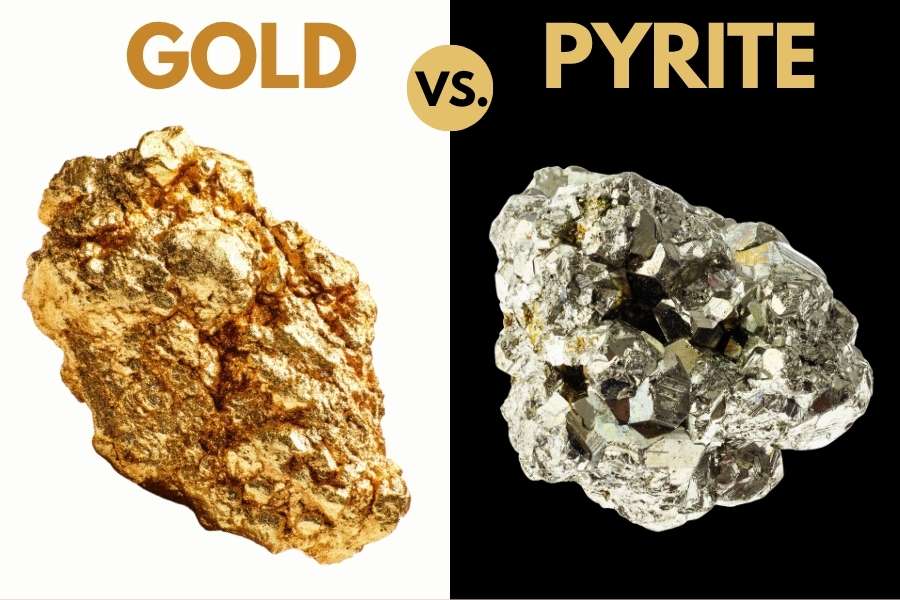
Louisiana’s sand loves to test you. Mica flashes gold on every sandbar, pyrite specks glitter in the gravel, and gold plated junk jewelry salts the beaches. Two quick tests sort the real thing from all of them every time.
The shadow test takes one second. Shade your pan with your hand and watch the sparkle. Real gold stays rich and golden in shadow, while mica and pyrite go gray and lifeless the instant direct light leaves them.
The poke test settles the rest. Press a pin firmly into the particle, because gold is soft metal that dents and holds the mark, while pyrite crumbles and mica slides apart in flakes. For jewelry, add the hallmark check with your loupe.
The reason to get this right is not avoiding embarrassment. It is that people who cannot tell the difference eventually toss something real. The Rocks and Minerals of the United States Field Guide is the insurance policy, with side by side photos of gold and its imitators, printed on waterproof pages that shrug off river water and Gulf spray.

How Gold Got Into Louisiana
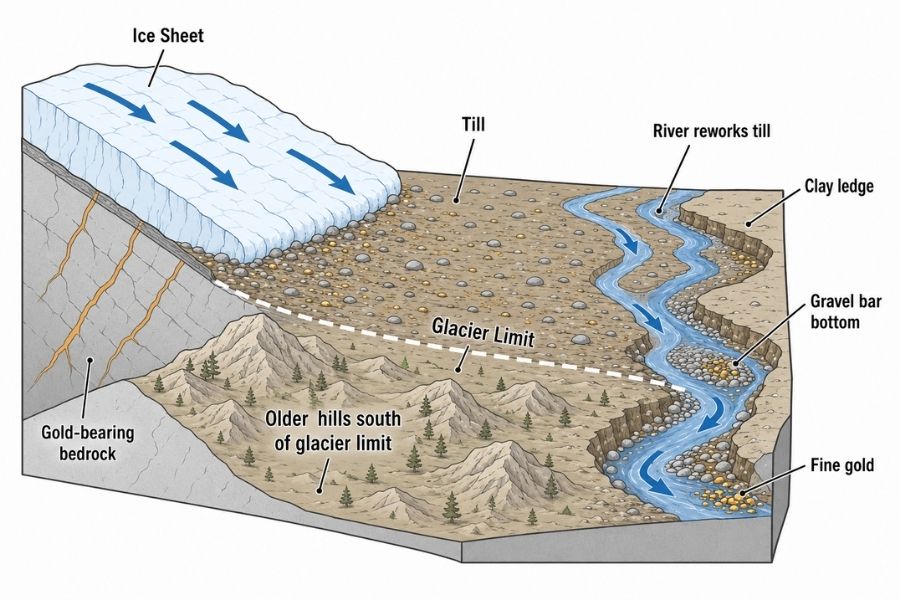
Every spot in this guide sits on water with a direct line to real gold country. Louisiana is built from deep river sediment, and the rivers that built it drain gold bearing ground across a dozen states. That makes this state one giant collection tray for traveling gold.
Ice age glaciers ground gold out of northern bedrock and spread it across the Midwest, and the Mississippi has been washing that outwash south ever since. The Ouachita brings its gold dust down from the gold streaked mountains of Arkansas, and the Red hauls in sediment from the Texas and Oklahoma back country.
By the time it arrives, the gold is flour fine, which is why black sand skills and a good finish pan win here. Every flood resorts the bars and restocks them with fresh color from upstream.
The rest of the gold arrives by hand. Modern crowds lose rings and chains on every beach and lakefront, and storms keep working those losses back within reach. Rivers and busy beaches are Louisiana’s two gold mines, and this guide works both.
What To Bring for a Louisiana Gold Day Trip
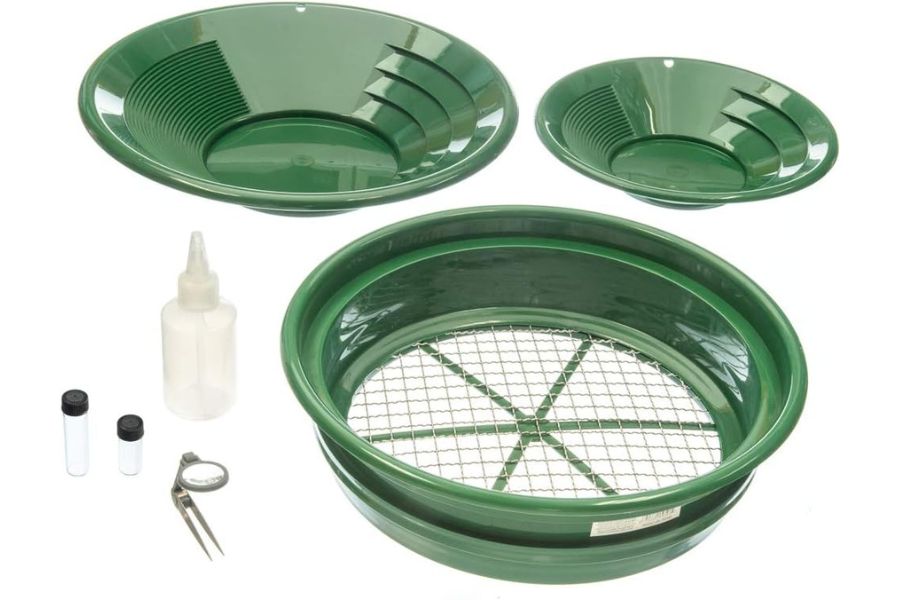
Here is the full checklist. Screenshot this section before you head for the water.
- Gold pans and snuffer bottle, covered in the techniques section
- Metal detector and pinpointer, same place
- Classifier screen, trowel, and vials
- Rubber boots for river bars, water shoes for the beach
- Drinking water and serious bug spray, Louisiana mosquitoes are not a joke
- Sunscreen and a brimmed hat
- A river gauge or tide chart check saved to your phone
- Printed landowner permission and a map of property lines
- Zip bags for finds and for the trash targets you dig
If you are starting from zero, one box solves the panning side. The Garrett Deluxe Gold Pan Kit has the pans, classifier, snuffer, and vials in one purchase, and it pairs perfectly with a bag of paydirt. Plenty of our readers stack a gold day with stops from our Louisiana rockhounding guide to make a full rockhounding weekend.
The Best Time of Year To Hunt for Gold in Louisiana
Timing a Louisiana gold trip is about water levels, storms, and heat. Here is the calendar, region by region.
North Louisiana
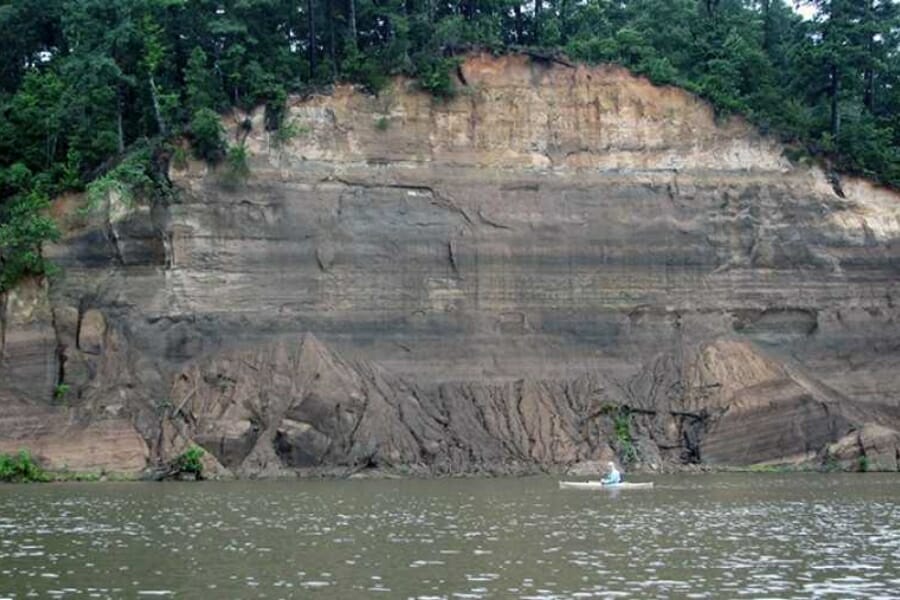
Late summer through fall is prime time on the Ouachita and the Red, when water drops to its lowest and the bars come out of hiding. September and October pair the best bars with the first bearable weather. The window after spring floods recede is the bonus round, when fresh sand has just been resorted.
Skip the weeks after heavy upstream rain. Both rivers rise fast and bury everything you came to pan.
Central Louisiana
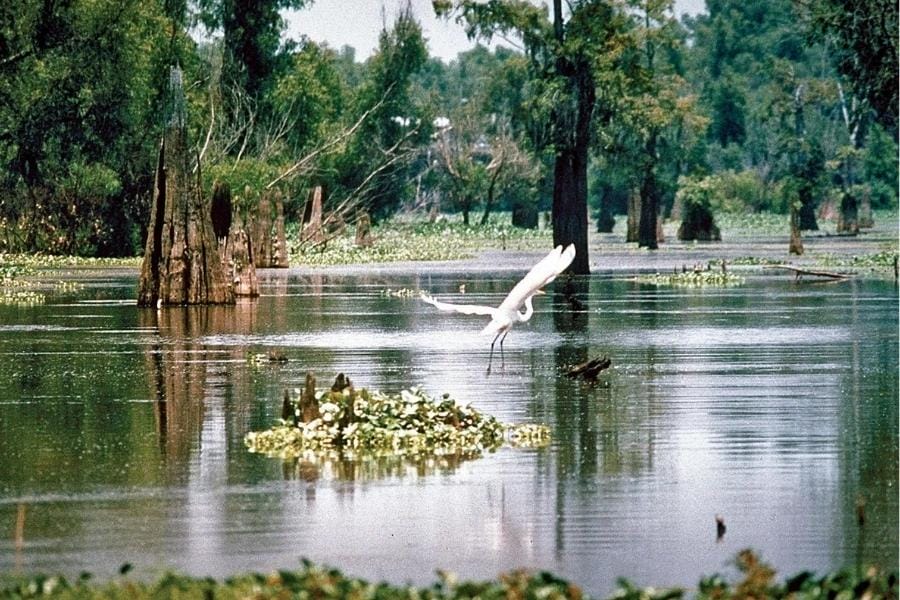
October through April is the window for Kisatchie country. Summer creek levels are actually fine, but the heat and the bugs are brutal, so cool season trips win. Winter rains can blow the creeks out for a week at a time, so check flows before the drive.
Crisp fall days on Kisatchie Bayou are the prettiest prospecting this state offers. Take the camera along with the pan.
Southeast Louisiana
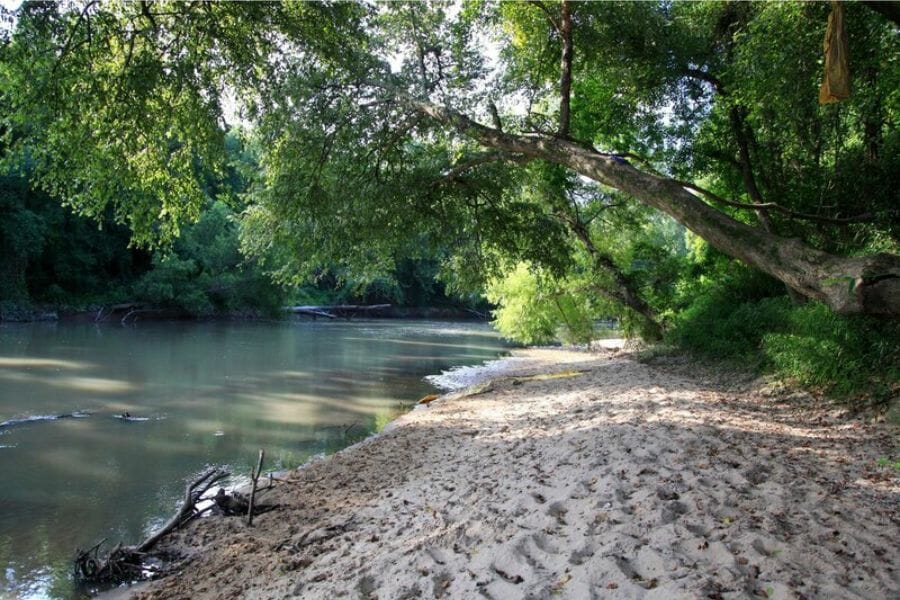
Summer is jewelry season on the lakefront and Grand Isle, when the biggest crowds lose the most gold. Hunt Sunday evenings and Monday mornings behind busy weekends. Winter cold fronts then flip the game, dropping water levels and stripping sand to expose older targets.
Hurricane season runs June through November. Never hunt during a storm, but the first open days after one are the best beach hunting of the year.
Southwest Louisiana
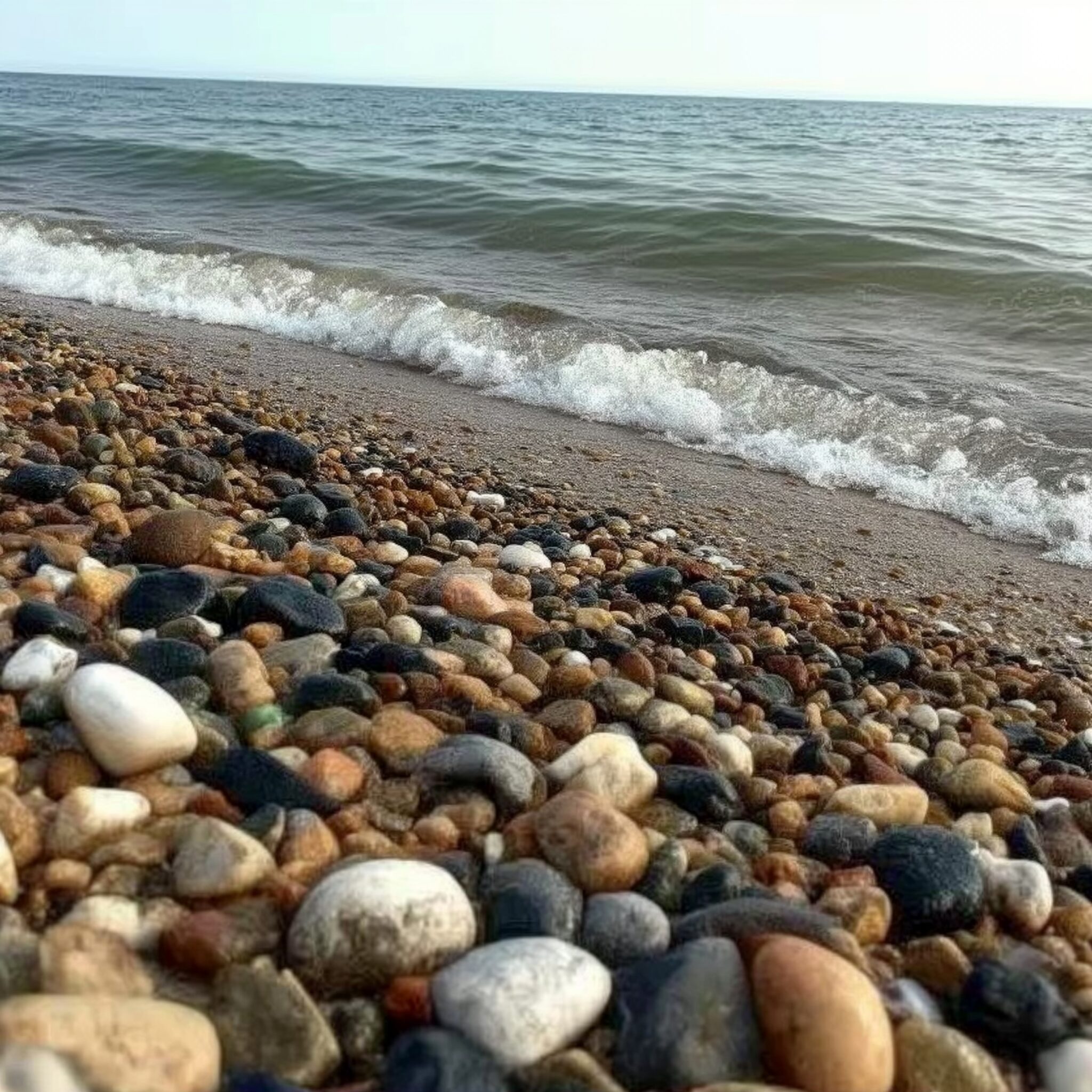
Winter cold fronts are the southwest’s storm season, and each strong front rearranges Holly and Rutherford beaches. Hunt the low tide zone in the calm days after a front passes. Summer brings the campers and their jewelry, so work the towel line on summer weekends.
Spring and fall shoulder seasons are the sleeper pick. Mild weather, low crowds, and sand nobody has swung a coil over in weeks.
Other Valuable Rocks and Minerals You Can Find in Louisiana
The same sand and gravel that hides Louisiana’s gold also hides other treasure, and some of it is worth real money in its own right. The rivers imported all of it, so every bar and beach is a mixed lottery. Keep an eye on everything in your pan and scoop.
Agates
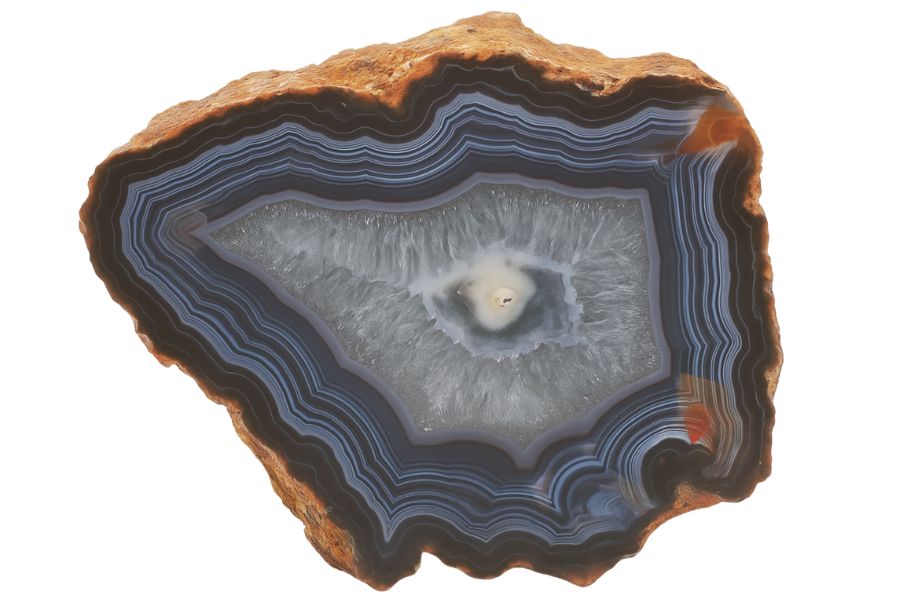
Banded agates ride the same gravel bars as Louisiana’s reported gold, especially along the Ouachita, the Red, and the Amite. Wet agates glow with bands that dry stones hide, so check every glassy pebble. Here is our full guide to finding agates in Louisiana.
Petrified Palm Wood
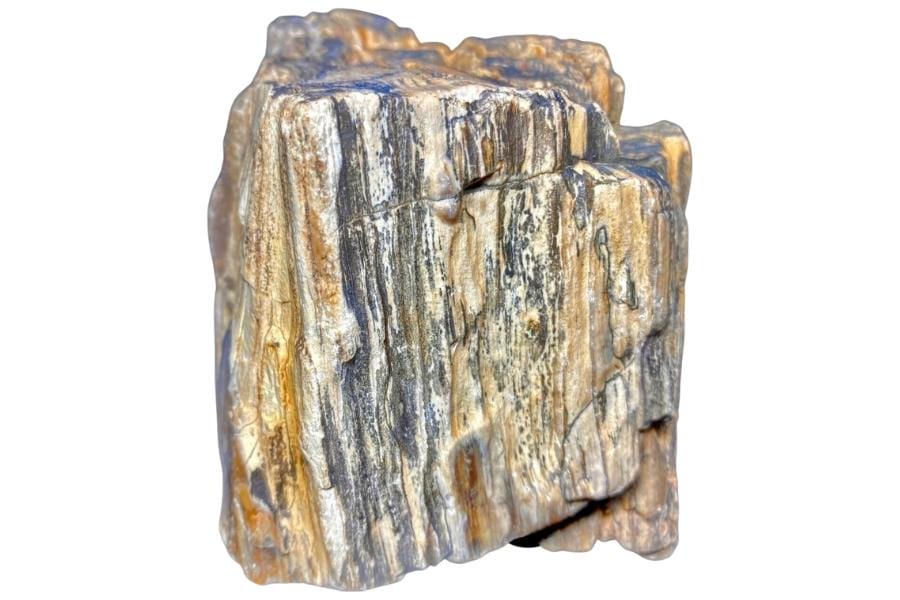
Petrified palm wood is Louisiana’s official state fossil, and polished pieces show a starry dot pattern collectors love. It turns up in the same creeks and gravel pits that feed the state’s rock hunting. Our guide to petrified wood in Louisiana maps the best hunting grounds.
Louisiana Opal
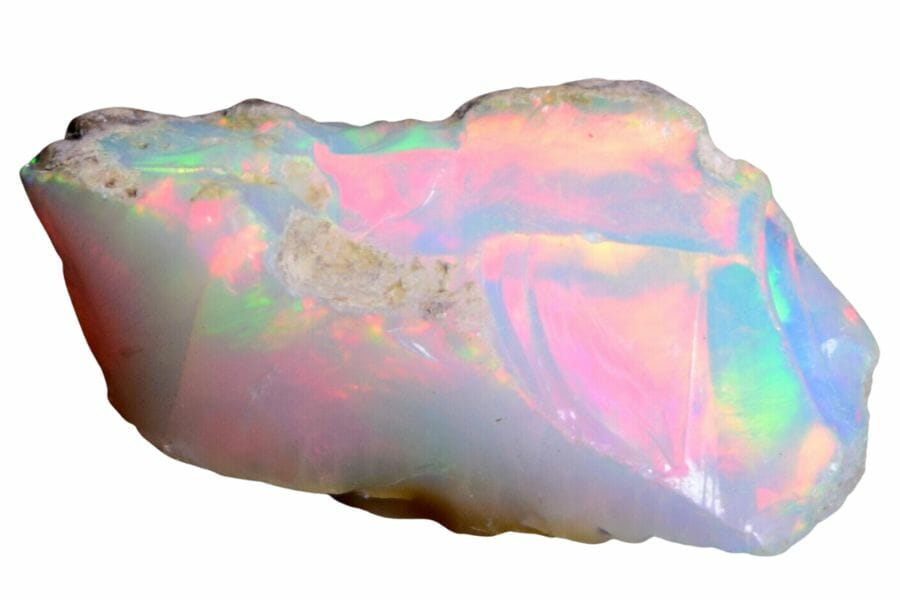
Louisiana produced one of America’s strangest gems, a sandstone filled with precious opal that flashes fire when cut. Material still circulates from the original western Louisiana find, and rockhounds keep hunting for more. Our Louisiana gem hunting guide tells the story.
Jasper
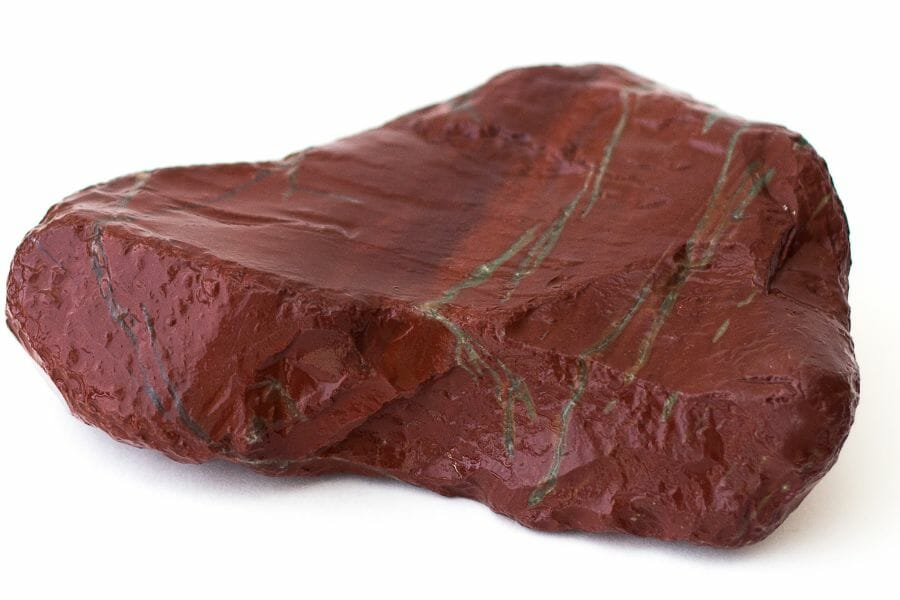
Jasper shows up as smooth red, yellow, and brown pebbles in gravel bars across the state. It polishes beautifully and makes an easy first find for kids. Our overview of Louisiana rocks, minerals, and gems shows what the best pieces look like.
Chalcedony
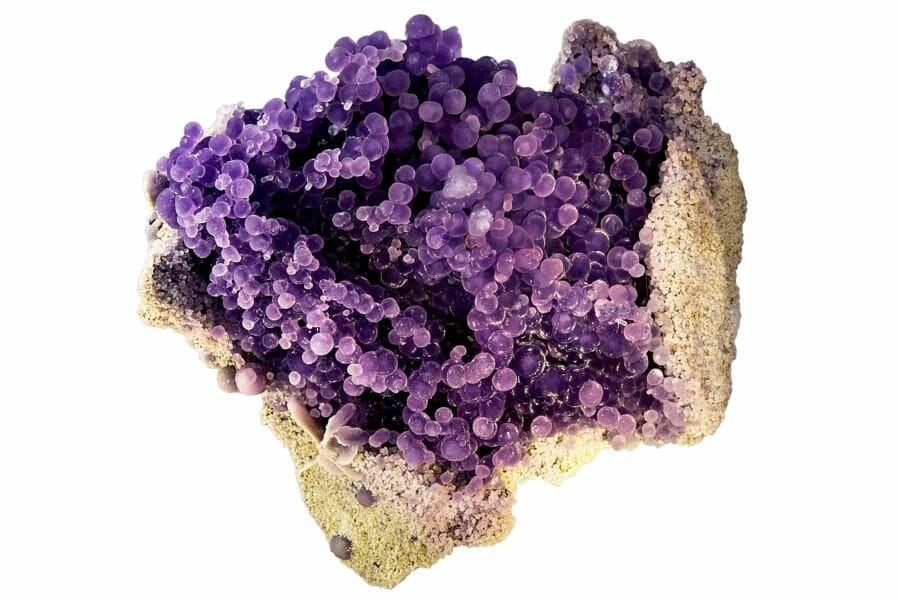
Chalcedony forms waxy, translucent pebbles that glow softly when wet, and Louisiana’s river gravels carry plenty of it. It is the same mineral family as agate without the bands. Our guide to Louisiana crystals covers where it hides.
Fossil Shells
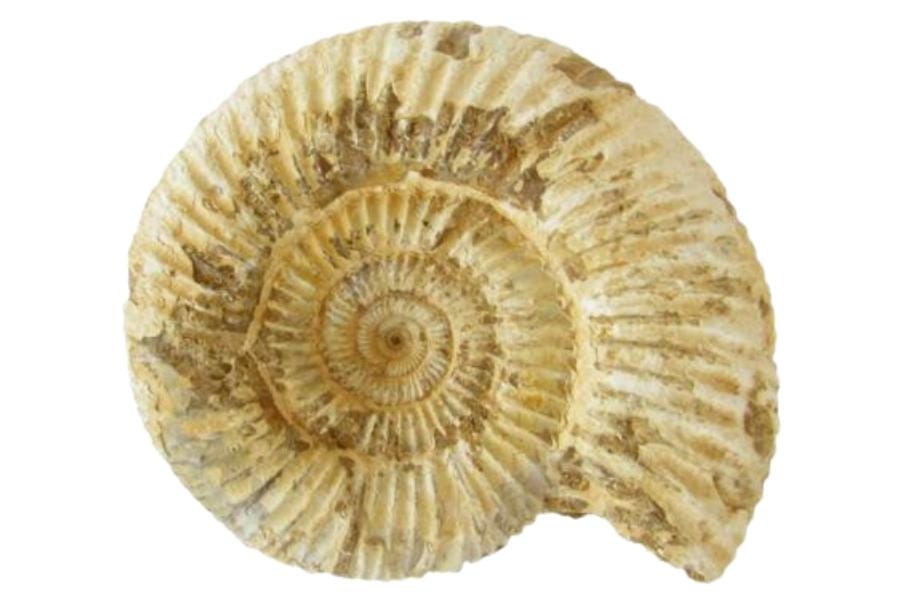
Louisiana spent ages under shallow seas, and fossil shells and marine creatures wash out of its creek banks and gravel pits. Some beds produce beautifully preserved specimens. Here is our full guide to fossils in Louisiana.
Sea Glass
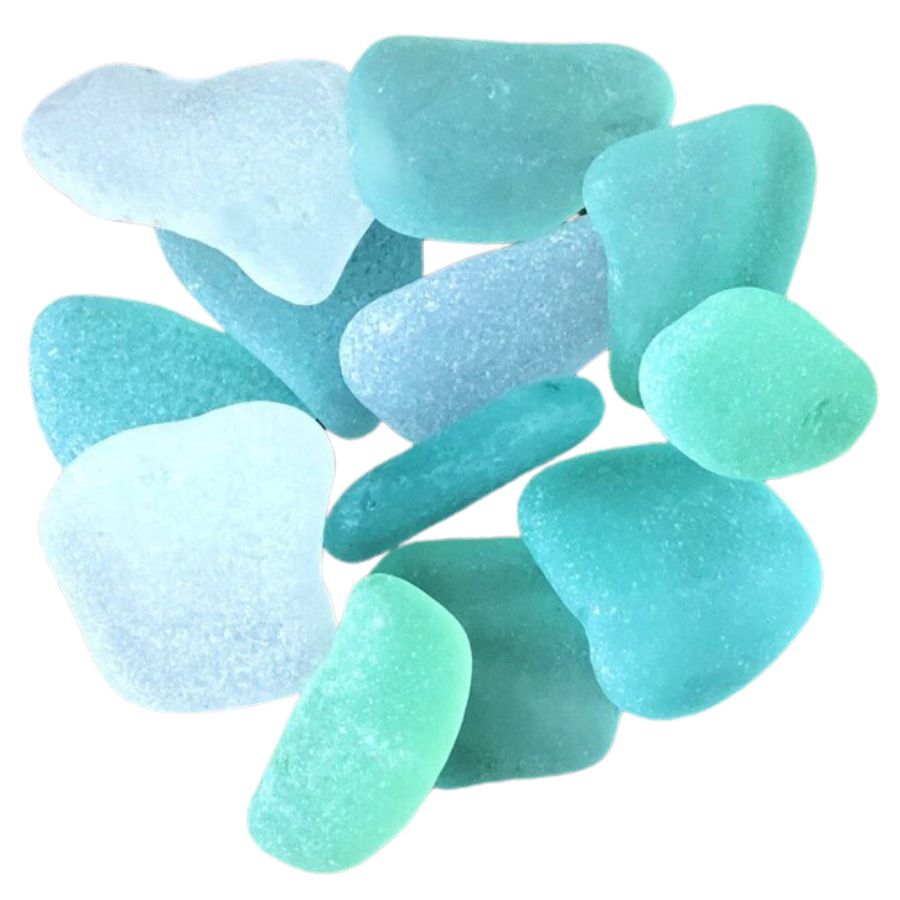
Sea glass rides the same wave sorted deposits as lost jewelry, so beach detectorists find it constantly. Rare colors like cobalt bring real money from jewelry makers. Our guide to finding sea glass covers the tides and spots that produce.
Calcite
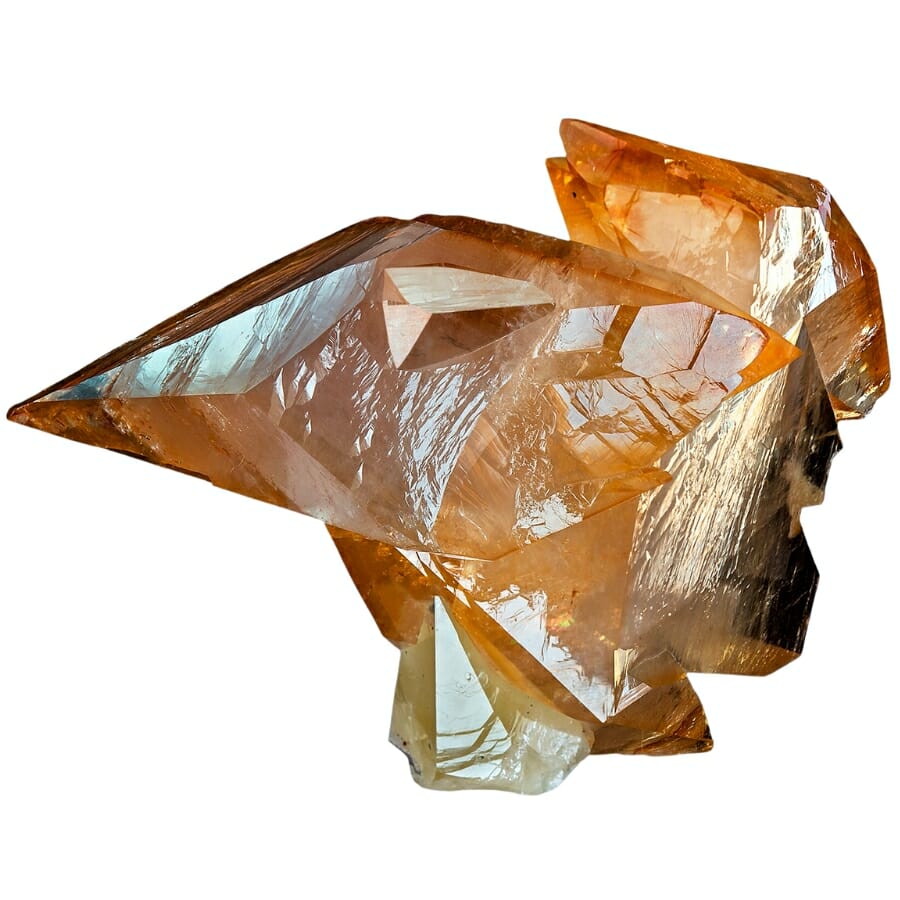
Calcite crystals form in Louisiana’s limestone pockets and fossil beds, and loose honey colored pieces wash into streams. Clear pieces flash like glass in a wet pan. Our guide on how to find calcite shows what to look for.
Geodes
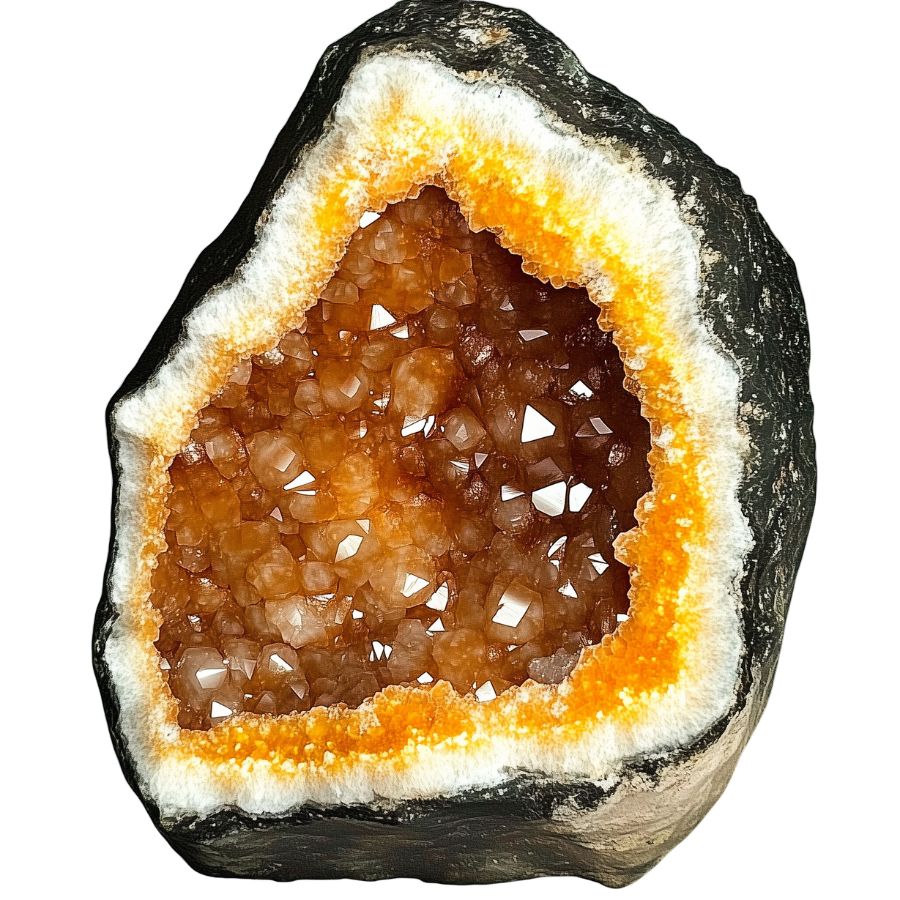
Geodes look like plain round rocks until you crack them open on a crystal lined hollow. Louisiana’s gravel deposits occasionally give them up to sharp eyed hunters. Our guide to geodes in Louisiana lists the best hunting grounds.
Silver
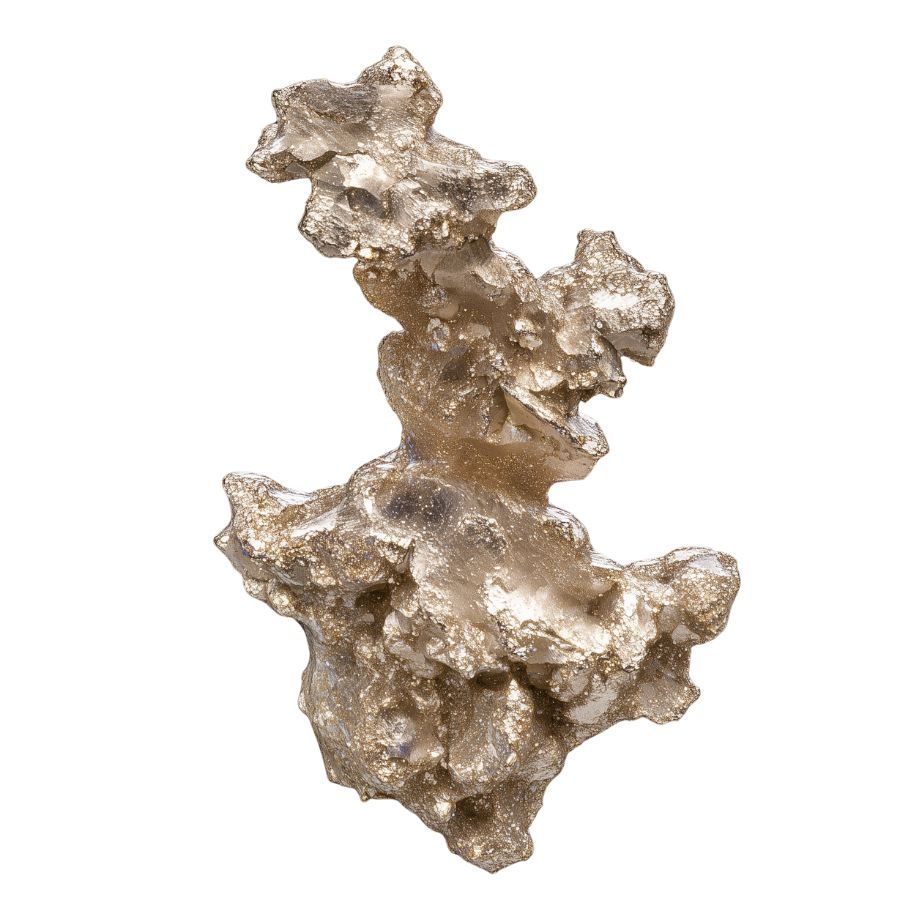
Silver turns up in Louisiana the same way gold does, as lost rings, chains, and the occasional old piece in beach and lakefront sand. Blackened silver looks like junk, which is how real finds get thrown away. Our guide to silver in Louisiana covers where it hides.
Here is the thing about every find on this list. Wet and sandy, half of them look like gray lumps, and people flick real treasure back into the water every single weekend. The US Rocks and Minerals Field Guide exists so that never happens to you, with photo identification for 140 rocks and minerals you can check right at the water’s edge.

Legal Rules for Gold Prospecting in Louisiana

Before you touch a pan or a coil to Louisiana ground, read this section. We are rockhounds, not lawyers, and nothing here is legal advice. Rules change, and staying legal is entirely your responsibility.
Private Property
Most Louisiana river banks, creek banks, and batture land are private, even where they look wild, and Louisiana landowners take boundaries seriously. The state’s civil law does give the public limited use of the banks of navigable rivers, but that servitude does not include digging, so treat permission as required everywhere. In our experience, a polite ask opens more rural gates than people expect.
Protected and Historic Land
Louisiana state parks and historic sites restrict metal detecting and collecting, and national wildlife refuges are completely off limits. Anything historic raises a second layer of law, because artifacts and objects on state lands and underwater sites belong to the state, and that includes old coins and anything from a wreck. Kisatchie National Forest is the friendliest public land in the state for hobby activity, but confirm current panning policy with the ranger district before you dig.
Equipment Restrictions
Hand pans, hand tools, and a metal detector are the safe baseline everywhere hobby hunting is allowed. Anything motorized, including suction dredges and high bankers, triggers water quality and dredging permits from state and federal agencies, which puts that gear out of reach for casual prospecting. Louisiana’s fine gold is perfect hand pan gold anyway, so keep it simple and stay legal.
Play it safe on every trip. Confirm access directly with the landowner or the managing agency before you dig, because boundaries and rules change without notice.
Some spots in this guide sit near refuges, parks, and historic ground where collecting is limited or banned. When in doubt, treat anything old, embedded, or inside a boundary as look but do not take until you have confirmation in hand.
The best shortcut is local knowledge. Louisiana’s metal detecting clubs and gem and mineral societies know the current rules water by water, and a club membership pays for itself in access and storm day tips alone.
Louisiana Gold FAQ
Is there gold in Louisiana?
Yes, there is gold in Louisiana. The Ouachita, Red, and Mississippi rivers carry ultra fine gold down from gold country upstream, and prospectors report fine color from their sandbars. Beaches and lakefronts add lost gold jewelry to the hunt every summer weekend.
Can you pan for gold in Louisiana?
You can pan for gold in Louisiana, and the top targets are the sandbars of the Ouachita River and Red River, where prospectors report ultra fine flour gold. Black sand streaks mark the spots worth digging. Many Louisiana panners also work bags of paydirt from real mines, which guarantees gold in the pan.
Where can you find gold in Louisiana?
The most talked about spots are the Ouachita River near the Arkansas line, the Red River sandbars around Shreveport, Kisatchie National Forest, and the beaches at Grand Isle and Holly Beach for lost jewelry. The best places section above breaks down access and technique for every spot.
Do you need a permit to metal detect in Louisiana?
On private land you need the landowner’s permission, and on public land the answer depends on the agency. State parks and historic sites restrict detecting, wildlife refuges ban it, and beaches and lakefronts vary by parish and authority. Check with the specific office that manages your spot before you swing, and never dig historic objects on public land.
Get Every Find In Your Pan Identified In Seconds

Every pan of river sand and every beach scoop in Louisiana is a mystery until you can name what is in it, and here the mystery might be gold, an agate, or the state fossil. The Rocks and Minerals of the United States Field Guide identifies 140 rocks, minerals, and gemstones with clear photos, printed waterproof so it works right at the water’s edge.