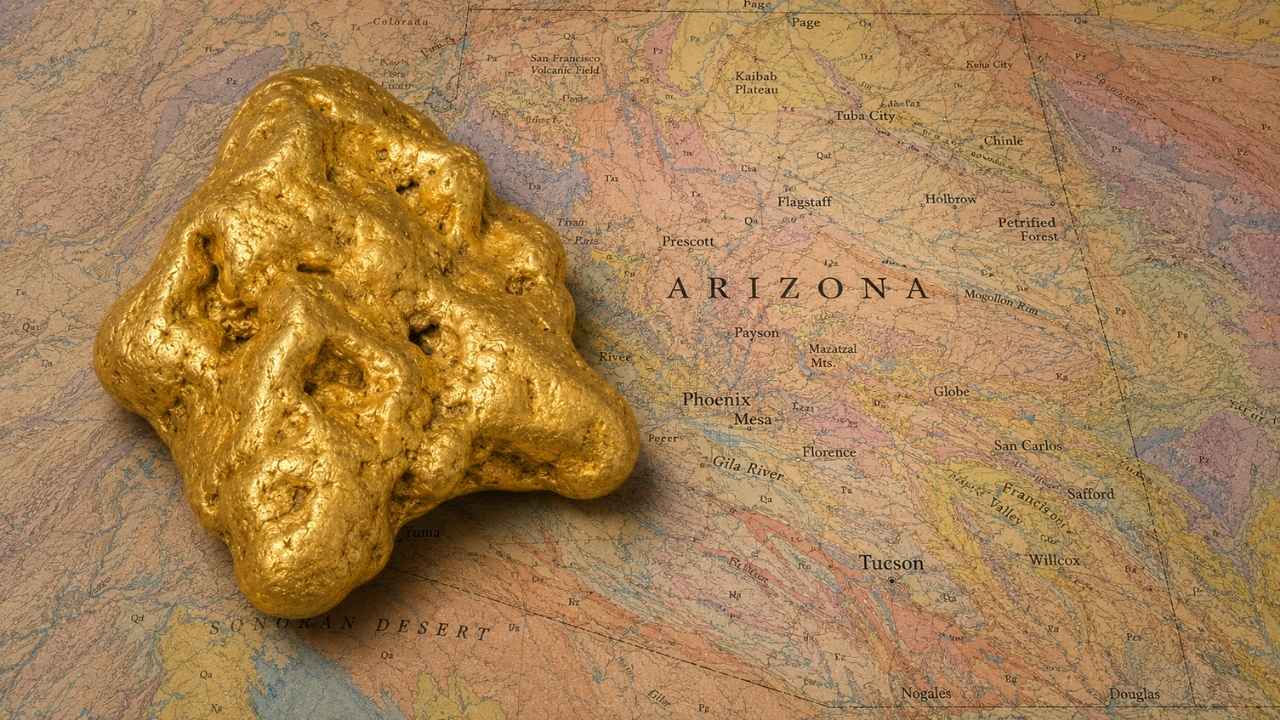
Arizona placer miners have pulled more than 564,000 ounces of gold out of the desert since record keeping began, and the washes that produced it still run through public land today. Gold in Arizona sits in dry gulches, creek gravels, and quartz veins across nearly every county in the state.
Gold is trading above $4,000 an ounce, so you do not need to find much for a weekend trip to pay for itself.
Most people who come home empty handed made one avoidable mistake. They drove to a famous name on a map without checking whether the ground under their boots was open, and Arizona has more active mining claims than almost anywhere in the country.
This guide fixes that. You get the designated public panning water at Lynx Creek, the open BLM washes around Quartzsite, the claim rules that keep you legal, and the exact technique that works at each spot.
Yes, you can still find gold in Arizona today, especially along Lynx Creek and the Hassayampa River, where desert placer deposits have been producing since the 1860s. Our team of geologists and experienced rockhounds put this together around the way Arizona gold actually travels, so start at the top and work down.
Table of Contents
- Biggest Discovery
- Types of Gold
- Where Gold Hides
- Best Places
- Techniques
- Fool’s Gold
- How Gold Got Here
- What To Bring
- Best Time of Year
- Other Minerals
- Legal Rules
- FAQ
The Biggest Gold Discovery in Arizona History
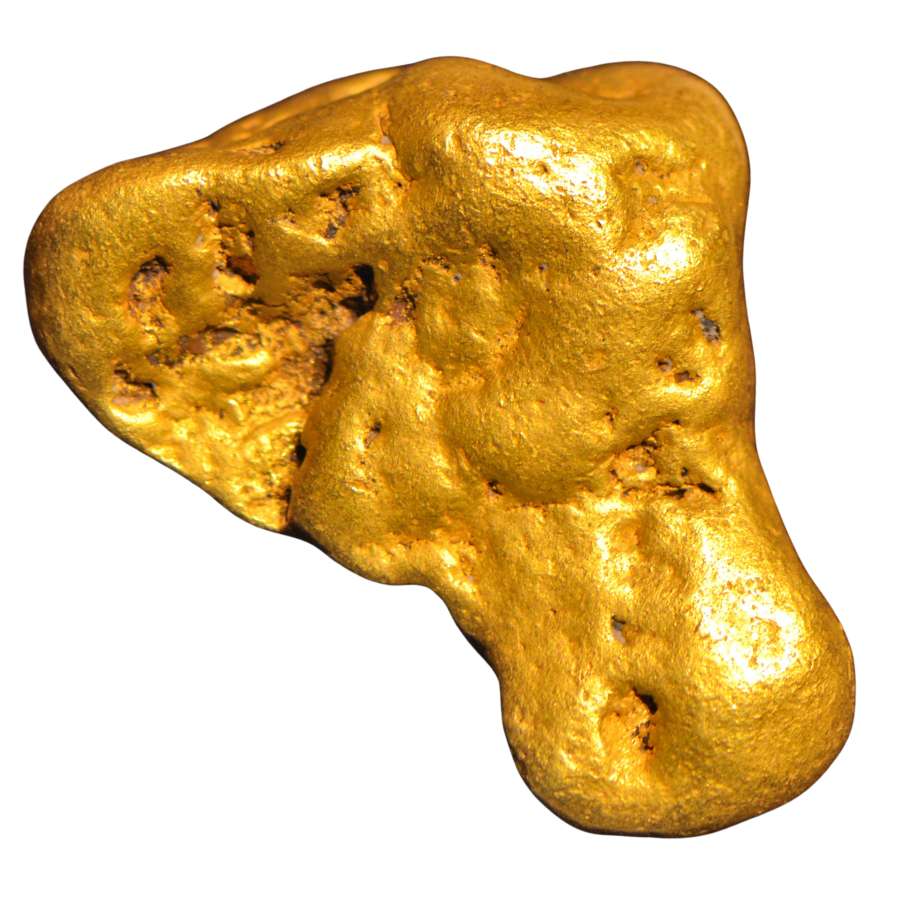
The richest gold ever found in Arizona was lying loose on top of a hill where anyone could pick it up. In the spring of 1863, a prospecting party working north of the Hassayampa River climbed a rocky saddle in what is now Yavapai County and found gold nuggets scattered across bare ground.
They did not need a pan or a shovel. Men gathered nuggets with knives and their bare hands, and the story that came out of that saddle was that the pieces were as big as potatoes. The spot has been called the Potato Patch ever since, and the hill became Rich Hill.
Word traveled fast and thousands of miners poured into the Weaver district over the next few years. The district turned out more than a million dollars in gold at 1800s prices, which is worth well over one hundred and fifty million dollars at today’s price per ounce.
The geology behind it is the reason it happened. Gold bearing quartz veins in the granite above weathered out over millions of years, and because the desert gets so little running water, the heavy nuggets never washed far from where they were born. That same principle still puts coarse gold within reach across central Arizona.
The Kinds of Gold You Can Find in Arizona
Arizona gold comes in four forms you will actually put in a vial, and coarse pieces are far more common here than in most states. Dry desert washes move gravel in violent short bursts, which sorts gold quickly and drops it close to its source.
Gold Flakes
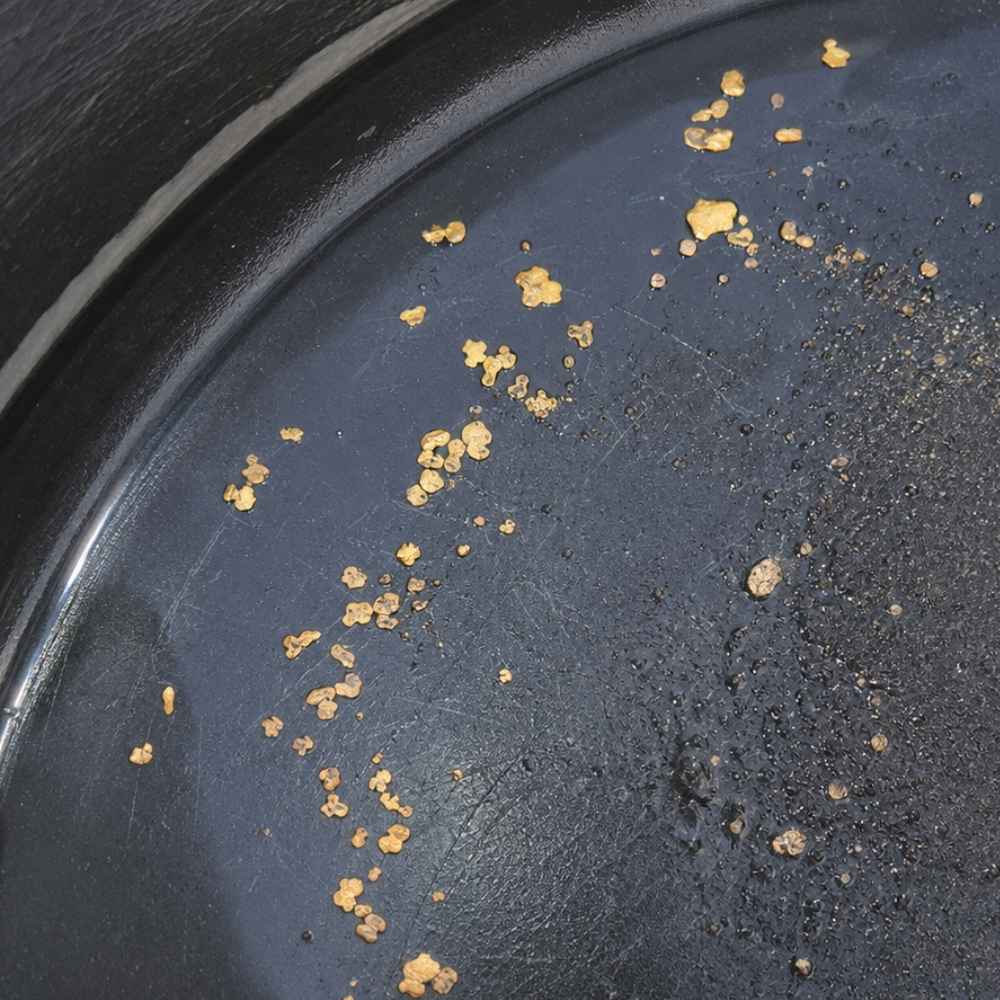
Flakes are flat, bright, and the size of a pinhead or a little larger. They are what you see first in the bottom of a pan after the black sand rolls off, and Arizona creeks like Lynx Creek and Big Bug Creek give them up steadily.
The lookalike here is mica, which flashes gold in sunlight and floats around the pan. Press it with a fingertip under water and mica shatters or bends, while gold stays soft and solid and sinks straight back down.
Flakes are light enough to blow away, so pick them up with a Garrett Gold Guzzler Bottle instead of your fingers.
Knowing exactly what you are holding is the difference between a good day and a great one, and it is not only gold in your pan. Arizona washes are loaded with copper minerals, agates, and crystals that most people throw back because they cannot name them. The Rocks and Minerals of the United States Field Guide puts a photo and an ID next to every one of them so you keep what is worth keeping.
Gold Pickers
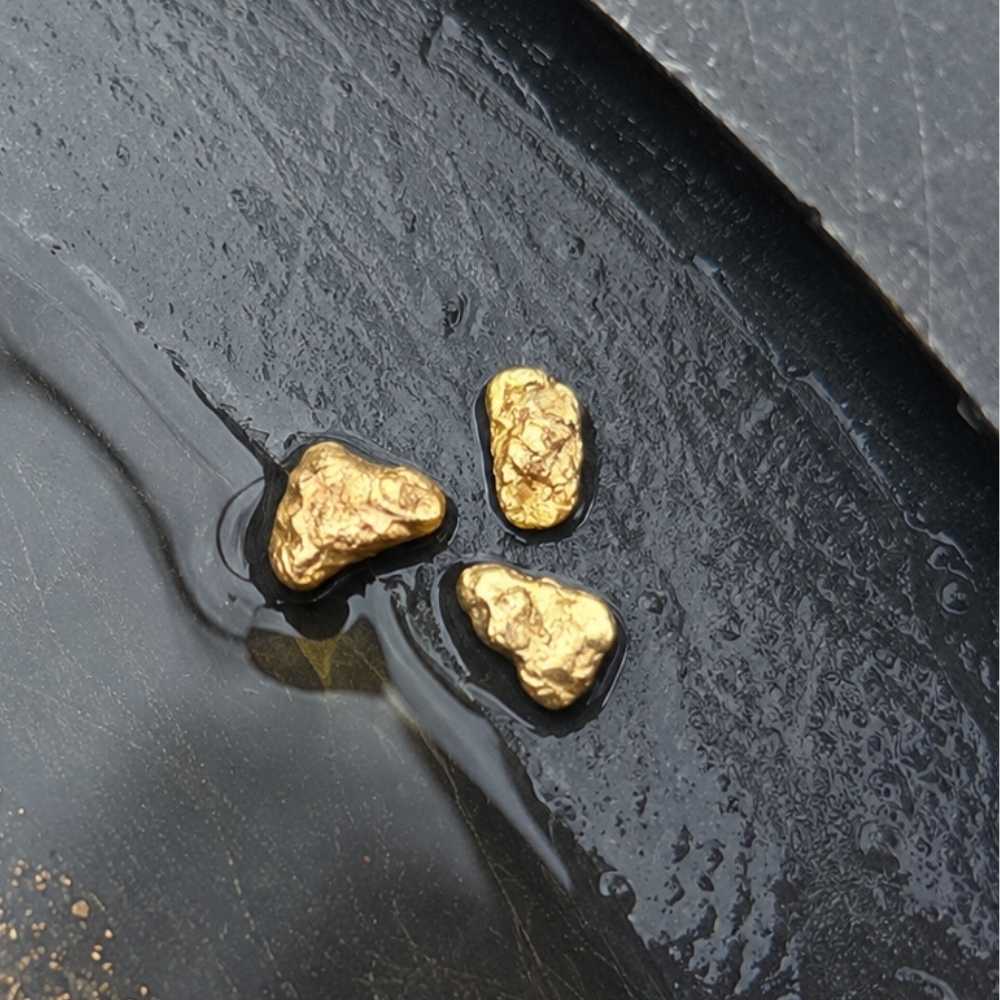
Pickers are pieces big enough to pluck out of the pan with your fingers, roughly the size of a match head up to a grain of rice. Arizona produces them in quantity because the gold here travels short distances and never gets hammered down to dust.
Pyrite is the classic imposter, and it turns up in the same copper country. Pyrite is brittle and breaks into sharp cubes under a knife point, while a picker just dents and stays whole.
A deep riffle pan holds heavy pieces while you wash off the light stuff, so run your gravel through a Garrett 15″ Dual Riffle SUPERSLUICE Gold Pan.
Gold Nuggets
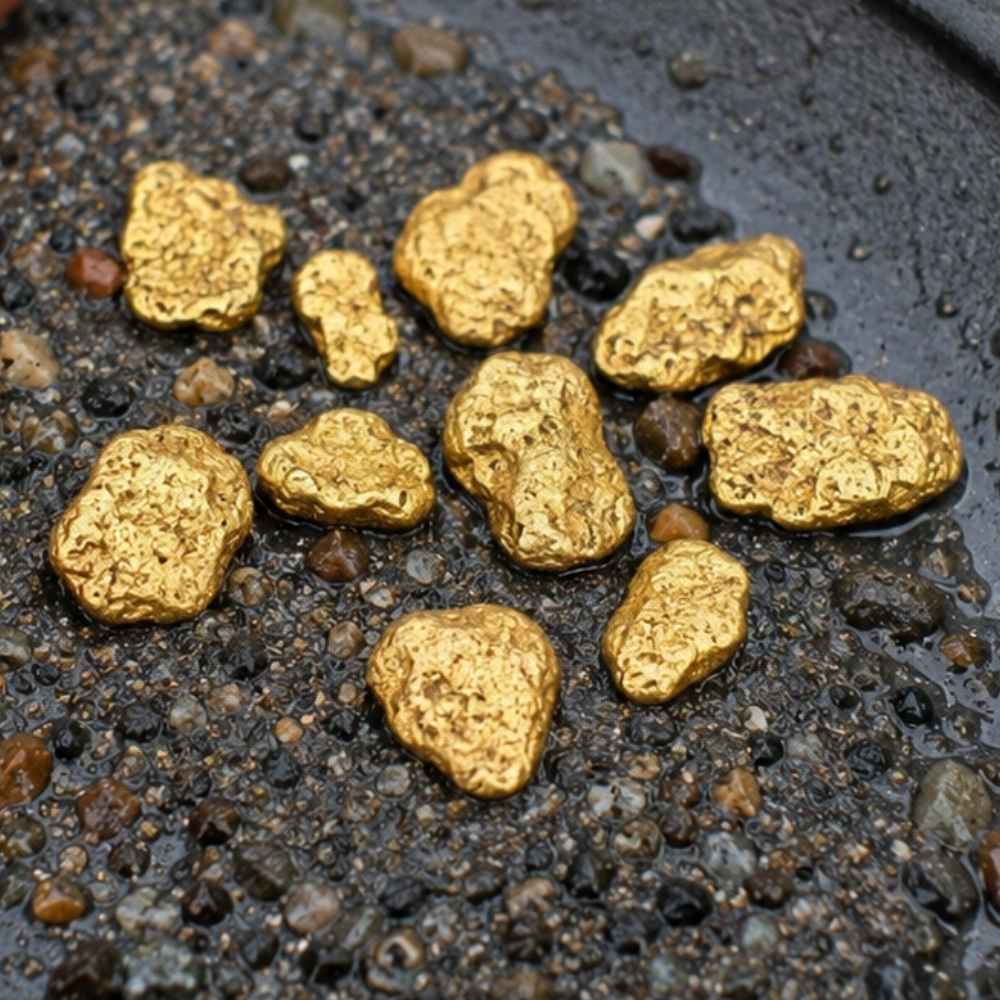
Nuggets are the reason people come to Arizona, and the state has a genuine reputation for them. Rich Hill, San Domingo Wash, and Gold Basin have all given up multi ounce pieces, and detector hunters still pull nuggets out of those districts.
Ironstone and hematite pebbles fool people constantly because they are heavy and dark. Drag the piece across an unglazed tile and gold leaves a gold streak, while ironstone leaves a red brown one.
Most Arizona nuggets today are found by ear, not by eye, so carry a Garrett AT Gold Metal Detector into nugget country.
Gold in Quartz
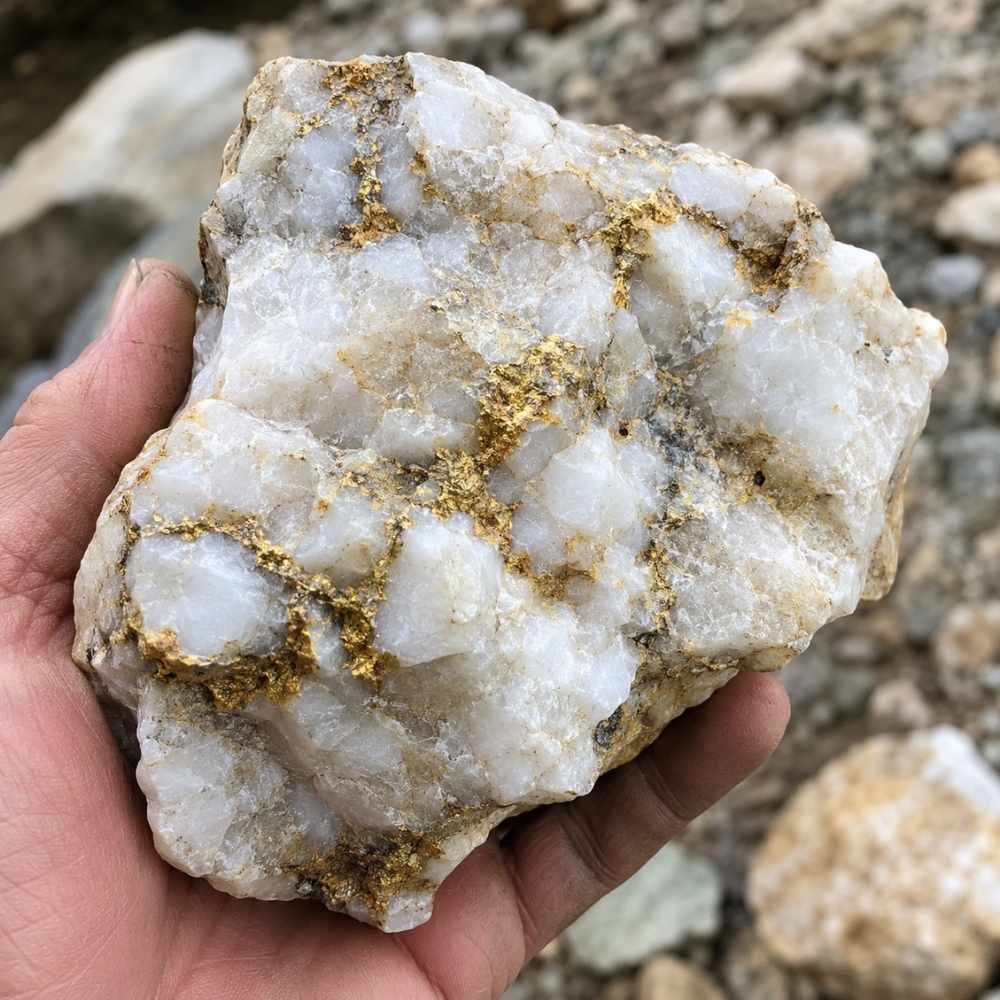
Vein gold shows up as bright threads and blebs inside white quartz, and specimens like this sell for far more than their melt value. Arizona is full of it because the whole state sits on top of gold bearing quartz systems that fed the placers.
Weathered pyrite stains quartz a rusty yellow that looks like gold from arm’s length. Get close with a loupe and real gold has a smooth metallic shine with no crystal faces, while stained rock looks powdery.
Breaking float quartz open is how you check it, so pack an Estwing Geo Paleo Rock Pick.
Every one of these shows up more often once you know where in a wash to dig, which is exactly what comes next.
Where Gold Hides in Arizona Streams and Washes
Gold in Arizona stops moving wherever water slows down, and in the desert that happens fast and in predictable places. Read these five features and you will spend your day digging where the gold already is.
Inside Bends
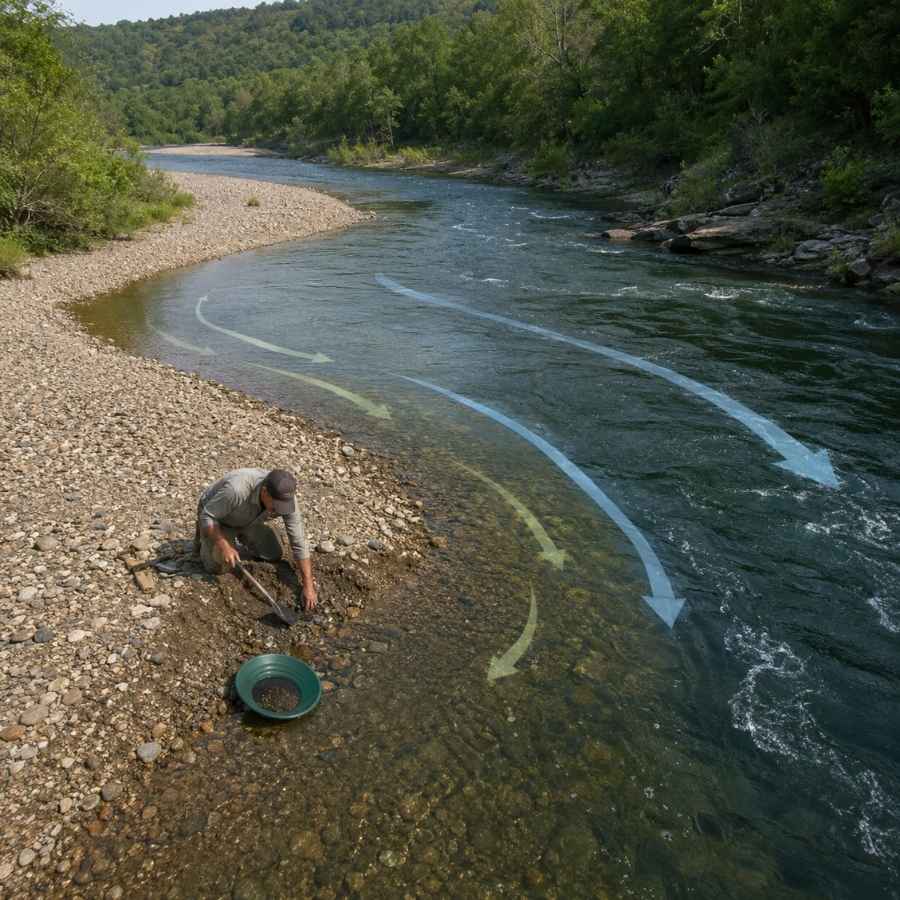
Water races around the outside of a bend and loafs along the inside, and gold drops the moment the current gives up. On Arizona creeks the inside bend is usually a low gravel shelf you can walk right onto.
Dig down through the loose surface rock to the packed gravel underneath, because that is where the heavy material sits. A Bully Tools 14 Gauge Round Point Shovel gets you through cemented desert gravel without bending.
Gravel Bars
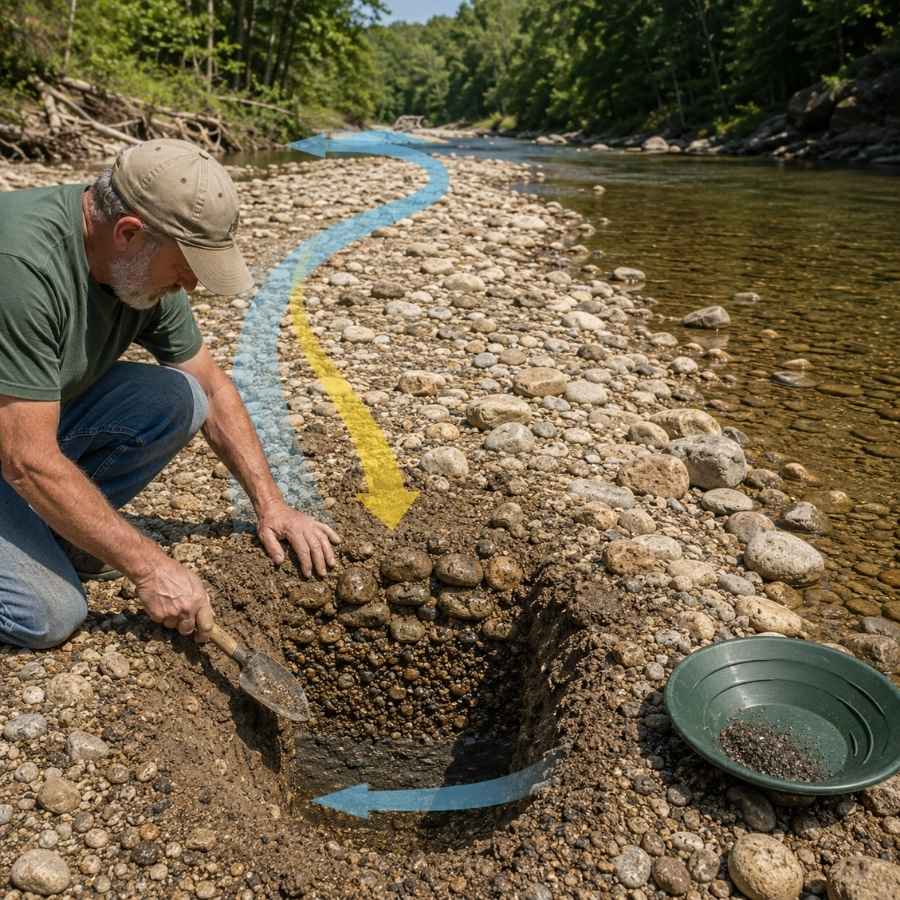
Gravel bars are the piles of rock a flood leaves behind, and Arizona floods are violent enough to build big ones. The head of the bar, where the current first hits it, holds the coarsest gold.
You will move a lot of rock here, so screen it before you pan. An SE Half Inch Sifting Screen throws out the cobbles and leaves you the material that actually matters.
Bedrock Cracks and False Bedrock
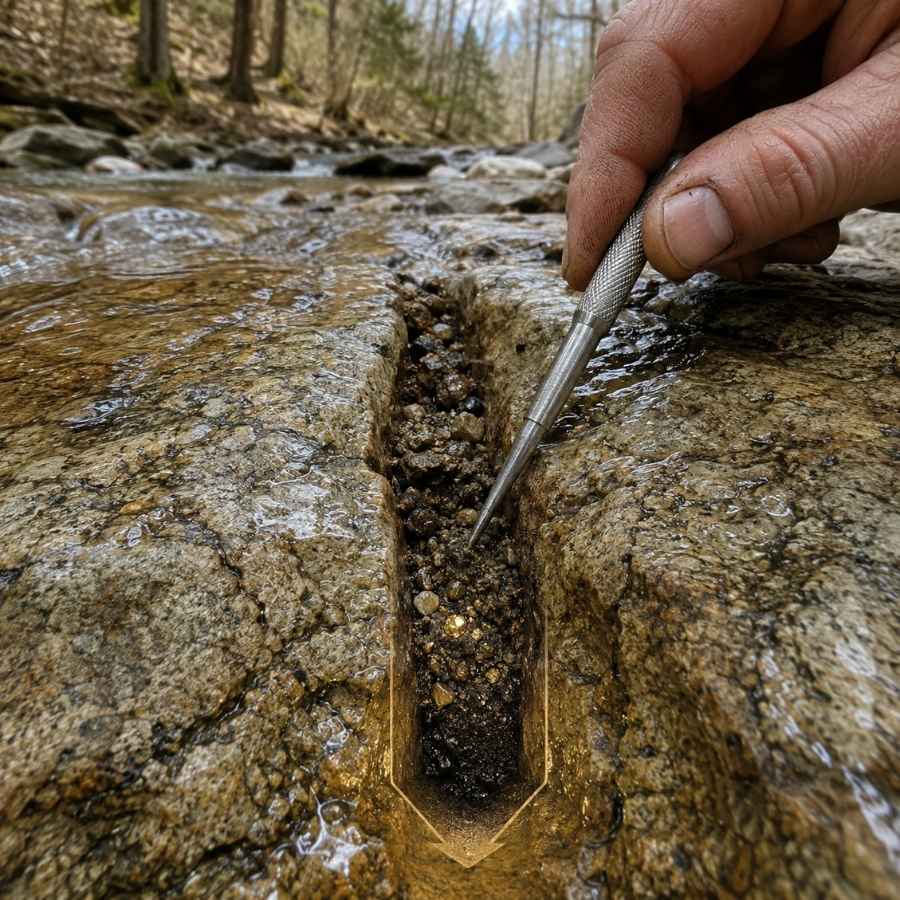
Gold sinks until something stops it, and in Arizona that stopper is often bedrock or a hard layer of caliche partway down. Caliche is a natural cement of desert soil, and prospectors call it false bedrock because gold piles up on top of it exactly the same way.
Every crack, seam, and pothole in that surface is a trap worth cleaning out. Get into them with an ASR Outdoor Steel Crevice Tool Set.
Behind Boulders in Desert Washes
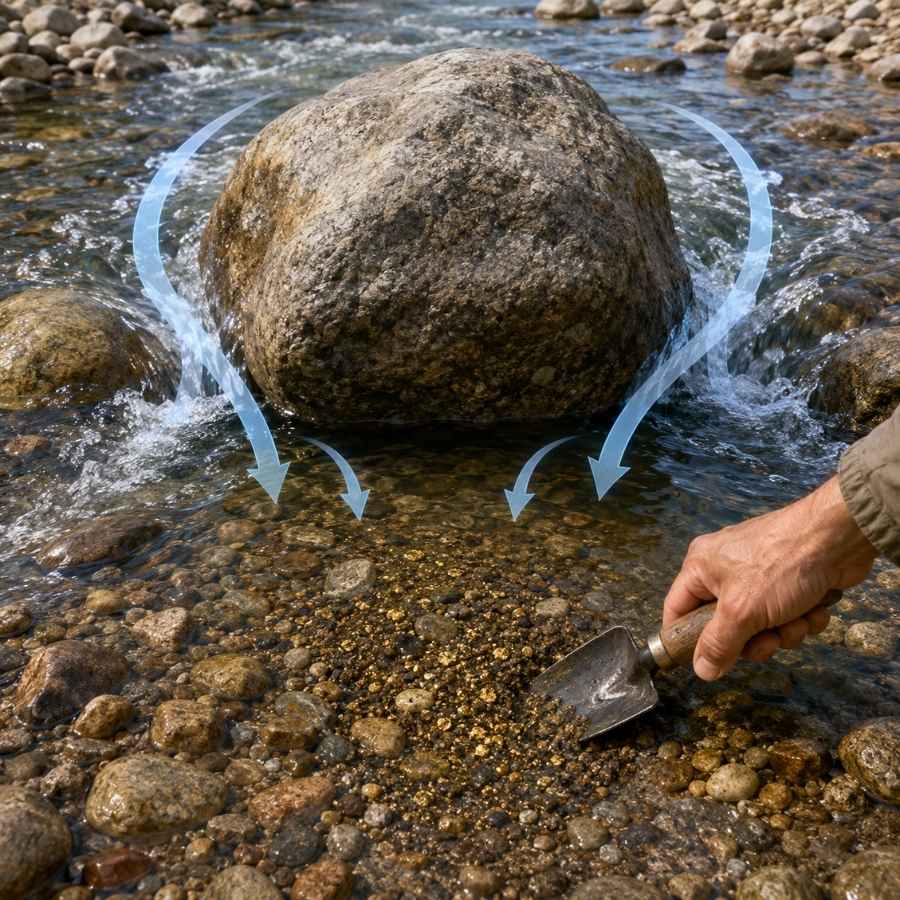
A boulder sitting in a wash creates dead water right behind it during a flood, and gold parks there. Look for any obstruction that breaks the flow, including bedrock ledges, old tree roots, and vehicle sized rocks.
Work the downstream side first and dig to the bottom of the gravel. Finish your concentrates in a Garrett Prospecting 10″ Backpacker Gold Pan.
Black Sand Streaks
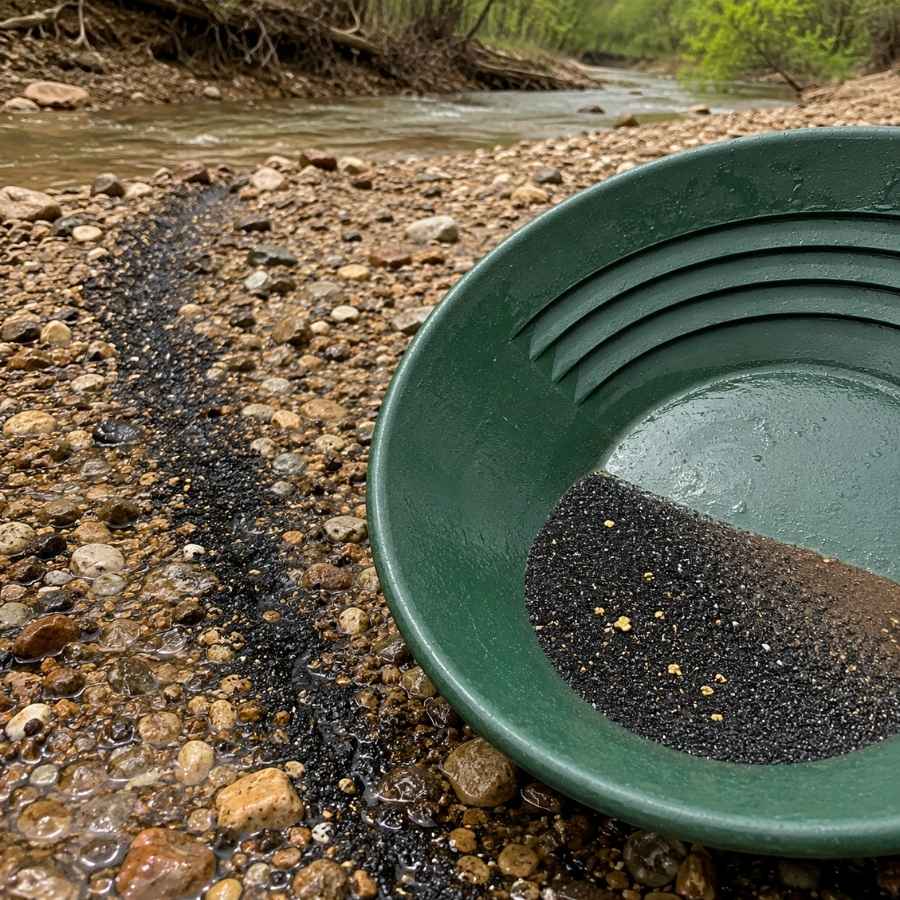
Black sand is magnetite and hematite, and it is almost the same weight as gold, so wherever it collects, gold collects too. Arizona washes show black sand as dark ribbons on gravel bars and in the low spots of dry gulches.
Follow those ribbons and sample them. Pull the magnetics out of your concentrates fast with an SE Magnetic Separator Pick Up Tool with Quick Release.
Always Confirm Access and Collection Rules!
Before heading out to any of the locations on our list you need to confirm access requirements and collection rules for both public and private locations directly with the location. We haven’t personally verified every location and the access requirements and collection rules often change without notice.
Many of the locations we mention will not allow collecting but are still great places for those who love to find beautiful rocks and minerals in the wild without keeping them. We also can’t guarantee you will find anything in these locations since they are constantly changing.
Always get updated information directly from the source ahead of time to ensure responsible rockhounding. If you want even more current options it’s always a good idea to contact local rock and mineral clubs and groups
The Best Places To Find Gold in Arizona
Arizona gold spreads across four broad regions, and each one asks for a different approach. Central Arizona has running creeks and the state’s only designated public panning water, the western deserts are dry wash and detector country, the northwest holds remote nugget ground, and the south hides rich gulches in mountain ranges most visitors drive past.
Central Arizona
The Bradshaw Mountains and the country around Wickenburg produced more placer gold than any other part of the state, and this is where Arizona’s most reliable public access sits.
Lynx Creek Recreational Gold Panning Area, Yavapai County
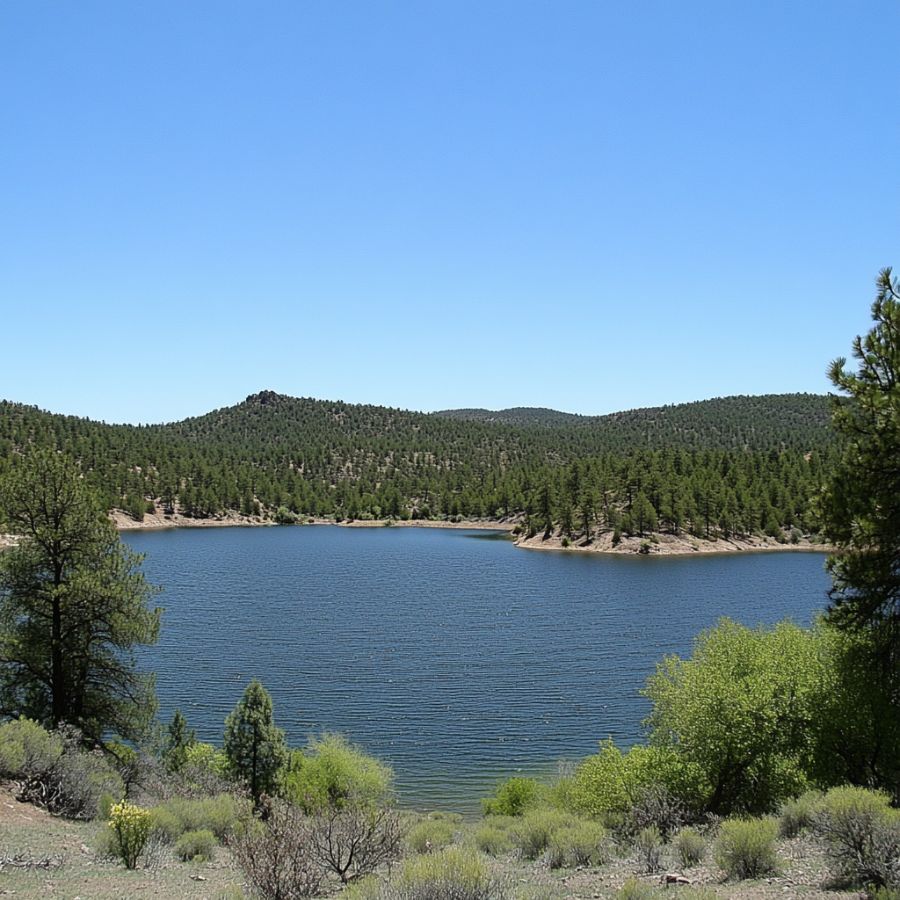
Lynx Creek is the single best place in Arizona for a first gold trip because the Forest Service set it aside for exactly that. More than four miles of the creek southeast of Prescott are withdrawn from mineral entry, which means no one can stake a claim there and you can pan without worrying about whose ground you are standing on. Gold was found here in 1863 and the creek went on to become one of the most productive in the state.
You will find flakes and pickers in the creek gravels, and the tributaries feeding in from the Bradshaws hold concentrated pay too. Panning is the technique that works best, and hand sluicing is allowed inside the recreation area.
Bycatch here includes quartz crystals, jasper, and copper stained rock, and this is where people get burned. Every year someone tosses a green stained pebble that was worth more than the gold in their vial, simply because they could not name it. The Rocks and Minerals of the United States Field Guide is built to be opened wet and dirty right at the creek so nothing good goes back in the water.
The gravel here is loose enough that a Garrett 15″ Dual Riffle SUPERSLUICE Gold Pan and a shovel is all the gear you need. Access is easy off Highway 69 with parking and vault toilets, and motorized equipment is not allowed.
Difficulty rating: 1 out of 5
Hassayampa River near Wickenburg, Maricopa and Yavapai Counties
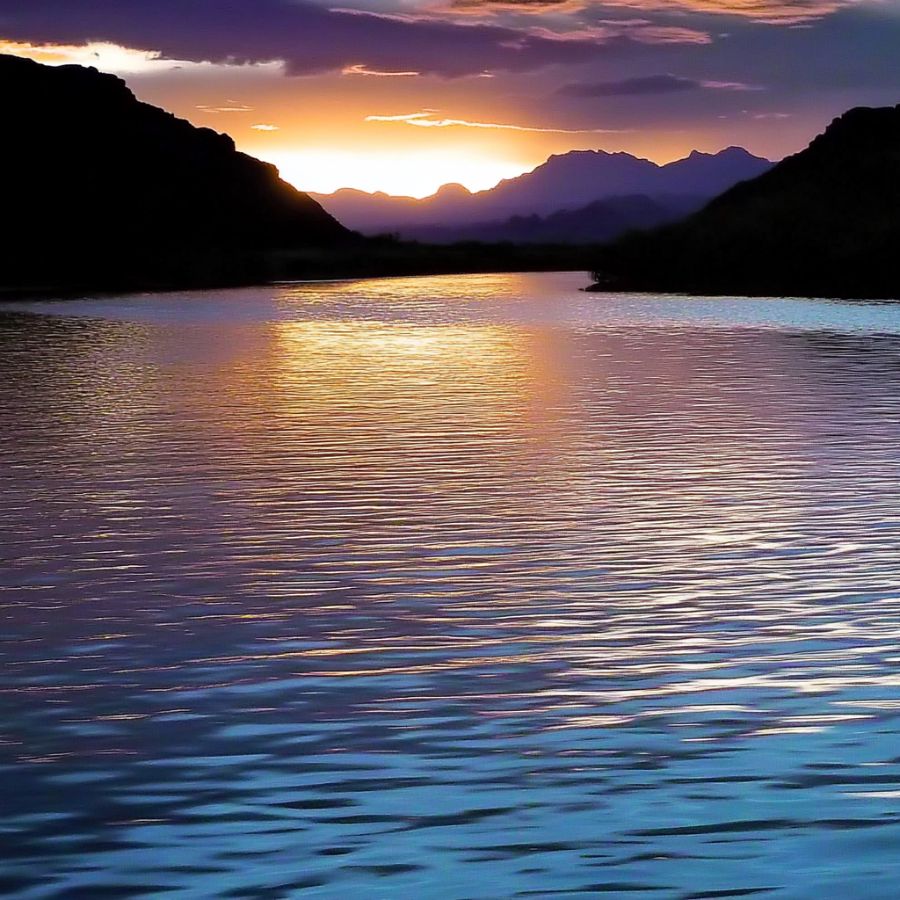
The Hassayampa has been producing gold since the 1860s and its historical output runs into the millions of dollars. The river runs mostly underground through the desert, so the exposed stretches of bedrock and gravel are concentrated and easy to read.
Gold here is flakes and pickers, with coarser pieces where the channel narrows against bedrock. Panning and crevicing both work well, and the dry benches above the channel are dry washing ground.
Bycatch includes agate, jasper, and quartz crystals. A Garrett Prospecting 10″ Backpacker Gold Pan handles the finish work after you screen your gravel.
Much of the river corridor near Wickenburg carries active claims, so check the BLM claim map before you dig. Public access points near town are the easiest place to start.
Difficulty rating: 2 out of 5
Rich Hill and Weaver Creek near Stanton, Yavapai County
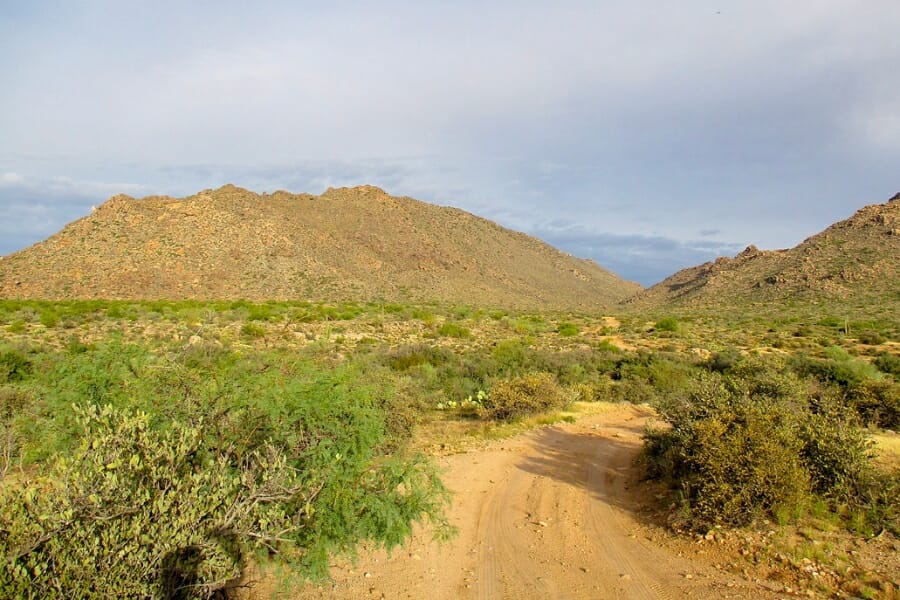
Rich Hill is the most famous gold ground in Arizona and it still gives up nuggets. The hill and the washes below it produced coarse gold from the 1860s onward, and the surrounding district covers roughly forty square miles of nugget bearing country.
Nuggets and heavy pickers are the prize, and metal detecting is the technique that finds them. Antelope Creek and the gulches draining off the hill are the classic ground.
Bycatch includes quartz, hematite, and copper minerals. A Garrett AT Gold Metal Detector is the right tool for this terrain.
Almost every acre of Rich Hill is claimed, so this is club ground or nothing. The Lost Dutchman’s Mining Association holds property near Stanton along Antelope Creek, and membership gets you legal access to some of the best nugget dirt in the country.
Difficulty rating: 4 out of 5
San Domingo Wash, Maricopa County
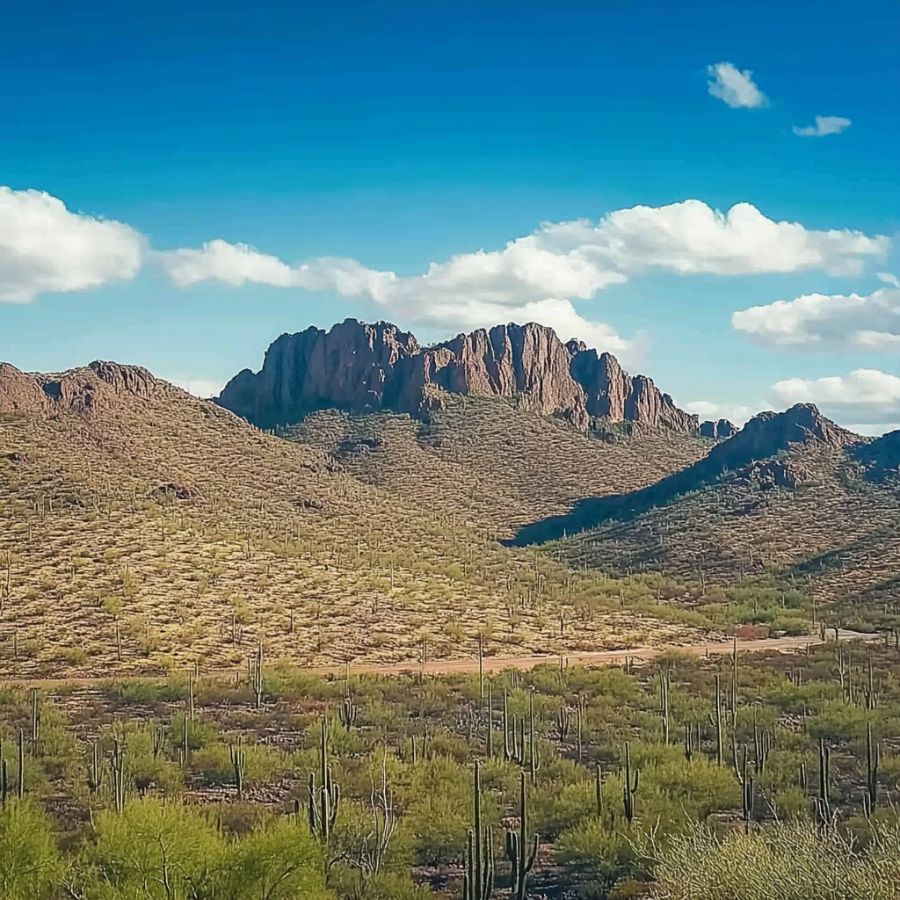
San Domingo Wash has the largest recorded placer gold production in Maricopa County, and it sits in the Wickenburg Mountains northwest of town. Rogers Wash inside the district averaged well over a dollar per cubic yard back when gold sold for twenty dollars an ounce, which tells you how rich the gravel was.
This is nugget country worked hard by detector hunters since the 1970s. Dry washing and metal detecting are the two methods that pay here.
Bycatch includes quartz, ironstone, and desert agate. Bring a Bully Tools 14 Gauge Round Point Shovel because the caliche layer is what holds the gold.
Access is by dirt road off Highway 60 and a high clearance vehicle helps. Claims cover much of the district, so verify open ground first.
Difficulty rating: 3 out of 5
Big Bug Creek, Yavapai County
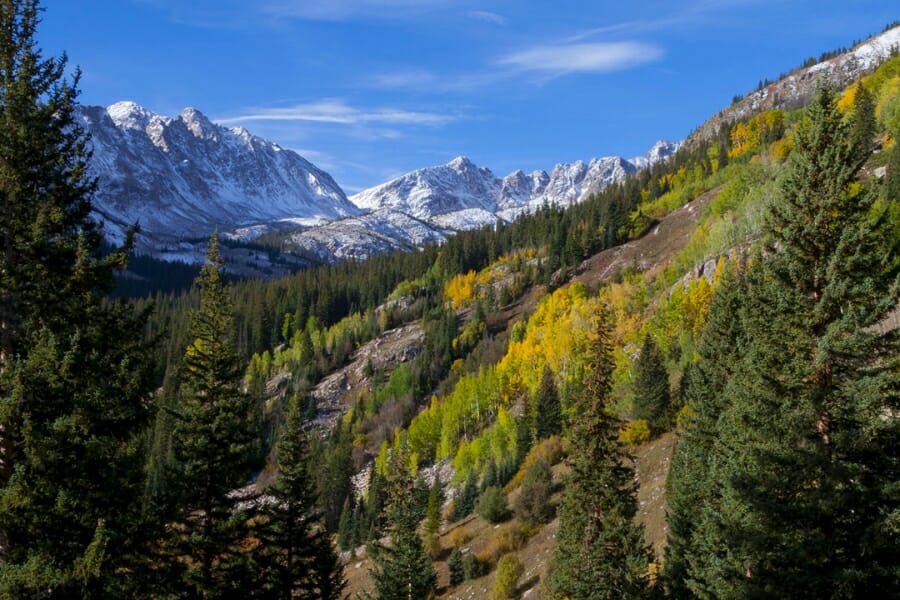
Big Bug Creek is one of only a handful of Arizona placers with recorded production above 25,000 ounces. It drains the Bradshaw Mountains near Mayer and Poland Junction, and it held enough water historically to support dredging.
Flakes and pickers are the normal find, with occasional coarse pieces near bedrock. Panning and sluicing both work where you have legal access to water.
Bycatch includes quartz, garnet, and copper minerals. Screen your material first with an SE Half Inch Sifting Screen and pan the fines.
Claim density is high along the productive stretches, so use the claim map and focus on unclaimed segments and public road crossings.
Difficulty rating: 3 out of 5
Black Canyon and the Lower Agua Fria, Yavapai County
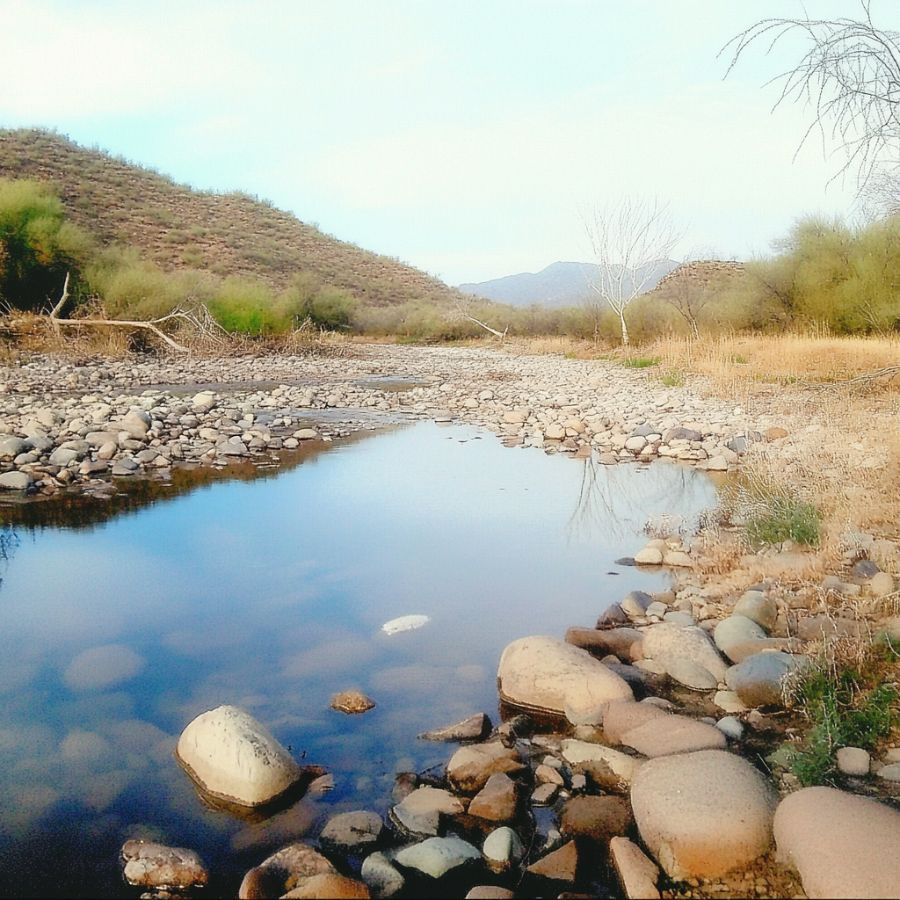
The Black Canyon drainage north of Phoenix carries gold out of the Bradshaws and into the Agua Fria system. Prospectors report steady color in the side gulches and bench gravels around Black Canyon City, and the district has real historical production behind it.
Fine gold and small pickers are typical, and the technique that works is panning the gulch bottoms and crevicing exposed bedrock. Bench gravels above the wash are worth dry washing when the ground is dry.
Bycatch includes agate, jasper, and quartz. An ASR Outdoor Steel Crevice Tool Set cleans out the bedrock seams that hold the best material.
One rule matters here. The Agua Fria National Monument upstream is closed to prospecting, so stay on the general BLM and Forest Service ground outside the monument boundary.
Difficulty rating: 3 out of 5
Vulture City and the Vulture District, Maricopa County
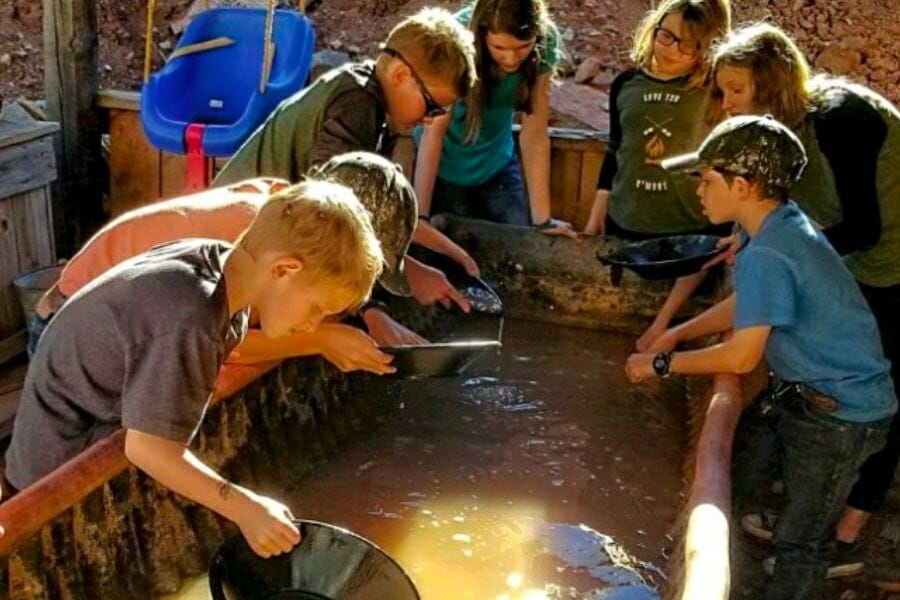
The Vulture Mine is the most productive gold mine Arizona ever had, turning out about 340,000 ounces of gold and 260,000 ounces of silver between 1863 and 1942. The prospector the town of Wickenburg is named for found the quartz outcrop and the strike built an entire city around it.
Vulture City is privately owned today and open for guided tours, which is the easy and completely legal way to stand on the ground that started it all. The placers in Red Top Basin south of the mine produced coarse angular gold with nuggets running from an eighth of an ounce up to five ounces.
Bycatch across the district includes quartz, iron oxides, and copper minerals. If you work the open desert ground outside the private property, a Garrett AT Gold Metal Detector is the tool of choice.
The mine site itself is private, and the surrounding placer ground carries heavy claim coverage. Take the tour, then prospect verified open ground nearby.
Difficulty rating: 2 out of 5
Goldfield Ghost Town near Apache Junction, Pinal County
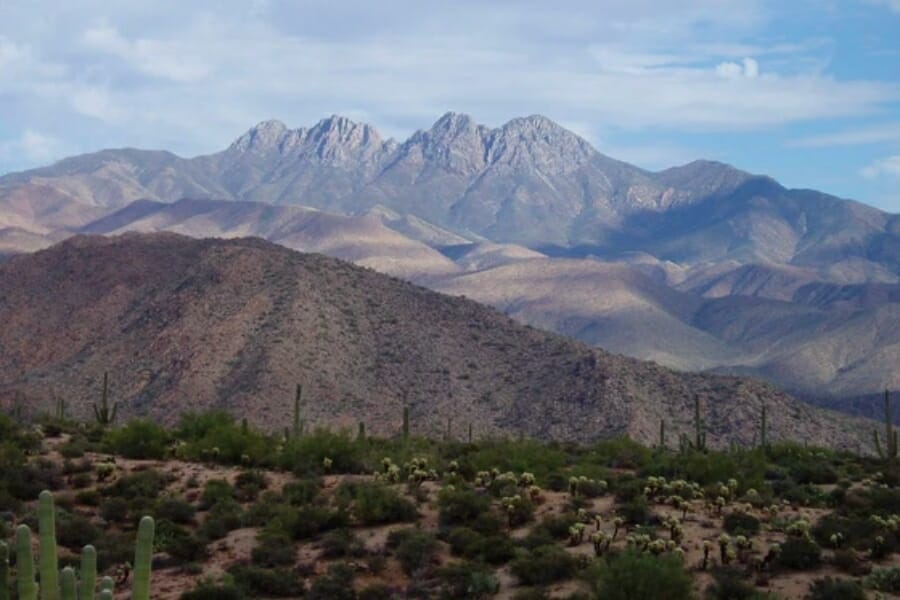
Goldfield is the most family friendly gold stop in Arizona and you are guaranteed to leave with color. The town sat on a real 1890s gold strike at the foot of the Superstition Mountains, and today the site runs gold panning and gem sluicing at the Prospector’s Palace along with an underground mine tour.
You pan supplied pay dirt in a trough with an instructor showing you the motion, which is the fastest way for a beginner to learn a good pan. It is a perfect half day when you have kids along or when summer heat rules out a wash.
Bycatch in the sluice run includes garnet, jasper, agate, and quartz. Nothing extra is required, though a set of SE Glass Vials with Caps means your flakes make it home.
Everything here is on private property with paid admission, so there are no claim or access questions at all. The surrounding Superstition Wilderness is closed to prospecting.
Difficulty rating: 1 out of 5
Western Arizona
The western desert along the Colorado River is dry wash country, and it holds two of the richest placer districts Arizona ever produced. Winter is the season here and dry washing is the method.
La Paz Placers near Ehrenberg, La Paz County
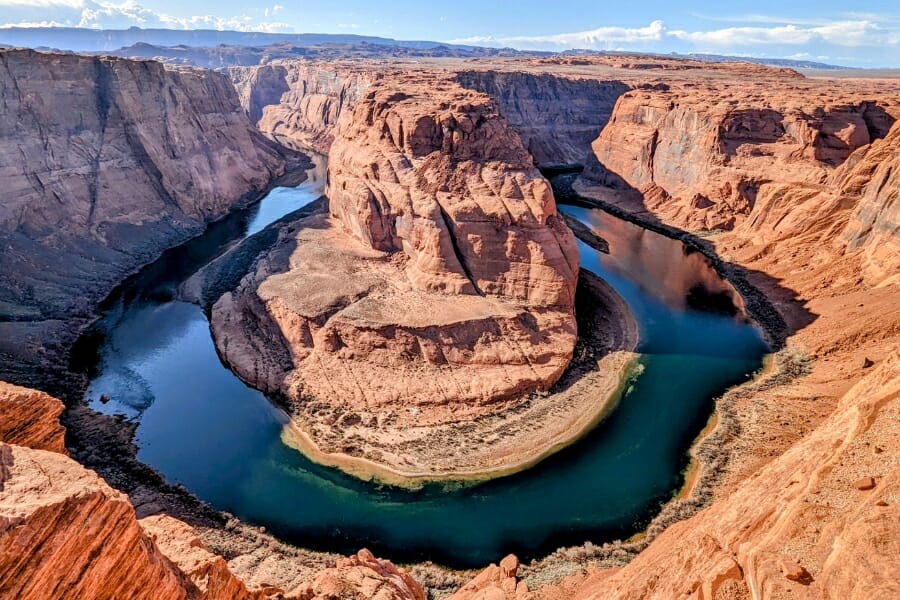
The La Paz placers set off Arizona’s first true gold rush in the early 1860s and produced well over 25,000 ounces. The diggings run through the arroyos on the western flank of the Dome Rock Mountains toward the Colorado River.
Coarse gold and nuggets are the draw, and dry washing is the technique that built the district. Metal detecting works the shallow bedrock and old tailing piles.
Bycatch includes quartz, agate, and iron minerals. A Garrett Gold Guzzler Bottle keeps the small stuff from blowing off your pan in the desert wind.
Access is easy on BLM roads out of Ehrenberg and Quartzsite. Claim density is among the highest in Arizona, so check the map carefully before you set up.
Difficulty rating: 3 out of 5
Plomosa Placers near Quartzsite, La Paz County
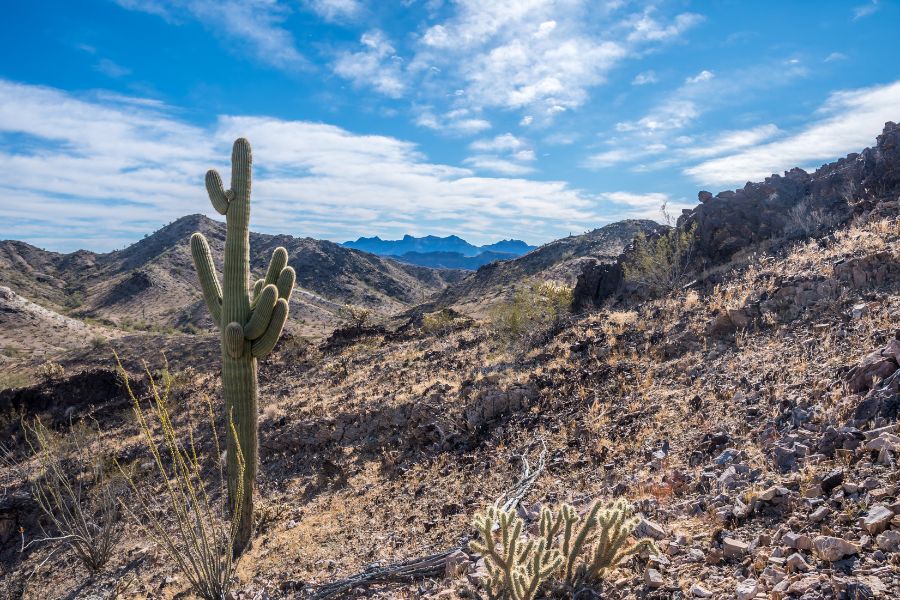
The Plomosa district on the La Posa plain has been worked since the 1860s and supported large scale dry concentrating operations. It sits right at Quartzsite, which makes it the most convenient dry wash gold in the state during winter.
Flakes, pickers, and occasional nuggets come out of the desert gulches draining the Plomosa Mountains. Dry washing is the method, with metal detecting a strong second on shallow bedrock.
Bycatch is excellent here and includes agate, jasper, quartz crystals, and desert minerals of every description. A Garrett Pro Pointer AT speeds up recovery once your detector sounds off.
BLM long term visitor areas around Quartzsite make camping easy and legal. This district also has heavy claim coverage, so confirm open ground first.
Difficulty rating: 2 out of 5
Gila City Placers near Dome, Yuma County
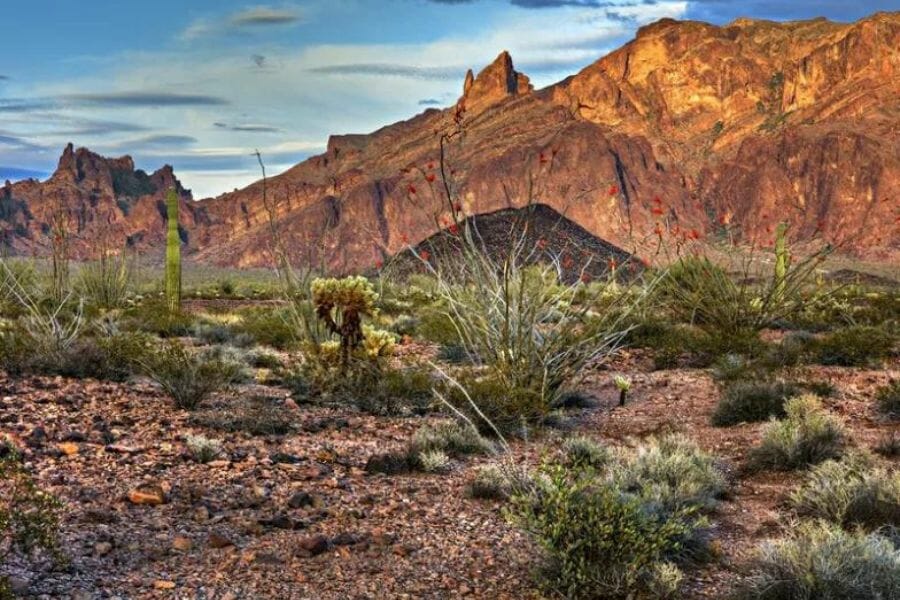
Gila City is where Arizona gold prospecting began. Placers were found at the north end of the Gila Mountains in 1858 and the rush that followed was the first in the territory, with the district eventually producing more than 25,000 ounces.
Gold runs from flakes to coarse pieces in the gulches and bench gravels above the Gila River. Dry washing and detecting are the practical methods.
Bycatch includes agate, jasper, and heavy black sand. Screen your material with an SE 1/8″ Mesh Sifting Screen before you run it.
The area is reached on dirt roads east of Yuma. Watch for both claims and the boundaries of nearby military and refuge land.
Difficulty rating: 3 out of 5
Northwestern Arizona
Mohave County is remote, empty, and full of gold, and it is where a lot of Arizona’s modern nugget finds come from. Plan for long dirt roads and bring your own water.
Gold Basin Placers, Mohave County
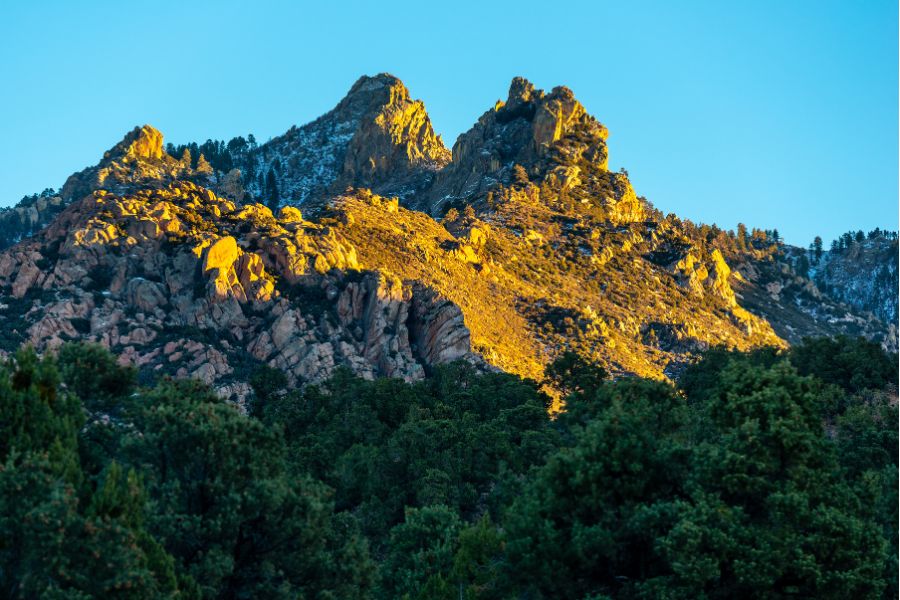
Gold Basin is one of the best known nugget detecting areas in the American Southwest. The district saw little placer production until the 1930s, which means the ground was never worked out the way older districts were.
Nuggets and coarse pickers are the target, and metal detecting is overwhelmingly the method that works. Dry washing the gulch bottoms produces smaller gold.
Bycatch includes quartz, hematite, and meteorite fragments, since the basin is a famous meteorite strewn field. A Garrett AT Gold Metal Detector plus a pinpointer is the standard setup.
Most of the basin is BLM ground reached by dirt road off Highway 93. The Lake Mead National Recreation Area to the north is National Park Service land and closed to prospecting, so know where that boundary sits.
Difficulty rating: 3 out of 5
Oatman and the San Francisco District, Mohave County
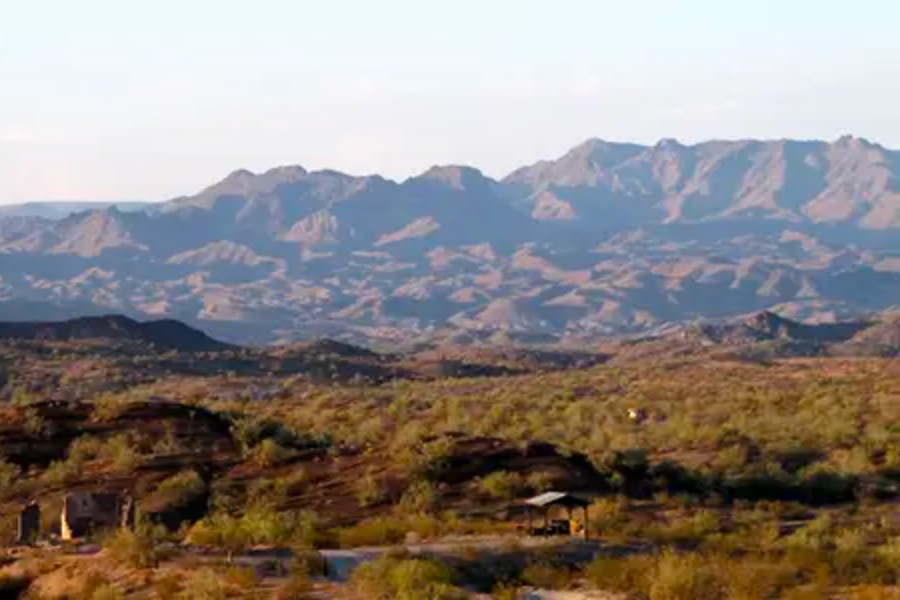
Oatman sits on one of the richest lode gold districts in Arizona, and the washes below the old mines carry gold shed straight off the veins. The Gold Road and Tom Reed mines made this a major producer, and the town is still a going concern with a historic main street.
Gold in quartz float and coarse placer pieces are what you find here. Detecting the wash gravels and breaking quartz float are the two productive approaches.
Bycatch includes calcite, quartz, and colorful volcanic rock. An ESTWING 22 oz Rock Pick is what you want for cracking float.
Claim coverage around Oatman is dense and old workings are genuinely dangerous, so stay out of shafts and adits. Work the open washes on BLM ground and verify the claim status of anything that looks worked.
Difficulty rating: 4 out of 5
Southern Arizona
Southern Arizona hides rich gulch placers in mountain ranges that most visitors think of as hiking country. The gold here is coarse, the seasons are long, and you will often have a whole gulch to yourself.
Greaterville Placers, Pima County
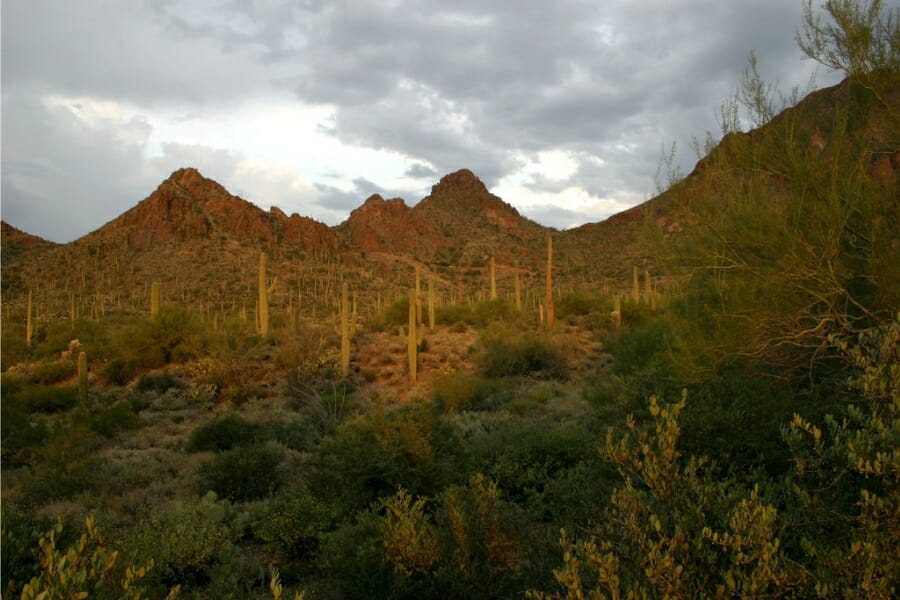
Greaterville is the biggest placer producer in southern Arizona with more than 25,000 ounces on the books. The diggings run through the gulches on the eastern flank of the Santa Rita Mountains southeast of Tucson, inside the Coronado National Forest.
Coarse gold and pickers come out of the gulch gravels, and dry washing is the traditional method because water is scarce. Panning works in the wet season when the gulches run.
Bycatch includes quartz, copper minerals, and garnet. A Garrett Deluxe Gold Pan Kit covers everything a first trip here needs.
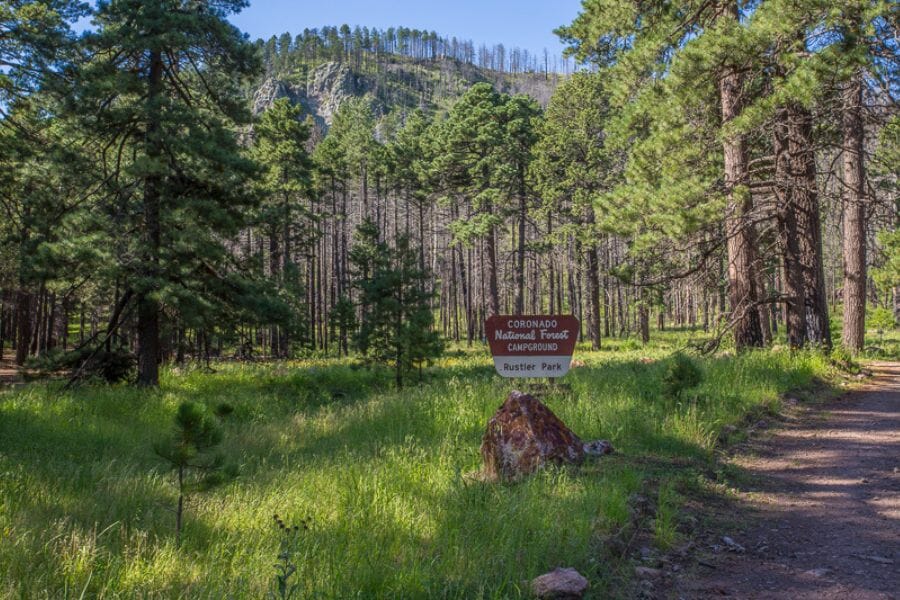
Kentucky Camp nearby is a restored Forest Service historic site worth the stop. Check with the Nogales Ranger District on current rules and claim status before you dig.
Difficulty rating: 3 out of 5
Gila River Placers near Safford, Graham County
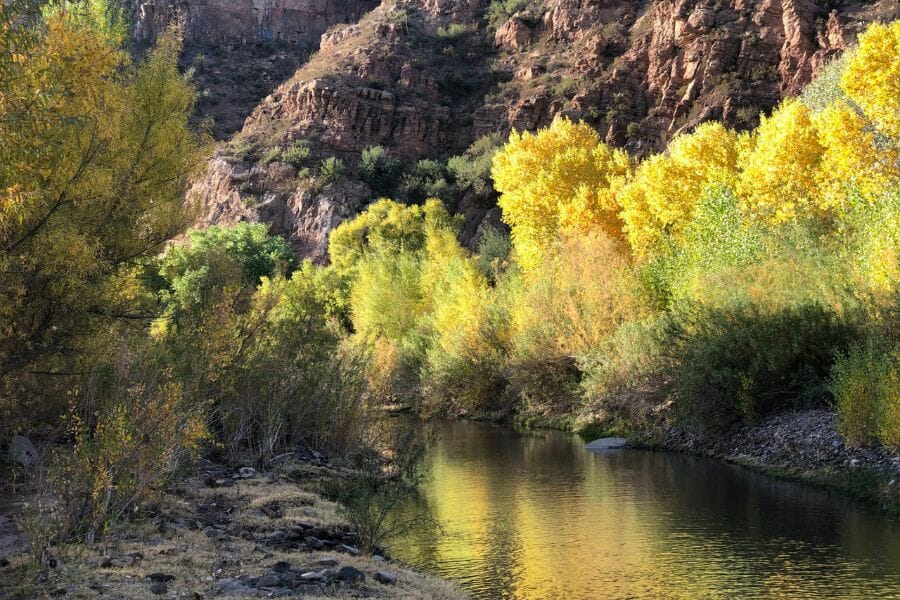
The Gila River between the San Francisco River junction and Spring Creek carries fine gold along its whole length. Old records describe everything from flakes up to wiry particles a quarter inch long in gravel that ran fifteen to fifty cents a cubic yard when gold was twenty dollars an ounce.
Flakes and fine gold are the normal find, and panning the bars and benches is the method. The benches sitting fifty to sixty feet above the current riverbed hold narrow pay streaks worth sampling.
Bycatch includes agate, chalcedony, and jasper, which this stretch of river is known for. A Garrett Prospecting 10″ Backpacker Gold Pan works well for sampling as you move along the bars.
Access is easiest at public crossings and BLM river frontage. A lot of the valley floor is private farm ground, so ask before crossing.
Difficulty rating: 2 out of 5
Dos Cabezas and Teviston Placers, Cochise County
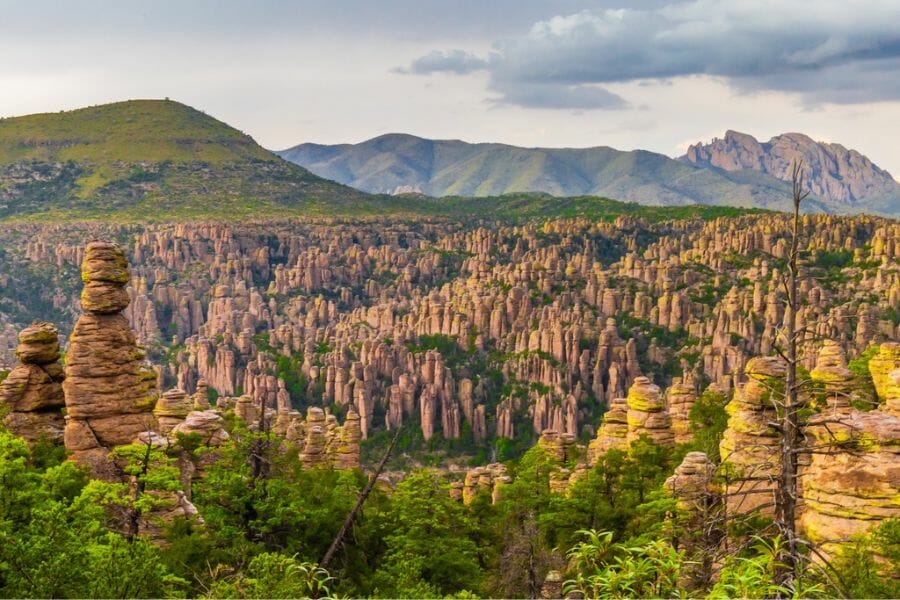
The Dos Cabezas Mountains hold placer gold on both flanks and the pieces are famously chunky. Records describe flat, ragged, fairly coarse gold with nuggets running from one ounce all the way up to twenty ounces, and the Teviston ground on the north flank was richer still.
Nuggets and coarse gold are what you are after, and metal detecting plus dry washing are the methods. The gulches draining the range are the places to start.
Bycatch includes quartz, jasper, and agate. A Garrett AT Gold Metal Detector is the right call in country that produces pieces this size.
Chiricahua National Monument to the south is closed to prospecting, and there is private ranch land throughout, so confirm boundaries. Focus on BLM and Forest Service ground with no active claims.
Difficulty rating: 4 out of 5
Huachuca Placers in Ash Canyon, Cochise County
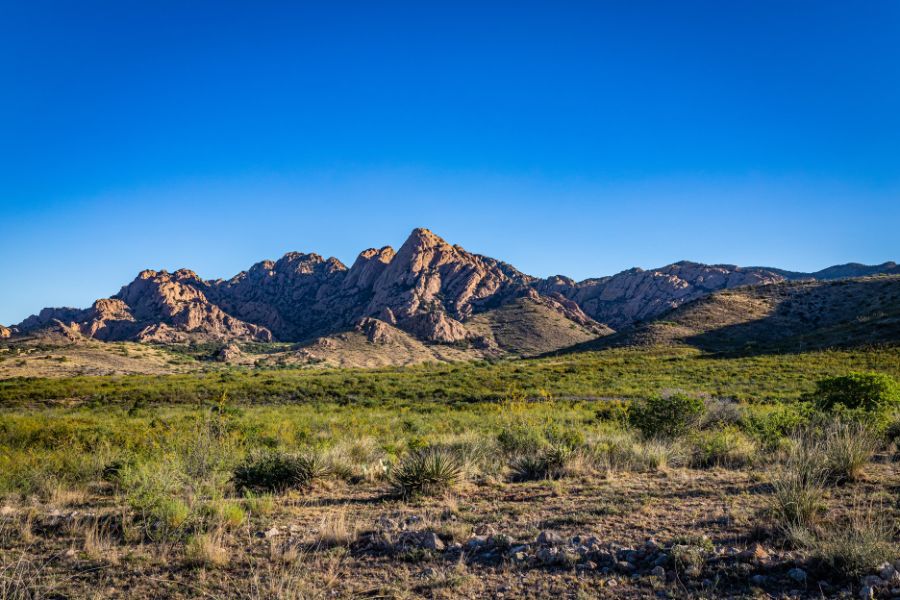
Ash Canyon on the east flank of the Huachuca Mountains produced some of the largest gold nuggets ever recorded in Arizona, including pieces at 22.5 ounces and 8.5 ounces. That kind of coarse gold means the source veins are close and the gravel has not traveled far.
Nuggets and heavy pickers are the prize here. Metal detecting is the method, with dry washing on the gulch bottoms as a backup.
Bycatch includes quartz, garnet, and manganese minerals. Pair your detector with a Garrett Pro Pointer AT to save digging time.
The Fort Huachuca military reservation borders this area and is completely off limits, so know exactly where you are. Work only Coronado National Forest and BLM ground that is not under claim.
Difficulty rating: 4 out of 5
More Proven Places To Find Gold in Arizona
These spots earn a trip too, and several of them have production records that rival the big names above. Check claim status and access for every one before you go, because Arizona ground changes hands often.
Central Arizona
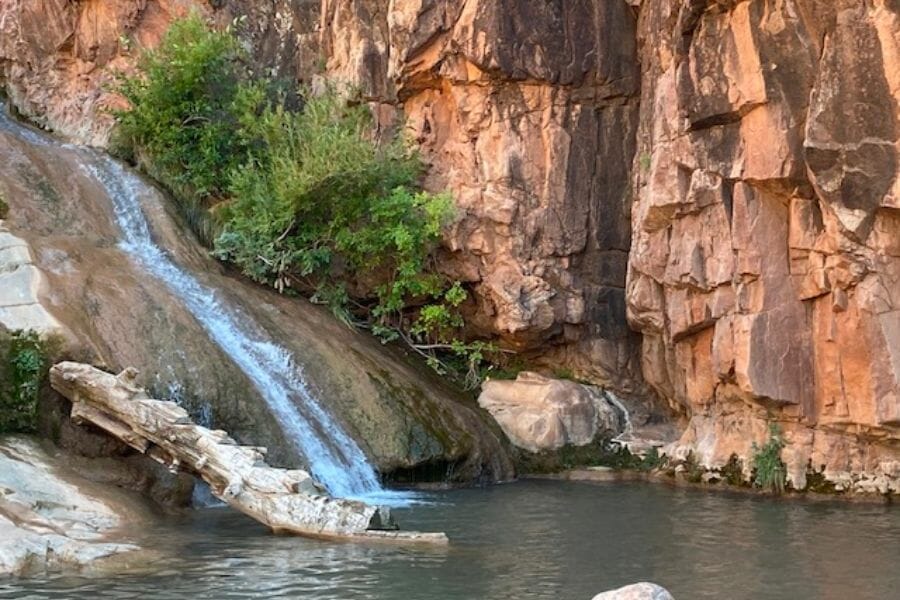
Dripping Spring Mountains Placers, Gila County. The Barbarossa placers along the flank of the Dripping Spring Mountains produced coarse gold including a documented 22 ounce nugget. Work the gulch bottoms and the gravel benches above them.
Globe and Miami Placers, Gila County. Lost Gulch, Gold Gulch, Pinto Creek, and Pinal Creek all carry gold running from fine to fairly coarse, with the largest recorded nugget near two ounces. Much of the district sits inside active copper mining property, so stick to open public ground.
Mazatzal Mountains Placers, Gila County. Gold was recovered near Mount Ord and Reno Pass in the early 1900s and the washes draining that country still show color. The Mazatzal Wilderness is closed to prospecting, so stay on Tonto National Forest land outside the boundary.
Payson and Green Valley Placers, Gila County. The gravels below the Ox Bow vein south of the Mogollon Rim produced coarse flat nuggets, which is exactly what you want to hear. This is high country, so the season runs spring through fall.
Big Horn Mountains Placers, Maricopa County. The Big Horn district saw notable placer production through the 1930s and early 1940s and remains popular dry washing ground. Access is by dirt road across open BLM desert west of Phoenix.
Cave Creek District, Maricopa County. Gold has been worked in the hills between Elephant Mountain and Black Mountain since the 1800s and the washes below the old workings still produce. Spur Cross Ranch Conservation Area prohibits collecting, so prospect only on Tonto National Forest and BLM ground.
Eagle Tail Mountains Placers, Maricopa County. These desert washes west of the Big Horns carry placer gold shed off the surrounding volcanic and granite country. The Eagletail Mountains Wilderness is closed, so work the open BLM washes outside it.
New River District, Maricopa County. The New River drainage north of Phoenix carries gold out of the southern Bradshaws and has a long history of small scale placering. Public access is best at road crossings on the Tonto National Forest side.
Canada del Oro Placers, Pinal County. The Old Hat district placers along Canada del Oro on the north side of the Santa Catalina Mountains have produced since the Spanish period. Pusch Ridge Wilderness is closed, so stay on Coronado National Forest ground outside it.
Casa Grande District, Pinal County. Documented placer gold occurs in the desert washes around the Casa Grande area, worked mostly during the Depression years. Much of the surrounding land is private or state trust, so confirm access first.
Copper Basin Placers, Yavapai County. Southwest of Prescott, Copper Basin gravels were rich enough that miners hauled them to a central washing plant. The gold is fine to medium and the gulches are easy to reach on forest roads.
Eureka District near Bagdad, Yavapai County. Placers here were discovered back in the 1850s, making this some of the earliest worked gold ground in Arizona. The active copper mine at Bagdad is private, so prospect the surrounding public washes instead.
Granite Creek, Yavapai County. Granite Creek drains the Granite Dells and the country right around Prescott and has produced placer gold since the earliest days of the district. Sample the bedrock exposures and the gravel bars below them.
Groom Creek, Yavapai County. This small drainage south of Prescott sits in the heart of the Bradshaw gold country and carries fine gold in its gravels. It is Prescott National Forest ground with easy road access.
Humbug Creek Placers, Yavapai County. Humbug Creek and the surrounding Tip Top, Tiger, Castle Creek, and White Picacho districts have been placered since the 1800s. The creek runs through rugged BLM country north of Lake Pleasant.
Kirkland and Model Placers, Yavapai County. The Kirkland and Model placers west of Prescott are documented small producers with gold in shallow gravels. Ranch land is common here, so get permission where the wash crosses private ground.
Lincoln and Pocket Creek Placers, Yavapai County. Both drainages are listed producers in the Prescott area gold country with gravels worth sampling. Look for bedrock exposures where the creeks cut through hard rock.
Minnehaha and Placerita Placers, Yavapai County. These Bradshaw Mountain gulches have a long record of small scale placer work and still produce flakes and pickers. Forest roads reach most of the ground but some are rough.
Turkey Creek Placers, Yavapai County. Turkey Creek is one of the historically productive Bradshaw drainages with a claim record that has stayed active for over a century. Sample the tributary gulches, which are often overlooked.
Weaver Mountains Placers, Yavapai County. The range that holds Rich Hill continues north with gold in gulches on both flanks near Yarnell and Congress. Claim coverage is heavy, so verify open ground before working anything.
Western Arizona
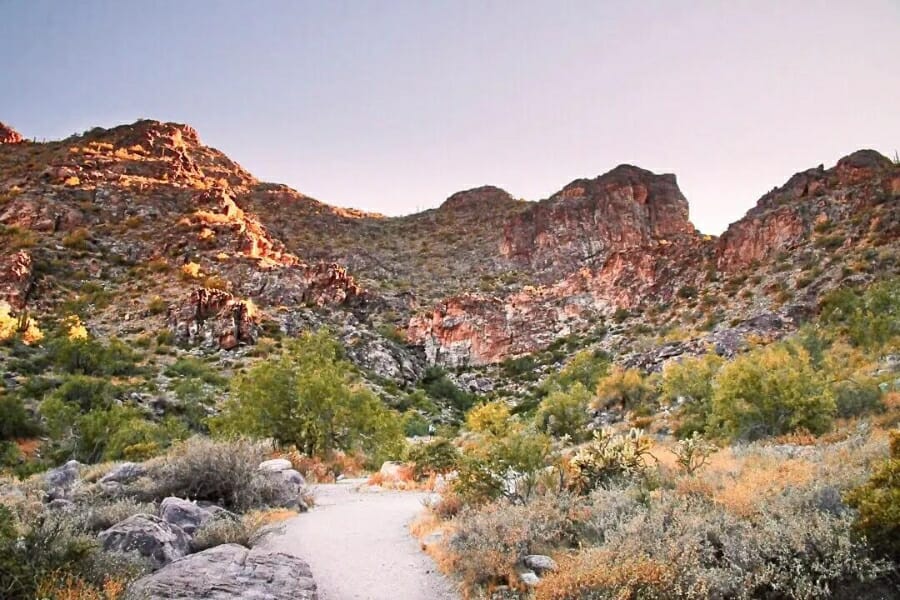
Dome Rock Mountains Placers, La Paz County. The Middle Camp and Oro Fino placers on the Dome Rock flank have been worked since the 1860s and are among the most heavily claimed townships in the state. Detecting and dry washing both produce here.
La Cholla Placers, La Paz County. First worked in the 1860s and hit hard again during the Depression, La Cholla supported large scale dry concentrating operations. The washes northwest of Quartzsite are the ground to look at.
Trigo Mountains Placers, La Paz County. The Trigo district runs along the Colorado River south of Cibola and has produced placer gold from its desert gulches. Refuge boundaries are close by, so check maps before you drive in.
Fortuna District, Yuma County. The Fortuna area in the Gila Mountains south of Yuma produced both lode and placer gold and the washes below the old mine still show color. The Barry M. Goldwater Range boundary is nearby and requires its own permit, so stay outside it.
Laguna Placers, Yuma County. The Colorado River gravels near Laguna Dam northeast of Yuma carry fine placer gold and were worked commercially in the past. This is flat desert with good road access most of the year.
Muggins Mountains Placers, Yuma County. The washes draining the Muggins Mountains east of Yuma hold documented placer gold in shallow gravels. The Muggins Mountains Wilderness is closed, so work the BLM ground outside the boundary.
Northwestern Arizona
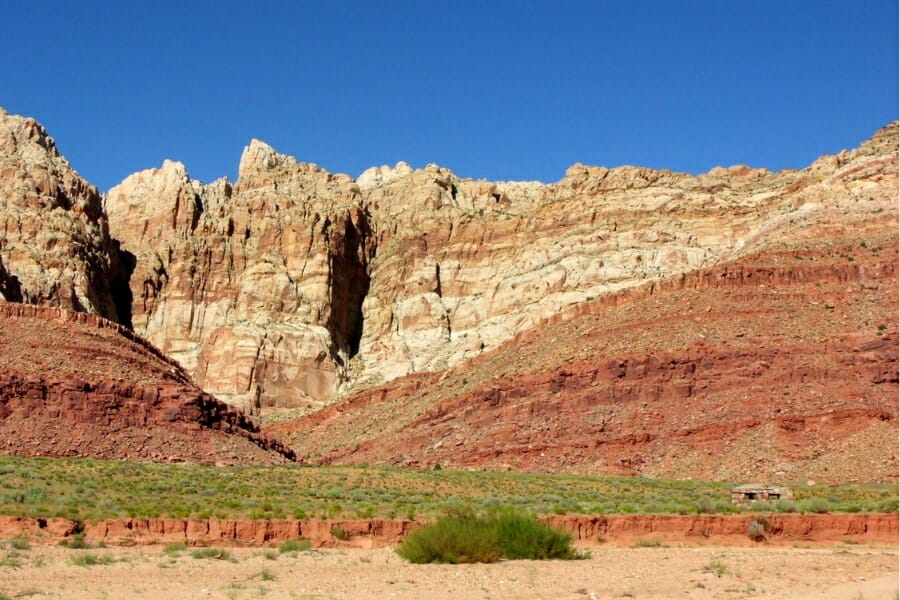
Chemehuevis District, Mohave County. Placers were found in the Chemehuevis country near Lake Havasu back in the 1850s and the district has produced ever since. Watch for wildlife refuge boundaries along the river.
Cottonwood District, Mohave County. The Cottonwood district washes in the country north of Oatman carry gold shed off the same volcanic vein systems. This is open BLM desert with long dirt road approaches.
King Tut and Lost Basin Placers, Mohave County. The King Tut placers were the largest gold producer in the Lost Basin area during the 1930s and the ground is still detected today. The Lake Mead National Recreation Area boundary is closed to prospecting, so know exactly where it runs.
McConnico and Maynard Placers, Mohave County. These two districts sit right around Kingman and offer some of the most accessible placer ground in northwestern Arizona. Sample the washes draining the Cerbat foothills.
Owens District, Mohave County. The Owens or McCracken district in the country southeast of Kingman produced placer gold from washes below the old silver and gold workings. Roads in are rough and a high clearance vehicle helps.
Silver Creek Placers, Mohave County. Silver Creek carries placer gold out of the Cerbat Mountains and has a documented production record. Look for bedrock exposures and the gravel bars behind them.
Wallapai District near Chloride, Mohave County. The Wallapai district in the Cerbat Mountains was a major lode producer and its washes carry gold and heavy black sand. Chloride itself is a living old mining town and a good base for a trip.
Southern Arizona
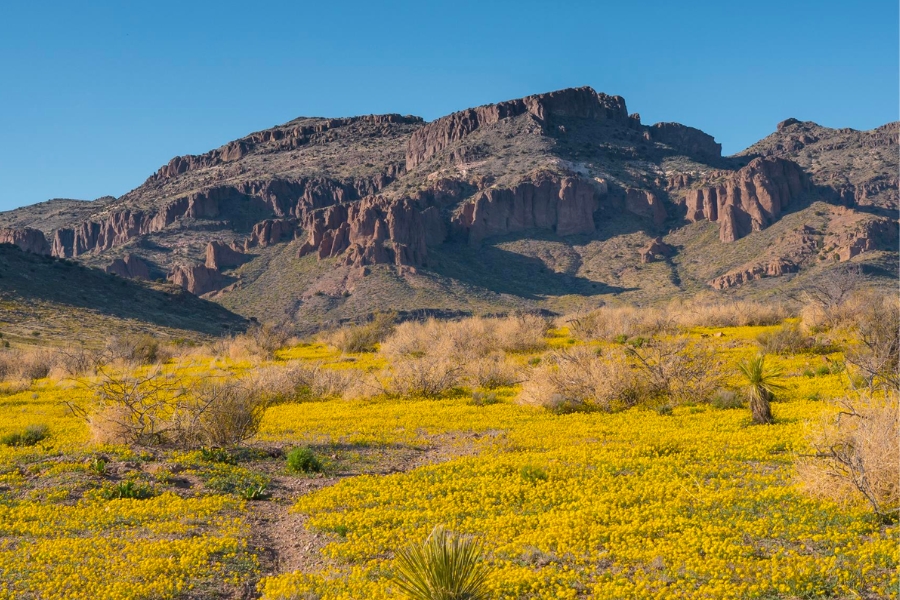
California District near Paradise, Cochise County. Placers in the Chiricahua Mountains near Paradise produced over one hundred ounces in a single two year stretch in the early 1900s. Chiricahua National Monument is closed, so stay on Coronado National Forest ground.
Courtland and Gleeson Placers, Cochise County. A shallow mantle of gold bearing gravel covers ground near Gleeson that averaged over a dollar per cubic yard at historic gold prices. Much of the area is patented mining ground, so check ownership.
Gold Gulch Placers near Bisbee, Cochise County. Gold Gulch on the south side of the Mule Mountains yielded 246 ounces in a single year during the 1930s. The Lavender Pit and surrounding mine property are private, so work only the open gulch ground.
Pearce District, Cochise County. Placer ground on the margins of Pearce Hill produced a documented silver and gold recovery, and the old townsite is a well known ghost town stop. Private and state trust land is common here, so confirm access.
Rucker Basin Placers, Cochise County. The west flank of the Chiricahuas above Rucker Canyon holds placer gold with recorded recoveries into the 1950s. It is beautiful high country on the Coronado National Forest with a spring through fall season.
Lone Star District near Safford, Graham County. The Lone Star district northwest of Safford produced gold alongside copper and its washes are worth sampling. Confirm claim status because the district has stayed active.
Rattlesnake District in the Galiuro Mountains, Graham County. The north flank of the Galiuros produced placer gold with recorded recoveries in the 1930s. The Galiuro Wilderness is closed, so work Coronado National Forest and BLM ground outside it.
Chase Creek and Gold Gulch near Clifton, Greenlee County. The gulches around Clifton and Morenci carry placer gold associated with the big copper system there. The active Morenci mine is private property, so stay well clear and work public ground.
San Francisco River Placers, Greenlee County. From Dorsey Gulch down to the Gila River junction, benches fifty to sixty feet above the riverbed hold narrow gold pay streaks. This is scenic river country with good public access on the national forest.
Alder Canyon Placers, Pima County. Alder Canyon in the Santa Catalina country north of Tucson has documented placer gold in its gravels. Wilderness boundaries are close, so check your map before you dig.
Arivaca and Las Guijas Placers, Pima County. The Las Guijas placers near Arivaca were likely worked as far back as the Spanish period and still produce fine gold. Buenos Aires National Wildlife Refuge is nearby and closed, so verify where you are.
Sierrita Mountains Placers, Pima County. The Papago and Pima district washes on the Sierrita flanks carry placer gold south of Tucson. Large active mining operations dominate part of the range, so stick to open public ground.
Silver Bell District, Pima County. The Silver Bell Mountains northwest of Tucson have documented placer occurrences in the washes below the old workings. The operating mine is private, so prospect the surrounding BLM desert.
Nogales District, Santa Cruz County. Placer gold has been recorded in the washes of the Nogales district near the border. Border zone activity is a real consideration here, so plan your trip and tell someone where you are going.
Oro Blanco District, Santa Cruz County. Oro Blanco west of Nogales is one of the oldest worked gold districts in Arizona with placers likely dating to the Spanish period. The country is rugged and roads are slow, which keeps it quiet.
Patagonia District, Santa Cruz County. The mountains around Patagonia produced gold along with silver and lead, and the washes below carry placer material. Coronado National Forest ground offers the most reliable access.
Tyndall and Harshaw Placers, Santa Cruz County. These districts in the Patagonia Mountains have documented placer gold in gulches below the historic mines. Old workings are unsafe, so keep to the washes.
The Best Gold Hunting Techniques in Arizona
Arizona rewards a different mix of techniques than a wet eastern state because so much of the gold sits in dry ground. Start with panning, then add the method that matches the district you are working.
Gold Panning (Difficulty: 1 out of 5)
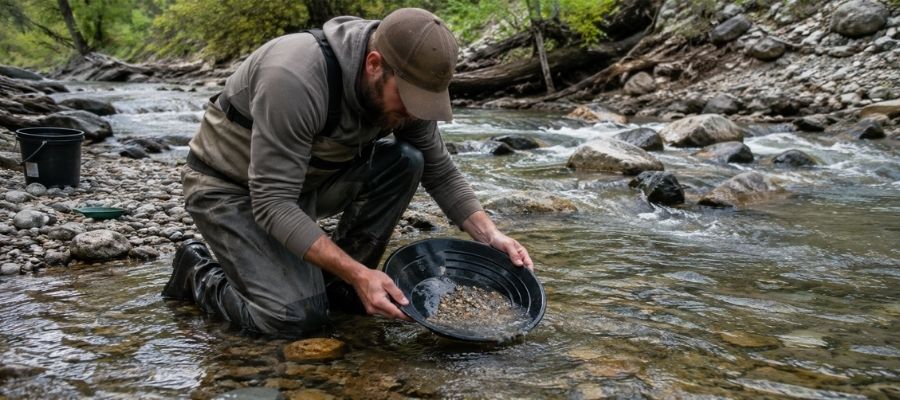
Panning uses water and gravity to wash light material over the edge of a pan while gold stays at the bottom. Fill the pan with gravel, submerge it, shake side to side to let the heavy stuff settle, then tip and swirl until only black sand and gold remain.
In Arizona this is the method for Lynx Creek, Big Bug Creek, the Hassayampa, and the Gila River, anywhere you have year round or seasonal water. It is also how you finish concentrates from every other technique on this list.
Essential Tools
- Deep Riffle Gold Pan: Garrett 15″ Dual Riffle SUPERSLUICE Gold Pan
- Finish Pan: Garrett Prospecting 10″ Backpacker Gold Pan
- Classifier Screen: SE Half Inch Sifting Screen
- Snuffer Bottle: Garrett Gold Guzzler Bottle
- Glass Storage Vials: SE Glass Vials with Caps
- Practice Paydirt: Gold Strike Gold Panning Paydirt
Crevicing (Difficulty: 2 out of 5)
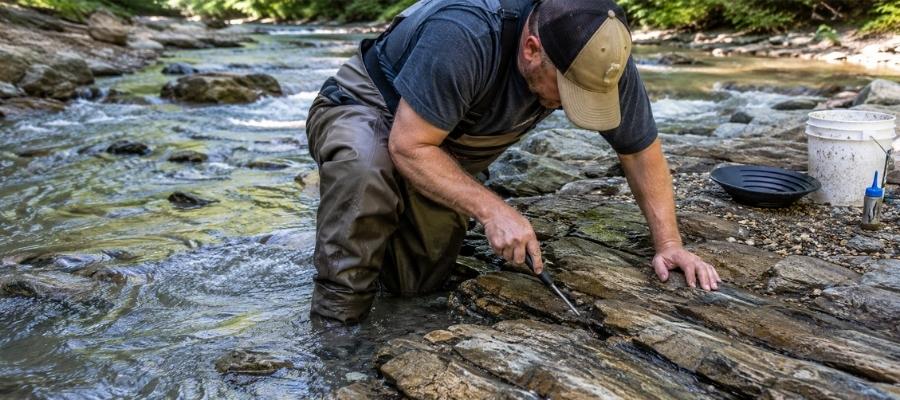
Crevicing means digging gold out of the cracks and seams in exposed bedrock where it has been packing in for centuries. You scrape material out with a hooked tool, catch it in a pan, and check every crack down to the very bottom.
Arizona is ideal crevicing country because flash floods scour bedrock clean and then refill the cracks with fresh material. The Hassayampa, Lynx Creek, and the bedrock ledges in the Black Canyon drainage all reward it.
Essential Tools
- Crevice Tool: ASR Outdoor Steel Crevice Tool Set
- Hand Trowel: Edward Tools Bend Proof Trowel
- Snuffer Bottle: Garrett Gold Guzzler Bottle
- Magnifying Loupe: JARLINK 30X 60X Illuminated Loupe
Metal Detecting (Difficulty: 2 out of 5)
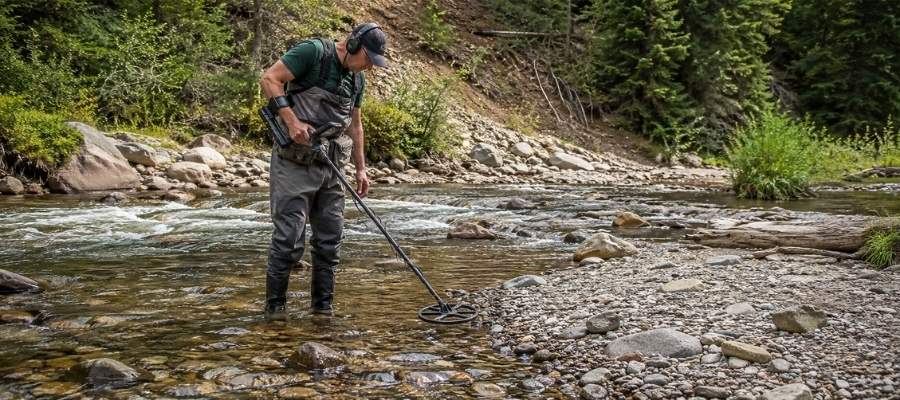
A gold detector picks up nuggets buried in soil that a pan would never reach. You swing slowly and low, dig every repeatable signal, and use a pinpointer to find the target in the loose dirt you pull out.
This is the single most productive nugget method in Arizona and it works in dry ground, which is most of the state. Rich Hill, San Domingo Wash, Gold Basin, and the Dos Cabezas are all proven detector districts.
Essential Tools
- Metal Detector: Garrett AT Gold Metal Detector
- Pinpointer: Garrett Pro Pointer AT
- Digging Shovel: Bully Tools 14 Gauge Round Point Shovel
- Glass Storage Vials: SE Glass Vials with Caps
Dry Washing (Difficulty: 3 out of 5)
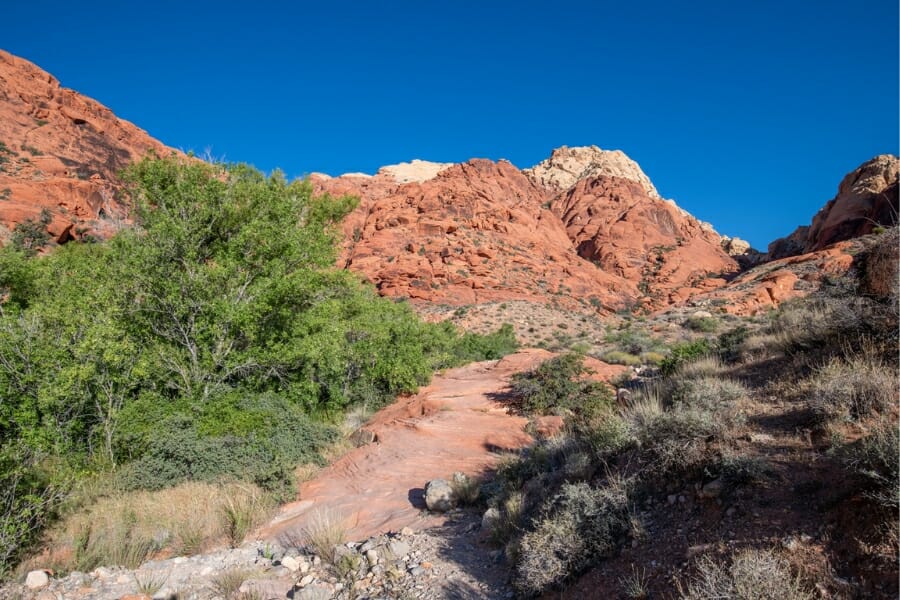
Dry washing separates gold from gravel using air instead of water, which is how the western Arizona deserts were mined in the first place. You feed dry, screened material across a riffle tray while bellows or a blower push air up through the bed, and the light sand blows off while gold settles.
Every district around Quartzsite, Ehrenberg, Yuma, and Greaterville was built on this method and it still works. The material has to be genuinely dry, so this is a cool season technique in the low desert.
Essential Tools
- Classifier Screen: SE Half Inch Sifting Screen
- Fine Sifting Classifier: SE 1/8″ Mesh Sifting Screen
- Digging Shovel: Bully Tools 14 Gauge Round Point Shovel
- Black Sand Magnet: SE Magnetic Separator Pick Up Tool with Quick Release
Sluicing (Difficulty: 3 out of 5)
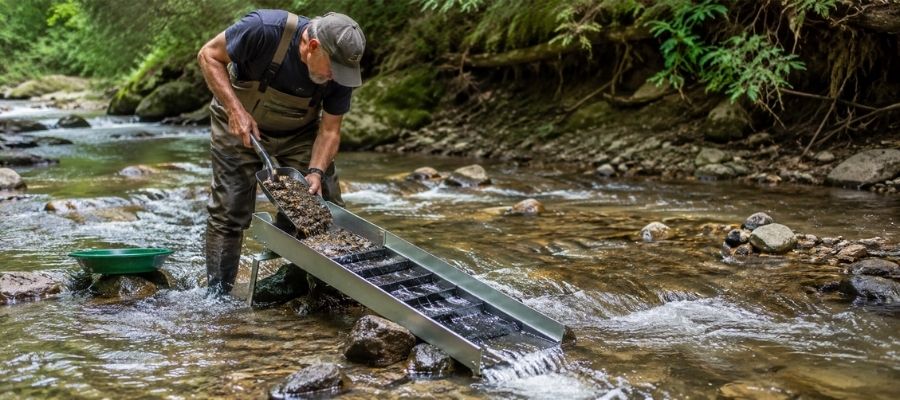
A sluice is a long tray with riffles that you set in moving water so the current does the washing for you. You shovel classified gravel into the top, the water carries the light material away, and gold drops behind the riffles.
Sluicing processes far more gravel than a pan, which is how you turn a good spot into a real recovery. It needs steady flowing water, so Lynx Creek and the perennial stretches of the Bradshaw creeks are where it shines in Arizona.
Essential Tools
- Sluice Box: Keene A52 Hand Sluice
- Digging Shovel: Bully Tools 14 Gauge Round Point Shovel
- Classifier Screen: SE Half Inch Sifting Screen
- Black Sand Magnet: SE Magnetic Separator Pick Up Tool with Quick Release
How To Tell Real Gold From Fool’s Gold
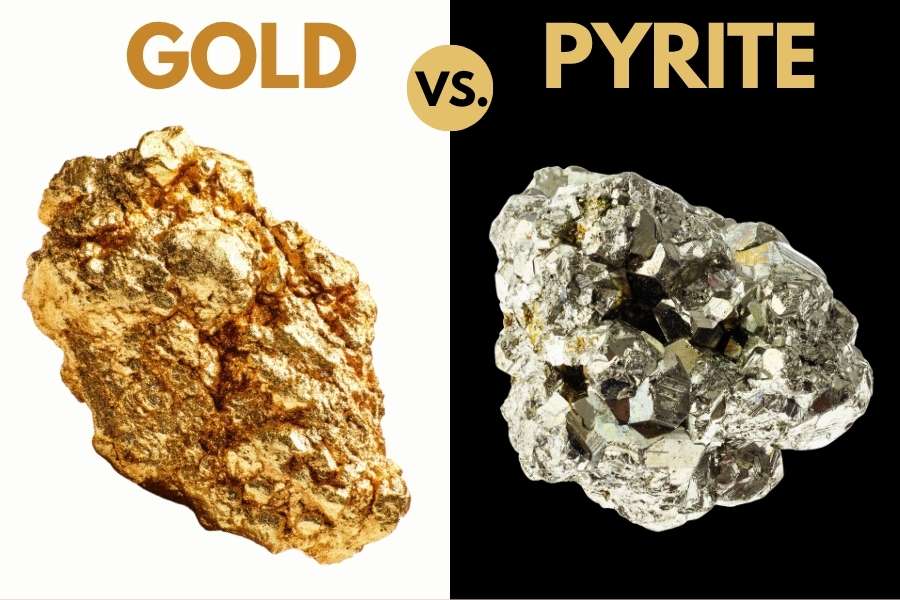
Pyrite and mica fool more people in Arizona than anywhere, because copper country produces both in quantity. Three quick tests settle it every time, and none of them need equipment.
The shadow test is first. Cup your hand over the piece so it sits in shade, and real gold keeps glowing a warm buttery yellow while pyrite and mica go dull and gray the moment the direct light is gone.
The poke test is second. Press the piece against the pan with a fingernail or a knife tip, and gold dents and smears because it is soft, while pyrite cracks into little cubes and mica flakes apart.
The weight test finishes it. Gold is roughly nineteen times heavier than water, so a piece the size of a grain of rice feels startlingly heavy, and it drops straight to the bottom of the pan every single time you swirl.
Getting this right matters more than most people think, because the mistake usually runs the other way. People throw away real finds because they were not sure, and Arizona gravel is full of valuable minerals that look like nothing until you can name them. The Rocks and Minerals of the United States Field Guide has waterproof pages and side by side photos so you can settle every question standing in the wash instead of guessing.

How Gold Got Into Arizona
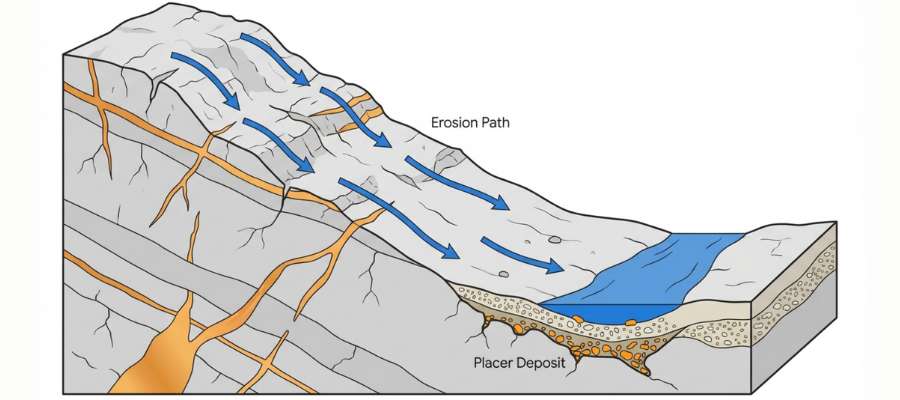
Arizona gold sits where it does because of a long run of volcanic and mountain building events, and that is why the spots in this guide cluster the way they do. The state sits on a boundary where the Earth’s crust has been stretched, cracked, and injected with hot fluid over and over for more than a billion years.
Those hot fluids carried dissolved gold, silver, and copper up through fractures in granite and older Precambrian rock. As the fluid cooled, the metals crystallized out and filled the fractures with quartz veins, which is why Arizona quartz and Arizona gold turn up together so often.
Then the desert went to work on it. Millions of years of weathering broke the veins down, and instead of rivers carrying the gold far away like they do in wetter states, Arizona’s flash floods moved it in short violent shoves and dropped it fast.
That is the whole reason Arizona gold is so coarse. The nuggets never had time to get pounded into dust, so they are still sitting in gulches and bench gravels close to the veins that made them, waiting for the next flood or the next prospector.
What To Bring for an Arizona Gold Day Trip
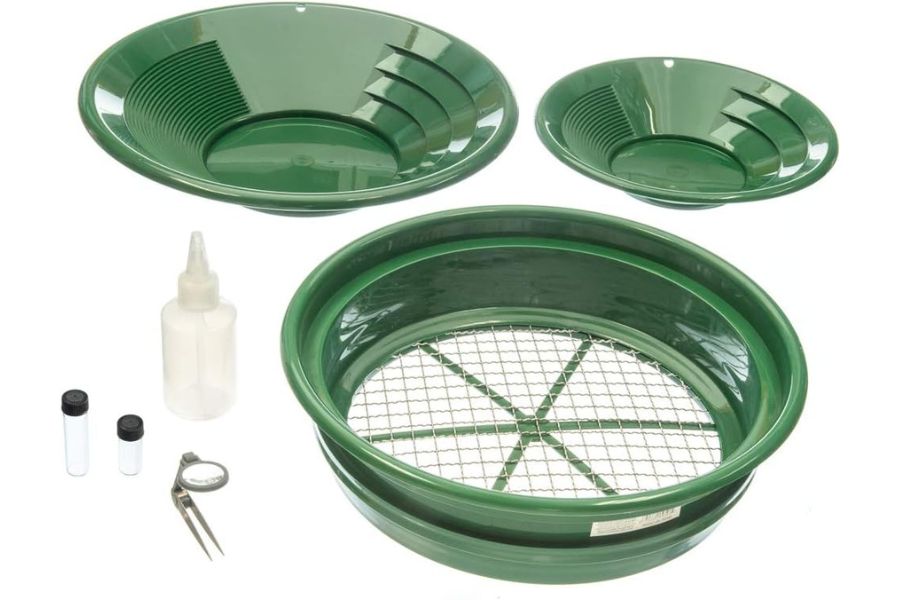
Pack for the desert first and for gold second, because heat and distance are what turn a good Arizona trip bad. Screenshot this list before you leave the house.
Gold gear: pan, classifier, shovel, crevice tool, snuffer bottle, vials, and a detector with a pinpointer if you are heading to nugget country. Everything is covered in the techniques section above, and our gold hunting and prospecting equipment guide walks through what each piece does.
Water: at least one gallon per person per day, and more in the low desert. There is no water source at most Arizona gold ground.
Sun and heat: wide brim hat, long sleeves, high SPF sunscreen, and electrolyte mix. Shade is often the only thing you cannot buy out there.
Footwear: sturdy boots with ankle support for loose wash gravel, plus a spare pair of socks.
Safety: first aid kit, a whistle, a paper map, and a satellite messenger or a plan for no cell service. Tell someone your route and your return time.
Paperwork: printed claim maps, any club membership card, land ownership screenshots, and written permission if you are crossing private ground.
New to this and want it all in one box? The Garrett Deluxe Gold Pan Kit covers the panning side in a single purchase.
The Best Time of Year To Hunt for Gold in Arizona
Arizona has gold hunting weather somewhere in the state every single month, which is a real advantage over most gold states. The trick is matching the region to the season.
Central Arizona
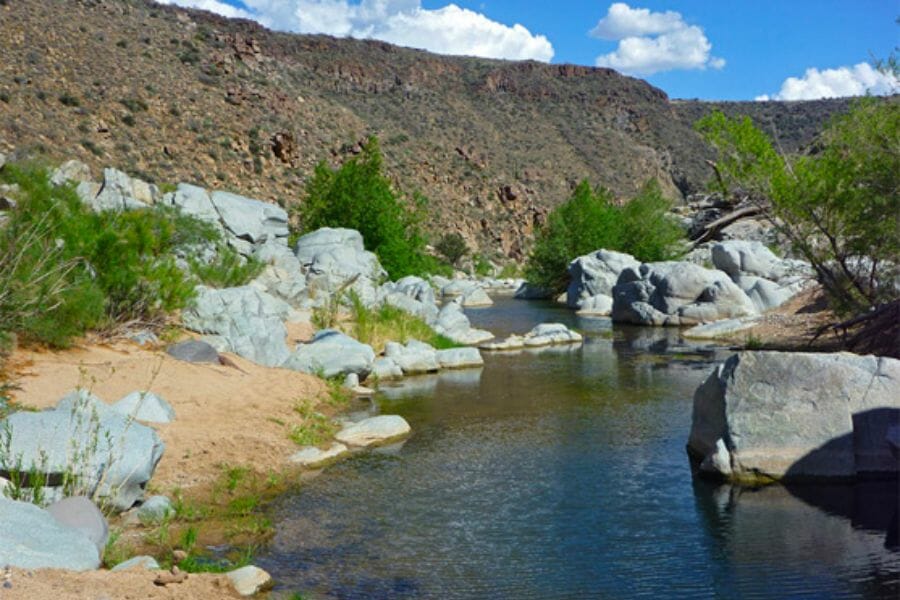
March through May and September through November are the sweet spots around Prescott and Wickenburg. Spring runoff from the Bradshaws puts water in Lynx Creek and Big Bug Creek and freshly restocks the gravels with gold moved down from above.
Summer is hot in the low country but the Prescott area sits at over 5,000 feet and stays workable. Winter is fine most days, though snow can close higher Bradshaw roads.
Western Arizona
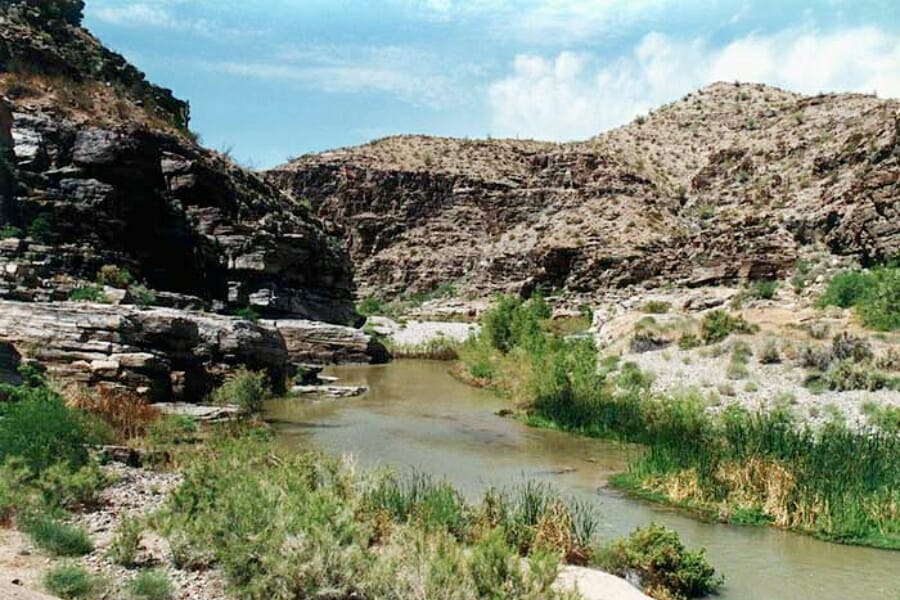
November through March is the season here and it is the best dry washing window in the country. Daytime highs are comfortable, the ground is bone dry which is exactly what a dry washer needs, and the BLM camping areas around Quartzsite are open.
Avoid June through September in the low desert entirely. Summer highs routinely pass 110 degrees and there is no shade in the washes.
Northwestern Arizona
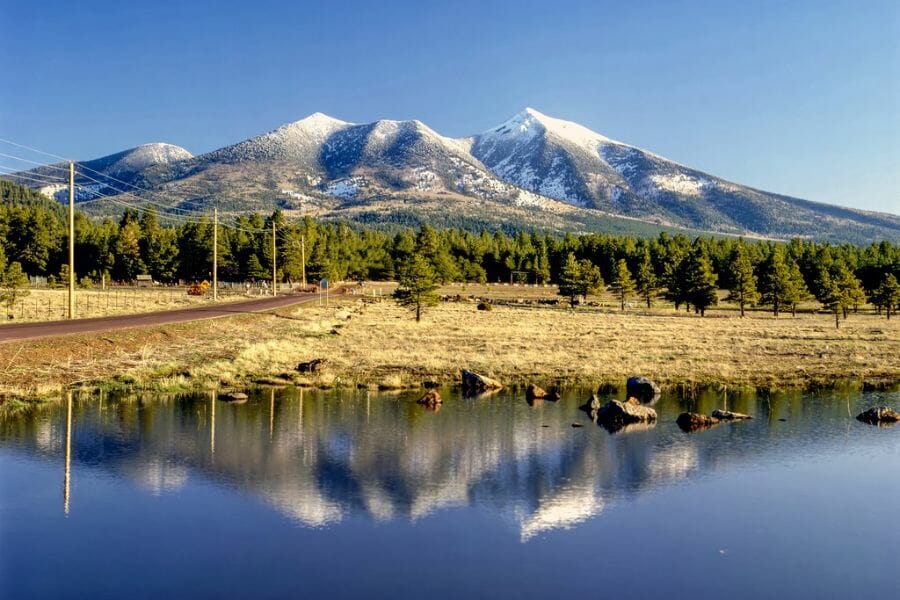
October through April is prime for Gold Basin and the Mohave County districts. The ground is cool enough for long detecting sessions and the dirt roads are usually firm.
Watch the monsoon from July into September, because flash floods can strand a vehicle in a wash in minutes. Higher elevations near Kingman stay pleasant later into spring.
Southern Arizona
October through May works across the southern districts, and the mountain ranges extend that further. Greaterville, the Huachucas, and the Chiricahuas all sit high enough that summer mornings are workable even when Tucson is baking.
Winter storms occasionally drop snow in the higher canyons, which is a gift because it puts water in gulches that are normally dry. That is the moment to pan instead of dry wash.
Other Valuable Rocks and Minerals You Can Find in Arizona
The same dirt that holds Arizona gold holds some of the best mineral collecting in North America. Arizona is a copper state, and copper country produces color that collectors pay real money for, so keep an eye on everything in your screen.
Fire Agate
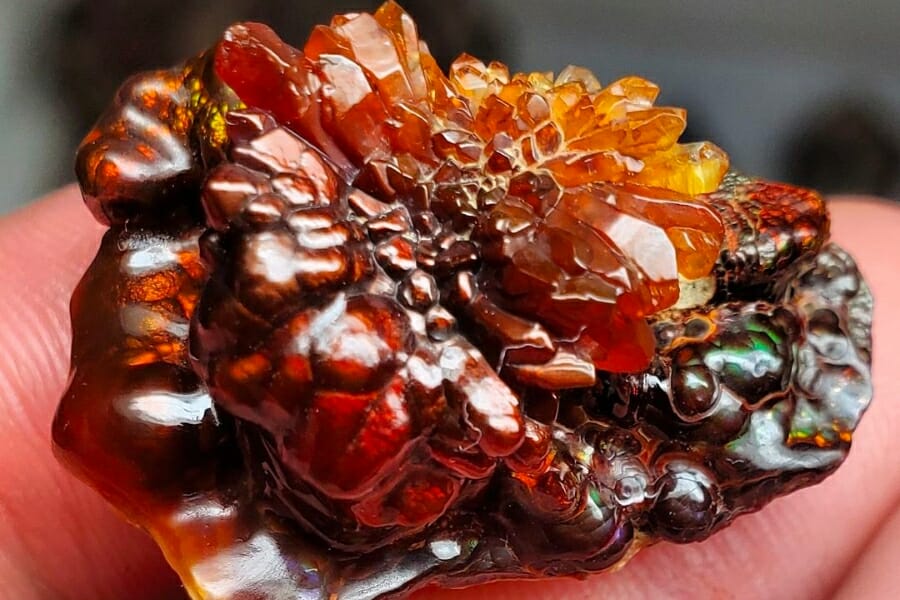
Fire agate is a chalcedony with iridescent layers that flash red, orange, and green when you turn it in the light. It weathers out of volcanic rock in the same western and southeastern desert washes where placer gold collects.
Rough pieces look like plain brown agate until you wet them, so wet everything. Learn where to look in our guide to agates in Arizona.
Turquoise
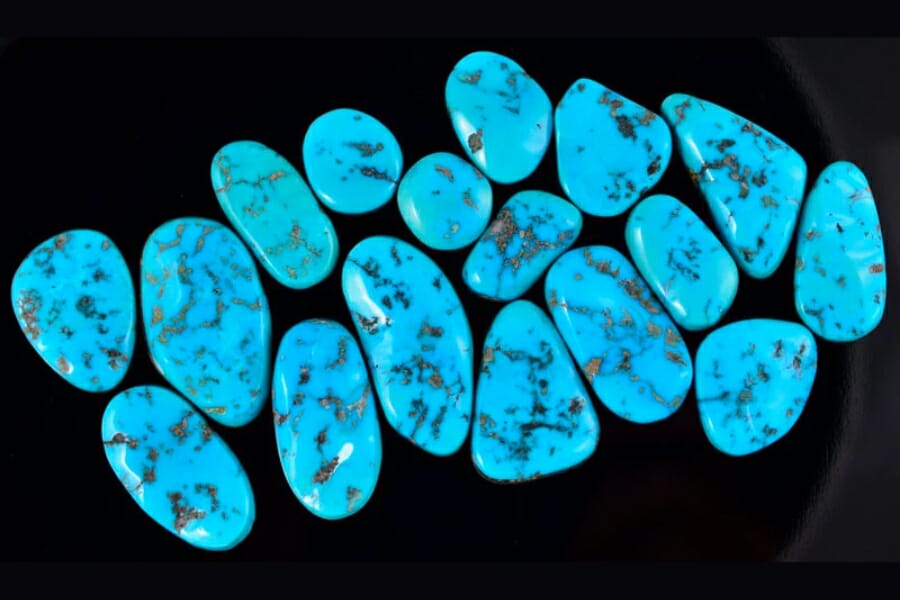
Arizona turquoise from the copper belts is world famous and it forms in the oxidized zones above copper deposits. Any gold district that also produced copper is turquoise country, which covers a huge share of the state.
Look for sky blue to green seams in weathered host rock. More on where it turns up in our guide to gem hunting in Arizona.
Peridot
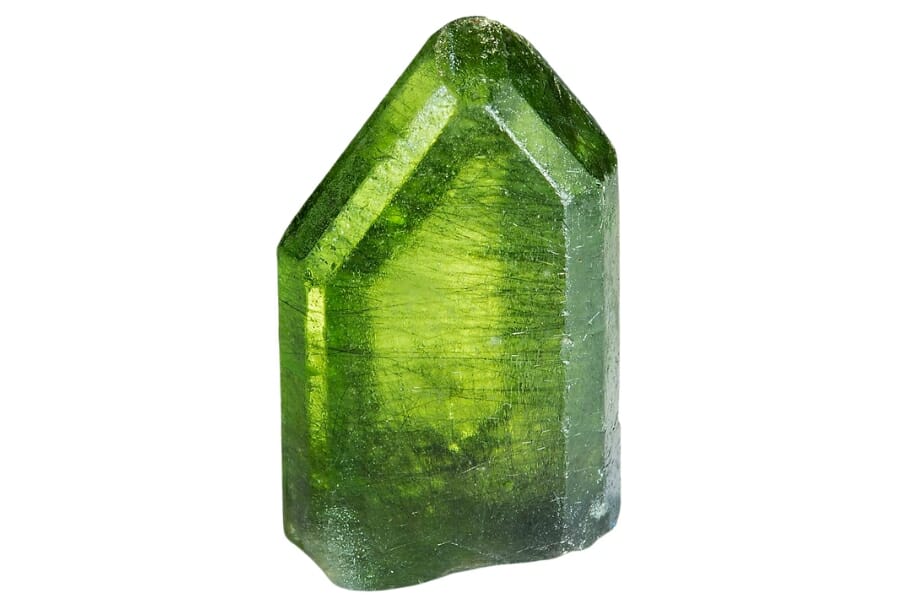
Peridot is the bright olive green gem that weathers out of basalt, and Arizona is one of the largest sources on Earth. It shows up as small glassy green grains in volcanic gravel.
If your pan has a bright green sparkle that is not glass, this is a strong candidate. Details in our guide to peridot in Arizona.
Chrysocolla
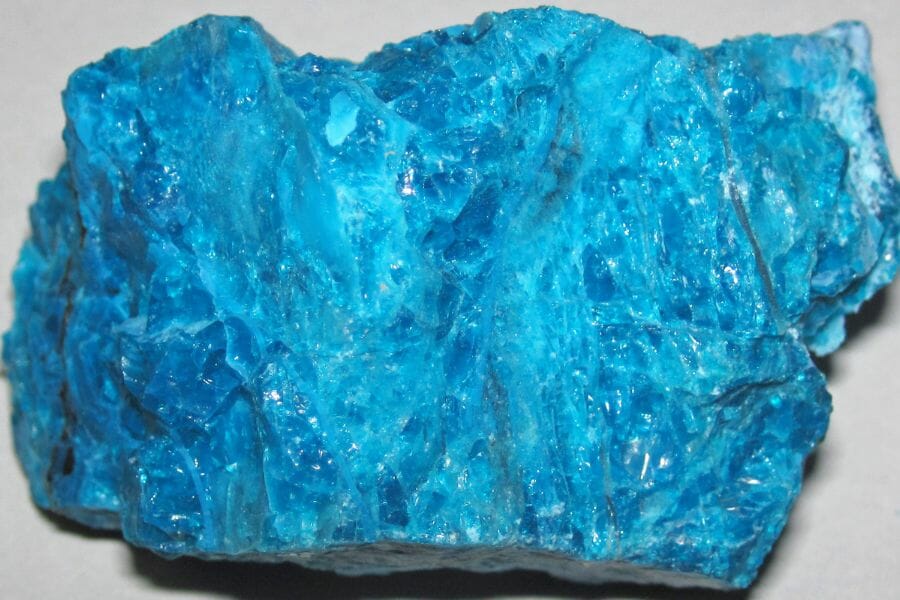
Chrysocolla is the vivid blue green copper mineral that coats rock around Arizona’s copper systems. It turns up as crusts and seams in float rock all over the central and southern gold districts.
Silicified pieces take a polish and sell well. Read more in our guide to chrysocolla.
Azurite
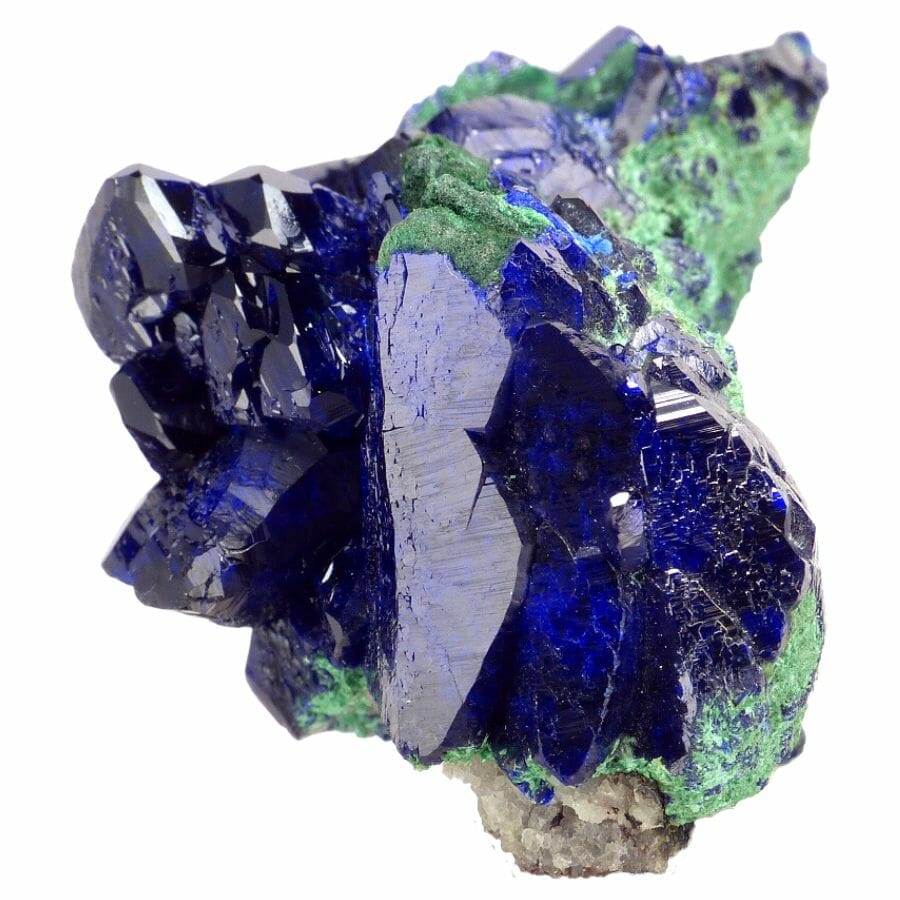
Azurite is the deep royal blue copper carbonate, and Arizona specimens are among the most sought after anywhere. It often grows with green malachite in the same piece, which makes for striking specimens.
Any blue stained rock in a copper district deserves a second look. Our guide to azurite covers identification.
Amethyst
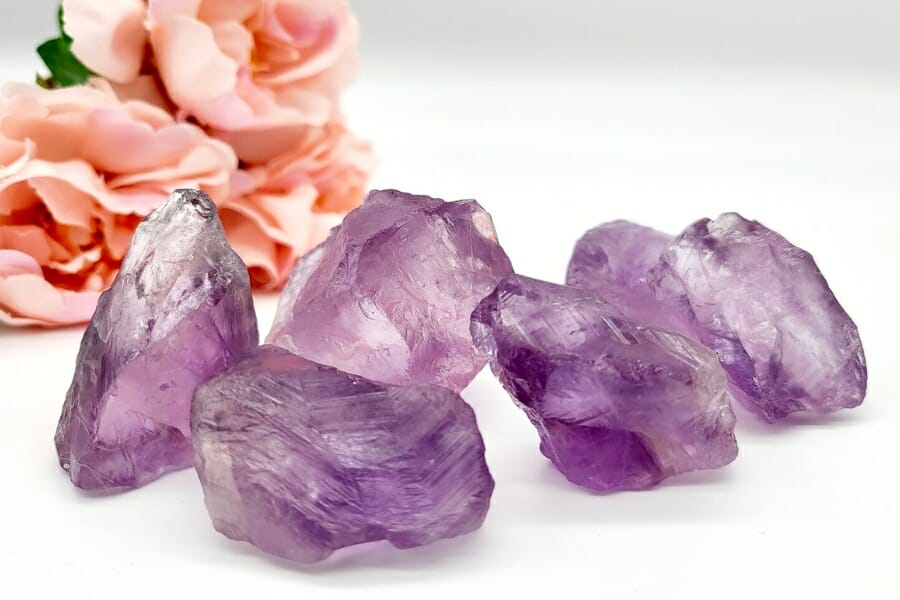
Amethyst is purple quartz and it forms in the same hydrothermal veins and volcanic cavities that carry Arizona gold. Four Peaks amethyst is famous, and smaller occurrences turn up across the state.
Look for purple tinted quartz float in gulches below volcanic rock. Start with our guide to amethyst in Arizona.
Quartz Crystals
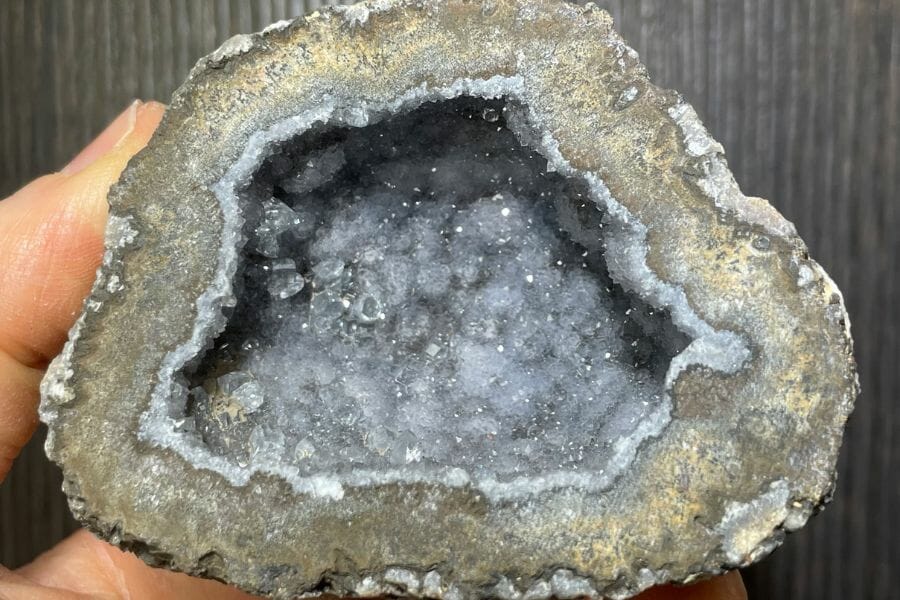
Clear quartz points come out of the same vein systems that carried the gold, which means gold country and crystal country overlap almost perfectly. Vugs in quartz float often hold small terminated crystals.
Crack open promising white float and check inside. More in our guide to quartz in Arizona.
Petrified Wood
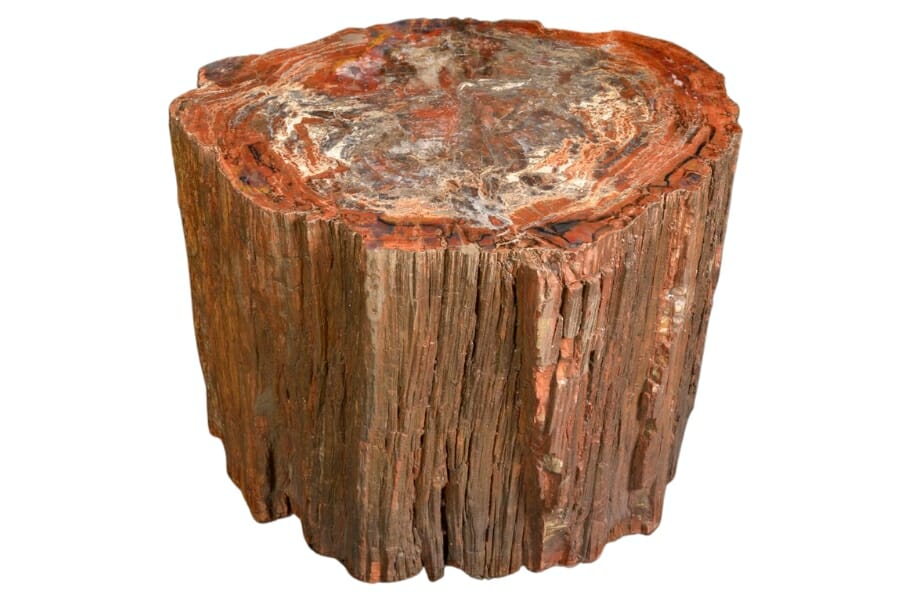
Arizona petrified wood is the most colorful in the world and pieces turn up in washes far from the famous northern deposits. It looks like wood grain in stone, often with red, yellow, and purple banding.
Collecting is banned inside Petrified Forest National Park, so work public land outside it. Our guide to petrified wood in Arizona has the details.
Apache Tears
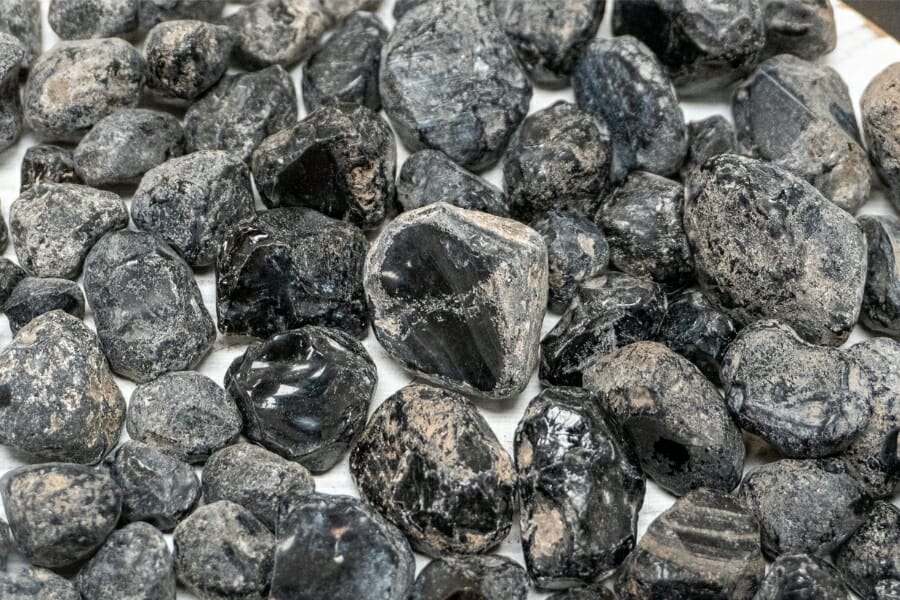
Apache tears are rounded nodules of obsidian that weather out of perlite deposits and roll into washes. They look like dull gray pebbles until you hold one to the light and see the glassy translucent core.
They are common enough that you can fill a pocket in a good spot. Learn where in our guide to obsidian in Arizona.
Wulfenite
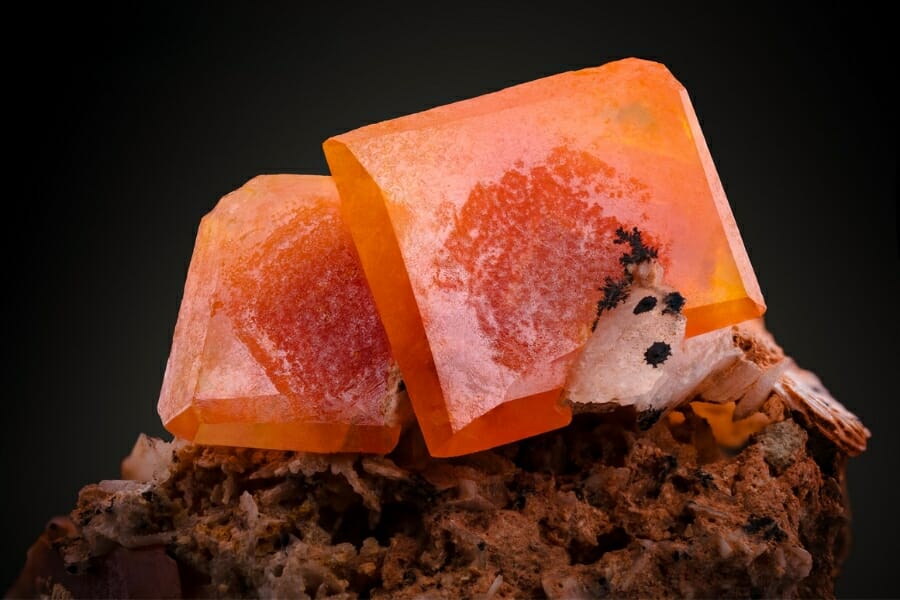
Wulfenite is Arizona’s official state mineral and its bright orange square crystals are prized by collectors worldwide. It forms in the oxidized zones of lead and copper deposits, which puts it right alongside a lot of gold ground.
Even small plates sell well because the color is so distinctive. See more Arizona finds in our guide to rockhounding in Arizona.
Here is the part that costs people money. You will pick up dozens of these while you are focused on the gold, and most prospectors put the good ones back because a wet, dusty rock in a screen does not look like a specimen. The Rocks and Minerals of the United States Field Guide gets it identified before it goes back in the wash.

Legal Rules for Gold Prospecting in Arizona

Arizona rules are workable once you know them, and knowing them is what keeps every flake you find one hundred percent yours. This is general information and not legal advice, and you are responsible for confirming the rules for the exact spot you plan to work.
Private Property
Arizona has large blocks of private ranch and patented mining land mixed right into public country, often with no fence to tell you. Get permission in writing before you cross, and a friendly ask ahead of time usually gets a yes.
Arizona State Trust Land is a separate category and it covers millions of acres. The state recreation permit covers hiking and camping only, and prospecting or mineral collecting is not allowed on trust land.
Active Mining Claims
This is the big one in Arizona. Enormous stretches of BLM and Forest Service land are covered by active claims, and the claim holder owns the minerals even though the surface stays public.
You can walk across a claim, but you cannot prospect or remove gold from it without written permission. Check the BLM Mineral and Land Records System before every trip, look for claim posts and notices on the ground, and when a district is described as heavily claimed, treat that as your cue to join a club or find verified open ground.
The good news is that clubs solve this cleanly. The Gold Prospectors Association of America, the Lost Dutchman’s Mining Association, and the Arizona Association of Gold Prospectors all hold claims in the best districts in the state, and a membership turns closed ground into open ground.
Equipment Restrictions
Hand tools, pans, sluices, and metal detectors fall under casual use on BLM land and need no permit. Hand fed dry washers are allowed under casual use as well, and you must fill in every hole you dig before you leave.
Motorized equipment is where permits start. Suction dredging and larger mechanized setups require a Notice of Intent or a Plan of Operations from the BLM, and national forests have their own rules by ranger district. Motorized equipment is not allowed in the Lynx Creek Recreational Gold Panning Area.
Some ground is simply closed and staying off it protects everyone. National parks and monuments including Grand Canyon, Saguaro, Organ Pipe Cactus, Chiricahua, and the Agua Fria National Monument are closed to prospecting, as are designated wilderness areas, national wildlife refuges such as Kofa and Cabeza Prieta, and military land including Fort Huachuca, Yuma Proving Ground, and the Barry M. Goldwater Range.
Confirm access directly with the managing agency before every trip, because boundaries, claims, and rules change without notice. The BLM Arizona State Office, the Prescott and Coronado and Tonto National Forest ranger districts, and the Arizona State Land Department are the offices that give you the current answer.
Some spots on this list are look but do not take, and that is still a great day outdoors. Photographing a historic district or a ghost town costs you nothing and teaches you how gold country reads.
Local rock and mineral clubs are the fastest shortcut of all. Members know which claims are open, which roads washed out last month, and which wash is producing right now, and they will usually take a newcomer along.
Arizona Gold FAQ
Can you pan for gold in Arizona?
Yes, you can pan for gold in Arizona on public land that is not covered by an active mining claim. The Lynx Creek Recreational Gold Panning Area in the Prescott National Forest is set aside specifically for this and is withdrawn from mineral entry, so no claim can be filed there.
Hand tools, pans, and sluices are allowed under casual use rules on most BLM and Forest Service ground. Always check claim status before you dig.
Where is the best place to find gold in Arizona?
Lynx Creek near Prescott is the best place for beginners because it is a designated public panning area with easy access. For coarse gold and nuggets, Rich Hill in Yavapai County, San Domingo Wash in Maricopa County, and Gold Basin in Mohave County are the most productive districts.
Rich Hill and San Domingo are heavily claimed, so most prospectors work them through a club membership.
Is it legal to pan for gold in Arizona?
Panning for gold is legal in Arizona on open public land where no active mining claim exists. It is not legal on private property without permission, on Arizona State Trust Land, or inside national parks, national monuments, wilderness areas, and wildlife refuges.
The BLM Mineral and Land Records System is the tool that tells you whether a spot is claimed.
What rivers in Arizona have gold?
The Hassayampa River, the Agua Fria River, the Gila River, and the Colorado River all carry documented placer gold. Smaller creeks are often better, especially Lynx Creek, Big Bug Creek, Turkey Creek, and Humbug Creek in the Bradshaw Mountains.
Much of Arizona’s gold sits in dry washes rather than rivers, which is why dry washing is such a common technique here.
Is there still gold in Arizona?
There is still plenty of gold in Arizona and prospectors recover nuggets every year. Arizona placers have produced more than 564,000 recorded ounces and the desert flash floods that move gravel keep exposing fresh material.
Coarse gold is the state’s specialty because the pieces never traveled far from the veins that produced them. Learn what else is out there in our guide to crystals in Arizona.
Get Every Find In Your Pan Identified In Seconds

Arizona gravel puts more than gold in your pan, and the difference between a good trip and a great one is knowing what the rest of it is. Turquoise, fire agate, wulfenite, and copper minerals all come out of the same screens as the flakes, and they are only worth something if you recognize them.
The Rocks and Minerals of the United States Field Guide has waterproof pages, hundreds of color photos, and clear side by side comparisons so you can identify anything you find while you are still standing in the wash.