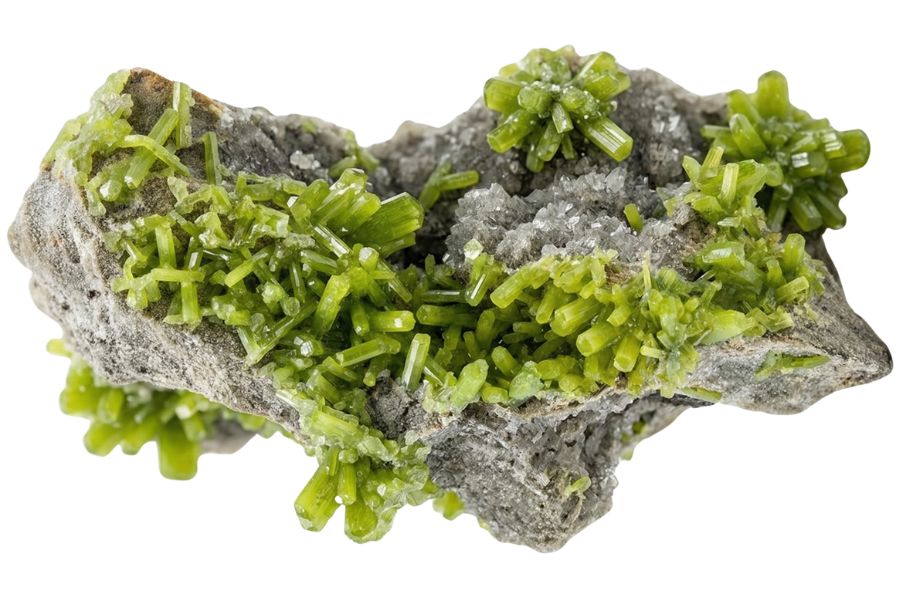
Packing up your best tools to dig for crystals in North Carolina means picking a realistic destination first. If you want to pull aquamarine or emeralds from the ground, you must dig around in the right environment.
Swinging a heavy pickaxe requires immense effort, so your sweat should result in something tangible. A proper plan prevents you from wandering aimlessly through the wild. We can help you with this by giving you ways to streamline your next outdoor adventure.
Our objective is to significantly narrow down the vast wilderness into highly manageable locations.
We’re going to show you the specific areas that offer a genuinely high probability of success. This way, you’ll maximize your time and save your strength while also increasing your chances of finding amazing crystals.
- The extensive local experience and understanding of our team
- Input from multiple local crystal hunters and crystal collecting groups
- The accessibility of the crystal mining locations
- Safety and potential hazards when collecting
- Private and public locations
- A desire to include locations for both experienced crystal hunters and those who are just starting out
Using these weights we think we’ve put together the best list out there for those who love finding new crystals for our collections!
The Types of Crystals We Found
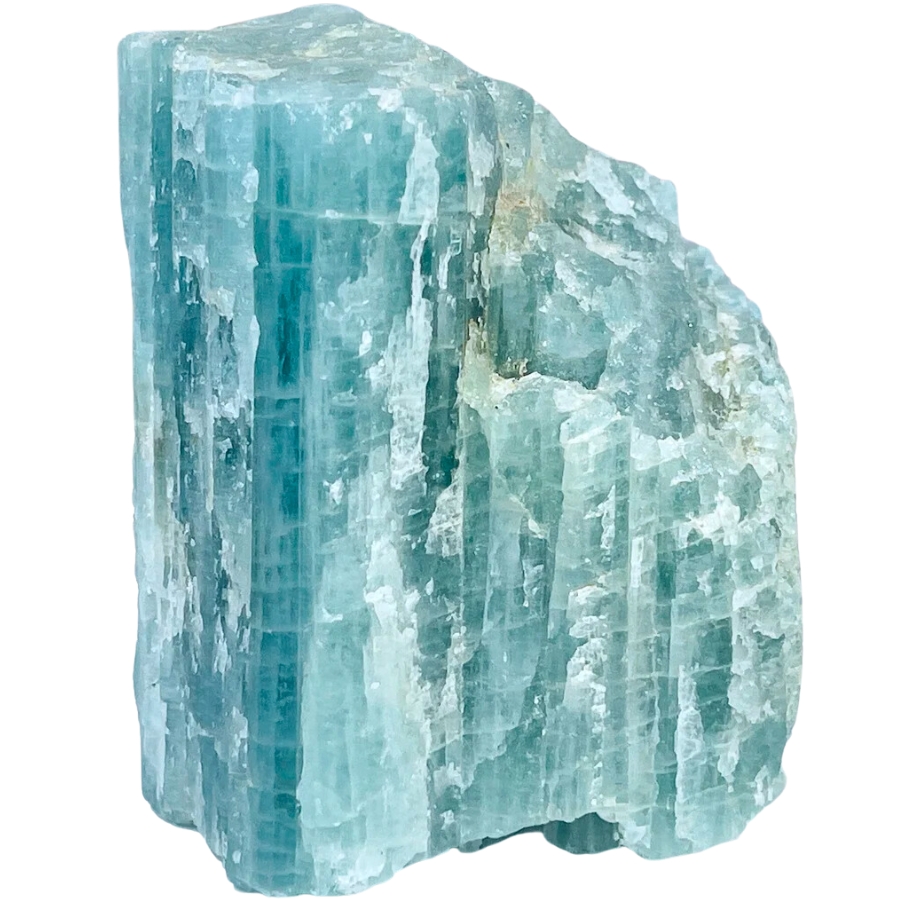
The rich and diverse deposits of different crystals make rockhounding in North Carolina worth it. Below are some of the rare and common crystals you might encounter here:
Emerald
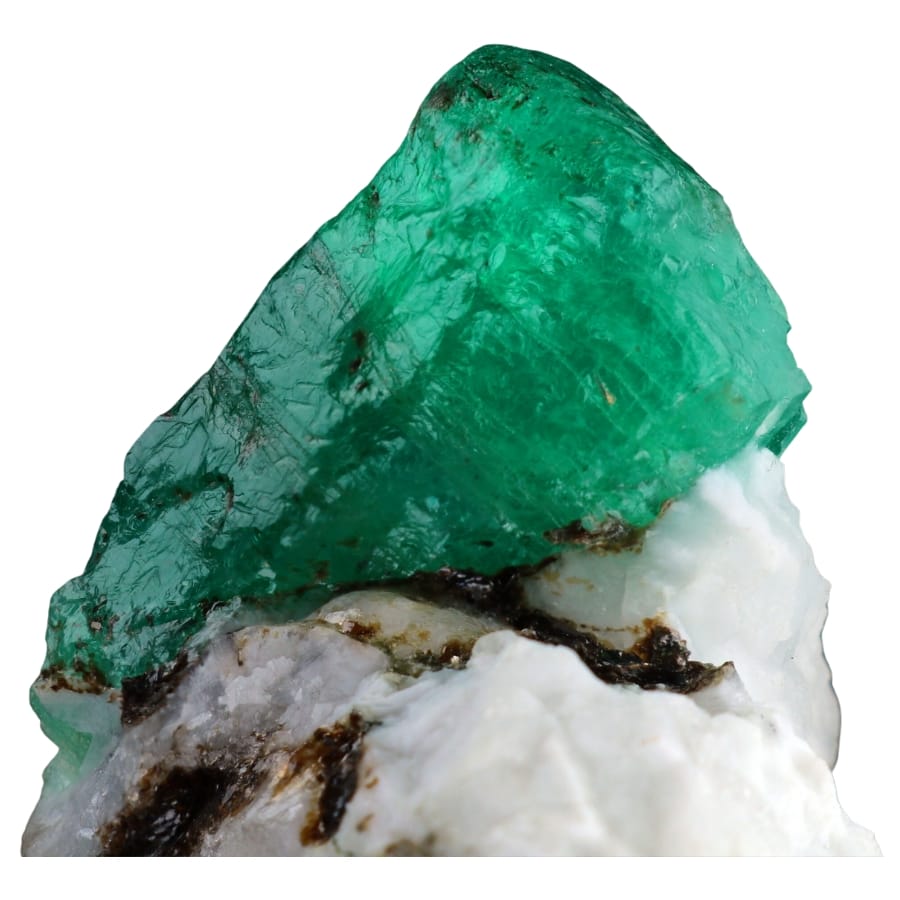
Emeralds are nature’s own green fireworks display. It’s one of the most popular gemstones in the world because of its bright, vivid green colors. Every time you look at one, it’s as if you’re peering into a lush, tropical rainforest.
It belongs to the beryl family of minerals, just like aquamarine. But what gives the gem its distinctive green color? It’s all thanks to small amounts of chromium and sometimes vanadium mixed in.
Let’s take a trip deep inside the Earth to discover how emeralds come to life. When hot magma from deep within the Earth rises and cools, it forms rocks.
As these rocks change over time, with heat and pressure, beryl minerals can form. If there’s chromium or vanadium around, bam! That beryl turns into the green wonder we call emerald.
Their dazzling green shades symbolize renewal and growth, just like spring. Throughout history, royalty has worn emeralds, signifying power and wealth. Today, whether it’s in a necklace, ring, or crown, emeralds have a timeless appeal that captures hearts and imaginations.
With their rich history, stunning beauty, and positive vibes, it’s no wonder emeralds shine so bright in the world of gems!
Where you can find Emerald in North Carolina
Emerald is abundant in these locations:
- Big Crabtree Mountain
- Crabtree Emerald Mine
- Emerald Hollow Mine
- Spruce Pine
- Thermal City Gold Mine
Hiddenite
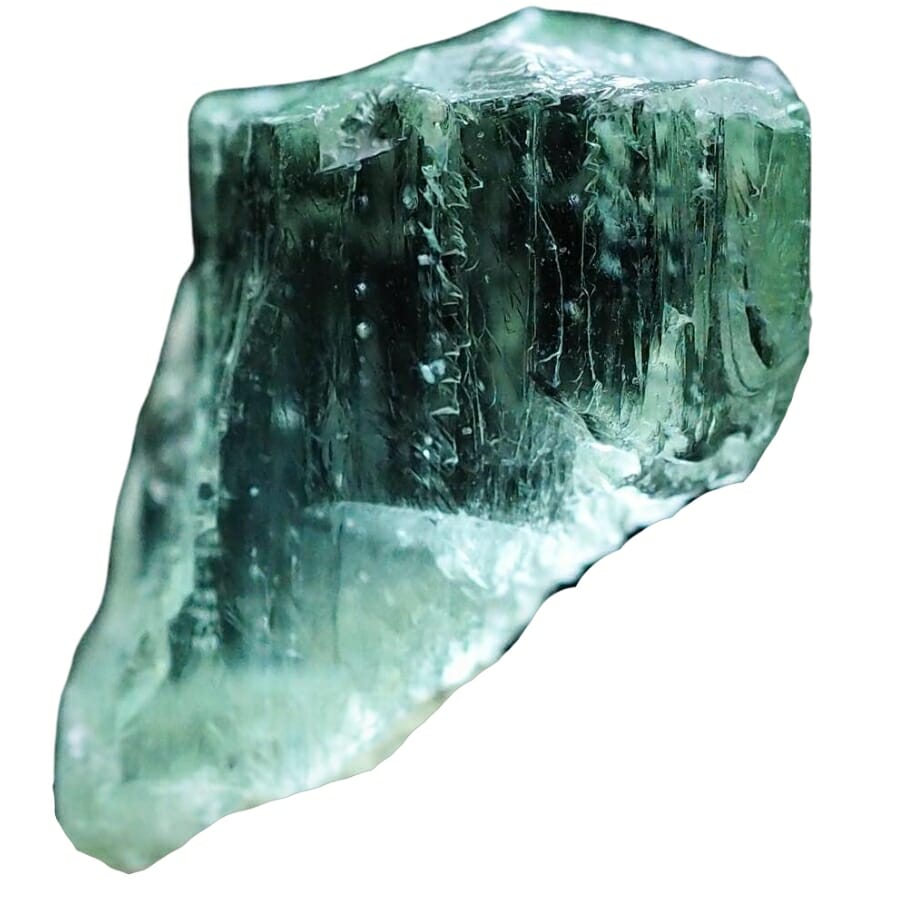
Hiddenite! Now there’s a gem that dances with color and mystery. This lovely stone is a variety of mineral spodumene, and it has a stunning green color that can range from a pale, light shade to a richer, deeper green. Imagine the fresh green leaves of spring, and you’ll get a sense of Hiddenite’s beauty.
It forms in granite pegmatites, which are special rocks with interlocking crystals. It gets its beautiful green color when some things, like chromium, are around when spodumene is made. It’s how minerals are used by nature to make art.
Hiddenite is named after the mineralogist W.E. Hidden, who was the first to notice its unique properties. Its colors range from soft pastel green to bright shades that look like new leaves in spring.
Another exciting aspect is that it can show different colors when viewed from various angles, a feature known as pleochroism. All these wonders wrapped up in one gem make hiddenite a treasure for gem lovers and collectors everywhere!
Where you can find Hiddenite in North Carolina
Hiddenite can be found in many places, among them are:
- Farms in the Hiddenite area
- Many old area mines of Hiddenite
Amazonite
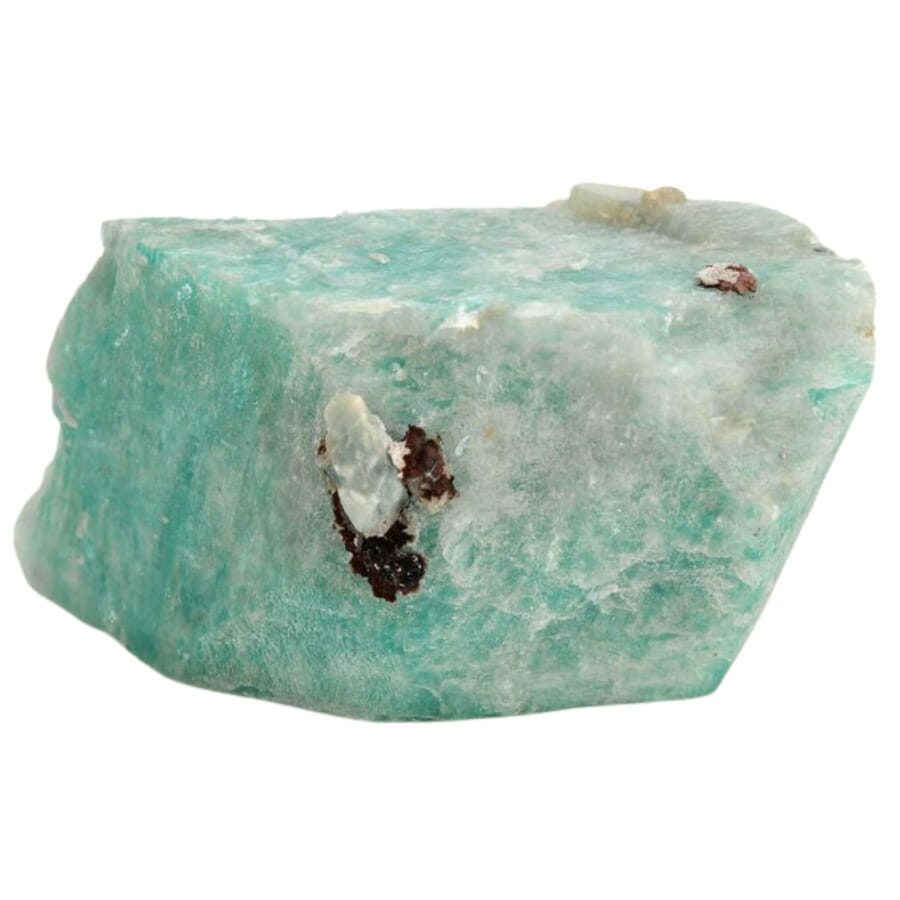
Amazonite is a real showstopper with its stunning turquoise-green color! Its calming shade is a reminder of tropical waters or serene forests. It’s named after the Amazon River, even though there’s no proof it was found there. Just think of a vast river and lush rainforest when you imagine its color.
It belongs to the feldspar family, a group of minerals that can be found in many rocks around the world. Amazonite forms in granite and pegmatites. It also gets its color when certain conditions happen deep within the Earth.
Beyond its eye-catching color, it has been used for thousands of years. Ancient civilizations crafted it into jewelry, beads, and other ornamental items. Many jewelry designers still love using it for its natural beauty and soothing color.
Amazonite’s peaceful colors remind us of the beauty of nature on Earth. At the same time, the fact that it’s still valuable and popular shows that it will never go out of style.
Where you can find Amazonite in North Carolina
Amazonite is easy to find in North Carolina, specifically in these locations:
- Elijah Mountain Gem Mine
- Ray Mica Mine
- Spruce Pine
Barite
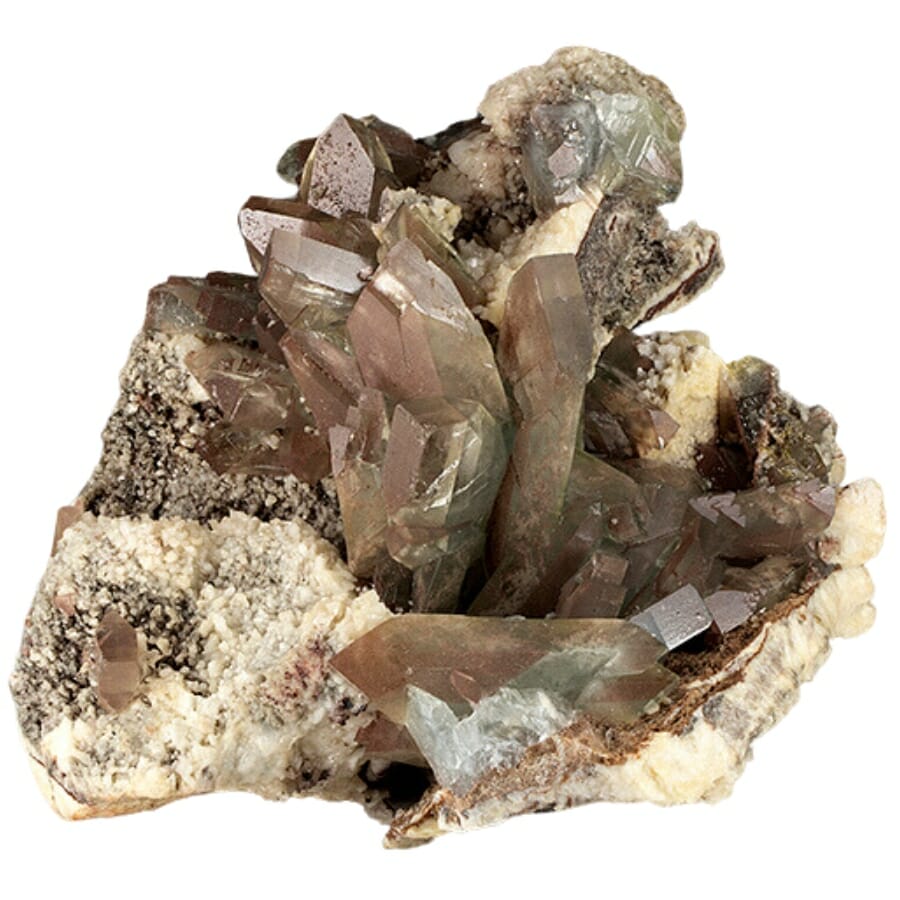
Barite sure knows how to make an entrance with its heavy weight! This mineral is much heavier than you’d expect for its size. It comes in various colors such as clear, white, blue, yellow, or brown. Sometimes, when you look at it closely, it has a cool glassy shine.
This mineral can form in various places, such as hot springs, the sea, and even in veins inside rocks. When the substances that make barite get into deep-ground solutions, it forms crystals.
Because it’s so dense and heavy, it’s used in things that need added weight. Think of those mud mixtures used in drilling oil wells. It helps keep the drill bit steady by making the mud heavy. Its high density is also a contrast agent in X-rays and CT scans.
In the grand tapestry of minerals, barite is both practical and pretty. It’s a cool combination of nature’s artistry and usefulness.
Where you can find Barite in North Carolina
Barite can be found in these areas in North Carolina:
- Crowder’s Mountain State Park
- Reed Gold Mine
Cerussite
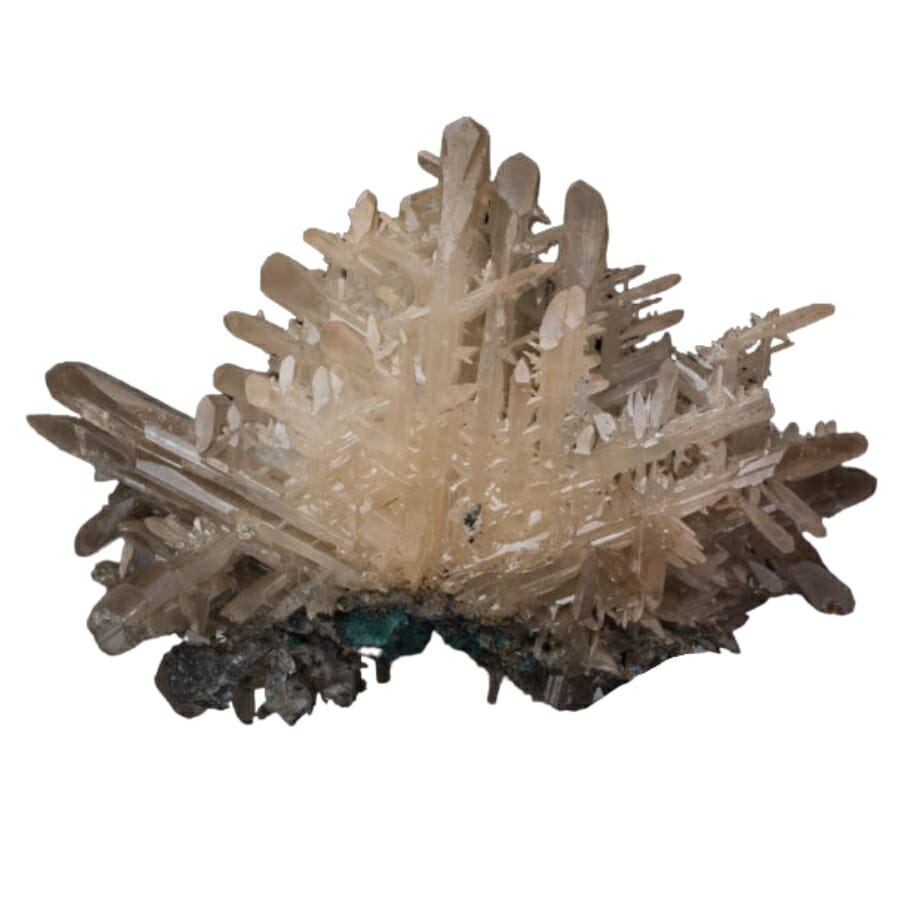
Cerussite is a mineral that stands out because it has sparkly crystals that can look as clear as glass or shimmer with a hint of color. This mineral often takes on fantastic shapes that catch the eye of anyone who sees them. You might even see twin crystals, made of two crystals that grow together uniquely!
It’s commonly found in areas where lead ores, like galena, are breaking down. This usually happens near the Earth’s surface, in the oxidized zone of lead ore deposits.
Lead ores change over time with the help of water and air to become minerals like cerussite. It’s how nature reuses old rocks and gives them a new, sparkly life.
For many, it’s all about its beauty and brilliance. When light hits a clear cerussite crystal just right, it dances with bright sparkles. This makes it a favorite for mineral collectors.
Plus, it has a special ability: it’s very flexible with light, which means it breaks light into several rays, making it even more stunning.
Cerussite is a testament to how the Earth can transform something ordinary into a true work of art. It’s a gem of a reminder about the magic tucked away beneath our feet!
Where you can find Cerussite in North Carolina
You can find unique pieces of cerussite in North Carolina, especially on the western slope of Davis Mountain.
Kyanite
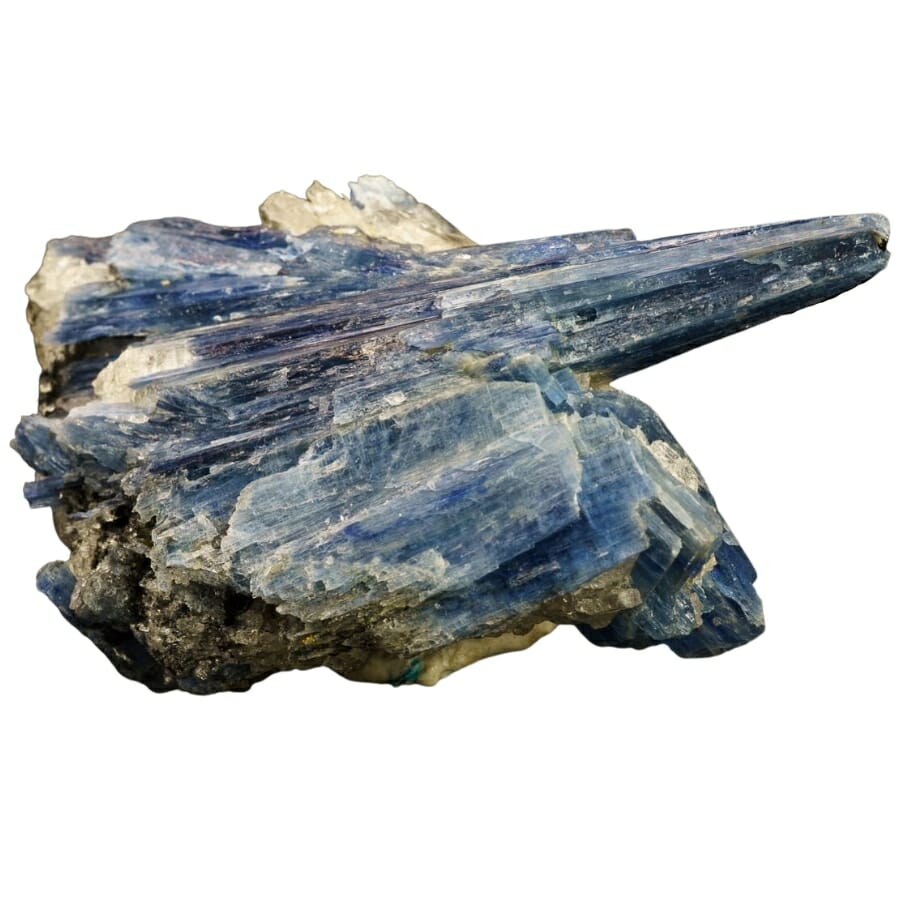
Kyanite is a fascinating stone, primarily because its unique blue color reminds many of a clear blue sky on a sunny day. This mineral can be light blue to dark blue, and its crystals often have white lines.
It’s made when there is a lot of pressure and heat, usually deep in the Earth’s crust. Its shape is unique because it can stand up to different conditions. In simple terms, the heat and pressure inside the Earth cook up this mineral, making it out of other materials.
It’s often used in rings and pendants, but it’s also used in other jewelry. It also has some valuable properties that make it useful in some industries. It can be used in things that handle high temperatures, like ceramics.
From the center of the Earth to jewelry, kyanite is a remarkable mineral that shows how beautiful and useful nature is.
Due to its anisotropy, it’s often used as a refractory material in high-temperature environments such as furnaces and kilns.
From the center of the Earth to jewelry, kyanite is a remarkable mineral that shows how beautiful and useful nature is.
Where you can find Kyanite in North Carolina
You can locate kyanite in the following areas:
- Cherokee Ruby and Sapphire Mine
- Cowee Creek
- Crowder’s Mountain State Park
- Lookout Mountain
- Ray Mica Mine
Lepidolite
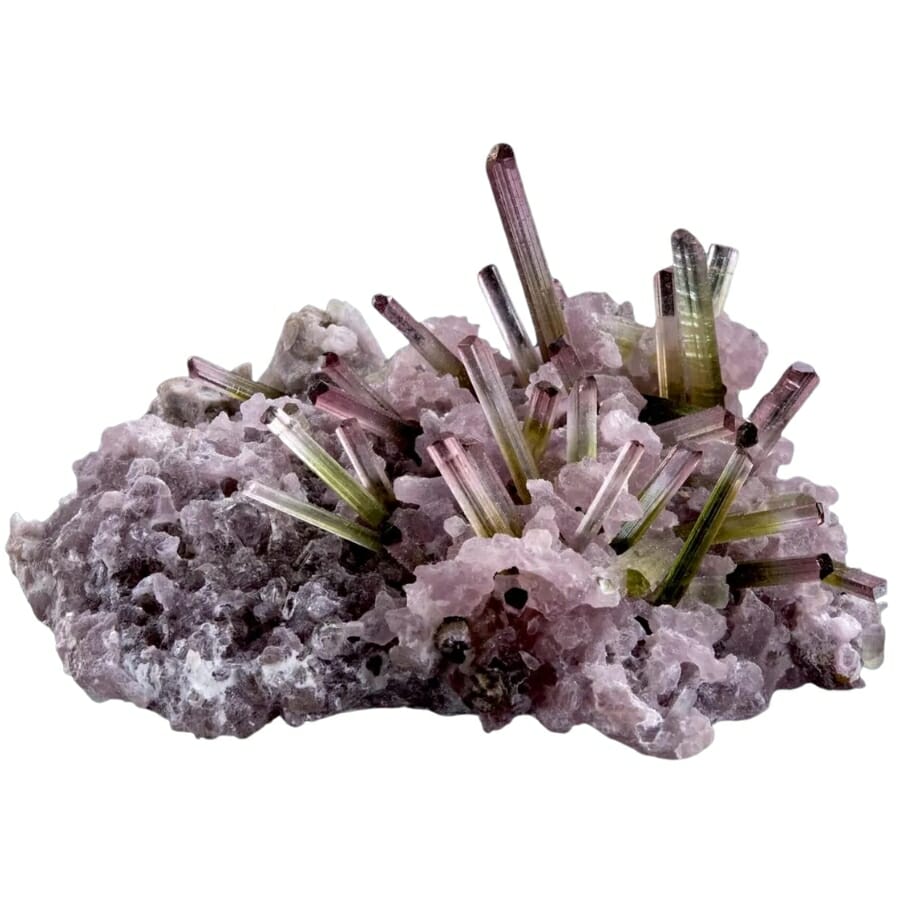
Lepidolite is a beautiful mineral that often stands out because of its beautiful purple, pink, and red colors. This mineral looks shiny and flaky because it has tiny bits of mica in it. It’s easy to think of it as “nature’s glitter” sometimes.
It forms from the cooling of magma or sedimentary rocks. The magic starts deep within the Earth. As magma cools and solidifies, various minerals start to grow.
It likes to form with other minerals like quartz, feldspar, and tourmaline. Over time, these minerals work their way to the surface of the Earth, where we find them.
Lepidolite contains a tiny bit of lithium. That’s the same stuff used in rechargeable batteries for our gadgets. But don’t rush to break apart your lepidolite stone to charge your phone; we have other ways to get lithium!
And, of course, its beautiful colors make it a top choice for jewelry and decoration. Imagine having a piece of Earth’s glitter to wear or display!
Where you can find Lepidolite in North Carolina
It’s not hard to find lepidolite in North Carolina, especially in these locations:
- Area near the county border of Inez
- Fowler Farm
Spodumene
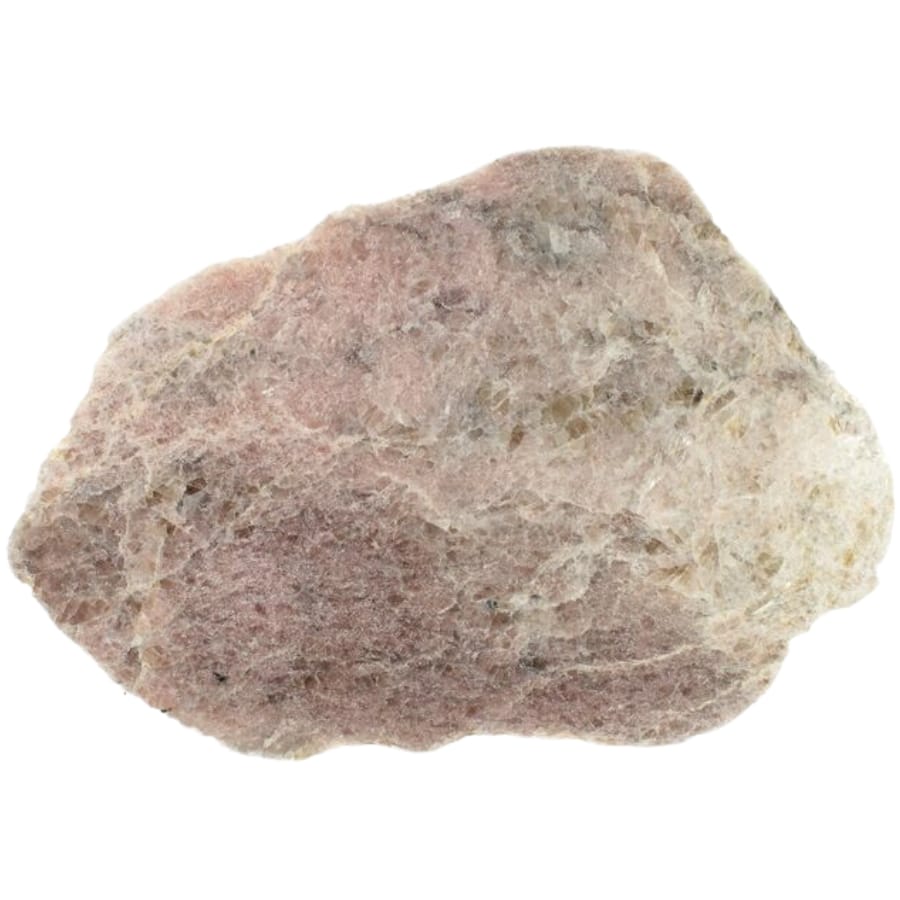
Spodumene is a real show-stopper in the world of minerals! With vibrant shades ranging from clear and colorless to deep green and pink, this gem is a feast for the eyes.
The green spodumene is called hiddenite, and the pink one is called kunzite. Each color is beautiful and charming in its way.
Spodumene forms from cooling magma deep within the Earth. As magma cools and hardens, various minerals begin to grow, and spodumene is one of these minerals. It often grows with other beautiful crystals, such as quartz and tourmaline.
It also contains lithium. Yes, the same element used in batteries powers many of our devices. This makes it incredibly valuable for technological advances and energy solutions.
Spodumene is also beloved in the world of jewelry. The vibrant kunzite and hiddenite varieties are often shaped, polished, and set into stunning pieces that catch the light brilliantly.
Many people love spodumene crystals, either because they are functional or beautiful. They are an excellent example of how the Earth makes terrific things for us to enjoy and use.
Where you can find Spodumene in North Carolina
You can visit the following places for unique pieces of spodumene:
- Foote Mine and other mines near Kings Mountain
- The general area of Stony Point
- Poplar Springs
Chrysocolla
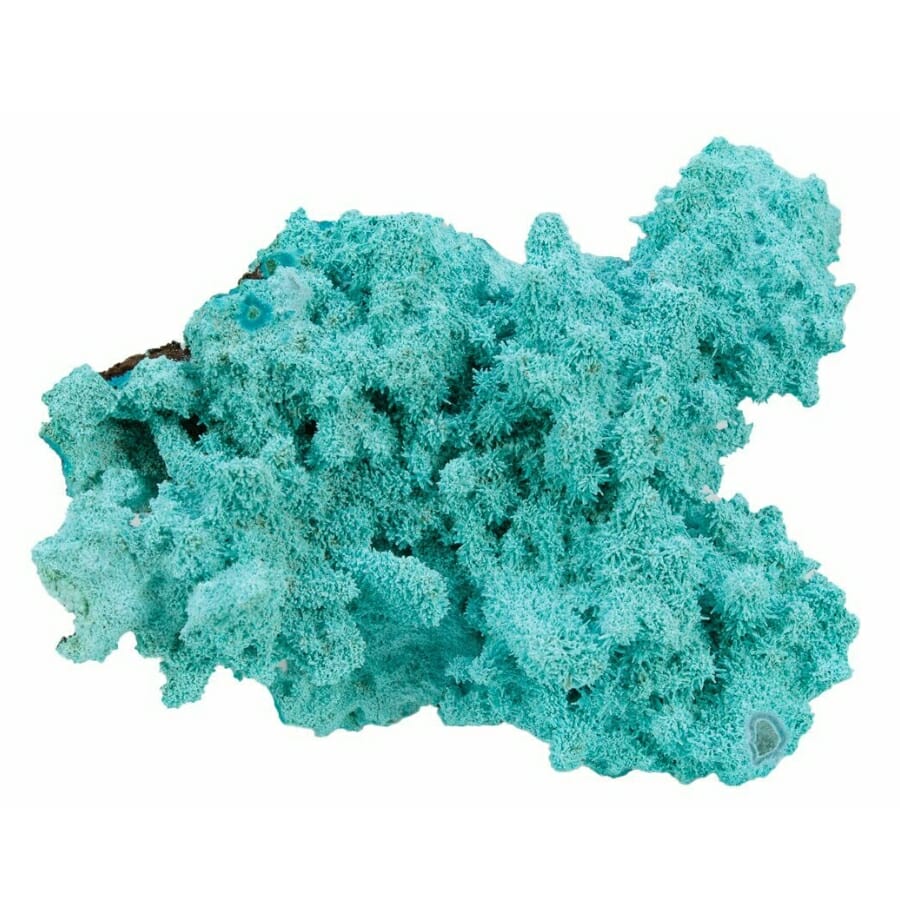
Chrysocolla is a real treasure in the world of rocks and minerals. It stands out because of its bright blue-green color, which makes people think of tropical seas and lush forests.
This stunning mineral is born when copper ores meet water. Imagine water dancing over and flowing through rocks rich in copper. As they come into contact, the water breaks down the copper, making the beautiful chrysocolla.
Ancient people liked its beauty and used it to make jewelry and art. Recently, it has become a popular material for lapidaries and jewelry makers.
Because of its bright colors and decorative patterns, it’s often used to make one-of-a-kind jewelry, from tiny pendants to big rings.
Chrysocolla is a beautiful stone that shows how nature’s chemistry works and tells stories from places as cool as North Carolina.
Where you can find Chrysocolla in North Carolina
Chrysocolla specimens are found in the following areas in North Carolina:
- At the Bear Creek in Chatham County
- Gardner Mine
- Mills Hill Mine
- Sheepcliff Mine
- Wolf Creek Mine
Feldspar
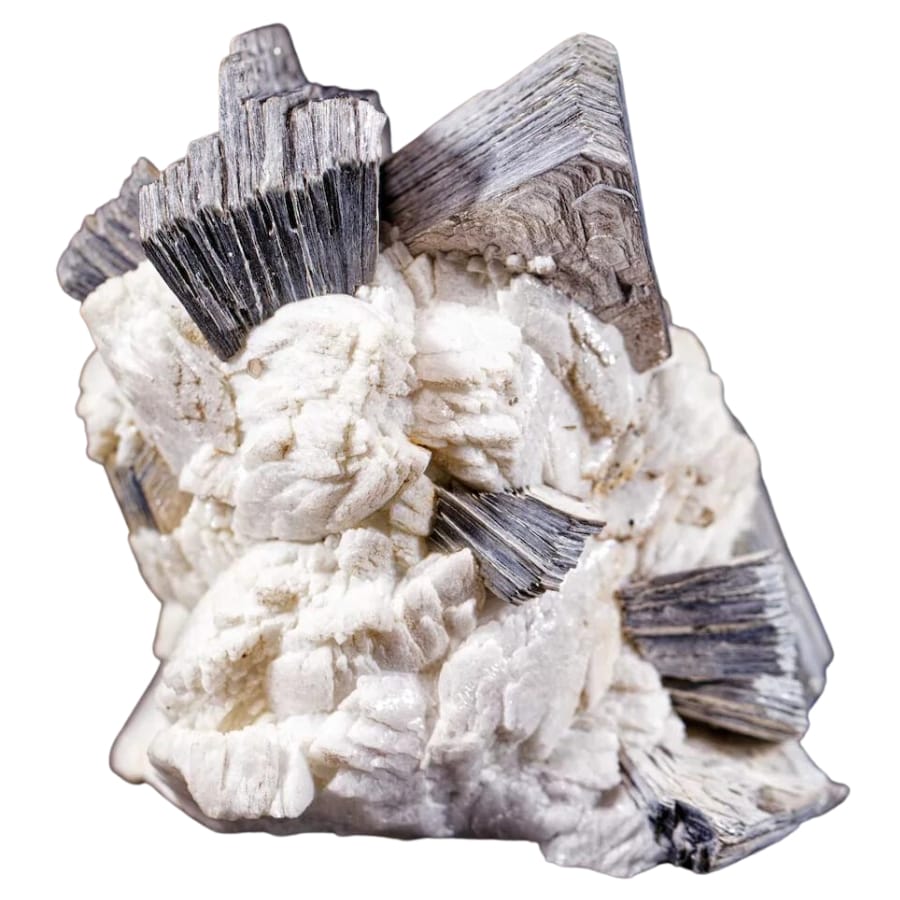
Feldspar is a rock star in the mineral world! It comes in many cool colors like pink, white, or clear. If you’ve ever looked at a granite countertop or walked on a sandy beach, you’ve probably seen feldspar without knowing it! The mineral is all around us.
Magma, a holt molten rock, cools down deep inside the Earth. As it cools, different minerals begin to crystallize or form solid bits, and one of the first to pop up is feldspar. Over a long time, this magma rises to the surface of the Earth, bringing feldspar with it.
It’s a key ingredient in making things like glass and ceramics. That bowl of cereal you had this morning? It might’ve been in a ceramic bowl made with the help of feldspar. And those shiny sparkles you see in some rocks? Yep, that’s often feldspar catching the light just right.
In the end, feldspar is more than just a pretty face. It plays a big part in our daily lives, from the things we use to the ground we walk on. It truly is an unsung hero in the world of minerals!
Where you can find Feldspar in North Carolina
There are several places in North Carolina where you can find feldspar, such as:
- Kyanite mines at Yancy County
- Lost River Gold
- Mountain Mine
- South Mountains
Monazite
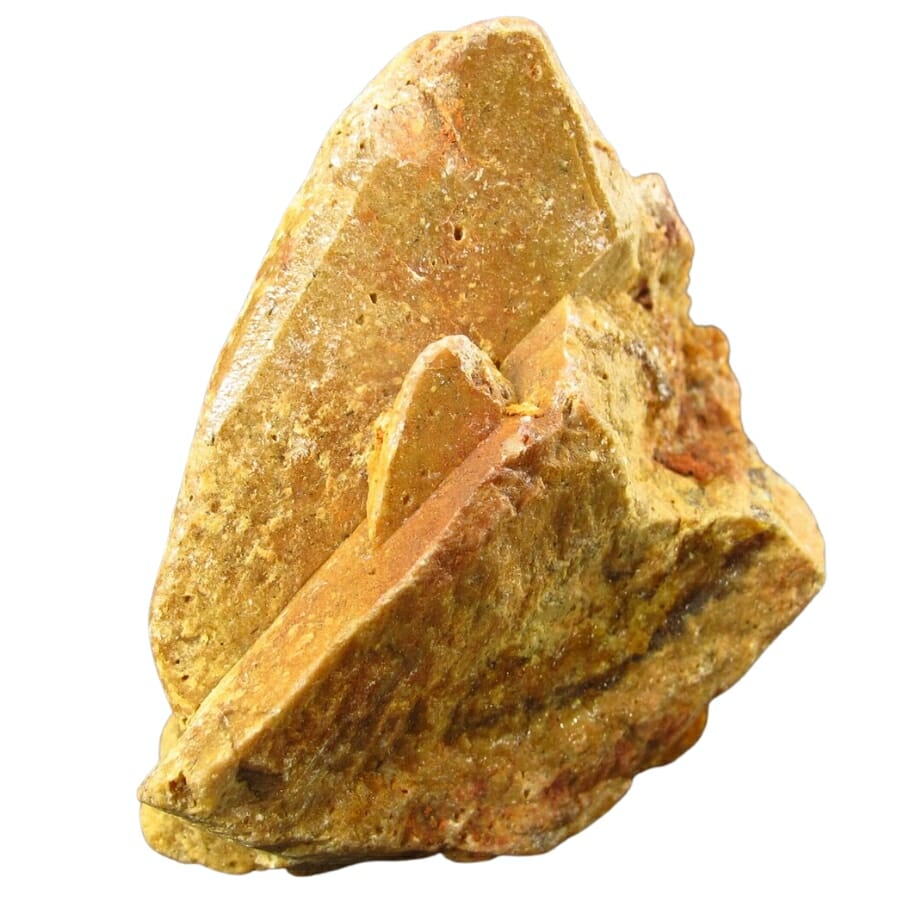
Monazite is a real gem in the mineral kingdom, not just because it sounds fancy! This mineral stands out because it is a rich brown to reddish brown color, and sometimes even yellow or green.
Monazite forms in rocks changed by heat and pressure deep in the Earth. This process is called “metamorphosis. “Sometimes, it also forms in sands carried by rivers from these metamorphic rocks. As these sands and rocks shift over time, monazite patiently grows, crystal by crystal.
This mineral is super valuable because it contains rare earth elements. These are special elements used in many modern gadgets and technologies.
Think smartphones, computers, and even some green technologies like wind turbines. So, whenever you’re texting or watching videos on your phone, you might have to thank it in a way!
Plus, it has another neat feature. It has a unique ability to “record” time. Scientists can look at the mineral and figure out how old it is, giving them clues about Earth’s history.
Monazite is more than just a brown or reddish stone. It’s a timekeeper and a key player in modern tech, making our world both smarter and more colorful!
Where you can find Monazite in North Carolina
Monazite is common in North Carolina, especially in the general area of Stony Point.
Pyrophyllite
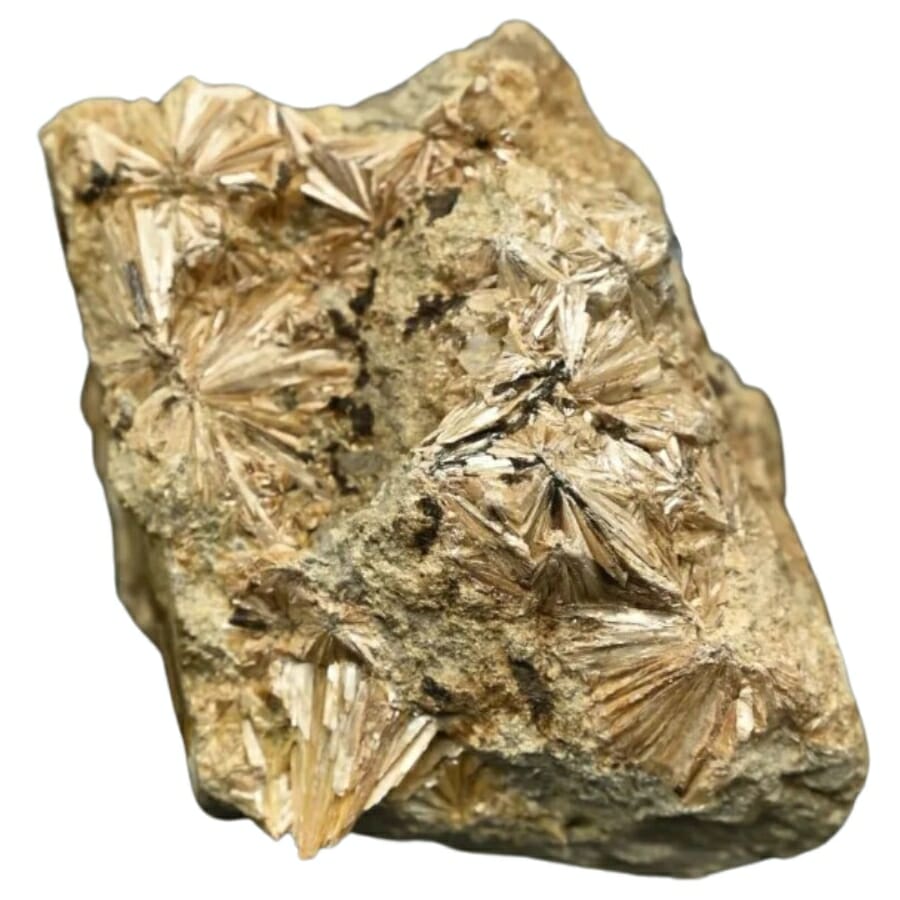
Pyrophyllite is a cool-sounding name for an even cooler mineral. It’s usually a pale, silvery-white or sometimes even a soft shade of green. Touching it feels like touching talc, because it’s smooth and even slippery!
The story of how pyrophyllite was made begins deep inside the Earth. It forms in rocks that have been changed by heat and pressure. These rocks are called metamorphic rocks.
Some clays change into this mineral after being pushed deeper into the Earth and being exposed to heat and pressure for a long time.
Artists and sculptors love it because it’s soft and easy to carve into detailed shapes. Imagine creating stunning art pieces out of this shiny, silvery stone! Also, pyrophyllite has a unique property: it is resistant to high temperatures.
This makes it very useful in industries that need materials that can handle heat, like ceramics and materials that keep heat out.
Pyrophyllite isn’t just a pretty face in the rock world. From art to industry, this mineral is a superstar. It dazzles with its look, feels interesting to touch, and stands tough against high heat. Talk about an all-rounder in the mineral family!
Where you can find Pyrophyllite in North Carolina
You can find many different pyrophyllite specimens at:
- Bowling’s Mountain Mine
- Glendon area mines
- Linville Mountain
Talc
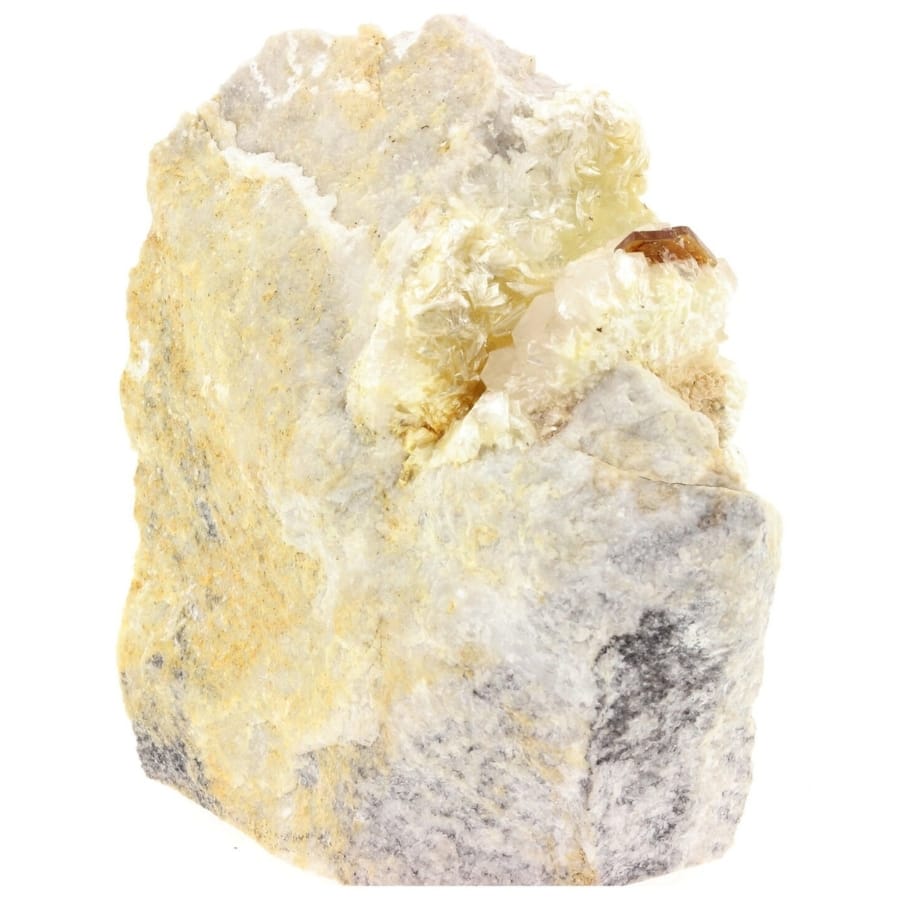
Talc is a true superstar in the mineral world! This mineral is soft, so soft in fact, that you can easily scratch it with your fingernail. It has a smooth, almost soapy feel, so some call it “soapstone” when it forms into large chunks.
It forms when magnesium, silica, and water mix just the right way in certain rocks. Over time, these ingredients bond with heat and pressure, and we get talc!
This mineral has some fantastic uses. First up, cosmetics. Talc helps give makeup that smooth texture that glides on the skin. Think about face powders and eyeshadows; many have talc in them.
But wait, there’s more! Talc is also used in industries. It keeps plastics strong, makes paints easy to spread, and is even used to make some kinds of rubber. Who could also forget baby powder? For years, Talc was the main ingredient in many baby powders because it felt silky and soaked up moisture.
In the grand scheme of things, talc is both practical and luxurious. It’s found in everyday products and also adds a touch of smoothness to our lives. Truly, talc is a mineral that touches us in more ways than one!
Where you can find Talc in North Carolina
There are a lot of talc deposits in North Carolina, especially in the following places:
- Area Spruce Pine
- The general area of Ivy Creek
- Wilkesboro area
Aquamarine
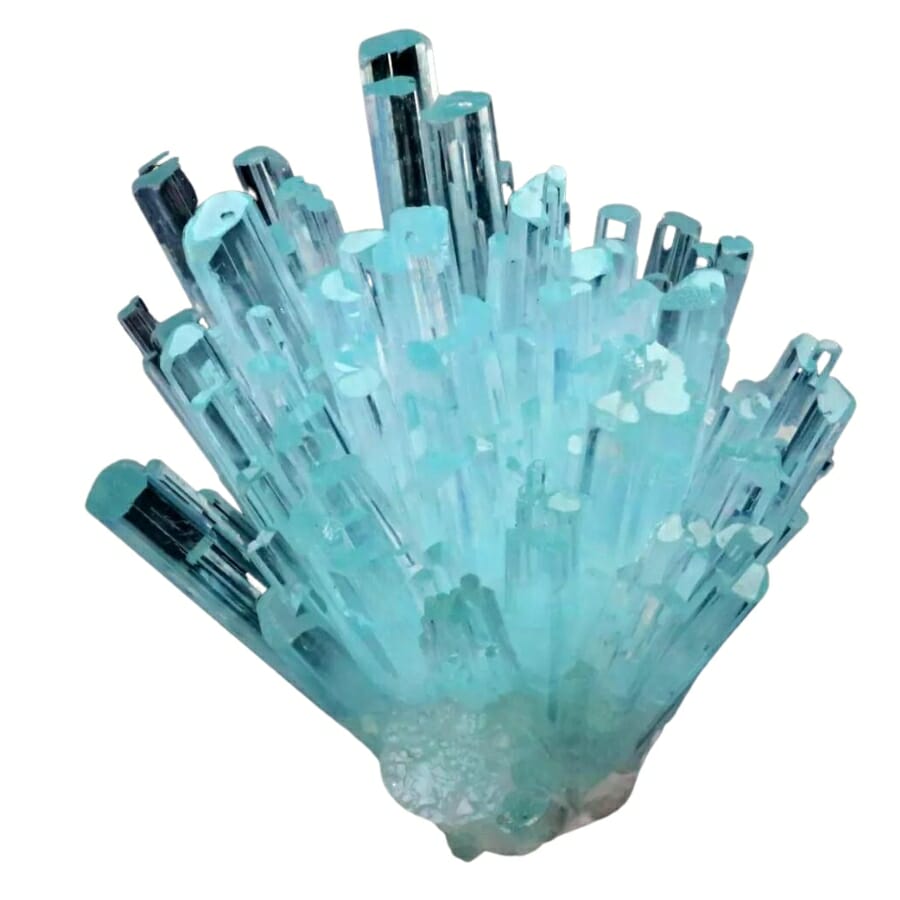
Aquamarine is a true treasure from the heart of the Earth! This gemstone is a dreamy blue to greenish-blue color that reminds you of clear, tropical oceans. The name “aquamarine” comes from two Latin words: “aqua” meaning water, and “marina” meaning sea. A pretty fitting name, right?
This stunning gem is part of the beryl family, which means it’s related to emeralds. These minerals form when molten rock deep in the Earth cools under certain conditions.
Aquamarine crystals grow with the right amount of beryllium, aluminum, and silicate. Over time, traces of iron sneak in, giving this gem its enchanting blue hue.
Its beautiful color and clarity make it a top choice for jewelry. Rings, necklaces, earrings – aquamarine shines in all of them! Its clear blue reminds many of calm seas and clear skies, making it a favorite for those who love ocean vibes.
In essence, aquamarine combines the mysteries of the Earth with the allure of the sea. Wearing or owning this gemstone feels like holding a tiny piece of the ocean’s heart!
Where you can find Aquamarine in North Carolina
You can visit these places to find aquamarine in the state:
- Crystal Ridge
- Escondido Canyon
- Shelter Cove
Azurite
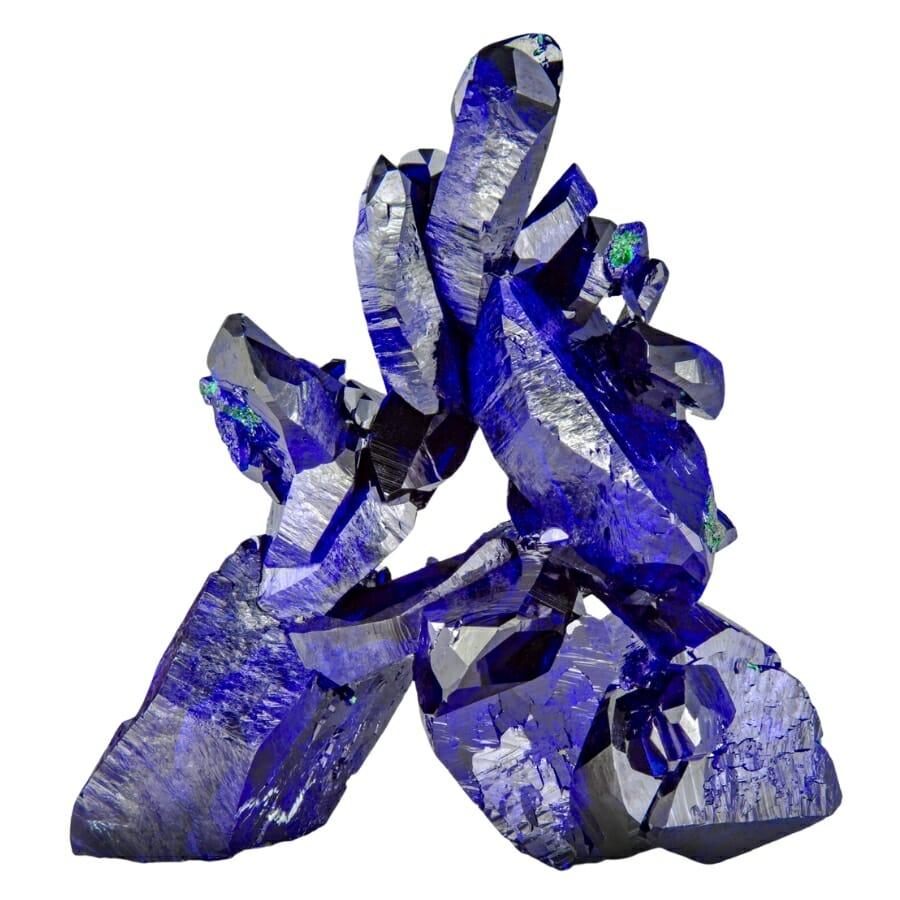
Azurite is a total dazzler! Its name comes from the Persian word “lazhward,” which means “blue.” Its deep, bright blue color makes it easy to see why. People used to grind this gem into a fine powder and mix it with paint to make it bright blue.
Here’s a fun fact! Azurite is basically blue copper. Well, not exactly, but it does happen when water, carbon dioxide, and copper mix. When these elements react, they create this beautiful blue mineral.
Beyond its stunning appearance, it has been treasured for centuries. Artists, as mentioned, loved the rich blue hue it gave to their paintings. It’s a favorite among gem and mineral collectors today.
When you look at it, you can see the history of our planet and the magic that happens when elements come together in the most beautiful ways. Whether in a piece of jewelry or a rock collection, azurite shines bright as a reminder of how amazing nature is.
Where you can find Azurite in North Carolina
Azurite can be found all over North Carolina, especially in the following places:
- Bennett area mines and prospects
- Elk Knob
- Old area mines of Eldorado
- Reed Gold Mine
Cuprite
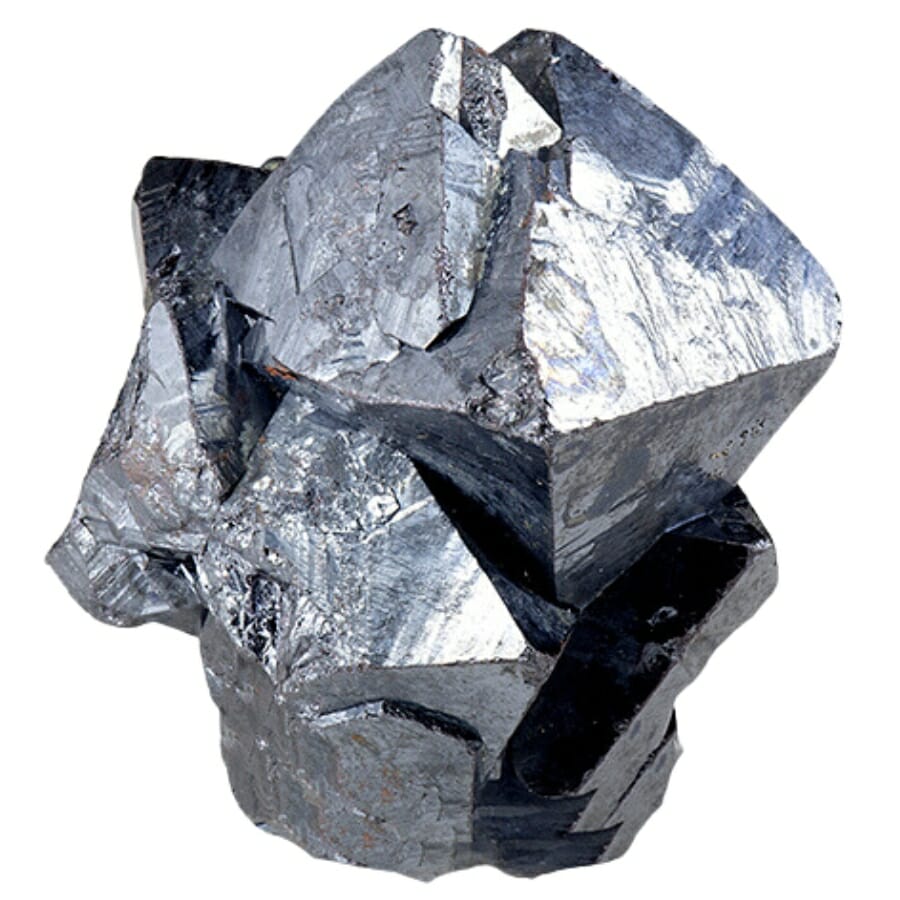
Picture a gem that shines with a deep red hue, almost like it’s holding a tiny fire inside. That’s cuprite, and it’s a sight to behold.
Here’s a remarkable fact: cuprite has much to do with copper. It forms when copper reacts with oxygen. So, in a way, you could say cuprite is what happens when copper takes a deep breath!
Its intense color is a showstopper. This makes it a prized find for mineral collectors. They always look for a perfect, shiny piece of this mineral to show off in their collections.
Then there’s the practical side of things. It has a high copper content. This means it can be a valuable source of copper metal. So, people mine it, not just because it looks pretty, but because it’s practical too!
Cuprite is a reminder of how amazing things can happen when the right parts of nature come together. It never fails to impress, whether you’re looking at its fiery glow or taking the copper out of it.
Where you can find Cuprite in North Carolina
Cuprite is abundant in North Carolina, especially in the places listed below:
- Many area mines in Davidson County
- Mine dumps near Elk Creek in Stratford
- Reed Gold Mine
Ruby
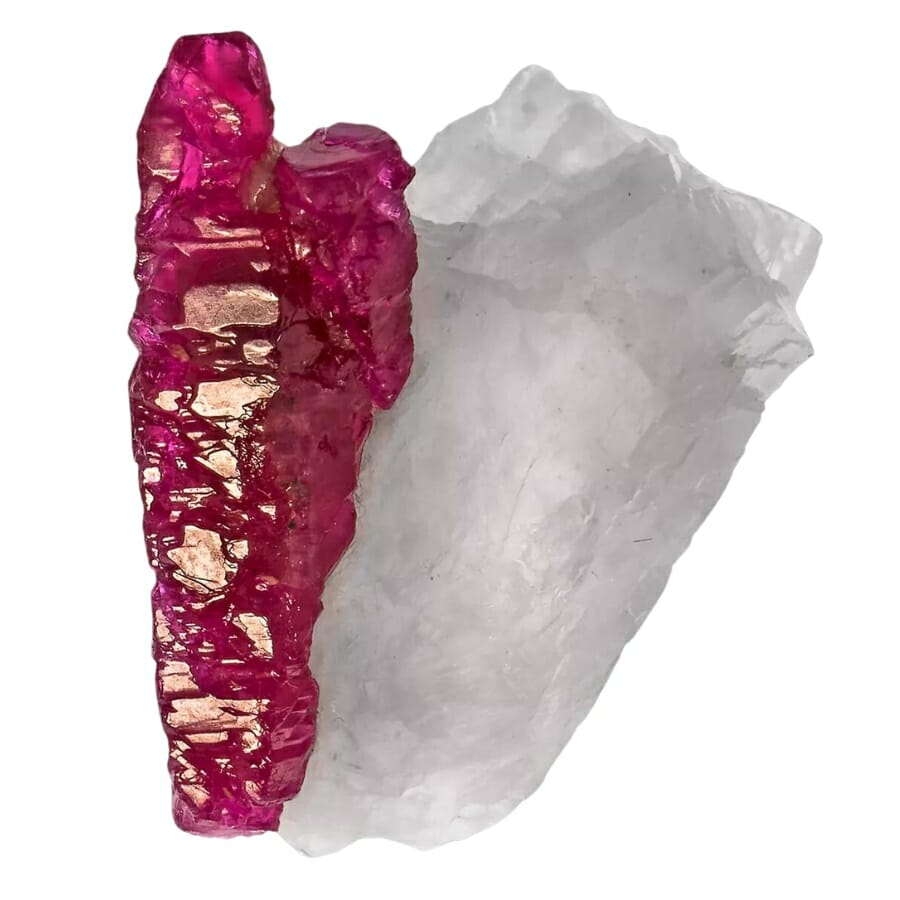
Ruby is a true gem, and not just because it’s considered one of the precious stones! This beauty shines with vibrant red, ranging from pinkish tones to deep, blood red.
The name “ruby” comes from the Latin word “ruber”, which means red. So, when you think of a ruby, think of fiery passion and intense color!
Here’s the magic behind its formation: rubies comprise a mineral called corundum. On its own, corundum is pretty much colorless. But when tiny amounts of chromium get mixed in, the magic happens! The chromium gives the mineral its iconic red glow.
Its gorgeous red color makes it a favorite for jewelry. Think of all the stunning ruby rings, necklaces, and earrings you’ve seen.
Because of its hardness, second only to diamond, it’s perfect for everyday wear. It also has a rich history. Kings and queens have worn them both in the past and present.
It represents deep love, history, and some of nature’s magic. Ruby is still a valuable and timeless symbol of beauty and strength that continues to inspire and captivate.
Where you can find Ruby in North Carolina
Ruby is abundant in North Carolina, mainly in the following areas:
- Corundum Hill
- Gem Mountain Gemstone Mine
- Rose Creek Mine
- Sheffield Gem Mine
- Thermal City Gold Mine
Scheelite
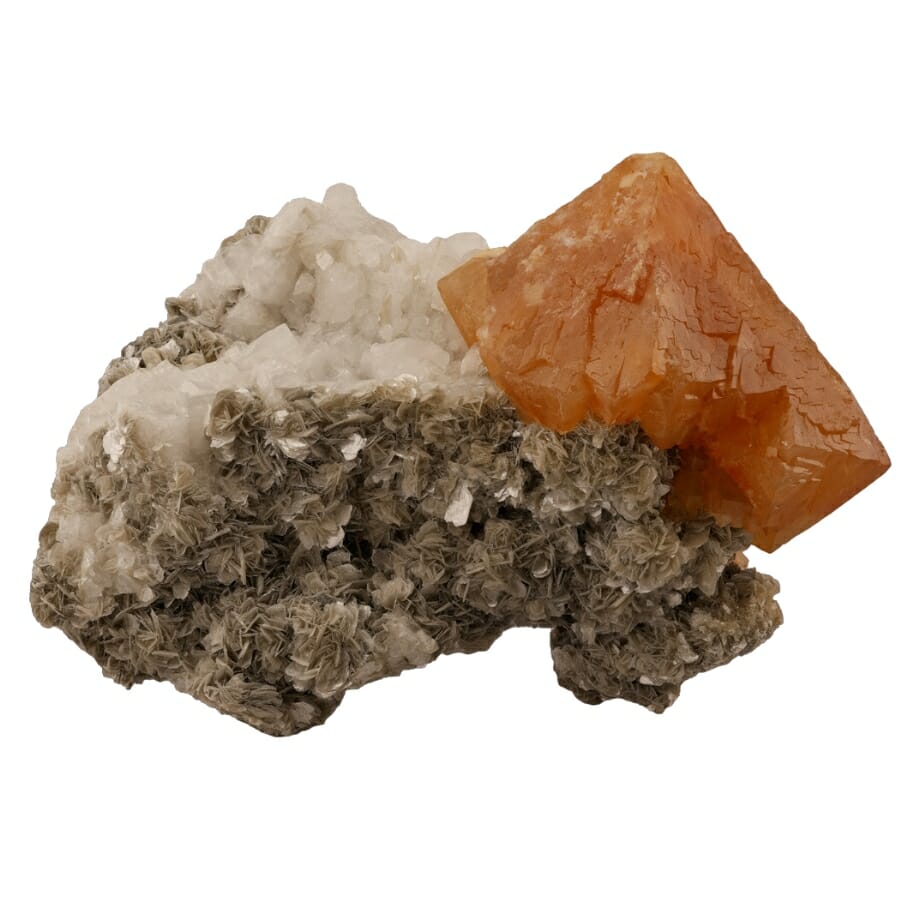
Scheelite is an absolute wonder in the mineral world! First, when you spot this gemstone, you’ll often see vibrant colors. It can shimmer in whites, yellows, oranges, and even browns.
This gem is extra special. It can glow bright blue or white under ultraviolet light, a beautiful sight.
Scheelite forms in high-temperature veins of rocks and sometimes in granite pegmatites. This means it often forms in hot fluids underground, which harden as they cool. It’s mostly made up of calcium and tungsten combined with oxygen.
Beyond its glowing beauty, it’s a significant source of tungsten. Tungsten is a solid metal used in many things, like the filaments of light bulbs and tools that need to last a long time.
In short, scheelite is a feast for the eyes and an industry workhorse. It’s a perfect example of how nature blends beauty with usefulness. The next time you see something made of tungsten, remember the incredible scheelite that made it possible!
Where you can find Scheelite in North Carolina
You can find a lot of scheelite in North Carolina, particularly in these places:
- Area mines to Little Island Creek
- Reed Gold Mine
The Best Locations For Crystal Mining We’ve Found
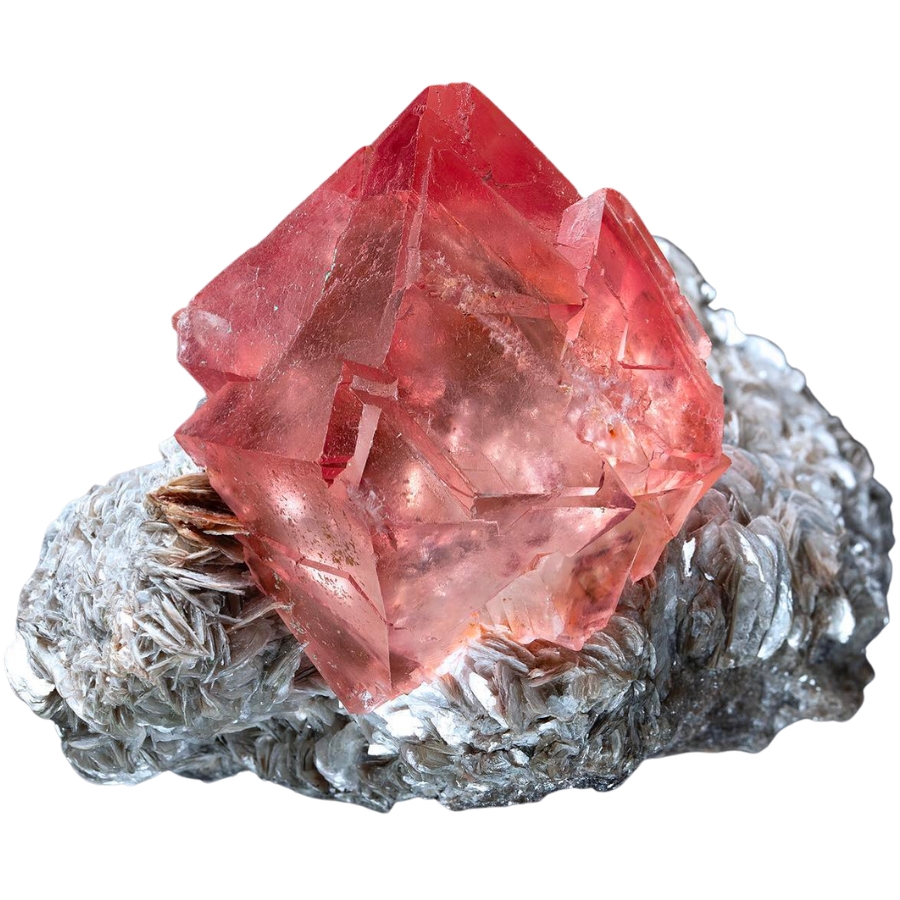
If you want to find crystals in our state, we highly recommend considering these locations first. We had the most success finding crystals in these areas, and we’re positive that you will, too.
Always Confirm Access and Collection Rules!
Before heading out to any of the locations on our list you need to confirm access requirements and collection rules for both public and private locations directly with the location. We haven’t personally verified every location and the access requirements and collection rules often change without notice.
Many of the locations we mention will not allow collecting but are still great places for those who love to find beautiful rocks and minerals in the wild without keeping them. We also can’t guarantee you will find anything in these locations since they are constantly changing.
Always get updated information directly from the source ahead of time to ensure responsible rockhounding. If you want even more current options it’s always a good idea to contact local rock and mineral clubs and groups
Pee Dee River
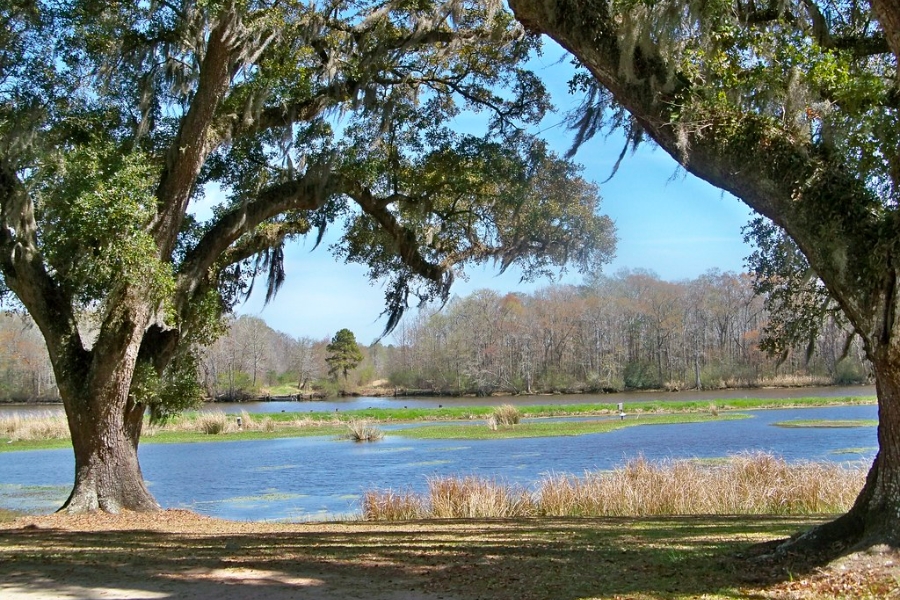
The Pee Dee River runs through the Uwharrie Mountains, a range as old as 500 million years. The area’s rich history in mining and gem hunting dates back to the 1800s.
The river’s course through the Uwharries means it’s surrounded by a diverse range of rocks and minerals. These mountains are primarily composed of metamorphic and igneous rocks, perfect for those seeking unique and valuable crystals.
The Pee Dee River is easily accessible from major cities like Charlotte and Raleigh. The best approach is to target public access points along the river, such as Morrow Mountain State Park or the Uwharrie National Forest.
Where we found crystals at the Pee Dee River
Exploring the tributaries and gravels of the Pee Dee River could give you a chance to find chalcedony and jasper.
Alexander County
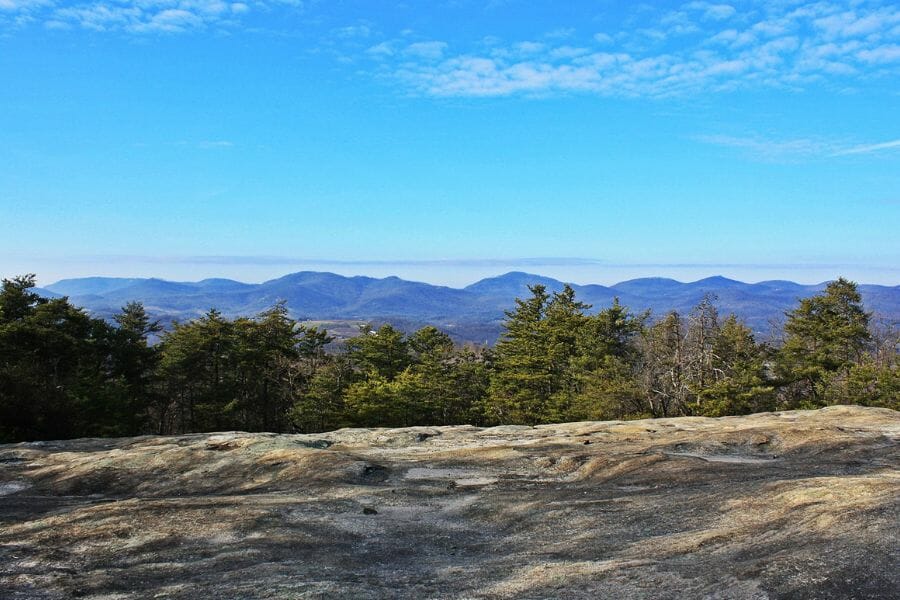
Packed with natural beauty and history, Alexander County is among the finest places where you can go gem hunting in North Carolina.
Geographically, it’s located in the western part of our state, in the foothills of the Blue Ridge Mountains. It’s known for its rolling hills, scenic countryside, and abundant natural resources. The county is also home to the Brushy Mountains, which are believed to be some of the oldest mountains in the world.
The area is rich in minerals, and it’s not uncommon to find beautiful specimens of quartz, amethyst, and other crystals while exploring its local mines and quarries. The Emerald Hollow Mine, located in Hiddenite, is one of the most popular places to hunt for gems and minerals.
Where we found crystals in Alexander County
Below are some of the best places where you can find crystals in this area:
- The mines in the Hiddenite area, including the Rist Mine and Museum, Dagenhart Mine, and Emerald Hollow Mine, contain beryl, emerald, garnet, quartz, smoky quartz, and tourmaline crystals.
- Aquamarines, beryls, emeralds, garnets, quartz, and tourmalines hide in loose soils around the town of Hiddenite and along the town’s creeks and rivers.
- Farms in the Hiddenite area, including Charles Payne farm, Warren farm, and Osborne-Lackey farm, have apatite, aquamarine, beryl, calcite, emerald, hiddenite, muscovite, pyrite, quartz, and tourmaline.
- The mine dumps of Hiddenite Mine at the Stony Point area contain emerald, smoky quartz, and black tourmaline crystals.
- You can find beryl, chalcopyrite, muscovite, quartz, and tourmaline crystals around the Taylorsville area at the Brushy Mountains and headwaters of the South Yadkin River.
If you want REAL results finding incredible rocks and minerals you need one of these 👇👇👇

Finding the coolest rocks in isn’t luck, it's knowing what to look for. Thousands of your fellow rock hunters are already carrying Rock Chasing field guides. Maybe it's time you joined the community.
Lightweight, mud-proof, and packed with clear photos, it’s become the go-to tool for anyone interested discovering what’s hidden under our red dirt and what they've already found.
Join them, and make your next rockhounding trip actually pay off.
What makes it different:
- 📍 Find and identify 140 incredible crystals, rocks, gemstones, minerals, and geodes across the USA
- 🚙 Field-tested across America's rivers, ranchlands, mountains, and roadcuts
- 📘 Heavy duty laminated pages resist dust, sweat, and water
- 🧠 Zero fluff — just clear visuals and straight-to-the-point info
- ⭐ Rated 4.8★ by real collectors who actually use it in the field
Mountain Mine
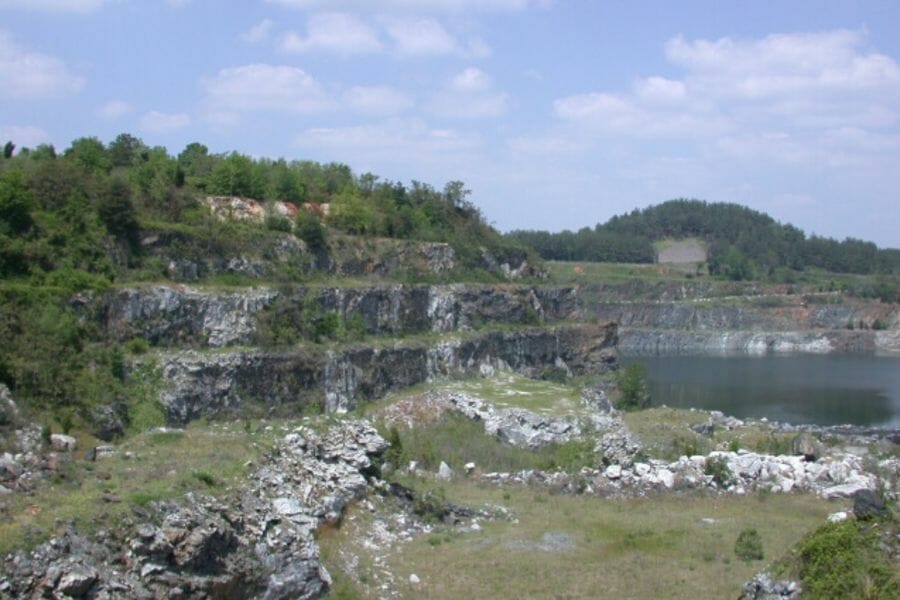
Cleveland County, NC
Mountain Mine is famous for producing some of the world’s finest specimens of quartz crystals. It’s a popular tourist attraction, drawing visitors to explore and discover the treasures hidden beneath it.
This mine is situated in the Blue Ridge Mountains, known for its rich mineral deposits. The area is home to various minerals, including feldspar, mica, and quartz.
The quartz crystals found in Mountain Mine are known for their clarity, size, and unique formations, making them highly prized by collectors and enthusiasts.
Where we found crystals at Mountain Mine
The Mountain Mine is abundant in galena, garnet, muscovite, pyrite, tourmaline, and quartz crystals around its vicinity. If you’re wondering how much crystal is worth, you can read our article with all the information you need about crystals.
Town of Franklin
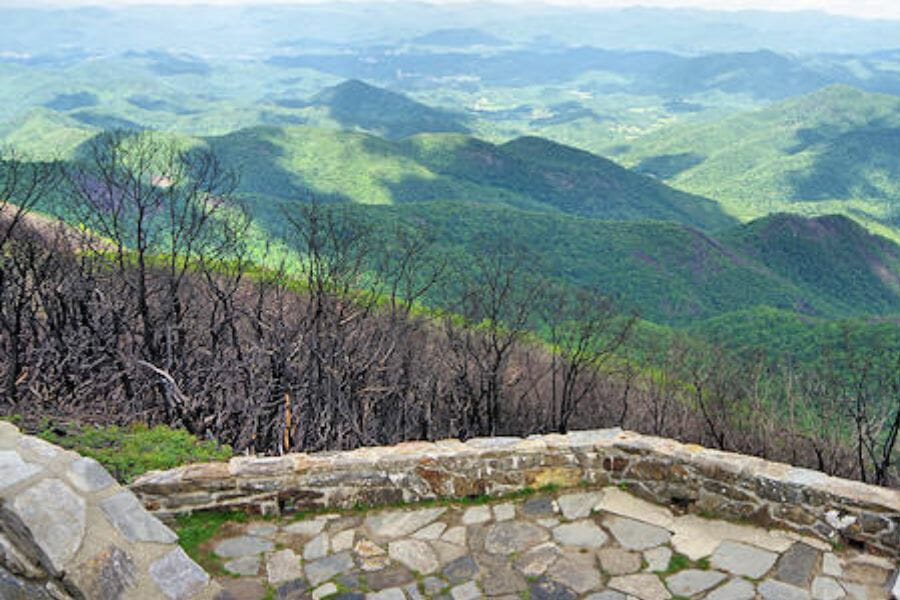
Macon County, NC
Founded in the early 1800s, the town of Franklin was named after Benjamin Franklin, and it played a key role in the region’s development as a center for mining and agriculture. Today, it’s known for its picturesque downtown area, vibrant arts scene, and proximity to some of the best outdoor recreation opportunities in our state.
It’s situated in the heart of the Nantahala National Forest, known for its rugged terrain and abundant natural resources. It’s also famous for its mineral deposits, which include some of the most beautiful specimens of rubies and sapphires in the world.
Where we found crystals in the Town of Franklin
The area mines prospect and diggings around Franklin offer various stunning crystals, including amethyst, epidote, garnet, jasper, kyanite, quartz, rhodochrosite, ruby, and sapphire.
Ray Mica Mine
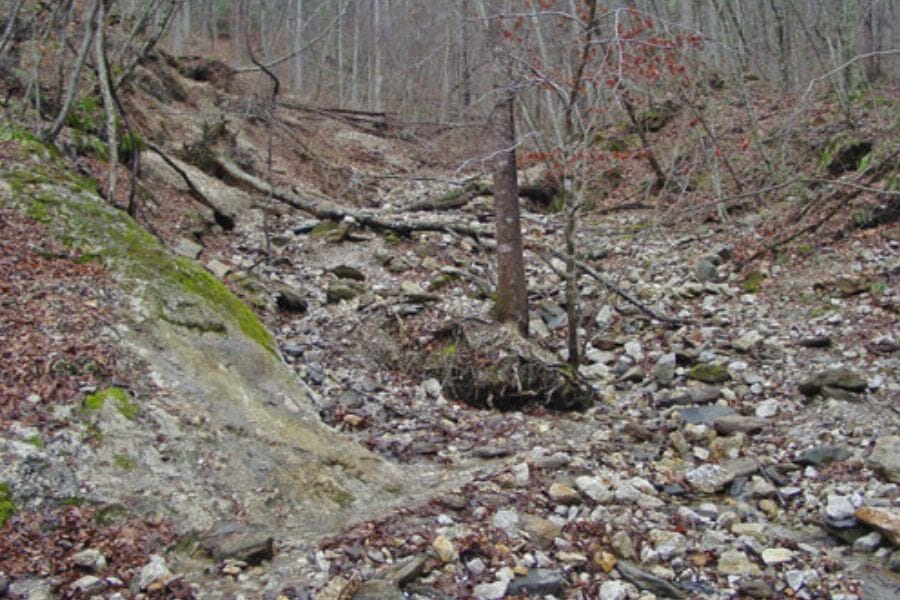
Yancey County, NC
The Ray Mica Mine is a historic site that has played an important role in our state’s mining industry. It was first opened in the early 1900s and was known for its mica production, which was used in various industrial applications.
This mine is situated in the Blue Ridge Mountains, known for its rich mineral deposits. It’s home to various rocks and minerals, including some of the world’s largest and most impressive specimens of mica.
If you pay a visit here, the mine offers guided tours that will allow you to explore the tunnels and discover the beauty of its crystals up close. The area around the mine is also home to many other natural wonders, including waterfalls, hiking trails, and scenic overlooks.
Where we found crystals at the Ray Mica Mine
Ray Mica Mine is a source of amazonite, apatite, aquamarine, beryl, emerald, fluorite, garnet, kyanite, muscovite, smoky quartz, sunstone, and tourmaline.
Spruce Pine
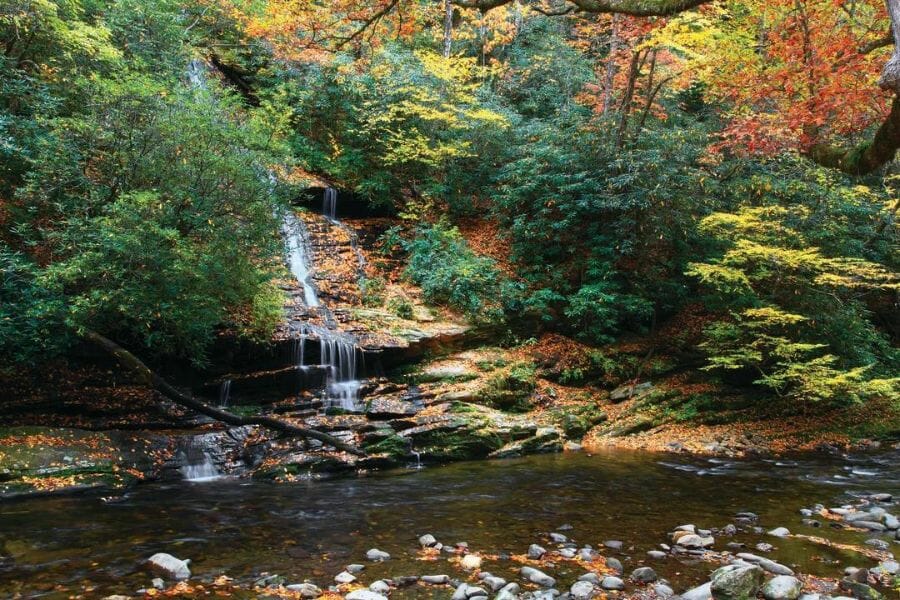
Spruce Pine is a small town with a big reputation for its mineral resources. It was founded in the late 1800s and was named after the abundant spruce trees that once grew there.
Throughout its history, Spruce Pine has been a center for mining and agriculture, and it’s still known today for its rich deposits of minerals and gems. When you get here, you can look for different types of crystals and other gems in its numerous mines and quarries.
Where we found crystals at Spruce Pine
We had the best luck locating crystals like amazonite, aquamarine, beryl, emerald, garnet, and moonstone at several mines around Spruce Pine.
My Other Favorite Places For Crystal Hunting
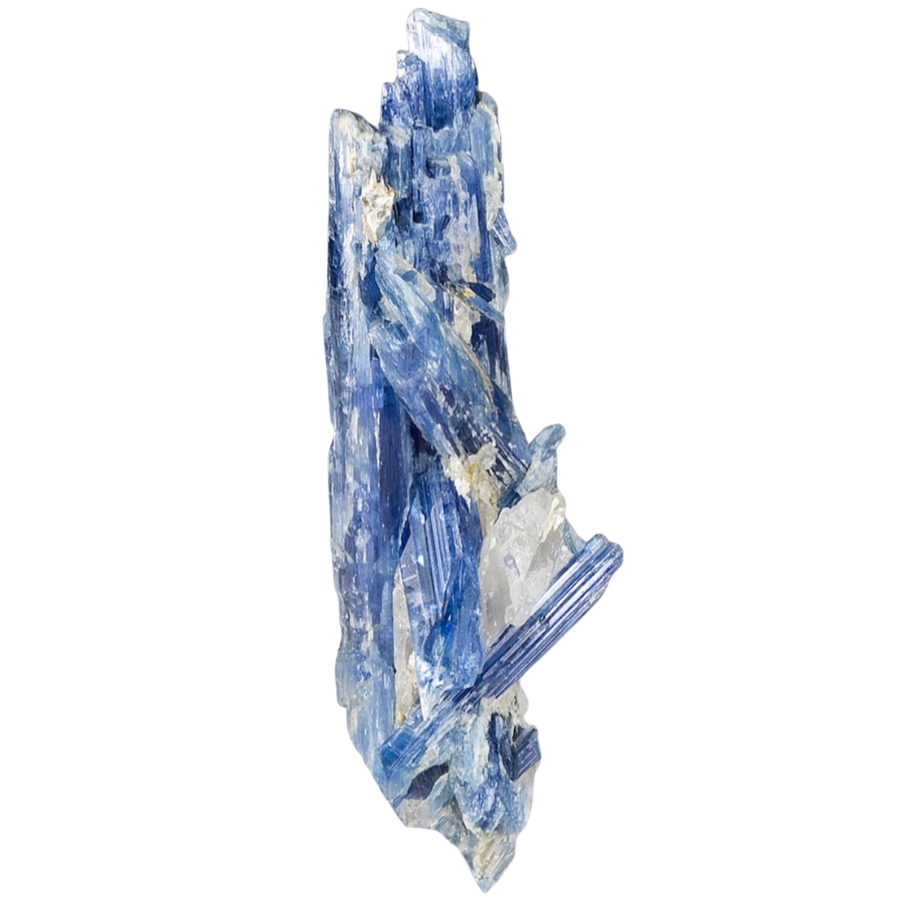
Aside from crystals, you can also find geodes in North Carolina. But if your eyes are on the crystals alone, there are other options besides the specific places we’ve recommended above.
Where you can find crystals for free
Here are the outstanding sites where you can search and dig for crystals without paying anything:
| County | Location |
| Alamance | General county wide surfaces for serpentine |
| Alamance | The area fields, cuts, streams, and loose in soils at a farm in Burlington for quartz |
| Ashe | Creeks, rivers, and pegmatites at Blue Ridge for chalcopyrite, epidote, garnet, muscovite, and black tourmaline |
| Avery | The Bill Burleson farm at Elk Park for moonstone |
| Buncombe | In gravels of Crane Creek and Reams Creek for calcite, garnet, and hematite |
| Buncombe | At the Lookout Mountain area, Pisgah Mountain, and Dude Ranch for chrysoprase, kyanite, and sapphire |
| Burke | In the area of High Peak and gravels of Hall and Silver Creek for epidote, diamond, garnet, hematite, and tourmaline |
| Cabarrus | The area stream gravels and fields of Harrisburg for agate, carnelian, and chalcedony |
| Catawba | Hooper’s Quarry for calcite and pyrite |
| Chatham | At the Bear Creek for azurite, calcite, chalcopyrite, chrysocolla, galena, malachite, and pyrite |
| Cherokee | At the areas of Hanging Dog Creek and Vengeance Creek for agate, epidote, jasper, and smoky quartz |
| Clay | The Amphibole area exposures and Penland Bald area for garnet, ruby, and sapphire |
| Cumberland | Stream gravels and alluvials deposits, excavations, road cuts, gravel pits, and road cuts throughout the county for agate, chalcedony, jasper, and opal |
| Davidson | Conrad Hill Mine and Silver Hill for calcite, chalcopyrite, galena, malachite, and hematite |
| Gaston | Along Little Beaver Dam and Beaver Dam creek for apatite, beryl, garnet, pyrite, quartz, and tourmaline |
| Iredell | Statesville area for agate, amethyst, citrine, quartz, sapphire, and tourmaline |
| Macon | In gravels of Burningtown Creek for sapphire |
| Stokes | Area stream gravels of Danbury for agate, amethyst, carnelian, chalcedony, jasper, hematite, and opal |
| Warren | Fowler Farm for beryl, lepidolite, and quartz |
| Watauga | Elk Knob for azurite, calcite, garnet, epidote, malachite, and pyrite |
Some crystals share lots of traits that make them harder to tell apart, so we’ve created an article you can use to distinguish between crystals that can easily be mixed up:
Other great places to dig for crystals
If you don’t mind spending a dollar to find crystals, here are some of the locations you might want to consider exploring. Be aware that their prices may change depending on the season.
| County | Location |
| Alleghany | Bullhead Mountain area mines and Peach Bottom mine dumps for chalcopyrite, galena, malachite, and pyrite |
| Ashe | Copper Knob Mine, Duncan Mica Mine, Ore Knob, South Hardin Mica Mine, and Walnut Knob Minefor aquamarine, beryl, calcite, chalcopyrite, chrysocolla, epidote, hematite, malachite, muscovite, and pyrite |
| Avery | Birch Mine, Cranberyy Iron Mine, Elk Mica Mine, Meadows Mine, Old Elk Mine, and Plumtree Mine for epidote, garnet, hematite, kyanite, moonstone, and unakite |
| Buncombe | Blue Ridge Parkway and Goldsmith Mine for aquamarine, chalcedony, garnet, kyanite, and moonstone |
| Burke | Area mines of Brown Mountain, Scott’s Hill, Shoup’s Ford, South Mountain, Sugar Mountain, Tremont Mountain, and Walker’s Knob for aquamarine, beryl, chrysoprase, diamond, epidote, fluorite, garnet, hematite, kyanite, pyrite, quartz, smoky quartz, and tourmaline |
| Cabarrus | Cullin’s Mine, Harkey Mine, Rocky River Mine, and many area mines in the county for agate, azurite, chalcopyrite, galena, malachite, pyrite, quartz, rhodochrosite, and tourmaline |
| Cleveland | Foote Mineral Co. Mine, Mauney Carpenter Mine, and Norman Mine for apatite, beryl, calcite, garnet, moonstone, quartz, rhodochrosite, and tourmaline |
| Davidson | Silver Valley Mine for chalcopyrite, galena, and pyrite |
| Guildford | Gardner Mine and Mills Hill Mine for chalcopyrite, chrysocolla, hematite, malachite, and pyrite |
| Henderson | Freeman Mine for apatite, epidote, and garnet |
| Jackson | Sheepcliff Mineand Wolf Creek Mine for aquamarine, beryl, chalcopyrite, chrysocolla, garnet, malachite, and quartz |
| Michell | Buchanan Mine and Sinkhole Mine for apatite, beryl, garnet, kyanite, and muscovite |
| Yancey | Young’s Mine for garnet, muscovite, pyrite, serpentine, and tremolite |
My tips for finding crystals
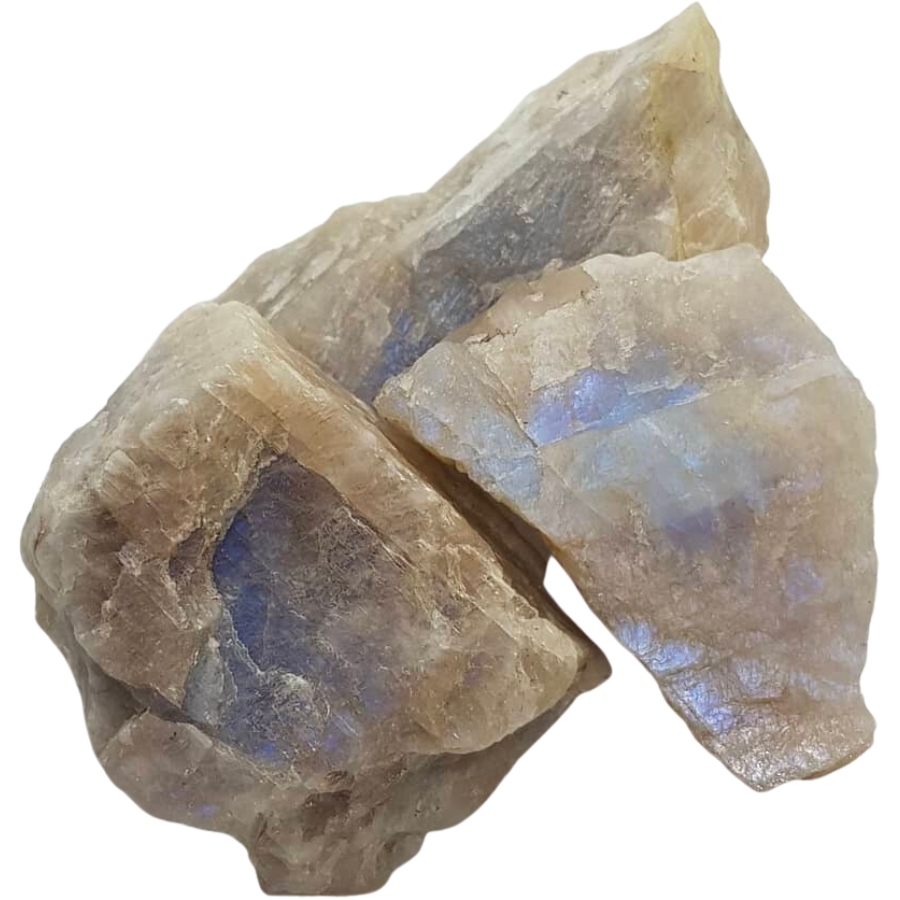
Many of our suggested places cover broader areas, so we’ve listed some of the areas you can prioritize looking into to narrow your search. These areas typically contain a variety of crystals and other common rocks and minerals:
Mine and mine dumps
One of the best things about searching in mines and mine dumps is the potential to find rare and unique specimens. These areas are often home to crystals and minerals that are not commonly found in other locations.
In addition, the conditions in mines and mine dumps can create unusual formations and color variations in the crystals, making each find a true treasure.
Roadcuts
Roadcuts are man-made cliffs or slopes created by constructing roads or highways. These areas expose layers of rock and soil that would otherwise be hidden, allowing you to explore areas not disturbed by natural erosion or weathering.
One of the benefits of searching in roadcuts is that they are often located in accessible and easy-to-reach areas, making them ideal for beginners or those who may not be able to venture too far off the beaten path.
Streams and creeks
Searching for crystals in streams and creeks is also a great idea. These areas can be rich in crystals eroded from nearby rocks and deposited in the streambed. The crystals found here are often in their natural state.
An additional advantage of searching in streams and creeks is that they are often located in beautiful and remote areas, making the experience even more rewarding.
The Mining Laws And Regulations You Should Know
North Carolina has regulations for recreational crystal hunting to ensure its protection for future generations.
Collecting rocks, minerals, and gemstones on state or federal lands without the North Carolina Department of Natural and Cultural Resources‘ permission is prohibited.
You can only collect limited rocks, minerals, and gemstones for personal use. The specific limit varies depending on the location and the type of material being collected, so it’s important to check the regulations for the area you are visiting.
It’s also important to leave the area as you found it. This means filling in any holes or pits you dug and leaving any natural features undisturbed.
The Best Crystal Shops In The Area
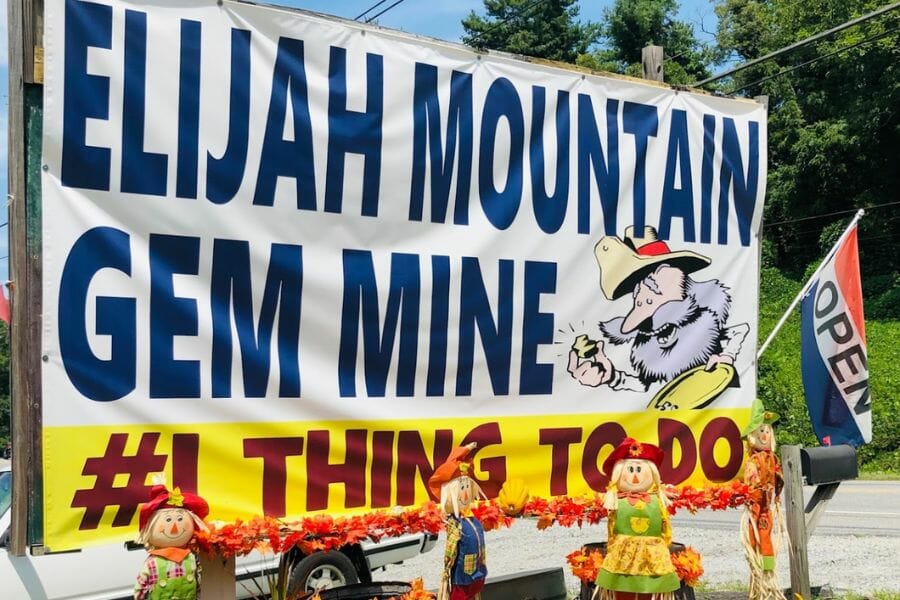
If you prefer to purchase specific crystals that will complete or provide more variety to your collection, we’ve listed some of our favorite crystal shops:
- Chimney Rock Gemstone Mine – 397 Main St, Chimney Rock, NC 28720, United States
- Cosmic Cuts – 1109 S Wesleyan Blvd, Rocky Mount, NC 27803, United States
- Crystal Mountain Gem Mine – 31 S Broad St, Brevard, NC 28712, United States
- Elijah Mountain Gem Mine – 2120 Brevard Rd, Hendersonville, NC 28791, United States
- Gem Avenue – 400 E Arrowhead Rd, Charlotte, NC 28213, United States
- Gem Mountain Gemstone Mine – 13780 Highway 226 South, Spruce Pine, NC 28777, United States
- Mineralogy at Triangle – 5959 Triangle Town Blvd #2055, Raleigh, NC 27616, United States
- Points of Light Crystal and Mineral Gallery – 391 Merrimon Ave, Asheville, NC 28801, United States
- Stoneage Natural Rocks and Crystals – 419 Cross Creek Mall Unit TA-02D, Fayetteville, NC 28303, United States
- Treasure Quest Mining – 414 Upchurch St, Apex, NC 27502, United States
Additional places to find crystals in nearby states
If you’ve already tried all of our recommendations above or are planning a trip out of the state, you should check out our guides for neighboring states:
If you have any recommendations we haven’t covered please leave them in the comments below!