The secret to finding beautiful crystals in Florida is not just luck, but also location. A successful outing hinges on knowing exactly where to focus your search from the very start.
Some landscapes are simply more generous than others when it comes to revealing mineral treasures. You can transform a day of wandering into a targeted expedition by understanding which geographical features to look for.
Zeroing in on these productive zones changes your search from a game of chance to an intentional pursuit. Just imagine the quality of minerals you are now equipped to uncover!
- The extensive local experience and understanding of our team
- Input from multiple local crystal hunters and crystal collecting groups
- The accessibility of the crystal mining locations
- Safety and potential hazards when collecting
- Private and public locations
- A desire to include locations for both experienced crystal hunters and those who are just starting out
Using these weights I think I’ve put together the best list out there for those who love finding new crystals for our collections!
The Types Of Crystals You Can Find
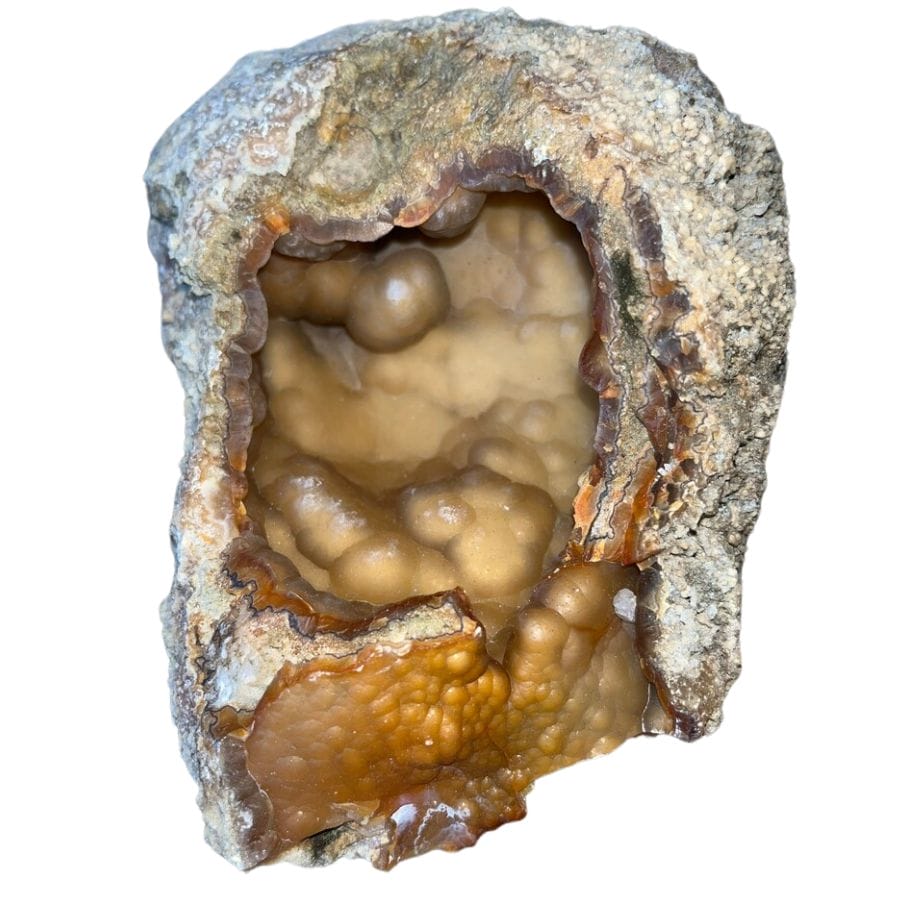
Florida might not be famous for mountains and mines, but it’s home to some really interesting crystals. One of the most notable is agatized coral, which is the state stone.
It’s a unique fossil where silica in groundwater replaces the original coral material, turning it into a form of quartz. Over millions of years, this process creates beautiful, sparkling crystals that have various colors and patterns.
You can also find calcite, which forms in limestone caves. Calcite is known for its transparent or white color and can have different crystal shapes.
In certain areas, phosphate mining uncovers fossilized shark teeth and bones that are often mineralized, turning them into natural stone-like objects.
While our state may not be a hot spot for precious gemstones (there are still a lot of great rockhounding spots, these intriguing and beautiful specimens make it a fascinating place for rockhounds to explore.
Staurolite
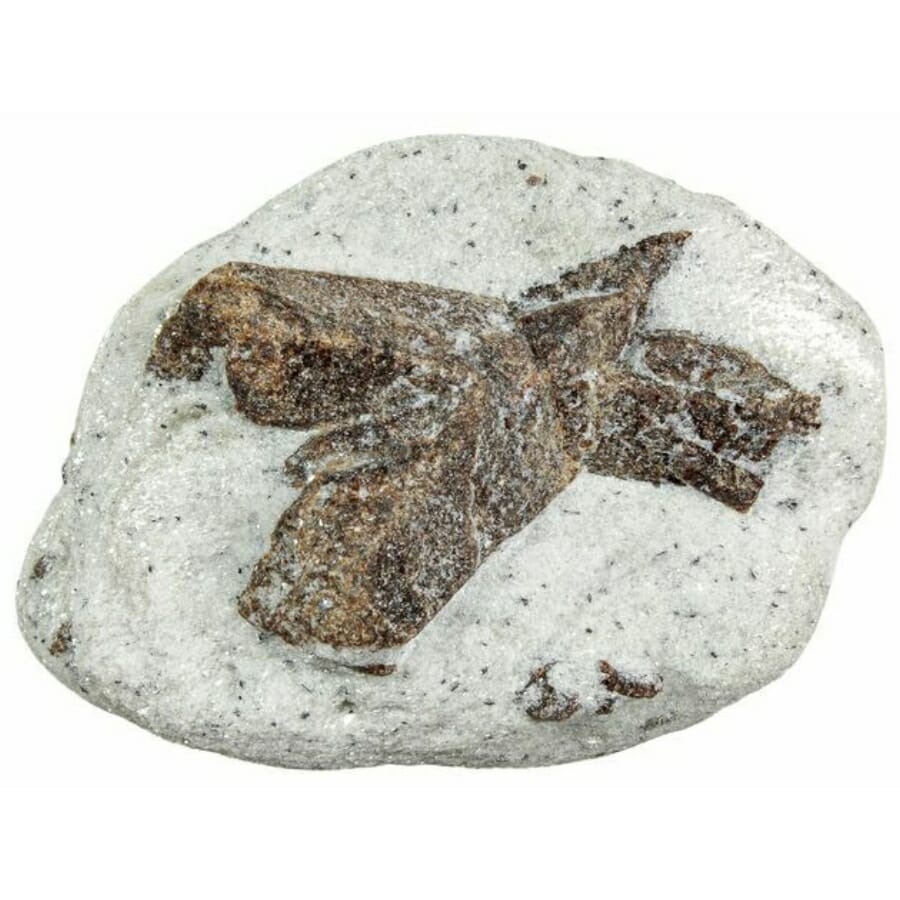
Staurolite is renowned for its distinctive cruciform or cross-shaped crystals, earning it the nickname “fairy stone.” Composed of iron aluminum silicate, it forms under high-pressure metamorphic conditions during the transformation of sedimentary rocks.
As these rocks undergo intense heat and pressure, minerals in the original rock recrystallize and rearrange, forming the characteristic of cross-shaped crystals.
These crystals are often found in schist and gneiss rocks, and their enchanting appearance has sparked fascination and folklore in various cultures worldwide.
Collectors and enthusiasts highly prize these unique cross-shaped crystals, often polished or used in jewelry and decorative pieces.
Staurolite has been associated with various legends and folklore, believed to possess protective and healing properties. In some cultures, staurolite crystals were considered amulets that brought luck and protection to travelers and those venturing into the unknown.
Additionally, staurolite’s occurrence in metamorphic rocks and its unique crystal structure have made it a fascinating geology study subject.
Its symbolic significance and natural beauty make staurolite a cherished and treasured mineral that continues to capture the imagination of those who encounter it.
Where you can find Staurolite in Florida
You can find staurolite deposits at the Trail Ridge Plant in the state.
Kyanite
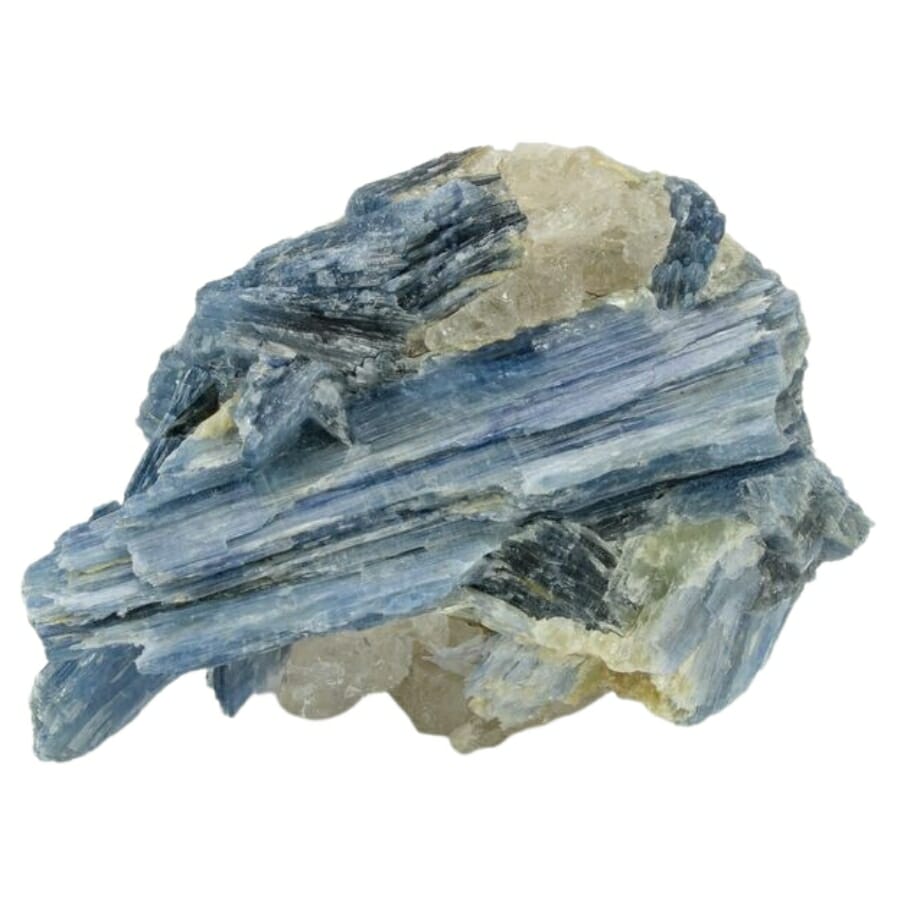
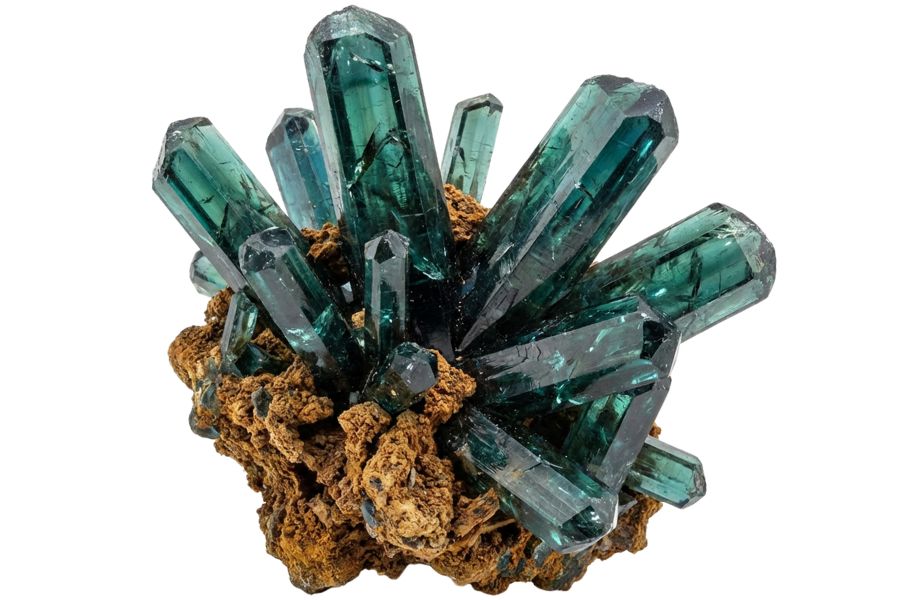
Kyanite has a distinctive bluish hue has drawn the attention of gem lovers and collectors. It’s made of aluminum silicate and forms when there is a lot of pressure and heat during metamorphism.
This usually happens in places where continental plates collide and cause many geological changes. When these forces act on rocks, minerals, and sediments that are already there, they change into kyanite crystals, renowned for their bright color and unique crystal structure.
It’s a refractory mineral that can withstand high temperatures without deforming or melting, making it an essential material in producing heat-resistant ceramics and refractory bricks used in furnaces and kilns.
Its hardness and durability also make it a sought-after gemstone for jewelry, and its metaphysical properties are believed to promote calmness, communication, and spiritual healing.
Whether adorning oneself with its beauty or utilizing its practical qualities in industries, kyanite continues to be treasured and celebrated for its remarkable attributes.
Where you can find Kyanite in Florida
Kyanites are often found at the Highland Mine in Bradford County
Malachite
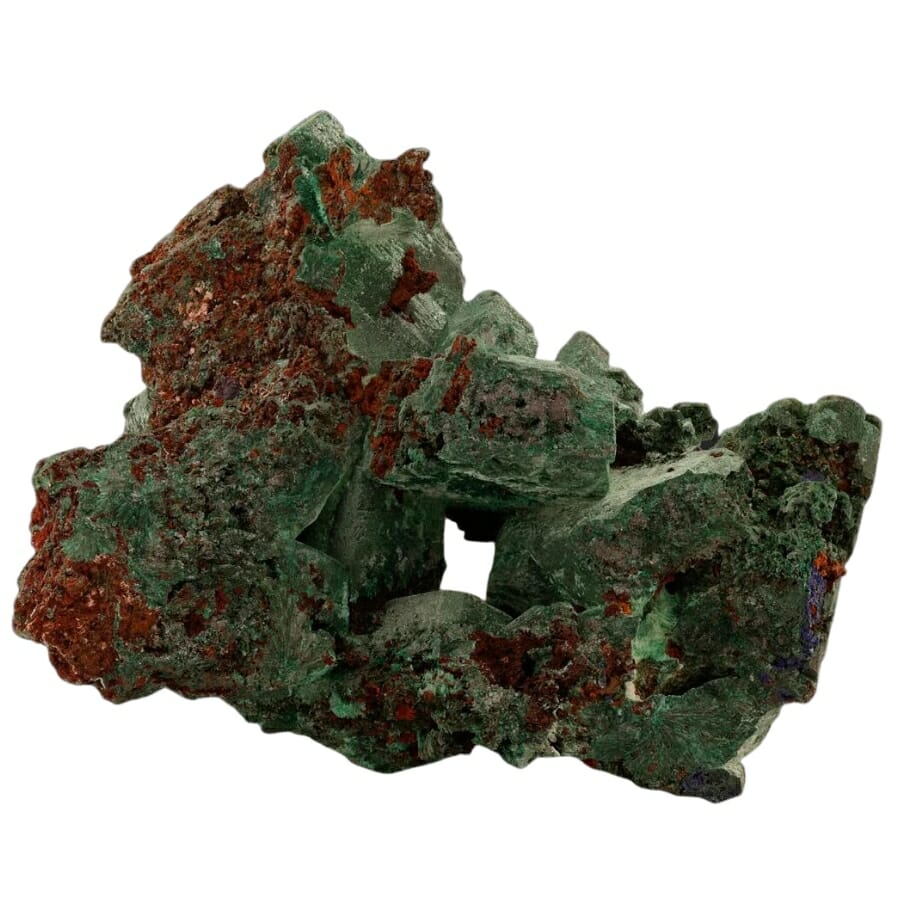
Malachite, a striking green mineral with distinctive banding patterns, is a gemstone that has captivated people for millennia. Composed of copper carbonate, it’s formed through chemical reactions involving copper-rich fluids interacting with limestone or other copper-containing minerals.
Over time, as these fluids seep into rock crevices and cavities, crystals gradually form, creating the mesmerizing patterns that adorn this beautiful gem.
Malachite has been used throughout history for various decorative and ornamental purposes, from ancient Egyptian artifacts and Russian tsarist jewelry to intricate architectural details.
It’s also believed to possess healing properties in ancient times, with some cultures using it as a protective stone and a symbol of abundance and transformation. Its high copper content has also made it valuable in the metallurgical industry, where it has been used to produce copper metal.
As a gemstone that embodies beauty, history, and cultural significance, malachite continues to be valued and admired by collectors, artists, and gem enthusiasts worldwide.
Where you can find Malachite in Florida
Malachite can be found at the Dowling Park in Florida.
Pyrite
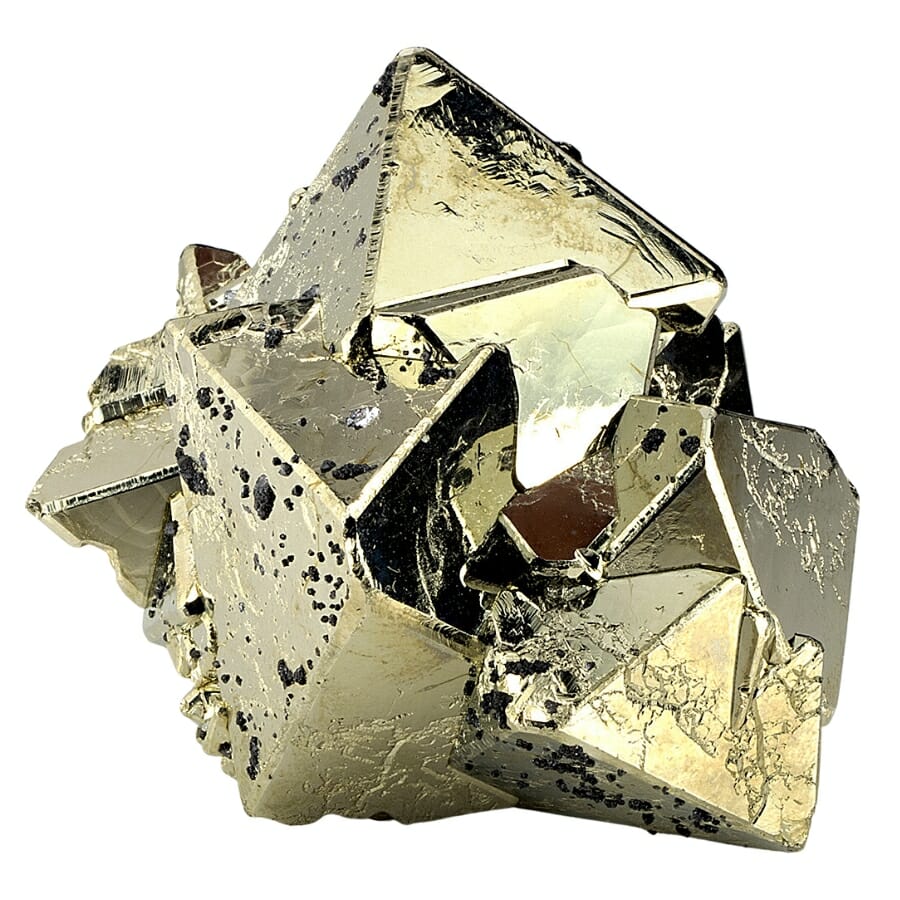
Pyrite, which is often called “fool’s gold,” is an interesting mineral that looks a lot like real gold. It’s made of iron sulfide and can be found in sedimentary rocks, hydrothermal veins, and volcanic deposits, among other places. It’s made when fluids with a lot of sulfur mix with stones with iron.
This causes cubic crystals with a metallic shine to form. It looks like shiny yellow gold, so inexperienced prospectors have mistaken it for real gold. This is where the term “fool’s gold” comes from.
It’s often associated with confidence and willpower, encouraging individuals to pursue their goals with determination. Moreover, pyrite’s high sulfur content makes it valuable in producing sulfuric acid and other chemical processes.
Its distinctive appearance, practical applications, and historical significance make pyrite a prized mineral with an enchanting appeal.
Where you can find Pyrite in Florida
You can find pyrite deposits at the Lost Mines of Atlantis in Florida.
Rutile
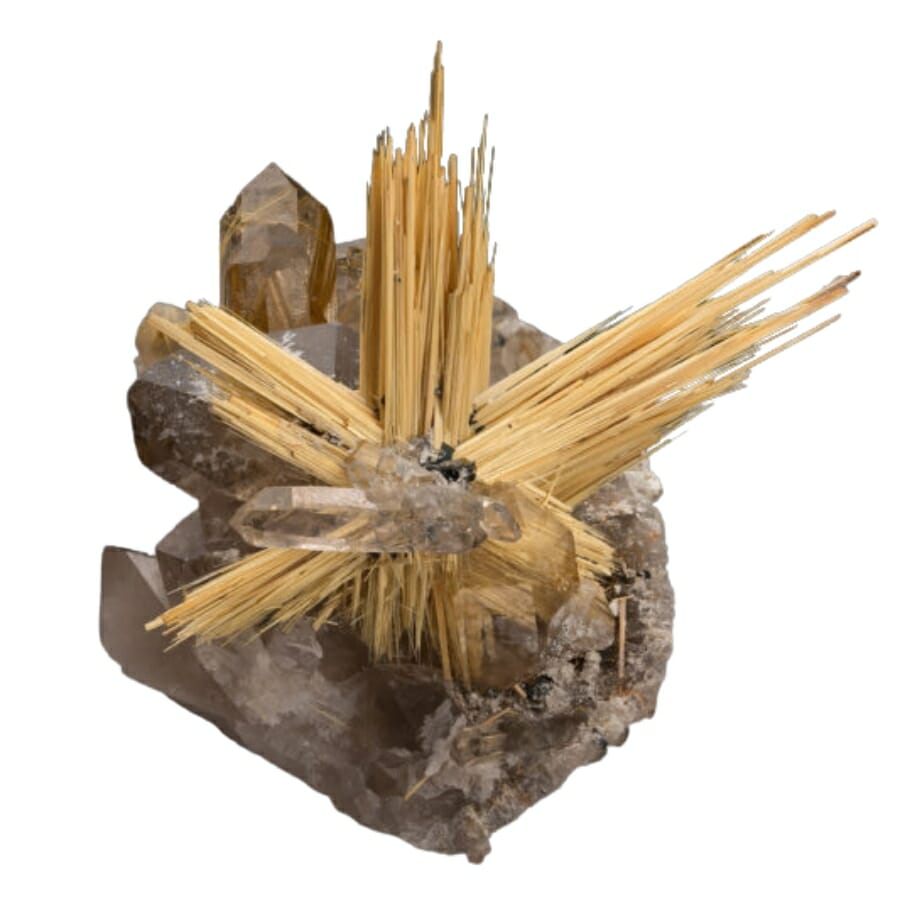
Composed of titanium dioxide, rutile forms within igneous and metamorphic rocks as an accessory mineral. It’s often associated with minerals such as quartz, feldspar, and garnet.
They are distinguished by their distinctive needle-like or prismatic shapes, which give rise to their name derived from the Latin word “rutilus,” meaning “reddish” or “glowing.”
This mineral’s golden color and ability to display asterism, a star-like optical effect, make it a treasured gemstone among collectors and jewelry enthusiasts.
Sometimes, rutile crystals are embedded within quartz, creating striking patterns and textures. This variety is often used in decorative items and jewelry for its eye-catching appearance.
As a source of titanium dioxide, rutile is a vital material in producing titanium metal and titanium dioxide pigment. Titanium is widely used in aerospace, marine, and medical applications due to its high strength-to-weight ratio and corrosion resistance.
The pigment derived from it is a key ingredient in white paints and coatings, making it essential in the construction and automotive industries.
With its mesmerizing appearance and practical applications, rutile remains a gemstone that continues to be valued for its diverse contributions to the arts and technology.
Where you can find Rutile in Florida
You can find rutile deposits at the Skinner Mine.
Quartz
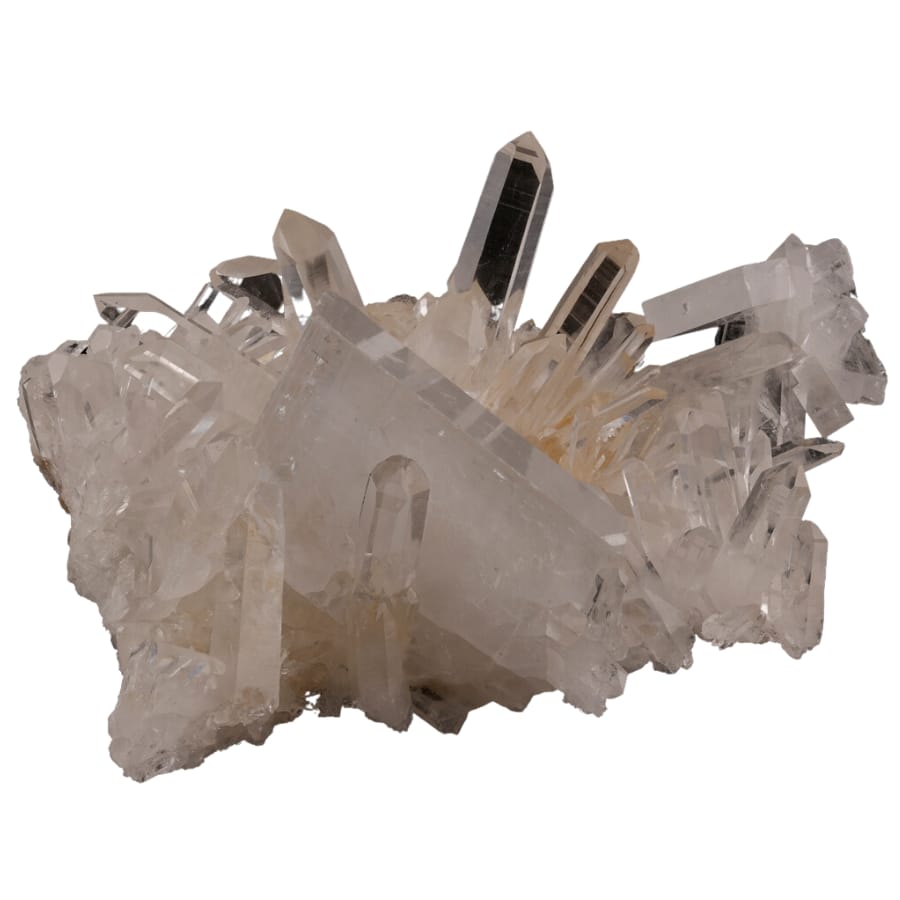
Quartz, a ubiquitous and versatile mineral, is a true marvel of the Earth’s geological processes. Composed of silicon and oxygen atoms, it’s one of the most abundant minerals on the planet and can be found in a wide range of environments.
It forms when silicon and oxygen combine under high temperatures and pressures, creating distinct crystal structures.
It’s commonly found in igneous, sedimentary, and metamorphic rocks, and its various forms showcase an impressive array of colors and patterns, from the translucent beauty of clear quartz to the mesmerizing hues of amethyst and rose quartz.
In technology, quartz crystals are used in electronic devices and watches due to their precise vibrational properties.
Its hardness and durability make it a sought-after material in construction, as it is used in making countertops and other decorative elements.
From its technological significance to its beauty and cultural associations, quartz continues to be valued and a celebrated mineral in various facets of human life.
Where you can find Quartz in Florida
The following places in Florida are abundant in quartz deposits:
- Crystal River
- Fort Drum Crystal mine
- Hillsborough River State Park
- Lake Parker
- Vero Beach
Gypsum
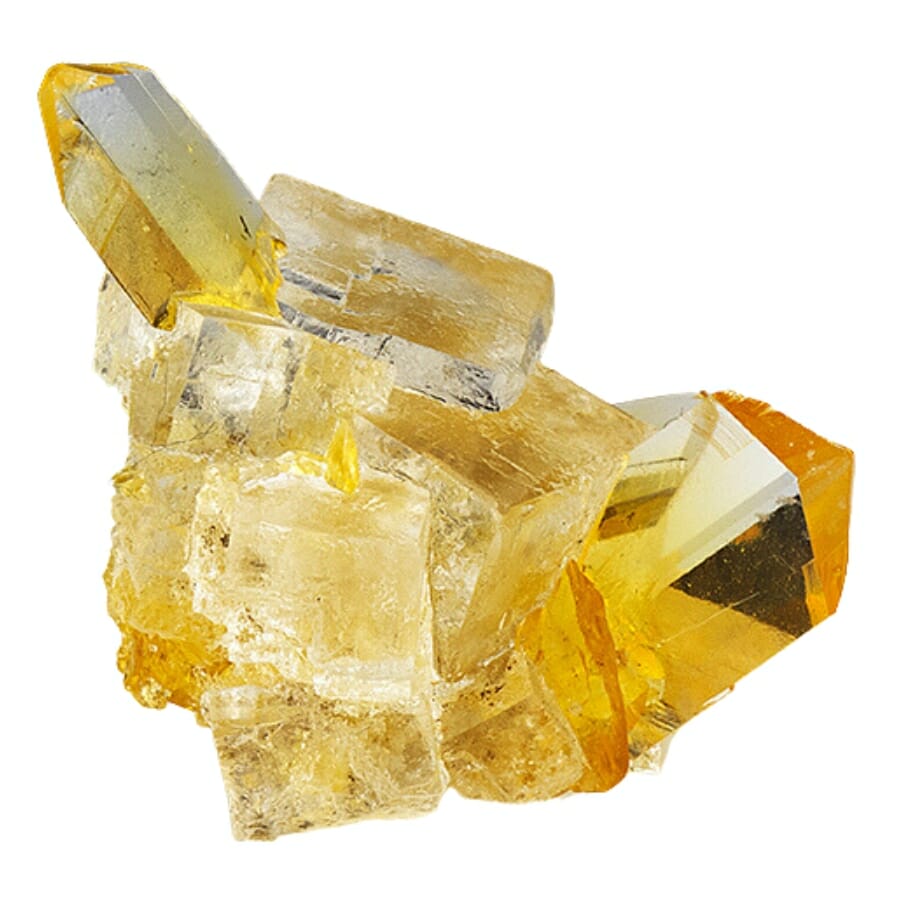
Gypsum is a natural wonder that can be used in many ways. It’s composed of hydrated calcium sulfate and comes in many forms, from clear crystals to big white rocks.
It’s made when seawater or mineral-rich groundwater slowly evaporates in ancient marine basins and saline lakes, leaving behind concentrated deposits. Geological changes happen to these deposits over millions of years, turning them into the gypsum we use today.
The value of gypsum extends beyond its visual appeal; it holds significant importance in various industries. One of its primary applications is in the construction sector, where it manufactures plaster, drywall, and cement.
Its fire-resistant properties make it an excellent choice for building materials. Moreover, it’s essential in agriculture, as it acts as a soil conditioner and helps improve crop yields.
Gypsum is also widely used in medical and dental practices, where it serves as a critical ingredient in creating plaster casts and molds. With its versatility and practical applications, it remains an invaluable mineral that continues to be cherished and utilized worldwide.
Where you can find Gypsum in Florida
Gypsum is found in areas around Polk County.
Ilmenite
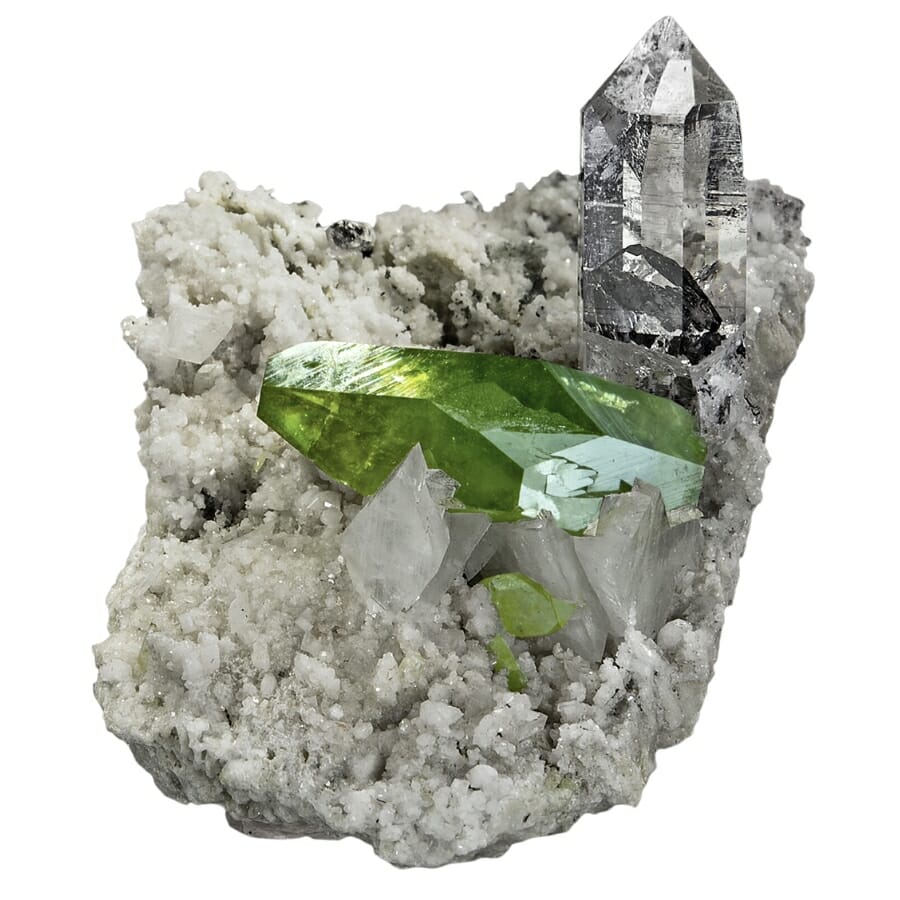
Ilmenite is an intriguing mineral with a beautiful metallic shine. It’s a great example of how geological processes work in nature. It’s usually found in heavy mineral sands, igneous rocks, and metamorphic formations.
It’s mostly made up of iron titanium oxide. It forms through the gradual accumulateion of heavy minerals over time, as wind and water erode the parent rocks and concentrate the denser ilmenite grains.
The combination of its striking black color and high titanium content makes ilmenite a valuable resource with numerous industrial applications.
It’s valuable because of how essential it is to the titanium industry. As the main ore of titanium, it serves as a vital source for this valuable metal, which is used for airplane parts, spacecraft parts, and medical implants.
Its lightweight, high strength, and corrosion-resistant properties make titanium an essential material in advanced technology and aerospace. Moreover, ilmenite is also utilized in the production of ceramics, pigments, and welding rods.
With its versatility and indispensable role in modern industries, ilmenite remains a prized mineral that continues to shape our technological advancements.
Where you can find Ilmenite
You can find ilmenite in these places below:
- Highland Mine
- Skinner Mine
Calcite
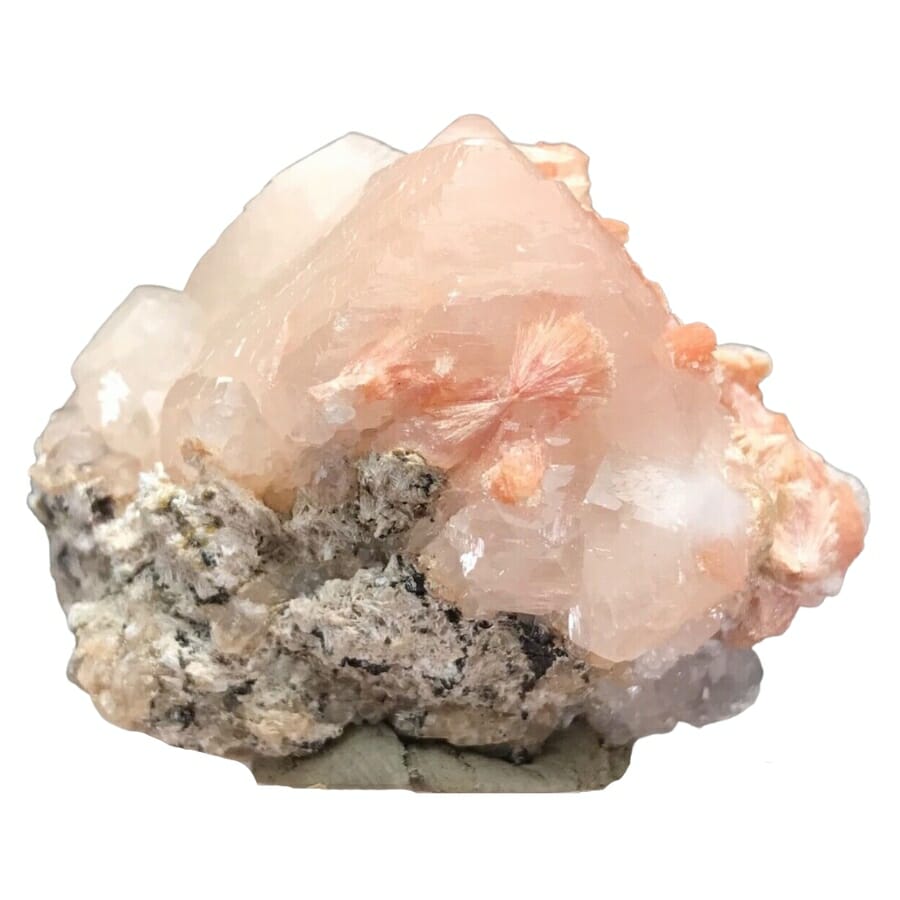
Calcite is made of calcium carbonate and is one of the most common minerals on Earth. It comes in many different shapes and colors that are beautiful to look at. Its intricate patterns and textures never fail to amaze.
It can look like glass-like crystals that reflect light in beautiful patterns or like delicate, fibrous structures that look like structures from another world.
Calcite formation is a fascinating process that occurs in various geological settings. It is commonly found in limestone caves, where water seeps through the rock and dissolves calcium carbonate from surrounding rocks.
As the water drips inside the cave, it leaves behind deposits that slowly build up over time, creating magnificent stalactites and stalagmites.
In other cases, it’s formed through the accumulation of shells and skeletal remains of marine organisms, shaping sedimentary rock formations that dot landscapes across the globe.
The allure of calcite extends beyond its aesthetic appeal; it holds significant value in various industries and scientific fields. As a primary component of limestone, calcite is crucial in manufacturing cement, fertilizers, and building materials.
Its ability to react with acids makes it an essential mineral in soil remediation and water purification. In addition, its role in recording environmental conditions through its growth patterns aids researchers in understanding ancient climate changes.
Its diverse range of applications and intrinsic scientific importance solidifies calcite’s status as a precious mineral that continues to be treasured by both enthusiasts and experts worldwide.
If you’re curious to know how much calcite is worth, you can visit the article we’ve written for more information.
Where you can find Calcite in Florida
Calcite can be found in many places in the state, such as:
- Crystal River
- Hillsborough River State Park
- Vero Beach
- Wayne Ranch
The Best Locations For Crystal Mining We’ve Found
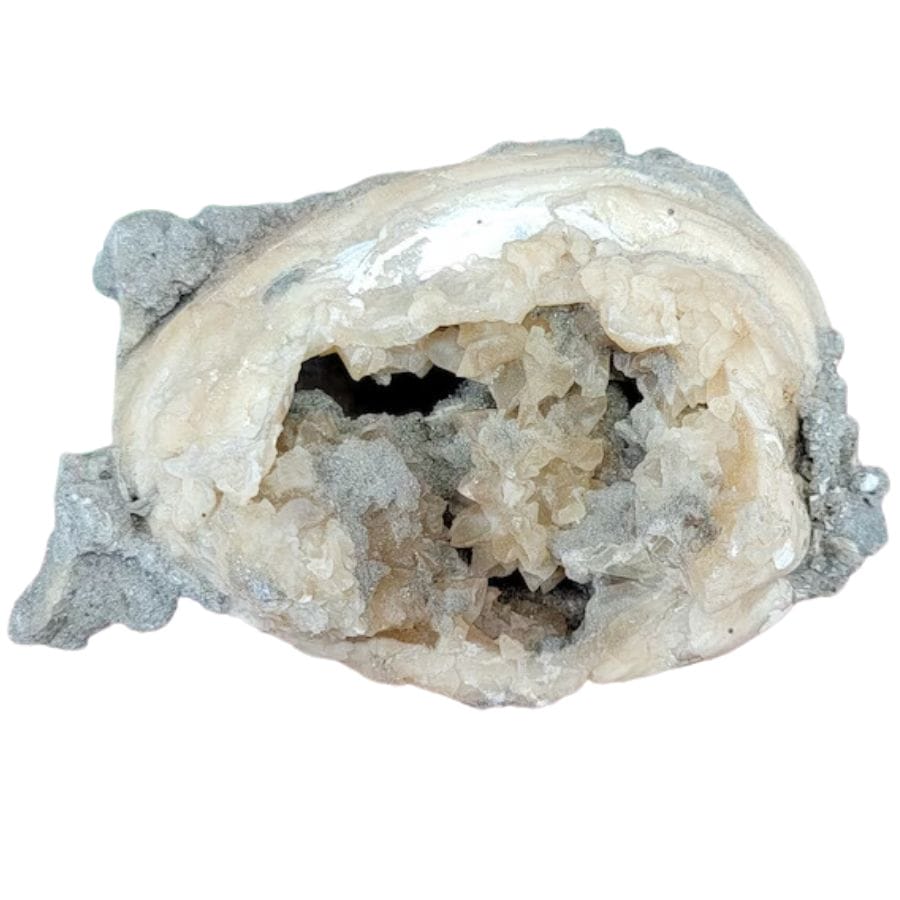
If you only have time to travel to a few places, check these locations out. We’ve had the most success in these areas, and we think you will too.
Always Confirm Access and Collection Rules!
Before heading out to any of the locations on our list you need to confirm access requirements and collection rules for both public and private locations directly with the location. We haven’t personally verified every location and the access requirements and collection rules often change without notice.
Many of the locations we mention will not allow collecting but are still great places for those who love to find beautiful rocks and minerals in the wild without keeping them. We also can’t guarantee you will find anything in these locations since they are constantly changing.
Always get updated information directly from the source ahead of time to ensure responsible rockhounding. If you want even more current options it’s always a good idea to contact local rock and mineral clubs and groups
Ruck’s Pitt
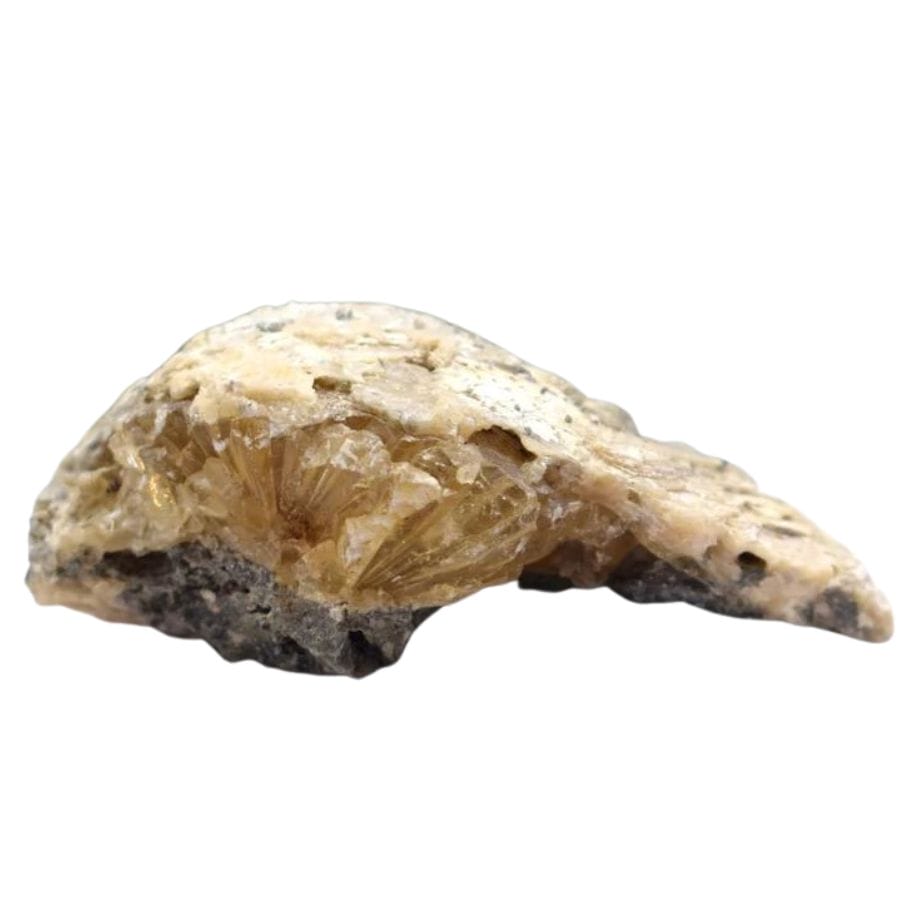
If you’re near the Okeechobee area you need to check out Ruck’s Pit or the Fort Drum Crystal Mine. This is easily one of the best places in the state to find golden honey calcite and fossilized calcite clams. It’s quite unusual to be able to find both of these in a single place.
You’ll be able to dig through various piles and mine dumps that are pretty accessible. Sometimes they even have hoses available to spray down your dig site to make it easier to find calcite and other sparkling gems.
The mine is often open to the public but you will want to call ahead and make sure you can get in on the day you’re planning.
Where we found crystals at the Rucks Pit
The best place to look is going to be in the different piles and dumps that are available to dig through. That’s going to be the easiest way to find the calcite clams and other calcite pieces.
Crystal River
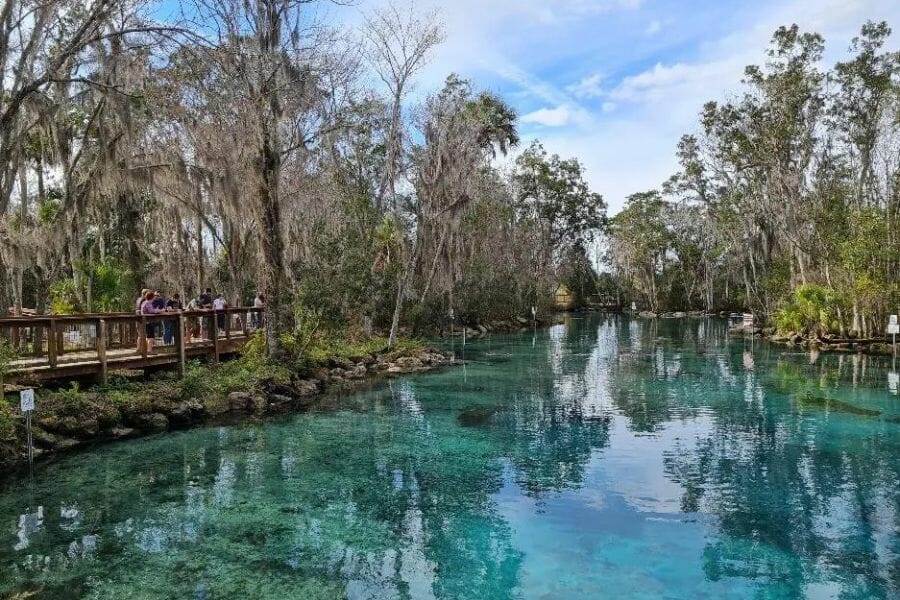
The Crystal River might be worth a look if you’re seeking a nice location in the state to uncover some stunning crystals. It’s not difficult to understand why crystal hunters have long considered this ancient site to be one of their favorite spots.
Located in Citrus County, the river gets its name from the crystal-clear water that flows through it. The river has a rich history, with evidence of human habitation dating back over 10,000 years.
This is also one of the greatest places to look for gems in Florida.
Where we found crystals at the Crystal River
We had the most success searching for calcite and quartz crystals in limestone quarry seams and vugs of Crystal River.
If you want REAL results finding incredible rocks and minerals you need one of these 👇👇👇

Finding the coolest rocks in isn’t luck, it's knowing what to look for. Thousands of your fellow rock hunters are already carrying Rock Chasing field guides. Maybe it's time you joined the community.
Lightweight, mud-proof, and packed with clear photos, it’s become the go-to tool for anyone interested discovering what’s hidden under our red dirt and what they've already found.
Join them, and make your next rockhounding trip actually pay off.
What makes it different:
- 📍 Find and identify 140 incredible crystals, rocks, gemstones, minerals, and geodes across the USA
- 🚙 Field-tested across America's rivers, ranchlands, mountains, and roadcuts
- 📘 Heavy duty laminated pages resist dust, sweat, and water
- 🧠 Zero fluff — just clear visuals and straight-to-the-point info
- ⭐ Rated 4.8★ by real collectors who actually use it in the field
Hillsborough County
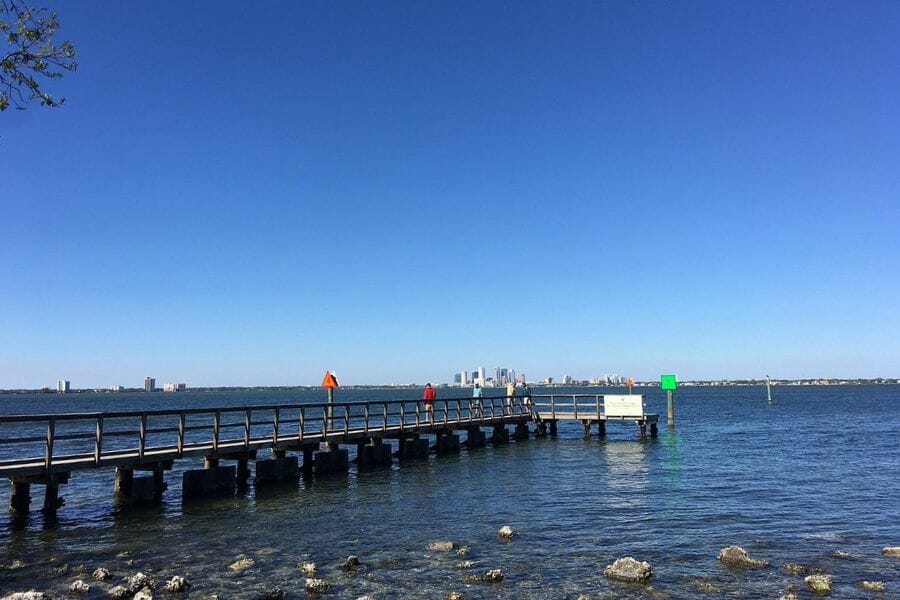
Hillsborough County is a diverse and vibrant location that’s well worth a visit. The geography and geology make it a unique and fascinating location for crystal hunters. It’s situated on the Gulf of Mexico and features a variety of terrain, including wetlands, forests, and coastal areas.
The underground aquifers that run through the county are rich in minerals, creating an environment where crystals can thrive. The county has several crystal mines and quarries where you can dig for your crystals and minerals.
These mines are often open to the public and provide a fun and educational experience for people of all ages.
Where we found crystals in Hillsborough County
There are plenty of excellent options accessible here. Try the following locations to get started:
- Chalcedony may be found at the Interbay Boulevard and Bayshore Boulevard
- You can also locate chalcedony crystals at Ballast Point’s shoreline along Hillsborough Bay.
If you’re wondering how much do crystals cost, we’ve made a thorough guide for you to learn more about them.
Hillsborough River
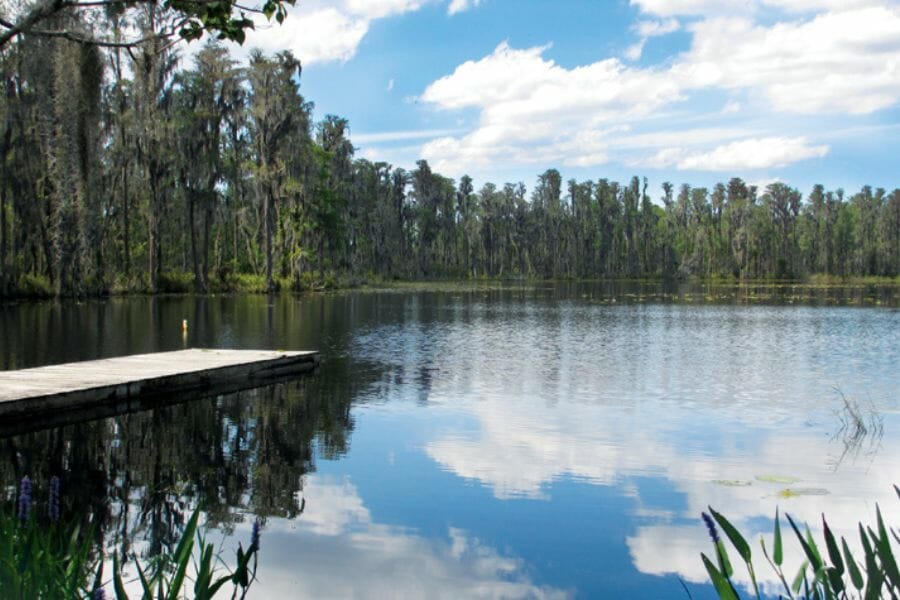
The Hillsborough River is a beautiful, winding waterway that you have to visit at least once. It’s a great place to explore, especially if you’re searching for crystals.
Its geography and geology make it an ideal spot for crystal hunters, as the river is known for its agate and quartz deposits. The water is usually warm and shallow enough to wade into, making it easy to find gems in the sand or shallow pools.
Where we found crystals in the Hillsborough River
We mostly found agate crystals in the banks and breaks along the Hillsborough River.
Pasco County
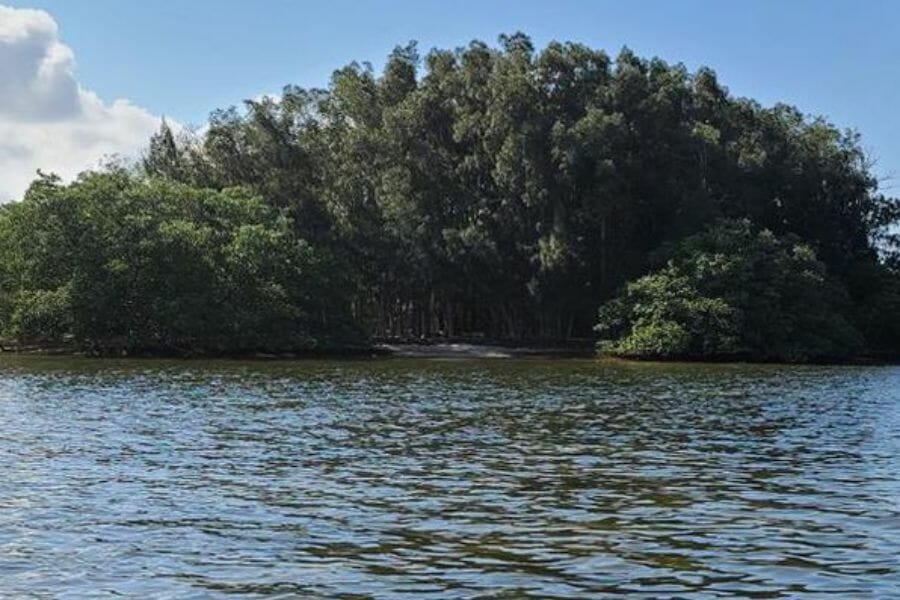
Pasco County is located in the western part of the state and is known for its limestone formations. The area has been known for crystal hunting since the late 1800s when miners discovered large deposits of crystals, like chalcedony and quartz, and other minerals.
The county’s geography is mostly flat, with rolling hills and valleys, and its soils are generally sandy with limestone outcroppings. You can find some of the best spots for crystal hunting along the rivers, creeks, and springs that flow through the county.
Where we found crystals at the Pasco County
Calcite and Chalcedony are abundant in area quarries and excavations of New Port Richey and Bailey’s Bluff in Pasco County.
Pinellas County
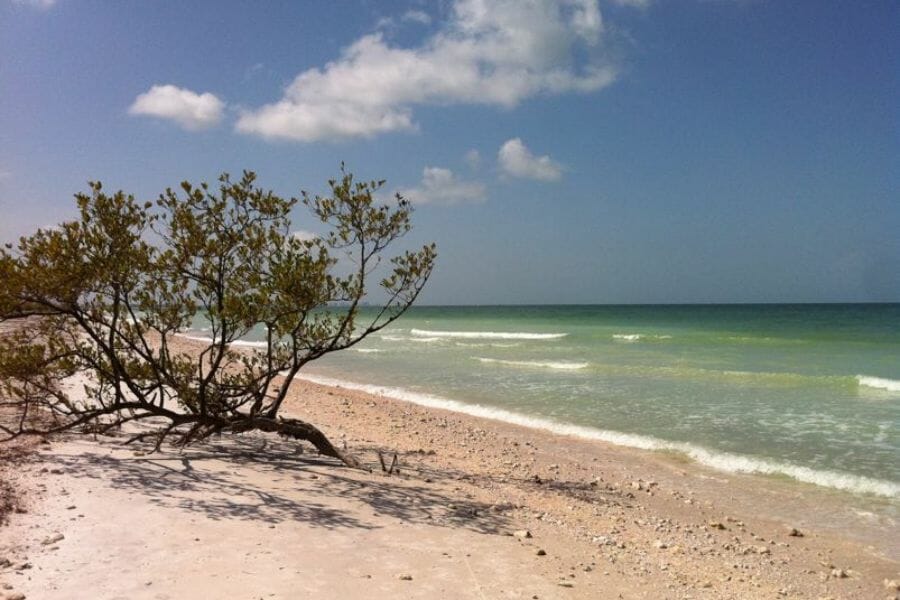
Pinellas County, located in the Suncoast region, has abundant crystal collecting opportunities if you want something unique.
With its limestone geology, Pinellas County is home to many beautiful crystal specimens. Some of the largest crystals ever found were unearthed in this area! Whether you like to scour the beaches or explore the woods, you’ll have plenty of chances to come across beautiful crystals here.
Its mild climate and year-round sunshine make it easy to get outdoors and enjoy all Pinellas County offers.
Where we found crystals at Pinellas County
We had the best luck locating chalcedony at the banks of the Caladesi Causeway and the Tarpon Springs area. There are also agate, carnelian, and chalcedony in all regional excavations or dredging operations.
Our Other Favorite Places For Crystal Hunting
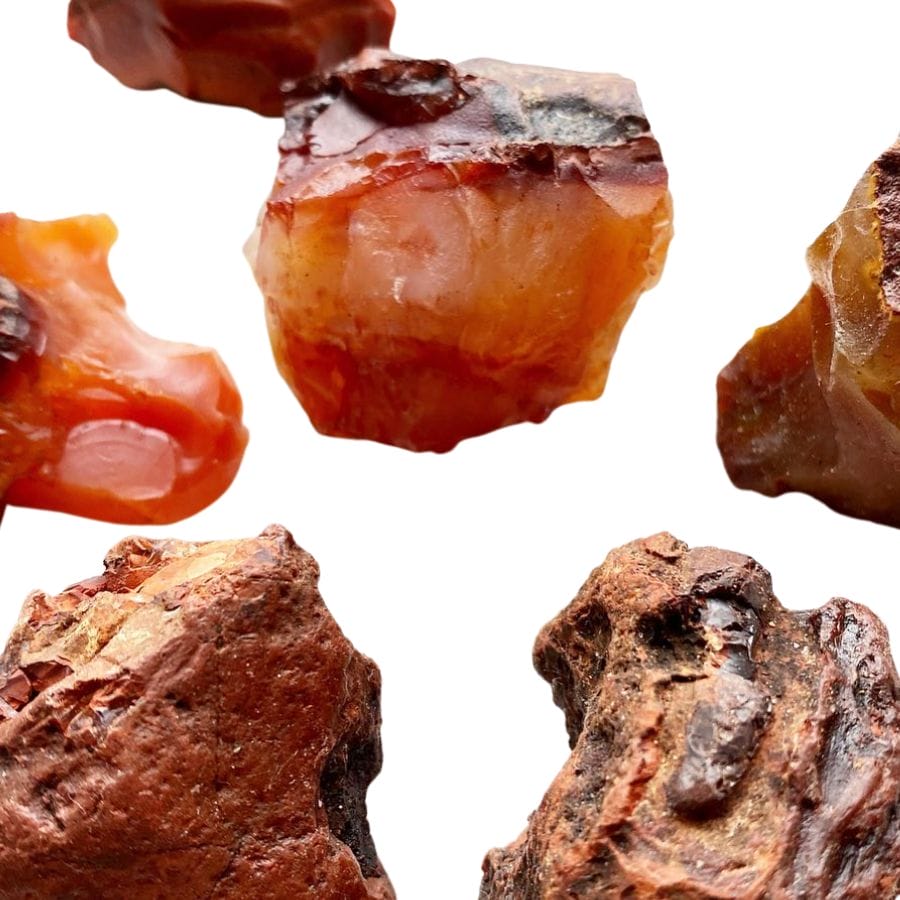
After sharing my top five locations above, I wanted to give you many more options. There are many wonderful places to hunt for crystals and geodes in a state the size of ours, especially with such geological diversity. Here are some other places to visit:
Where you can find crystals for free
Let’s start by talking about several places where you can search for free (yes, for free!). Although many of the most amazing places have a fee, there are areas you can visit without paying for anything.
| County | Location |
| Charlotte | You can find calcite crystals in the Punta Gorda area |
| Hamilton | Collect agates in the creek beds of White Springs area |
| Hernando | Calcites are abundant in the Brooksville region |
| Hernando | Calcites are available in all dredging or deep-digging construction projects county wide |
| Jackson | Calcites are found in limestone quarries county wide |
| Polk | You can find chalcedony crystals in the northeast of Lakeland |
| Polk | Chalcedony crystals are available to find in new diggings of irrigation of Kathleen area |
| St. John’s | Collect calcites along ocean beaches county wide |
| St. John’s | Calcites are found in quarries county wide |
| Washington | In Chipley’s sinkhole and roadcuts, you may find calcite crystals |
| Washington | Calcite crystals can be collected in the south of the airport and in a railroad cut in the Chipley area |
Other great places to dig for crystals
If you’re willing to pay some money to find crystal, here are the other places to go. The cost will depend on the season; it can be free occasionally, so contact them beforehand.
| County | Location |
| Bradford | Highland Mine for kyanite |
| Suwannee | The mine in Dowling Parks for malachite |
How to find crystals
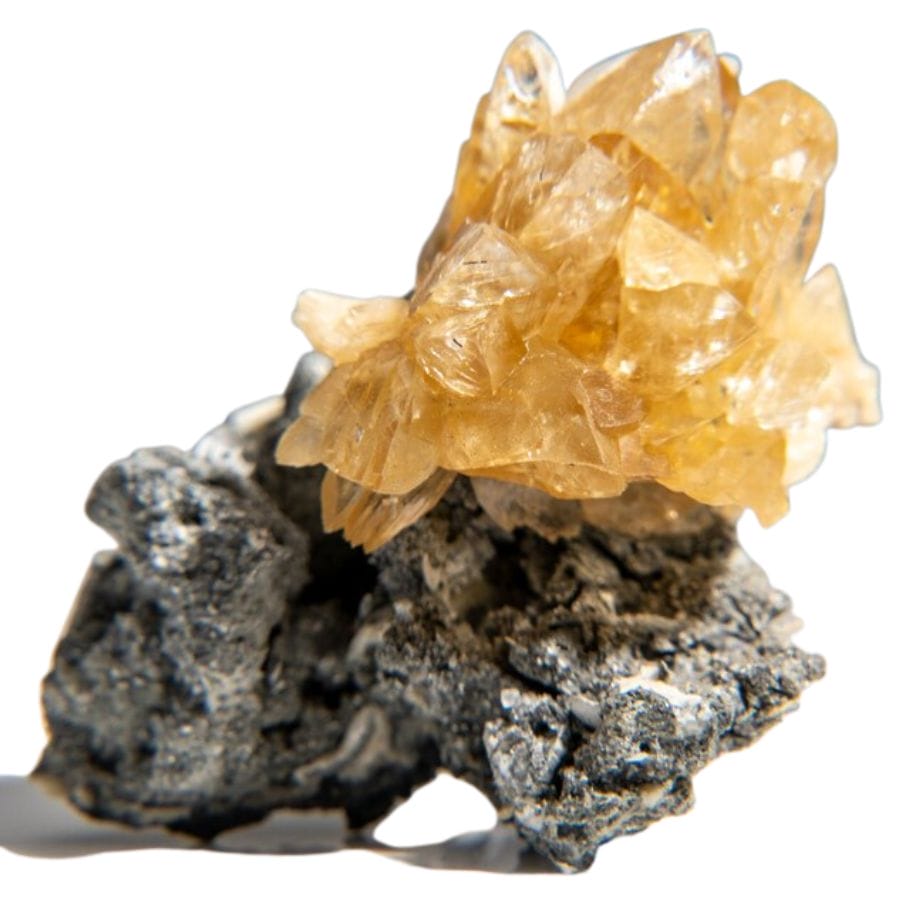
To help you find better success once you get to a particular place, like those listed above, here are some more specific recommendations on where to spend most of your time in a certain location. We go into this in more depth in our guide to Florida rocks, minerals, and gems. Some of the best places to look for crystals include the following:
Beaches
Searching for crystals on beaches is one of my favorite things to do. You can find all sorts of crystals hidden in the sand and rocks. The waves and the tides can do a lot of the work for you when it comes to revealing the hidden treasures lurking beneath the surface.
Being near the water is also one of the more relaxing places to spend a little time!
When searching on beaches, it’s important to keep safety in mind. It’s easy to get carried away looking for crystals and lose track of your location or how far out you are from shore. It’s also a good idea to check the tide before heading out. You don’t want to be stuck on the beach with no way back!
Quarries
Quarries are large-scale mining sites where huge chunks of rock are removed from the ground, leaving behind piles of gravel and soil. These piles are ripe with crystals unearthed by the quarry’s diggers.
The quarry environment is also much safer than other crystal-hunting locations, as it is usually well-lit and easy to navigate. There’s no need to worry about wild animals or poisonous plants. You’ll only need to be careful of any heavy machinery running nearby.
Many quarries allow visitors to come and pick through their mine dumps but others do not. Always call ahead and make sure you have permission before showing up!
Rivers and riverbanks
Rivers are constantly eroding their banks and shifting their course, which means that minerals that have been underground for ages can be exposed. Quartz, amethyst, and other crystal formations are often found in rivers and riverbanks.
The current of the water can help you spot the crystals more easily. It’s almost like they’re sparkling in the sun! One thing to remember when searching for crystals in rivers is to pay attention to the current – it can be strong and dangerous.
Crystal Mining Laws And Regulations You Need To Know
The state of Florida has a few specific rules and regulations in place for those interested in crystal mining recreationally. It’s important to note that only certain public lands are approved for recreational crystal mining, and the property owner must authorize any activity on private property.
Those wishing to participate in recreational crystal mining in the state must obtain a permit from the local county or municipality and the Department of Environmental Protection. Individuals should also familiarize themselves with all relevant laws and regulations concerning their activities, including resource protection and safety.
Furthermore, it’s important to note that any collected minerals may not be sold or traded without obtaining approval from the appropriate government agency. By following these guidelines, individuals can ensure their activities are safe and legal.
The Best Crystal Shops In The Area
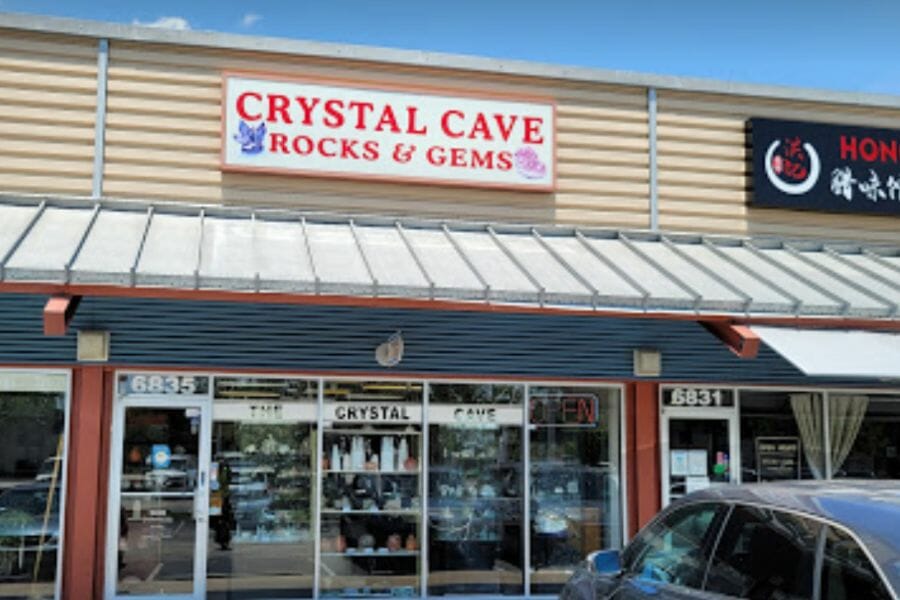
Many of us enjoy making little purchases to complete our collections because the state offers a wide range of crystals dispersed across such a huge area. These are the best crystal shops we’ve found if you’re looking for distinctive and beautiful pieces for your collection.
- Crystal Cave Rock and Gem Shop – 6835 Stirling Rd, Fort Lauderdale, FL 33314, United States
- Crystal Gaze – 213 Frank Lloyd Wright Way, Lakeland, FL 33803, United States
- The Curious Muse – 20651 US Hwy. 441 Row C space 52, Mt Dora, FL 32757, United States
- Hidden Gem SRQ Crystals – 6526 Gateway Ave, Sarasota, FL 34231, United States
- Lost Mines of Atlantis – 10404 US Hwy 27 S, Sebring, FL 33876, United States
- Loving Thyself Rocks – 339 S Park Ave, Winter Park, FL 32789, United States
- Mystic Minerals Herb – 4809 S Orange Ave, Orlando, FL 32806, United States
- Rocks, Crystals, and Gems – 28250 Paseo Drive Suite 160, Wesley Chapel, FL 33543, United States
- We Rock Rocks – 14975 N Nebraska Ave, Tampa, FL 33613, United States
- Your Crystal Shop – 2100 N Courtenay Pkwy, Merritt Island, FL 32953, United States
Additional places to find crystals in nearby states
If you’ve already tried all of our recommendations above or are planning a trip out of the state, you should check out our guides for neighboring states:
If you have any recommendations we haven’t covered please leave them in the comments below!