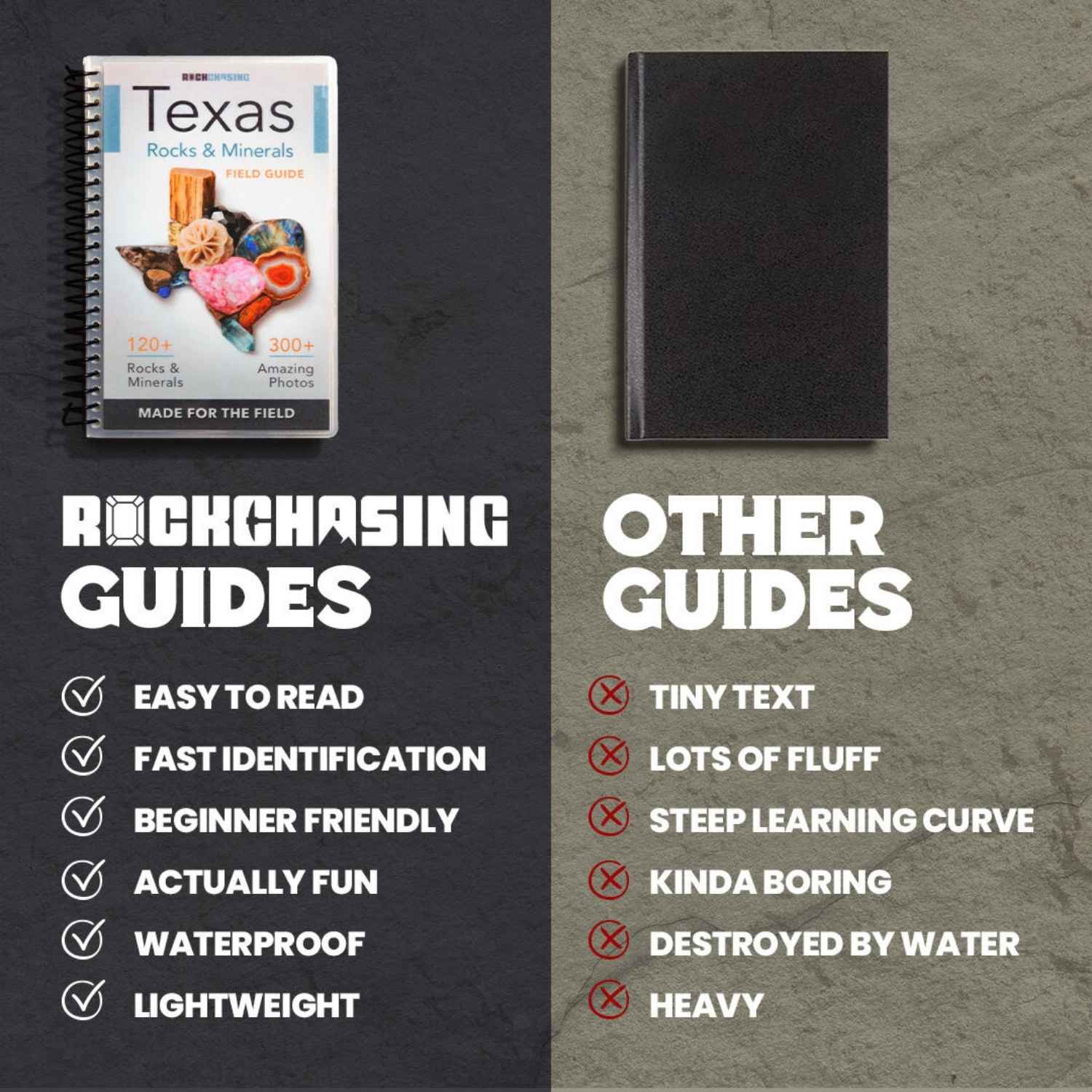
Blue topaz, fire opal, rare turquoise, and even fossil shark teeth worth real money are still out there in Texas. This is what to look for.
Every weekend, thousands of people wander the Hill Country, walk Gulf Coast beaches, and poke around West Texas ranch land. Most of them walk right past stones worth real money.
Texas is one of the most mineral rich states in the country. There is natural blue topaz in the granite, fire opal in the desert, rare turquoise in the mountains, and fossil shark teeth in the creeks.
The problem is that valuable rocks almost never look valuable in the dirt. These are the 7 most valuable finds hiding in plain sight across the state, and how to recognize them before someone else does.
1. Blue Topaz Is the State Gem and Still in the Ground
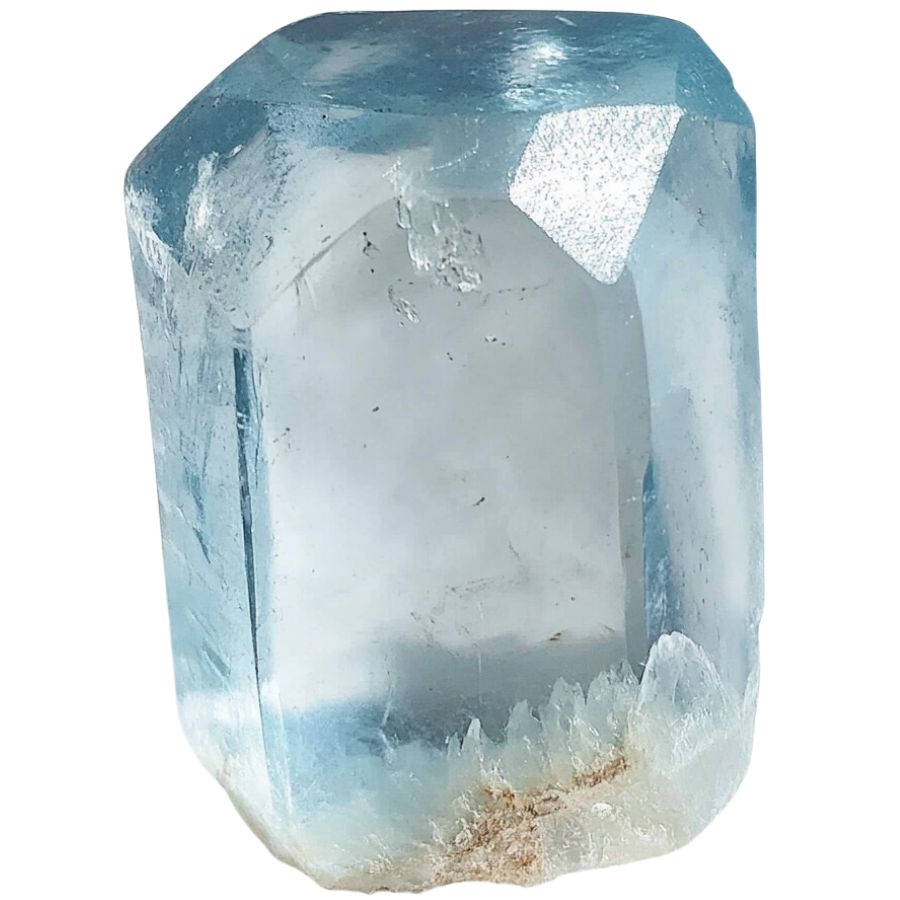
Texans made blue topaz the official state gem for a reason. Natural blue topaz is rare, and Texas is one of the only places in the world where you can dig it yourself.
Most blue topaz in stores gets its color from treatment. Natural Texas stones need no treatment at all, and collectors pay a premium for that.
Where to look: Mason County is the heart of it. The Seaquist Ranch and Bar M Ranch offer public digging, and the Llano Uplift granite country holds more.
The catch: rough topaz looks like a plain water worn pebble in the gravel. Weight and hardness give it away, and both checks take seconds with the right reference.
The Texas Rocks and Minerals Field Guide shows you the exact checks to confirm topaz on the spot.
Topaz is the famous one. The next find is a piece of Texas that grew here when the state was a tropical swamp.
2. Petrified Palmwood Is a Texas Original
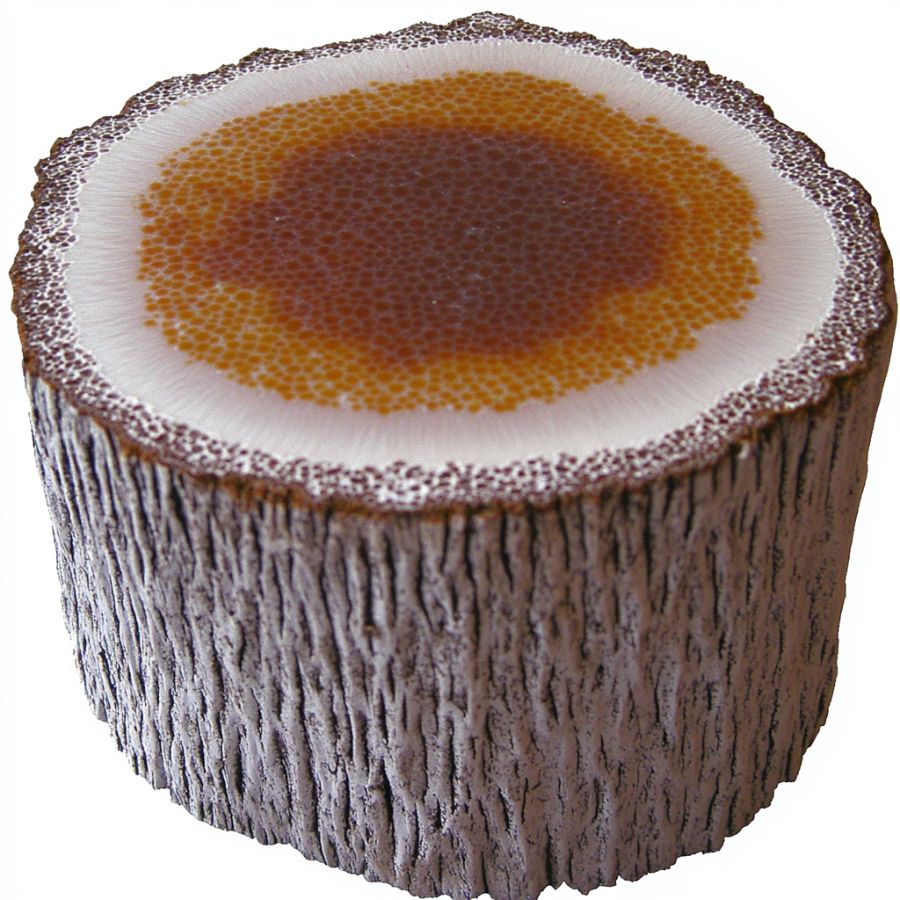
Petrified palmwood is the official state stone. It formed from palm trees that grew here more than 30 million years ago, and polished pieces show spotted grain patterns collectors love.
Quality pieces get cut into jewelry, bookends, and display slabs that sell for real money. No two pieces look alike.
Where to look: creeks and gravel bars in East Texas, Hill Country ranches, and the country around Glen Rose. Big pieces turn up after storms move the gravel.
The catch: dry palmwood looks like ordinary gray rock. The spotted rod pattern in the grain is the giveaway, and you have to know to look for it.
Wood that turned to stone is strange. A Texas gem most people think comes from Arizona is even stranger.
3. Real Texas Turquoise Is Rarer Than You Think
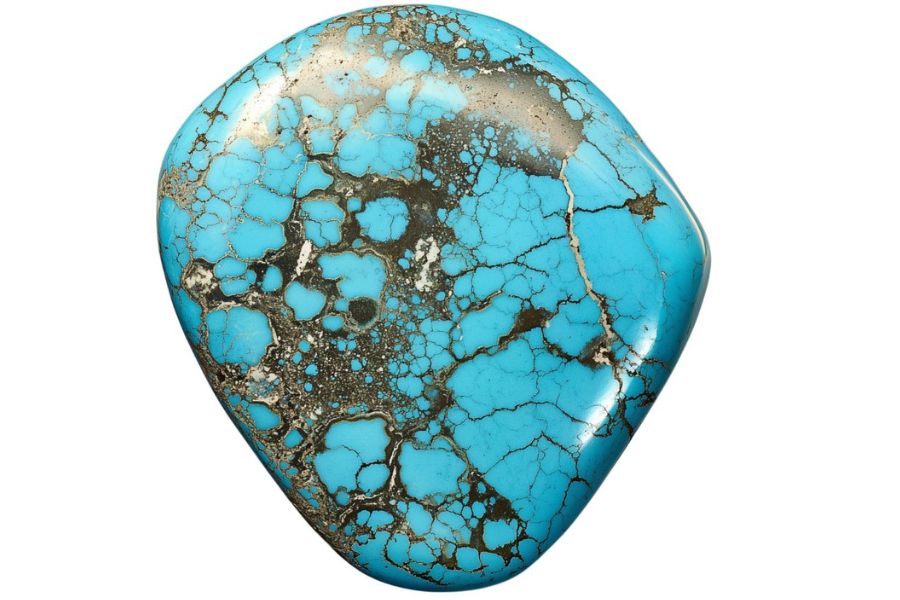
Most turquoise in shops comes from Arizona or Nevada. Texas has its own, and the rarity makes quality pieces valuable to collectors.
Texas turquoise runs greenish blue from the local minerals. That tint is exactly how collectors spot a real Texas stone.
Where to look: the old Plata Verde Mine country near Van Horn, the Chihuahuan Desert region, and the Guadalupe Mountains.
The catch: desert hills are full of blue green stained rocks that are not turquoise. Hardness and matrix checks separate the real thing in seconds.
Now it gets wild. The most surprising find on this list is not even a mineral.
4. Fossil Shark Teeth Turn Up in Texas Creeks
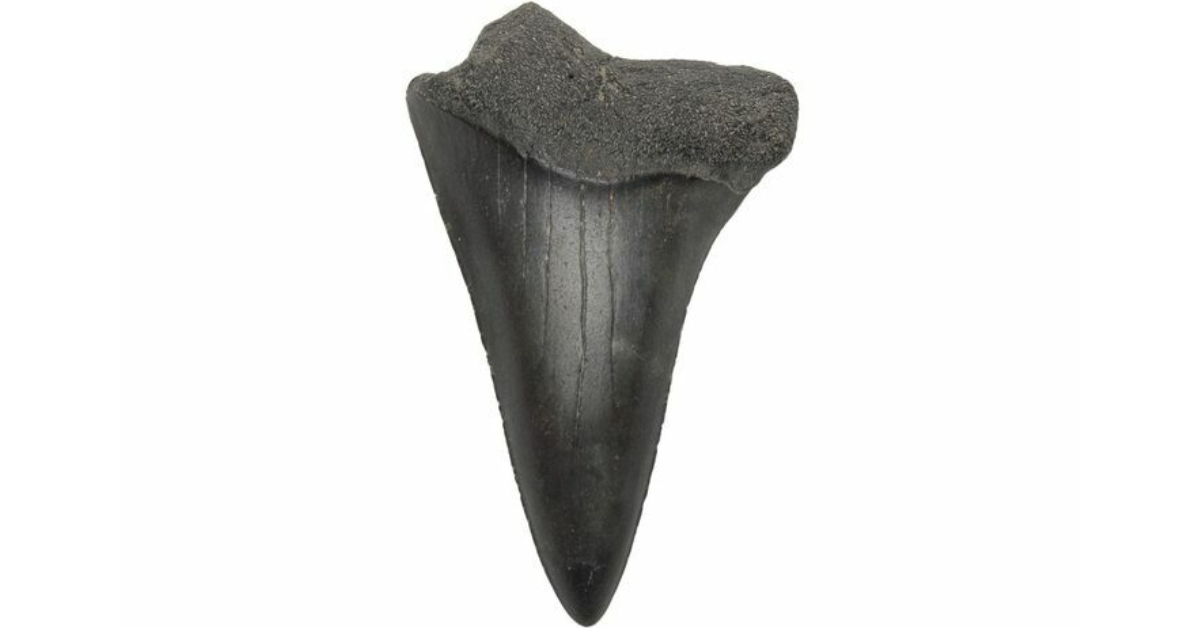
Millions of years ago, much of Texas sat under a shallow sea. The sharks that hunted it left teeth behind, and creeks still wash them out today.
Collectors pay real money for quality fossil teeth, and rare large specimens sell for hundreds of dollars or more. Ammonites and other marine fossils turn up in the same beds.
Where to look: Post Oak Creek near Sherman is famous for shark teeth. Mineral Wells Fossil Park and the creek beds around Glen Rose hold more ancient finds.
The catch: a worn fossil tooth in gravel looks like a strange dark triangle. The shine of the enamel and the shape of the root give it away.
Rated 4.75 out of 5 by verified customers.
30 day money back guarantee.
★★★★★ “All of the major characteristics for over 120 Texas rocks and minerals, including photos, are listed including common locations to find them. I plan to use my new guide to target specific specimens by region to better plan future trips.”
Bob – Verified buyer
Fossil hunting takes a sharp eye. The next three finds only need a good eye and a free Saturday.
5. Fire Opal Hides in Plain Looking Rock
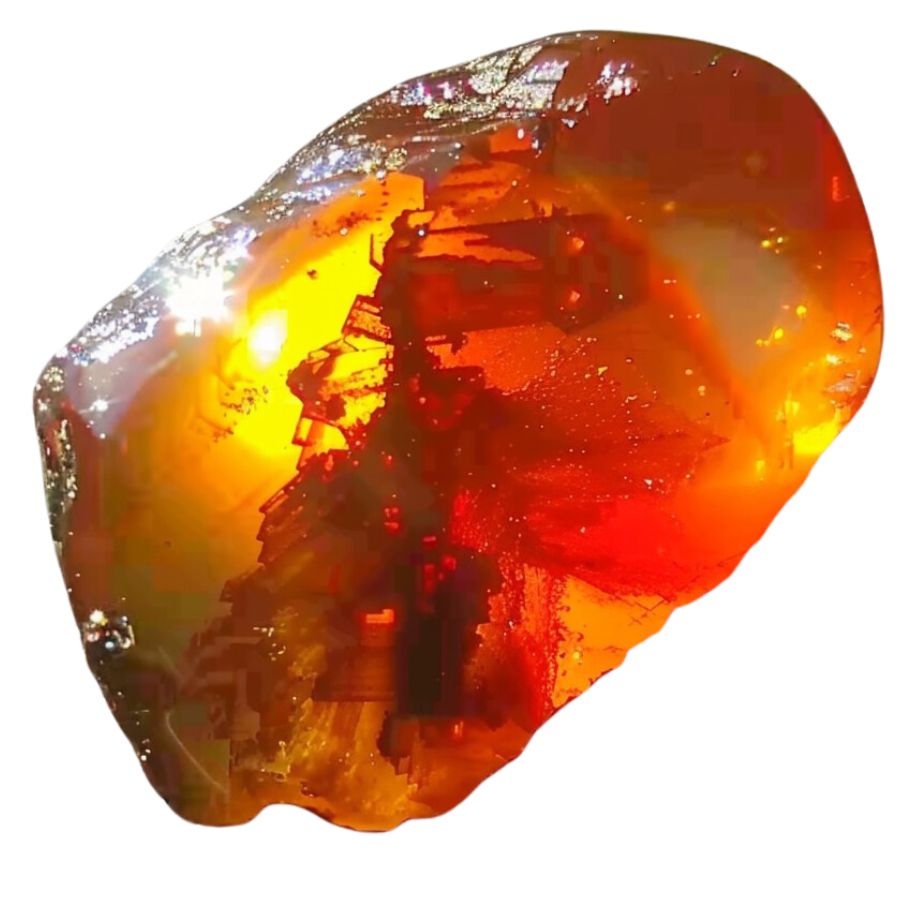
West Texas produces fire opal with orange and red flashes locked inside ordinary looking stone. Precious opal is one of the most prized gems on the planet.
Texas opal is rare, and that rarity is exactly what makes a good piece valuable.
Where to look: the Llano Uplift region, ranch country in West Texas, and Central Texas fossil beds.
The catch: from the outside, opal bearing rock looks like any other rock. People have tossed aside stones with fire inside them.
Even easier to reach is a stone sitting in Texas river gravel right now.
6. Agate Waits in the River Gravel
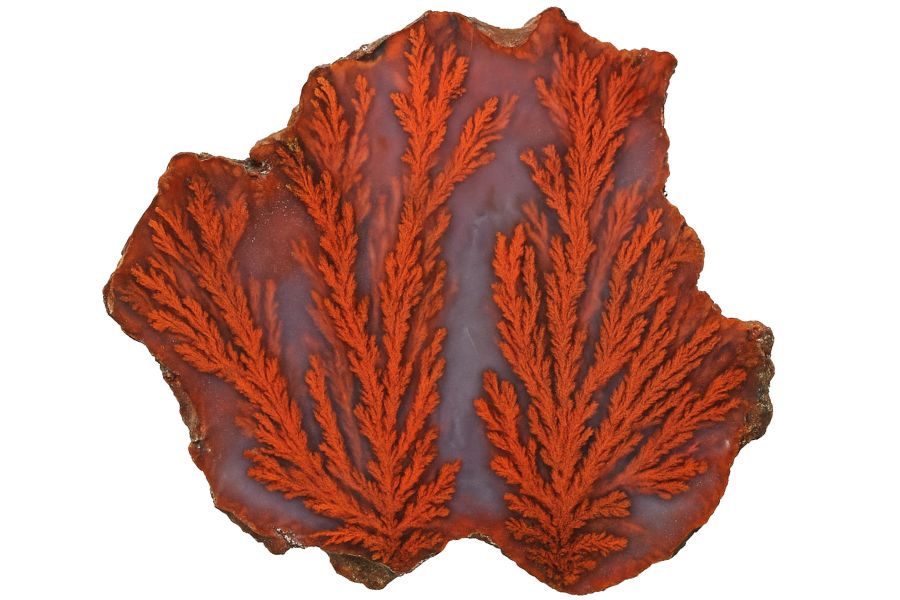
This is the entry point for every Texas rockhound. Banded and plume agates weather out of the Big Bend country and wash down rivers across the state.
They are free to collect in many spots and beautiful when polished. Premium Texas plume agate fetches premium prices from collectors, and no two pieces are alike.
Where to look: gravel bars along the Rio Grande, the Glass Mountains country, and the shores of Lake Buchanan.
★★★★★ “The images are sharp and colorful… The information is concise and what is needed in the field… Fits in my outside pocket of my backpack.”
Laurie – Verified buyer
River gravel and mud are no problem. The guide has laminated waterproof pages built for exactly this.
One more find hides in the pink granite country of the Hill Country.
7. Amethyst Pockets Hide in the Hill Country
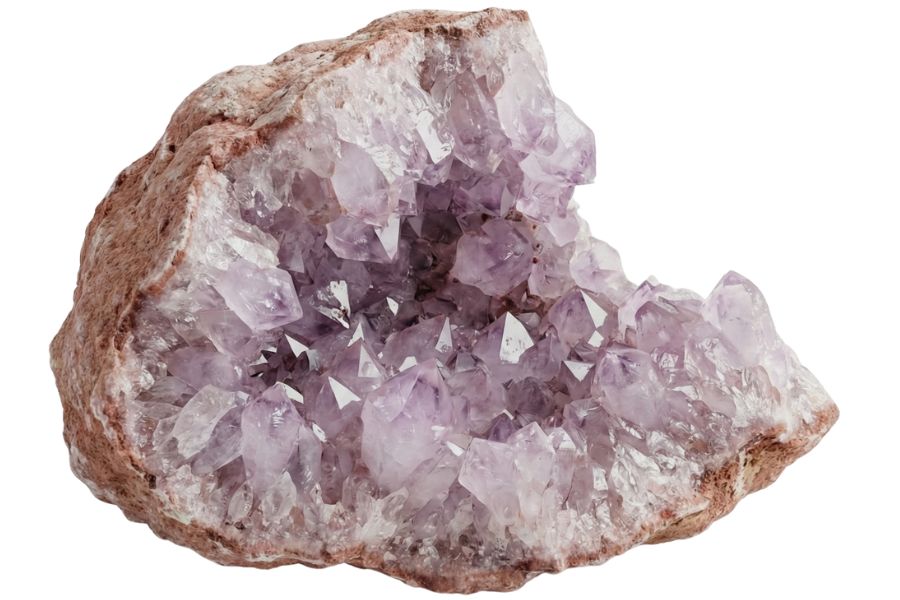
Amethyst is the purple star of the quartz family, and Texas has it. Crystal pockets turn up in the Llano country and out in Big Bend.
Deep purple stones get cut into gems, and pretty clusters sell as display pieces. Even a small pocket is a find you will never forget.
Where to look: Llano County, the Big Bend region, and the Piney Woods of East Texas.
The catch: weathered amethyst looks like dull gray quartz from the outside. Crystal shape and a purple flash at a broken edge are the giveaways.
The Only Difference Is Knowing What You Are Looking At
The topaz, the palmwood, the turquoise, and the teeth are already out there. The people who come home with treasure are not luckier than you. They simply recognize value in the dirt.
That is the entire reason we built the Texas Rocks and Minerals Field Guide.

- Identify 120+ Texas rocks, crystals, minerals, and gemstones in seconds. Every specimen gets a clear photo, its ID traits, and where in Texas to find it.
- 300+ full color photos let beginners and kids match what is in their hand to what is on the page.
- Laminated waterproof pages and steel spiral binding survive creeks, ranch land, and desert trails.
- Light enough for a day pack. Zero fluff and no 200 page textbook.
★★★★★ “The photographs of rocks, along with information about the rocks, and locations in Texas where specific rocks may be located, can’t be beat!”
Brian – Verified buyer
★★★★★ “The pages are laminated to protect them from water, dirt, or whatever else gets on them, so the book is durable and will last many years.”
Frank – Verified buyer
Get the Field Guide
★★★★★ Rated 4.75 out of 5 by verified customers. Nearly 95% rate it 4 or 5 stars.
- ✅ $29.95. Less than a tank of gas to your first collecting site.
- ✅ Free US shipping.
- ✅ 30 day money back guarantee. Take it into the field and get it muddy. If it does not change how you see every creek and trail in Texas, send it back for a full refund.
- ✅ In stock and ships fast.
One confirmed topaz, one polished slab of palmwood, or one rare fossil tooth pays for this guide many times over. Walking past them costs you every single trip.
Common Questions
Is it kid friendly? Yes. Kids and first timers can match rocks to photos in seconds, and many buyers grab it as a gift.
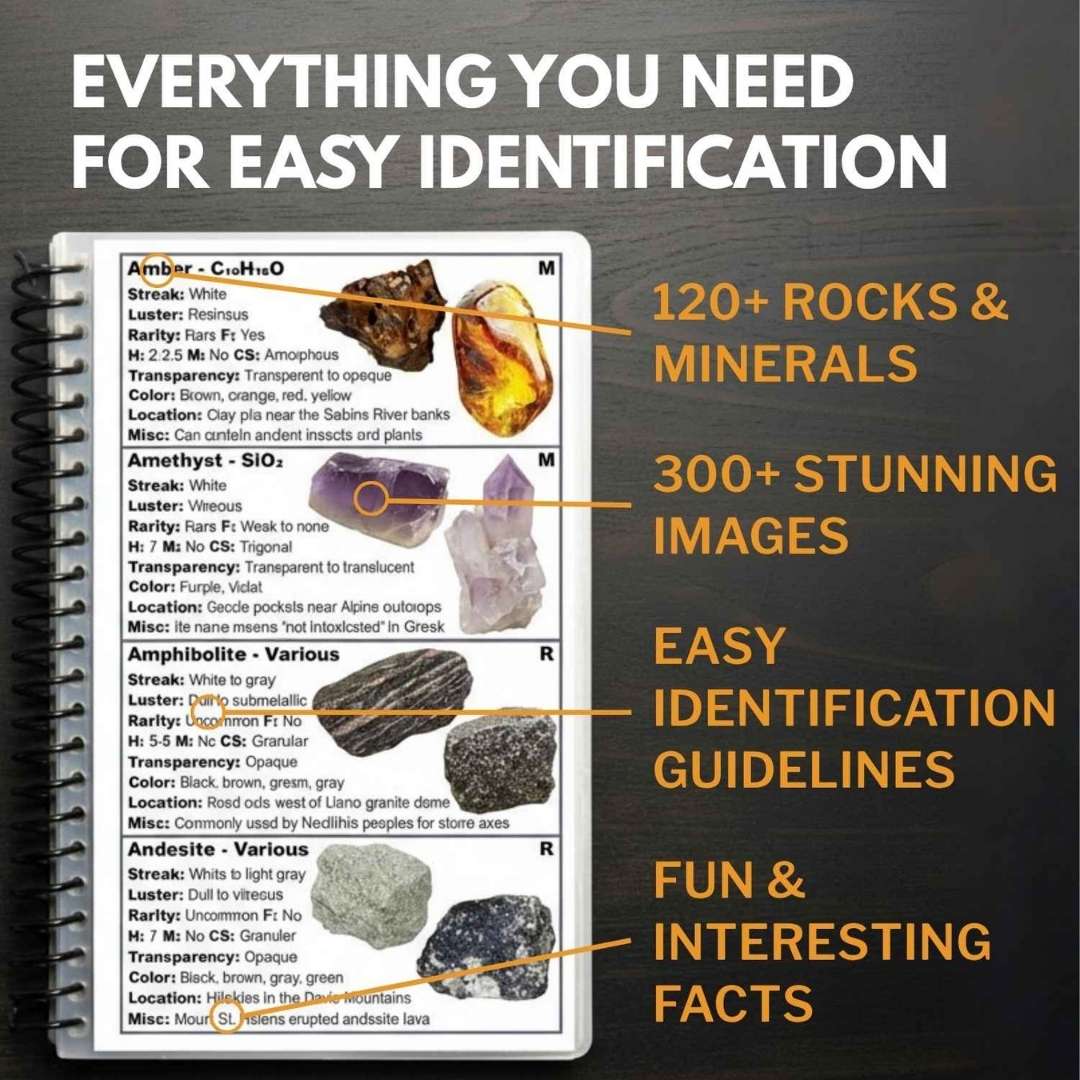
Will it survive a real trip? Every page is laminated and waterproof with a wipe clean coating and steel spiral binding. Reviewers call out the durability first.
Does it cover my area? It covers 120+ rocks, minerals, and gems across the Hill Country, the Gulf Coast, West Texas, and the Panhandle, with locations for each.
A note on collecting: most Texas land is private, so always get permission first and follow the rules at parks and pay to dig ranches. The guide helps you know what you found, and finding it legally is part of the fun.
Will You Recognize It When You See It?
Texas is one of the most mineral rich states in America. This weekend, thousands of people will walk right over blue topaz, fire opal, and fossil teeth without a second look.
You now know what is out there. The only question is whether you will spot it when you are standing on it.
★★★★★ Rated 4.75 out of 5 by verified customers. Ships free in the US.