Agatized coral, fossil shark teeth worth thousands, golden calcite, and even amber are still out there in Florida. This is what to look for.
Every weekend, thousands of people walk Florida beaches, wade its rivers, and sift its creek gravel. Most of them walk right past finds worth real money.
Florida has no mountains, and people assume that means no treasure. The truth is the opposite. The state sits on ancient sea beds packed with fossil coral, crystal filled shells, and the most famous shark teeth on Earth.
The problem is that valuable finds almost never look valuable in the sand. These are the 7 most valuable things hiding in plain sight across the state, and how to recognize them before someone else does.
1. The State Stone Is Ancient Coral Turned to Gem

Millions of years ago, Florida coral reefs slowly turned to agate. The result is agatized coral, the official state stone and a gem you can still pick up today.
Cut and polished pieces glow with banded color, and collectors prize them. Fine specimens sell for serious money.
Where to look: the Withlacoochee River, the Tampa Bay area, and the Suwannee River.
The catch: from the outside it looks like a crusty gray rock. The honeycomb coral pattern and a waxy shine at a broken edge give it away.
The Florida Rocks and Minerals Field Guide shows you the exact checks to confirm agatized coral on the spot.
That is the official treasure. The next one rolls in with the rivers.
2. Carnelian Glows in the River Gravel
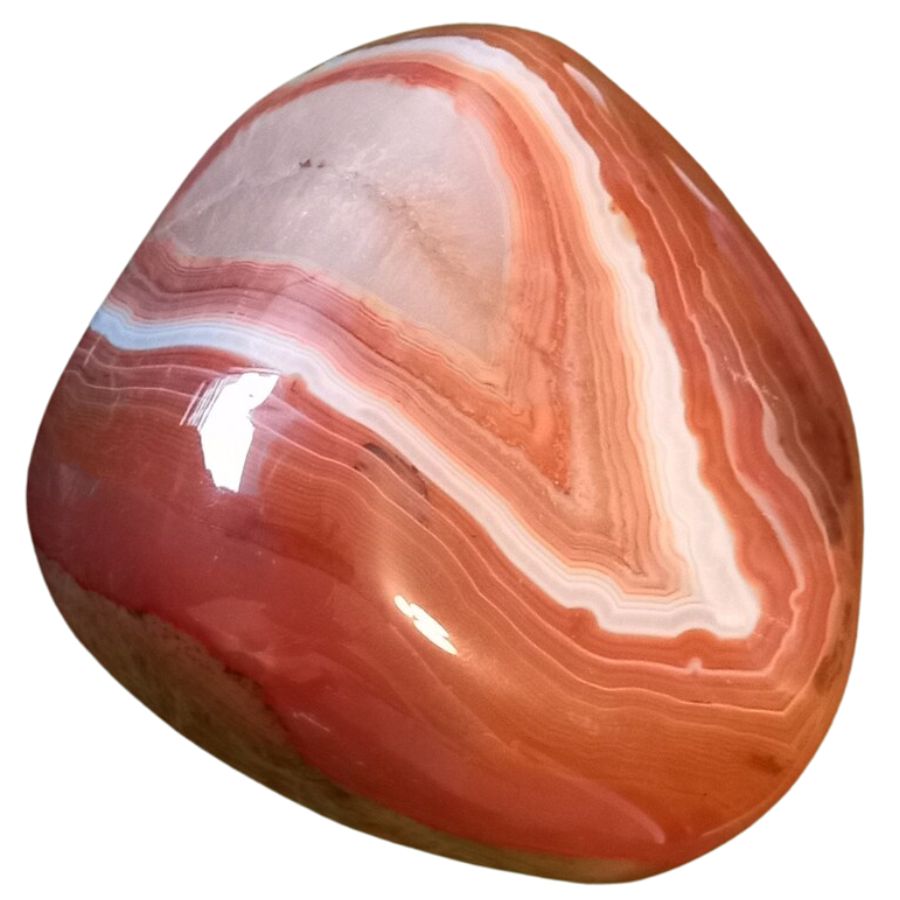
Carnelian is a red orange gem that has been carved into jewelry for thousands of years. Florida rivers tumble it smooth and drop it in the gravel.
Banded pieces with deep color are the prize. They polish into beautiful stones no two of which match.
Where to look: the St. Johns River, the Tampa Bay area, and Amelia Island.
The catch: wet carnelian glows like fire, but dry it hides as a dull brown pebble. Hold it to the sun and the light passes through the edges.
From fire color to sky color. The next find hides inside plain Florida limestone.
3. Sky Blue Crystals Hide in the Limestone
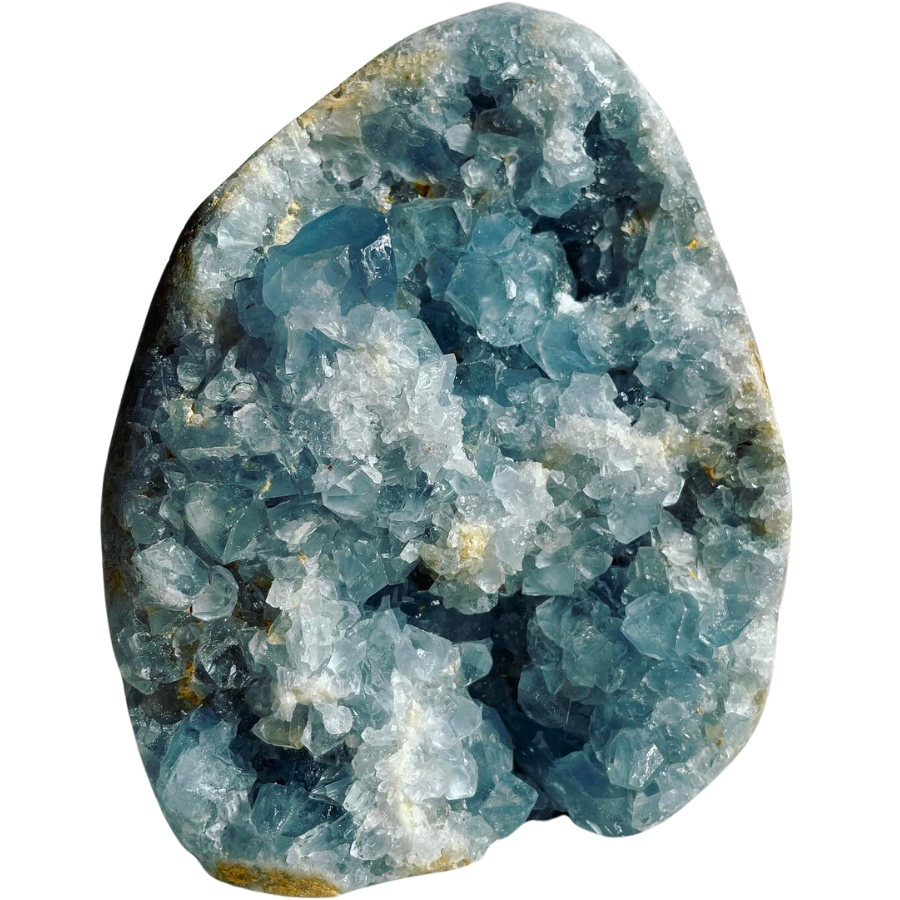
Celestite grows delicate sky blue crystals inside cavities in Florida limestone. Collectors prize clean blue clusters, and good ones sell fast.
It is the mineral source of strontium, the stuff that makes fireworks burn red. That story alone makes it a favorite with kids.
Where to look: the Florida Caverns State Park area, the Peace River, and Hernando County rock mines.
The catch: celestite looks a lot like plain calcite. The weight settles it, because celestite feels far too heavy for its size.
Now it gets wild. The most valuable find on this list came out of a 60 foot shark.
4. Megalodon Teeth Are Worth Hundreds to Thousands
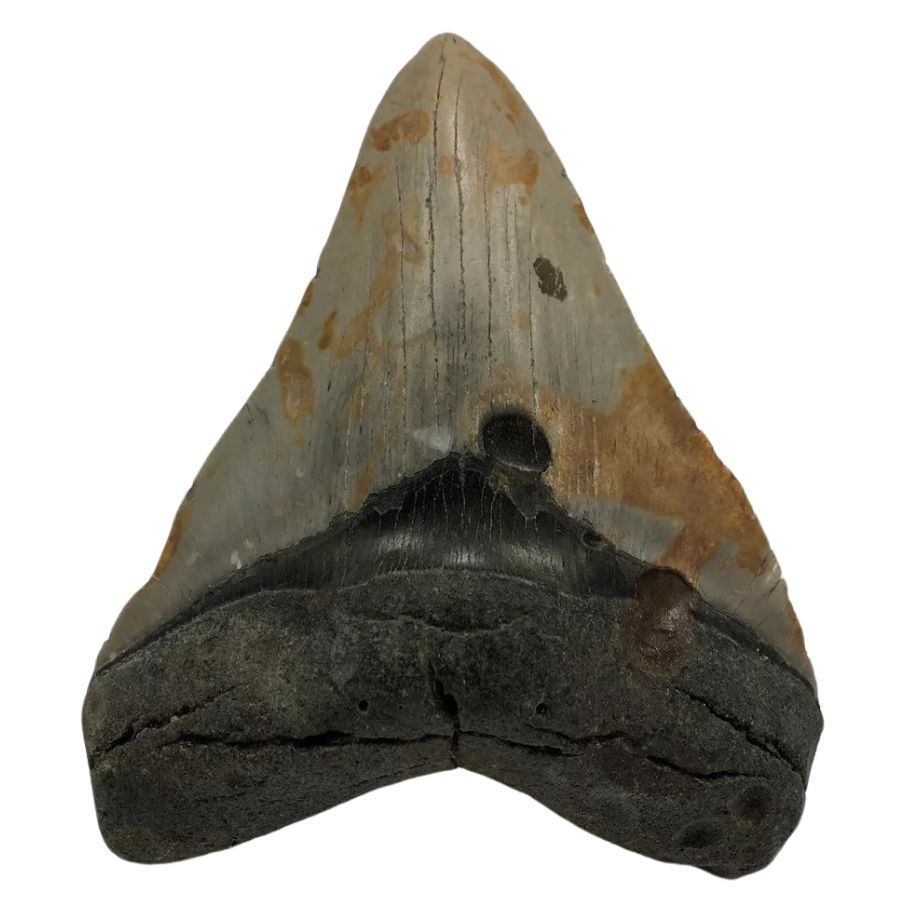
Venice, Florida calls itself the Shark Tooth Capital of the World, and it earns the name. Fossil teeth from megalodon, a shark longer than a school bus, wash onto its beaches every week.
Teeth can top 5 inches, and quality specimens sell for hundreds to thousands of dollars. Divers and beach walkers find them year round.
Where to look: Venice Beach, Caspersen Beach, and Hogtown Creek near Gainesville.
The catch: a worn tooth in the surf line looks like a strange dark triangle. The shine of the enamel and the serrated edge give it away.
Rated 4.75 out of 5 by verified customers.
30 day money back guarantee.
★★★★★ “Each individual page also comes with clear descriptions, colorful photos, and tons of interesting tips and facts. Great for any budding rock hunter or amateur geologist.”
Joan – Verified buyer
Shark teeth get the fame. The next three finds only need a good eye and a free Saturday.
5. Golden Calcite Fills Fossil Clamshells

At a famous pit in Fort Drum, fossil clamshells come out of the ground lined with honey gold calcite crystals. They look like treasure chests the ocean sealed millions of years ago.
Collectors around the country buy these shells, and clean specimens with big bright crystals sell for real money.
Where to look: the Rucks Pit area in Fort Drum, Withlacoochee State Forest, and the Gainesville area.
The catch: from the outside it is just a fossil shell. The crystals hide inside, and knowing which shells to check is the whole game.
Sealed treasure chests are hard to top. Unless the treasure is a mammoth tooth.
6. Ice Age Fossils Wait in the Peace River

The Peace River drains one of the richest Ice Age fossil beds in America. Sift its gravel and you can turn up mastodon teeth, giant sloth bones, and ancient horse teeth.
Quality vertebrate fossils are prized by collectors. Even common finds connect you to a Florida full of mammoths.
Where to look: the Peace River, Charlotte County, and creek gravel across the central part of the state.
The catch: fossil bone looks like dark waterlogged rock. The texture test settles it, because bone shows a sponge like pattern at broken edges.
One more find is not a rock at all. It is sunlight that turned to stone.
7. Amber Washes Up on Florida Sand
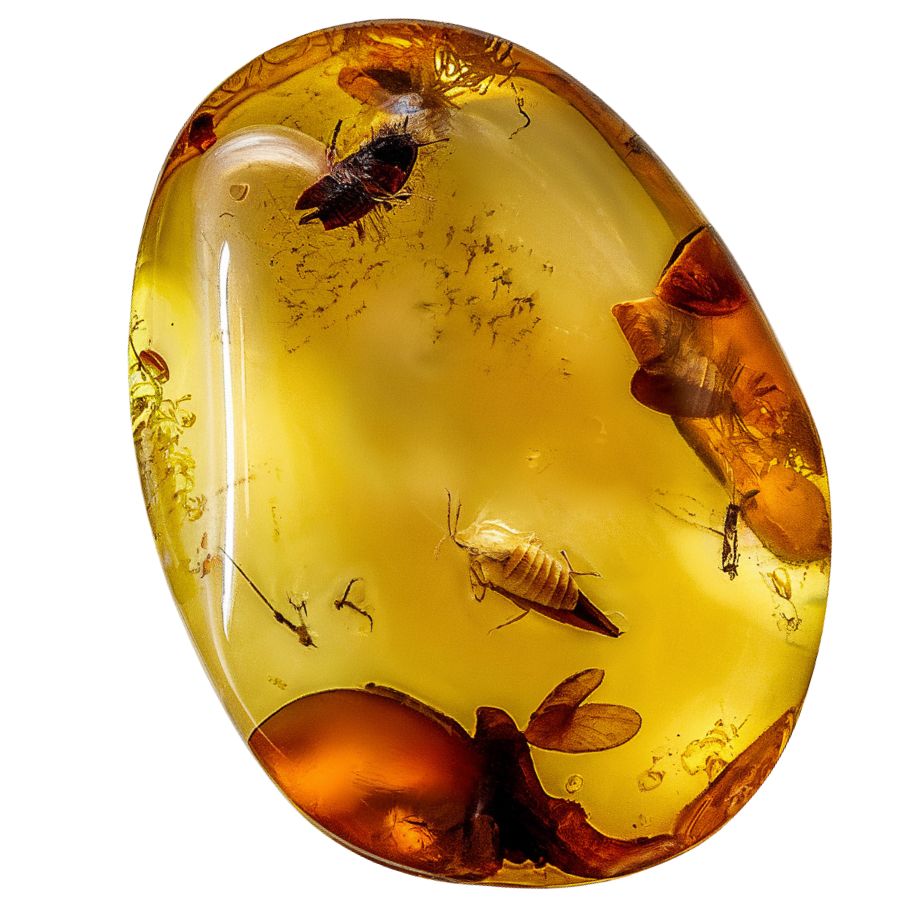
Amber is fossilized tree resin, millions of years old and warm to the touch. Pieces with insects sealed inside multiply in value.
Florida amber turns up in dredged sand and beach wrack, where almost nobody thinks to look for it.
Where to look: dredged sand deposits near Miami and Fort Lauderdale, Gulf Coast beaches, and the Peace River.
The catch: amber looks like dull sea glass or plastic. It feels warm, it floats in salt water, and it glows under UV light.
The Only Difference Is Knowing What You Are Looking At
The coral, the teeth, the crystals, and the amber are already out there. The people who come home with treasure are not luckier than you. They simply recognize value in the sand.
That is the entire reason we built the Florida Rocks and Minerals Field Guide.
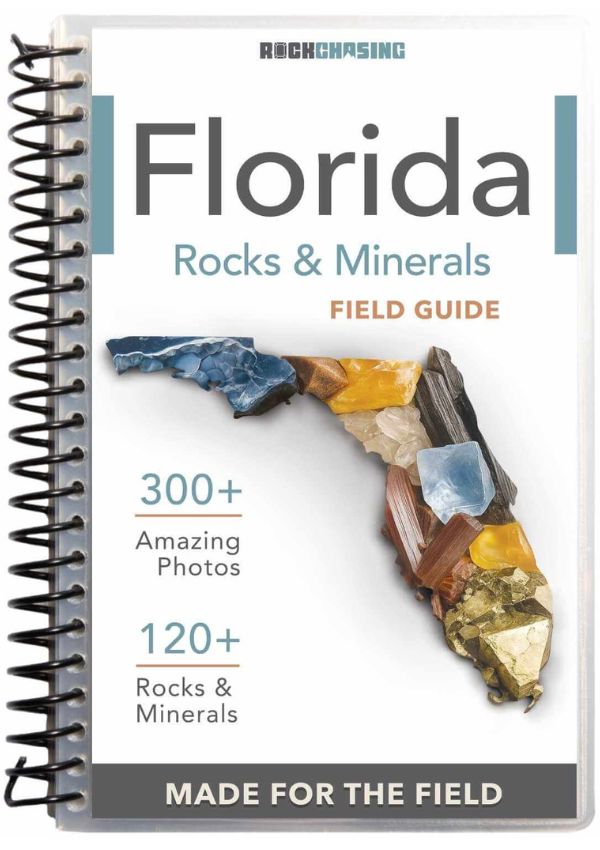
- Identify 120+ Florida rocks, crystals, minerals, and gemstones in seconds. Every specimen gets a clear photo, its ID traits, and where in Florida to find it.
- 300+ full color photos let beginners and kids match what is in their hand to what is on the page.
- Laminated waterproof pages and steel spiral binding survive beaches, rivers, and shell pits.
- Light enough for a beach bag. Zero fluff and no 200 page textbook.
★★★★★ “The information included on the different minerals is also fairly comprehensive when it comes to identification in the field… very helpful with accurate color photos.”
PLM – Verified buyer
★★★★★ “The photos are clear, the layout is easy to follow, and it’s simple enough for kids while still being informative for adults.”
Michelle – Verified buyer
Get the Field Guide
★★★★★ Rated 4.75 out of 5 by verified customers on our store and Amazon.
- ✅ $29.95. Less than a tank of gas to your first collecting site.
- ✅ Free US shipping.
- ✅ 30 day money back guarantee. Take it to the beach and get it sandy. If it does not change how you see every shoreline and river in Florida, send it back for a full refund.
- ✅ In stock and ships fast.
One quality megalodon tooth or one gem grade piece of agatized coral pays for this guide many times over. Walking past them costs you every single trip.
Common Questions
Is it kid friendly? Yes. Kids and first timers can match rocks to photos in seconds, and many buyers grab it as a gift.
Will it survive a real trip? Every page is laminated and waterproof with a wipe clean coating and steel spiral binding. Salt spray and river mud wipe right off.
Does it cover my area? It covers 120+ rocks, minerals, and gems across the beaches, the rivers, and the shell pits, with locations for each.
A note on collecting: Florida requires an inexpensive state permit for vertebrate fossils, and private pits need permission. The guide helps you know what you found, and finding it legally is part of the fun.
Will You Recognize It When You See It?
Florida hides more treasure than states with mountains. This weekend, thousands of people will walk right over shark teeth, agatized coral, and amber without a second look.
You now know what is out there. The only question is whether you will spot it when you are standing on it.
★★★★★ Rated 4.75 out of 5 by verified customers. Ships free in the US.