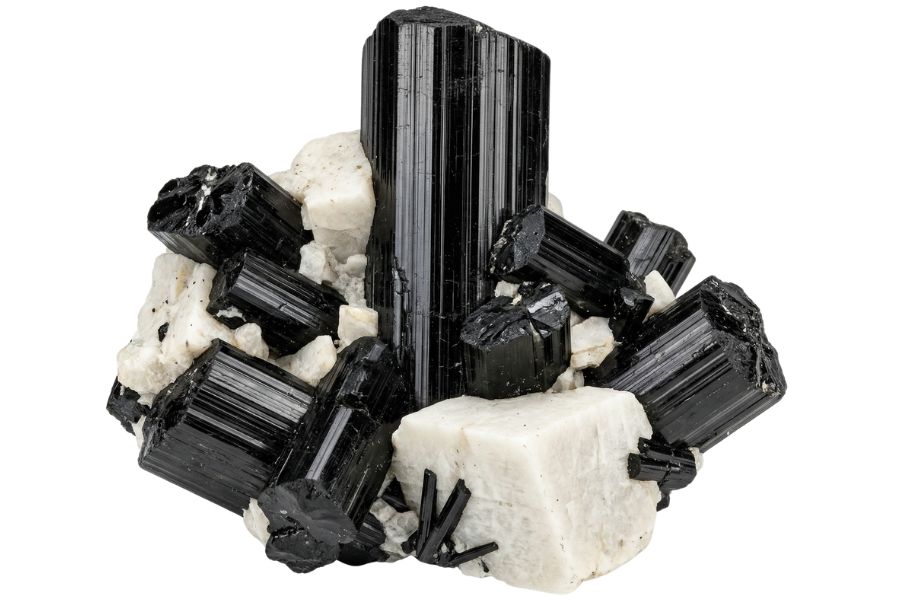
Herkimer diamonds, deep red garnet, and fossils older than the dinosaurs are still out there in New York. This is what to look for.
Every weekend, thousands of people hike the Adirondacks, walk the creek beds, and poke through old quarry country across New York. Most of them walk right past stones worth real money.
New York is one of the most storied rockhounding states in America. There are world famous quartz crystals upstate, garnet in the mountains, and entire fossil beds from before the dinosaurs.
The problem is that valuable rocks almost never look valuable in the dirt. These are the 7 most valuable finds hiding in plain sight across the state, and how to recognize them before someone else does.
1. Herkimer Diamonds Are New York Famous
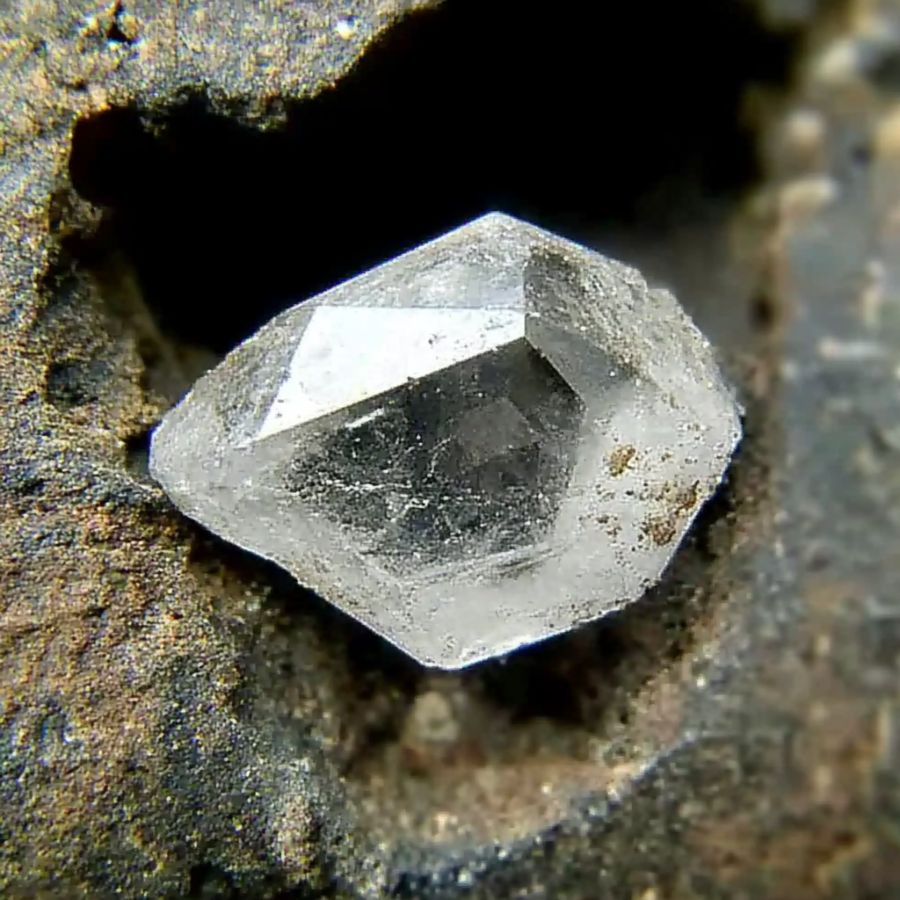
Herkimer diamonds are not true diamonds. They are quartz crystals so clear and so perfectly formed that the nickname stuck, and they formed here over 500 million years ago.
Collectors around the world buy them, and big water clear crystals sell for serious money. Several mines let you dig your own for a small fee and keep everything you find.
Where to look: the Herkimer Diamond Mines, the Ace of Diamonds Mine, and the Crystal Grove Diamond Mine.
The catch: the crystals hide in pockets inside a rock called dolostone. Knowing which rock to crack is the entire game, and the right reference shows you.
The New York Rocks and Minerals Field Guide shows you the exact checks to confirm your finds on the spot.
That is the famous one. The next find is the official state gem, and it hides in the mountains.
2. Garnet Is the State Gem for a Reason
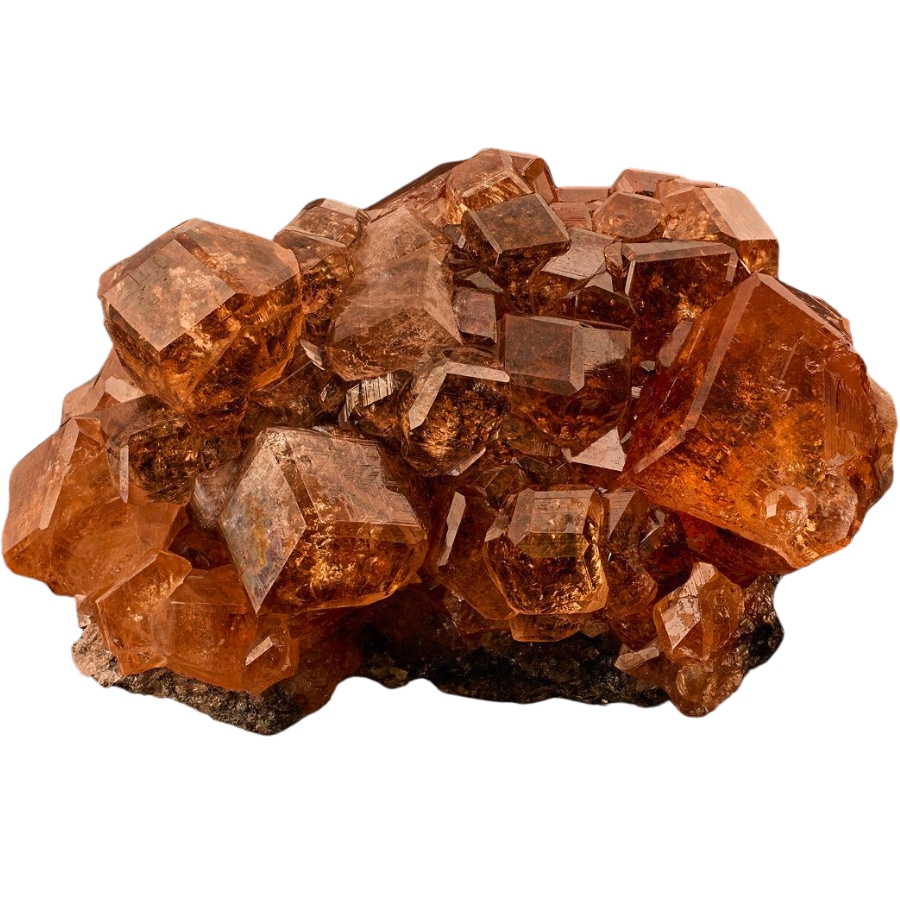
New York made garnet its official state gemstone, and the Adirondacks earn it. The Gore Mountain area holds some of the most famous garnet deposits in the world.
Deep red almandine crystals get cut into gems and prized by collectors. Erosion keeps washing fresh ones into the creeks below.
Where to look: the Barton Garnet Mine area, the Hooper Garnet Mine, and Gore Mountain.
The catch: a dark garnet in the dirt looks like a plain brown rock. Turn it in the light and a crystal face flashes back at you.
From red crystals to green ones. The next family of gems includes emerald itself.
3. The Emerald Family Grows in New York Rock
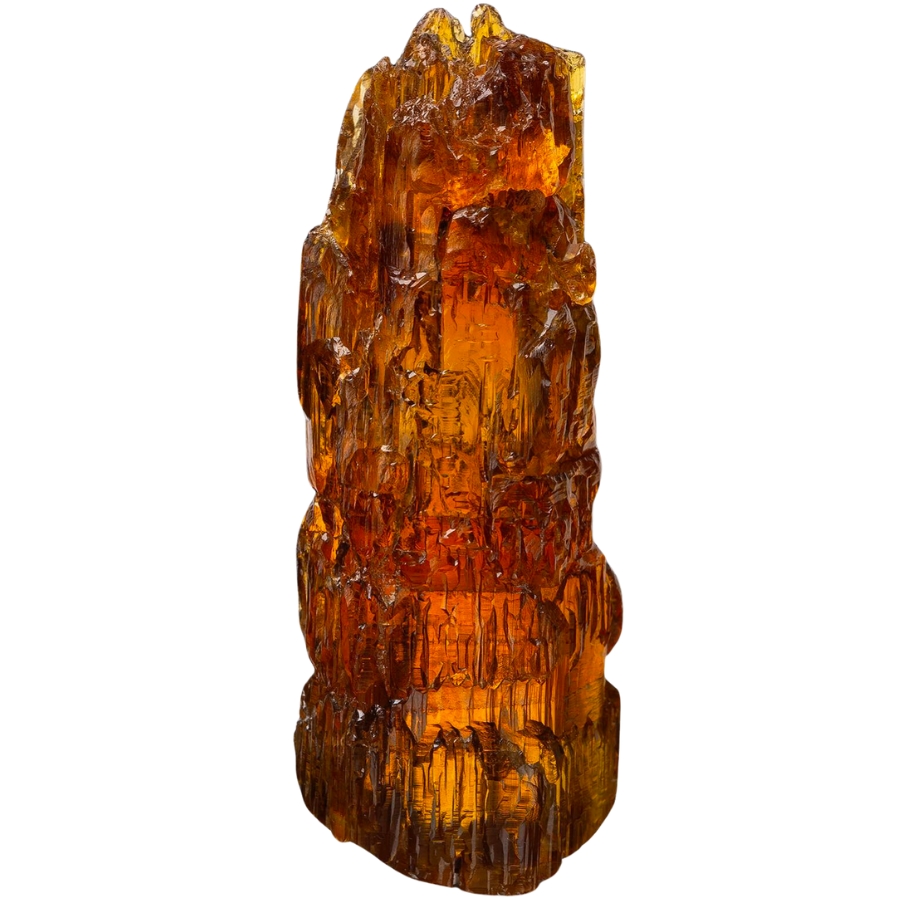
Beryl is the mineral family behind emerald, aquamarine, and golden heliodor. New York pegmatites grow it in six sided crystals.
Large crack free crystals are the prize, and gem grade pieces fetch strong prices. Even common green beryl is a find most collectors never make.
Where to look: Cranberry Creek, the Bedford district in Westchester County, and the Hobby Quarry.
The catch: pale beryl looks like ordinary quartz. The six sided cross section is the giveaway, and it takes one look to check.
Now it gets wild. The next find was alive 400 million years ago.
4. Fossils Here Are Older Than the Dinosaurs
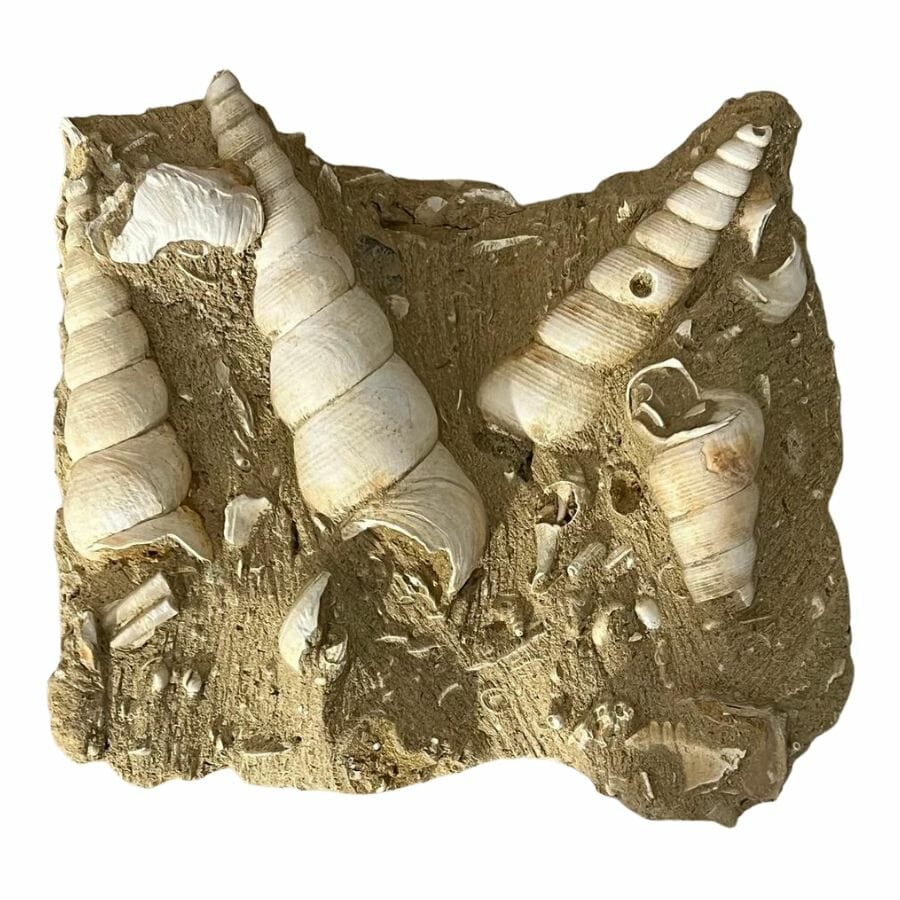
Long before dinosaurs existed, New York sat under a warm shallow sea. Its rocks are packed with creatures from that world, including trilobites that collectors pay real money for.
One public park near Buffalo lets you dig Devonian fossils and keep what you find. Upstate creeks cut through the same ancient beds.
Where to look: Penn Dixie Fossil Park near Buffalo, the Gilboa area in Schoharie County, and central New York creek beds.
The catch: a fossil in dry shale looks like a faint smudge. Wet the rock and the ancient shell leaps out at you.
Rated 4.8 out of 5 by verified customers.
30 day money back guarantee.
★★★★★ “The books are a great guide to help you know what rock you are looking at. And a plus the pages are waterproof, it doesn’t get better than that.”
John – Verified buyer
Fossils take a sharp eye. The next three finds only need a good eye and a free Saturday.
5. Fluorite Cubes Glow Purple and Green
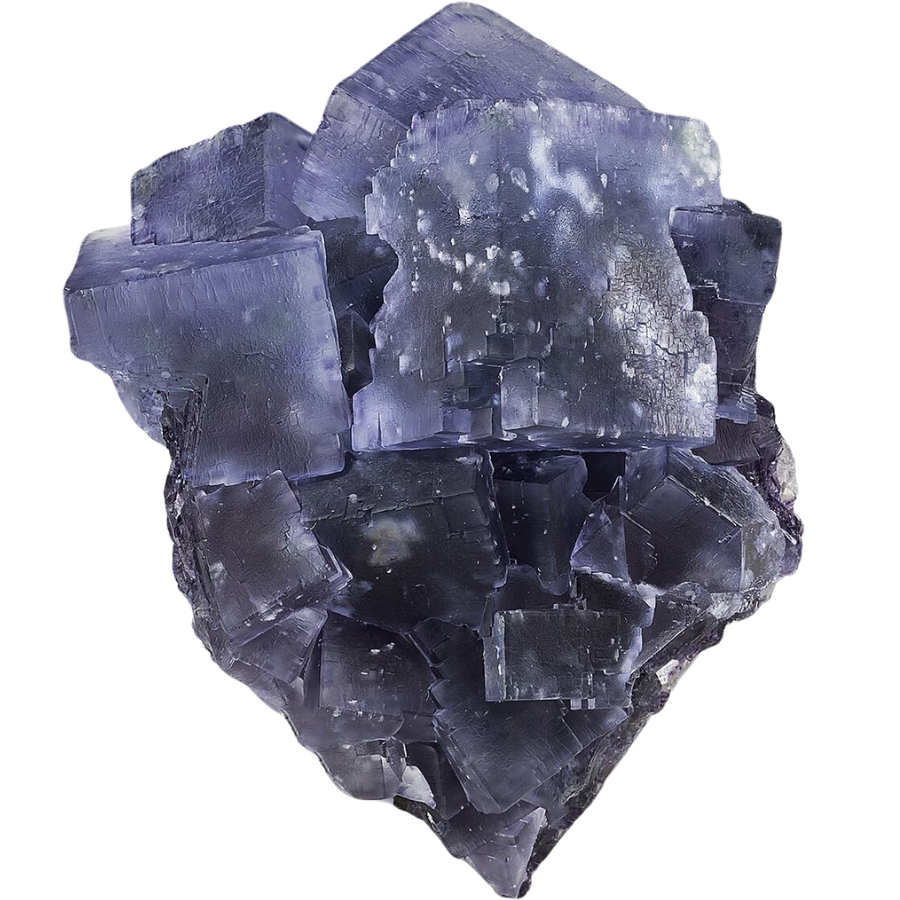
Fluorite grows in glassy cubes of purple and green, and New York quarries produce beautiful ones. Under UV light many pieces glow, which is where the word fluorescent comes from.
Sharp clean cubes are collector favorites and sell well. Kids never forget the first time one glows.
Where to look: Lake Erie shoreline quarries, the Walworth Quarry near Rochester, and the Star Lake area in St. Lawrence County.
The catch: fluorite passes for colored quartz at a glance. It is much softer, and the hardness check settles it in seconds.
From glowing cubes to banded stones you can find this weekend.
6. Agate Rolls Down the Creeks
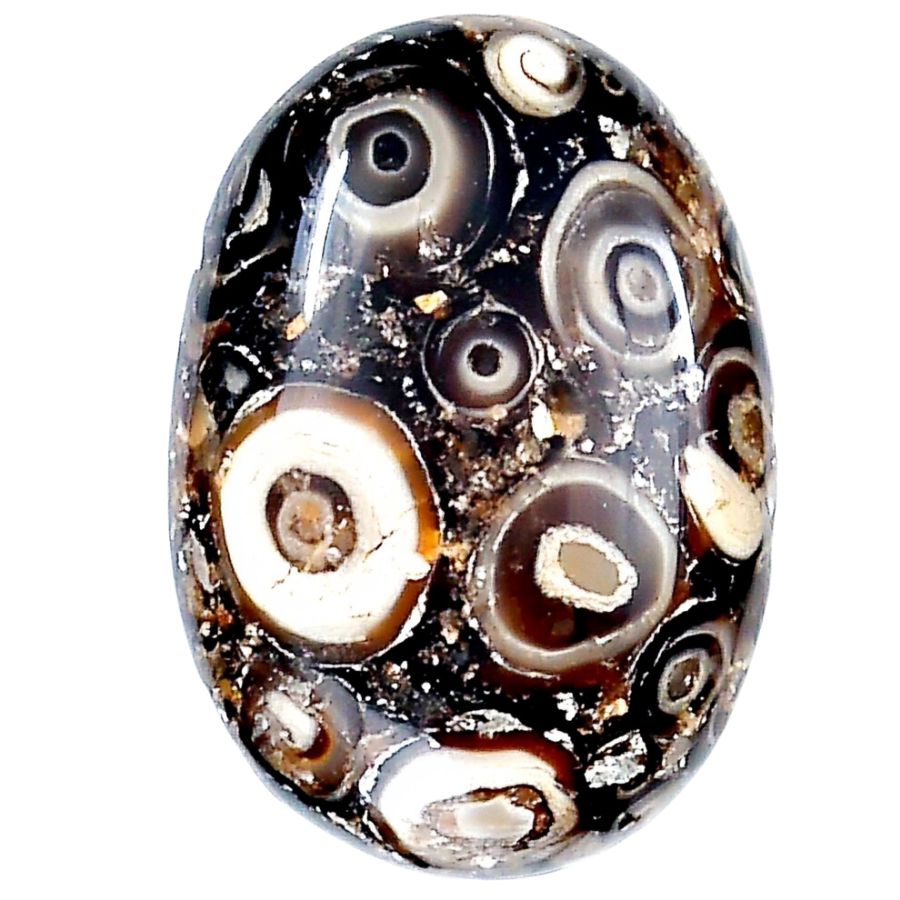
Banded and moss agates tumble down New York creeks and rivers, free for the picking in many spots. Polished, they turn into stones no two of which match.
Premium banded pieces fetch premium prices from collectors. This is the easiest entry point into New York rockhounding.
Where to look: the Genesee River, Eighteen Mile Creek in Erie County, and the Natural Bridge area of the Adirondacks.
★★★★★ “Easy to read and great illustrations of rocks and minerals.”
Jerry – Verified buyer
Creek water and mud are no problem. The guide has laminated waterproof pages built for exactly this.
One more find glows softly in the mountains.
7. Moonstone Shimmers in the Adirondacks
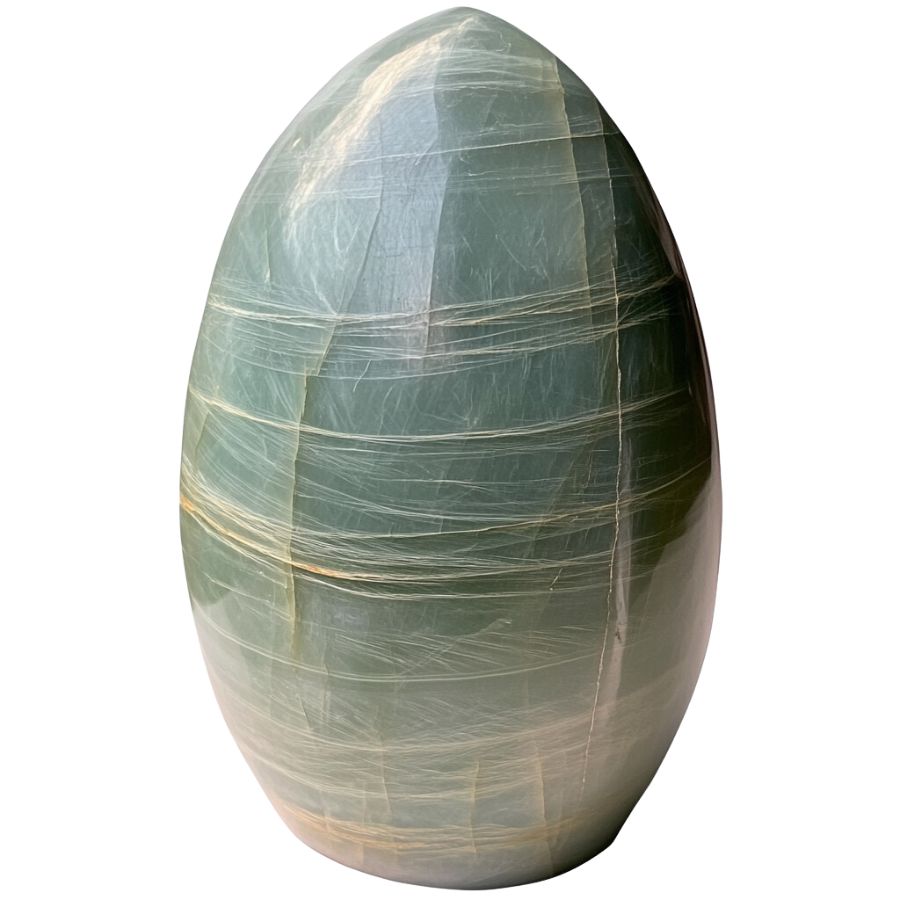
Moonstone carries a soft glow that moves across the stone as you turn it. New York pieces turn up in the Adirondack country where few people ever look.
Its rarity in the state is exactly what makes a good find valuable to collectors.
Where to look: the Saranac Lake area, the Newcomb area, and the Rockdale Road Quarry near Colton.
The catch: dry moonstone looks like a dull white pebble. The glow only shows at the right angle, and the right reference settles the call in seconds.
The Only Difference Is Knowing What You Are Looking At
The Herkimers, the garnet, the trilobites, and the fluorite are already out there. The people who come home with treasure are not luckier than you. They simply recognize value in the dirt.
That is the entire reason we built the New York Rocks and Minerals Field Guide.
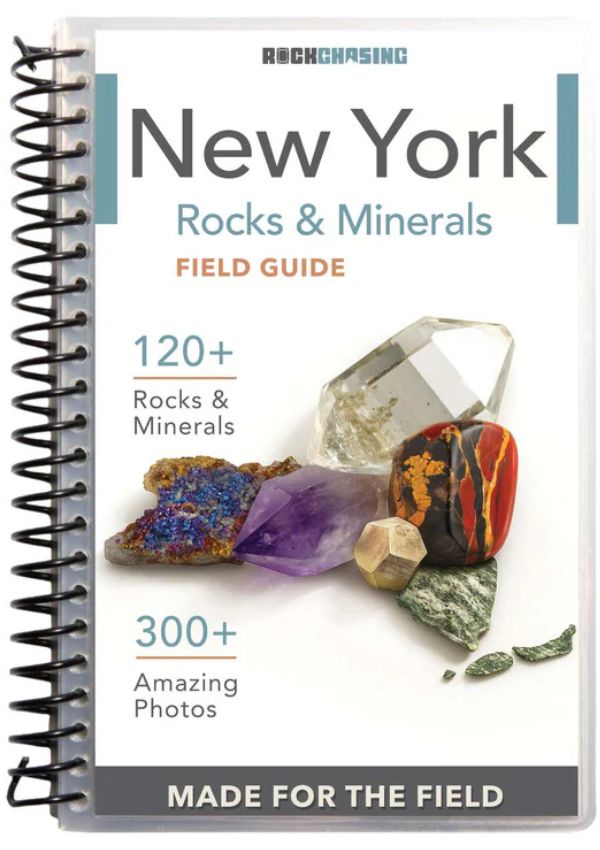
- Identify 120+ New York rocks, crystals, minerals, and gemstones in seconds. Every specimen gets a clear photo, its ID traits, and where in New York to find it.
- 300+ full color photos let beginners and kids match what is in their hand to what is on the page.
- Laminated waterproof pages and steel spiral binding survive creeks, quarries, and mountain trails.
- Light enough for a day pack. Zero fluff and no 200 page textbook.
★★★★★ “Very intense, packed with all the basics needed to help identify various rocks and minerals. Very robust construction.”
Gary – Verified buyer
★★★★★ “This was a gift for my husband as he and our son love to rock hunt. He loves the book! Thank you!”
Verified buyer
Get the Field Guide
★★★★★ Rated 4.8 out of 5 by verified customers. 95% rate it 4 or 5 stars.
- ✅ $29.95. Less than a tank of gas to your first collecting site.
- ✅ Free US shipping.
- ✅ 30 day money back guarantee. Take it into the field and get it muddy. If it does not change how you see every creek and trail in New York, send it back for a full refund.
- ✅ In stock and ships fast.
One clean Herkimer crystal or one quality trilobite pays for this guide many times over. Walking past them costs you every single trip.
Common Questions
Is it kid friendly? Yes. Kids and first timers can match rocks to photos in seconds, and many buyers grab it as a gift.
Will it survive a real trip? Every page is laminated and waterproof with a wipe clean coating and steel spiral binding. Reviewers call out the durability first.
Does it cover my area? It covers 120+ rocks, minerals, and gems from the Adirondacks to Long Island, with locations for each.
A note on collecting: fee digging mines let you keep your finds, but state lands have rules and private property needs permission. The guide helps you know what you found, and finding it legally is part of the fun.
Will You Recognize It When You See It?
New York holds some of the most famous mineral localities in America. This weekend, thousands of people will walk right over Herkimer crystals, garnets, and 400 million year old fossils without a second look.
You now know what is out there. The only question is whether you will spot it when you are standing on it.
★★★★★ Rated 4.8 out of 5 by verified customers. Ships free in the US.