World famous fluorite, crystal filled geodes, and fossils found nowhere else on Earth are still out there in Illinois. This is what to look for.
Every weekend, thousands of people walk the river bluffs, wade the creeks, and poke through old quarry country across Illinois. Most of them walk right past finds worth real money.
Illinois hides more treasure than almost anyone realizes. The state produced the finest fluorite in the world, its geode beds are legendary, and one of its fossils exists nowhere else on the planet.
The problem is that valuable rocks almost never look valuable in the dirt. These are the 7 most valuable finds hiding in plain sight across the state, and how to recognize them before someone else does.
1. Illinois Fluorite Is Famous Around the World
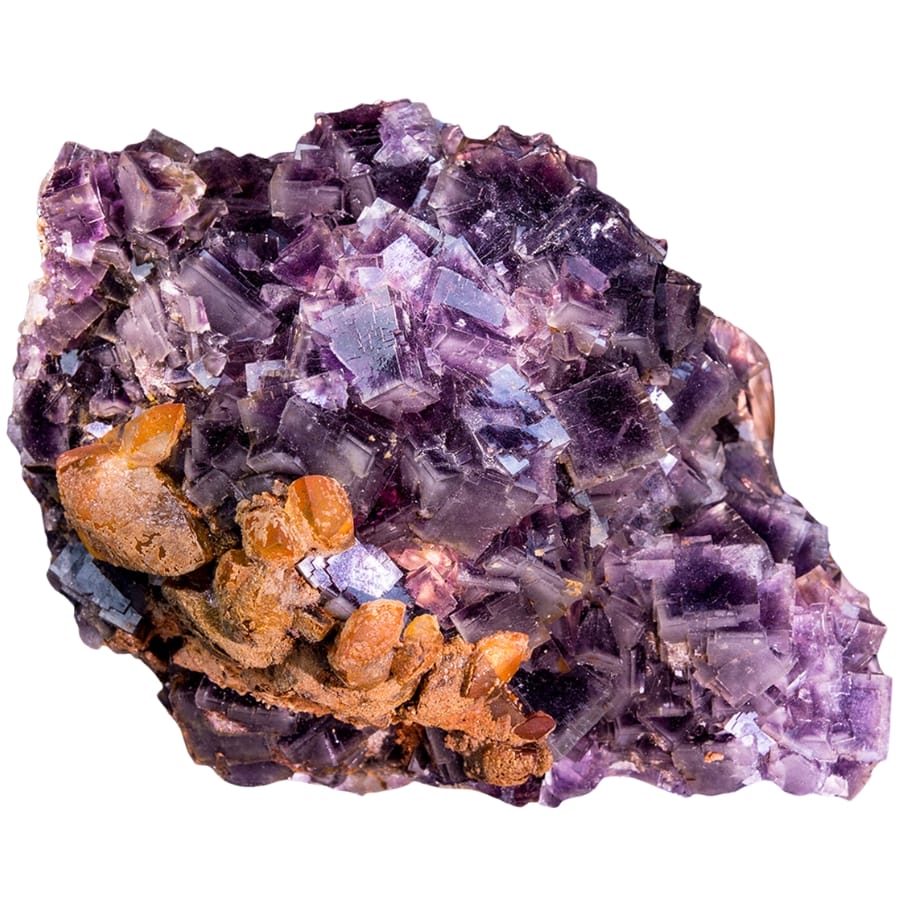
Fluorite is the official state mineral, and Illinois earned it. The southern fluorspar district once led the nation in production, and its purple and blue cubes sit in museums worldwide.
Collectors pay strong prices for classic Illinois fluorite, and old district specimens keep climbing in value. Pieces still turn up in spoil piles and creek gravel today.
Where to look: Hardin County and the old fluorspar district, the Cave-in-Rock area, and Hicks Dome.
The catch: a glassy purple cube passes for colored quartz at a glance. Fluorite is much softer, and the hardness check settles it in seconds.
The Illinois Rocks and Minerals Field Guide shows you the exact checks to confirm your finds on the spot.
That is the world famous one. The next find is so Illinois they named a town after it.
2. Galena Is So Illinois They Named a Town After It
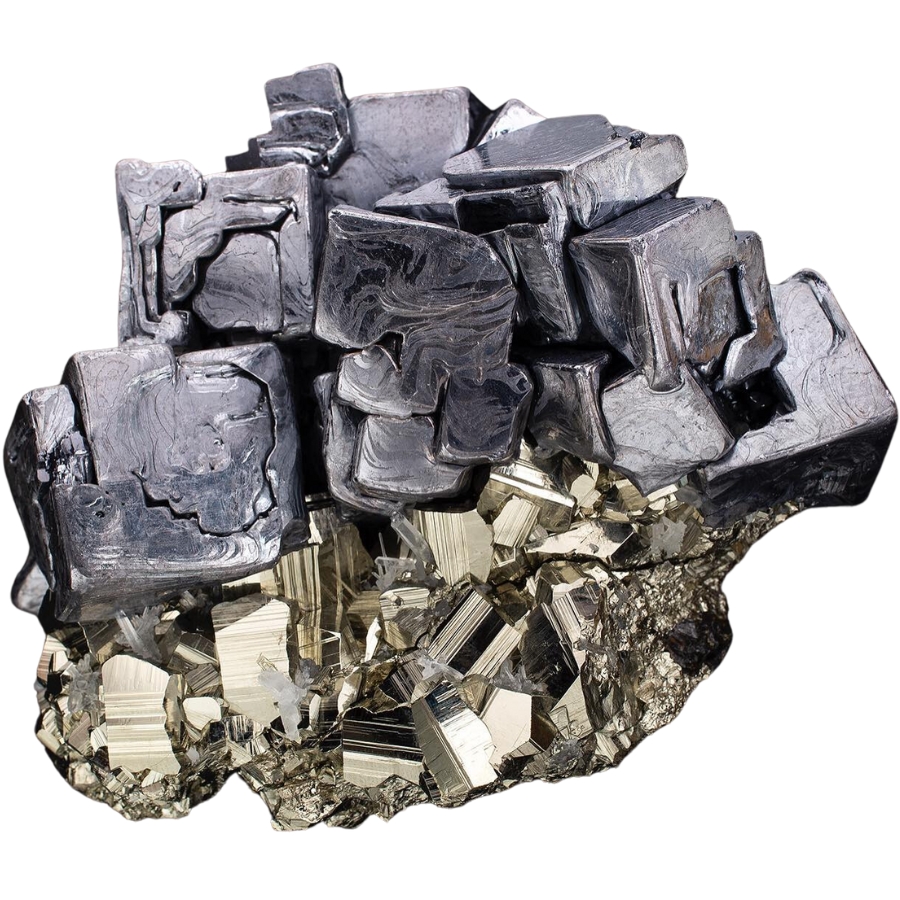
Galena is a silvery metal ore that built the town of Galena in the northwest corner of the state. It grows in bright metallic cubes that collectors love.
Clean cube clusters sell as display pieces, and some galena carries silver. Finding a sharp cube feels like finding machined metal in the wild.
Where to look: the Galena area and Jo Daviess County, Apple River Canyon country, and the southern fluorspar district.
The catch: the weight gives it away. Galena feels absurdly heavy for its size, heavier than almost any rock you have ever picked up.
From metal cubes to purple crystals. The next find hides inside plain gray stone balls.
3. Amethyst Hides Inside Illinois Geodes
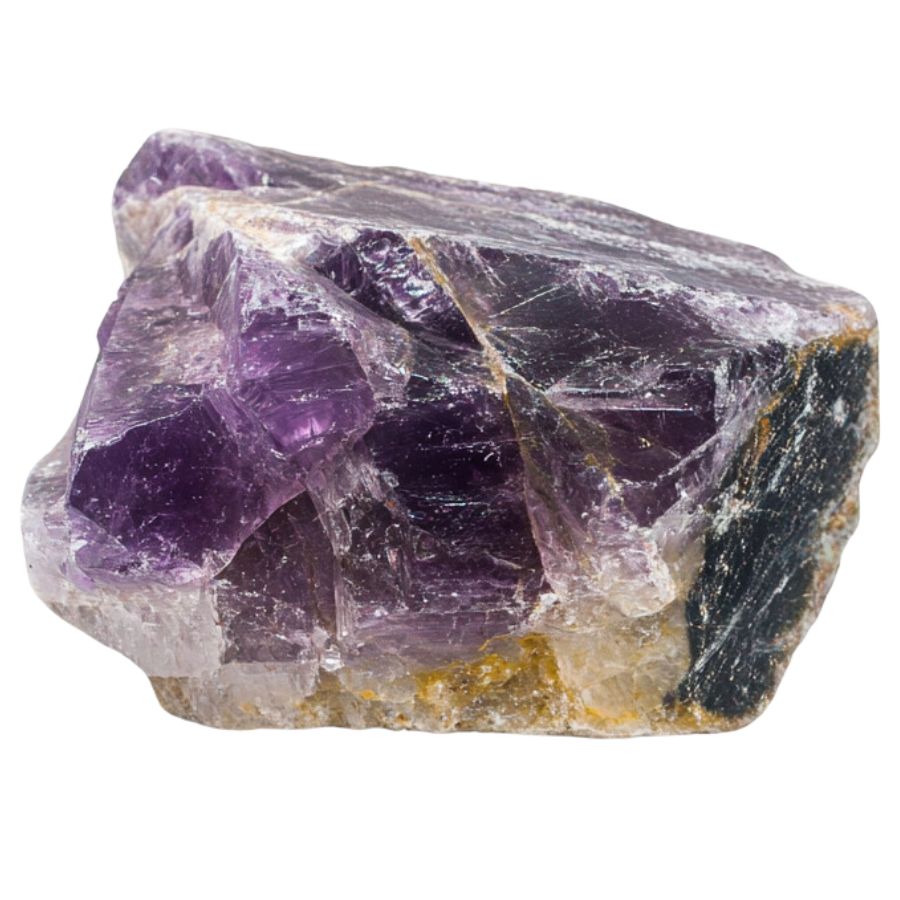
Amethyst is the purple star of the quartz family, and in Illinois it grows inside geodes. Crack the right stone ball and purple crystal points look back at you.
Deep purple pockets get cut into gems and sold as display pieces. Even a small one is a find you will never forget.
Where to look: the Mississippi River valley, the Keokuk geode beds, and Hamilton County.
The catch: from the outside there is no hint of purple. The geode shape is the tell, and you will learn it by the end of this page.
Now it gets wild. The next find exists nowhere else on Earth.
4. Mazon Creek Fossils Exist Nowhere Else on Earth
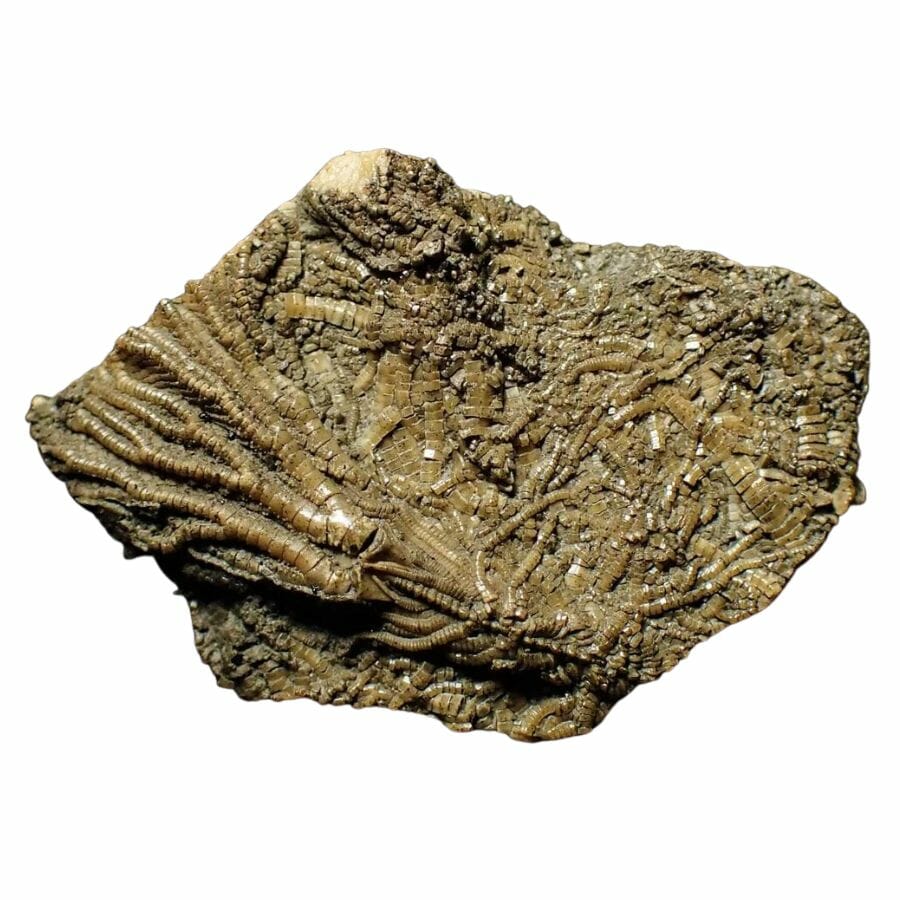
The Mazon Creek beds south of Chicago preserve a 300 million year old world in stunning detail. Ferns, jellyfish, and creatures with no modern relatives split out of rust brown nodules.
The strangest of them, the Tully Monster, is the official state fossil and has never been found anywhere else on the planet. Museums and collectors prize quality Mazon Creek nodules.
Where to look: the Mazonia Braidwood area, the Mazon Creek beds, and spoil piles from the old coal mines.
The catch: fossil nodules look like plain rust brown lumps. The rounded flattened shape is the tell, and they split along the seam to reveal the fossil.
Rated 4.95 out of 5 by verified customers.
30 day money back guarantee.
★★★★★ “Each of them has a picture, description including physical characteristics, and even where in the state you can look for it. It is nice and handy.”
Ann – Verified buyer
Fossil nodules take patience. The next three finds only need a good eye and a free Saturday.
5. Ice Age Glaciers Dropped Real Diamonds Here
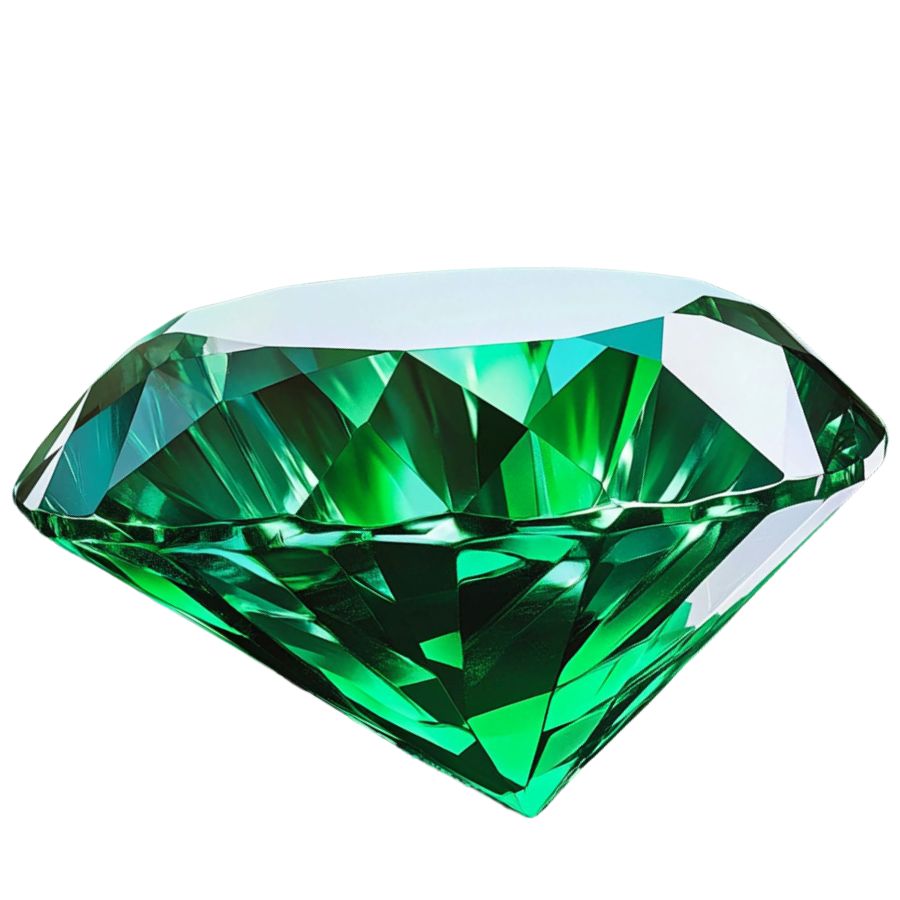
Glaciers ground south across Illinois in the Ice Age and carried diamonds with them. Small rough stones have turned up in glacial gravel, almost always found by accident.
Nobody gets rich on Illinois diamonds. But knowing they exist changes how you look at every gravel bar, and a confirmed find is priceless bragging rights.
Where to look: the Fayville area, Mount Vernon, and the Macomb area.
The catch: a rough diamond looks like a greasy glass pebble. It scratches everything it touches, and nothing you find will scratch it.
Diamonds are the long shot. The next find is waiting for you this Saturday.
6. Agate Waits in the Gravel Bars
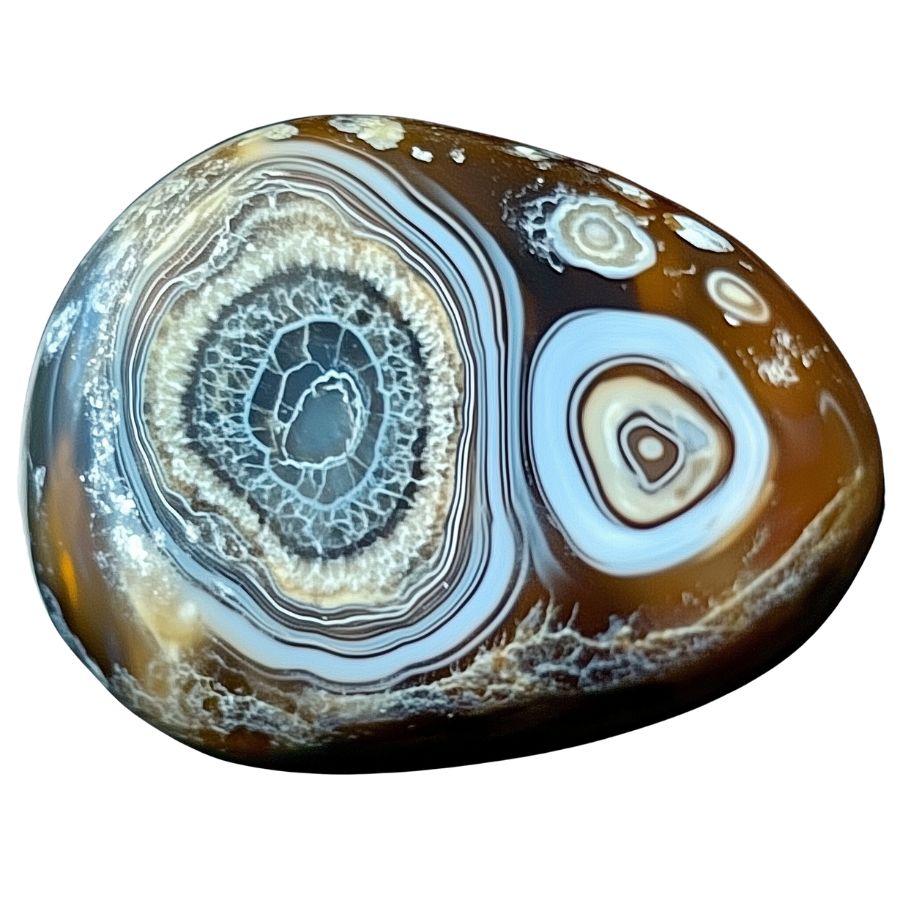
Glaciers also dragged Lake Superior agates down into Illinois, and rivers keep turning them over. Banded and moss agates wait in gravel bars across the state.
They are free to collect in many spots and beautiful when polished. Premium banded pieces fetch premium prices from collectors.
Where to look: the Warsaw and Hamilton area, Bishop Hill, and Mississippi riverbanks.
★★★★★ “We are collecting all of these as they come out… The laminated pages make this easy for us to take out on our hikes without worrying about damaging it.”
Justin – Verified buyer
River gravel and mud are no problem. The guide has laminated waterproof pages built for exactly this.
And the best entry level treasure in Illinois still waits at the end.
7. Crack Open a Plain Gray Ball and Find a Crystal Room
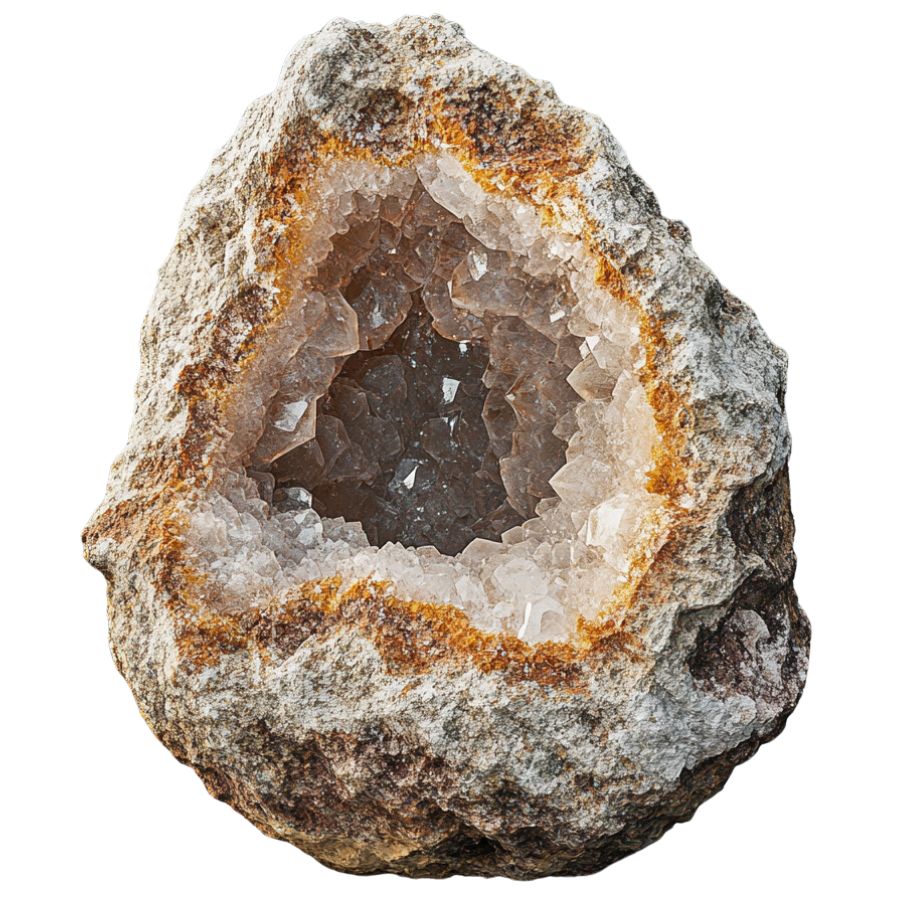
The Keokuk geode beds around Warsaw and Hamilton produce some of the finest geodes in the world. Outside they look like lumpy gray cantaloupes. Inside they hold rooms of quartz and calcite crystal.
Quality geodes sell fast at rock shows, and cracking one open never stops feeling like opening a present.
Where to look: the Keokuk geode beds around Warsaw and Hamilton, the Mississippi River bluffs, and creek cuts in western Illinois.
The catch: a geode feels light for its size because it is hollow. That weight check is how hunters sort treasure from plain rock.
The Only Difference Is Knowing What You Are Looking At
The fluorite, the galena, the geodes, and the fossils are already out there. The people who come home with treasure are not luckier than you. They simply recognize value in the dirt.
That is the entire reason we built the Illinois Rocks and Minerals Field Guide.
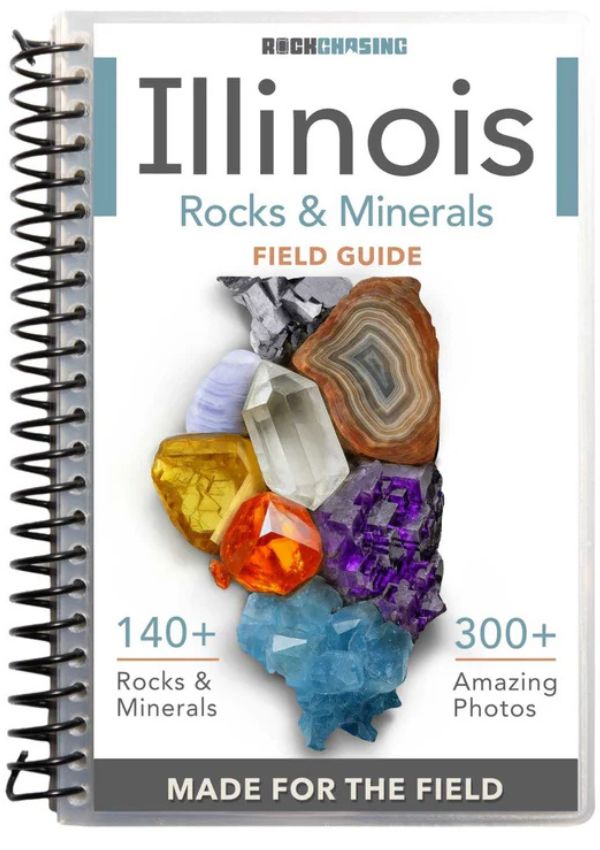
- Identify 140 Illinois rocks, minerals, crystals, and fossils in seconds. Every specimen gets a clear photo, its ID traits, and where in Illinois to find it.
- Hundreds of full color photos let beginners and kids match what is in their hand to what is on the page.
- Laminated waterproof pages and steel spiral binding survive creeks, quarries, and river bluffs.
- Light enough for a day pack. Zero fluff and no 200 page textbook.
★★★★★ “I was a rockhound from a very early age… I only wish I’d had it when I was out hounding. It’s a wonderful idea and such a useful tool and so portable!”
Alice – Verified buyer
★★★★★ “Awesome book. High quality and all pages water/dirt resistant.”
Angela – Verified buyer
Get the Field Guide
★★★★★ Rated 4.95 out of 5 by verified customers. Every review rates it 4 or 5 stars.
- ✅ $29.95. Less than a tank of gas to your first collecting site.
- ✅ Free US shipping.
- ✅ 30 day money back guarantee. Take it into the field and get it muddy. If it does not change how you see every creek and gravel bar in Illinois, send it back for a full refund.
- ✅ In stock and ships fast.
One museum grade fluorite cube or one crystal filled geode pays for this guide many times over. Walking past them costs you every single trip.
Common Questions
Is it kid friendly? Yes. Kids and first timers can match rocks to photos in seconds, and many buyers grab it as a gift.
Will it survive a real trip? Every page is laminated and waterproof with a wipe clean coating and steel spiral binding. Reviewers call out the durability first.
Does it cover my area? It covers 140 rocks, minerals, and fossils from the northern quarries to the southern fluorspar district, with locations for each.
A note on collecting: state parks protect their rocks, and private land needs permission. The guide helps you know what you found, and finding it legally is part of the fun.
Will You Recognize It When You See It?
Illinois produced the finest fluorite on Earth and hides world class geodes in its riverbanks. This weekend, thousands of people will walk right over them without a second look.
You now know what is out there. The only question is whether you will spot it when you are standing on it.
★★★★★ Rated 4.95 out of 5 by verified customers. Ships free in the US.