It may not be the first state that comes to mind when considering crystal hunting, but you can certainly find crystals in Texas if you know where to look.
For the seasoned rockhound, the Lone Star State offers a surprising variety of collectible specimens, from common quartz to more unusual finds.
The mineral-rich areas in the state are truly exceptional. You can expect to encounter minerals such as quartz in many forms, including amethyst and agate, as well as other minerals like topaz and garnet.
To successfully add these treasures to your collection, you’ll need to familiarize yourself with the best spots in the state where you can look for crystals.
Before heading out, make sure you have Rock Chasing’s Texas Rocks & Minerals Identification Field Guide in your pack. It helps you quickly identify every crystal you find so you don’t waste time guessing. Or worse, walk right past something extraordinary!
- The extensive local experience and understanding of our team
- Input from multiple local crystal hunters and crystal collecting groups
- The accessibility of the crystal mining locations
- Safety and potential hazards when collecting
- Private and public locations
- A desire to include locations for both experienced crystal hunters and those who are just starting out
Using these weights we think we’ve put together the best list out there for those who love finding new crystals for our collections!
The Types of Texas Crystals You Can Find
Texas is home to a diverse range of crystals, each with unique color, shape, and properties. From the clear quartz crystals found in the Hill Country to the smoky quartz and amethyst of the Big Bend region, there are countless options for crystal hunters to explore. The beauty of these crystals is truly stunning and will captivate anyone who appreciates their natural wonder!
Smithsonite
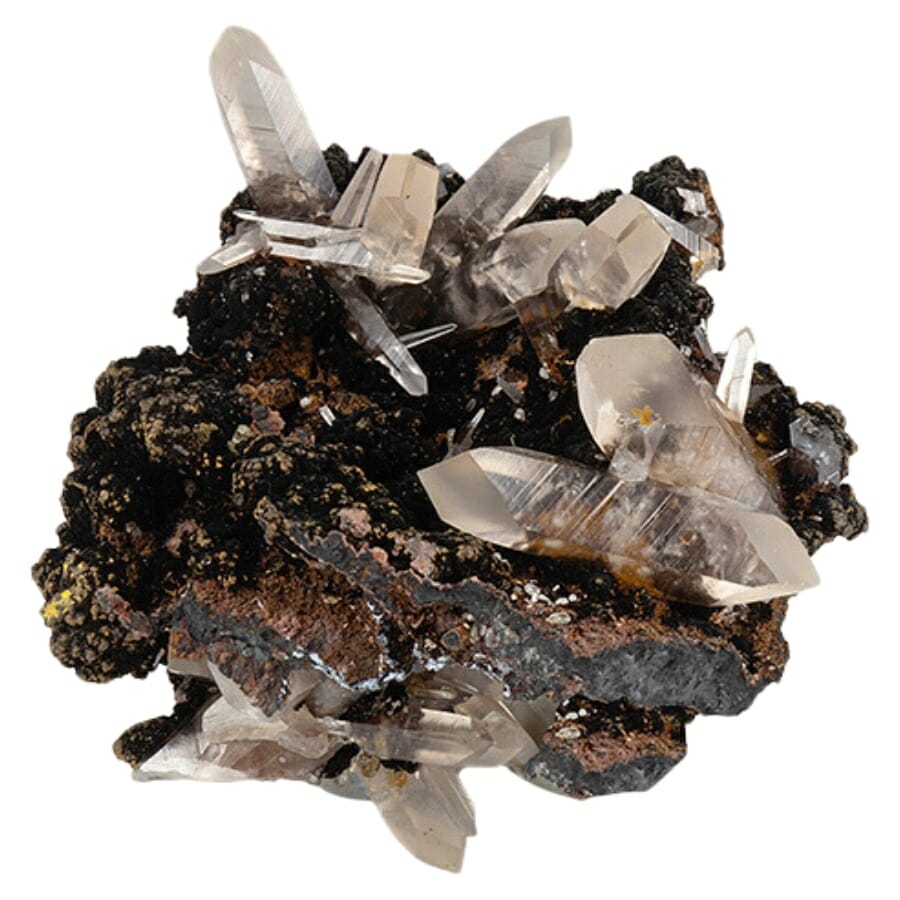
Smithsonite is a beautiful and colorful carbonate mineral that is also a gemstone. Its wide range of colors is what makes it so attractive. It’s a mineral that forms in the oxidation zone of zinc ore deposits.
It is also called zinc spar or zinc carbonate. As water moves through these deposits, it reacts with the zinc minerals and carries the zinc ions. When the water reaches the surface and comes into contact with air, it evaporates.
This causes the zinc ions to form smithsonite, which is a rock. The result is a beautiful gem with shades of blue, green, pink, purple, yellow, and brown.
The value of smithsonite lies in its varied uses and appeal to collectors and jewelry enthusiasts. This gem is highly regarded among mineral collectors for its eye-catching colors and unique crystal formations.
In jewelry, it’s a beloved choice for creating exquisite and distinctive pieces. It’s often cut into cabochons, beads, and pendants, showcasing its vibrant hues and adding a touch of elegance to necklaces, bracelets, and earrings.
Additionally, smithsonite is used to create decorative items, including vases, boxes, and sculptures, where its diverse color palette allows for artistic expression.
Aside from its ornamental uses, it’s also a significant zinc ore. Zinc is essential in various industrial applications, from galvanizing steel to manufacturing batteries and alloys.
Mining smithsonite contributes to the global zinc supply and supports various industries. The mineral’s aesthetic appeal and economic significance make smithsonite a valuable and cherished gemstone.
Where you can find Smithsonite in Texas
You can look at the Chinati Mountains for unique pieces of smithsonite.
If you want REAL results finding incredible rocks and minerals in Texas you need one of these 👇👇👇

Finding the coolest rocks in Texas isn’t luck, it's knowing what to look for. Thousands of your fellow rock hunters are already carrying Rock Chasing field guides. Maybe it's time you joined the community.
Lightweight, mud-proof, and packed with clear photos, it’s become the go-to tool for anyone interested discovering what’s hidden under our red dirt.
Join them, and make your next rockhounding trip actually pay off.
📘 Order the Texas Field Guide Now →
What makes it different:
🚙 Field-tested across Texas rivers, ranchlands, and roadcuts.
📘 Heavy duty laminated pages resist dust, sweat, and water.
🧠 Zero fluff — just clear visuals and straight-to-the-point info.
📍 Find hidden gems like Blue Topaz, Texas agate, and petrified wood fast.
⭐ Rated 4.8★ by real collectors who actually use it in the field.
Fluorite
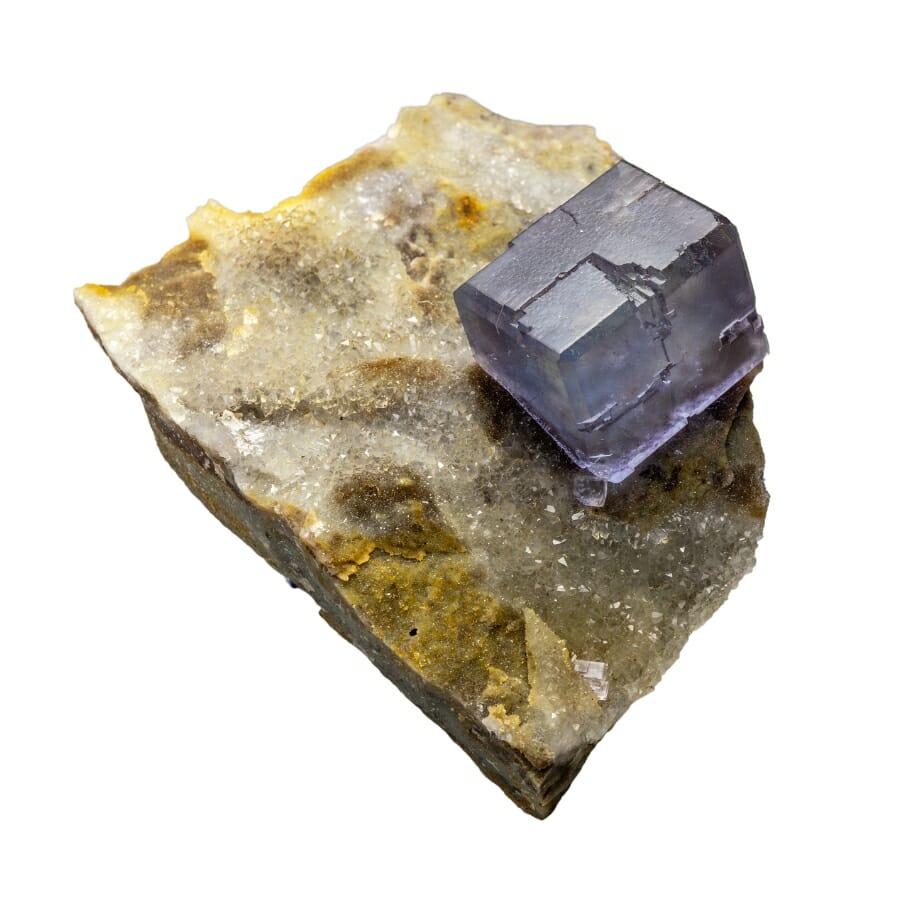
Fluorite is a calcium fluoride gemstone known for its many different colors. It’s often called the “kaleidoscope” of minerals. Its wide range of colors, from beautiful purples and blues to bright greens and yellows, is like a light show made by nature.
This beautiful stone is made in hydrothermal veins, where hot water full of minerals flows through rocks. As the water cools and hardens, it deposits calcium fluoride, which forms the beautiful crystals we love to look at.
One reason it’s so valuable is because of how it looks. It fluoresces when exposed to ultraviolet light, giving it a beautiful glow that adds to its mystery. It’s called “the fluorescent gem” because of this property.
Fluorite is also used in optics and lenses because it can let light through. This makes it useful in several scientific and industrial fields. Collectors also like it because of its complex crystal structures and color zoning, which make each piece a unique treasure.
It’s used in metaphysical healing and spiritual practices, showing its versatility, and believed to protect the person who wears it from negative energies and make them more spiritually aware.
People say its calming energies help people think more clearly and feel more stable. Talismans have used it for centuries in many different cultures.
Its aesthetic appeal and the belief in its metaphysical properties make fluorite a cherished gemstone, leaving a colorful and lasting impression on collectors and spiritual seekers.
Where you can find Fluorite in Texas
You can find unique pieces of fluorite in the following places:
- Baringer Hill area mines
- Chinati Mountain
- Kingsland area mines
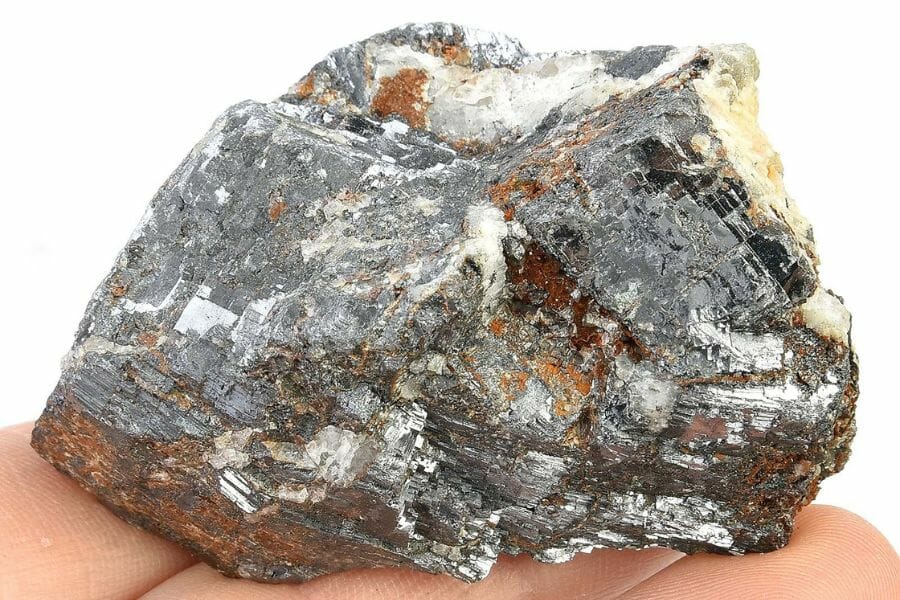
Galena
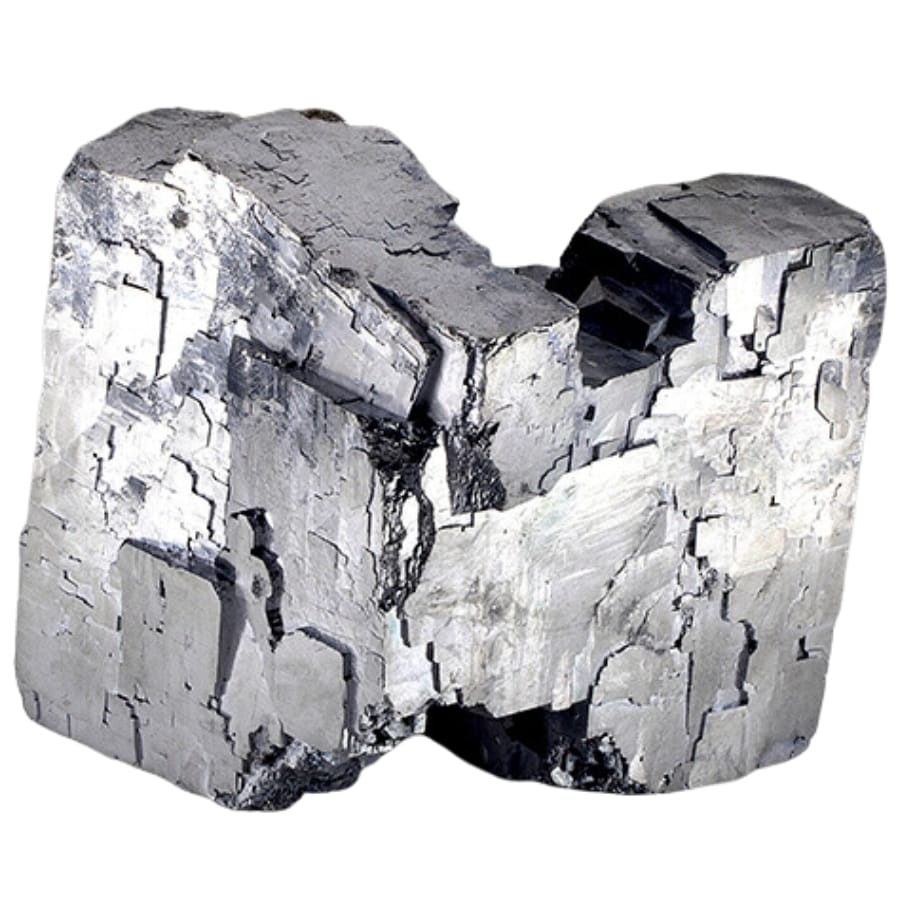
Galena, a lead sulfide mineral with a lot of charm, has been a big deal in the mining world for a long time. It stands out among minerals like a rock star because of its unique silvery-gray color and metallic shine.
It’s usually found with other valuable minerals like silver, zinc, and copper in hydrothermal veins and sedimentary rocks. This crystal is an important ore of lead. It forms when lead-rich hydrothermal fluids cool and deposit the mineral in cracks and fissures, making the famous cube-shaped crystals.
Galena is essential to the economy and is the primary source of lead. This gives it value. Lead is an important metal for many things, like making batteries, soldering, and blocking radiation.
In the past, lead was often used in water pipes and as a part of paints. However, health concerns have made people use lead less in these ways. Lead is still an essential part of many industrial processes and products.
Aside from its use in industry, galena has been used as a decorative stone for a long time. It has been made into jewelry in different cultures and used as an inlay. Mineral collectors and lapidaries also like it because it looks striking and metallic.
Where you can find Galena in Texas
Galena is located in the following areas:
- Altuda area mines
- Sierra Diablo and other mines
- Silver Creek
- Solitario area mines
Muscovite
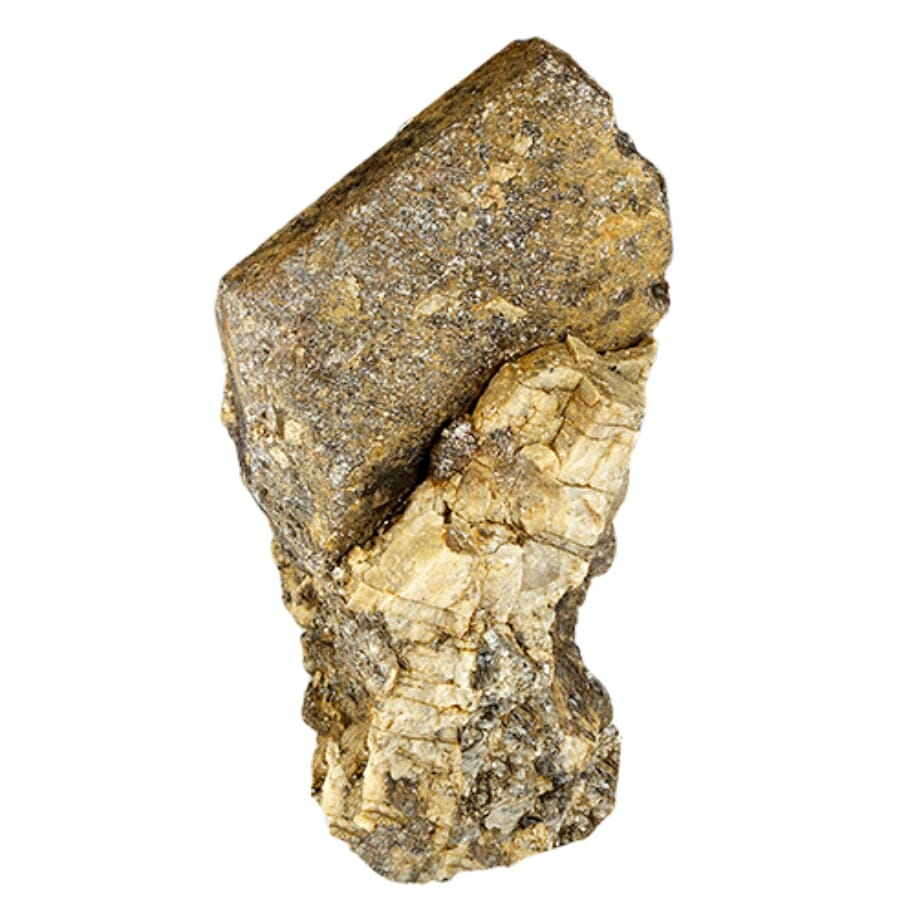
Muscovite is a mineral that sparkles and is a member of the mica family. It’s known for its silvery shine and clearness. The name of this beautiful gem comes from the area of Russia where it was first found, “Muscovy.”
It’s a mineral made up of potassium, aluminum, and silicon. It is a sheet silicate. It forms in metamorphic rocks, usually when minerals like feldspar and granite that were already there are changed by high pressure.
Its unique properties, such as its excellent electrical and thermal insulating abilities, make it an essential component in electrical equipment and insulation products. Its versatility and contributions to technology and daily life make muscovite an invaluable mineral in modern society.
Muscovite is also a staple in the world of cosmetics and personal care products, where it’s used in shimmery makeup and skincare items. Furthermore, it manufactures specialized glass, paints, and coatings.
In addition to its industrial importance, it’s admired for its ornamental and spiritual qualities. Muscovite sheets have been used as windowpanes in ancient times, providing a glimpse into historical architecture.
Crystal enthusiasts appreciate its calming and balancing properties, believing it aids in releasing emotional blockages and promoting positive energy. As a mineral of many facets, muscovite continues to be valued for its practical uses and mystical allure, shining as a true gem in the world of minerals.
Where you can find Muscovite in Texas
Muscovite is abundant at the Plata Verde Mine.
Amazonite
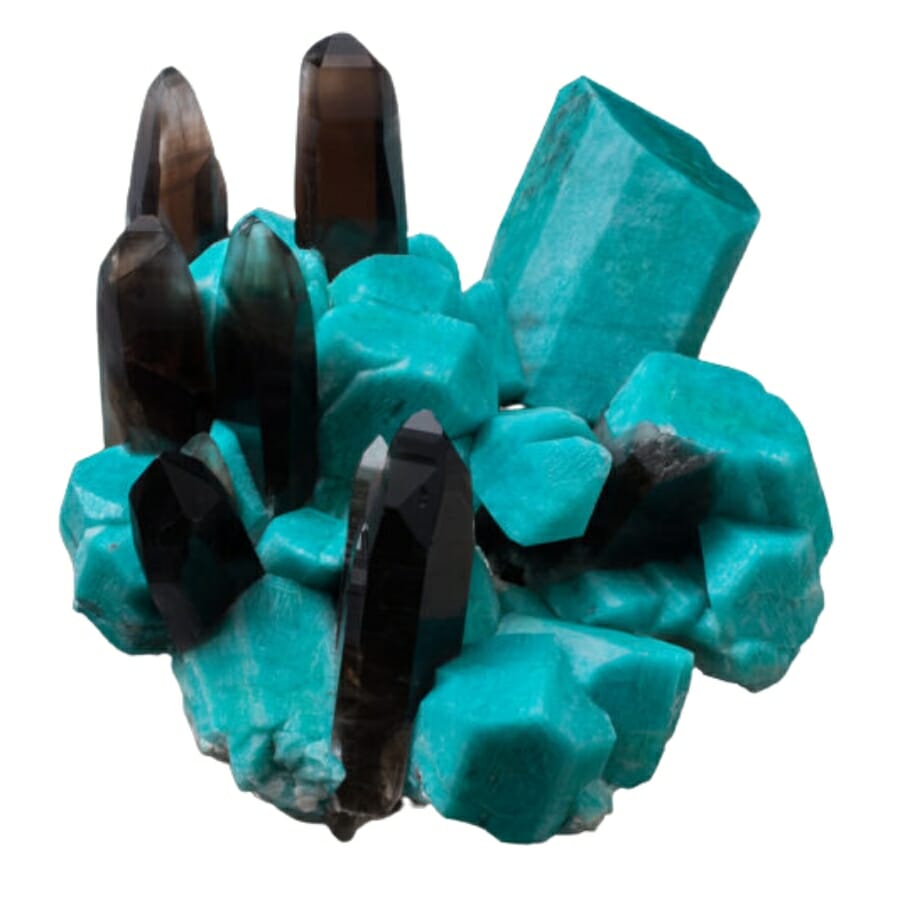
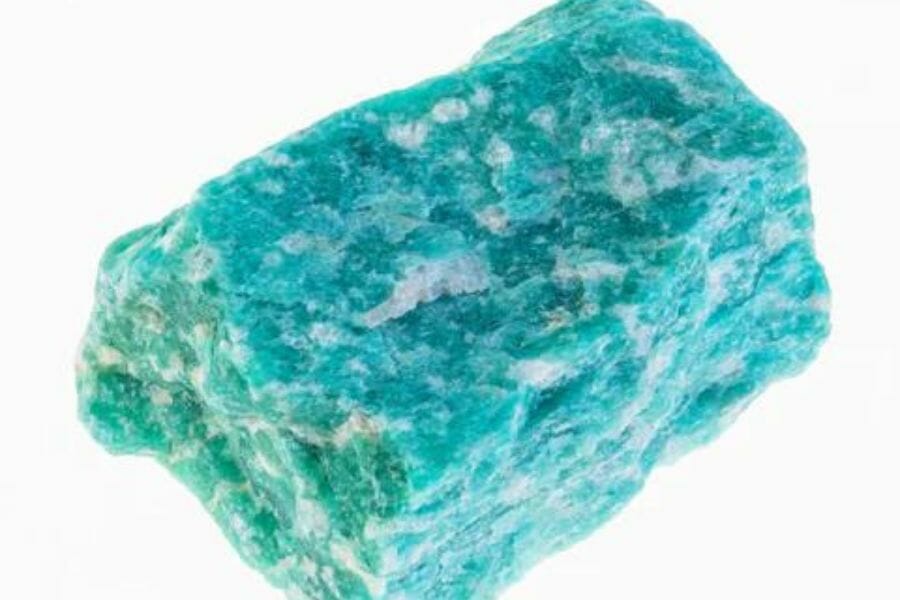
Amazonite is a beautiful crytsal in the Feldspar family, which looks like a cool turquoise-blue breeze. This mineral gets its name from the Amazon River, even though it’s not found there.
It’s a type of microcline feldspar known for its unique blue and green colors and often white streaks or mottled patterns. It’s made when potassium-rich solutions mix with other minerals in igneous rocks as they cool.
Amazonite is believed to promote peace, balance, and harmony and to help people communicate better and develop new ideas. It’s often used for meditation and emotional healing by healers and people who work with energy.
This crystal is also popular for jewelry design because of its unique and soothing colors. It’s cut into cabochons, beads, and pendants. The crystal’s versatility lets it go well with different metals and other crystals, making it a favorite of jewelry designers and fans.
Amazonite is more than just a pretty stone to wear on your body. It has also been used to make decorations and works of art. Ancient people liked how it looked and used it to make amulets, beads, and statues.
Even now, it is used to make sculptures, mosaics, and inlays. The crystal’s historical importance and its current use in jewelry and art have helped it keep its value and respected status in the worlds of minerals and design.
Where you can find Amazonite in Texas
These places are usually where you can find amazonite in the state:
- Ranches in Mason county
- Streeter area
Amazonite is often mistaken for similar rocks and minerals, so here are some guides to help you tell it apart:
Celestite
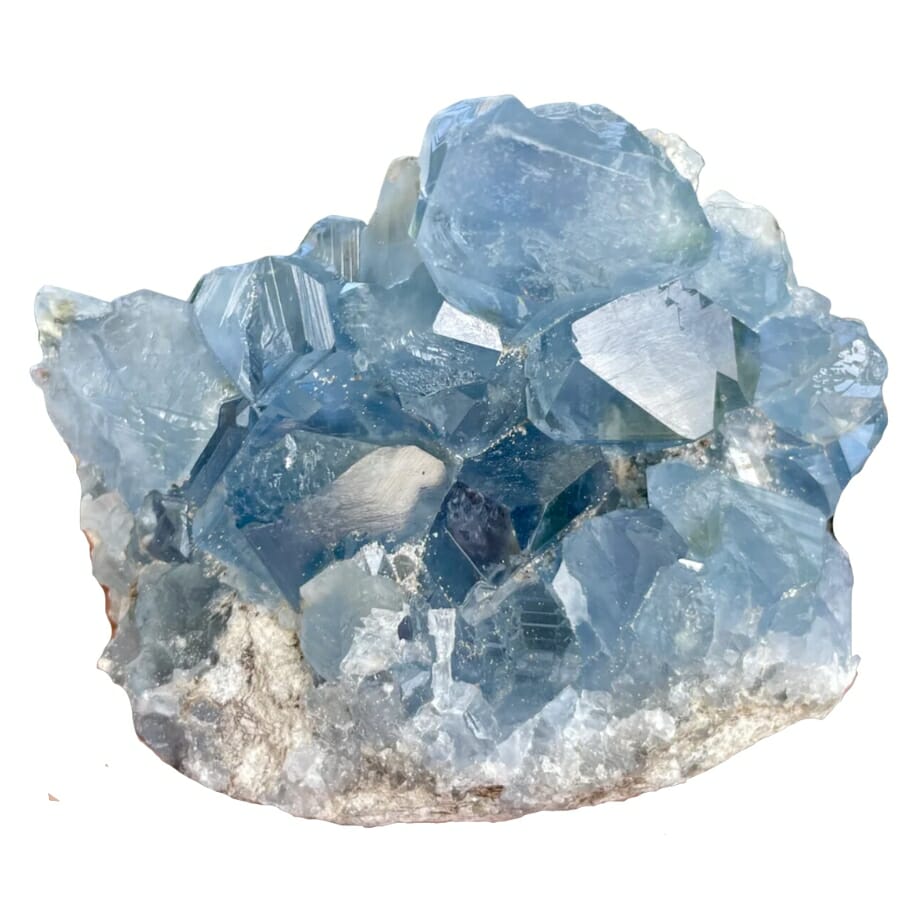
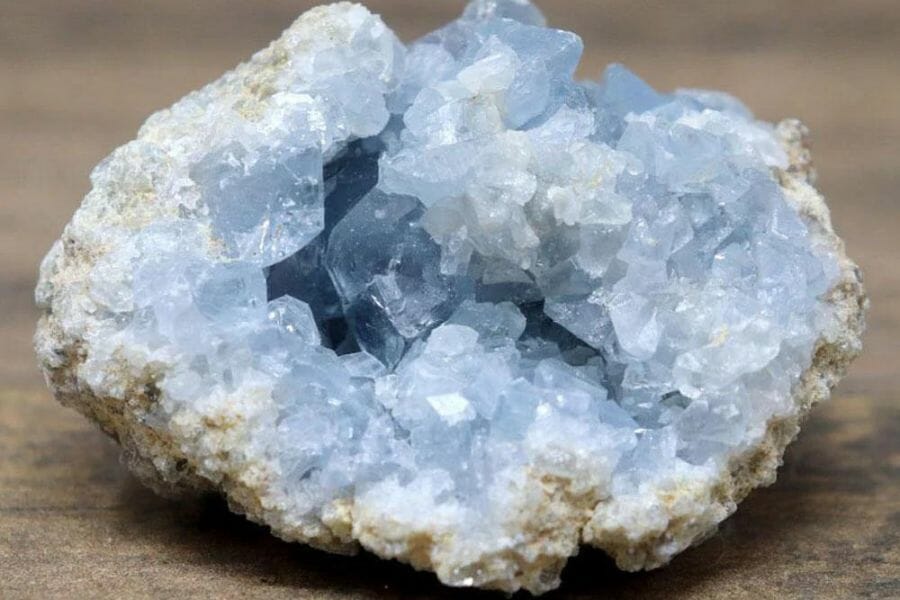
Celestite is known as the “heavenly beauty” of minerals because of its soft shades of blue, giving it an ethereal look and feel. It’s made of a mineral called strontium sulfate. It’s usually found in sedimentary rock, where it forms in geodes or crystal cavities.
It’s made by hydrothermal processes, in which hot water full of minerals seeps through rocks and leaves behind strontium sulfate in the form of beautiful crystals.
Celestite is also highly valued for its ability to clear energy, which makes it a popular choice for spiritual and energy healing work. It’s often used in meditation and spiritual practices to help people connect with higher realms and feel more at peace with themselves.
It’s also a sign of clear communication and self-expression because it is linked to the throat chakra.
It’s used to make strontium compounds because it contains strontium. These compounds are used in many industries, such as pyrotechnics, ceramics, and glass-making.
But celestite’s main value comes from its beauty and the fact that it is linked to peace and spirituality. It shines brightly in the hearts of those who admire its celestial beauty and use it as a tool for inner growth and balance.
Where you can find Celestite in Texas
In Texas, celestite can be found here:
- Buffalo Creek
- Little Lucy Creek
- Numerous mine deposits at Zephyr in Brown county
- Palo Duro Canyon State Park
- Sweetwater open pit mine in Nolan county
Epidote
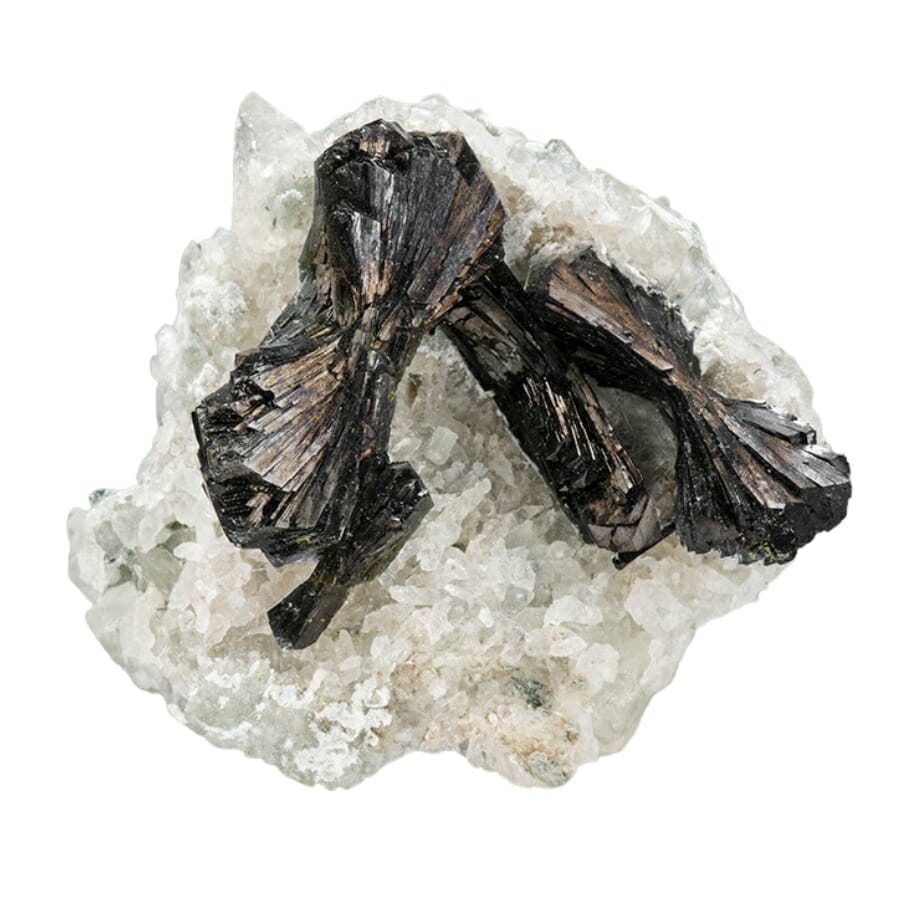
Epidote is a mineral with a story to tell. It’s a calcium aluminum iron silicate known for its mesmerizing crystal structure and bright green color. Its fascinating beauty comes from its complex, prismatic crystals, which can form in several striking ways.
The crystalline structures of this mineral are a wonder of nature. They range from needle-like clusters to unique hexagonal prisms.
The story of how epidote came to be is a tale of metamorphism and transformation. As igneous and sedimentary rocks undergo intense heat and pressure deep within the Earth’s crust, minerals react and rearrange.
This mineral is commonly found in metamorphic rocks like schist and gneiss, as well as in hydrothermal veins and as a product of contact metamorphism. Its presence is a testament to the geological processes that have shaped our planet.
It’s more than just a pretty face because this mineral can be used for many things, making it valuable beyond its beauty. Its bright green color and strong durability make it a good choice for lapidaries, who cut and polish it to make gemstones for jewelry and other decorative pieces.
Where you can find Epidote in Texas
There are many places in the state where epidote can be found, such as:
- West to Enchanted Rock in Llano County
- Charles Moss Ranch in Llano County
Gypsum
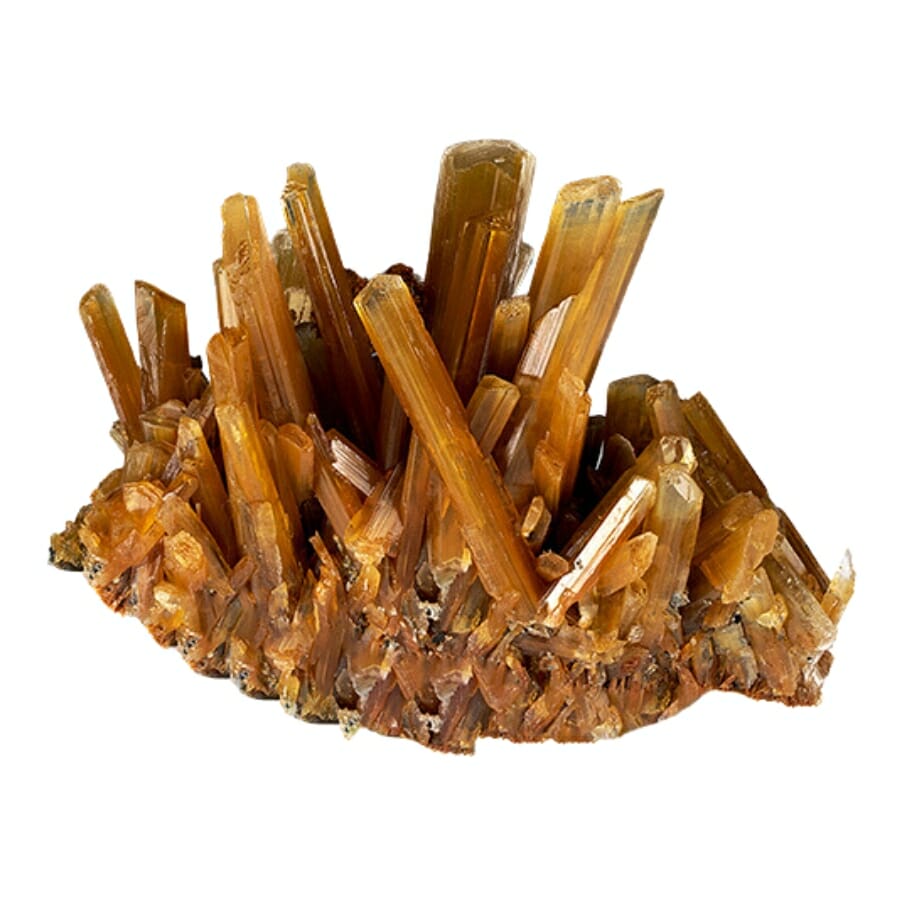
Gypsum is like the chameleon of the mineral world because it can change into many different forms. It’s made of calcium sulfate dihydrate and is a soft sulfate mineral. But here’s the fun part: it can come in many different shapes, from tiny crystals that look like snow to strange rock formations.
You can find it in colors like white, pink, and even brown that look great. It’s born when ancient oceans and salty lakes evaporate, leaving behind a trail of minerals. As the water slowly disappears, they crystallize and form those jaw-dropping structures we know and love.
Gypsum is full of tricks and is always ready to put on a show. You can find it in plaster and drywall, giving your homes a cozy touch. It’s also a natural superstar in agriculture because it improves the structure of the soil and helps plants grow happily and healthily.
Where you can find Gypsum in Texas
Gypsum is common in the state, especially in these places:
- Palo Duro Canyon State Park
- In between Red River and US-62
Microcline
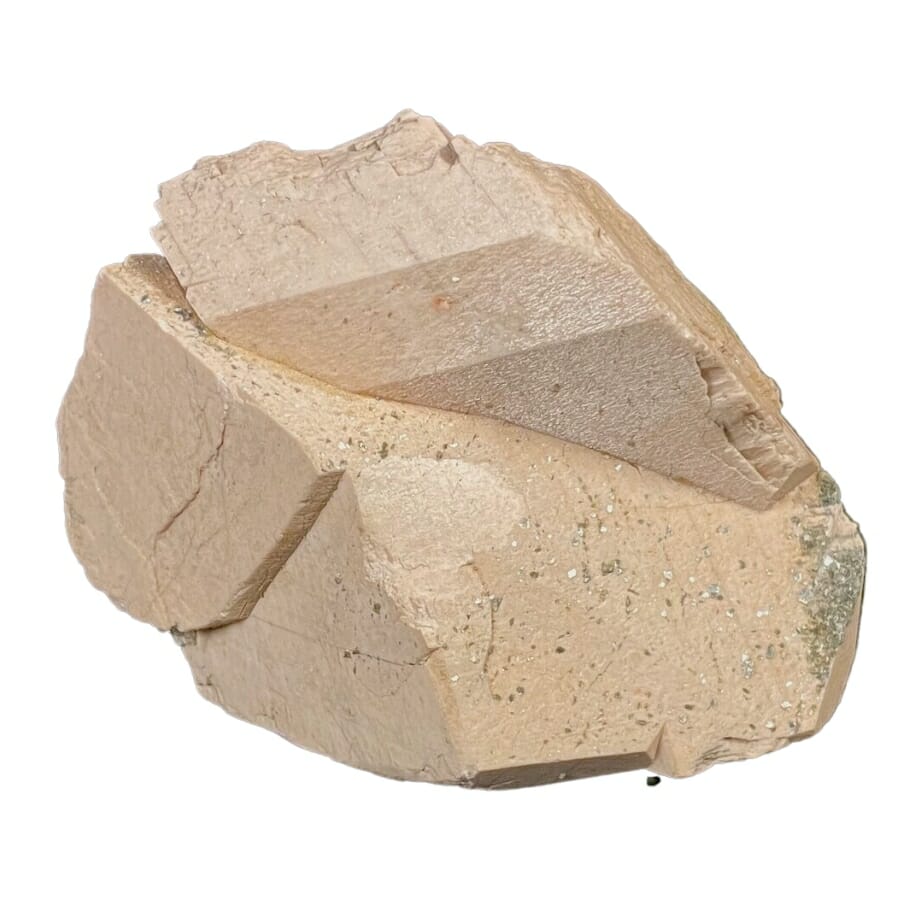
Microcline is known for having colors like pink, green, and sometimes even blue. What makes it truly special is its distinct cross-hatch twinning patterns, setting it apart from its feldspar cousins.
This gorgeous mineral is made when hot, molten rock cools down, making beautiful crystals that catch the light and make colors dance magically.
Gem enthusiasts adore it for its potential use as a lapidary delight. Expert craftsmen cut and polish it into beautiful gems for jewelry. These gems add a touch of unique beauty to necklaces, earrings, and rings.
It’s also valuable for the ceramics and glass industries, where it’s an important part of making elegant tableware and decorative glass. It’s used in these manufacturing processes because of its strength and attractive colors.
Microcline is valuable not only for how it looks but also for what it can be used for. It’s used to make many artistic and industrial projects. Its bright colors add a touch of elegance to any setting, making it a prized gem for collectors and decorators.
It shines as a true mineral gem for its beauty and versatility. It can be admired in a jewelry case or used as a focal point in decorative pieces.
Where you can find Microcline in Texas
At the Plata Verde Mine, you can find many different kinds of microcline.
Sphalerite
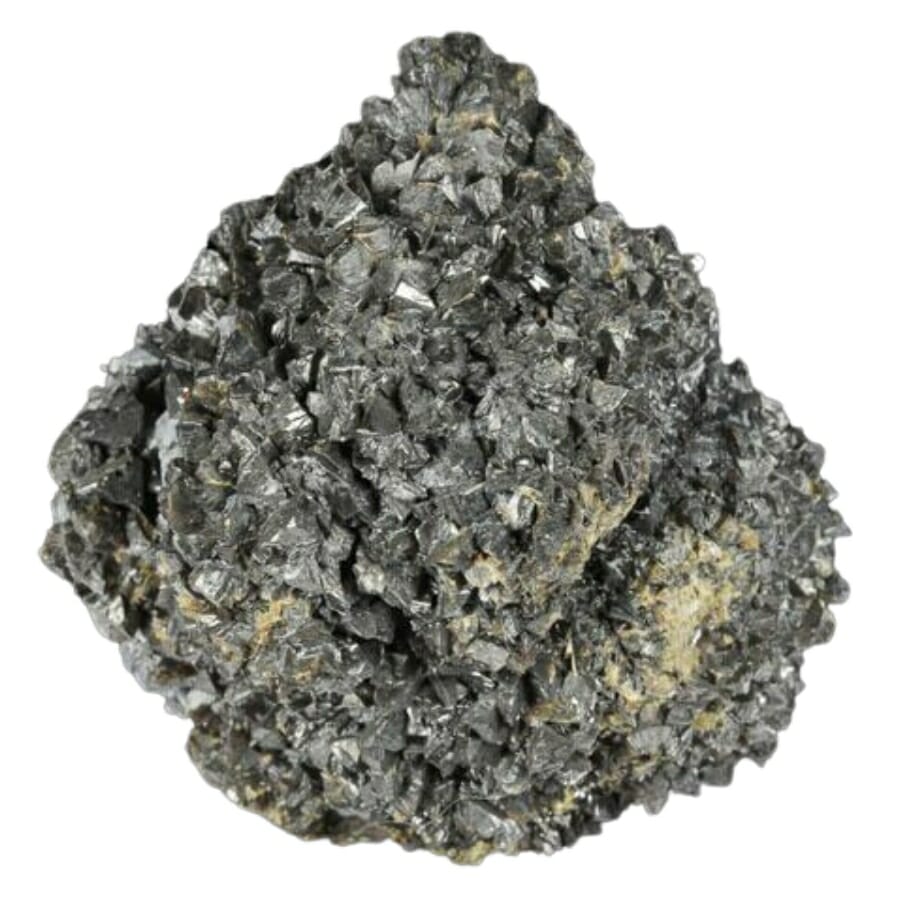
Sphalerite is the brightest mineral in the zinc group. It has a shiny look and a wide range of colors, from pale yellow to deep red and black. It knows how to be the center of attention. It’s like having a kaleidoscope of gems all in one!
This mesmerizing mineral is composed of zinc sulfide and is often found near other valuable ores. Both miners and collectors would want to get their hands on it.
Hot hydrothermal fluids flow through the Earth’s crust carrying minerals with them. As these fluids cool down, the zinc and sulfur they carry settle out, making its crystals. It’s often found with lead, copper, and silver ores, which makes it a good way to find other minerals.
Beyond its appearance, sphalerite has many uses in many different industries. Its main claim to fame is how much zinc it has. The zinc is taken from it and used to make many things, from batteries and galvanized steel to sunscreen and even nutritional supplements.
It’s also a favorite among mineral collectors and lapidaries because of its bright colors and beautiful crystal formations. Sphalerite is a highly valued mineral in geology and industry because it benefits the economy.
Where you can find Sphalerite in Texas
There are a lot of sphalerites in Texas, especially in the following places:
- Bonanza Mine
- Chinati Mountains
The Tools You Will Need
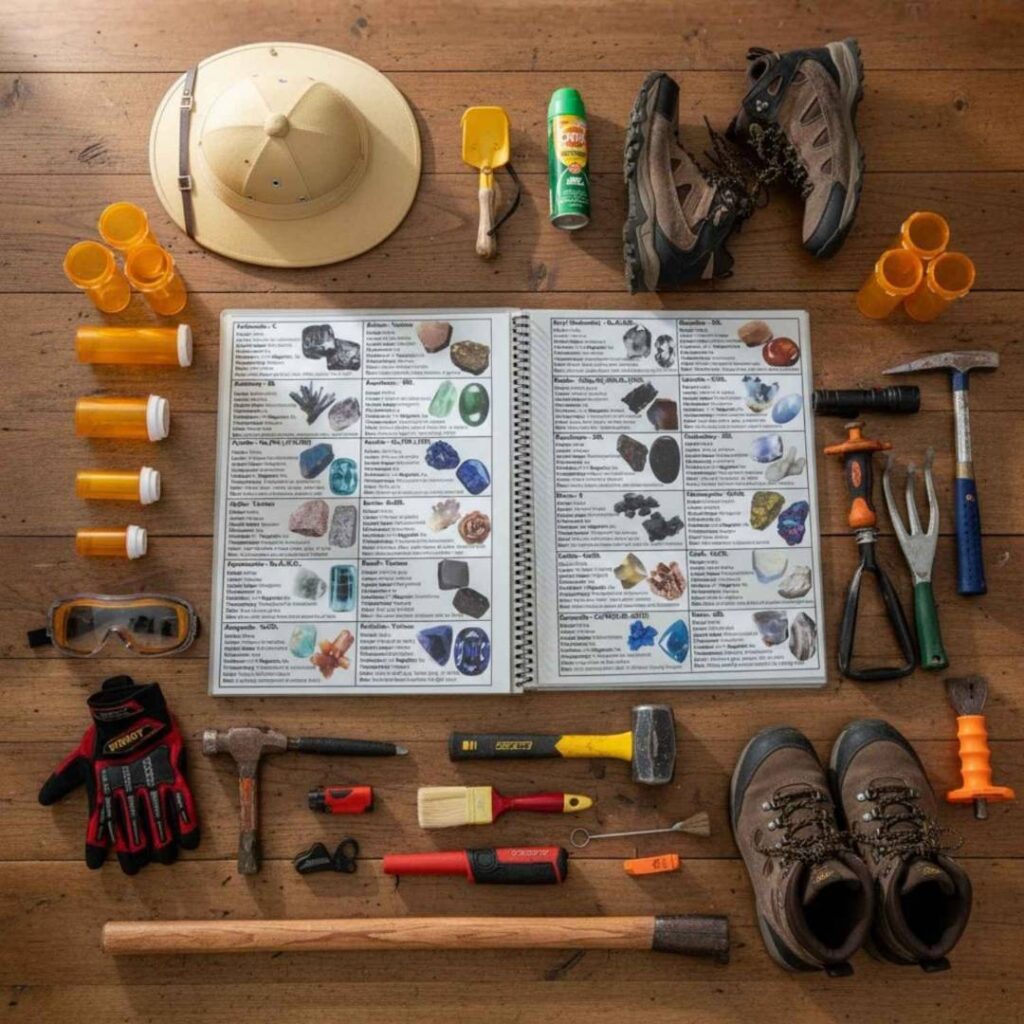
Crystal hunting doesn’t require expensive gear or complicated tools. You can start with a few basic items that help you dig carefully, identify what you find, and bring it home safely. These essentials keep things simple while giving you the best chance to uncover something worth keeping.
A Reliable Field Identification Guide – Essential
A good field guide is the one thing that changes how you see the ground beneath your feet. It helps you tell quartz from calcite, shows you which formations are worth investigating, and helps you understand the types of rocks that tend to host crystals.
With this guide, you’ll save hours of trial and error by giving you clear examples of what to look for before you start digging.
Rock Chasing’s Texas Rocks & Minerals Identification Field Guide is perfect for this. It’s waterproof, light to carry, and filled with bright photos of more than 120 Texas rocks and minerals. It helps you identify what you’ve found in seconds, so you never walk past something valuable without realizing it.
You can see HERE why it’s the go-to guide for rockhounds across Texas.
Small Hand Pick – Essential
A small hand pick gives you control when working in packed soil or rocky areas. It lets you loosen dirt without damaging the crystals inside and is perfect for reaching tight cracks or shallow veins. It’s durable, efficient, and something you’ll use on nearly every trip.
Soft Brush – Recommended
Crystals often hide under layers of dust or clay, and a soft brush helps bring out their color and shine right away. It’s gentle enough to clean delicate surfaces without scratching them. It’s also great for brushing dirt out of crevices so you can see if a crystal continues deeper into the rock.
Gloves – Recommended
Sharp rock edges, loose gravel, and rough terrain can tear up your hands quickly. A solid pair of gloves protects your skin and gives you better grip while lifting stones or handling your tools. They make long days of searching much more comfortable.
Storage Box – Optional
Once you’ve found a few pieces, you’ll want to keep them safe from chips and cracks. A small plastic box or padded container helps protect fragile crystals while you move between spots. It also makes organizing your finds easier when you get home.
The Best Locations For Crystal Mining in Texas
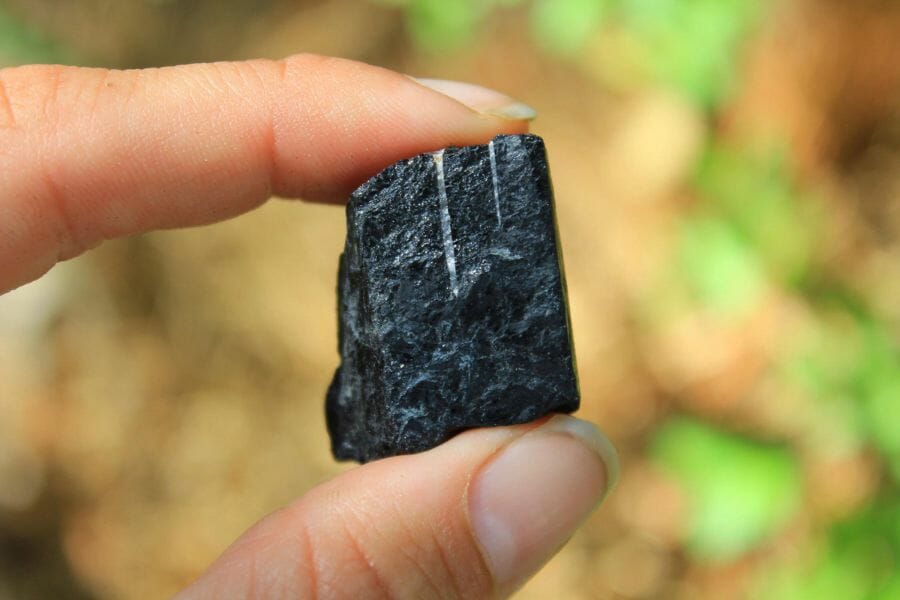
You should visit these areas if you only have time to travel to a few locations. These locations have provided the greatest success for us, and we believe you will too.
Always Confirm Access and Collection Rules!
Before heading out to any of the locations on our list you need to confirm access requirements and collection rules for both public and private locations directly with the location. We haven’t personally verified every location and the access requirements and collection rules often change without notice.
Many of the locations we mention will not allow collecting but are still great places for those who love to find beautiful rocks and minerals in the wild without keeping them. We also can’t guarantee you will find anything in these locations since they are constantly changing.
Always get updated information directly from the source ahead of time to ensure responsible rockhounding. If you want even more current options it’s always a good idea to contact local rock and mineral clubs and groups
The Bonanza Mine is Our Favorite Crystal Mine in Texas
El Paso County, TX 79851, United States
If you’re looking for a great spot to find some beautiful crystals in the state, you might want to check out the Bonanza Mine. This historic location has been a favorite of crystal hunters for many years, and it’s not hard to see why. This is also among the best locations to find gems in Texas.
The Bonanza mine is in the Big Bend region of Texas, near Marfa. The mine was first discovered in the 1920s and was actively mined for lead, zinc, and silver until the 1940s. However, it wasn’t until later that crystal hunters discovered the incredible variety of crystals that could be found at the site.
One of the great things about the Bonanza mine is that it’s accessible to beginners and experienced crystal hunters. The area is open to the public; no fees or permits are required to collect crystals. However, respecting the area and not damaging the rocks or surrounding environment is important.
Where we found crystals at the Bonanza Mine
The east side of the Bonanza Mine was where we got the best results while looking for chalcopyrite and galena crystals.
You've probably walked past some incredible rocks and minerals. You need this guide 👇👇👇
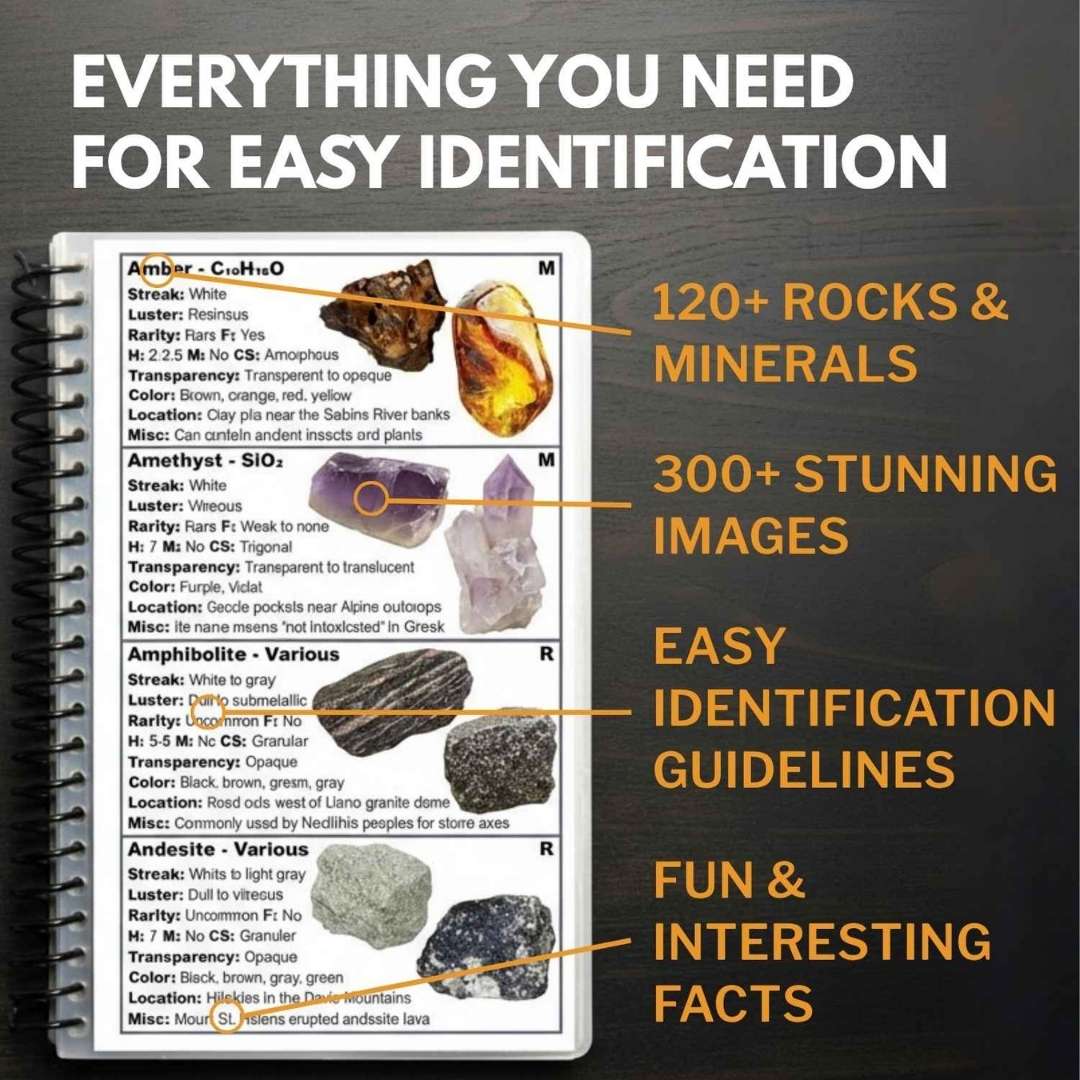
We've all come across a cool rock that we could have sworn was rare or valuable but couldn't tell what it was.
If you're not 100% confident that you know every rock and mineral in Texas this guide is for you.
The Texas Rocks & Minerals Field Guide helps you ID what you find in seconds, from Hill Country agates to Llano granite, with crisp photos, simple charts, and zero fluff.
→ Grab your copy today and spot your next gem before anyone else does.
What this guide unlocks:
🧭 Confidence in the field — ID rocks fast and move on to the next find
🎒 Lightweight and waterproof — built for trails, not coffee tables
🌅 Weekend adventures — find treasures on rivers, ranches, and roadsides
🤠 Texas pride — explore the real geological beauty of your state
🔥 Motivation — every trip outside feels like a hunt for hidden gems
Brewster County
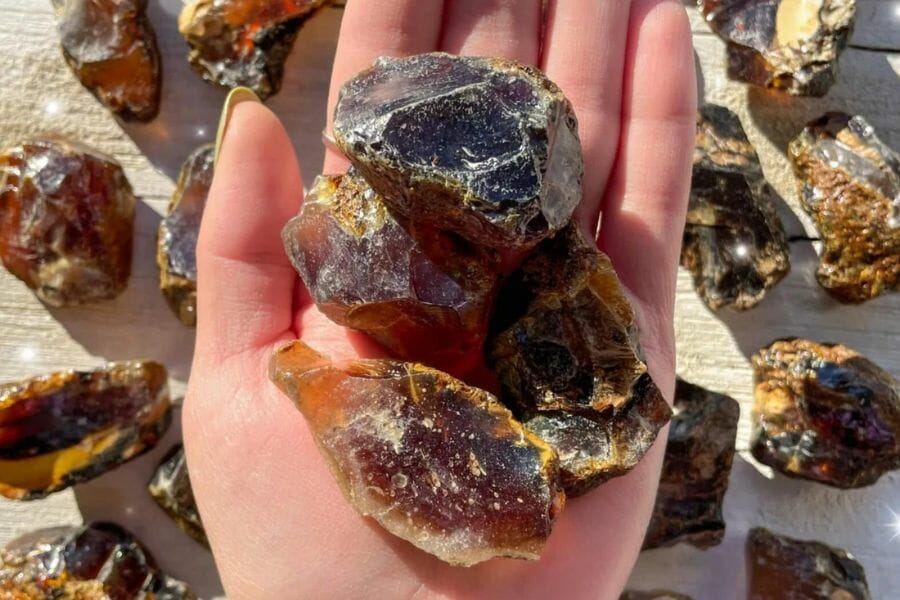
Brewster County is in the Big Bend region of Texas and is characterized by mountains, canyons, and deserts, making it a diverse and exciting place to explore. The region’s geology is just as varied, with a wide range of minerals and crystals found throughout the area. Crystal hunters can explore abandoned mines and search for crystals in vugs and other small pockets within the rock.
The history of Brewster County dates back to the mid-1800s when ranchers and miners first settled the region. Mining played a significant role in the area’s development, with silver, lead, and other minerals extracted from the earth. The region is still a popular spot for mining and crystal hunting, with many different types of crystals like ambers, agates, jaspers, quartz, and other minerals throughout the area.
Brewster County is a fantastic spot for anyone who loves rocks and minerals. With its rich history, stunning geography, and diverse geology, there’s always something new and exciting to discover. So, pack up your rock hammer and safety goggles and head to Brewster County for a crystal hunting adventure you’ll never forget.
Where we found crystals at Brewster County
There are a ton of excellent options available here. To get started, try the following areas:
- You may locate agates, jaspers, and quartz in the Glass Mountains area.
- A large area at Needle Peak in the Study Butte area contains agates.
- Amber, agates, and jaspers are available at the Terlingua Creek banks along the county’s western edge.
- Galena may be found in the Altuda area mines.
- Excellent galena specimens are found at the Solitario area mines,
- The area mines in Terlingua offer calcite and fluorite crystals.
You can check how much is crystal worth by visiting our guide.
Chinati Mountain
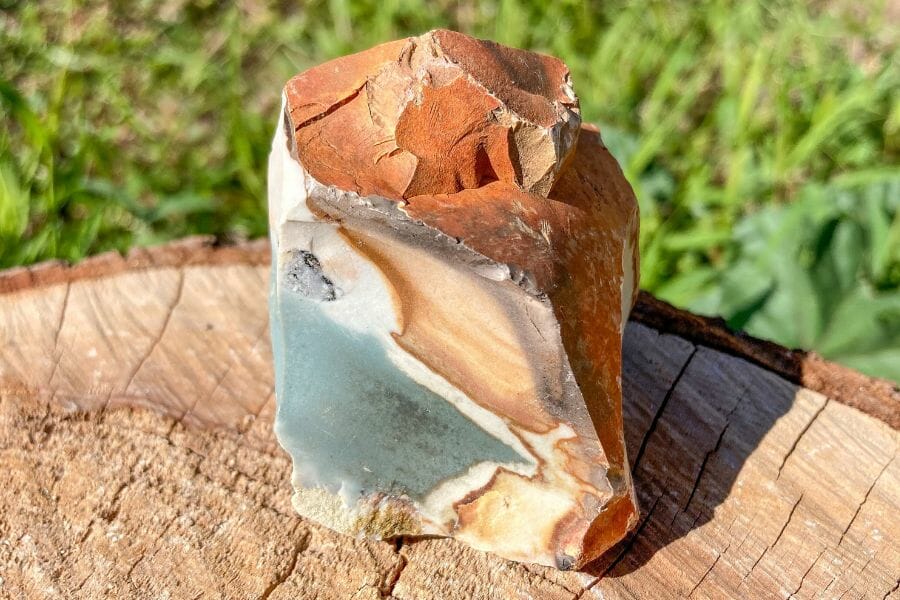
If you’re looking for a great spot to find and collect crystals, the Chinati Mountains should definitely be on your radar. This rugged region’s rich history and geology make it a fantastic spot for crystal hunting. The Chinati Mountains are located in the Trans-Pecos region of Texas, and these mountains are part of the Chihuahuan Desert, known for its unique flora and fauna. The area’s geology is equally fascinating, with a wide range of minerals and crystals throughout the region.
The Chinati Mountains’ history began in the middle of the nineteenth century when ranchers and miners began to occupy the region. Silver, lead, and other minerals were mined, and this activity contributed significantly to the region’s growth. The area is still well-liked today for mining and crystal hunting because of the wide variety of crystals.
The region surrounding the former Shafter Mine is one of the most popular locations for searching for crystals in the Chinati Mountains. Calcite, fluorite, and other minerals can be found in this area. The ancient mine can be explored by crystal hunters looking for crystals in other tiny rock crevices.
Ultimately, anyone who enjoys rock and minerals will love the Chinati Mountains. There is always something fresh and fascinating here because of its rich history, breathtaking geography, and diversified geology. So prepare a crystal hunting adventure you won’t soon forget!
Where we found crystals in the Chinati Mountains
We mostly found agate and jasper crystals at the regional draws, washes, and surfaces of the Chinati Mountains. There are also good specimens of fluorite and galena on the dumps of the area mines surrounding the Chinati Mountains along the southwest side of San Antonio Canyon.
Plata Verde Mine
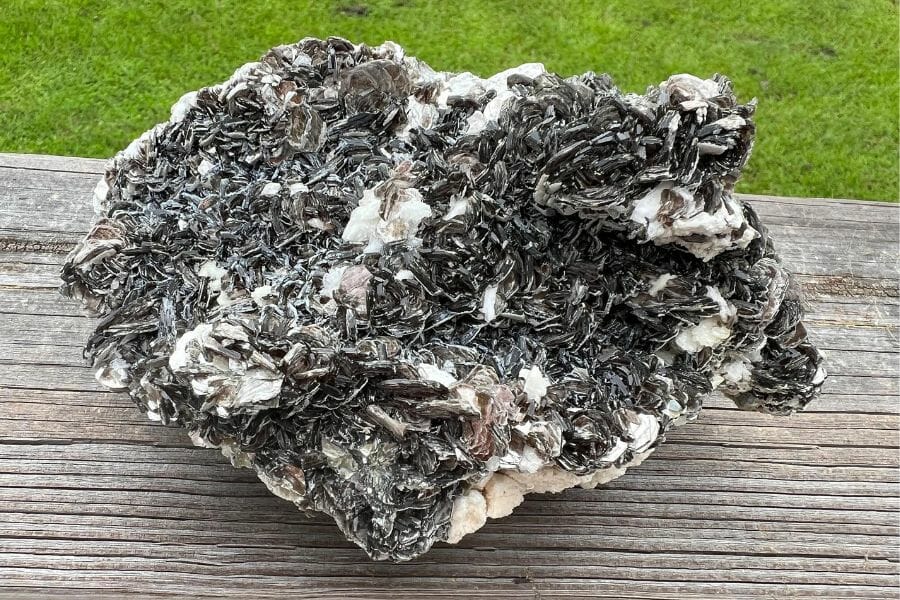
Van Horn Mountains in Hudspeth County
The Plata Verde Mine should be at the top of your list if you’re seeking an excellent place to find and collect crystals! This historic site is perfect for crystal hunting because of its unique geology and history.
The Plata Verde Mine is located in the Big Bend region of the state. The mine was first discovered in the early 1900s and was actively mined for silver and other minerals until the 1940s. Today, it’s a popular spot for crystal hunters looking to add stunning specimens to their collections.
The geology of the Plata Verde Mine makes it such an incredible spot for crystal hunting. The area is rich in minerals, such as azurite, chrysocolla, malachite, muscovite, quartz, and turquoise, and these crystals are often found in small pockets or cavities within the rock. These can contain a variety of crystals, from small points to large clusters, making the mine an exciting place to explore.
Where we found crystals at the Plata Verde Mine
You may collect the minerals mentioned above at the Plata Verde Mine in the foothills of the northwest side of the Van Horn Mountains.
Quitman Mountains
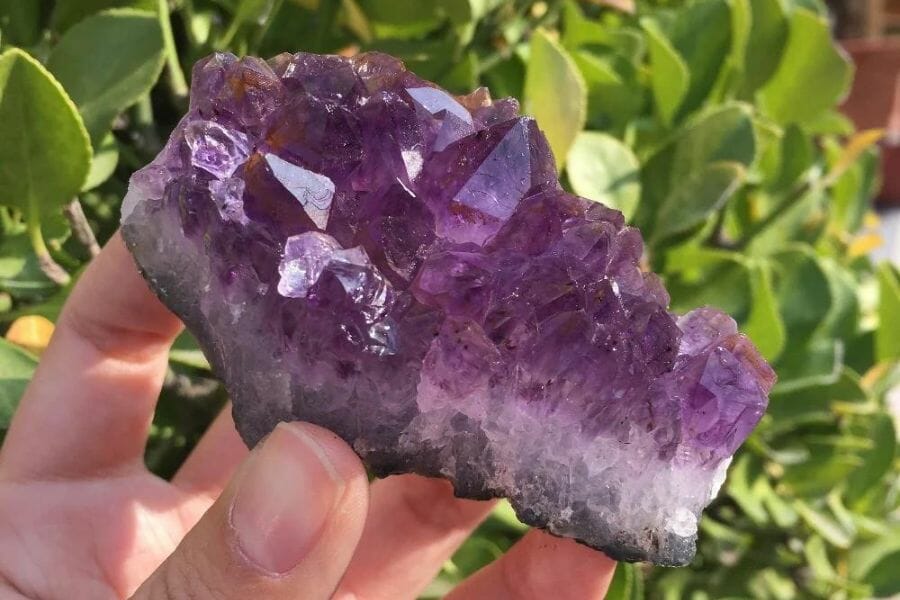
Hudspeth County, TX 79851
The Quitman Mountains are a must-visit location for finding and collecting crystals. This stunning mountain range is located in the west-central part of the state and has a fascinating history and geology that make it a prime spot for crystal hunting.
The Quitman Mountains have a long and rich history, dating back to the mid-1800s when ranchers and miners first settled there. The mountains peak up to 8,000 feet above sea level. The area’s geology is just as diverse, with a wide range of minerals and crystals throughout the region.
What makes the Quitman Mountains such a great spot for crystal hunting is the variety of crystals that can be found in the area. Additionally, the crystals in the Quitman Mountains are often incredibly clear and have a unique beauty that’s hard to find anywhere else.
Where we found crystals at Quitman Mountains
We had the best luck finding agates, amethysts, carnelians, and jaspers along the south edge of the Quitman Mountains.
Our Other Favorite Places For Crystal Hunting
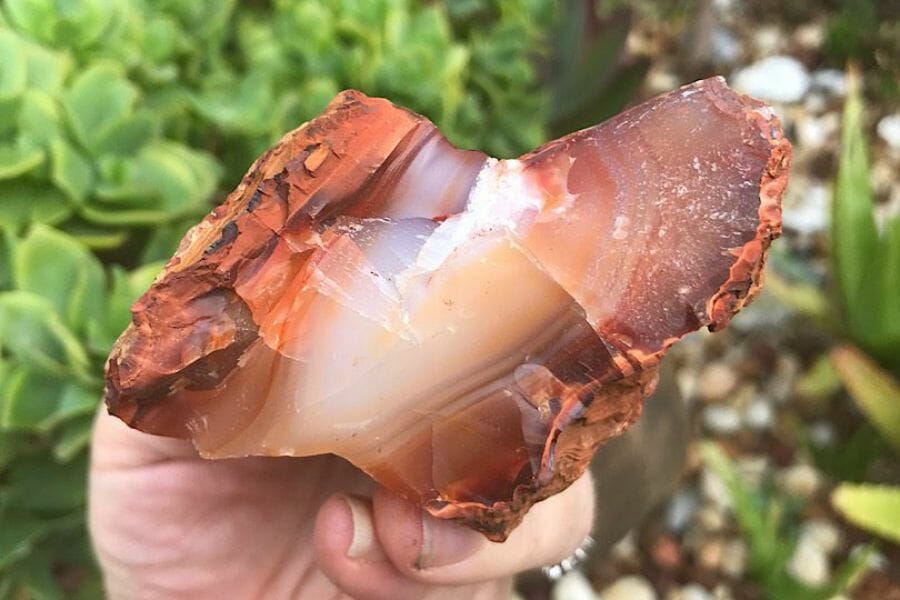
We wanted to provide you with many more options now that we’ve disclosed our five best locations for finding crystals. With a state the size of ours, particularly one with such geological diversity, there are many fantastic locations to search for crystals as well as Texas geodes. Here are some additional choices to consider:
Where you can find crystals for free in Texas
Let’s start by discussing some places that are free to search. While many of the greatest locations will require you to pay, some places are free for all.
| County | Location |
| Bastrop | You can find agates in breaks, cuts, and surfaces of Smithville |
| Brown | Numerous mined deposits at Zephyr for Celestite |
| Culberson | Prospects at the northeast side of the Carrizozo Mountains for turquoise |
| El Paso | Franklin Mountain road cuts for garnet and serpentine |
| Hudspeth | General area of the Van Horn Mountains for agate and jasper |
| Llano | County wide pegmatite exposures for topaz |
| Llano | West to Enchanted Rock for epidote and quartz |
| Mason | Pegmatite outcrops of the Gritt area for topaz |
| Webb | The Laredo Gravel Pit for agate and jasper |
| Webb | River bars on islands’ gravels and at low water for agates |
| Webb | All Rio Grande tributaries, stream bars, and stream beds for agates and jaspers |
Some of the more common crystals that are found here can be very easy to confuse, especially those that share many similarities. So to help you tell them apart, we’ve created a few guides you can use:
Other great places to dig for crystals
These are the additional locations to visit if you’re willing to spend a little money to find crystals. The season will determine how much they charge; occasionally, it may even be free, so contact them before going.
| County | Location |
| Burnet | Silver Creek area mines and prospects for galena |
| El Paso | The Sierra Diablo and other mines for chalcopyrite and galena |
| Hudspeth | Sierra Blanca area mines and prospects for turquoise |
| Live Oak | H.D. House Ranch for jasper |
| Llano | Barringer Hill area mines for fluorite |
| Llano | Kingsland area mines for fluorite |
| Llano | Charles Moss Ranch for epidote and quartz |
| Nolan | Sweetwater open pit mine for celestite |
| Presidio | Bishop Ranch for agates |
How to find crystals in Texas
The suggestions above cover a lot of rather sizable areas. There are more precise suggestions on where to spend most of your time in a certain location and focus on where you will be hunting. The following are some of the greatest locations to look for crystals:
Mines and mine dumps
Mines and mine dumps can be great places to find crystals for several reasons. First, many mines were abandoned before all the minerals were extracted, leaving plenty of rocks and crystals for the taking. Additionally, minerals can be concentrated in certain mine areas, such as vugs and pockets, making it easier to find specimens.
Another great thing about searching in mines and mine dumps is that they often contain minerals and crystals that aren’t found anywhere else. The unique geology of these areas can lead to some truly incredible finds, from brightly colored fluorite to beautiful and intricate calcite formations.
Of course, there are some special considerations when searching mines and mine dumps. Safety should always be your top priority, as these locations can be unstable and dangerous. Be sure to wear the appropriate safety gear, such as a hard hat and sturdy shoes, and never enter an abandoned mine without proper training and equipment.
Rivers and riverbanks
For several reasons, rivers and riverbanks can be excellent places to locate crystals. Flowing water can aid in clearing away dirt and other debris, revealing crystals that may have previously been obscured. Moreover, the flow of the water can help shape and polish crystals to produce stunning specimens.
Another excellent benefit of finding crystals and minerals in rivers and riverbanks is that they come in various shapes and sizes. These areas can provide unexpected discoveries like clear quartz and beautiful agates.
There are also some unique factors to consider when looking along rivers and riverbanks. Because of how slippery and unpredictable these places can be, safety should always come first. Always use the proper safety equipment, such as solid footwear with high traction, and stay out of the water when the current is strong.
Roadcuts
You should definitely consider searching in roadcuts! Roadcuts are man-made exposures of rock that are created when roads are cut into hillsides or mountainsides. These cuts create vertical or sloping surfaces, making seeing and accessing crystals hidden within the rock easier.
One of the reasons that roadcuts are a great place to search for crystals is that they often expose layers of rock that are not visible at the surface. These layers can contain minerals and crystals not typically found in other locations. In addition, roadcuts are usually easy to access and are often located near roads, making them a convenient location for crystal hunting.
When searching for crystals in roadcuts, remember a few things. First, always make sure that you have permission to access the roadcut. Many roadcuts are on private property or in areas with restricted access, so check with the appropriate authorities before beginning your search. Second, be mindful of safety hazards such as loose rocks or unstable ground. Finally, respect the environment and avoid damaging the roadcut or surrounding area.
Texas Crystal Mining Laws And Regulations
Although it’s allowed to mine crystals in Texas, it’s crucial to abide by all local, state, and federal rules, especially those from the Texas Commission on Environment Quality that control the crystal gathering on public lands. This involves acquiring the appropriate permissions or permits from the landowner or administrative body in charge of the area you intend to mine. Rules and limitations might also be in place to safeguard the local ecology. You may contribute to ensuring that crystal mining is lawful by abiding by these regulations.
The Best Crystal Shops In Texas
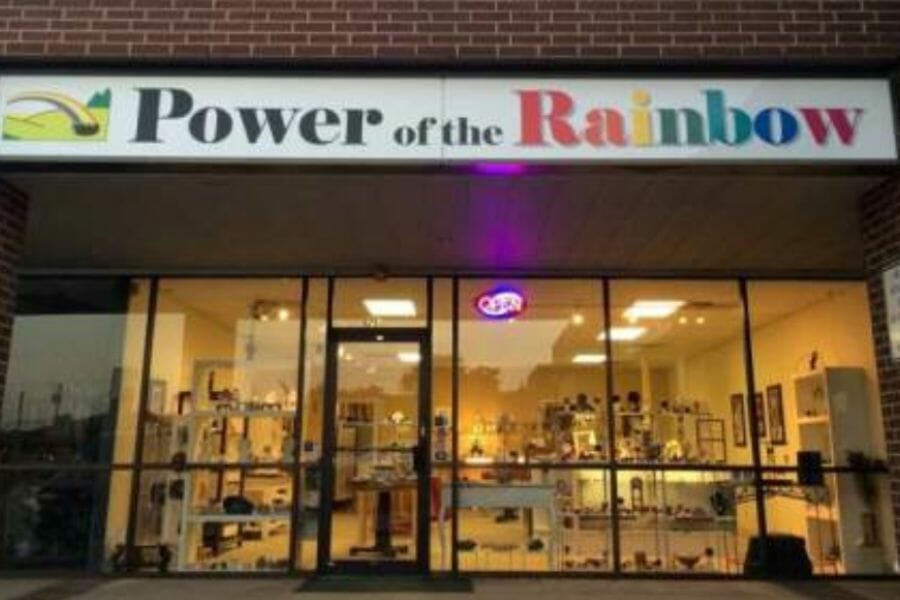
Since the state has a large variety of crystals spread over such a vast area, many of us like making small purchases to complete our collections. If you’re seeking unique and stunning pieces for your collection, these are the top crystal shops we’ve located.
- Alamo City’s Rocks and Crystals – 1315 S Presa St, San Antonio, TX 78210, United States
- Auracle: World of Crystals – 1230 Westheimer Rd, Houston, TX 77006, United States
- Crystal Rock Shop – 2136 Roy Rd, Tyler, TX 75707, United States
- Crystal Source – 441 W Bedford Euless Rd, Hurst, TX 76053, United States
- Crystal Works – 908 W 12th St, Austin, TX 78703, United States
- Dance with Stones – 14761 Memorial Dr, Houston, TX 77079, United States
- Katy Rock Shop – 535 Pin Oak Rd, Katy, TX 77494, United States
- Nature’s Treasures – 4103 N Interstate Hwy 35, Austin, TX 78722, United States
- Power of the Rainbow – 1730 W Randol Mill Rd #125, Arlington, TX 76012, United States
- Rock Barrell – 13650 T I Blvd #104, Dallas, TX 75243, United States
Additional places to find crystals in nearby states
If you’ve already tried all of our recommendations above or are planning a trip out of the state, you should check out our guides for neighboring states:
If you have any recommendations we haven’t covered please leave them in the comments below!