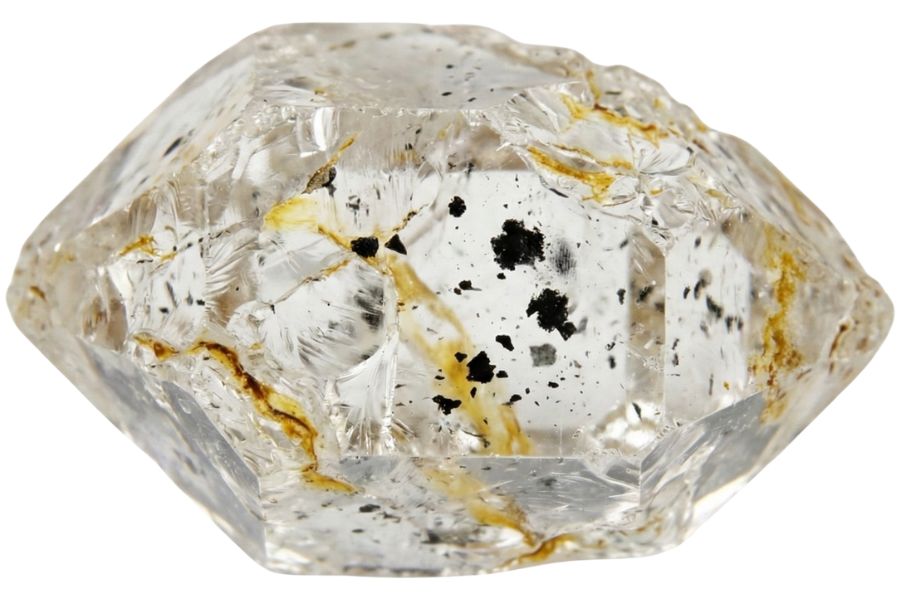
If you want to track down crystals in New York, you need to know exactly where to point your shovel. Spending a weekend outdoors with your tools is always a great time, but coming home without anything to show for it can sting.
You might spend hours turning over heavy dirt and sifting through gravel without seeing a single crystal. That happens when you wander into areas that simply lack these specific minerals.
To make your time count, you have to focus on the areas that naturally yield these pieces. Discovering the absolute best locations to focus your energy will completely transform your next weekend out.
- The extensive local experience and understanding of our team
- Input from multiple local crystal hunters and crystal collecting groups
- The accessibility of the crystal mining locations
- Safety and potential hazards when collecting
- Private and public locations
- A desire to include locations for both experienced crystal hunters and those who are just starting out
Using these weights we think we’ve put together the best list out there for those who love finding new crystals for our collections!
The Types of New York Crystals You Can Find
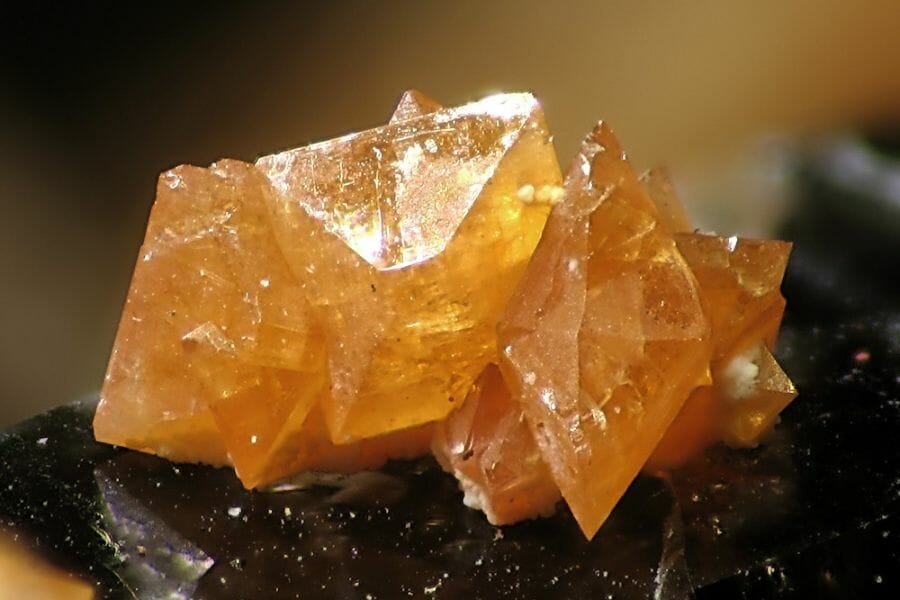
Crystals are like nature’s jewels, sparkling and mesmerizing. They come in all shapes and sizes, from small and delicate to large and powerful. They have been used for centuries to treat ailments, bring good luck, and help people tap into their inner power.
They can be used in rituals or worn as a reminder of the beauty within us all! Each crystal has unique properties, from amethyst to quartz, to help you reach your goals. Explore the world of crystals today; you never know what amazing things await you!
Brucite
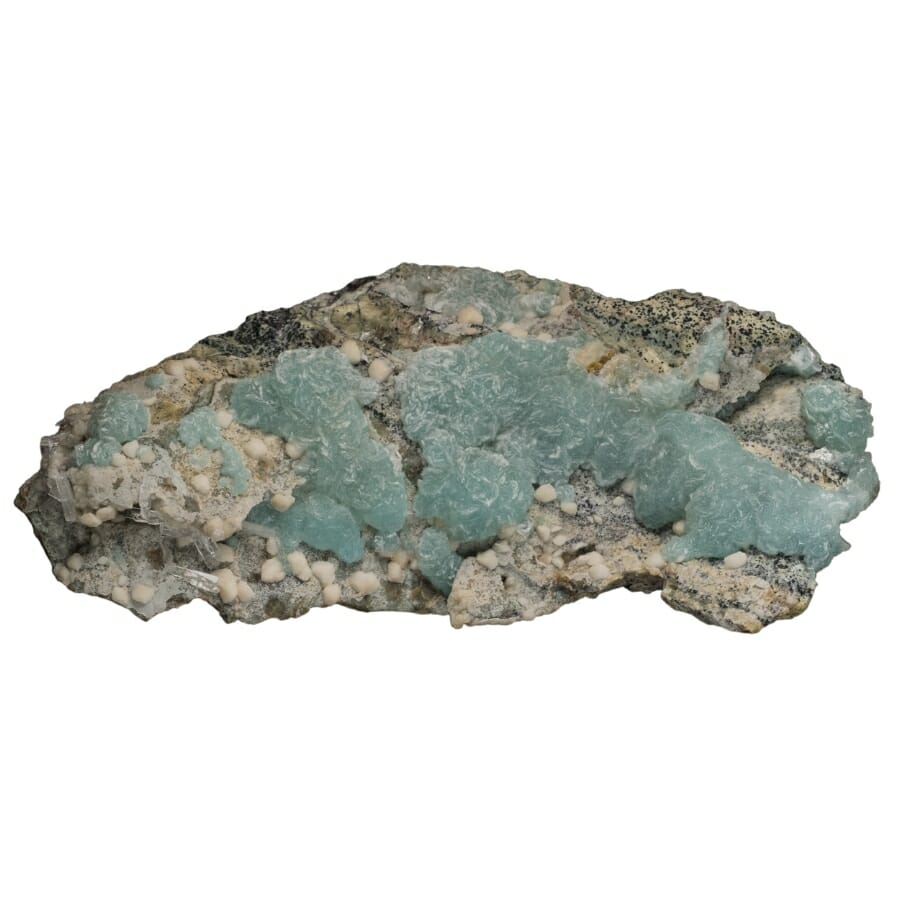
Brucite, a mineral of understated beauty and soothing hues, emerges from the intricate processes of the Earth’s geological tapestry.
Mainly made of magnesium hydroxide, brucite’s name pays tribute to Archibald Bruce, a Scottish mineralogist. It forms by altering magnesium-rich rocks, often appearing as delicate, pale green to white crystals.
Because it doesn’t catch fire, it is used as an ingredient in fire-resistant materials like plastics and building materials. It’s also used in environmental restoration, where it’s used to neutralize acidic waste and help plants grow on damaged land.
Whether valued for its role in fire safety and environmental restoration, or appreciated for its delicate aesthetics, brucite stands as a mineral that bridges the gap between Earth’s geological intricacies and the practical needs of society.
Where you can find Brucite in New York
You can find brucite minerals at the Tilly Foster Mine.
Herkimer Diamond
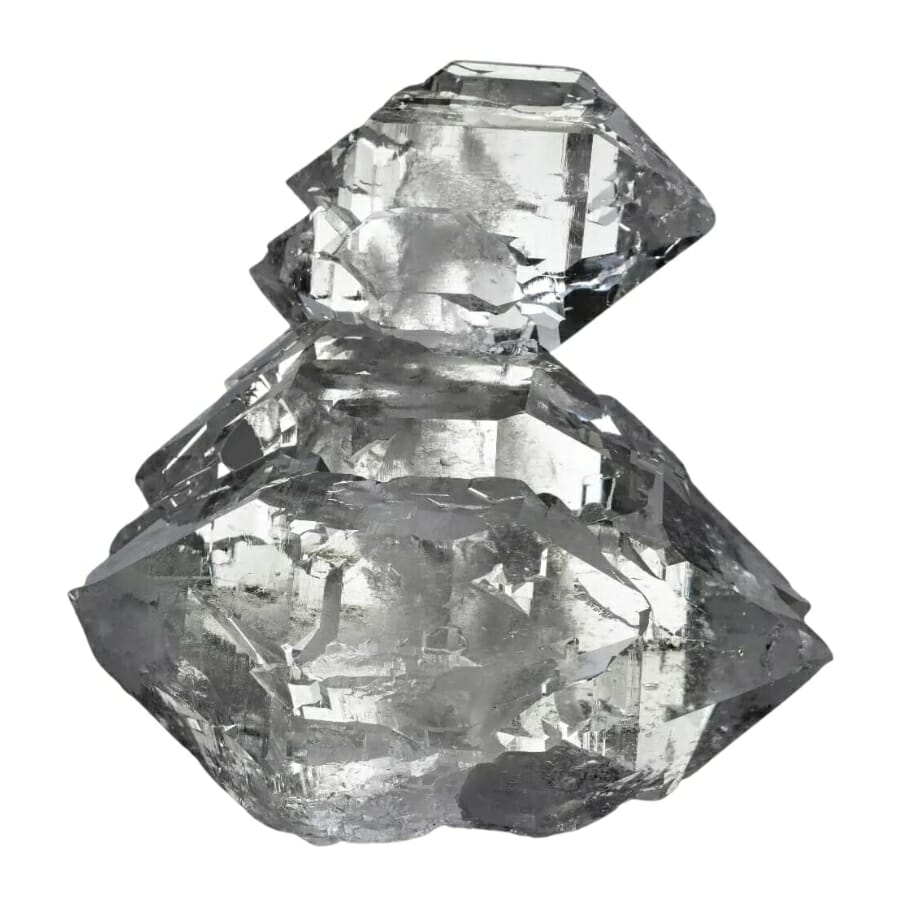
Herkimer Diamond, a sparkling jewel of the mineral world, emerges as a unique and captivating treasure in quartz crystals.
Contrary to its name, Herkimer Diamonds are not diamonds but rather exceptional doubly-terminated quartz crystals found in Herkimer County, New York.
These crystals are renowned for their exceptional clarity, remarkable geometric shapes, and ability to refract light in stunning ways.
The formation of these minerals is a product of ancient geological processes. They are found in dolostone or limestone cavities that formed millions of years ago.
These cavities provided the perfect environment for quartz crystals to grow in doubly-terminated shapes, free from the restraints of the surrounding rock.
“Doubly-terminated” refers to crystals with distinct terminations, or points, at both ends, allowing them to grow freely in open spaces. This unique formation contributes to the Herkimer Diamond’s distinctive appearance.
Their geometric precision makes them ideal for crafting into jewelry, such as necklaces, rings, and earrings. Beyond their beauty, they are treasured by collectors and jewelry enthusiasts for their exceptional clarity and natural beauty.
Where you can find Herkimer Diamond in New York
Herkimer Diamond deposits are abundant in these places:
- Ace of Diamond Mine
- Diamond Acres Mine
- Herkimer Diamond Mine
- Little Nose Hill
- Paradise Falls
Scapolite
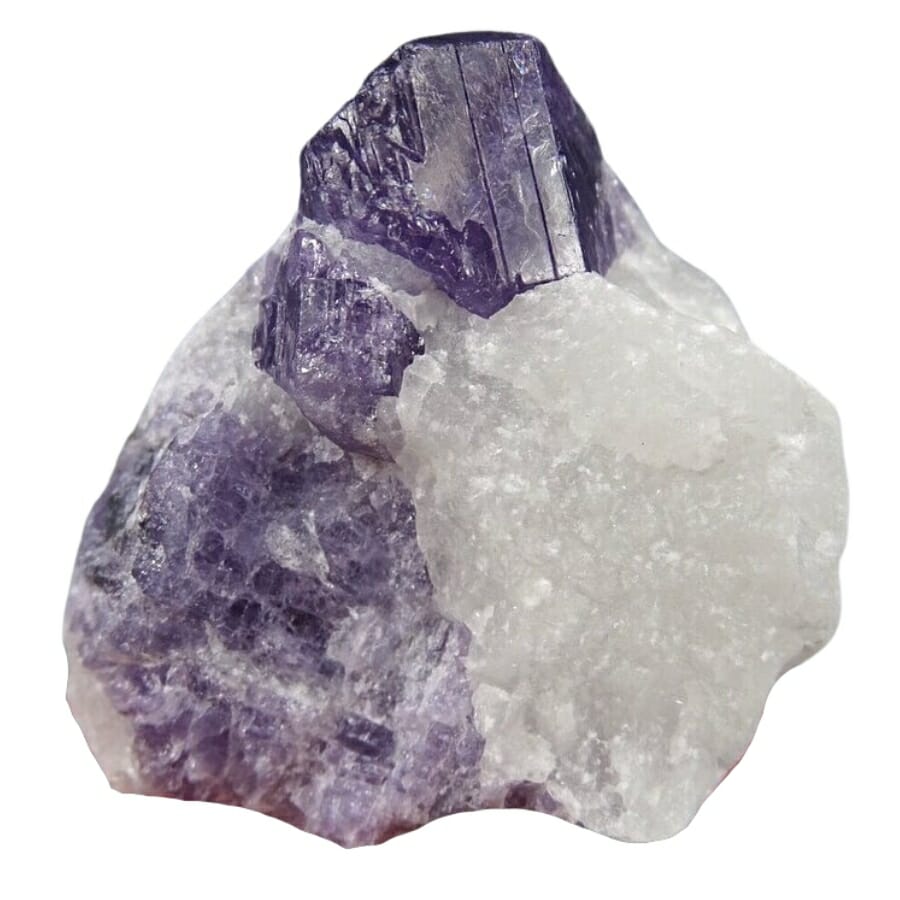
Scapolite, a lesser-known gemstone, is a testament to the Earth’s geological artistry.
Containing silicate minerals with varying compositions, scapolite’s name is derived from the Greek word “skapos,” meaning rod or stem, due to its elongated crystal shapes.
This intriguing mineral forms within metamorphic and igneous rocks, often exhibiting various colors from yellow to purple. In metamorphic environments, it forms as a response to altering pre-existing minerals under elevated temperatures and pressures.
The mineral’s vibrant color variations arise from trace elements within its crystal lattice, producing shades ranging from pale to deep hues. This wide range of colors contributes to scapolite’s appeal among gemstone enthusiasts.
In gemology, scapolite is fashioned into cabochons, beads, and faceted gemstones, often adorning jewelry pieces. Its unique combination of colors and attractive vitreous luster make it an intriguing choice for those seeking a distinctive gemstone.
Its formation, shaped by geological forces, tells a story of Earth’s transformative processes. Meanwhile, its use in decorative arts showcases its ability to bridge the gap between the material and the ethereal.
Where you can find Scapolite in New York
Scapolite can be found in these areas:
- East of Minerva area
- Lake Harris Campground
Scorodite
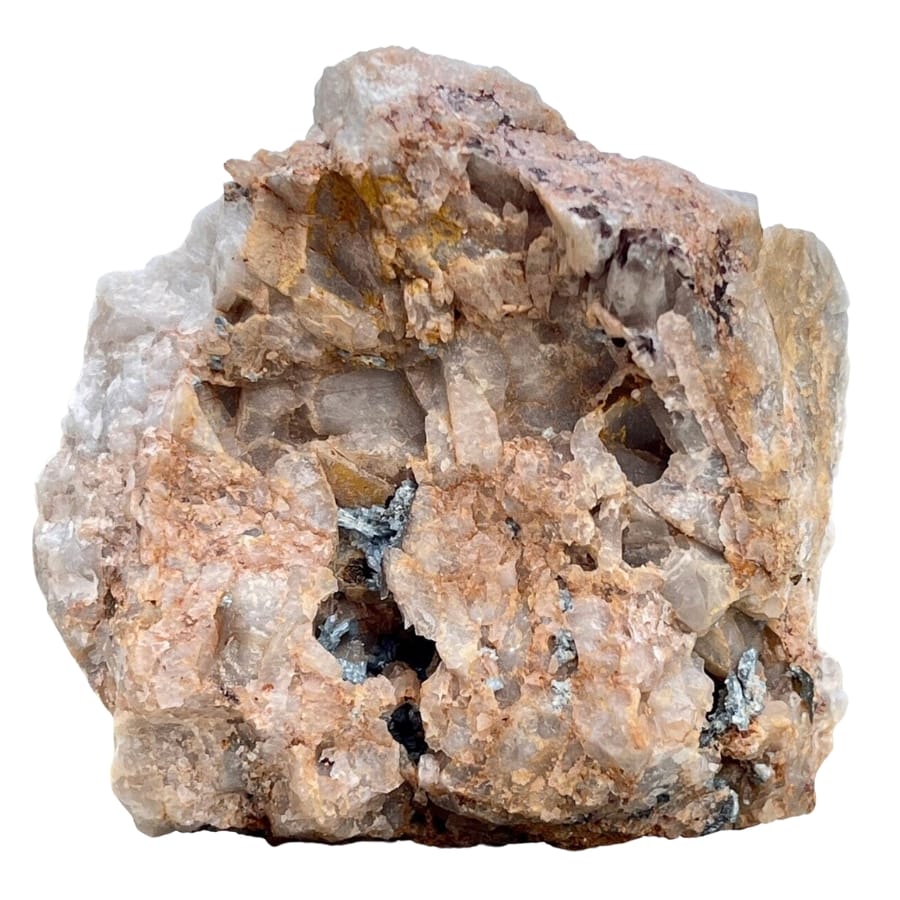
Scorodite is made up of iron, arsenic, and oxygen. Its name originates from the Greek word “skorodion,” referring to the strong odor emitted when heated.
This intriguing mineral forms as a product of the interaction between iron-bearing minerals and arsenic-rich solutions, often displaying striking crystal formations in shades of green and blue.
The formation of scorodite results from the alteration of iron-containing minerals in the presence of arsenic-rich fluids. This process can occur in hydrothermal veins, where hot mineral-laden fluids circulate through cracks and cavities within rocks.
As these fluids come into contact with iron-bearing minerals, they react with the surrounding environment, precipitating scorodite crystals.
In some cases, scorodite can also form as a product of the weathering of sulfide minerals containing arsenic. Its characteristic prismatic crystals and vibrant coloration make scorodite a visually captivating mineral.
Due to its arsenic content, it’s often associated with acid mine drainage—the result of mineral excavation that exposes sulfide minerals to air and water, releasing toxic substances into the environment.
Scorodite’s formation helps sequester arsenic, reducing its mobility and potentially harming ecosystems. This mineral’s ability to encapsulate arsenic makes it valuable in mitigating environmental contamination caused by mining activities.
Its formation reveals the intricate chemical reactions within the Earth’s crust, while its environmental role showcases its significance in addressing the ecological challenges posed by human activities.
Where you can find Scorodite in New York
You may be able to locate scorodite minerals at the mines between Edenville and Mt. Adam.
Celestite
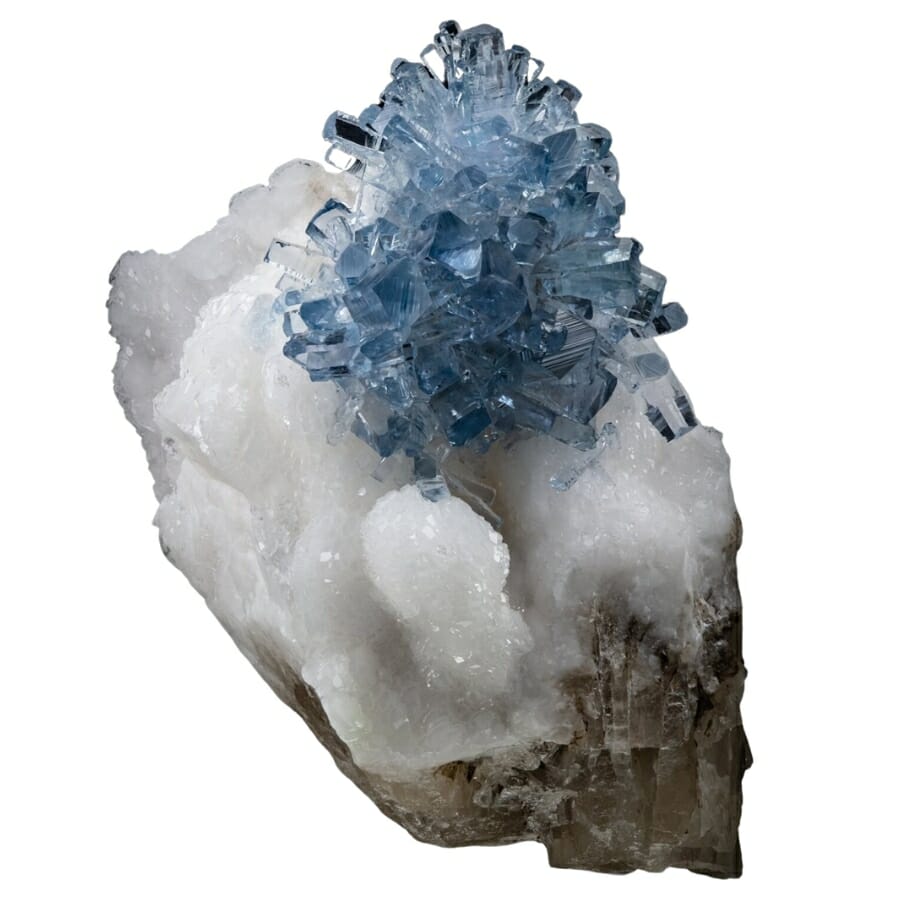
Celestite, a mineral of celestial beauty and delicate hues, emerges as a reflection of the skies within the Earth’s geological canvas.
Composed mainly of strontium sulfate, its name is derived from the Latin word “caelestis,” meaning heavenly or celestial, due to its blue shades reminiscent of the sky.
In ancient oceanic environments, the gradual accumulation of strontium-rich minerals and other chemical reactions led to the creation of its deposits.
As these sediments compacted and solidified over time, they formed rocks containing pockets or geodes of crystalline celestite. The unique blue color that defines it arises from the presence of strontium in its crystal lattice.
The mineral’s gentle blue tones have led to its use as a pigment in the ceramics, paint, and glass industries. Its natural crystal formations have also made it a favored collectible among mineral enthusiasts and collectors.
The charm of celestite lies in its ability to evoke a sense of wonder and connection to the cosmos. Its formation within the Earth’s history echoes the profound interactions between water, minerals, and geological forces.
Where you can find Celestite in New York
Celestite is abundant in the following areas in New York:
- Area quarries of Chittenango Falls
- Area exposures of the Roundout Waterline
Fluorite
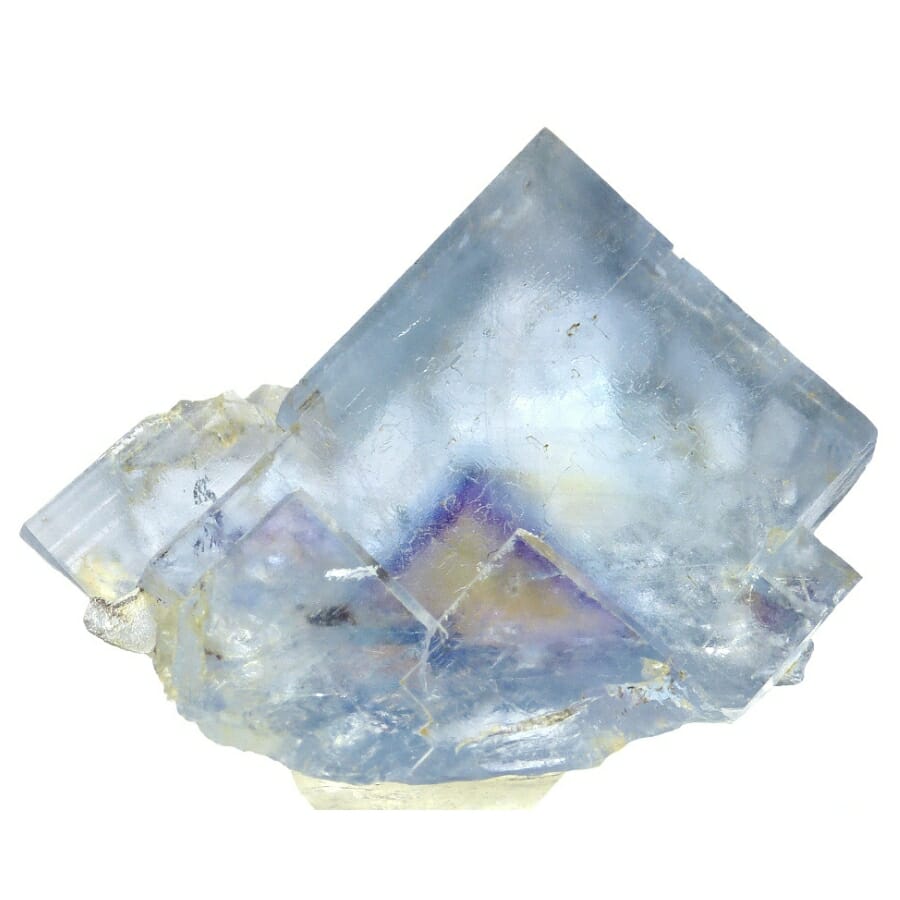
Fluorite’s appealing range of colors, often exhibiting intricate patterns and vibrant hues, has made it a favorite among mineral enthusiasts and collectors. This mineral forms within various geological environments, from hydrothermal veins to sedimentary deposits.
The formation of the mineral is a product of the interaction between hydrothermal fluids and existing rocks. As mineral-rich solutions circulate through the Earth’s crust, they dissolve and carry various elements, including calcium and fluorine.
When these fluids encounter spaces within rocks, they cool and deposit the dissolved minerals, leading to the growth of fluorite crystals.
The broad spectrum of colors seen in fluorite results from different trace elements present during crystal growth, and the level of light absorption and dispersion varies across other specimens.
Its distinctive property of fluorescence under ultraviolet light has led to its use in making fluorescent lights and scientific research and spectroscopy. Additionally, fluorite’s transparency in the infrared range makes it valuable in manufacturing optical components like lenses and prisms.
Its role in the steel and aluminum industries as a flux, aiding in removing impurities during smelting, further underlines its industrial significance.
Its remarkable appearance, diversity, and practical properties make fluorite a valuable mineral that transcends the boundaries between science and art, showcasing the intricate connection between the Earth’s creations and human imagination.
Where you can find Fluorite in New York
You can find fluorite deposits in these places in the state:
- Muscalonge Lake
- Oswegatchie River
- Palmer Hiss Mine
- Rylestone Quarry
Galena
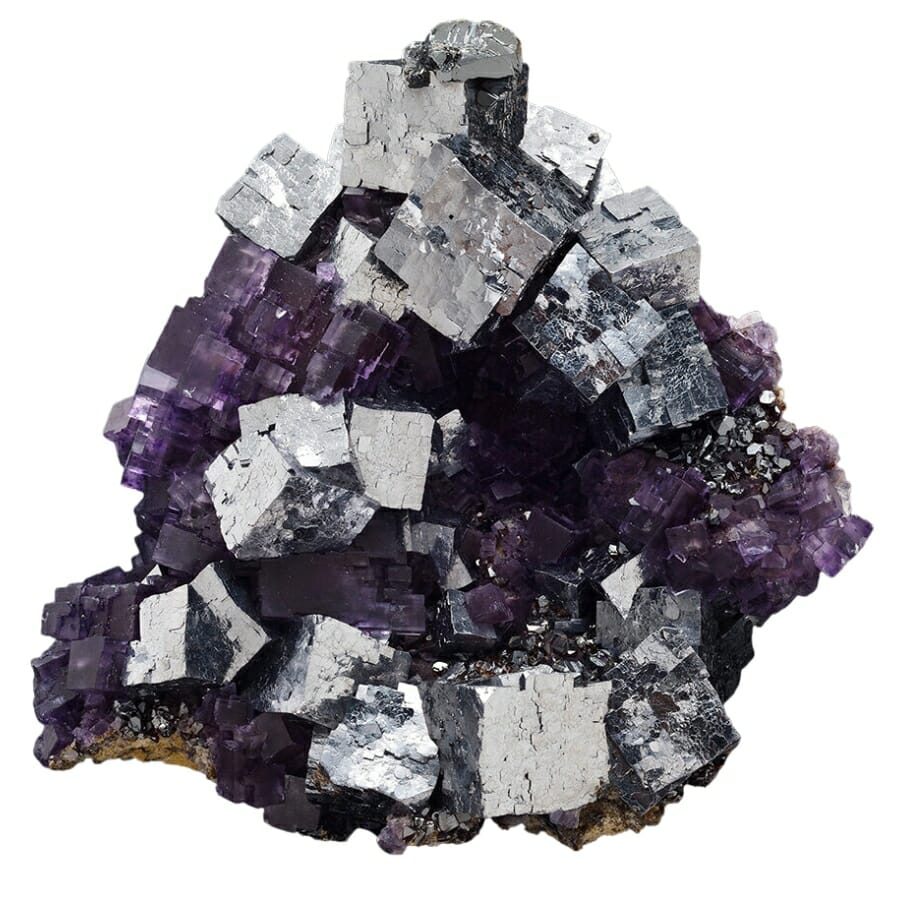
Galena, a mineral with a rich history and striking metallic luster, emerges from Earth’s depths through complex geological processes.
Composed mainly of lead sulfide, it has been a valuable resource for centuries, with its name derived from the Latin word “galena,” meaning lead ore. This mineral forms primarily in hydrothermal veins and sedimentary environments, often crystallizing in cubic or octahedral shapes.
The formation of this mineral is intertwined with the hydrothermal circulation of mineral-rich fluids within the Earth’s crust. As these fluids move through fractures and cavities in rocks, they interact with various elements, including lead and sulfur, and precipitate crystals.
Galena’s association with lead has made it a vital metal source for numerous industrial applications. Its value has been recognized throughout history for its role in producing lead, a metal of significant importance for various industrial processes.
It was used extensively to produce construction lead, batteries, and ammunition. In modern times, lead’s toxicity has led to decreased use, but galena remains a silver source, often found as a byproduct within the mineral.
Galena tells a story of the Earth’s geological evolution, while its varied uses, from industrial to ornamental, reflect its ability to contribute to both practicality and aesthetic appreciation.
Where you can find Galena in New York
A lot of areas contain galena in New York, including:
- Balmat-Edwards Zinc Deposit
- Dutchess County area mines
- Phoenix Mine
Hematite
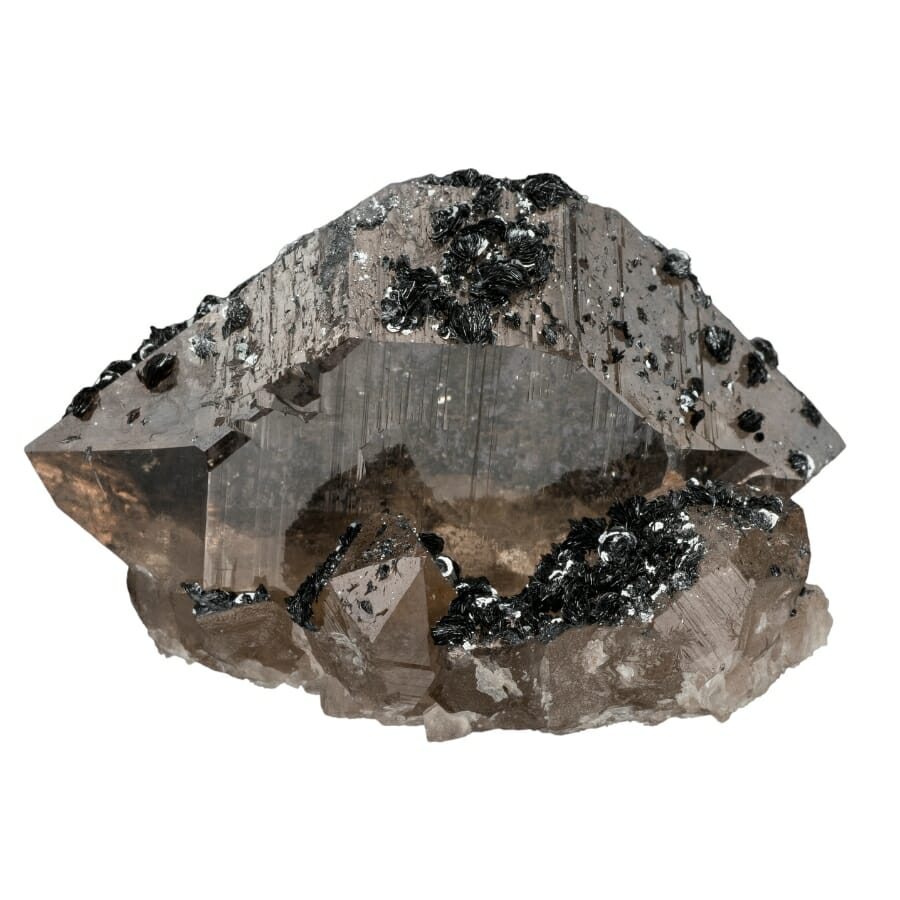
Hematite derives its name from the Greek word “haima,” meaning blood, due to its striking red color when powdered. This mineral forms in various environments, from hydrothermal veins to sedimentary deposits, and its presence on Mars has even intrigued planetary scientists.
In hydrothermal environments, hot mineral-rich waters circulate through cracks and cavities within rocks, depositing iron oxide as they cool. This process leads to the formation of hematite crystals, often exhibiting a metallic luster.
In sedimentary environments, hematite can develop through the accumulation of iron-rich sediments over time. Additionally, hematite’s presence on Mars has sparked interest in understanding its formation in extraterrestrial contexts, potentially shedding light on its geological history.
Its red pigment has been used in paints, dyes, and cosmetics, contributing to cultural and artistic expressions. Hematite’s magnetic properties have also made it valuable in scientific research and industrial applications, including as a component in magnetic storage devices and water purification.
The value of hematite lies in its multifaceted nature, embodying the practical and aesthetic aspects of the Earth’s geological treasures.
Where you can find Hematite in New York
Hematite is abundant in these places in New York:
- Area stream beds and sedimentary exposures of Fowler
- Lyon Mountain
Muscovite
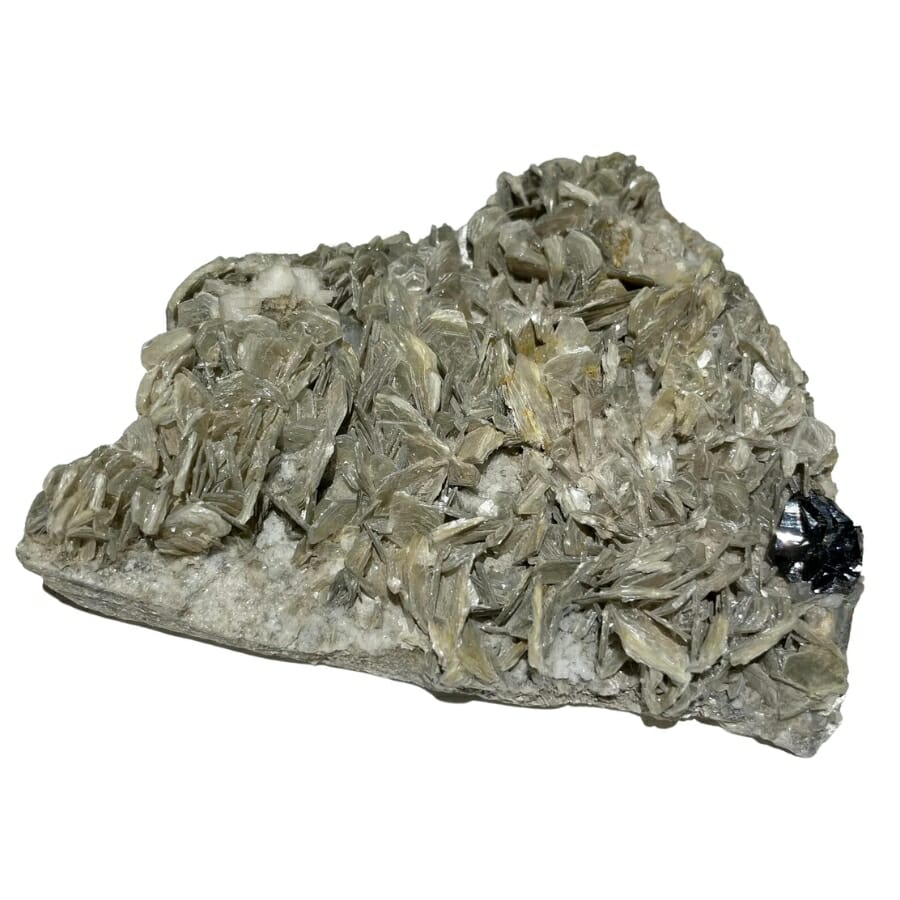
Muscovite, a mineral with a delicate shimmer and a connection to Earth’s geological evolution, is a testament to the dynamic interplay of heat, pressure, and minerals within the planet’s crust.
The formation of this mineral is intricately linked to the metamorphic alteration of rocks like granite and schist. As heat and pressure reshape the mineral composition of pre-existing rocks, muscovite emerges as a product of this transformation.
Its characteristic layered structure forms as aluminum and silicate ions arrange themselves in sheets, resulting in its distinctive “flakey” habit.
This mineral’s impressive elasticity and thinness have led to its use in the manufacturing of insulating materials, electrical components, and even as a substitute for window glass in some regions.
Its shimmering appearance and ability to split into thin sheets have made it a favored material for decorative purposes, including jewelry and figurines.
In the scientific world, muscovite’s transparency in thin sections has made it invaluable in microscopy and petrology studies.
Where you can find Muscovite in New York
There are many muscovite deposits in New York, specifically in these places:
- Brant Lake
- Lake Harris
Stilbite
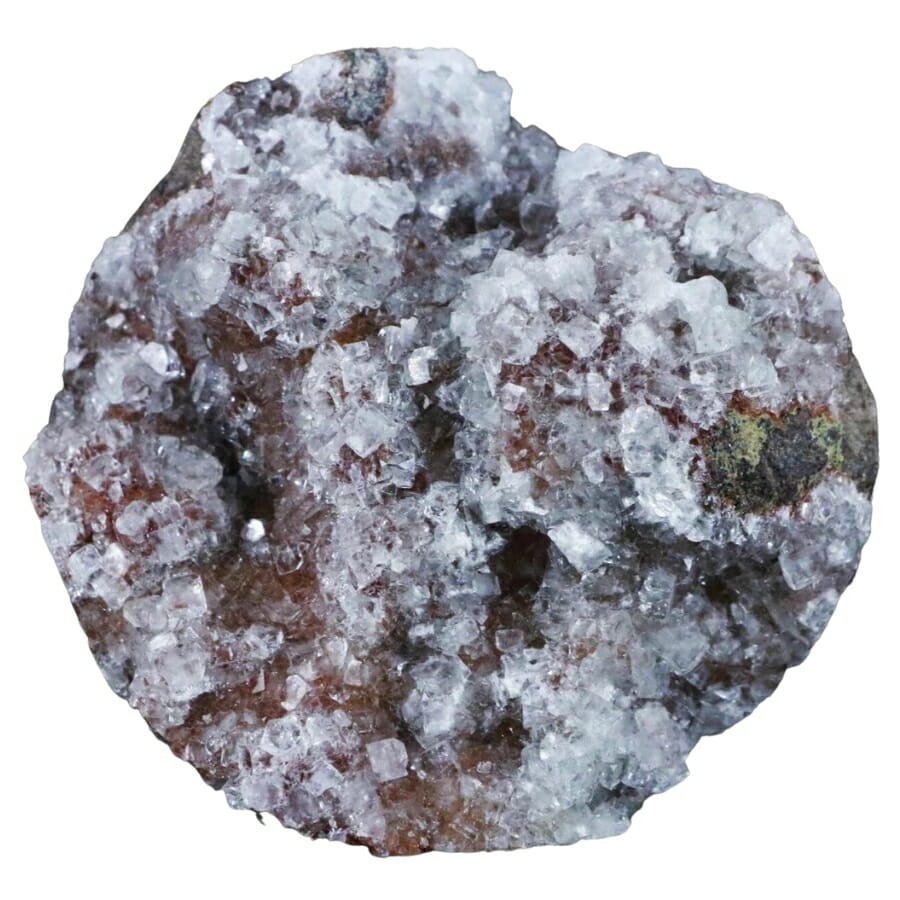
Comprising a framework of aluminum and silicon, stilbite’s name is derived from the Greek word “stilbein,” meaning to shine, due to its distinctive luster. This mineral forms within cavities and voids of volcanic rocks, often creating mesmerizing clusters of delicate, needle-like crystals.
The formation of stilbite unfolds in volcanic environments, where mineral-rich fluids interact with the porous spaces within igneous rocks. As these fluids cool and solidify, they deposit minerals such as stilbite, which crystallize into unique formations.
Its delicate crystals often create intricate clusters that sprout like ethereal blossoms. The mineral’s vibrant colors and structures make it a favorite among mineral collectors, and its softness allows it to be easily shaped into ornamental objects.
The mineral’s delicate appearance and varied colors make it a sought-after component in lapidary arts, where it is fashioned into cabochons, carvings, and decorative objects.
Stilbite’s natural porosity also makes it useful in water purification systems, where it acts as an adsorbent to remove impurities. Its energy is often associated with feelings of calmness and tranquility, leading to its use in metaphysical practices as a stone that promotes relaxation and inner peace.
Stilbite’s allure lies in its harmonious blend of fragility and beauty, embodying the intricate dance between Earth’s geological processes and the creativity of human expression. Its formation within the heart of volcanic rocks mirrors the transformative powers that shape our planet’s crust.
Where you can find Stilbite in New York
The Lyon Mountain in New York contains stilbite deposits.
Albite
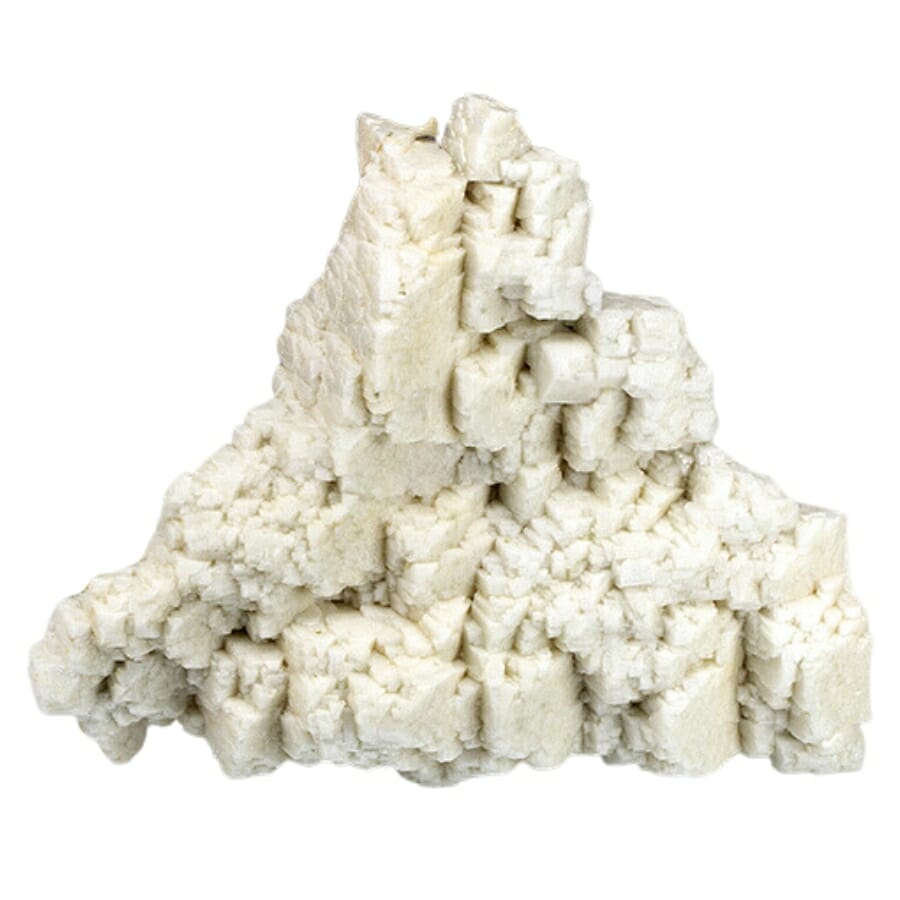
Comprising part of the feldspar family, albite is renowned for its striking milky-white appearance that captures the essence of moonlight. This mineral, formed from a fascinating dance of elements, is a crucial ingredient in igneous rocks like granite and pegmatite.
Albite’s story begins deep within the Earth’s crust, where molten magma cools and solidifies. As the magma undergoes this transformation, its crystals form alongside other minerals, creating the intricate patterns seen in many rocks.
What’s intriguing is how its composition, primarily consisting of sodium, aluminum, and silicon, contributes to its alluring pearly luster. This effect is noticeable when light dances across its surface, evoking a sense of otherworldly elegance.
Its ability to lower the melting point of ceramic materials makes it an invaluable addition to porcelain and glass production. This property, coupled with its resilience against weathering, also makes albite a key component in creating building materials that can withstand the test of time.
Its role extends to science, where researchers use albite’s distinct optical properties to understand the behavior of light within crystals better.
Its delicate beauty and function in shaping the Earth’s crust highlight the intricate interconnectedness of our planet’s geology.
Whether it’s the shimmering elegance it adds to geological formations or the practical contributions it makes to the industry, albite stands as a shimmering testament to the wonders hidden beneath the surface of our planet.
Where you can find Albite in New York
It’s easy to find albite in New York, especially in these places:
- Balmat-Edwards Zinc Deposit
- Crystal Grove Diamond Mine and Campground
- Lake Harris
Bronzite
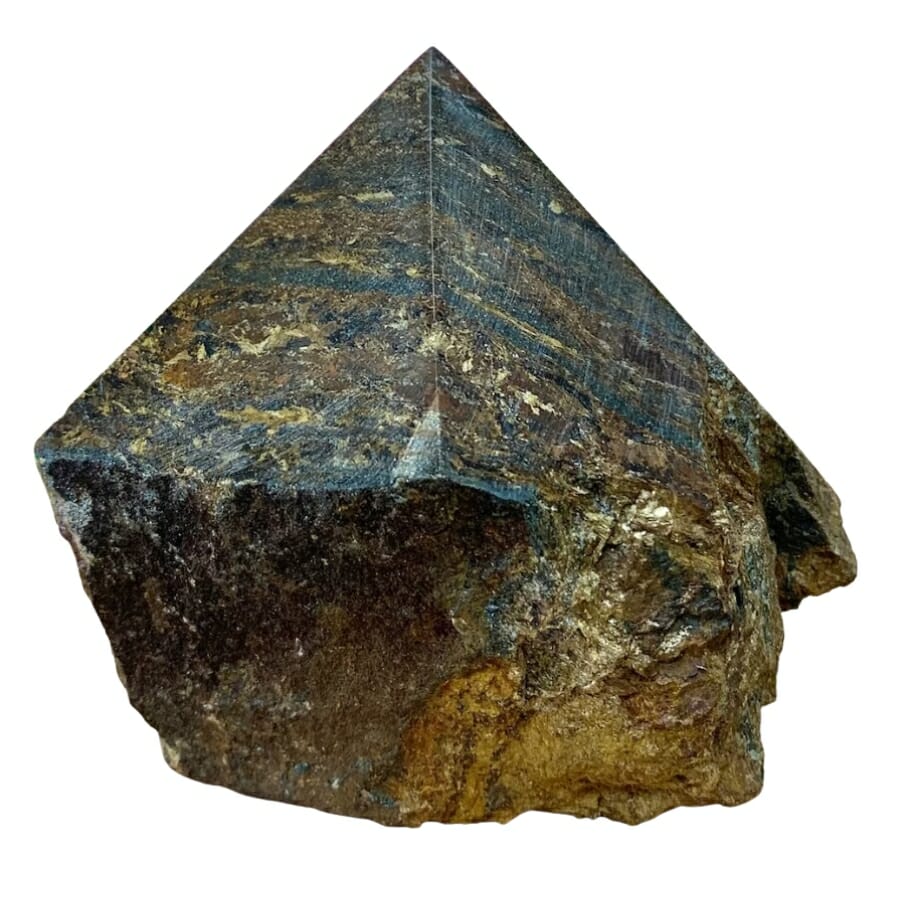
Bronzite is a mineral that bridges the gap between the rugged and the refined. It boasts a distinctive appearance reminiscent of antique bronze.
Part of the pyroxene group, its name pays homage to its stunning metallic luster and deep brown hue. This mineral’s journey from molten beginnings to the heart of Earth’s rocky landscapes paints a vivid picture of geological artistry.
Born within the depths of magmatic activity, bronzite forms as part of igneous and metamorphic rocks. It develops when molten rock, or magma, cools and crystallizes, giving birth to the rich, brown crystals we now associate with the mineral.
What truly sets this mineral apart is its intricate pattern of shimmering flakes, known as “schiller” or “aventurescence,” which gleam and reflect light like sunlight dancing on the water’s surface.
It also finds its way into various practical applications. Its durability and resilience against weathering make it ideal for ornamental and architectural purposes. Countertops, tiles, and decorative objects crafted from bronzite showcase their beauty and ability to withstand the test of time.
Moreover, its unique appearance has led to its incorporation in jewelry designs, allowing individuals to carry a piece of Earth’s geological artistry.
Whether gracing our surroundings as a striking interior adornment or worn as a cherished accessory, bronzite’s appeal connects us to the core of our planet’s geological history.
Where you can find Bronzite in New York
Bronzite deposits can be found around the area of Tilly Foster Mine.
Clinochlore
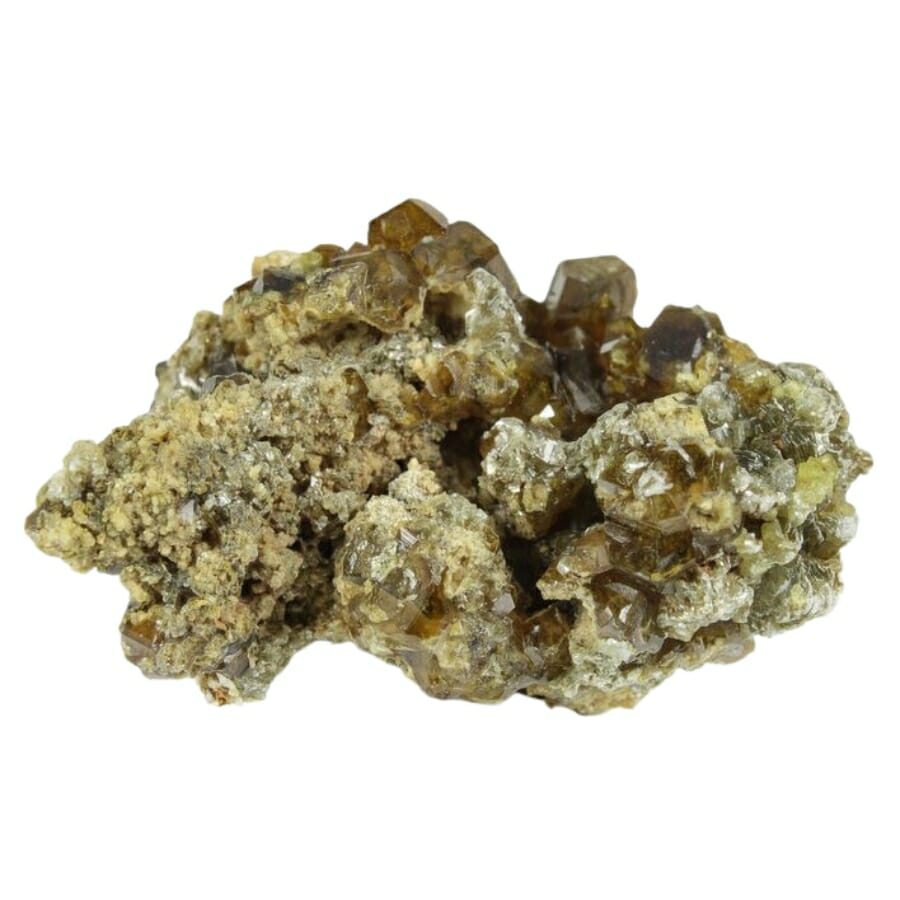
Clinochlore has delicate shades of green and innate tranquility. Found in various geological settings, clinochlore’s name stems from the Greek words “klinein,” meaning to incline, and “chloros,” referring to its lush green color.
This mineral’s formation and versatile attributes tell a tale of nature’s artistic ingenuity. Born from the metamorphosis of rocks, clinochlore emerges as a product of the alteration of pre-existing minerals under conditions of heat and pressure.
Its formation often occurs in regions undergoing dynamic geological processes, such as mountain-building events or tectonic plate collisions. This transformation creates the serene, green crystals that make clinochlore so appealing.
Clinochlore serves as an essential player in various industrial and artistic endeavors. Its soft, green hue has made it a favored choice in creating pigments used in ceramics and paints.
Its malleability and ability to retain shape under heat have also led to its incorporation in pottery and sculptures. Additionally, its use as a mineral supplement in the agricultural sector highlights its role in nourishing plants and promoting healthy growth.
This blending of natural beauty and versatility filled clinochlore with a unique sense of value in geology and the hearts of those who appreciate its serene charm.
Where you can find Clinochlore in New York
You can discover clinochlore deposits at the Tilly Foster Mine.
Magnesite
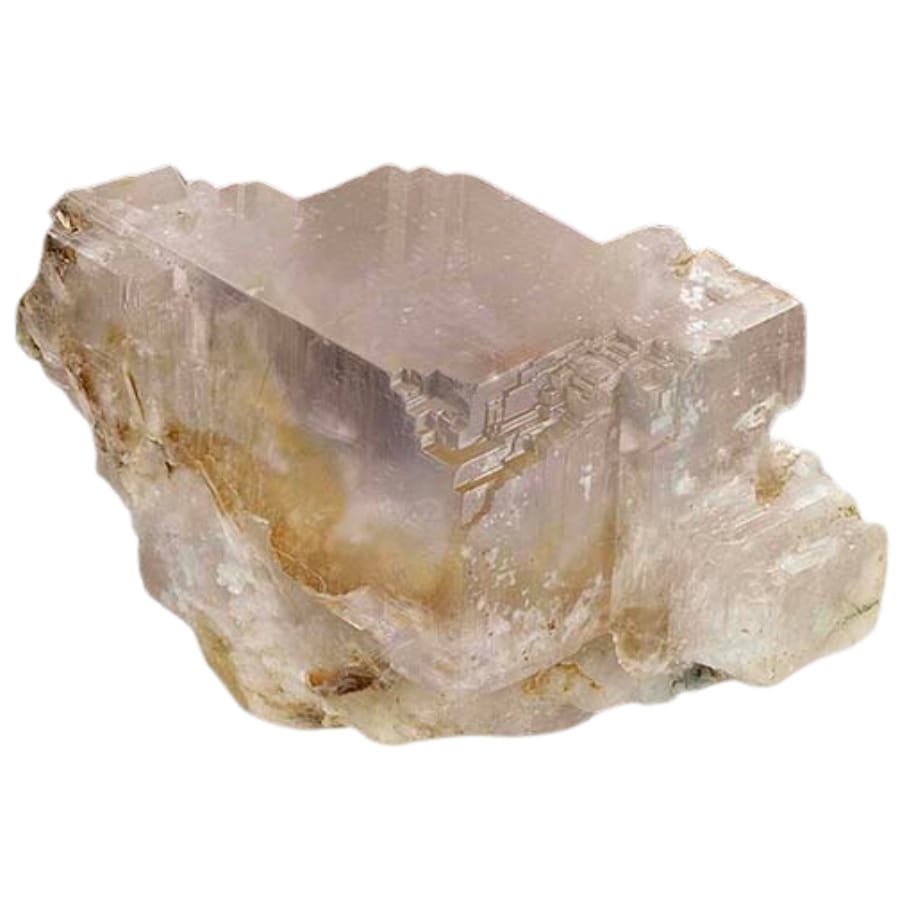
Magnesite, an enchanting mineral with a subtle charm, holds a special place in geology. Composed mainly of magnesium carbonate, this mineral’s formation is a testament to the intricate processes that shape our planet.
It originates from altering magnesium-rich rocks, a transformation driven by geological forces and chemical reactions. When magnesium-rich stones, such as serpentine or dolomite, undergo metamorphism, they give rise to the creation of magnesite.
This fascinating process involves a delicate interplay of temperature, pressure, and chemical changes deep within the Earth’s crust. Over time, these conditions encourage the reorganization of mineral components, forming the distinct white, gray, or beige magnesite crystals we see today.
One of its most significant uses is as a source of magnesium oxide, which has applications in industries such as steel production, refractories, and cement manufacturing.
In addition, magnesite’s texture and appearance make it a sought-after material for creating ornamental items, decorative stones, and intricate carvings. Its subtle elegance and unique qualities add a touch of natural beauty to architecture and art.
Where you can find Magnesite in New York
You can find magnesite at the Tilly Foster Mine.
Tourmaline
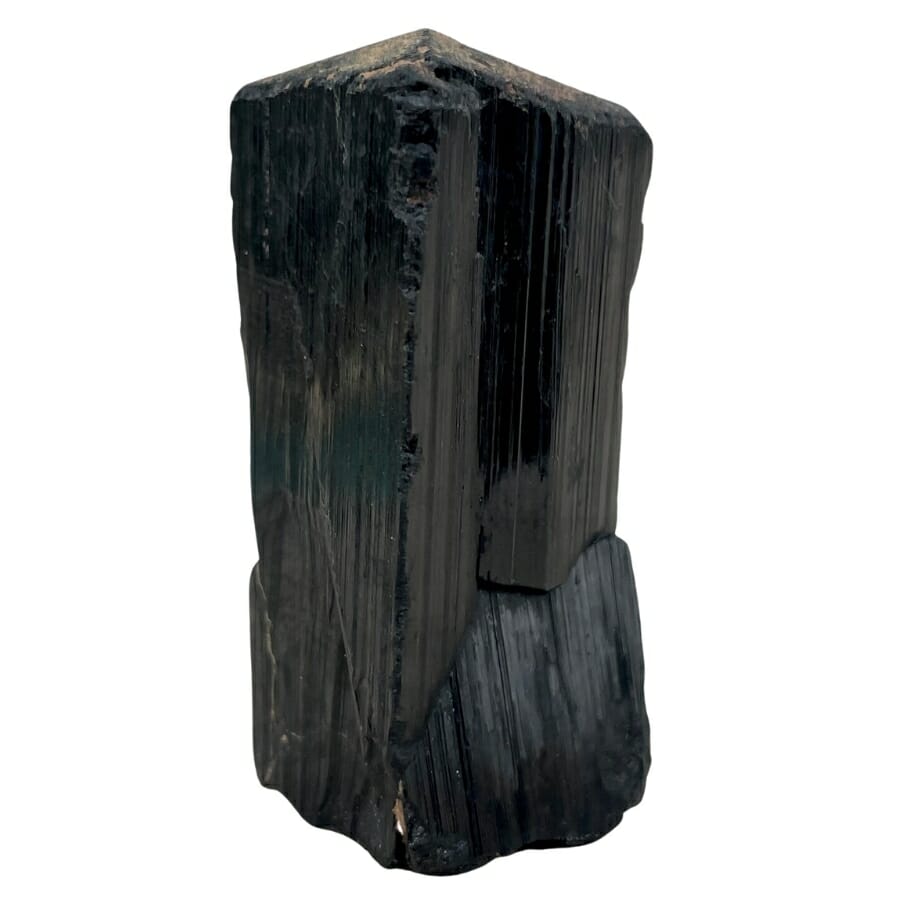
Tourmaline emerges from a geological symphony that spans a spectrum of colors. Composed of complex boron silicate compounds, tourmaline’s allure lies in its astonishing range of hues, from electric blues to fiery reds.
This mineral forms in various geological settings, often taking shape within pegmatites, which are exceptionally coarse-grained igneous rocks. Its formation is intricately linked to volcanic activity and the interplay of elements deep within the Earth’s crust.
As magma cools and crystallizes, it creates pockets of pegmatite rock that serve as a crucible for the birth of tourmaline crystals. What’s remarkable is that various trace elements, such as iron, manganese, and lithium, give each tourmaline specimen its unique color palette.
The mineral’s diversity is a visual feast, from the aptly named “watermelon tourmaline” with its green and pink layers to the striking “paraíba tourmaline” with its vivid blue-green hues.
Tourmaline’s ability to conduct heat is also a key component in thermoelectric devices. Additionally, this mineral’s varied colors and durability have secured its place in the world of gemstones and jewelry, where it has adorned crowns, rings, and necklaces for centuries.
From dazzling hues to technological prowess, tourmaline has enraptured science and art. Its complex formation and multifaceted uses exemplify the intricacies of the Earth’s processes, while its role in jewelry and technology underscores its cultural and economic significance.
Where you can find Tourmaline in New York
You can find tourmaline in New York, especially in these places:
- Brant Lake
- Crystal Grove Diamond Mine and Campground
- Mitchell Farm
- Oswegatchie River
Tremolite
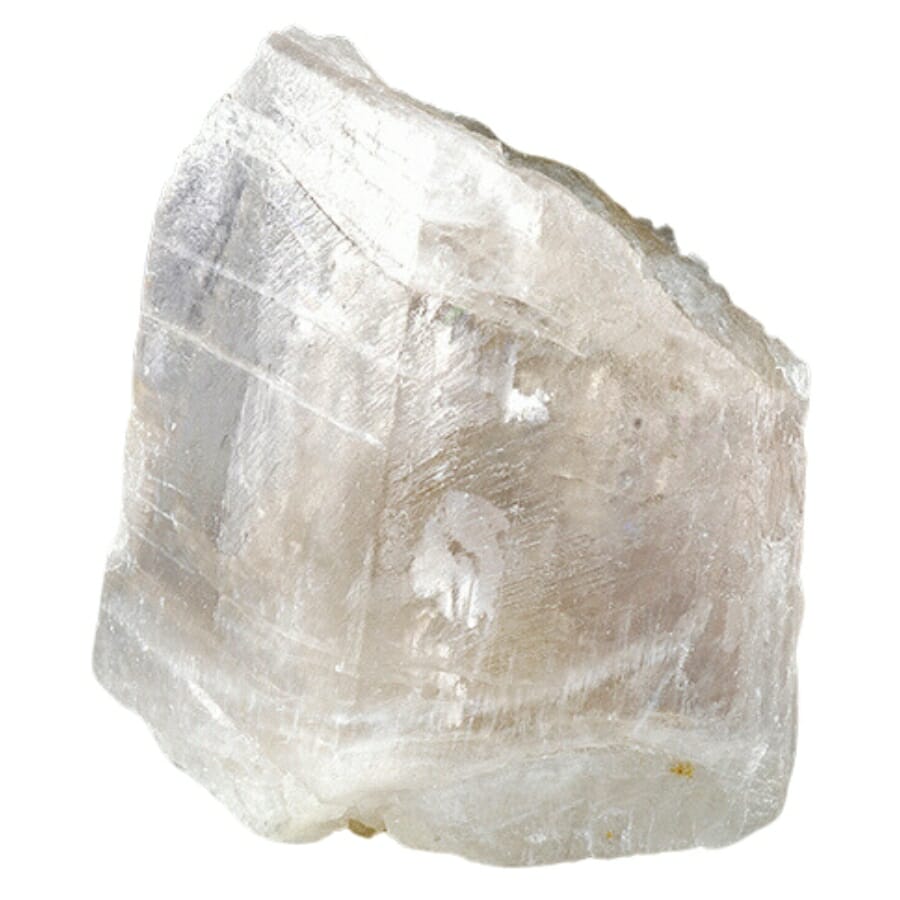
Comprising a silicate structure rich in calcium, magnesium, and iron, tremolite’s delicate, translucent appearance captures the imagination of geologists and collectors alike.
This mineral forms within the intricate dance of geological forces, often arising in rocks subjected to high temperatures and pressures. Its formation occurs during the metamorphic transformation of pre-existing rocks, such as limestone or dolomite.
Under the intense heat and pressure found deep within the Earth’s crust, these rocks undergo a remarkable journey of change. As minerals react and realign, tremolite emerges as one of the products of this dynamic process. Its fine, needle-like crystals often create a fibrous and intricate texture.
Historically, its fibrous form has been used for its heat-resistant properties, making it valuable for insulating materials.
However, it’s important to note that certain varieties of tremolite are known to contain asbestos fibers, which pose serious health risks, thus limiting its use.
In its non-asbestos form, tremolite’s aesthetic beauty has also earned it a place in the realm of lapidary arts, where it can be shaped into intricate gemstones and ornamental objects.
While its use has evolved due to health concerns, its appearance and geological significance continue to make tremolite a mineral reflecting the harmonious interplay between the Earth’s forces and artistic creations.
Where you can find Tremolite in New York
Tremolite is abundant in New York, specifically in the following areas:
- Gouverneur Talc Mine
- Lake Harris
Apatite
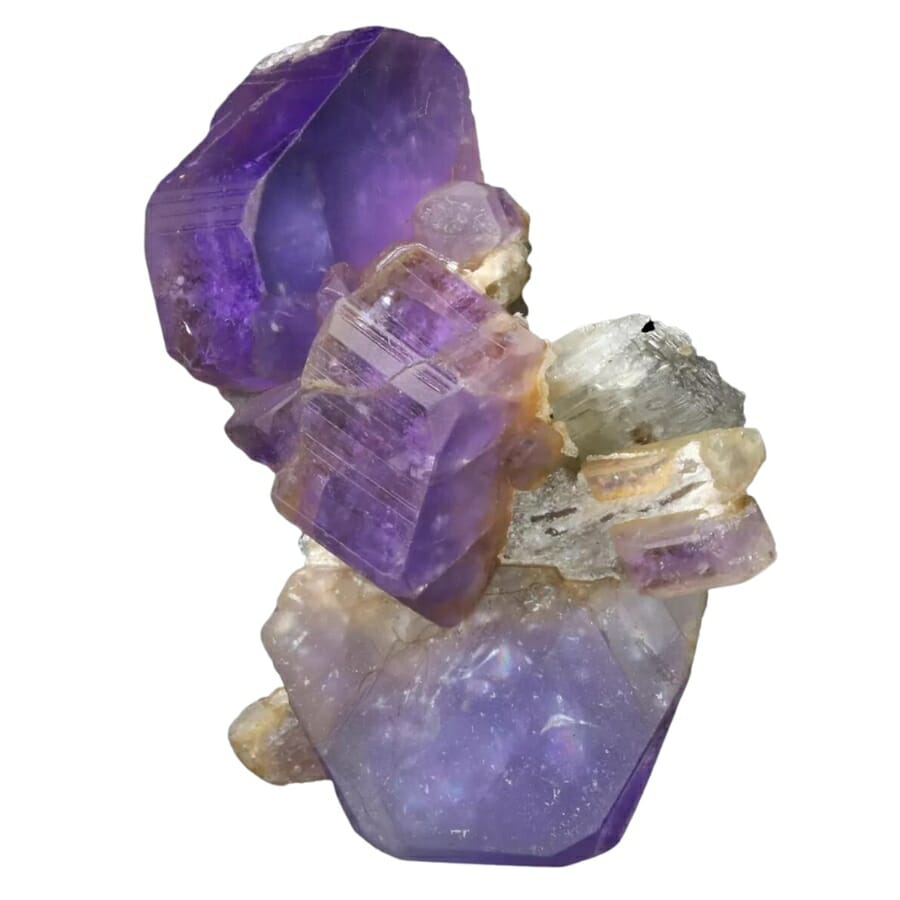
Apatite is a mineral that seems to encapsulate the spectrum of nature’s colors and emerges from the intricate tapestry of geological processes.
Composed mainly of calcium phosphate, apatite’s name originates in the Greek word “apate,” meaning deception, due to its resemblance to other minerals.
This versatile mineral forms within various environments, from igneous to sedimentary, and its mesmerizing hues make it a favorite among collectors and enthusiasts.
Apatite’s formation is as diverse as its appearance, occurring under conditions that vary from the fiery core of volcanoes to the depths of marine sediments. It often develops within the crystallizing magma of igneous rocks and in hydrothermal veins and sedimentary deposits.
Its ability to incorporate trace elements gives rise to its stunning colors, from vivid blues and greens to delicate pinks and purples. This diversity makes apatite a sought-after mineral in gemology and jewelry design.
Apatite plays a crucial role in various industries and scientific applications. In agriculture, apatite’s phosphate content makes it a valuable ingredient in fertilizers, contributing to healthy plant growth and crop yields.
The mineral’s fluorescence under ultraviolet light also serves as a diagnostic tool in geology, helping scientists identify different rock types and geological formations.
Its occurrence in teeth and bones further highlights its significance, as it is a key component in developing skeletal structures in animals, including humans.
Apatite’s charm lies in its multi-faceted nature, embodying the harmony between nature’s craftsmanship and the endeavors of mankind.
Where you can find Apatite in New York
You can find apatite in the following places in the state:
- Crystal Grove Diamond Mine and Campground
- Lyon Mountain
- Oswegatchie River
Corundum
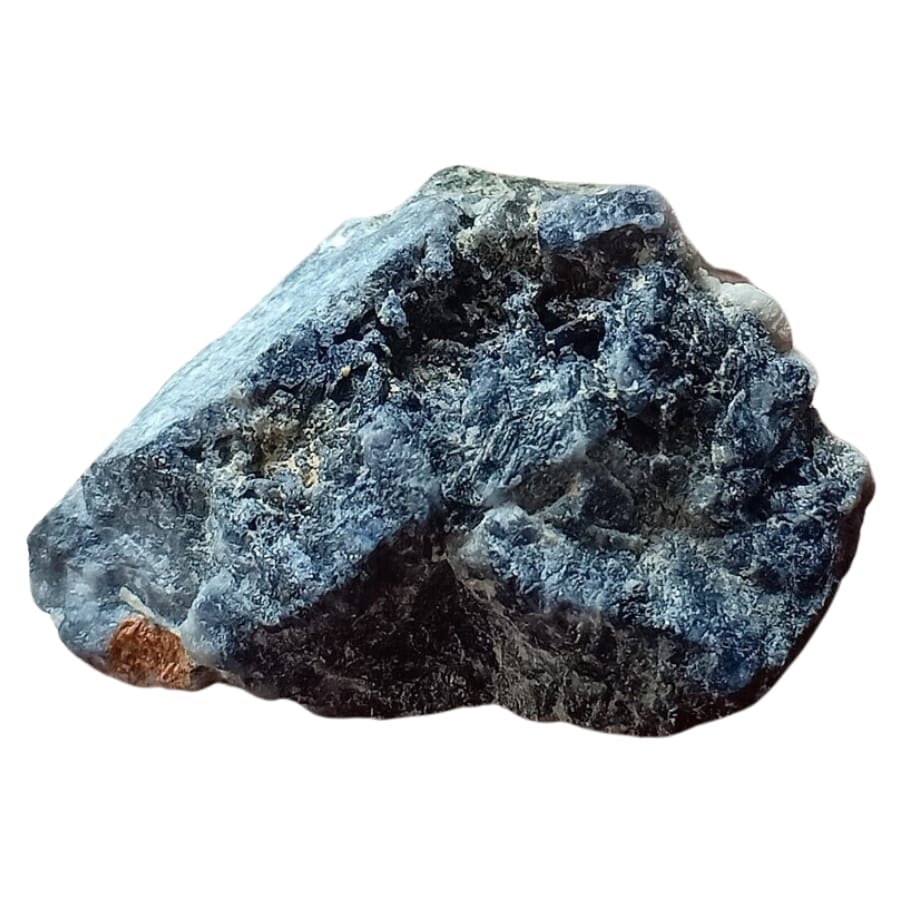
Corundum, a mineral of captivating allure and exceptional hardness, reveals itself in enchanting colors.
Composed mainly of aluminum oxide, this mineral’s formation results from high-temperature geological processes. It originates from igneous and metamorphic environments where extreme heat and pressure sculpt the Earth’s crust.
The fact that corundum crystallizes shows that harsh conditions shape our planet. Corundum crystals form when rocks with a lot of aluminum, like shale and limestone, are heated and pressed very hard.
This process is called metamorphism. This mineral’s beautiful range of colors comes from trace elements like chromium. The hardness and durability of corundum, combined with its remarkable color range, make it an invaluable gemstone in the jewelry world.
Beyond their aesthetic value, corundum’s properties find use in various industrial applications. Its hardness ranks second to diamonds, making it essential in cutting tools, grinding wheels, and abrasives.
Its transparency in the infrared spectrum also renders it valuable in scientific instruments, lasers, and optical components.
The multifaceted significance of corundum lies in its harmonious blend of natural beauty, industrial utility, and cultural reverence. From its role as a symbol of love and wealth to its pivotal place in technological advancement, corundum’s rich legacy has woven a thread connecting ancient traditions to modern innovation.
Where you can find Corundum in New York
Here are the places in the state where corundum is most likely to be found:
- Adirondack Park
- Area limestone outcrops in Amity
Diopside
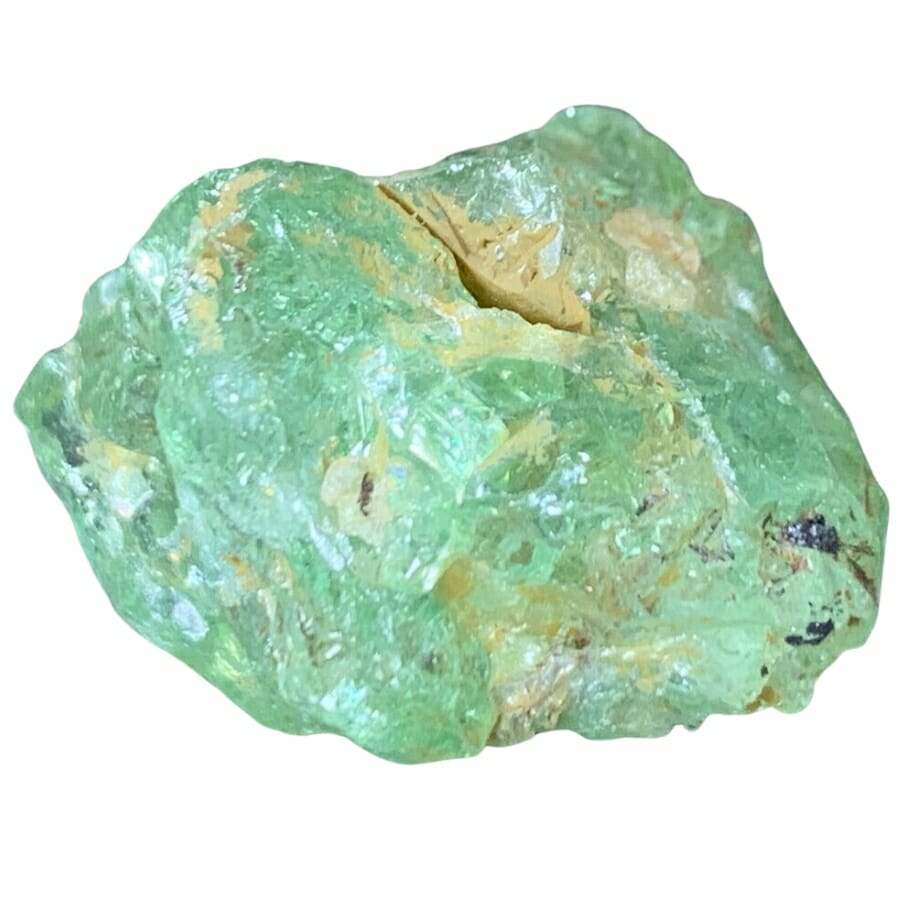
Diopside is a beautiful mineral with bright green colors that comes from the depths of the Earth through complicated geological processes. The name “diopside” comes from the Greek words “dis,” which means “double,” and “opsis,” which means “sight.”
This is because it has a strong property called “pleochroism,” which makes it look different colors when viewed from different angles. This mineral can form in several geological settings but usually comes from igneous and metamorphic rocks.
The formation of diopside is a testament to the transformative powers of heat and pressure deep within the Earth’s crust. As magma cools and crystallizes, it gives rise to the formation of igneous rocks.
In some cases, it develops as a mineral within these rocks, especially in calcium-rich environments. Alternatively, the mineral can arise from the metamorphism of pre-existing rocks, undergoing changes in composition and structure under intense geological pressures.
Although it’s not as widely recognized as some other gemstones, its vibrant green color, and unique optical qualities have earned it a devoted following among collectors and connoisseurs.
Moreover, diopside’s thermal and electrical conductivity has led to its use in manufacturing ceramics, refractories, and electrical insulators.
Diopside’s vibrant appearance and multifaceted significance illustrate the deep connection between Earth’s natural wonders and human appreciation for beauty and knowledge.
Where you can find Diopside in New York
Diopside can be found in places in the state, such as:
- Area quarries of Richville
- Brant Lake
- Lake Harris
Garnet
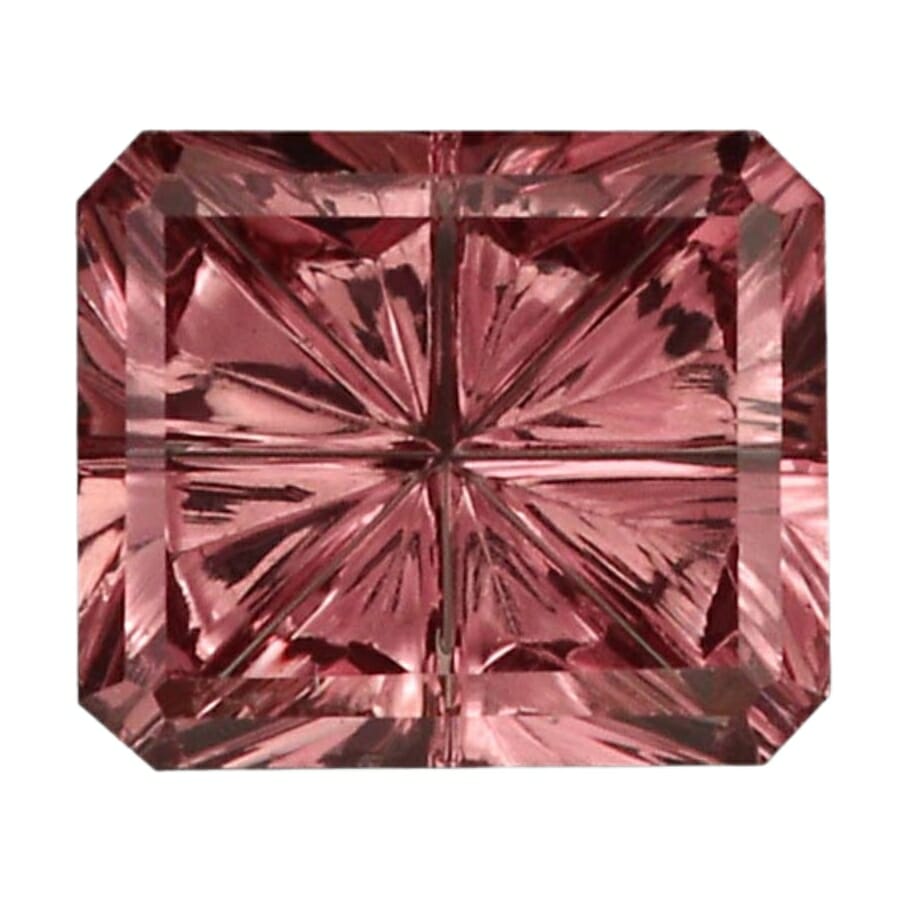
Garnet, a mineral of multifaceted charm and deep, rich hues, emerges from the Earth’s transformational embrace through intricate geological processes.
Comprising a group of silicate minerals with varying chemical compositions, garnets exhibit a remarkable range of colors, from fiery reds to soothing greens.
This mineral forms within diverse geological settings, including metamorphic, igneous, and sedimentary environments. As minerals recrystallize during the metamorphic transformation of rocks, it emerges as a product of these geological changes.
The unique colors within garnets result from the presence of different elements, such as iron, manganese, and aluminum, which lend their distinctive hues to this mineral group.
Garnets often grow in metamorphic rocks like schist or gneiss, where the heat and pressure create the ideal conditions for their crystallization.
Beyond its aesthetic, garnet’s versatility and durability have made it invaluable across various industries. Its hardness makes it an ideal abrasive material for tools, sandpaper, and waterjet cutting.
Garnet sand is also used in water filtration systems and as a natural abrasive in cleaning. In addition to its industrial applications, garnet’s captivating appearance has made it a sought-after gemstone for centuries, adorning jewelry and decorative items.
Whether embraced as a gemstone or harnessed for its practical uses, garnet embodies the intricate harmony between the Earth’s geological processes and the complex desires of the human heart and mind.
If you’re curious how much garnet is worth, we’ve written an article detailing your needed information.
Where you can find Garnet in New York
Garnet can be found all over New York, especially in the places below:
- Ace of Diamond Mine and Campground
- Adirondack Park
- Area mines of Mt. Bigelow in Essex County
- Hooper Garnet Mine
- Old mines of Oven Mountain
The Best Locations For Crystal Mining in New York
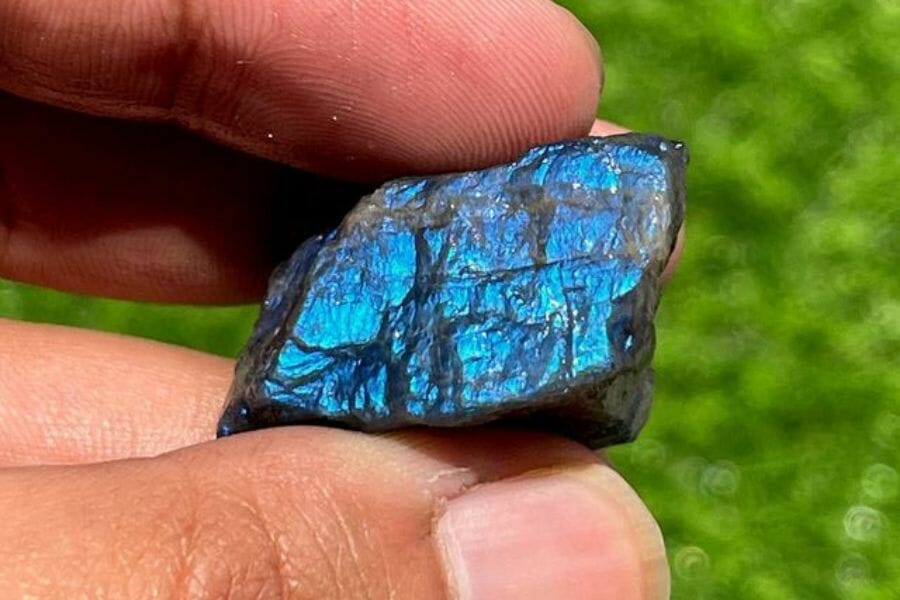
Check out these places if you can only visit a few sites. We have the most success in these areas and believe you will too.
Always Confirm Access and Collection Rules!
Before heading out to any of the locations on our list you need to confirm access requirements and collection rules for both public and private locations directly with the location. We haven’t personally verified every location and the access requirements and collection rules often change without notice.
Many of the locations we mention will not allow collecting but are still great places for those who love to find beautiful rocks and minerals in the wild without keeping them. We also can’t guarantee you will find anything in these locations since they are constantly changing.
Always get updated information directly from the source ahead of time to ensure responsible rockhounding. If you want even more current options it’s always a good idea to contact local rock and mineral clubs and groups
Balmat-Edwards Zinc Deposit
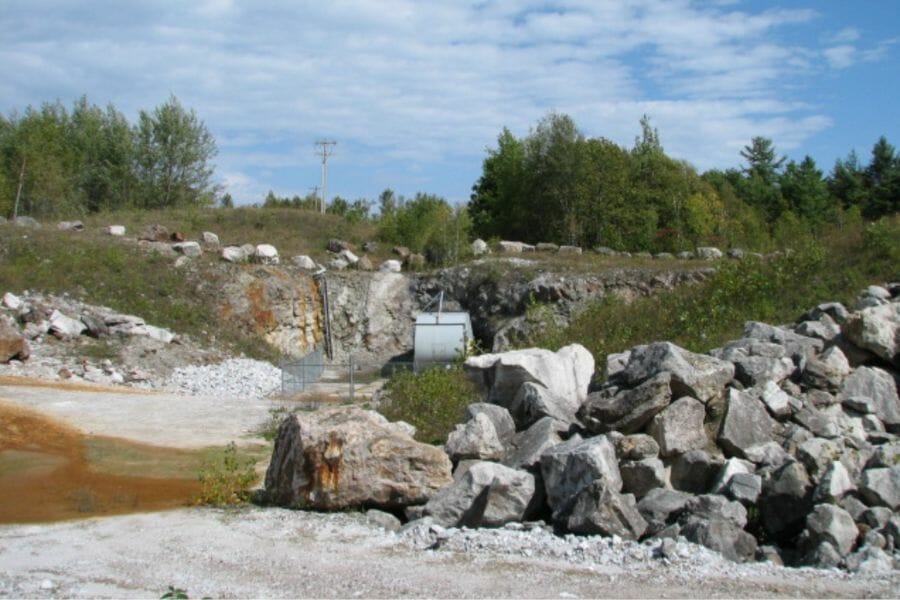
St. Lawrence County, NY
If you’re looking for a good area in the state to find some stunning crystals, you might want to peek at the Balmat-Edwards Zinc Deposit. It’s easy to see why crystal hunters have long regarded this historical location as one of their favorites.
You can also include this spot in your list of where you can mine gems in New York.
The area has been known for its mineral deposits since the mid-1800s, and it’s located along the western shores of Lake Ontario. Geologically speaking, it’s made up of a mix of metamorphic and sedimentary rocks rich in sulfide minerals like zinc, lead, and copper.
It’s a great spot for crystal hunting because these minerals often contain beautiful crystals that can be collected by hand. Plenty of other minerals are found in the area, too – quartz, garnet, hematite – so you’ll never get bored! And if you’re feeling adventurous, there are caves and tunnels to explore with amazing crystal formations.
Where we found crystals at the Balmat-Edwards Zinc Deposit
We have collected various crystals, such as apatite, calcite, celestite, chalcopyrite, galena, garnet, hematite, pyrite, quartz, rhodonite, serpentine, tourmaline, in the whole area of the Balmat-Edwards Zinc Deposit.
If you want REAL results finding incredible rocks and minerals you need one of these 👇👇👇

Finding the coolest rocks in isn’t luck, it's knowing what to look for. Thousands of your fellow rock hunters are already carrying Rock Chasing field guides. Maybe it's time you joined the community.
Lightweight, mud-proof, and packed with clear photos, it’s become the go-to tool for anyone interested discovering what’s hidden under our red dirt and what they've already found.
Join them, and make your next rockhounding trip actually pay off.
What makes it different:
- 📍 Find and identify 140 incredible crystals, rocks, gemstones, minerals, and geodes across the USA
- 🚙 Field-tested across America's rivers, ranchlands, mountains, and roadcuts
- 📘 Heavy duty laminated pages resist dust, sweat, and water
- 🧠 Zero fluff — just clear visuals and straight-to-the-point info
- ⭐ Rated 4.8★ by real collectors who actually use it in the field
Brant Lake
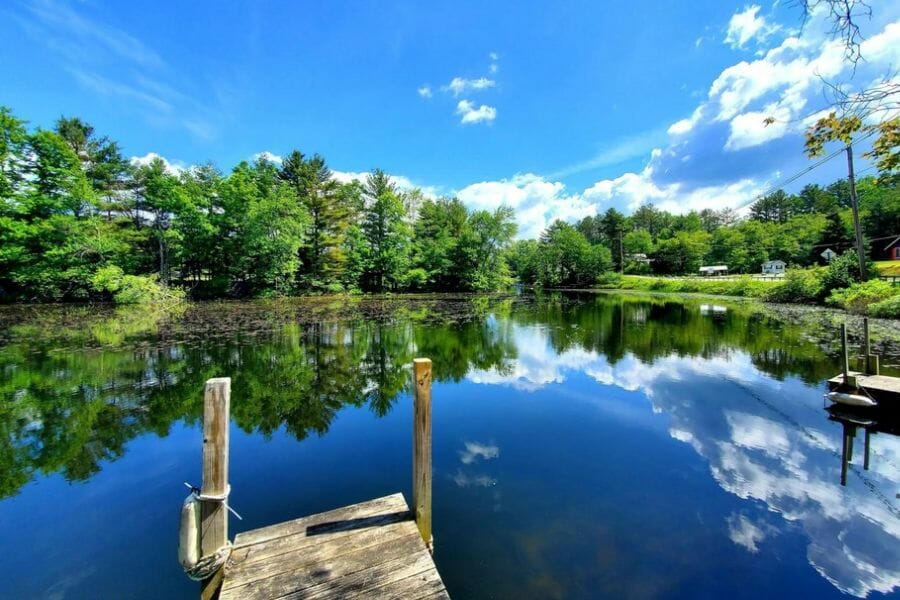
Warren County, NY
Brant Lake in New York is a great place to go if you’re looking for crystals. Located in the Adirondack Mountains, it has been a popular destination for crystal hunters since the early 1900s.
It’s known for its quartz and calcite deposits, easily accessible due to the lake’s shallow water. The terrain around Brant Lake is mostly hilly, with some flatland near the lake itself, so it’s easy to find a spot to hunt for crystals.
The lake is fed by several small streams that run through the area and provide plenty of opportunities for wading and searching.
The area also offers plenty of outdoor activities, such as camping and crystal hunting, making it an ideal spot to spend your vacation if you want to find crystals while enjoying outdoor fun.
With its picturesque views of the Adirondack Mountains and its abundance of crystal deposits, Brant Lake is a great place to visit if you want to find some unique treasures.
Where we found crystals at Brant Lake
There are apatite, calcite, muscovite, pyrite, and tourmaline crystals found south of the shore, in the roadcuts through the pegmatites of Brant Lake.
Diamond Acres Mine
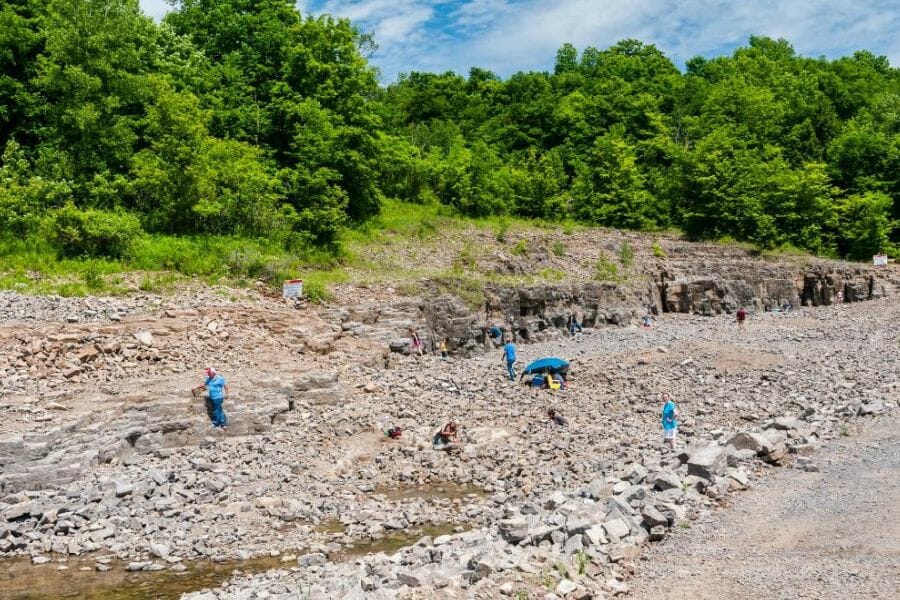
1706 Stone Arabia Rd, Fonda, NY 12068
Diamond Acres Mine in New York has been a popular tourist destination for crystal-seekers since the early 1900s. Located in the Catskill Mountains, it’s known for its varied terrain and abundance of quartz crystals.
The mine lies on an ancient riverbed filled with millions of years of sedimentary deposits. The mix of rocks and minerals creates an ideal environment for crystal growth, making it a great spot for finding quartz, calcite, and amethyst.
You can explore the mine’s many tunnels and caverns or purchase mining equipment to dig their crystals from the ground. Many experienced miners recommend going with a guide to get the full experience.
With its rich history, stunning scenery, and ample opportunities to find crystals, Diamond Acres Mine is a must-visit destination for anyone looking to get their hands on some gorgeous crystals!
Where we found crystals at Diamond Acres Mine
Quartz crystals are primarily found at Diamond Acres Mine in the Fonda area. We’ve made a thorough article on crystals value for rockhounds who want to learn more about them.
Lake Harris
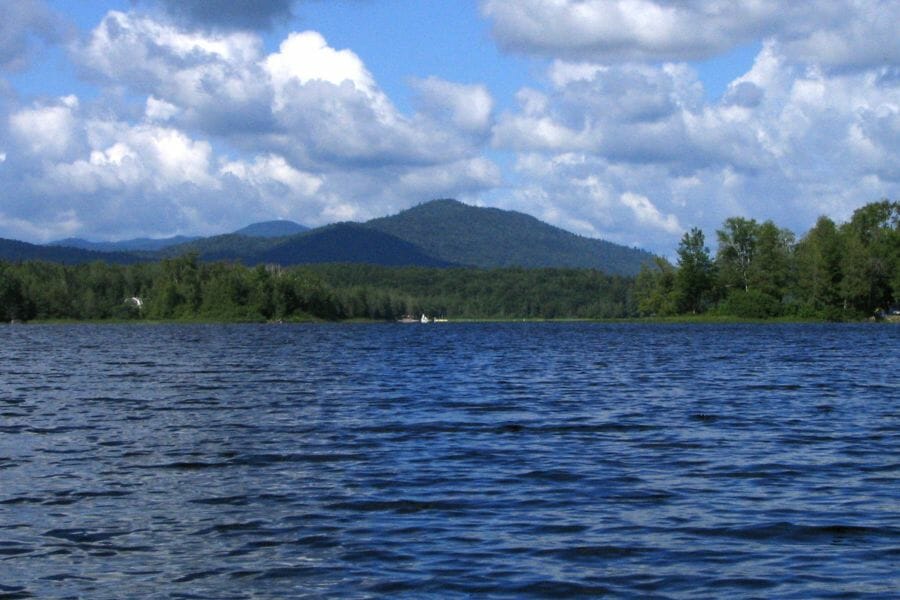
291 Campsite Rd, Newcomb, NY 12852
Lake Harris is a great place to go if you’re looking for crystals in the state. Located in the Adirondack Mountains, Lake Harris is known for its crystal-filled beaches and its rich history.
The lake was formed over 10,000 years ago by melting glaciers, creating a large body of water surrounded by mountains and hills.
It’s also one of the deepest lakes in the area, reaching depths of over 40 feet. Its crystal-filled beaches are made up of quartz, and other minerals eroded from the surrounding rocky terrain.
You can find crystals in various shapes and sizes along the shoreline, such as apatites, tourmalines, quartz, and more.
For those looking to explore further into the lake’s depths, there are plenty of opportunities to find even more precious stones. With its breathtaking views and abundance of crystal-filled beaches, Lake Harris is definitely worth a visit if you’re looking to add some sparkle to your life!
Where we found crystals at Lake Harris
Apatite, muscovite, pyrite, quartz, tourmaline, and tremolite crystals are abundant in the area outcrops of Lake Harris.
Tilly Foster Mine
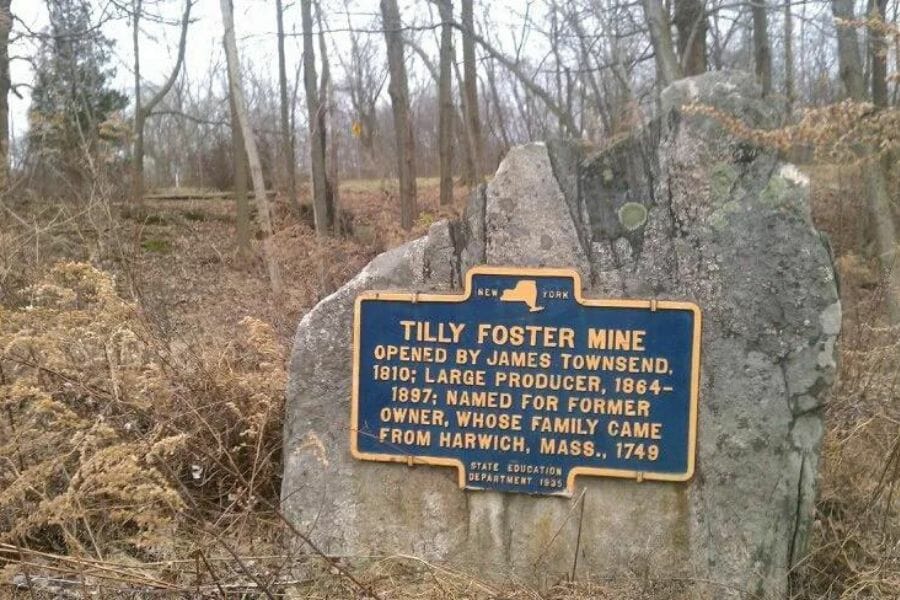
Putnam County, NY
Tilly Foster Mine is located in Brewster, New York, and it’s been around since the 1700s. The mine is best known for its abundance of quartz crystals, which are found in various colors, such as clear, pink, and purple.
The mine is also home to iron ore and magnetite deposits. Geologically speaking, the area is rich in sedimentary rocks like limestone and shale due to its location near the Hudson River.
There’s also plenty of history here – the mine was once used as a source of iron ore during the Revolutionary War! Plus, you can take home some souvenirs or get your hands on unique jewelry made from quartz stones within the mine walls.
So if you’re looking for an adventure, Tilly Foster Mine is the perfect destination.
Where we found crystals at Tilly Foster Mine
We had the best luck locating different types of crystals, like apatite, bronzite, calcite, chalcopyrite, chrysocolla, fluorite, garnet, hematite, magnesite, malachite, muscovite, opal, pyrite, quartz, serpentine, tourmaline, and tremolite around all the areas of Tilly Foster Mine.
Our Other Favorite Places For Crystal Hunting
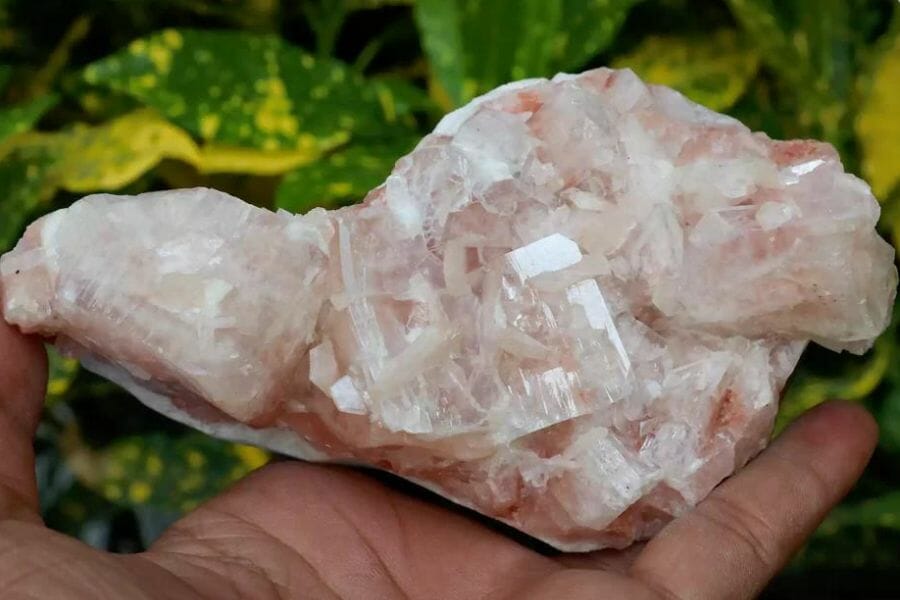
After giving our top five sites for finding crystals, we wanted to share many more options. Because our state is vast and has a diverse geology, there are more fantastic places to go crystal hunting, including where you can find geodes in New York. Other locations to visit are as follows:
Where you can find crystals for free in New York
Let’s begin by discussing a few areas where you may hunt for no price. Even though many of the most incredible locations require a fee, certain places are still free to visit.
| County | Location |
| Cayuga | Old pits in the Auburn area for fluorite |
| Clinton | Buttermilk Falls at Keeseville for serpentine |
| Erie | The Fogelsanger Quarry at Buffalo for calcite |
| Erie | Area deposits of Eighteen Mile Creek for pyrite |
| Essex | The gravel beds and bars of Opalescent River and area gravels and outcrops of Cascade Lakes for labradorite |
| Jefferson | In the area quarries of Muscalonge Lake for fluorite |
| Madison | In the area quarries of Cazenovia and Chittenango Falls for celestite |
| Niagara | In the area limestone quarries of Lockport for fluorite |
| Ontario | Candice Lake and Honeoye Lake for labradorite |
| Orange | Along the Hudson River area for bloodstone and jasper |
| Richmond | At the southwest tip of Staten Island in the Androvette Clay Pits for serpentine |
| Schoharie | At the area exposures of the Roundout Waterline for celestite |
| St. Lawrence | At Rylestone Quarry, outcrops of Oswegatchie River for calcites, fluorites, and serpentines |
| St. Lawrence | The Hobby Quarry at Bedford for citrine crystals |
Other great places to dig for crystals
Here are some additional locations where you can look for crystals if you want to pay. The price will vary depending on the season, and sometimes it may be free. You should get in touch with them before visiting the areas.
| County | Location |
| Clinton | Palmer Hiss Mine and Finch ore bed for fluorites |
| Clinton | In the dumps of Arnold Mine for jasper |
| Essex | Area mines of Mt. Bigelow for garnets |
| Essex | Fisher Hill Mine for sunstone |
| Essex | Old mines of Oven Mountain for garnet |
| Montgomery | Crystal Grove campsite for quartz |
| Montgomery | Sprakers at Fonda for quartz |
| Orange | The Phoenix Mine at Otisville for galena |
| St. Lawrence | Gouverneur Talc Mine, Arnold Open Pit Mine, Zinc Mine, Loomis Talc Mine for apatites and tremolites |
| Warren | Go 5 miles up Gore Mountain to shop at Barton Mines for garnet |
Identifying crystals can be a bit challenging, but don’t worry! Our comprehensive guides will help you distinguish between the most commonly confused crystals, making it a breeze to tell them apart.
How to find crystals in New York
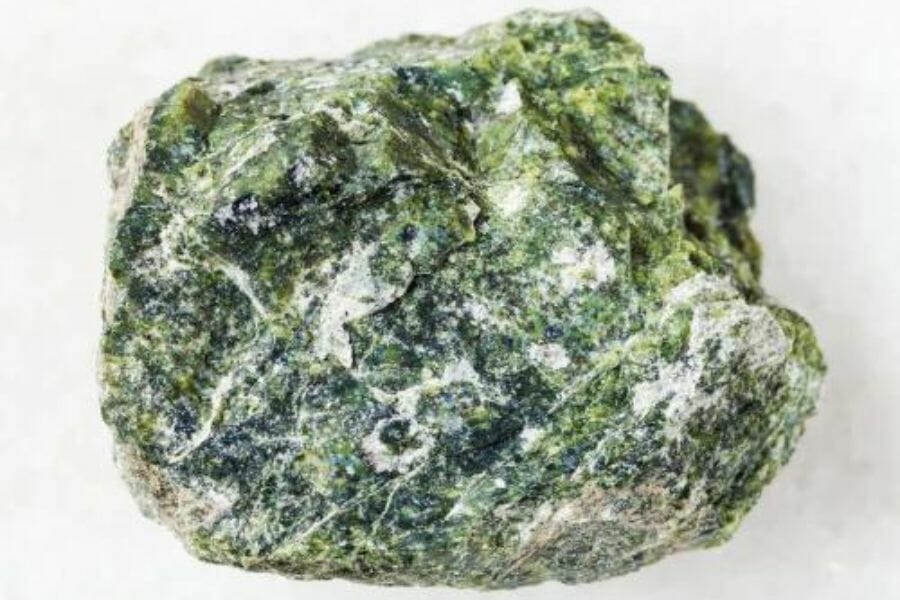
Here are more detailed suggestions on where to spend most of your time in a particular area to aid in your search. The following are some of the greatest locations to look for crystals:
Lake Shores
Lake shores provide the perfect opportunity to find a variety of crystals in one spot. Not only do they offer a wide array of geological features, but they also often contain minerals and rocks that have been eroded and transported by water.
Plus, it’s relatively easy to access lake shores, and you don’t have to be an expert geologist to find some great specimens.
When searching for crystals on lake shores, it’s important to remember that different types of crystals form in different areas. For example, quartz is typically found in sandy or silty areas, while calcite and fluorite are commonly found near limestone outcrops or shale deposits.
Additionally, it’s important to watch out for slippery surfaces along the shoreline and any potential hazards from the water itself.
Lastly, it never hurts to bring supplies when searching for crystals on lake shores, such as a trowel, a magnifying glass, and a few sample bags to store your finds. With these items and an eye for detail, you can explore the lake shore and come away with some truly unique crystals.
Mines and mine dumps
Mines and mine dumps provide a wealth of opportunity for the crystal hunter, as they are often full of gems and minerals unearthed during the excavation. One of the benefits of searching at these sites is that they are usually abandoned, so there is no need to worry about trespassing or getting permission from anyone to access them.
This means that you can hunt for crystals without any restrictions or limitations.
Taking special safety precautions is important when searching a mine or mine dump. Many old mining sites contain dangerous substances such as lead and arsenic, so wearing protective clothing and equipment is important when searching for them.
It’s also a good idea to bring a flashlight or headlamp with you in case it gets dark while you’re out hunting.
Roadcuts
Searching on roadcuts is a great way to find crystals because it’s a convenient, accessible location for most people. Roadcuts are the areas of exposed rock that are created when roads are built or maintained.
It’s easy to spot these cuts from the side of the road and access them with minimal effort. In addition, they often contain various types of rocks and minerals, making them an ideal spot for crystal hunting.
Being aware of your surroundings and taking safety precautions is important when searching on roadcuts. Wear sturdy shoes and bring water, snacks, and tools like a hammer or chisel.
Also, check with local authorities before collecting anything from public land or roadsides. Finally, don’t forget to have fun! Crystal hunting is an exciting activity that can lead you on incredible adventures.
New York Crystal Mining Laws And Regulations
Anyone wishing to crystal hunting must first obtain a New York Department of Environmental Conservation permit. Once registered, miners must follow certain guidelines regarding where they can search for crystals and how much they can collect.
For example, miners can collect no more than five pounds of quartz crystal daily and may not use mechanical devices or explosives when collecting specimens.
Furthermore, all specimens must be left in their natural state; no cutting or polishing is allowed. Collectors should be aware that there are certain areas in New York State where crystal mining is prohibited altogether due to its sensitive nature; these areas should be avoided at all costs.
The Best Crystal Shops In New York
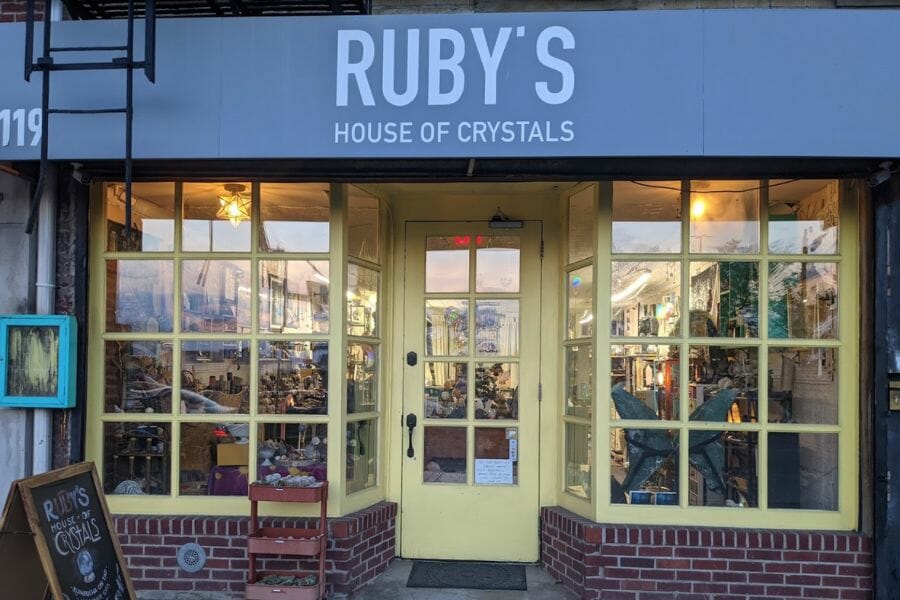
Because the state offers a large variety of crystals spread out across such a vast area, many of us love making small purchases to complete our collections. If you’re seeking unique and stunning items, these are the best crystal shops we’ve found.
- Astro Gallery of Gems – 417 5th Ave, New York, NY 10016, United States
- Astro West Fine Minerals – 102 W 79th St, New York, NY 10024, United States
- Crystals Garden NYC – 247 E 10th St, New York, NY 10009, United States
- Emerald Gem Exchange – 145 Front St, Brooklyn, NY 11201, United States
- June’s House of Crystals – 276 Grand St, Brooklyn, NY 11211, United States
- Mardani Fine Minerals – 766 Madison Ave, New York, NY 10065, United States
- Namaste Bookshop – 2 W 14th St, New York, NY 10011, United States
- Rock Star Crystals – 146 W 26th St, New York, NY 10001, United States
- Ruby’s House of Crystals – 119 Columbia St, Brooklyn, NY 11231, United States
- Stick Stone & Bone – 113 Christopher St, New York, NY 10014, United States
Additional places to find crystals in nearby states
If you’ve already tried all of our recommendations above or are planning a trip out of the state, you should check out our guides for neighboring states:
- Crystals in Connecticut
- Crystals in Massachusetts
- Crystals in New Jersey
- Crystals in Pennsylvania
- Crystals in Vermont
If you have any recommendations we haven’t covered, please leave them in the comments below!