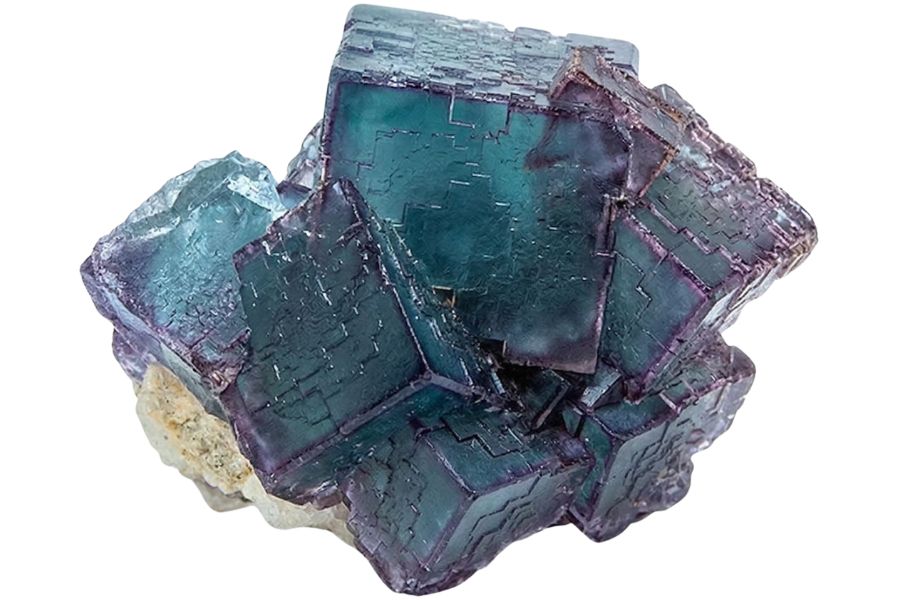
Exploring the desert landscape pays off tremendously when you know the prime spots for uncovering crystals in New Mexico. The region produces an amazing variety of natural specimens, meaning you might find anything from bright fluorite to native turquoise.
Navigating the vast wilderness without a proper starting point can be incredibly difficult and exhausting. Starting your morning in the right zone prevents a lot of wandering around barren dirt under the hot sun.
Doing a little prep work can change everything about your weekend. We will make your search easier by detailing the best areas to focus your efforts.
- The extensive local experience and understanding of our team
- Input from multiple local crystal hunters and crystal collecting groups
- The accessibility of the crystal mining locations
- Safety and potential hazards when collecting
- Private and public locations
- A desire to include locations for both experienced crystal hunters and those who are just starting out
Using these weights we think we’ve put together the best list out there for those who love finding new crystals for our collections!
The Types of New Mexico Crystals You Can Find
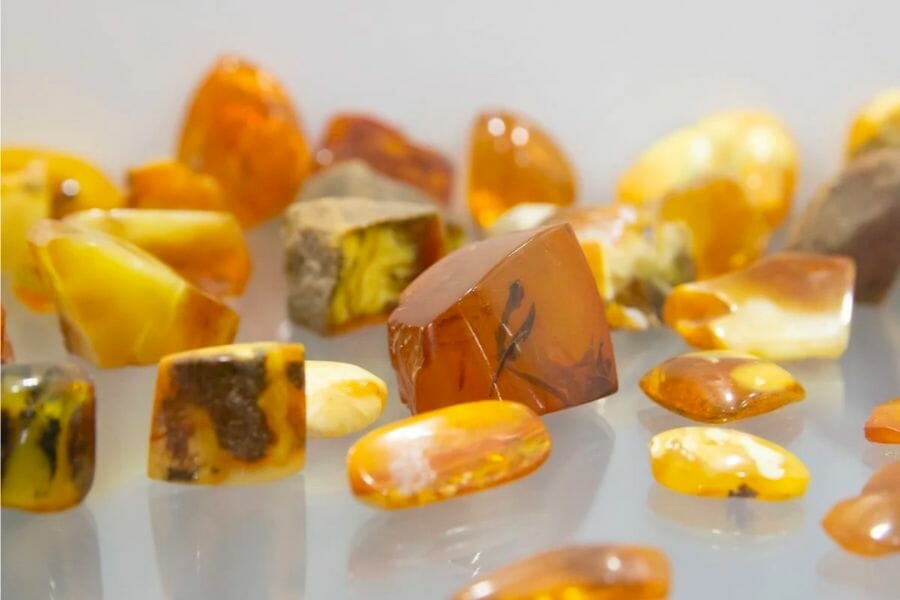
New Mexico is home to an abundance of crystals that are not only visually stunning, but also have significant geological and historical significance. Our state’s varied terrain and mineral-rich soil create the ideal environment for crystal formation. Here are some of the treasures of crystal specimens that you’ll find in your visit here:
Fluorite
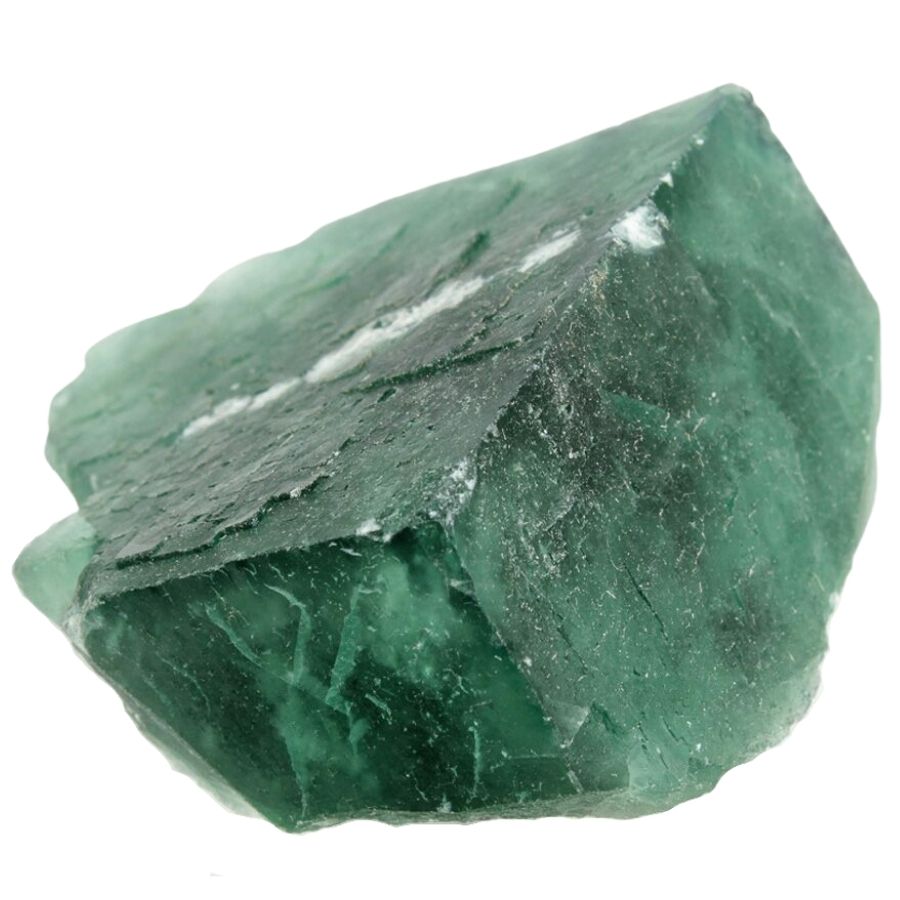
Fluorite is a colorful mineral that comes in shades of purple, green, yellow, and blue. It’s formed when mineral-rich water seeps through rocks and evaporates, leaving the minerals behind to crystallize.
This mineral is known for its ability to glow under ultraviolet light, which makes it stand out in the dark. Each piece of fluorite has a distinct pattern, meaning no two pieces are exactly alike.
People use fluorite in making jewelry and decorative items because of its beautiful colors and patterns. It is also used in the manufacturing industry for making certain types of glass and as a flux in steel production.
Where you can find fluorite in New Mexico
- Monte Largo
- Coyote Canyon
- Mogollon Mountains
- Zuni Mountains
Pyrite
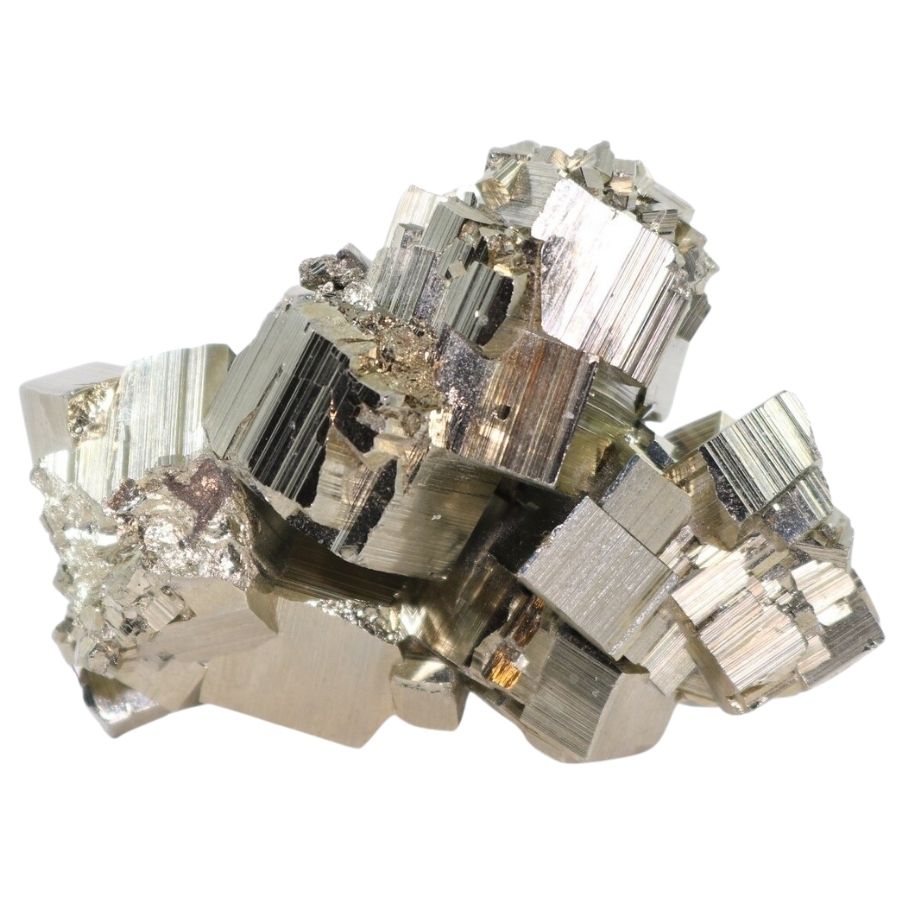
Pyrite, often called fool’s gold, is a shiny, metallic-looking mineral that catches the eye with its gold-like appearance. It forms in sedimentary rocks as crystals when iron and sulfur combine in the presence of water and oxygen.
Pyrite is known for its perfect cubic shape, which is a result of its crystal structure. It can also form in other shapes, but the cube is the most common and recognizable.
Although it’s not real gold, pyrite is used in jewelry to add a sparkle similar to gold at a much lower cost. Besides its use in jewelry, pyrite is also used in the making of sulfuric acid, an important chemical in many industrial processes.
Where you can find pyrite in New Mexico
- Mogollon Mountains
- Cimarron Range
- Sangre de Cristo Mountains
- Cibola County
Rhodonite
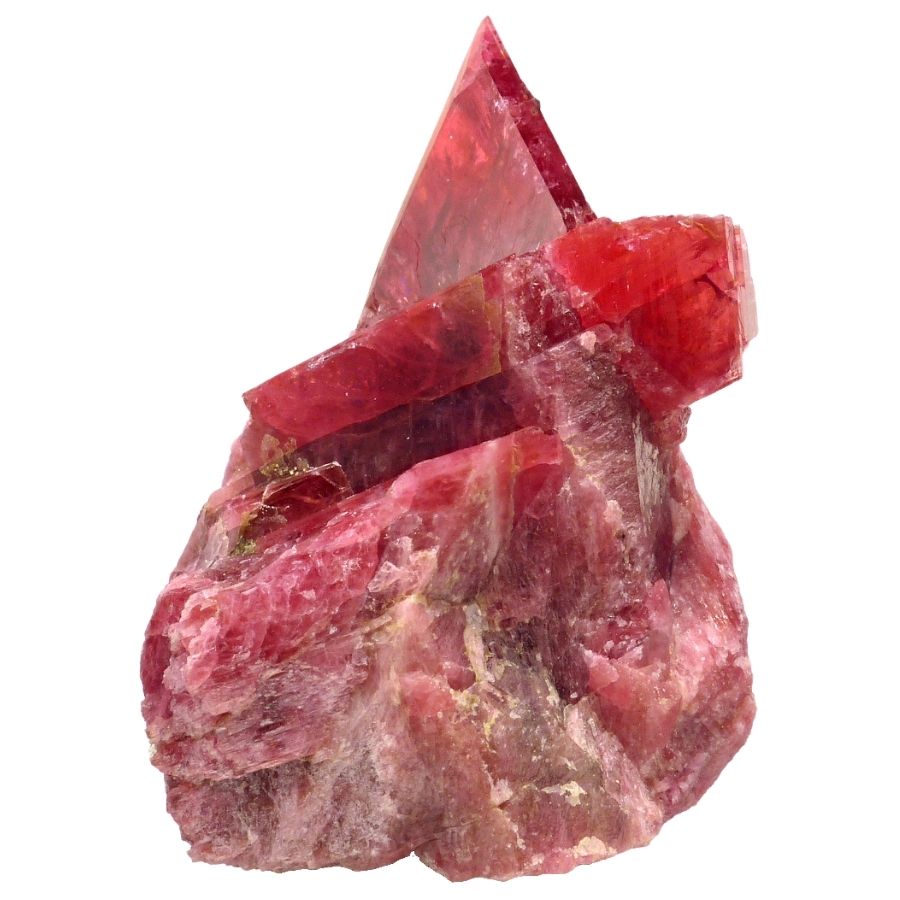
Rhodonite is a pink to red mineral that’s often spotted with black manganese oxide. It crystallizes in metamorphic rocks as a result of changes in temperature and pressure that affect the rock’s mineral composition.
Rhodonite is known for its striking appearance, with bold contrasts between its pink hues and dark inclusions. This makes it a popular choice for carving into sculptures and making into jewelry.
People use rhodonite in pendants, rings, and decorative items because of its beautiful color and patterns.
Where you can find rhodonite in New Mexico
- Grant County
- Questa
- Victorio Mountains
Rhodochrosite
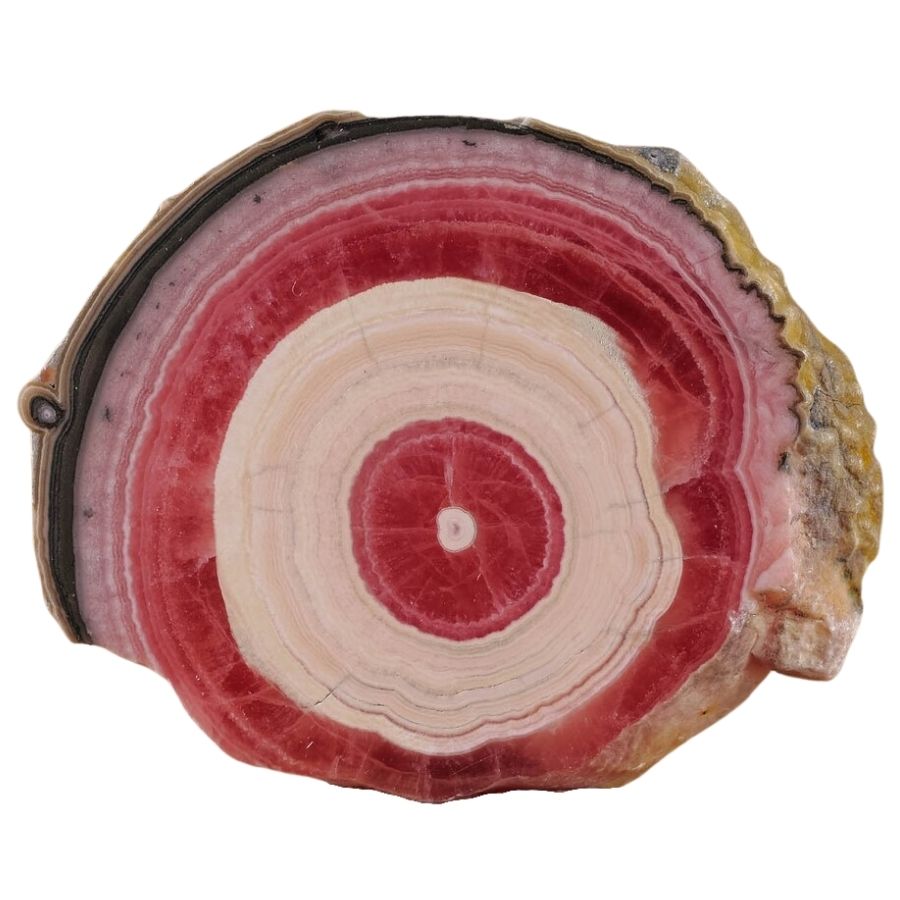
Rhodochrosite is a pink to red mineral that often forms in hydrothermal veins where hot water circulates through rocks. It’s formed when manganese is dissolved in the water, which then crystallizes into the beautiful stones we see.
The crystals found in New Mexico are some of the most striking, with bands of light pink to bright red. Rhodochrosite is known for its patterns, which can look like tree rings or waves, adding to its visual appeal.
This mineral is not just pretty to look at; it’s also used in jewelry, making everything from necklaces to earrings.
Where you can find rhodochrosite in New Mexico
- Black Range
- Questa
- Victorio Mountains
Smithsonite
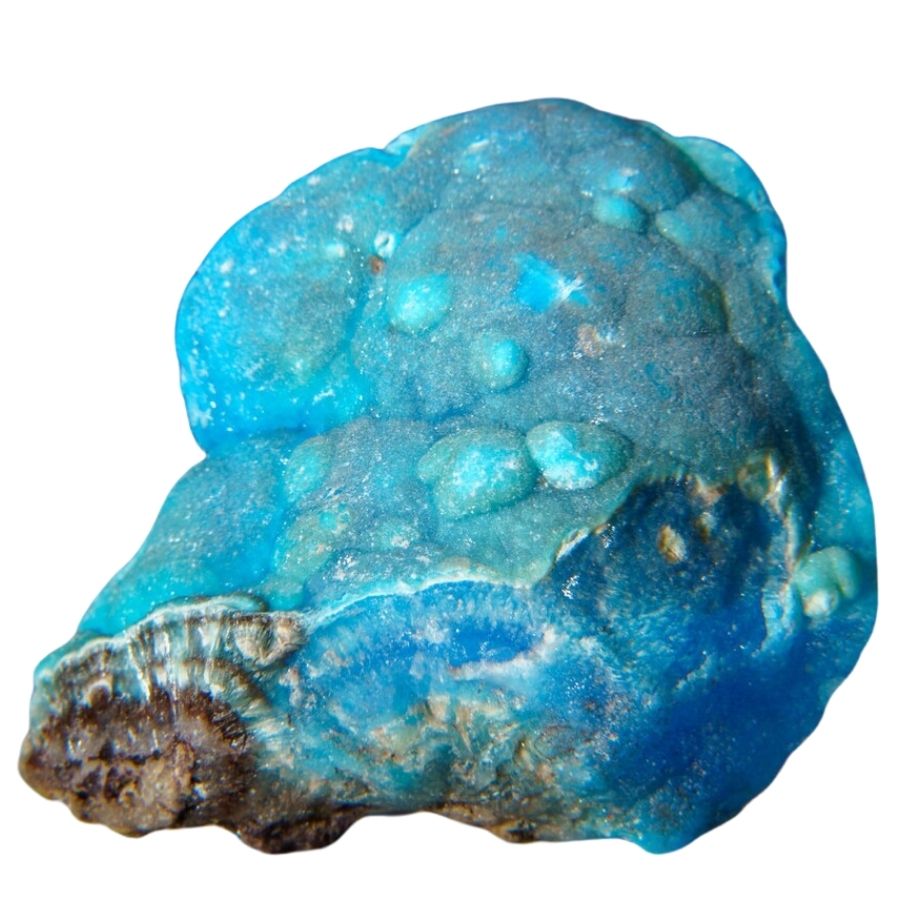
Smithsonite is a mineral that comes in a range of colors, from light blue to pink, green, and even yellow. It forms in the oxidation zones of zinc ore deposits, where zinc minerals react with oxygen in the presence of carbonated water.
Smithsonite has a smooth, rounded crystal form, which makes it stand out among other minerals. Its surface can be shiny or have a pearly luster, adding to its visual appeal.
This mineral is not only collected for its beauty but also used as a source of zinc. In addition to its industrial uses, smithsonite is sometimes cut and polished for jewelry, showcasing its diverse colors and gentle shine.
Where you can find smithsonite in New Mexico
- Socorro County
- Organ Mountains
- Peloncillo Mountains
- Pyramid Mountains
Smoky Quartz
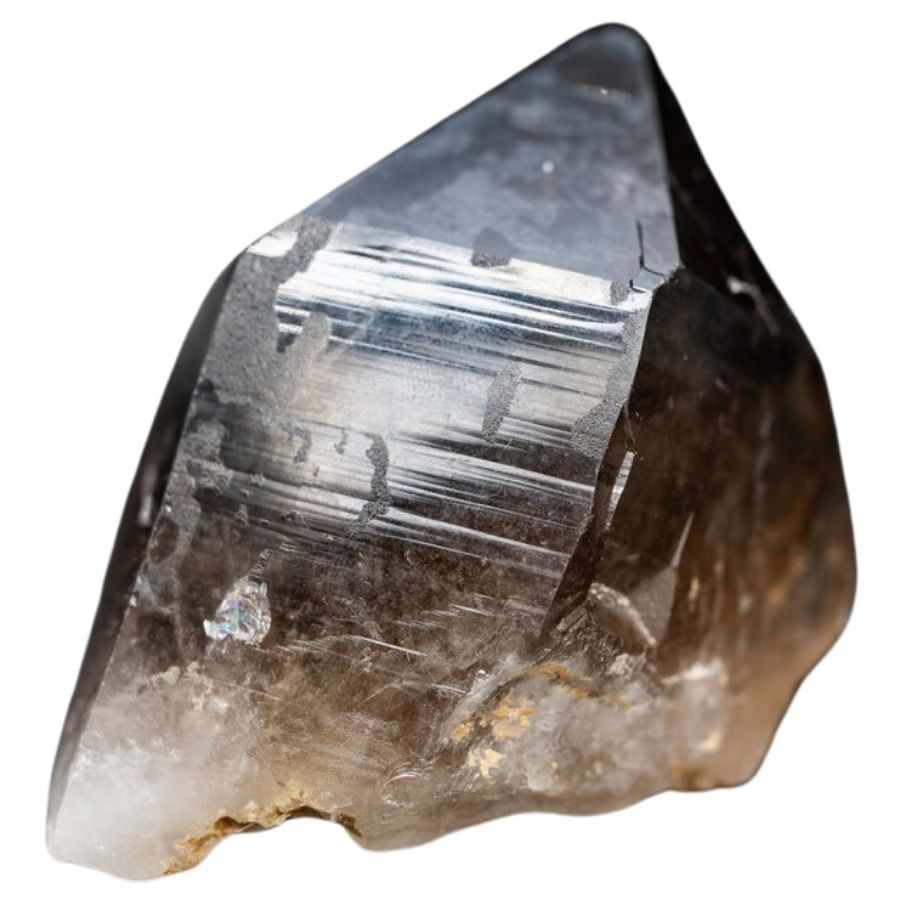
Smoky quartz is a type of quartz that gets its brown to black color from natural radiation from the earth. It develops when silicon dioxide, which is clear in its pure form, is exposed to radioactive elements that change its color.
This gemstone is known for its transparency and can range from a light smoky gray to a deep, dark brown. Its color depth depends on the amount of exposure to radiation and the presence of aluminum impurities.
People use smoky quartz in jewelry, like rings and necklaces, because it is durable and has a neutral color that matches many styles.
Where you can find smoky quartz in New Mexico
- Rabb Canyon
- Pyramid Mountains
- Bingham
Bismuth
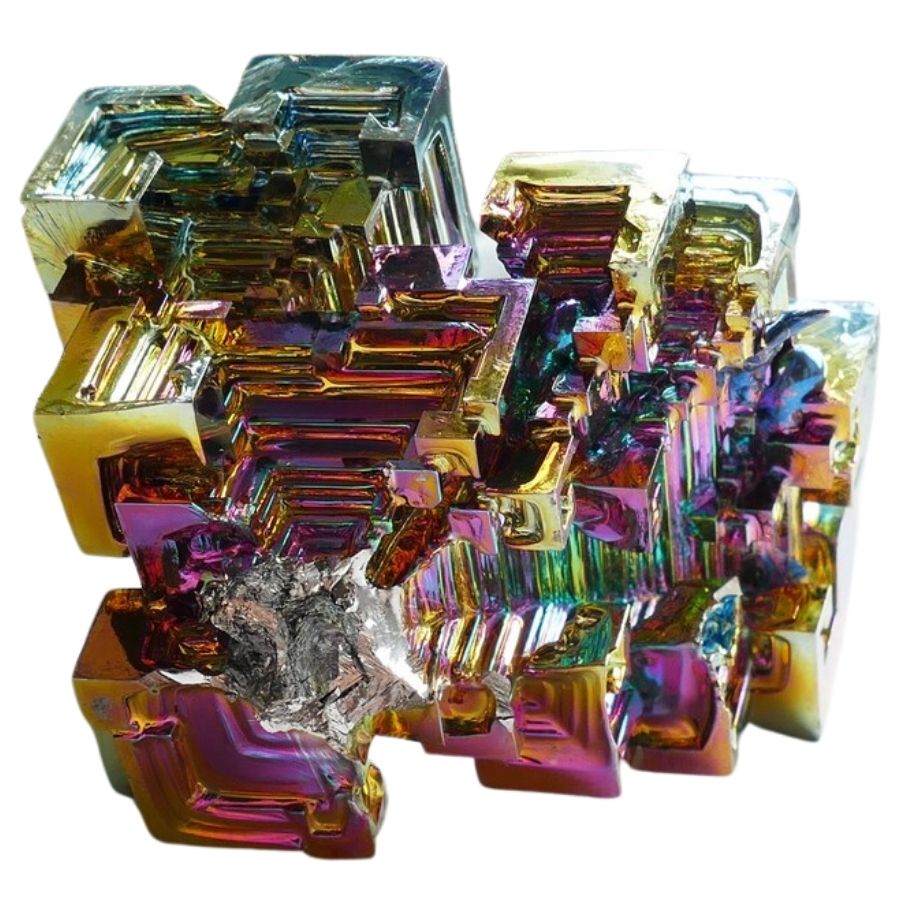
Bismuth is a metal with a colorful appearance, showing off a range of hues from pink to green when exposed to air. It’s typically found as a by-product of mining other metals like lead and copper.
Bismuth crystals are known for their stair-step structure, which happens as the metal cools and solidifies from its molten state. This creates fascinating geometric patterns that make bismuth popular for decorative pieces.
Beyond its beauty, bismuth has practical uses too, such as in medicines for stomach upsets and as a non-toxic replacement for lead in things like shot and fishing weights.
It’s also used in cosmetics and some types of fire extinguishers, showing just how versatile this mineral can be.
Where you can find bismuth in New Mexico
- Sangre de Cristo Mountains
- Peloncillo Mountains
- Picuris District
Kyanite
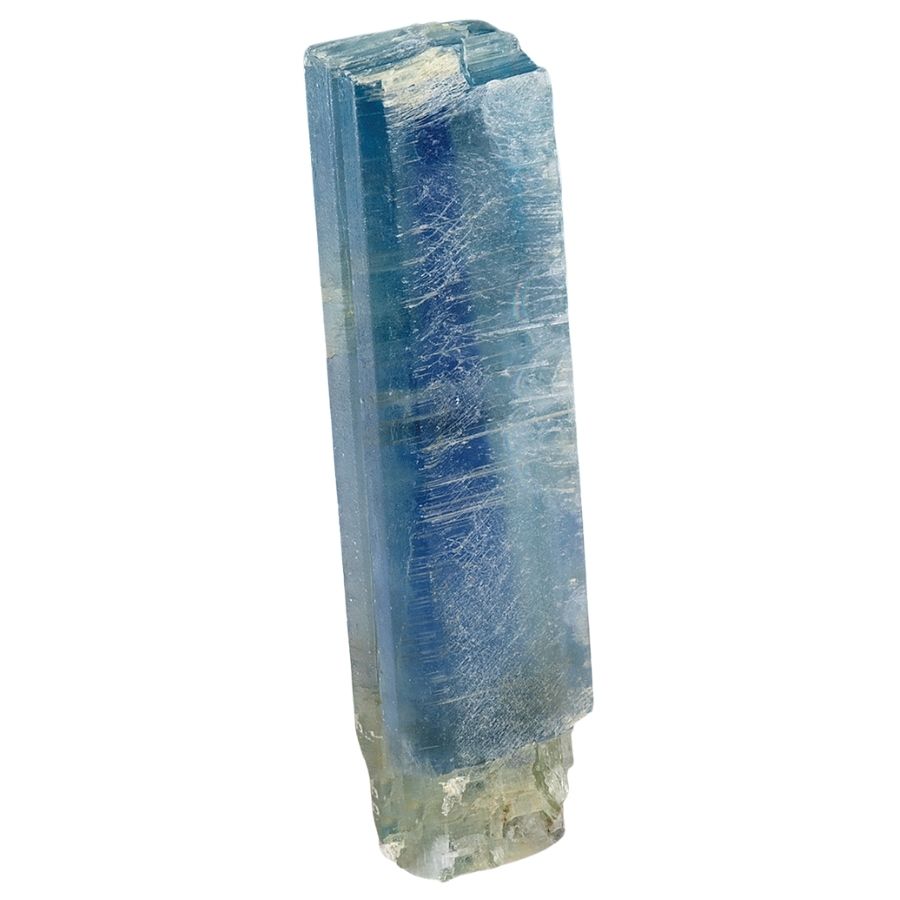
Kyanite is a mineral that’s usually blue and found in metamorphic rocks. It develops under high pressure and low temperature conditions, which are common deep in the Earth’s crust.
Kyanite is unique because it has two different hardnesses on its perpendicular axes. This means it can be easily split into thin flakes along one direction but is much harder in another.
Jewelers use kyanite to make beautiful jewelry because of its striking blue color and the way it shines. It’s also used in industrial applications, such as in the making of porcelain, which requires materials that can withstand high temperatures.
Where you can find kyanite in New Mexico
- Manzano Mountains
- Belen
- Rio Arriba County
Prehnite
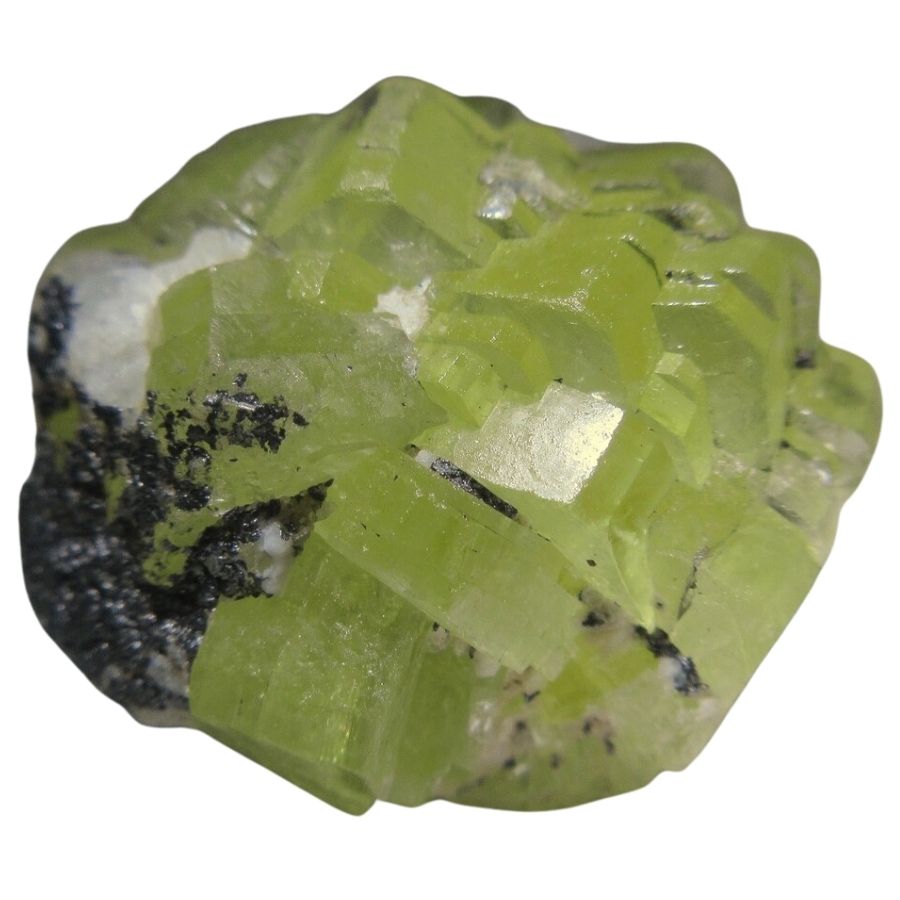
Prehnite is a green or yellow-green mineral that often forms in the cavities of volcanic rocks. It’s created when hot, mineral-rich water cools and deposits the minerals inside these spaces.
Prehnite is known for its glassy to pearlescent luster, making it attractive for both collectors and jewelry makers. Its translucent to transparent appearance allows light to pass through, giving it a soft glow.
This mineral is commonly used in making jewelry, such as necklaces and bracelets, because of its beautiful color and durability.
Where you can find prehnite in New Mexico
- Raton
- Quemado
- Luna County
Wulfenite
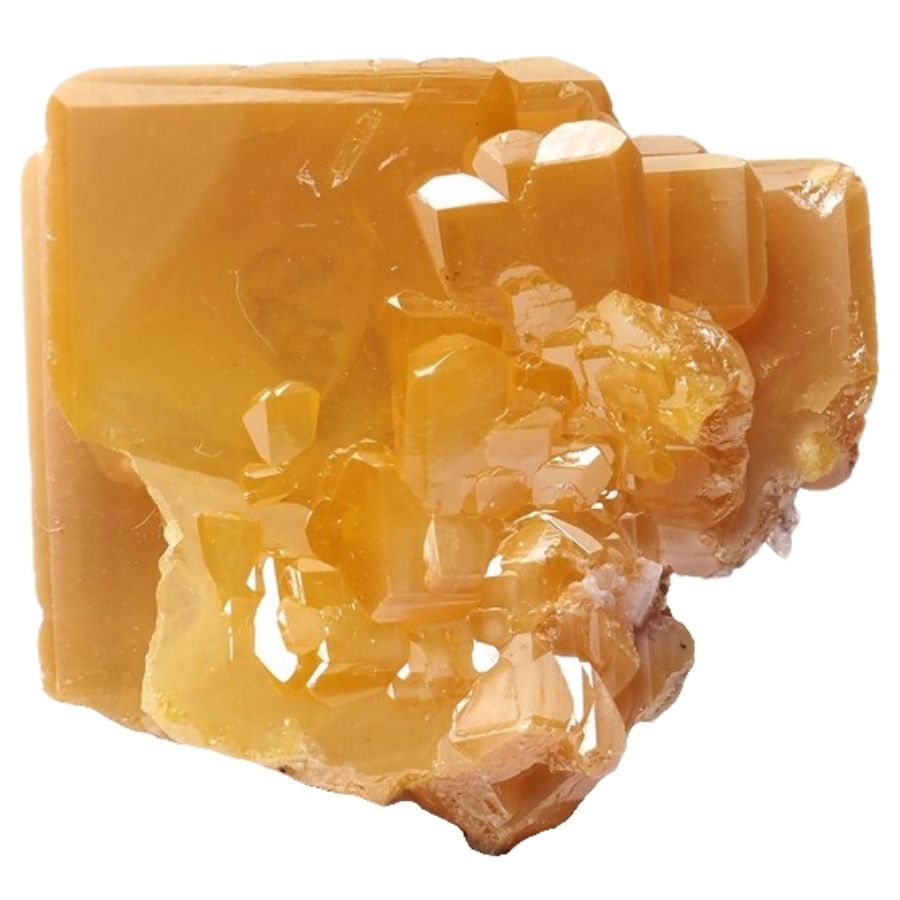
Wulfenite is a bright orange to yellow mineral that forms in the oxidation zones of lead ore deposits. It happens when lead combines with oxygen and molybdenum in the presence of water.
Wulfenite crystals are usually thin and tabular, making them stand out because of their shape and color. They can also be quite shiny, catching the eye of anyone who sees them.
This mineral is not just for looking at; it’s also used to extract molybdenum, an element important for strengthening steel.
Besides its industrial use, wulfenite is collected by mineral enthusiasts who admire its unique appearance and color.
Where you can find wulfenite in New Mexico
- Organ Mountains
- Pyramid Mountains
- Luna County
Azurite
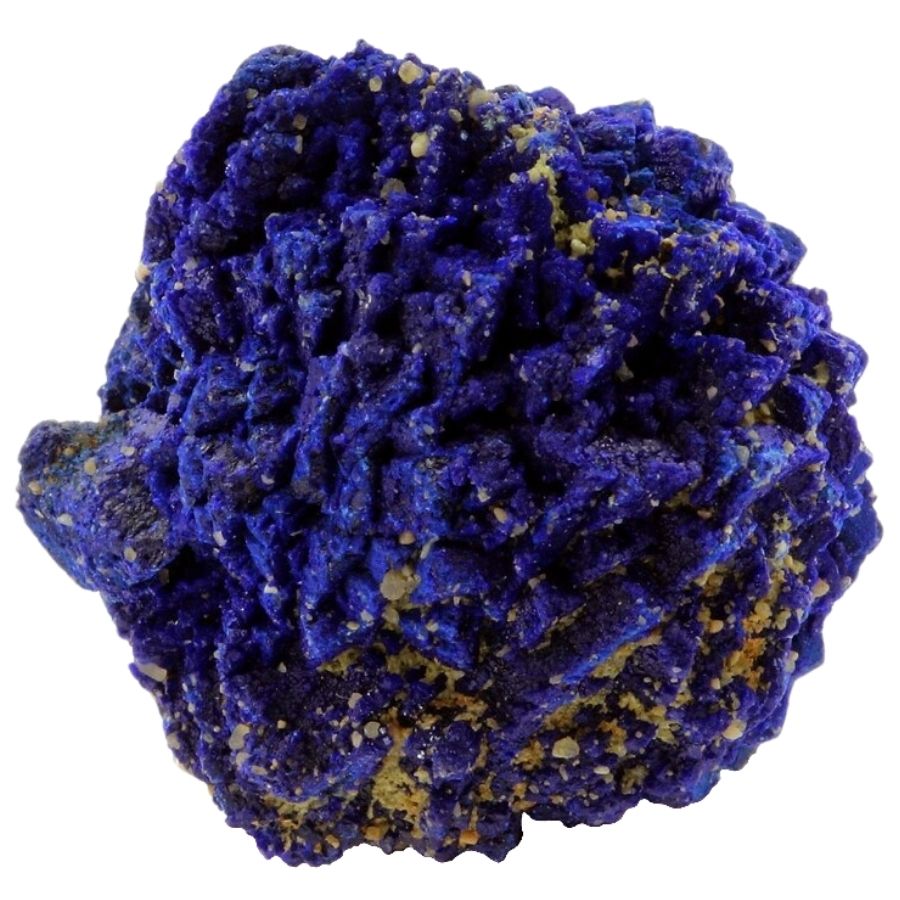
Azurite is a deep blue mineral that gets its vibrant color from copper. When copper ore reacts with carbonated water and oxygen, azurite is one of the minerals that can develop.
This mineral is known for its bright blue hue and can often be found in association with green malachite, which adds to its visual appeal. Azurite crystals are usually found in the shape of prismatic crystals or as masses of nodules.
In the past, azurite was ground up and used as a pigment in paints and fabric dyes because of its striking color. Today, it’s mainly collected by mineral enthusiasts and occasionally used in jewelry.
Where you can find azurite in New Mexico
- Socorro County
- Black Range
- Gallinas Mountains
- San Pablo
Galena
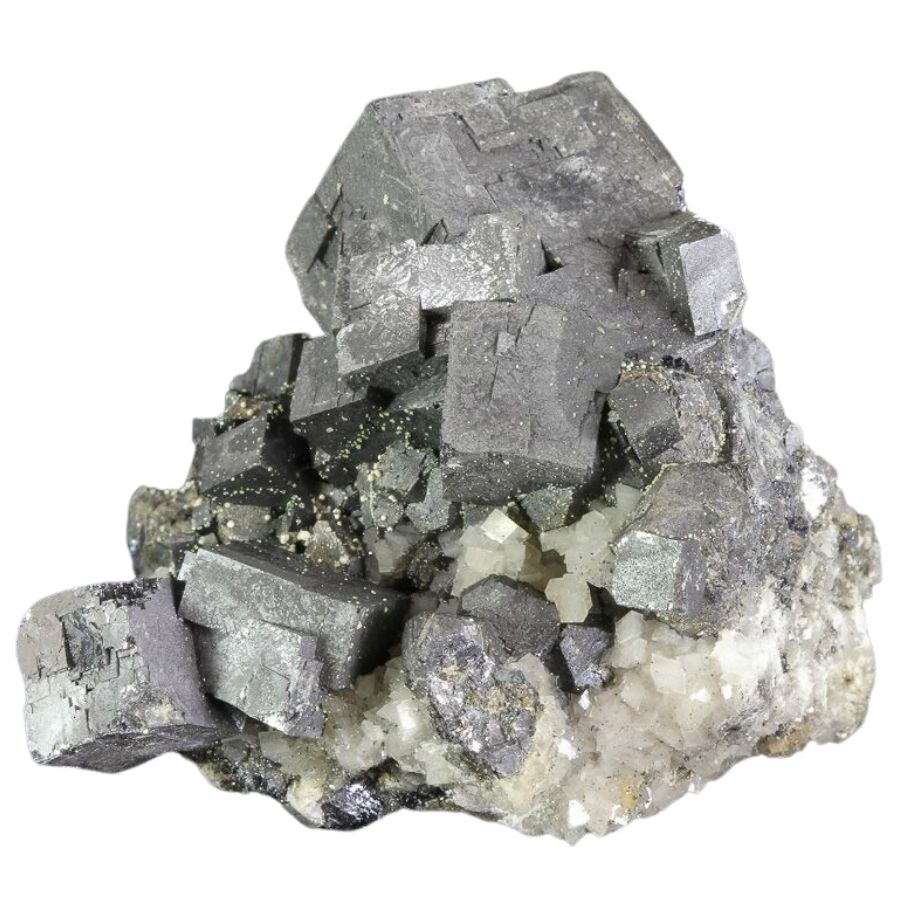
Galena is a shiny, gray mineral that is the main source of lead. It often appears as cubic crystals or as part of larger rock formations. This mineral has a very high density, which makes it feel heavier than other rocks of the same size.
Galena’s shiny surface and cubic shape are easy to recognize, making it interesting to collectors and scientists.
People have mined galena for thousands of years because it’s a major source of lead, which is used in batteries, protective shields against radiation, and in the construction of some types of buildings.
Besides lead, galena can also contain silver, making some deposits valuable for the extraction of this precious metal.
Where you can find galena in New Mexico
- Doña Ana County
- Big Burro Mountains
- Peloncillo Mountains
- Nose Rock
Hemimorphite
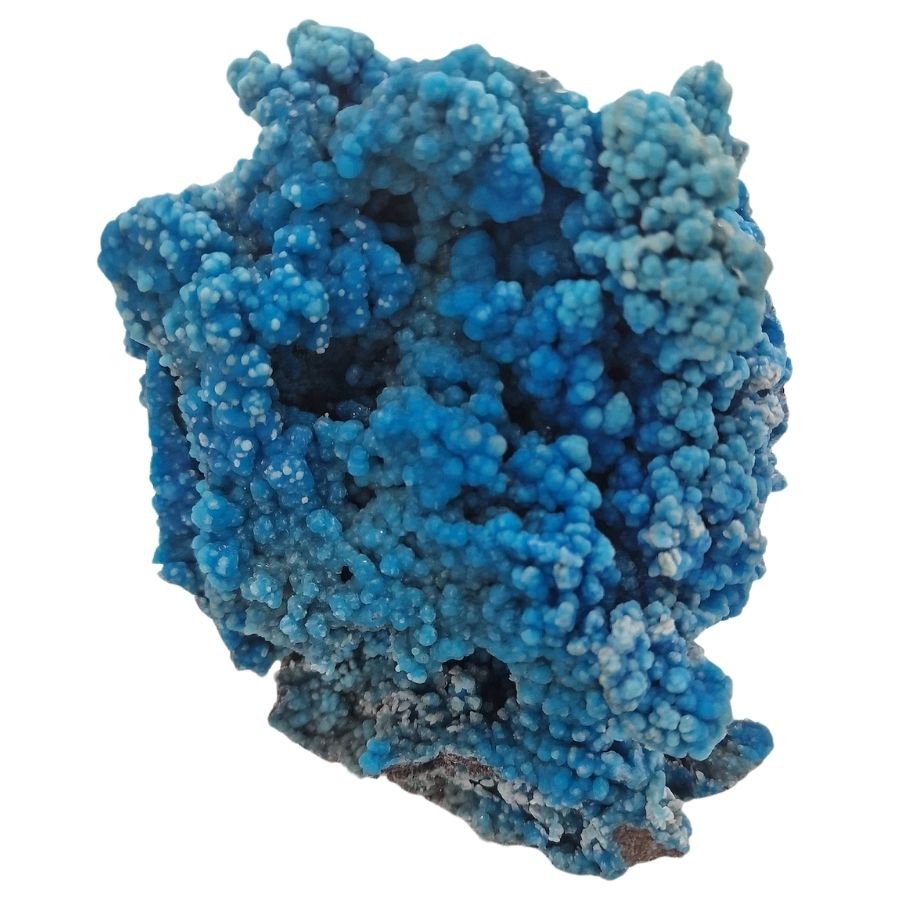
Hemimorphite is a mineral that can be found in a variety of colors, from clear to shades of blue and green. It forms as a secondary mineral in the oxidation zones of zinc ore deposits, where zinc and other elements react with oxygen and water.
Hemimorphite has an interesting feature: its crystals have different shapes at each end, which is rare among minerals. This gives it the name “hemimorphite,” meaning “half shape” in Greek.
While not as well-known as some minerals, hemimorphite is valued both as a source of zinc and for its beauty. It’s used in jewelry and as a collector’s mineral because of its attractive appearance and color.
Where you can find hemimorphite in New Mexico
- Pyramid Mountains
- Hillsboro
- Bingham
Scheelite
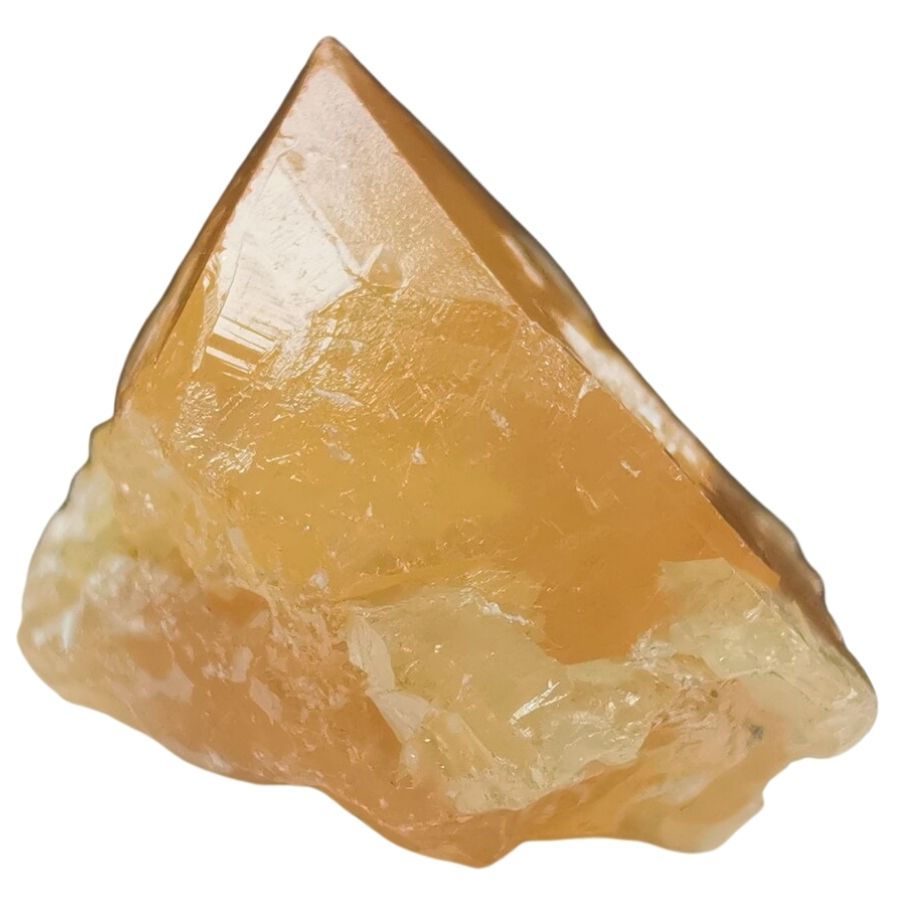
Scheelite is a valuable mineral that contains tungsten, important for making things like light bulb filaments and steel. It forms in high-temperature veins in the earth, where hot, mineral-rich fluids cool down and crystallize.
Scheelite glows under ultraviolet light, showing bright blue or yellow colors, which makes it easy to spot at night. This interesting characteristic is helpful for miners and collectors when searching for it.
Among the various rocks and minerals found in New Mexico, scheelite is sought after for its use in industry. It’s mined for the tungsten it contains, which is used in making tools, machinery, and electronics.
Where you can find scheelite in New Mexico
- Grant County
- Sangre de Cristo Mountains
- Victorio Mountains
The Best Locations For Crystal Mining in New Mexico
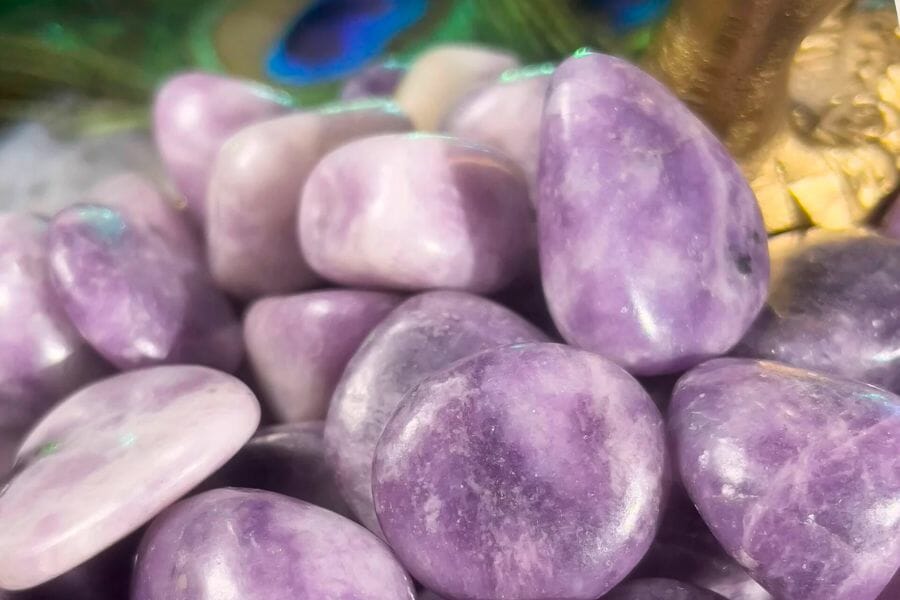
We’ll discuss first what we consider the coolest spots to find crystals here based on our visit to these places. If you only have limited time to crystal hunt, we recommend these to be on top of your to-visit list:
Always Confirm Access and Collection Rules!
Before heading out to any of the locations on our list you need to confirm access requirements and collection rules for both public and private locations directly with the location. We haven’t personally verified every location and the access requirements and collection rules often change without notice.
Many of the locations we mention will not allow collecting but are still great places for those who love to find beautiful rocks and minerals in the wild without keeping them. We also can’t guarantee you will find anything in these locations since they are constantly changing.
Always get updated information directly from the source ahead of time to ensure responsible rockhounding. If you want even more current options it’s always a good idea to contact local rock and mineral clubs and groups
Rockhound State Park is Our Favorite Crystal Mine in New Mexico
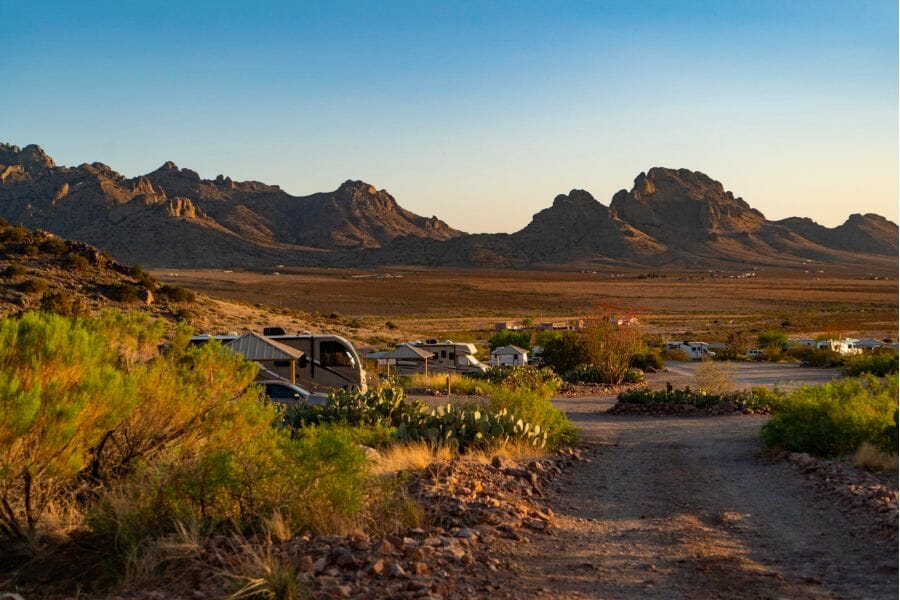
Luna County, NM
Rockhound State Park was established in 1966 and covers over 1,100 acres of land in the Little Florida Mountains. The park got its name from the hobby of rockhounding, which has been popular in New Mexico for many years. Simply put, Rockhound State Park is a perfect destination for anyone looking to explore and collect crystals!
The park is located in the Chihuahuan Desert, which is known for its rugged terrain and unique plant and animal life. The Little Florida Mountains are part of the Basin and Range Province and are composed of a mix of granite, quartz, and other minerals. This combination of minerals and geological history makes the park a cool spot to find a variety of crystals.
The park is perfect for rockhounding. It even has designated digging areas where you can hunt for crystals. If you want to go here, take note that it’s located about 10 miles southeast of Deming, and is easily accessible by car. The park charges a small fee for entry, but it’s definitely worth it for the experience of crystal hunting in such a beautiful and unique location.
Where we found crystals at Rockhound State Park
The great news is, anywhere you start your search in Rockhound State Park, you can find different crystals like Agate (sagenitic), Chalcedony (blue), and Jasper.
If you want REAL results finding incredible rocks and minerals you need one of these 👇👇👇

Finding the coolest rocks in isn’t luck, it's knowing what to look for. Thousands of your fellow rock hunters are already carrying Rock Chasing field guides. Maybe it's time you joined the community.
Lightweight, mud-proof, and packed with clear photos, it’s become the go-to tool for anyone interested discovering what’s hidden under our red dirt and what they've already found.
Join them, and make your next rockhounding trip actually pay off.
What makes it different:
- 📍 Find and identify 140 incredible crystals, rocks, gemstones, minerals, and geodes across the USA
- 🚙 Field-tested across America's rivers, ranchlands, mountains, and roadcuts
- 📘 Heavy duty laminated pages resist dust, sweat, and water
- 🧠 Zero fluff — just clear visuals and straight-to-the-point info
- ⭐ Rated 4.8★ by real collectors who actually use it in the field
Jarilla Mountains
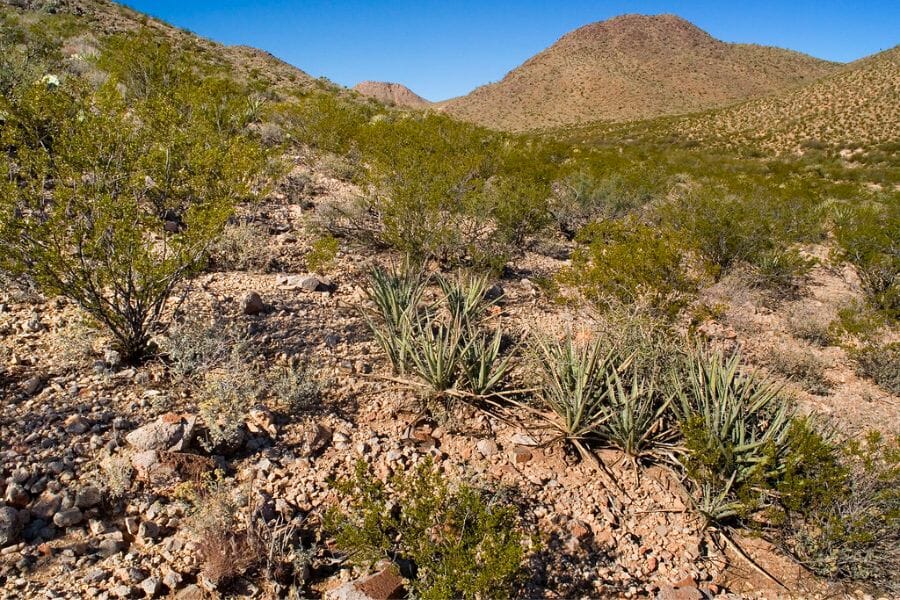
Otero County, NM
Jarilla Mountains have been a popular destination for rockhounds for many years, and for good reason. Located in the Chihuahuan Desert, the mountains are part of the larger Big Bend region that spans across Texas, Mexico, and New Mexico. It has a rich geological history that has resulted in the formation of beautiful crystals that can be found throughout the mountains.
Jarilla Mountains are composed of a variety of rocks, including volcanic tuff, quartzite, and limestone. These rocks have undergone a process of metamorphism, which has resulted in the formation of crystals. This place is also home to the famous Luna Blue Agate, a beautiful blue-grey agate that is highly prized by collectors.
Like our first recommended place, Jarilla Mountains also have designated digging areas, so be sure to check with the Bureau of Land Management for any restrictions or permits that may be required.
Where we found crystals at the Jarilla Mountains
We recommend exploring the area mines of Jarilla Mountains to find Luna Blue Agate, Chalcopyrite, Chrysocolla, Galena, Malachite, and Turquoise crystals. Read this article to know more about these crystals’ prices.
Burro Peak
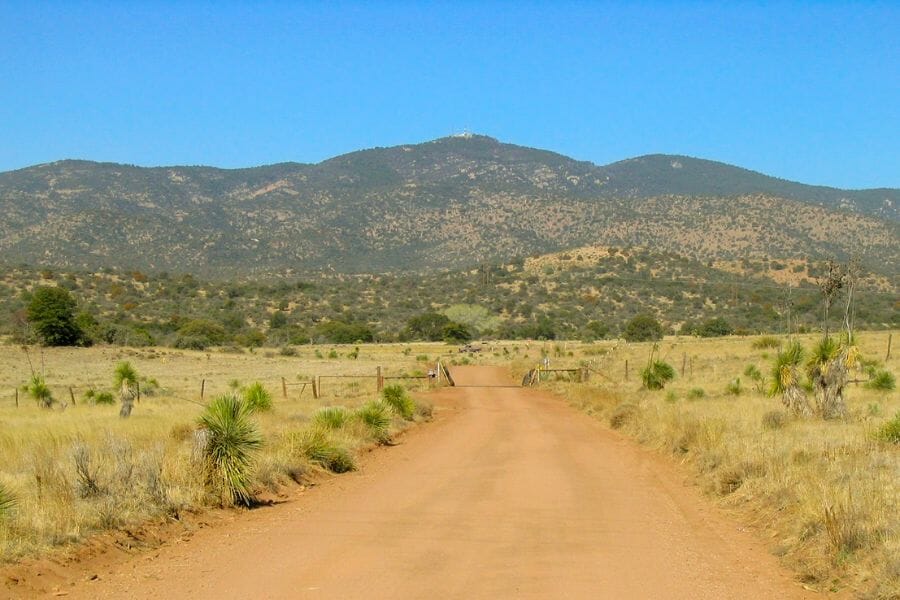
Grant County, NM
Burro Peak is located in the southwestern part of our state and offers some fantastic opportunities to find beautiful crystals. It was once a mining site for copper and silver in the late 1800s and early 1900s. The area was rich in minerals, and while the mines are no longer operational, it’s still a great place to find some unique specimens.
As a part of the Burro Mountains range, the peak is situated at an elevation of over 8,000 feet. The rocks in the area are mostly volcanic in origin and have undergone extensive weathering and erosion over the years, resulting in the formation of various crystals.
To get to this cool spot, you’ll need to head to Silver City. Once you’re here, take NM-90 south towards Lordsburg. After about 15 miles, turn left onto Burro Mountain Road and follow the signs to the peak. The area is a bit remote, so be sure to bring plenty of water, food, and supplies, and be prepared for some rough terrain.
Where we found crystals at Burro Peak
You can explore the area mines of the peak to find amazing samples of Azurite, Chalcopyrite, Chrysocolla, Fluorite, Galena, Malachite, Onyx, and Pyrite crystals.
Sierra Nacimiento
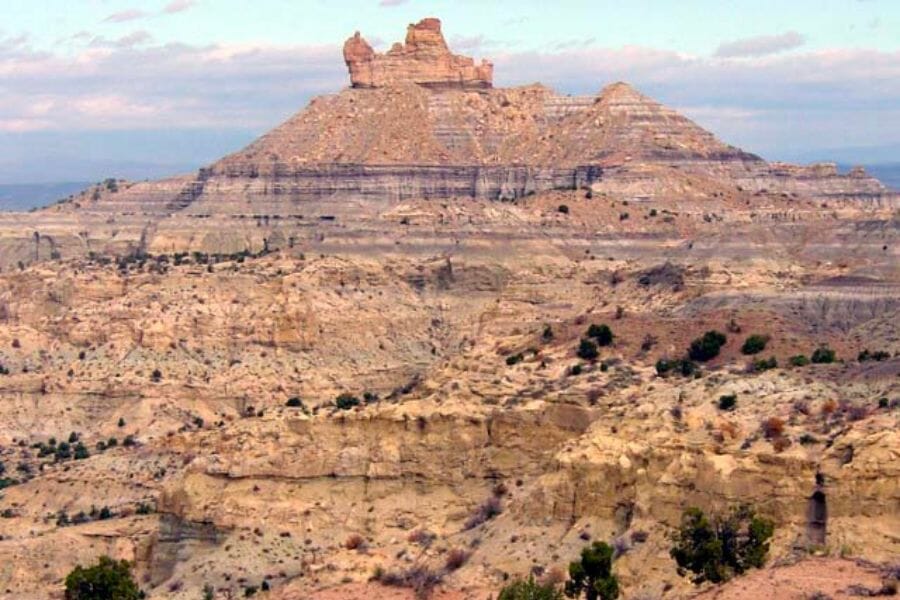
Sandoval County, NM
Sierra Nacimiento, situated in the northwestern part of our state, offers some excellent opportunities to find some stunning crystals. It was once home to the Jicarilla Apache tribe, who have lived in the area for centuries. The mountains are named after the Spanish word for “birth,” as the range is believed to be the birthplace of a prominent Spanish explorer.
These mountains are made up of a variety of rock formations, including sedimentary, igneous, and metamorphic rocks. The variety of rocks and minerals in the area means there’s an excellent chance of finding some unique crystal specimens.
To get here, you’ll need to head to the city of Cuba. From here, take NM-197 north for about 20 miles until you reach the turnoff for Forest Road 534. Follow this road for a few miles until you reach the foothills of the mountains.
Where we found crystals at Sierra Nacimiento
You can start your crystal hunt here by exploring the regional draws and washes of Sierra Nacimiento to find samples of Agate, Azurite, Chalcedony, Chrysocolla, and Malachite crystals.
Oscura Mountains
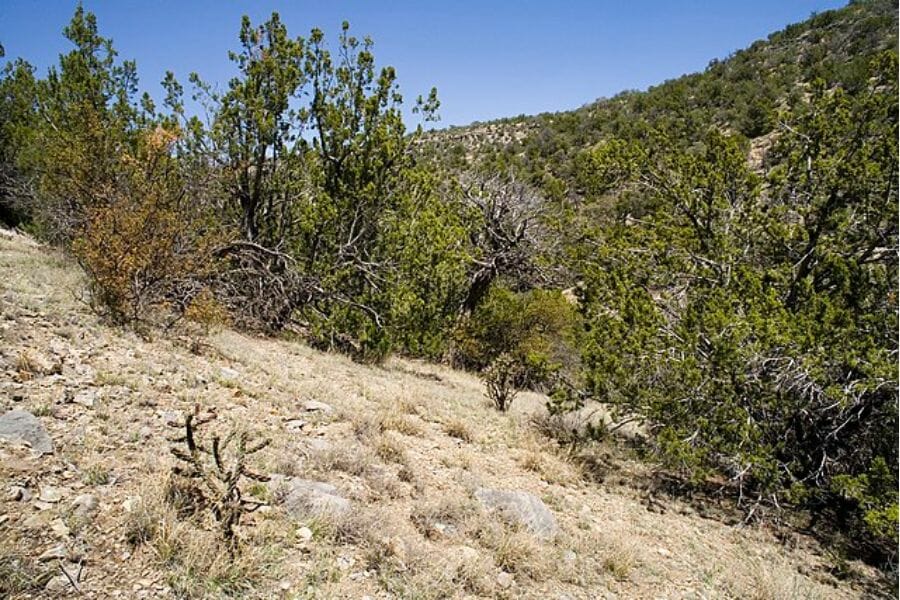
Lincoln County, NM
Oscura Mountains is a range in the southern part of our state with a rich history that dates back to the time of the Mescalero Apache tribe, who have lived in the area for centuries. The mountains are also home to several historic mining sites, where silver and other precious minerals were once extracted.
This area is made up of a variety of rock formations, including volcanic rocks, sedimentary rocks, and granitic rocks. These mean that there’s a big chance for anyone to find unique crystal specimends here.
Planning to visit? Head to the city of Alamogordo, and from there, take US-54 north for about 20 miles until you reach the turnoff for the Bureau of Land Management road. Follow this road for a few miles until you reach the foothills of the mountains.
Where we found crystals at Oscura Mountains
If you want to find crystals here, try your luck searching through the regional prospects and mines of Oscura Mountains. Here you may find Azurite, Celestite, Chrysocolla, Fluorite, Galena, Malachite, and Quartz crystals.
Our Other Favorite Places For Crystal Hunting
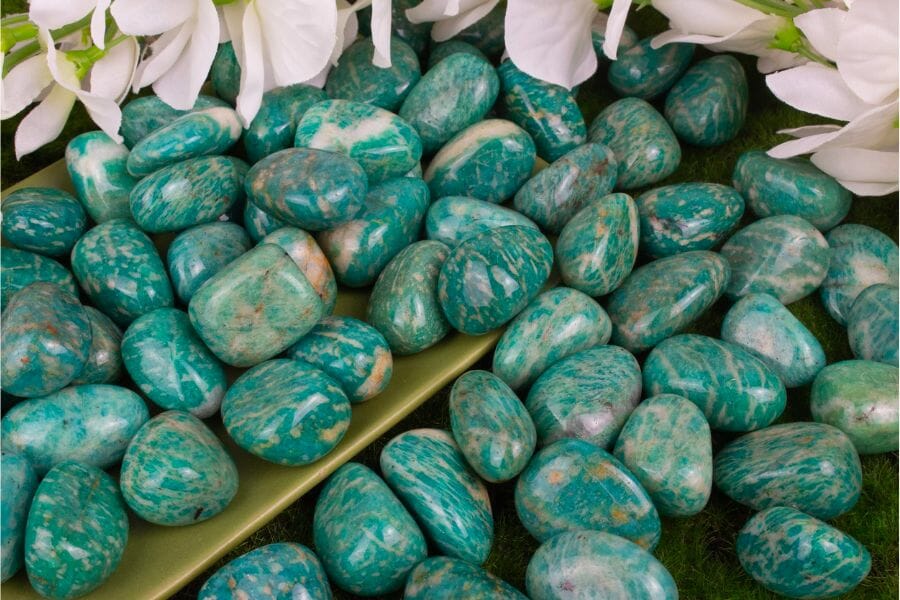
As a state that’s very rich in crystals, New Mexico has tons more other cool spots that you can explore aside from the ones we’ve already shared above. What’s even better is that a handful of these are also great spots to find New Mexico geodes. Here they are:
Where you can find crystals for free in New Mexico
Who doesn’t want to find and take home crystals for free? If you agree, here are some of the best free-to-search crystal hunting spots that you can visit.
| County | Location |
| Bernalillo | In the Puerto Rico Valley |
| Chaves | Southeastward in Squaw Canyon to Rio Felix |
| De Baca | Upstream on both sides to the headwaters of Dunlap area |
| Eddy | Downstream along both sides from Pecos River to Lake McMillan |
| Guadalupe | South on the right fork of SR-203 to the Lake Sumner area |
| Luna | In the foothills of the Tres Hermanas Range |
| McKinley | Zuni area coal beds |
| Mora | On both sides of the road at Wagon Mound area |
| Sandoval | Jemez Springs area |
| San Juan | In the area between Chaco Canyon and the San Juan River |
| Santa Fe | At Sweet’s Ranch |
| Socorro | At the Farr Ranch |
| Union | Broad area extending eastward to Kenton from the Tristate Marker |
| Valencia | Upstream and down in the river valley |
Other great places to dig for crystals
If you’re amenable to spending a few dimes for a chance of taking home a variety of finds, you can also visit the places here that require some fee. The fee may vary (or it could be free) depending on the season, so call the place first before heading out.
| County | Location |
| Catron | Area mines and prospects of Mogollon and Wilcox |
| Colfax | At the Sugarite Mine |
| Dona Ana | County wide in mines and prospects |
| Grant | At the Comstock Mine, R.S. Chamberlain Mine, Burro Chief Copper Mine, Parker Mine, and Azure Mine |
| Hidalgo | County wide in mines and prospects |
| Lincoln | County wide in mines and prospects |
| Luna | County wide in mines and prospects |
| Otero | North on US-54 to mines in the Turquoise area |
| Rio Arriba | At the Cribbenville Mine and other mines and prospect nearby |
| San Miguel | Tecolote area mines |
| Sierra | At the Montezuma Mine dumps, Sierra Grande Mine, and Comstock Mine |
| Taos | Hardin mine (aka Harding Mine) |
How to find crystals in New Mexico
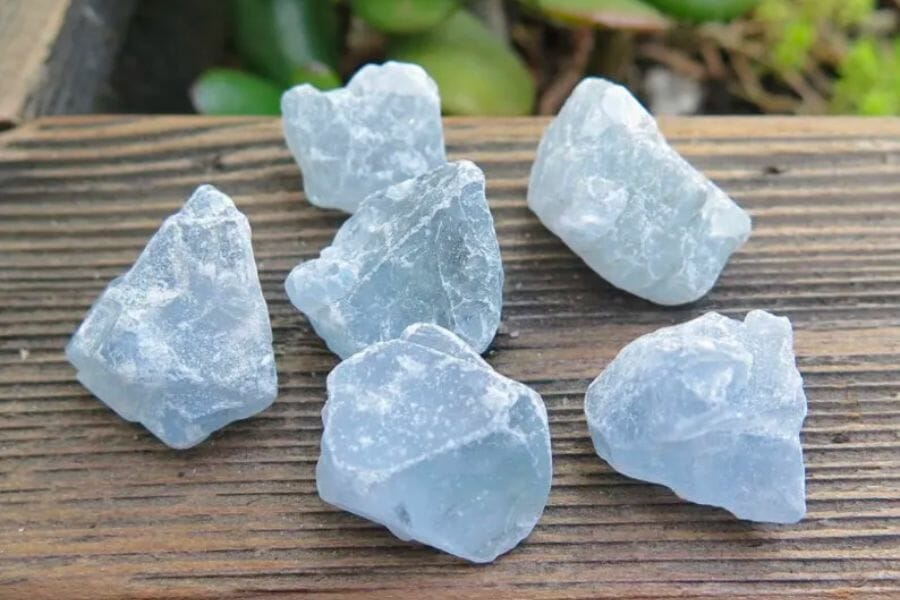
You might notice that some of our recommendations cover big areas which is not too easy to explore. After all, not everyone has all the time in the world to do crystal hunting (but who wouldn’t love that, right?) So to help you narrow down your search, here are the usual places where crystals can be found.
Mines and Mine Dumps
Mines and mine dumps are great spots to find crystals because they often contain a high concentration of minerals and rocks. As miners dig through the earth, they unearth all sorts of minerals and crystals that would otherwise be difficult to find. When the miners discard their excavated materials in the mine dump, it creates an opportunity for rockhounds to find some stunning specimens.
Another great thing about searching in mines and mine dumps is that they offer a glimpse into the geological history of the area. By examining the rocks and minerals found in the area, you can learn about the formation of the earth and the geological processes that shaped it.
Rivers and River Banks
Rivers and river banks are great spots to find crystals because the flowing water can wash away the soil and expose rocks and minerals that would otherwise be hidden. Over time, the water can also shape and polish the stones, making them even more beautiful.
Searching in rivers and river banks is also a great way to get outside and enjoy nature. You can even take a refreshing dip in the water when you’re done.
Streams and Creeks
Streams and creeks are great spots to find crystals because they often have gravel or sand that has been carried downstream from other areas, such as mountains or rock formations. This gravel can contain all sorts of rocks and minerals, including crystals. Additionally, the constant flow of water can help to erode and expose crystals that are embedded in the streambed.
New Mexico Crystal Mining Laws And Regulations
Stay compliant with our state’s local laws regarding crystal mining and you will have no legal problems engaging in this activity in New Mexico. Specifically, make sure that you’re aware and abiding of the laws imposed by the New Mexico Energy, Minerals, and Natural Resources Department. As a general rule, for any land you want to explore here, make sure you obtain the necessary permits or permissions before doing any crystal hunting. Also, checkout any rules and regulations that should be observed concerning environmental protection and biodiversity conservation. As crystal hunters, it is also our responsibility to ensure that our activity will remain sustainable for years to come.
The Best Crystal Shops In New Mexico
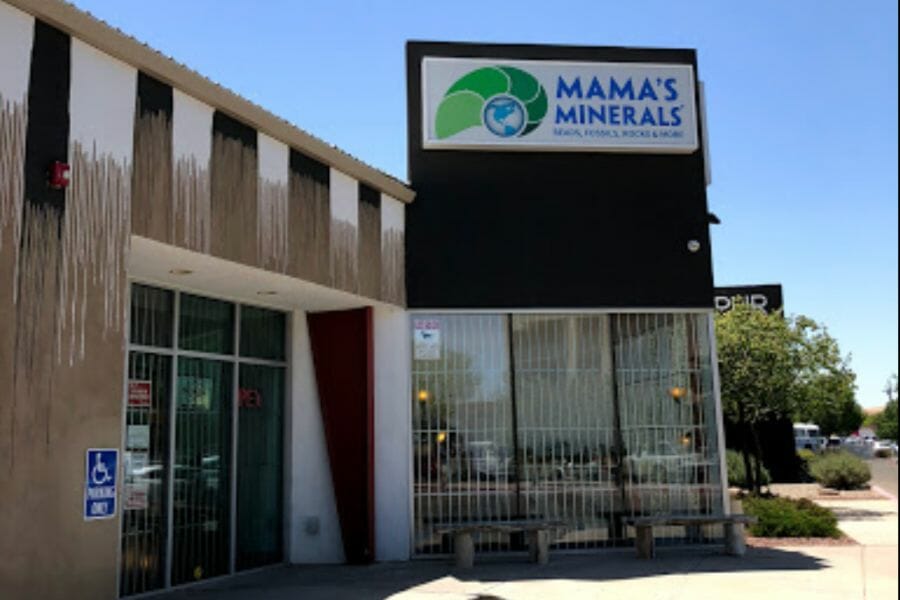
While nothing beats the feeling of uncovering crystals in their natural environment, some of us prefer having great selections ready for their picking (and paying). If you don’t have much time and energy to engage in a full-blown crystal hunting journey, you might want to visit the local crystal shops here. We’ve listed a few of the best ones in our state below:
- Mama’s Minerals – 800 20th St NW Ste B, Albuquerque, NM 87104
- New Mexico Rocks – 10000 Coors Bypass NW, Albuquerque, NM 87114
- Ascension Crystals – 404 San Felipe St NW B, Albuquerque, NM 87104
- High Vibe Crystals – 2500 Central Ave SW Unit AS7, Albuquerque, NM 87104
- Stickks and Stones – 3201 Silver Ave SE, Albuquerque, NM 87106
- Prana Blessings – 1925 Rosina St unit c, Santa Fe, NM 87505
- Desert Crystal Shop – 1945 U.S. Rt. 66 STE A, Edgewood, NM 87015
- Liberty Gem & Minerals – 1323 San Mateo Blvd NE, Albuquerque, NM 87110
- Hidden Gems of the Rio Grande – 413 Romero St NW suite c, Albuquerque, NM 87104
- Taos Gems and Minerals – 637 Paseo Del Pueblo Sur, Taos, NM 87571
Additional places to find crystals in nearby states
If you’ve already tried all of our recommendations above or are planning a trip out of the state, you should check out our guides for neighboring states:
- Crystals in Arizona
- Crystals in Utah
- Crystals in Colorado
- Crystals in Oklahoma
- Crystals in Texas
- Crystals in Hawaii
If you have any recommendations we haven’t covered, please leave them in the comments below!