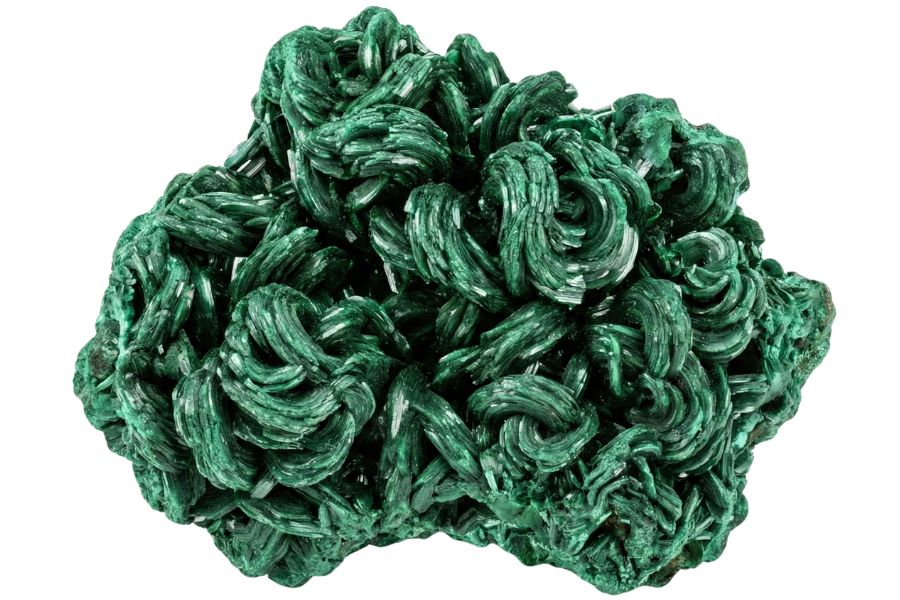
Finding crystals in Minnesota isn’t about luck as much as it is about hitting the gravel pits and shorelines that define the local landscape.
The shores of our major lakes and the banks of local rivers are often just as productive as any digging site. You can walk along these water edges and spot gemstones right on the surface.
Road cuts along the highway and public beaches are also some of the easiest places to start a search. These accessible spots let you collect material without needing any special permission.
A solid plan gets you to the good stuff without wasting your whole weekend. You just need the right list of spots to get started.
- The extensive local experience and understanding of our team
- Input from multiple local crystal hunters and crystal collecting groups
- The accessibility of the crystal mining locations
- Safety and potential hazards when collecting
- Private and public locations
- A desire to include locations for both experienced crystal hunters and those who are just starting out
Using these weights we think we’ve put together the best list out there for those who love finding new crystals for our collections!
The Types of Minnesota Crystals You Can Find
Minnesota is undoubtedly rich in breathtaking crystal formations, which you can find in plenty different sites here. Overall, the variety and beauty of crystals in our state make it an exciting destination for crystal enthusiasts and collectors alike. Here’s a list of the different ones that you can find here:
Staurolite
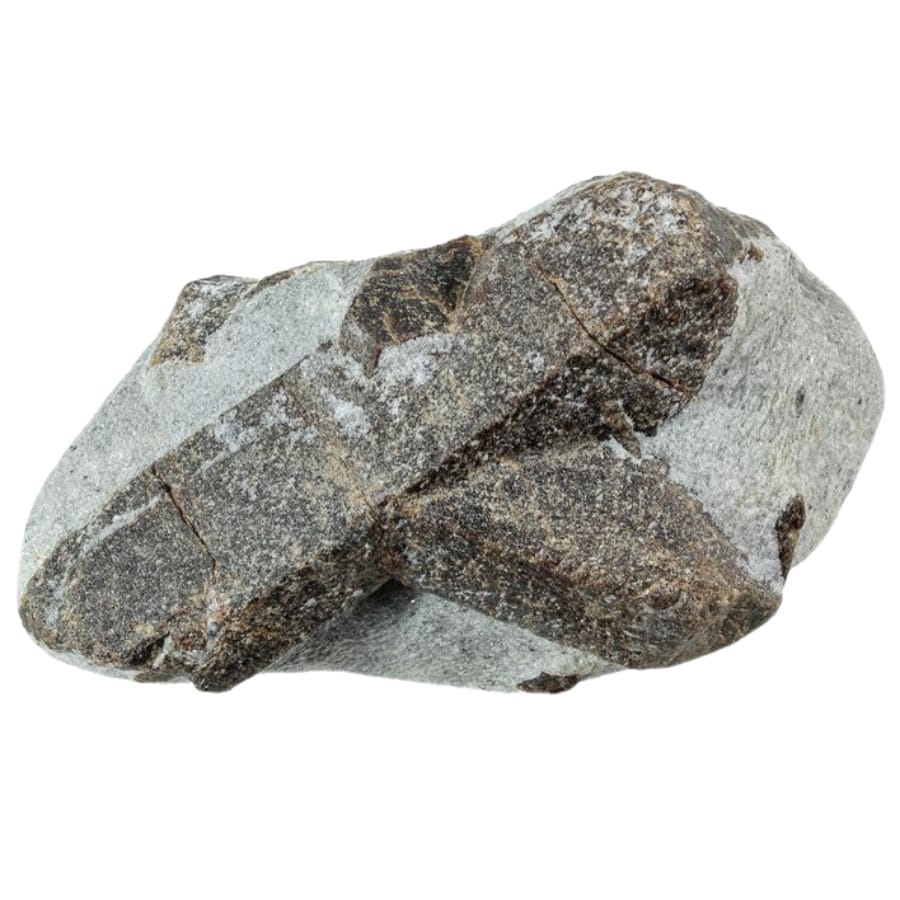
Staurolite is a one-of-a-kind mineral that is very interesting. It has its own place in the world of rocks and minerals. People have been interested in its cross-shaped gems for hundreds of years.
These crosses can form at either a 90-degree angle or a 60-degree angle, making shapes that look a lot like the X shape or the Christian cross.
Metamorphic rocks are usually where you can find it. These are rocks that have been changed by very high temperatures and pressures deep inside the Earth.
When rocks like shale that are high in clay are put through these harsh conditions, staurolite is formed.
The process changes the rock that was there before and makes new minerals, such as staurolite. The cross shape is unique and comes from the way staurolite crystals grow in these settings.
Several things make staurolite valuable. To begin, its cross-shaped diamonds are very cool and unique. Good luck charms or amulets have been made from these crosses for a very long time.
They aren’t as shiny or brightly colored as some other minerals, but their unique shape makes them stand out among rocks and minerals.
Where you can find Staurolite in Minnesota
You can find staurolite specimens in these places:
- Blanchard Dam
- Charles Lindbergh State Park
- Elk Creek
- Little Falls
Thomsonite
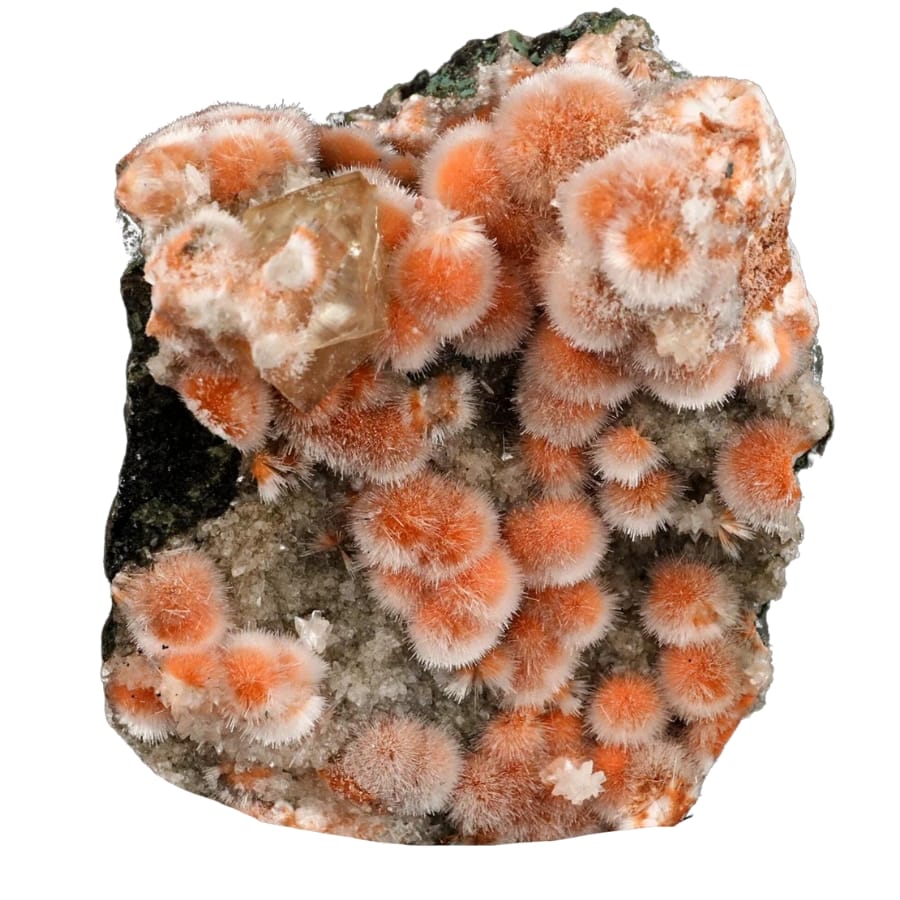
An interesting crystal called thomsonite can be found in Minnesota near Lake Superior. It’s a zeolite, which is a type of mineral known for the unique way it holds water in its crystal structure.
Its beautiful range of colors, from white to pink, green, and even orange, makes it stand out. It’s a real gem for rock lovers because of these colors. These rocks are actually pieces of old lava flows!
Numerous reasons make thomsonite valuable. The first thing is how beautiful it is. When it’s polished, the shapes and colors can look spectacular. It’s frequently used in jewelry items such as bracelets and earrings.
Where you can find Thomsonite
You can find round, smooth thomsonite rocks in Minnesota, especially on the North Shore of Lake Superior. Other areas you can find it in the state are:
- Gooseberry Falls State Park
- Little Marais River
- Thomsonite Beach
Fluorite
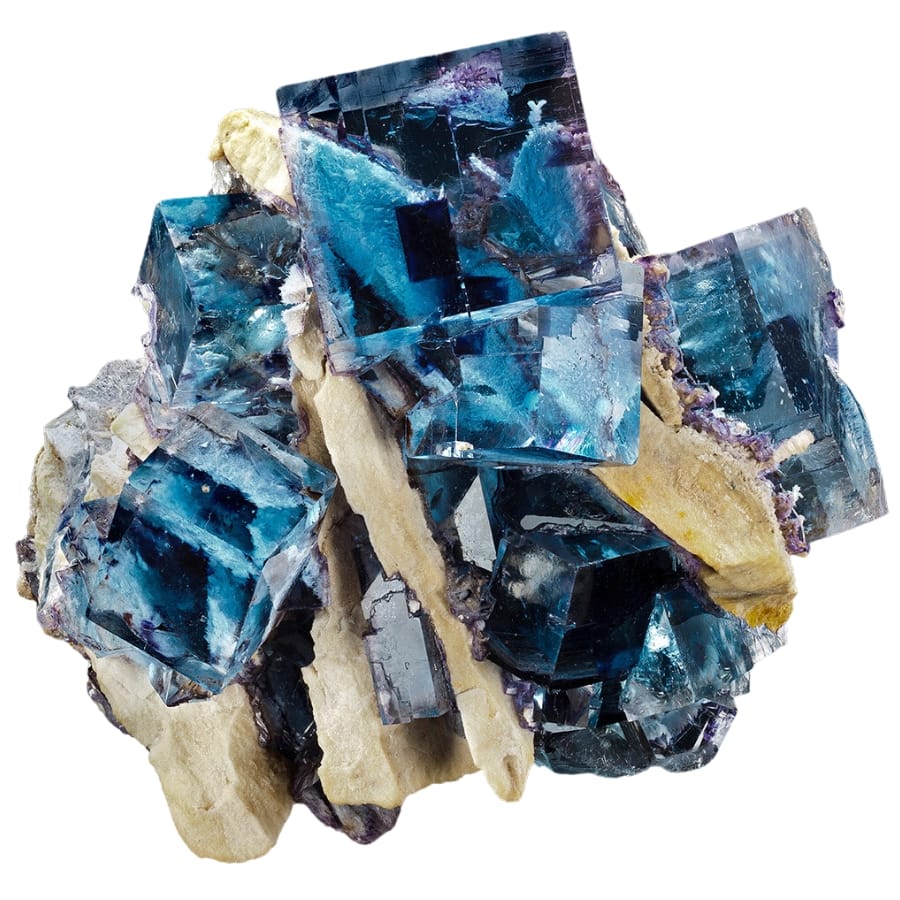
Fluorite is a cool mineral known for its beautiful, smooth crystals and wide range of colors. It comes in almost every color, from clear to blue to purple and green. It’s made up of calcium fluoride.
Deep below the Earth’s surface, it generally forms where hot, mineral-rich water flows through rock cracks. The water is starting to turn into fluorite crystals as it cools down.
Different rocks mixed with fluorite give it different colors. It can be purple with a small amount of iron, but it can also be blue, green, or even yellow with other elements.
Fluorite has always been interesting to people because it’s so pretty. When polished and cut into different shapes, it’s often used to make jewelry and home art.
In addition to being beautiful, fluorite is also very helpful. Many chemical products, including steel and hydrofluoric acid, are made with it.
Where you can find Fluorite in Minnesota
The following places in Minnesota are great places to find fluorite:
- West Central Rockhounds
Galena
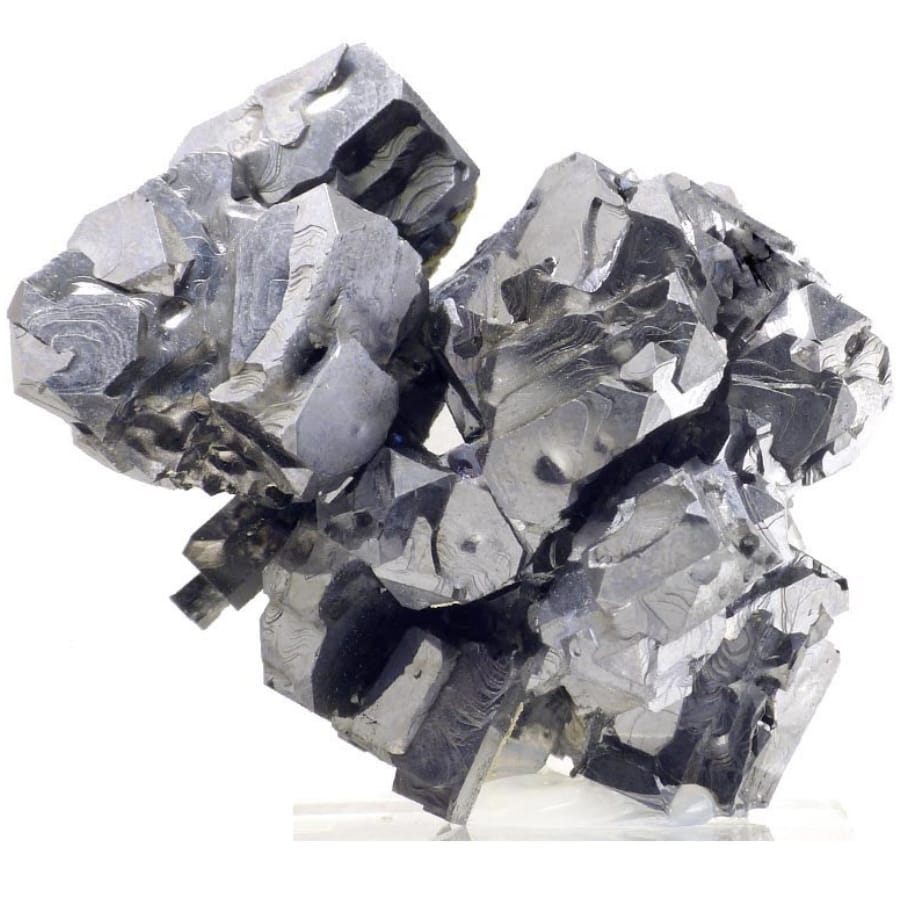
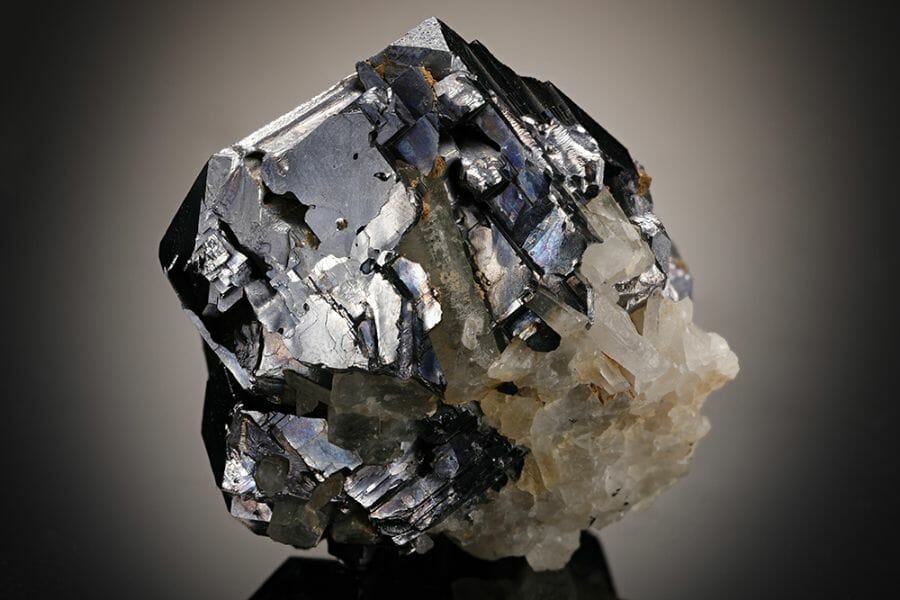
Galena is a very interesting material that gives us lead. A very heavy item for its size, it has a shiny, glossy gray color that is very different from other things. It makes crystals that look like cubes and can look really cool and geometric.
It’s formed in a process that takes place deep underground. Most of the time, it forms in sedimentary rocks like limestone or in volcanic rocks where hot water flows through channels.
Galena typically gets its lead from other minerals breaking down in the rock around it. These minerals are then mixed into the galena as it forms.
It has been valuable for a long time because they contain much lead. Many things, like batteries, bullets, and even paint and gasoline used to contain lead.
But now that we know it can be dangerous, we don’t use lead for these things as much. In addition to its useful properties, galena is a favorite among mineral fans because of its cool crystal shapes and metallic shine.
Where you can find Galena in Minnesota
Galena can be found in the southeastern part of Minnesota, especially where there are limestone rocks.
Hematite
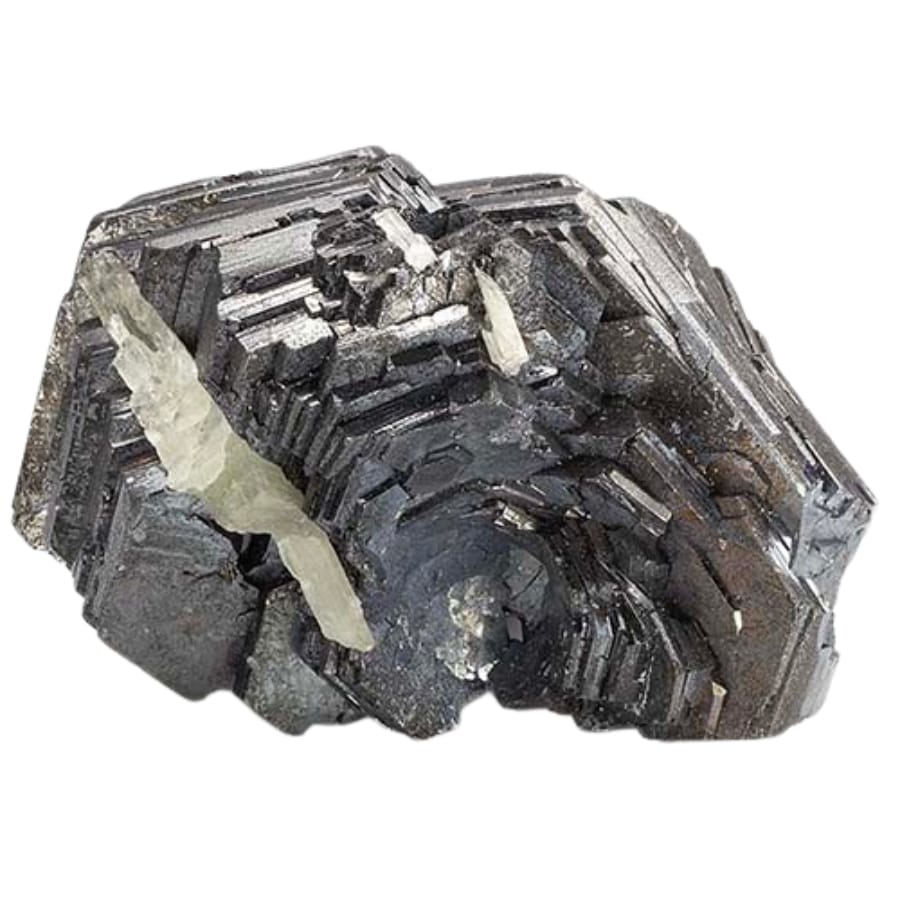
Hematite is a cool material that is very important: it’s one of the main places where iron comes from. The glossy shine is very unique, and the colors range from steel gray to almost black.
It can even be a little red, which is how it got its name: hematite comes from the Greek word for blood.
Hematite can form in many ways, but most of it is made when iron in water turns into minerals. It can form when iron minerals from the Earth’s surface dissolve in still water, like lakes and seas. The iron minerals then mix with oxygen and form crystals.
Hematite is valuable, mostly because it contains iron. Everything from building steel and car steel to everyday things like tools and machines needs iron.
But hematite is valued for more than just its usefulness. It’s often used in jewelry and as a paint color. It was even used to make red ochre, used in art and decoration.
Where you can find Hematite in Minnesota
Hematite is very special in Minnesota because the state has some of the biggest iron reserves in the US.
Hematite is found in large amounts in these layers, especially in the Iron Range area in northeastern Minnesota. This makes the area historically important for iron mining.
Pyrite
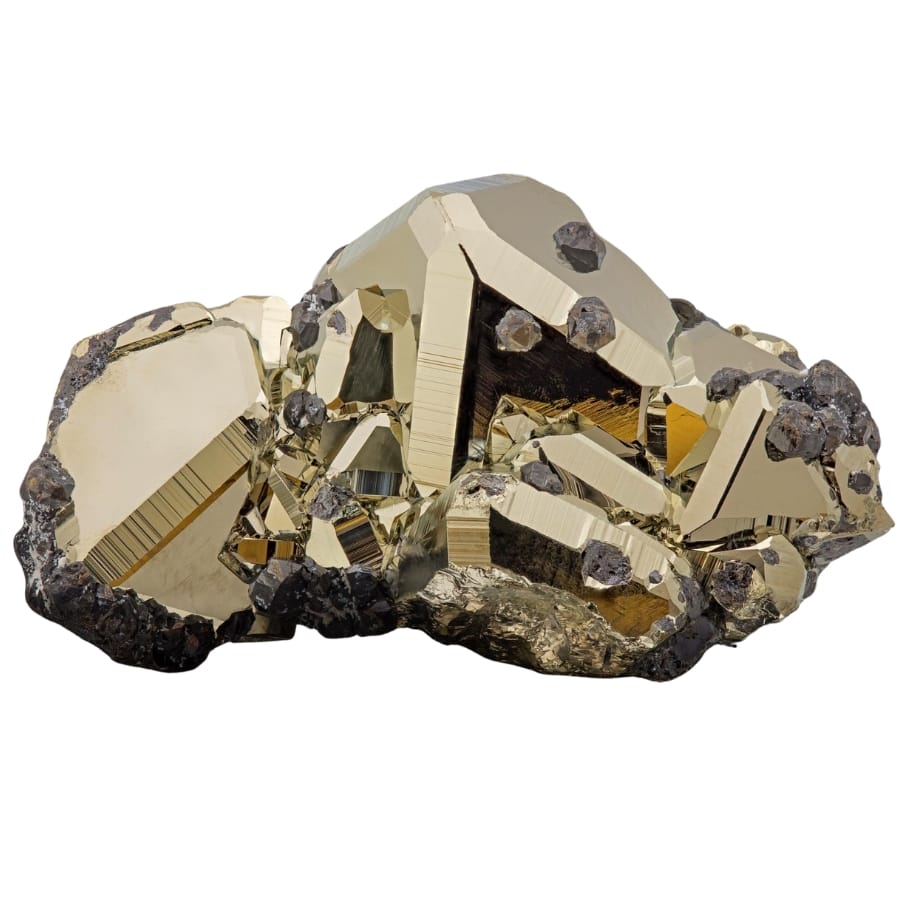
A mineral called pyrite, which is often called “fool’s gold,” is known for making people think it’s real gold without being real. Since it’s bright and shiny, it’s actually iron sulfide.
Iron and sulfur generally combine in certain rocks, like sedimentary rocks (like shale) or igneous rocks (like granite). Such factors might include high pressure or the presence of other elements and minerals.
Surprisingly, pyrite can form when bacteria in water or dirt use sulfur in their processes. From deep underground to the bottoms of lakes and seas, this process can happen anywhere.
Different people have different reasons for wanting pyrite. Actually, it’s not real gold, but it’s still pretty cool. Being shiny and silvery, it’s used in jewelry and as a decoration stone.
A fascinating fact is that pyrite can be used to make sulfur and sulfuric acid, which are essential for many commercial processes. That’s why, even though it’s called “fool’s gold,” pyrite is extremely useful and significant.
Where you can find Pyrite in Minnesota
You can find pyrite in these locations:
- Bronk Quarry
- Carlton County
- Pigeon Point
- Quarry Hill Nature Center
Marcasite
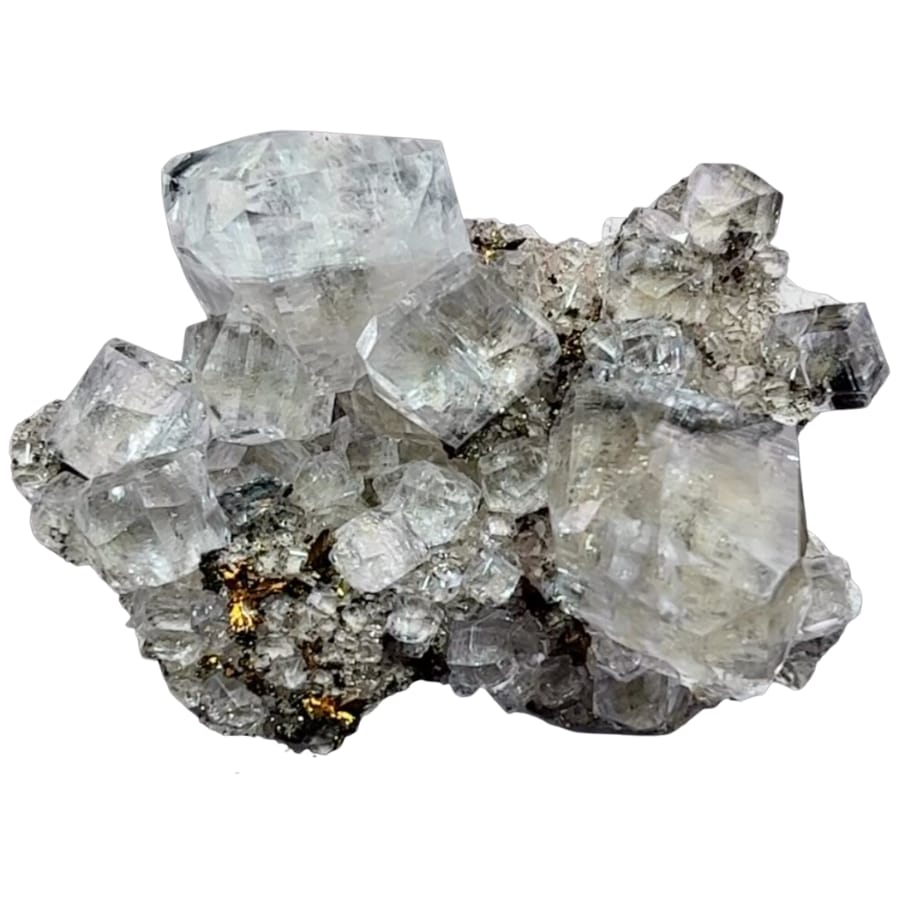
People often mix up marcasite with pyrite, which is also called “fool’s gold,” but they are not the same thing at all. Like pyrite, marcasite looks silvery and shiny but is lighter in color and usually has a pale brass-yellow tint.
It’s not the most common material in Minnesota, but marcasite can be found in some places, especially where there are limestone and shale deposits. It doesn’t usually form big, clear crystals. Instead, it forms smaller, less solid structures.
This mineral usually forms up in sedimentary rocks like shale and limestone. It’s made when iron sulfide reacts with other minerals in water. This process can happen in many places, like near the ocean floor or in places with hot springs.
There are several reasons why people like marcasite. First, it’s a nice material to collect because of its unique metallic sheen and crystal formations. In jewelry, it’s often cut and set into silver to give it an old-fashioned look.
Where you can find Marcasite in Minnesota
Marcasite is easy to find in these places:
- Bronk Quarry
Quartz
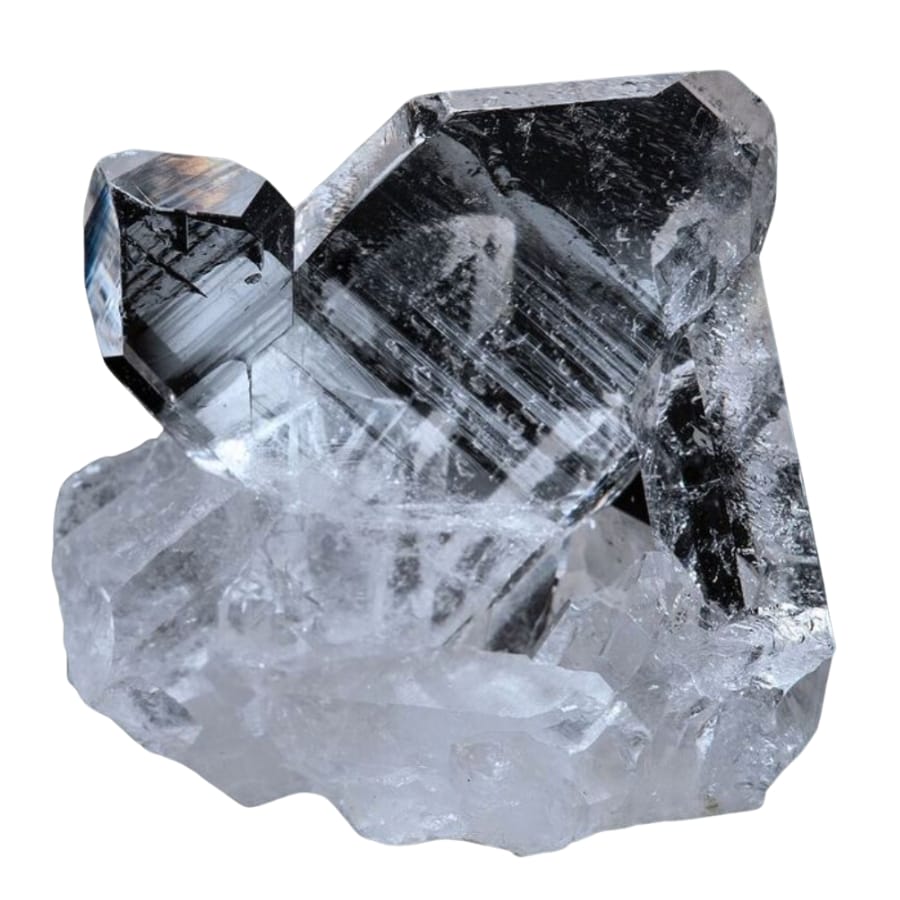
Quartz is one of the most common and well-known gemstones in the world. It comes in a lot of pretty cool shapes and colors. A more formal term for it is silicon dioxide, which is silicon and oxygen.
It can be clear and sparkly, or it can be different colors, like black (smoky quartz), pink (rose quartz), or even purple (amethyst).
It can form in many ways, but most of the time it does so when hot water full of minerals moves through cracks and spaces in rocks deep underground. The water is cooling down, and quartz is forming crystals in it.
Some places on Earth’s crust are cooler than the surface where this can happen, like near volcanoes. The crystals mixed in with the silicon dioxide as it forms can give quartz its different colors and features.
Quartz has been valued for a long time, and not just because it looks nice. Because it’s so pretty and unique, it’s used often in jewelry and home decor. But it’s also very important in technology.
It’s beneficial in electronics like watches and radios because it can change mechanical pressure into electricity and electricity into mechanical pressure.
Where you can find Quartz in Minnesota
You can find quartz in the following areas in the state:
- Charles Lindbergh State Park
- Gunflint Trail
- Vermillion Range
Garnet
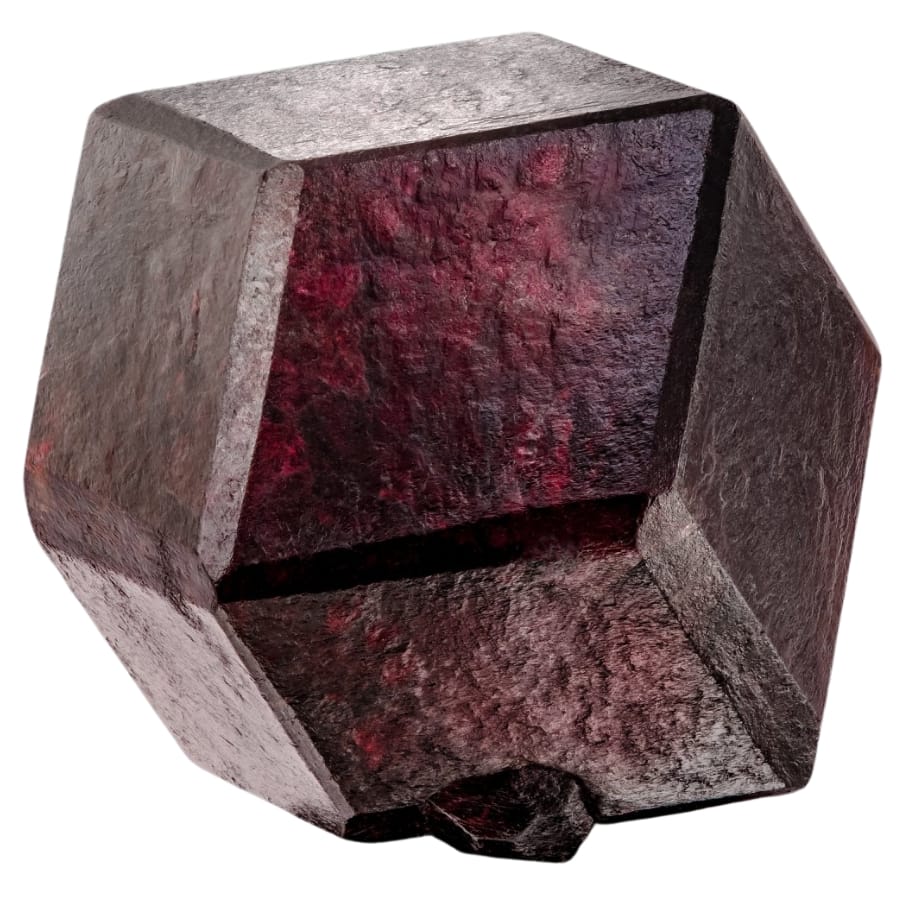
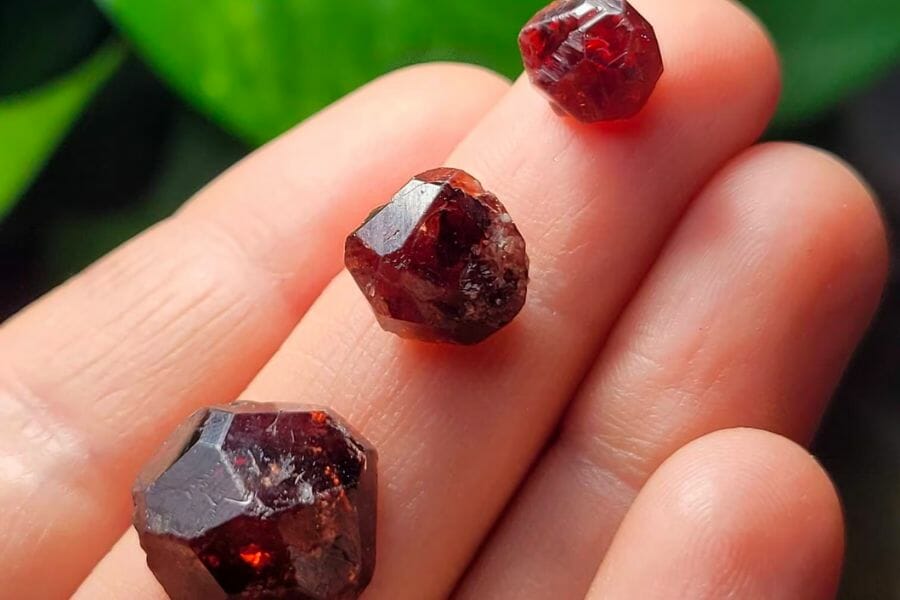
Garnet is made up of more than one element. While these minerals have similar crystal structures and traits, they come in various colors, from red to orange to purple. But when most people think of garnet, they picture a deep, rich red color.
Garnets are usually found in the northeastern state, often hidden in metamorphic rocks like schist and gneiss. These garnets aren’t typically the large, gem-quality stones you might find in a jewelry store, but they’re still elegant to look at and study.
There are several reasons why people value garnets. To begin with, they look lovely! People love to use deep red garnets to make jewelry like rings and chains. Also, garnets are the birthstones for January, so they make a great gift for people born that month.
Where you can find Garnet in Minnesota
Although you can find garnet all over Minnesota, most of them are found in the following places:
- Blanchard Dam
- Elk Creek
- Little Falls
Rhodochrosite
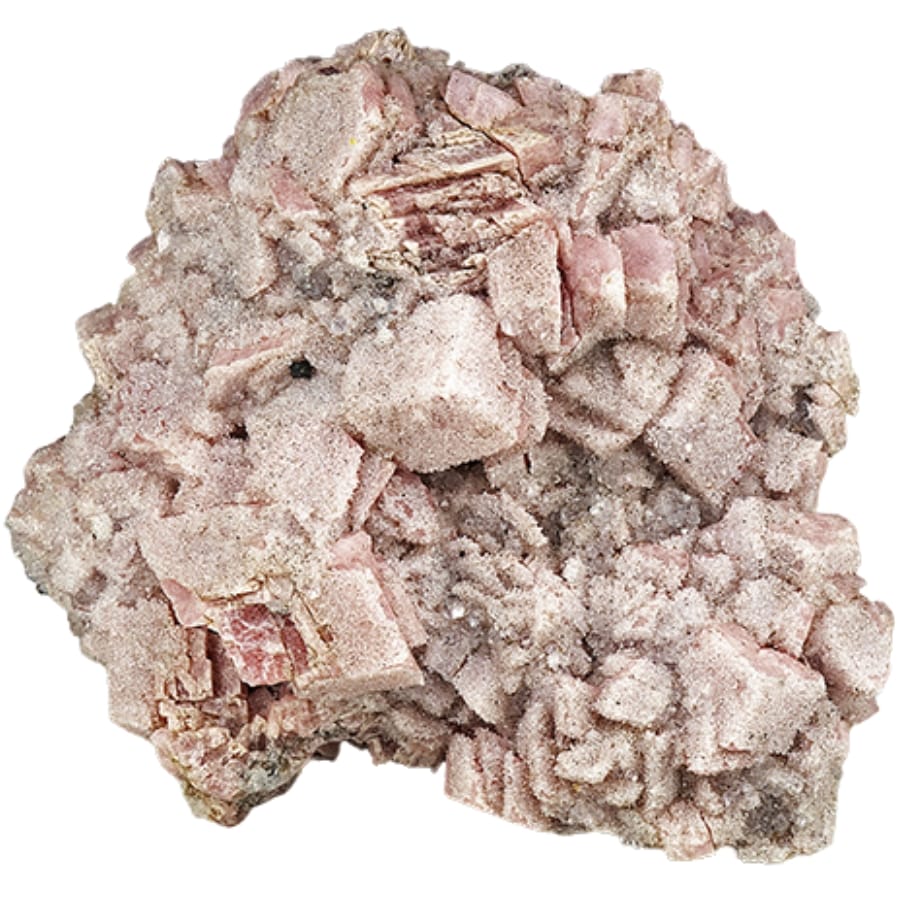
The beautiful pink and reddish colors of rhodochrosite make it stand out as an interesting crystal. Manganese carbonate is what gives it its pretty pink colors.
People love this material because it can form crystals and bands, which makes it a popular choice for collectors. It only shows up in a few places in the state, and when it does, it’s usually in small amounts mixed with other elements.
The process by which it forms is very interesting. Most of the time, it forms in mine veins or rock cracks where mineral-rich water runs.
It starts from the manganese-rich liquids as the water evaporates or cools down over time. The crystals’ unique shapes form because of these ingredients. It’s mostly found in places that are known for having a lot of different minerals, maybe with other minerals that contain manganese.
Where you can find Rhodochrosite in Minnesota
Minnesota has a lot of rhodochrosite in these places:
- Hopkins Mine
Chalcopyrite
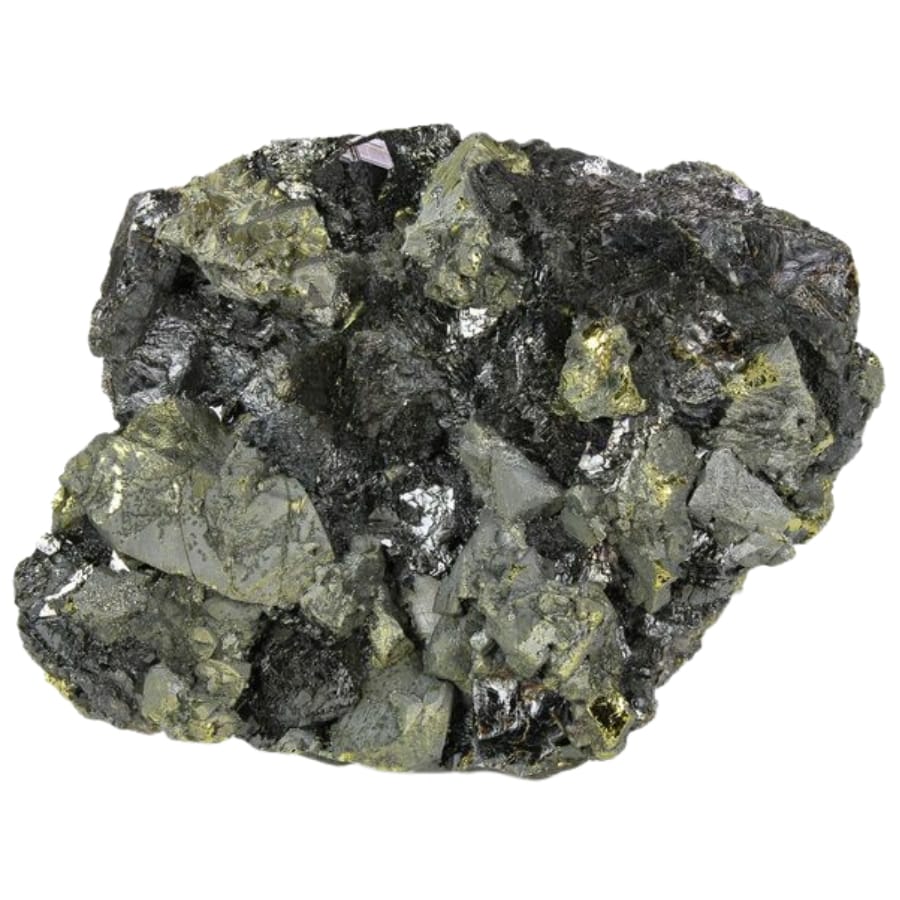
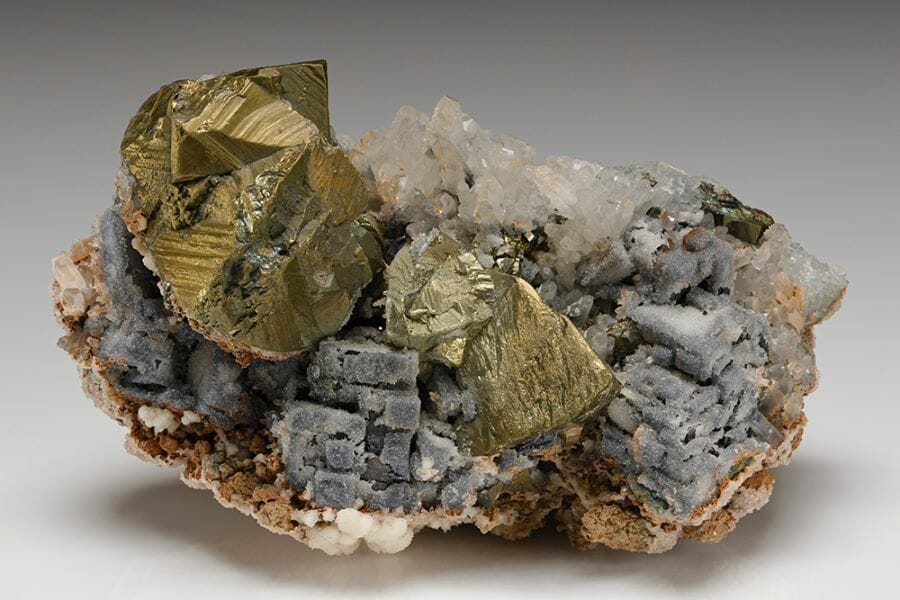
Chalcopyrite is a fascinating rock that can be found all over the world, even in Minnesota. It comprises copper, iron, and sulfur, which is what the name “copper iron sulfide mineral” means.
This mineral is easy to find because it is a unique golden-yellow color that makes it look like gold. It’s very fragile, and if you scratch it, it leaves a greenish-black mark.
This mineral is often found deep underground and can be made in several ways. It can grow where hot, mineral-rich water runs through cracks in rocks.
Chalcopyrite is valuable because it has a lot of copper in it. Copper is really helpful; it’s used in plumbing, wires, and even making coins. It’s very important for the mining business that chalcopyrite is one of the most common rocks that contains copper.
Where you can find Chalcopyrite in Minnesota
The state has a lot of chalcopyrite, especially in the Iron Range, with large iron ore deposits and other minerals.
Calcite
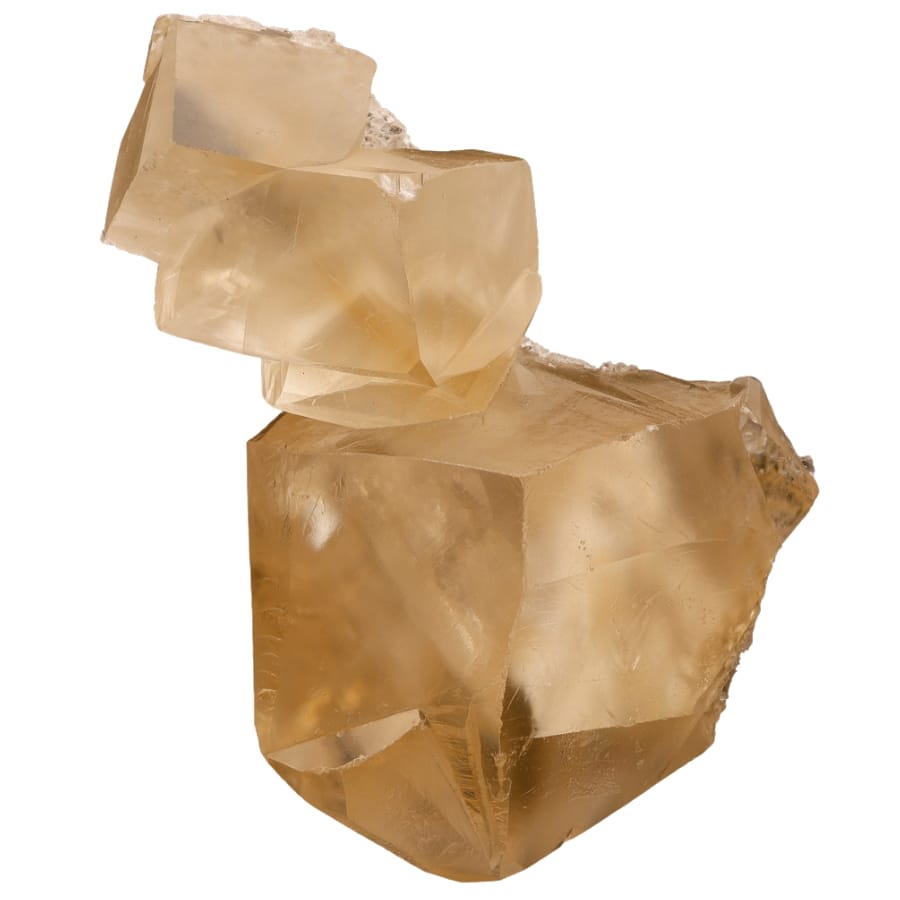
The crystal calcite can be found all over Minnesota. It’s mostly composed of calcium carbonate, which is also found in eggshells and chalk. There are many calcite shades, from clear and white to pink and even blue.
It’s fascinating that the rocks around it can change how it looks when it forms. Because of this, Calcite can come in many different sizes and forms. It even glows under UV light sometimes!
It usually forms when calcium carbonate-filled water gets into rocks through cracks. The calcite is left behind when this water disappears over time. It’s found in rocks along Lake Superior and in old mines in Minnesota, mostly in the northern part of the state.
Several things make calcite valuable. It’s used to make cement and lime, essential for building things. It’s also used in farming to keep the land healthy. Many people adore it because it comes in many colors and shapes.
Where you can find Calcite in Minnesota
Calcite can be found all over the state. Here are some of the places:
- Bronk Quarry
- Quarry Hill Nature Center
- West Central Rockhounds
The Best Locations For Crystal Mining in Minnesota
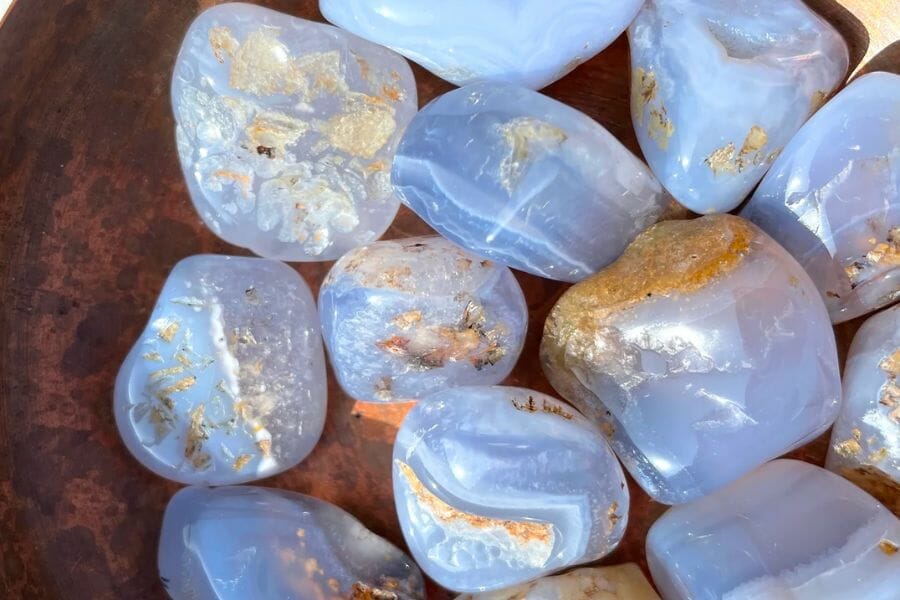
We’ll share first with you our top 5 recommended places, in case you only have limited time to visit our state. We had the best time and success finding crystals here:
Always Confirm Access and Collection Rules!
Before heading out to any of the locations on our list you need to confirm access requirements and collection rules for both public and private locations directly with the location. We haven’t personally verified every location and the access requirements and collection rules often change without notice.
Many of the locations we mention will not allow collecting but are still great places for those who love to find beautiful rocks and minerals in the wild without keeping them. We also can’t guarantee you will find anything in these locations since they are constantly changing.
Always get updated information directly from the source ahead of time to ensure responsible rockhounding. If you want even more current options it’s always a good idea to contact local rock and mineral clubs and groups
Lake Superior Beaches is Our Favorite Crystal Mine in Minnesota
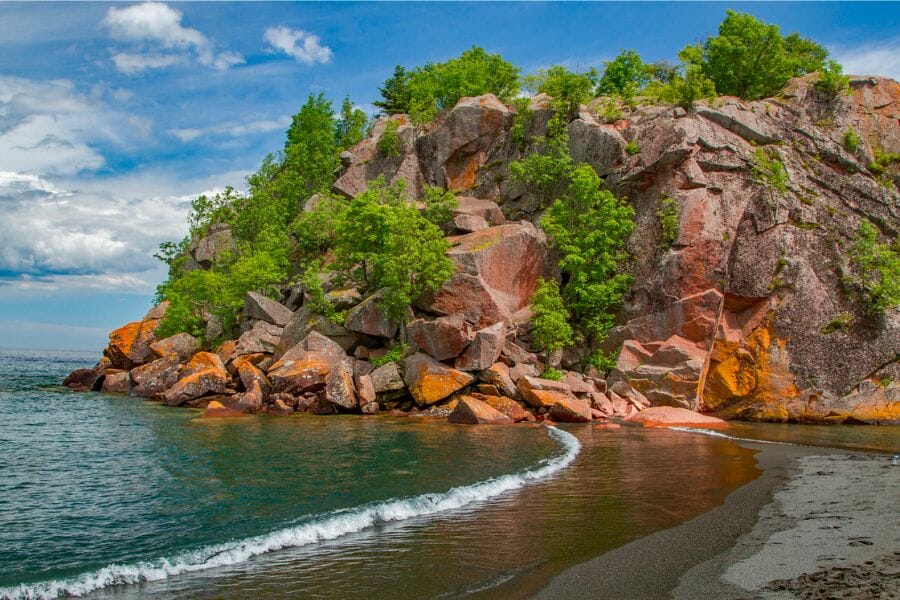
Lake Superior, MN
As experienced crystal collectors from Minnesota, we highly recommend visiting the beaches of Lake Superior, a treasure trove of beautiful and unique crystals! In fact, if you want to expand your search to include gemstones, these locations also prove to be one of the best sites to find Minnesota gems.
The Lake Superior region has a rich geological history dating back over a billion years, and this has created a diverse range of crystal formations that can be found on its beaches. The rocks here are a mix of basalt, sandstone, and conglomerates, with mineral deposits that are just waiting to be discovered.
One of the best things about Lake Superior’s beaches is that they are accessible to anyone. The region has a number of public beaches that you can visit, and some of the best ones for finding crystals include Agate Beach in Two Harbors, Park Point in Duluth, and Grand Marais Beach in Grand Marais. These beaches are all located on the shores of Lake Superior and offer ample opportunities for crystal hunting.
Where we found crystals at Lake Superior Beaches
You can find the most amazing samples of Lake Superior Agates in the area gravels of Lake Superior Beaches.
If you want REAL results finding incredible rocks and minerals you need one of these 👇👇👇

Finding the coolest rocks in isn’t luck, it's knowing what to look for. Thousands of your fellow rock hunters are already carrying Rock Chasing field guides. Maybe it's time you joined the community.
Lightweight, mud-proof, and packed with clear photos, it’s become the go-to tool for anyone interested discovering what’s hidden under our red dirt and what they've already found.
Join them, and make your next rockhounding trip actually pay off.
What makes it different:
- 📍 Find and identify 140 incredible crystals, rocks, gemstones, minerals, and geodes across the USA
- 🚙 Field-tested across America's rivers, ranchlands, mountains, and roadcuts
- 📘 Heavy duty laminated pages resist dust, sweat, and water
- 🧠 Zero fluff — just clear visuals and straight-to-the-point info
- ⭐ Rated 4.8★ by real collectors who actually use it in the field
Carlton County
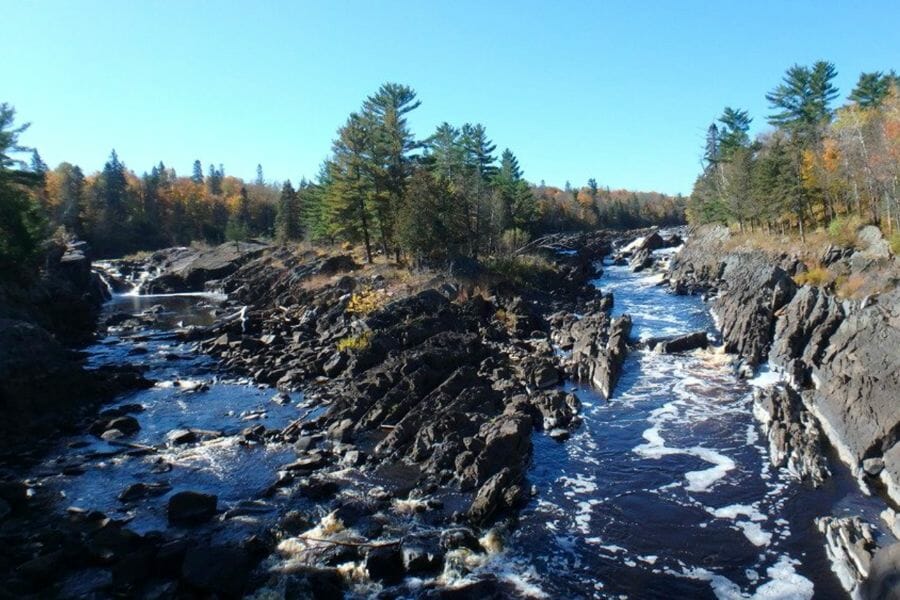
Carlton County, MN
Carlton County is located in the northeastern part of our state.This is among our top recommended places because the region’s diverse geological formations, including basalt, gabbro, and sandstone, have created a variety of crystal deposits that can be found throughout the area.
If you’re planning to go here, there are a few things you should keep in mind. First, be respectful of the natural environment and only take what you need. Second, make sure you have the right gear, including a sturdy bag or bucket for collecting, gloves for handling rough rocks, and a good pair of shoes for walking on the rocky beaches. Finally, be prepared to spend some time searching, as finding crystals here can take some patience and persistence.
Where we found crystals in Carlton County
Carlton County has plenty specific sites where you can chance upon beautiful crystals, like Lake Superior Agate, Garnet, Pyrite, and so much more. Here’s where you can look into for these wonders:
- Twin Lakes Township Quarry in Blackhoof area
- Carlton area mine dumps
- Carter Gravel Pit
- Cloquet area gravel pits, excavations, and mine dumps
- Along the shores of Moose Lake and other lakes and streams nearby
- Moose Lake area mine dumps
Once you find a specimen, you’ll start wondering how much are crystals worth. We’ve got you covered!
Little Falls
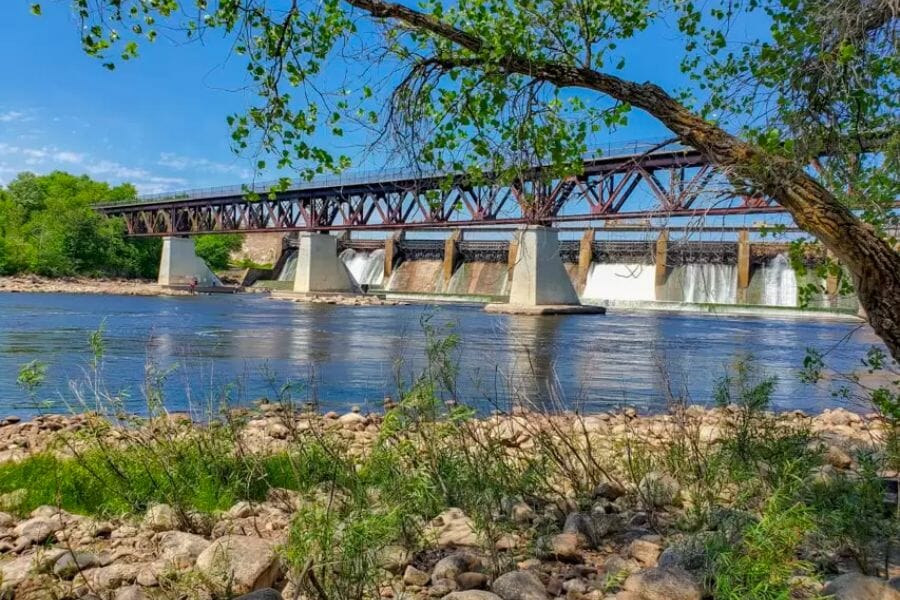
Morrison County, MN
Another great spot you’ll definitely want to check out is Little Falls located in central Minnesota. It’s home to a long history of glacial activity. The area is characterized by rolling hills and valleys, which are formed by the movement of glaciers over millions of years. This movement has also created a variety of rock formations, including basalt and sandstone, which are the perfect environments for crystals to form.
When you’re here, you can visit Hard-Rock Quarry, which is known for producing a variety of crystals. The quarry is open to the public and is a popular spot for rockhounds looking for unique and beautiful specimens. Another great spot to find crystals is at the Pine Grove Park, which hides crystals along its riverbank and in the surrounding woods.
To visit Little Falls, you can take Highway 10 and exit at the Little Falls exit. From there, follow the signs to where you want to start your search.
Where we found crystals in Little Falls
We had the best of time— and success— finding crystals here when we explored the streams, gravels, and quarries of Little Falls. Some of the crystals you’ll find here are Lake Superior Agate and Garnet.
Osseo
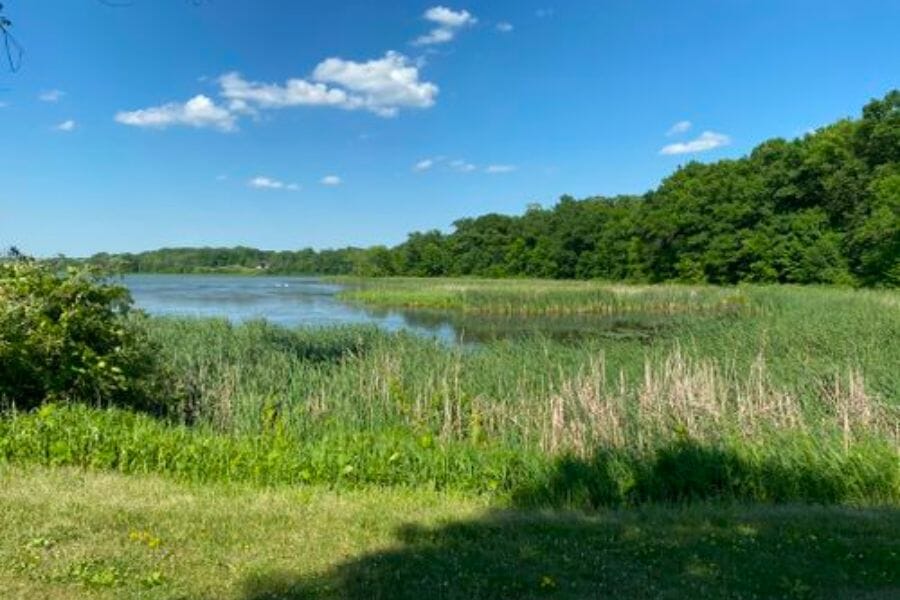
Hennepin County, MN
Osseo is a small city located in the southeastern part of our state. The area has a rich history of mining and quarrying, which has resulted in a unique landscape and a variety of mineral formations. The rocks in this area are primarily sedimentary, with layers of sandstone, shale, and limestone that have been shaped by the forces of erosion and weathering.
A great place to find crystals in Osseo is at the Cedar Valley Quarry, which is known for producing a variety of crystals. Another one is the Crystal Mine, located on a private property and requires permission from the landowner to access.
If you’re eyeing to visit Osseo, you can take Highway 169 and exit at the Osseo exit. From there, follow the signs to the place that you specifically want to visit.
Where we found crystals at Ossea
You can explore the area gravel pits of Ossea to find Lake Superior Agate, Chalcedony, Jasper, and other different kinds of crystals.
Bronk Quarry
Winona County, MN
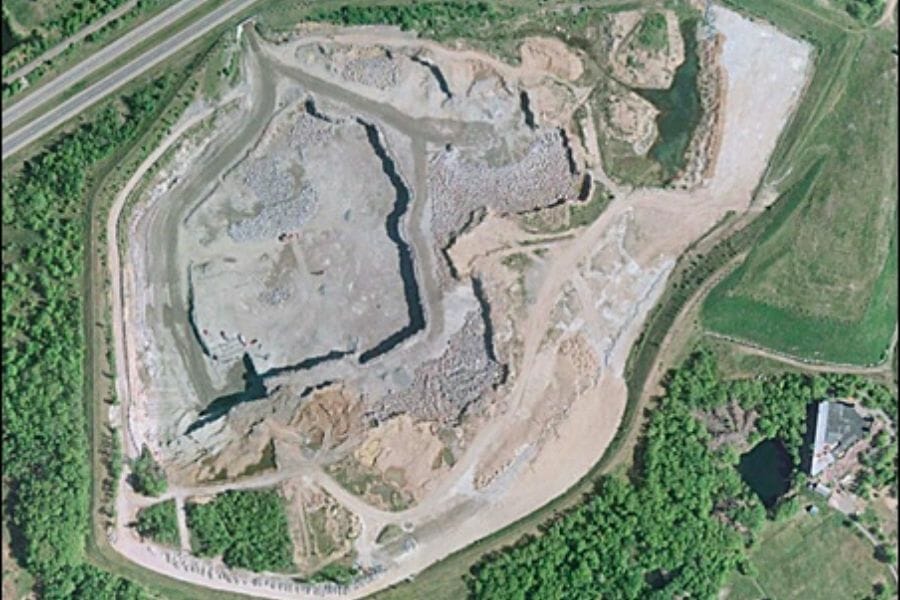
The Bronk Quarry is located in the city of Caledonia in southeastern part of our state. It’s situated in the bluffs above the Root River, which has been eroding the limestone formations in the area for millions of years. This has created a variety of rock formations, including the distinctive Niagara Escarpment, which is known for its unique geology and crystal formations.
The quarry was first opened in the early 1900s for the production of crushed limestone. Over the years, rockhounds and collectors have discovered the unique crystals and minerals that can be found in the area. Today, it’s owned by the Minnesota Department of Natural Resources and is open to the public for collecting.
To get to Bronk Quarry, you can take Highway 44 and turn onto Old Mill Road. Follow Old Mill Road until you reach the quarry entrance. The quarry is open from dawn to dusk, and there is no fee for collecting.
Where we found crystals in Bronk Quarry
Since this is a quarry, it’ll be easy to find different samples of Dog Tooth Calcite, Hematite, Pyrite, and other crystals if you explore its nooks and crannies.
Our Other Favorite Places For Crystal Hunting
Aside from our top 5 recommendations, there are still other great places where you can find crystals here. In fact, some of these sites may also be abundant sources of Minnesota geodes.
Where you can find crystals for free in Minnesota
Who doesn’t want to find crystals for free, right? If you agree, we got you! Here are the best free-to-search places in our state.
| County | Location |
| Blue Earth | All regional quarries, gravel pits, and stream gravels of Mankato |
| Cass | At Pillager area |
| Chippewa | Area gravel pits, excavations, and stream gravels of Montevideo |
| Dakota | At the gravel pit adjacent to Vermillion River |
| Faribault | Area and regional quarries, gravel pits, stream beds of Blue Earth |
| Fillmore | In road cut at Lanesboro area |
| Goodhue | Area gravel pits and in Mississippi River bluffs in Red Wing |
| Houston | Area sand quarry in Caledonia |
| Morrison | Under Northern Pacific railroad bridge over Platte River |
| Olmsted | Area and regional road cuts and banks of Rochester |
| Scott | Shakopee area gravel pit |
| Wabasha | Adjoining gravel pit of Wabasha |
| Winona | In gravel pit beside US 61 of Goodview (suburb of Winona) |
Other great places to dig for crystals
On the other hand, if you don’t mind spending some dime for sure crystal finds, here are the best pay-to-dig spots here. Take note, the fees may vary depending on season and time, so reach out to the place first before heading out. Who knows, they might even be offering free digging on your time of visit!
| County | Location |
| Cook | Area mines of Grand Portage |
| Crow Wing | At the Arco and Portsmouth mines |
| Itasca | Grand Rapids area mine dumps |
| St. Louis | Area mine dumps of Aurora, Ely, Eveleth, Floodwood, Hibbing and at Corsica Mine Dump, Mary Ellen Mine dump, Dormer Mine dump, and Wade Mine dump |
How to find crystals in Minnesota
A lot of our recommendations above cover wide bases, so if you want to narrow your search, here are some of the usual areas where crystals abound. We recommended searching through these places first when you visit here:
Beaches
The beaches in Minnesota are known for being an excellent source of crystals, and there are a few reasons why. First off, these beaches are located the shores of Lake Superior, one of the largest freshwater lakes in the world. Over the centuries, the movement of the lake’s waves and currents have eroded the surrounding rock formations, creating an abundance of different crystals and minerals that are easily accessible along the shoreline.
Mines and Mine Dumps
Mines are often located in areas with abundant mineral deposits, which can translate to an abundance of crystals. Additionally, the mining process itself can sometimes reveal crystals that would otherwise be inaccessible or difficult to find. When rocks are blasted or drilled, it can sometimes reveal crystal pockets that were hidden within the rock formations.
Streams and Creeks
Streams and creeks are a natural way for crystals to be exposed and made accessible for rockhounds to find. The running water can erode the surrounding rock formations and expose crystals that were previously hidden or underground. This means that there’s a good chance that you’ll be able to find some great specimens just by sifting through the sand and rocks in the creek.
Minnesota Crystal Mining Laws And Regulations
Mining crystals in Minnesota is legal for as long as you abide by the local laws here, especially the ones from Minnesota Department of Natural Resources (DNR). Firstly, make sure to secure any necessary permits or permissions from concerned government offices. If you’re exploring a private land, you’re required to secure the owner’s permission before you proceed. Also, make sure you know all about any environmental rules and regulations. After all, we would want to make sure that crystal mining remains a sustainable activity in our state for years to come.
The Best Crystal Shops In Minnesota
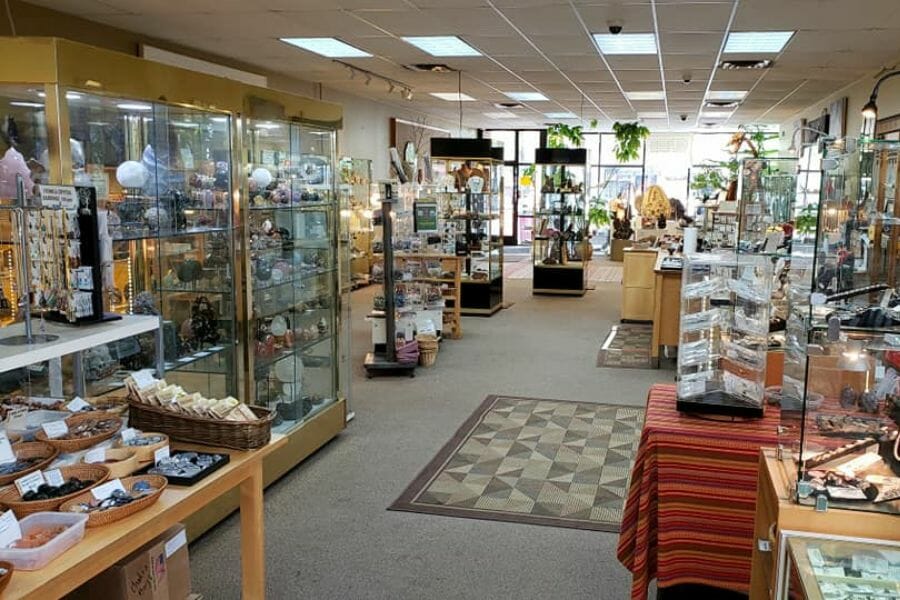
Doing the physical work of searching and digging for crystals may not be for every collector and enthusiast, so if you prefer to get your hands on these natural wonders the easier way, your best bet is to visit the local crystals shops here. We’ve made a list of the best ones below:
- Enchanted Rock Garden – 1228 E 66th St, Richfield, MN 55423
- ZRS Fossils and Gifts – 3018 Lyndale Ave S, Minneapolis, MN 55408
- Christy’s Crystals – 407 N Riverfront Dr, Mankato, MN 56001
- Enchanted Boutique – 8 W 66th St, Richfield, MN 55423
- The Eye – 908 W Lake St, Minneapolis, MN 55408
- Divine Time – 7546 149th St W, Apple Valley, MN 55124
- Crystal Zones Rock Shop – 1595 MN-36 #662, Roseville, MN 55113
- We The Star Borne – 593 Hamline Ave N, St Paul, MN 55104
- Magic Mushrooms in the Crystal Garden – 171 Lake St N, Big Lake, MN 55309
- Seashellsbyshelly Rock and Crystal Shop – 2625 County Rd 37 NE, Monticello, MN 55362
Additional places to find crystals in nearby states
If you’ve already tried all of our recommendations above or are planning a trip out of the state, you should check out our guides for neighboring states:
- Crystals in North Dakota
- Crystals in South Dakota
- Crystals in Iowa
- Crystals in Wisconsin
- Crystals in Michigan
If you have any recommendations we haven’t covered, please leave them in the comments below!