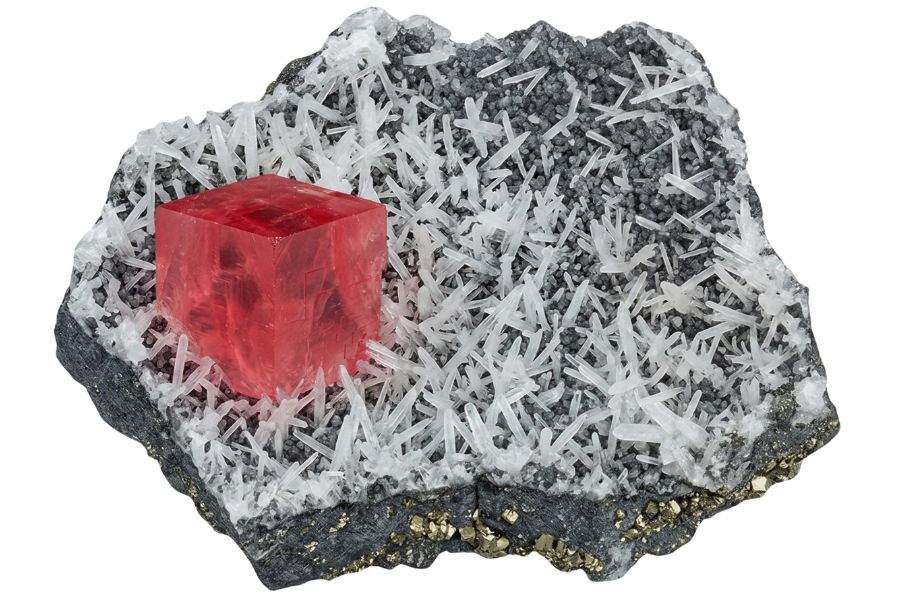
Preparing for a weekend trip to dig for crystals in Colorado means figuring out exactly where to put your shovel in the ground. The state is massive, and while it holds beautiful pieces of amazonite and rhodochrosite, you cannot just pull over on the highway and start digging anywhere.
Wandering into the mountains without a solid destination usually leads to sore muscles and empty pockets. Moving dirt is hard work. You want to make sure the soil you are turning over actually has potential.
That is exactly why we want to help you narrow down the best locations and save your valuable time. Instead of guessing which lands might be productive, we can point you toward the areas with a proven track record.
We’ll help you skip the trial phase entirely so you can focus all your energy on the areas that produce real solid results this upcoming weekend.
- The extensive local experience and understanding of our team
- Input from multiple local crystal hunters and crystal collecting groups
- The accessibility of the crystal mining locations
- Safety and potential hazards when collecting
- Private and public locations
- A desire to include locations for both experienced crystal hunters and those who are just starting out
Using these weights we think we’ve put together the best list out there for those who love finding new crystals for our collections!
The Types of Colorado Crystals You Can Find
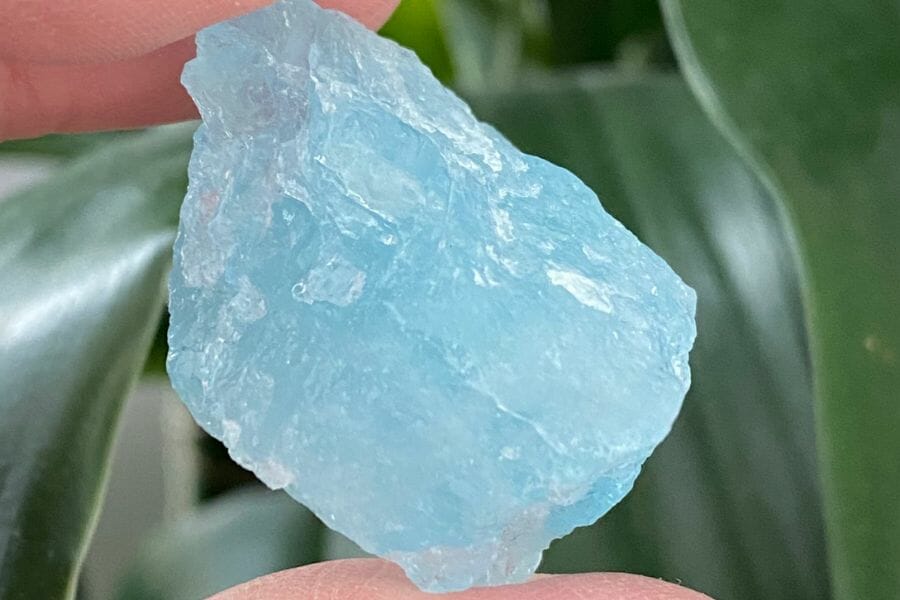
Colorado has some of the sweetest, clearest quartz crystals you’ve ever seen, and they come in all kinds of shapes and sizes. The San Juan Mountains are a prime spot for finding stunning red garnets that will knock your socks off. But the best part about crystal hunting in Colorado is the thrill of the hunt. There are loads of public lands and crystal mines to explore, and you never know what kind of treasure you might uncover.
Rhodochrosite
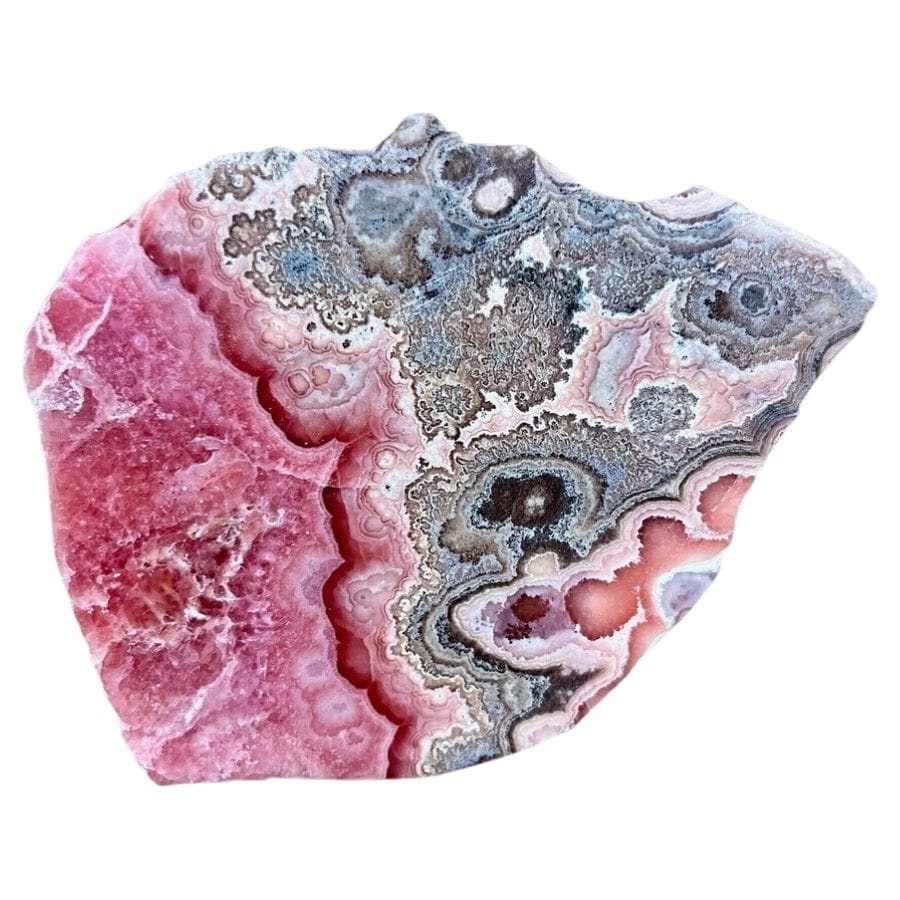
Rhodochrosite is a striking mineral known for its rich pink and red colors. It’s made of manganese carbonate and often forms in layers, creating bands of different shades of pink, sometimes mixed with white or yellow.
The formation of rhodochrosite occurs in the cavities or fractures of sedimentary rocks or in hydrothermal veins in igneous rocks. These veins are formed by hot, mineral-rich water flowing through cracks in the rock.
As the water cools, the minerals start to crystallize, forming rhodochrosite. In some cases, it can also form due to the action of manganese-rich fluids on limestone, a process that takes place over millions of years.
Colorado is known for producing some of the most beautiful specimens of rhodochrosite in the world.
Rhodochrosite’s distinctive banding and colors are emphasized when it’s cut and polished into gems and set in jewelry. While rhodochrosite isn’t as expensive as other gems, large and high-quality specimens can still fetch quite a price.
Where you can find rhodochrosite in Colorado
- Alma Mining District, Park County
- Idarado Mine, Ouray County
- Mountain King Mine, Ouray County
Selenite
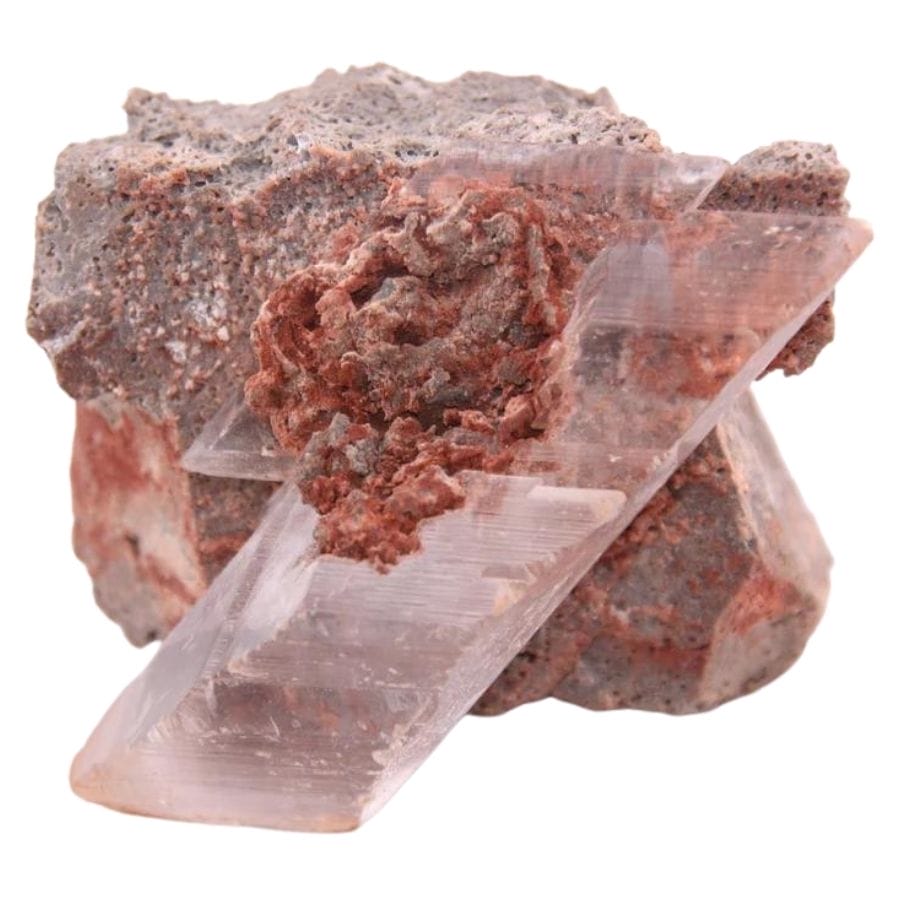
Selenite is a clear, beautiful variety of the mineral gypsum, and it’s one of the many fascinating gemstones found in Colorado. This mineral is known for its transparent, glass-like appearance and can form in large, flat crystals.
This mineral needs the presence of sulfate-rich waters to form. It usually appears in places where water evaporates rapidly, like in salt flats, hot springs, or around the edges of lakes.
As the water evaporates, it leaves behind minerals, including calcium sulfate, which crystallizes into selenite. These crystals can grow in different shapes – some are long and thin, while others are more tabular.
In Colorado, selenite can be found in areas where there are evaporite deposits – these are layers of minerals left behind by ancient seas or lakes that have dried up.
People value selenite for a variety of reasons. Its clarity and luster make it a popular choice for decorative items and carvings.
Selenite’s transparent quality also makes it interesting for educational purposes, as it provides a clear example of crystal formation.
Selenite is also often appreciated for its large, well-formed crystals and its characteristic transparency. Its crystals can be quite transparent and resemble sheets of glass. It’s thus a beautiful addition to rock collections.
Where you can find selenite in Colorado
- Eureka Mining District, San Juan County
- Irish Canyon, Moffat County
- Sneffels Mining District, Ouray County
Topaz
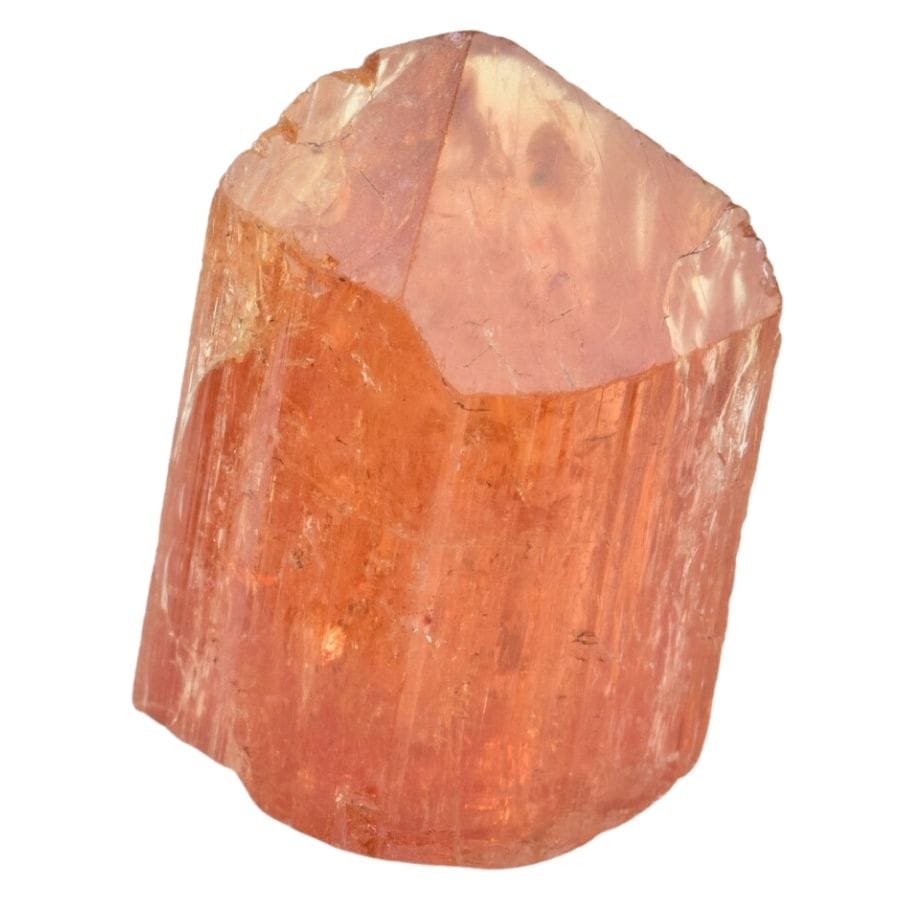
Topaz comes in many colors, including clear, blue, pink, and yellow, but it’s often recognized for its striking blue hue. Topaz is made of a mineral called fluorine aluminum silicate, and its different colors are usually due to impurities or treatments.
This gem forms in igneous rocks, which are formed from cooled magma or lava. Topaz can grow in pegmatites, which are coarse-grained rocks that form during the last stages of magma cooling.
The crystals develop in cavities within these rocks, where they have enough space to grow.
Sometimes, topaz is also found in alluvial deposits, which are collections of loose sediment in riverbeds, where it lands after being washed away from its original rock.
Aside from topaz’s colors, its hardness makes it durable and perfect for various types of jewelry, including rings, necklaces, and earrings. Its crystal clarity also makes it a hit with collectors and gem enthusiasts.
Where you can find topaz in Colorado
- Pikes Peak, El Paso County
- Devils Head Pegmatite Mining District, Douglas County
- Ruby Mountain, Chaffee County
Amazonite
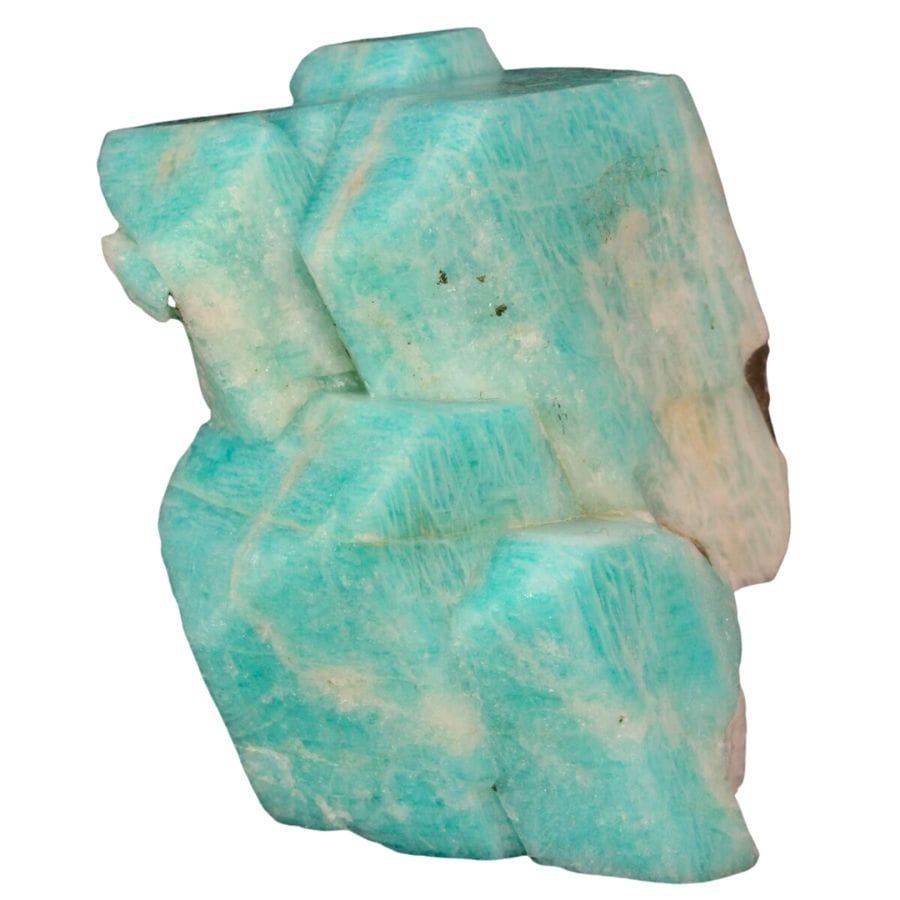
Amazonite is a captivating greenish-blue mineral that’s part of the feldspar family. This mineral stands out because of its bright, turquoise color, which can vary from light green to deep blue-green.
The color of amazonite comes from trace amounts of lead and water in its structure.
Amazonite is commonly found in igneous rocks, especially granite. These are rocks formed from the cooling of magma or lava. During the cooling process, crystals of amazonite can form.
The slow cooling allows the crystals to grow large and develop their distinctive color. Sometimes, it’s found in large clusters, which are really impressive to see.
In Colorado, amazonite is often discovered in the Pike’s Peak area, which is known for its rich geological diversity.
With its bright and eye-catching color, amazonite is a great addition to jewelry. However, its large crystal forms is also unique and makes it stand out among other crystals in the state.
Where you can find amazonite in Colorado
- Pikes Peak, El Paso County
- Crystal Peak, Teller County
- Lake George, Park County
Epidote

Epidote is a fascinating mineral that adds a touch of green to the palette of crystals found in Colorado. It’s known for its pistachio-green color, but it can also be yellow-green or almost black.
Epidote is made of a mix of calcium, aluminum, iron, and oxygen. It typically forms in metamorphic rocks.
Sometimes, epidote can also form in igneous rocks. In these rocks, epidote can grow in long, thin crystals. You can usually find epidote in the cracks or fractures in these rocks, where it has room to grow.
With its unique green color and crystal shapes, epidote is a fun rock to collect. Some people even like to use it in jewelry.
Where you can find epidote in Colorado
- Calumet Mine, Turret Mining District, Chaffee County
- Jamestown Mining District, Boulder County
- Cañon City, Fremont County
Fuchsite
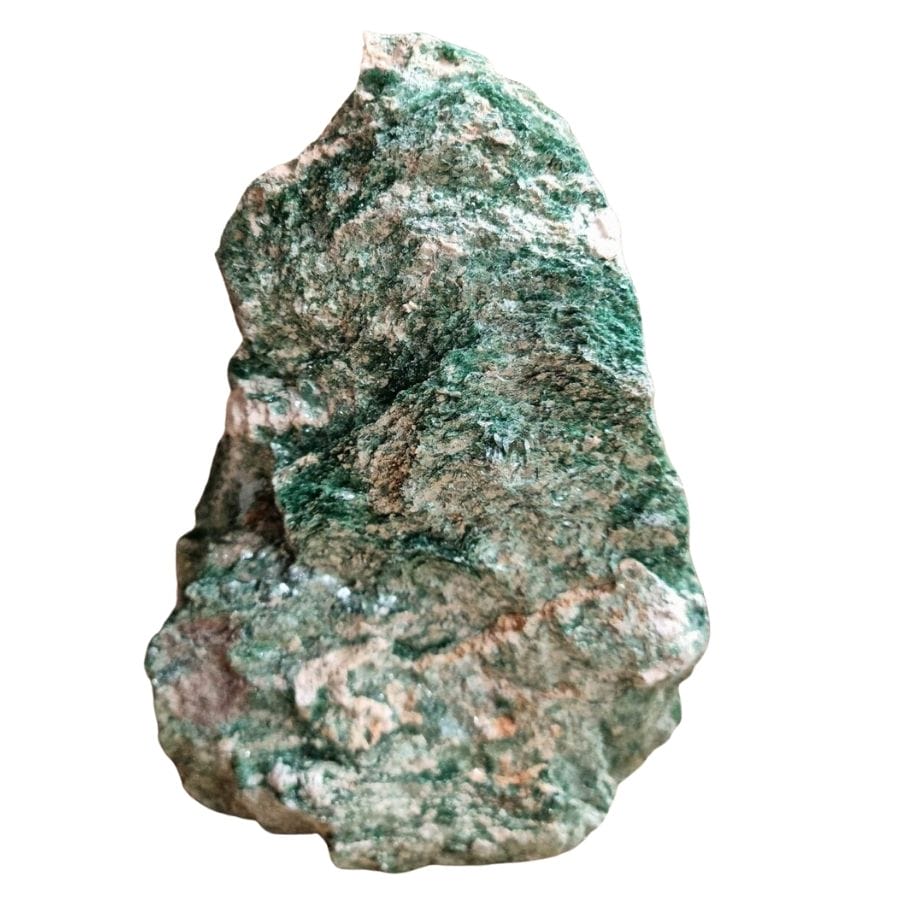
Fuchsite is a variety of muscovite, a common type of mica, and is known for its sparkling green color. This unique hue comes from the high chromium content in the mineral.
Typically, fuchsite forms in metamorphic rocks. The extreme heat and pressure deep within the Earth alter the composition and structure of the original rock, resulting in the formation of new minerals like fuchsite.
Fuchsite can also appear in quartzite and schist, where it lends a glittery, green sparkle to these rocks.
Because of its bright green color and shimmering surface, fuchsite is great to look at. People usually use it as a decorative piece, and they also sometimes include it in jewelry.
It’s also sometimes used as a pigment and in various industrial applications because of its heat resistance and insulating properties.
Where you can find fuchsite in Colorado
- Poncha Pass, Chaffee County
- Medicine Bow Mountains, Jackson County
- Lower San Miguel Mining District, San Miguel County
Rhodonite

Rhodonite is a captivating mineral known for its striking pink and red hues, often with black manganese oxide veins running through it. The name rhodonite comes from the Greek word “rhodon,” which means “rose,” a nod to its beautiful rosy color.
The formation of rhodonite is closely tied to metamorphic and sedimentary processes.
Rhodonite forms when manganese-rich rocks are subjected to the intense conditions in the Earth’s crust, leading to the creation of this uniquely colored mineral.
In some cases, rhodonite can also form in sedimentary environments, usually as a result of manganese deposits being altered over time.
Because of its striking red color, people like to use rhodonite in jewelry. The contrast of the pink and red with the black veins creates a visually appealing effect that is appreciated by collectors and jewelry makers.
Where you can find rhodonite in Colorado
- Leadville, Lake County
- Rico Mountains, Dolores County
- Crested Butte, Gunnison County
Smithsonite
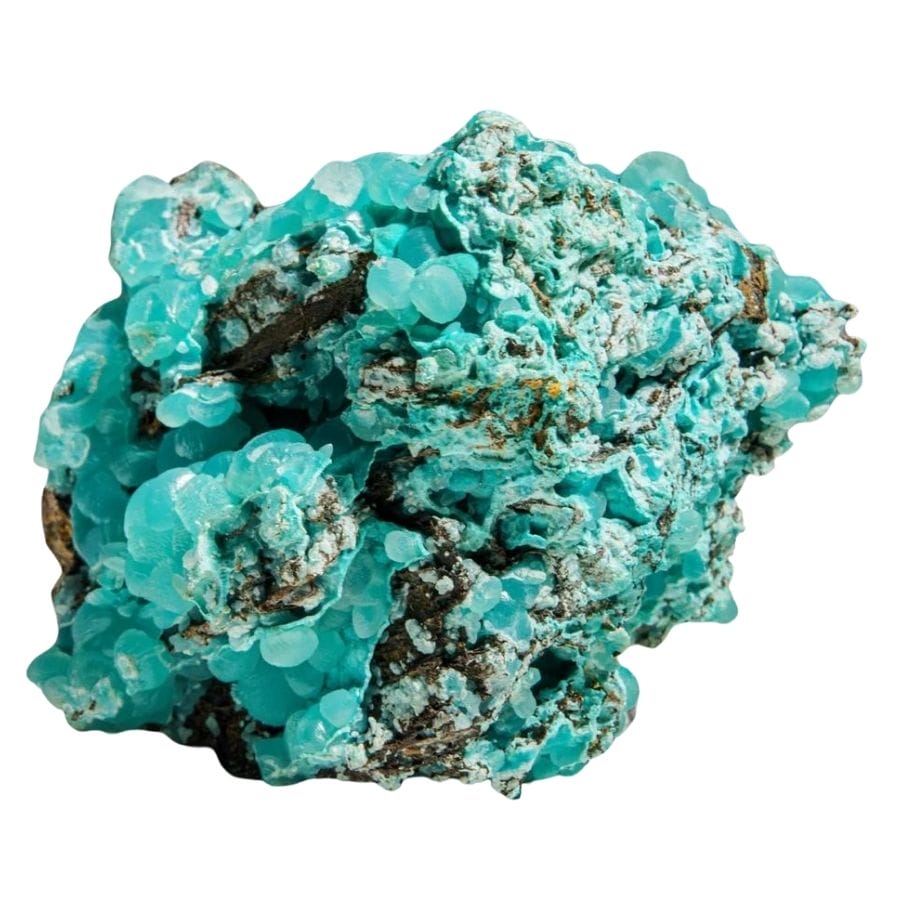
With its range of colors, from light blue and green to pink and yellow, smithsonite is a zinc carbonate mineral. The variety of colors in smithsonite is due to different types of impurities in the mineral.
The formation of smithsonite is particularly interesting. It typically occurs in areas with deposits of zinc and is often formed as a secondary mineral.
This means it forms as a result of weathering or oxidation of a primary mineral, like sphalerite, which is a zinc sulfide mineral. When sphalerite is exposed to oxygen and carbon dioxide in water, it can change into smithsonite.
This process often occurs in the upper parts of zinc ore deposits, making smithsonite relatively common in areas with zinc mining activities.
In Colorado, smithsonite is found in regions with a history of zinc mining. The state’s complex geological history, which includes extensive mineral deposits, creates ideal conditions for the formation of smithsonite.
Smithsonite’s range of colors and crystal forms make it a popular choice among mineral collectors and enthusiasts.
Beyond its aesthetic appeal, smithsonite has practical uses as well. It’s an important source of zinc, a metal used in many different industries, from construction to manufacturing.
Zinc is also essential for many biological processes, making it important in the field of biochemistry.
Where you can find smithsonite in Colorado
- Leadville, Lake County
Stellerite
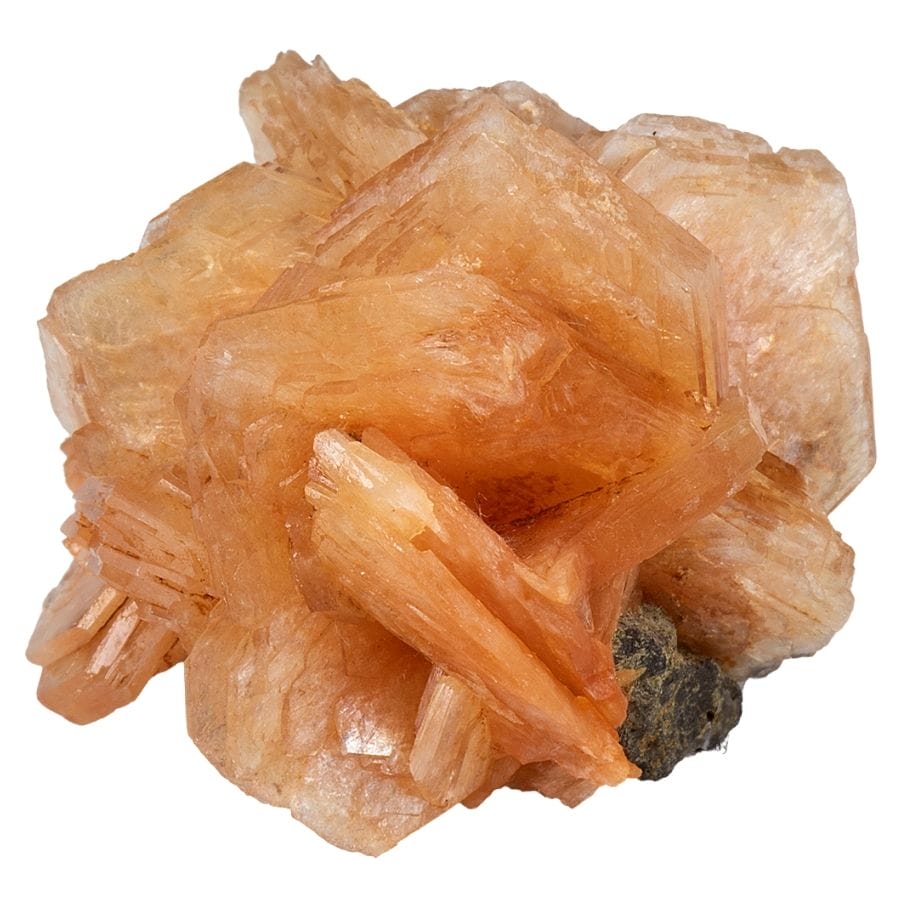
Stellerite is a lesser-known but fascinating mineral, part of the zeolite group, and it’s among the crystals found in Colorado.
This mineral is known for its delicate, often star-like crystal formations and can range in color from clear to a soft, peachy or pink hue.
The formation of stellerite is linked to volcanic activity. It typically forms in the cavities or air pockets within volcanic rocks. These pockets provide space for the crystals to grow.
The process begins when volcanic ash layers react with groundwater. Over time, this interaction leads to the formation of zeolite minerals, including stellerite.
The unique crystal shapes of stellerite are a result of the specific conditions under which it forms, such as the chemical composition of the water and the temperature and pressure in the rock cavities.
Stellerite’s intricate crystal structures and subtle colors make it a prized specimen for mineral collectors.
Beyond its aesthetic appeal, stellerite is of interest to scientists for its unique formation process.
Studying this mineral helps geologists understand more about volcanic rock environments and the conditions that lead to the formation of different types of zeolites.
Where you can find stellerite in Colorado
- Mount Antero, Chaffee County
- Mount White, Chaffee County
Wulfenite

Wulfenite has vibrant colors and unique crystal shapes, adding to the rich variety of rocks found in Colorado. This mineral typically comes in striking shades of orange, yellow, and red.
It’s made of lead molybdate, a combination of lead, molybdenum, and oxygen.
The formation of wulfenite is an interesting process. It often occurs in the oxidation zones of lead ore deposits. These zones are areas where lead minerals are exposed to oxygen in the air and water.
This exposure changes the lead minerals, and one of the results can be wulfenite. The way it forms results in distinctive thin, tabular crystals, sometimes resembling small, colorful plates.
In Colorado, wulfenite can be found in regions with a history of lead mining.
With its bright colors and crystal forms, it’s no surprise that wulfenite is a favorite among mineral collectors.
Additionally, wulfenite has practical uses. Molybdenum, a component of wulfenite, is an important metal used in steel and other alloys, adding strength and resistance to corrosion.
Where you can find wulfenite in Colorado
- Leadville, Lake County
- Turret Mining District, Chaffee County
Diamond
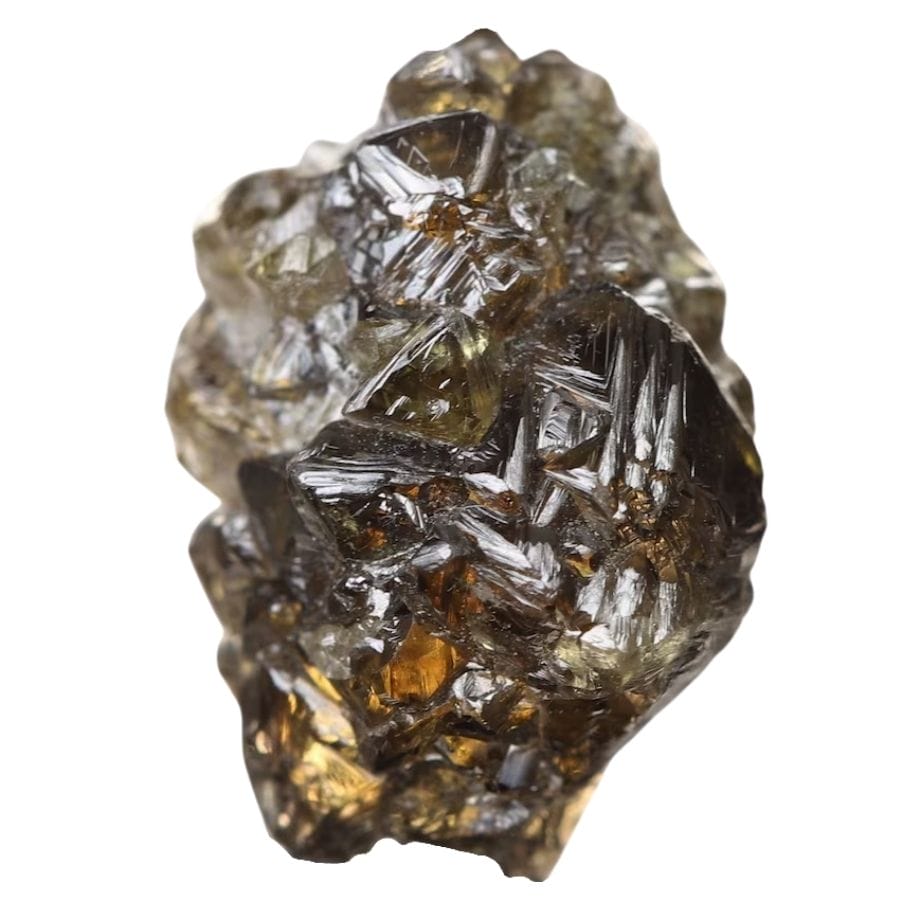
Diamonds are among the most fascinating and valuable rocks in Colorado. These precious stones are famous for their hardness and sparkling beauty.
They’re made of carbon, the same element found in graphite, but the atoms in diamonds are arranged in a crystal structure that makes them incredibly hard and durable.
The formation of diamonds is a remarkable process. They form deep within the Earth’s mantle, about 100 miles below the surface. Here, extreme heat and pressure cause carbon atoms to crystalize into diamonds.
These conditions are usually found in areas with volcanic activity. Sometimes, volcanic eruptions bring these diamonds closer to the Earth’s surface.
When the lava cools and solidifies, diamonds can be found in a type of rock known as kimberlite.
In Colorado, diamonds are found in a few locations, including the state’s volcanic fields.
Diamonds are one of the most valuable gems in the world, and for good reason. Their brilliance and durability make them ideal for jewelry, especially in engagement rings and wedding bands.\
Beyond their aesthetic appeal, diamonds are also valuable in industry. Their hardness makes them perfect for cutting, grinding, and drilling in various manufacturing processes.
Where you can find diamonds in Colorado
- Kelsey Lake, Larimer County
Amethyst
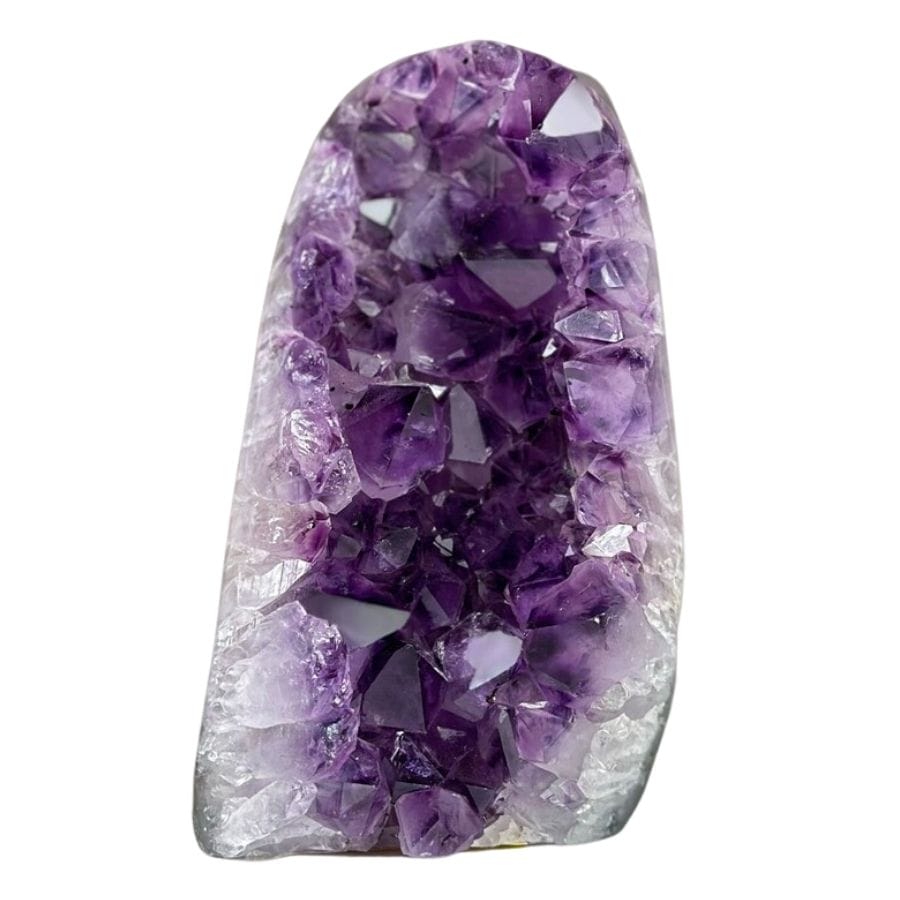
Amethyst is a stunning purple variety of quartz. This beautiful gemstone ranges in color from a light lavender to a deep violet.
The color of amethyst comes from iron impurities in the quartz, and the specific shade depends on the amount of iron and how it’s distributed within the crystal.
Amethyst is usually found in hollow rocks called geodes, which form when gas bubbles in molten rock create cavities. Over millions of years, mineral-rich water seeps into these cavities.
The minerals, including silicon dioxide which makes up quartz, slowly crystallize inside the cavity and form amethyst. These crystals can vary in size – some are just tiny points, while others can be quite large.
In Colorado, amethyst is found in areas with volcanic rocks, where these kinds of geodes are more common.
Amethyst is often cut and polished tp be used in jewelry, and it can also be displayed in its natural crystal form. It’s also beloved by mineral collectors for its variety of shapes and the way it forms in geodes.
Where you can find amethyst in Colorado
- Creede Mining District, Mineral County
- Wolf Creek Pass, Archuleta County
- Red Feather Lakes, Larimer County
Fluorapatite
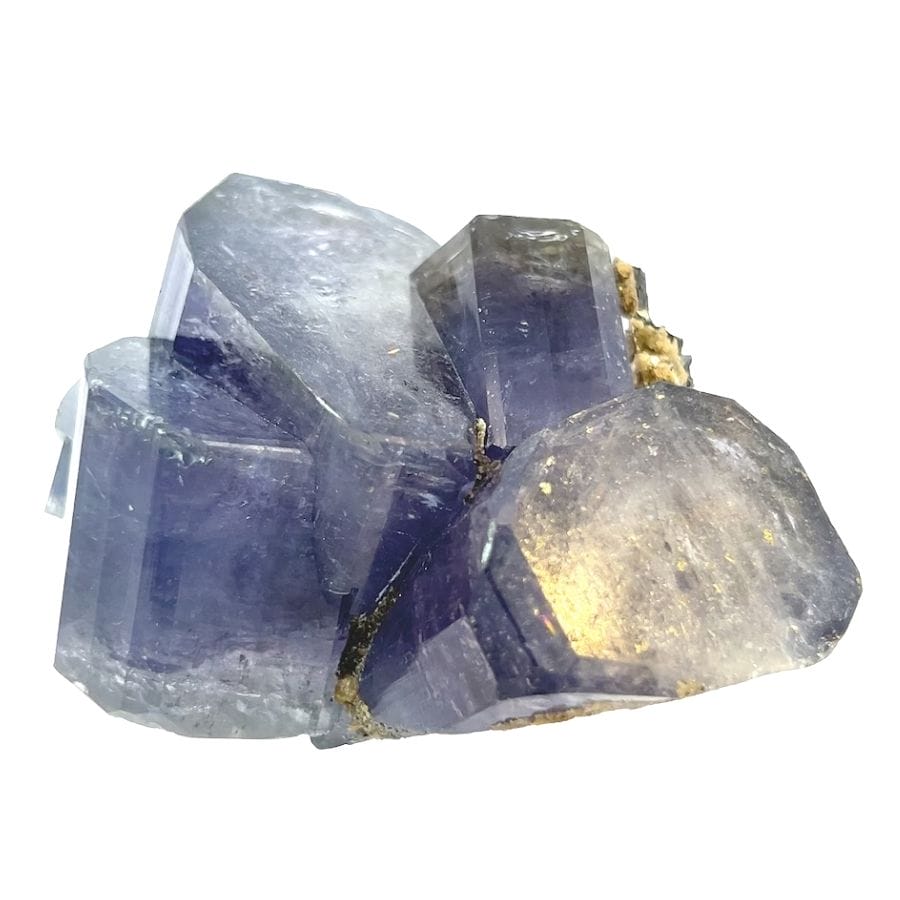
Fluorapatite stands out among the types of rocks found in Colorado. It’s a variant of apatite, which means it’s part of the same mineral family, but with a twist – fluorapatite has fluorine in its structure.
This mineral often has a bright green or blue color, but it can also be found in shades of purple, pink, and even colorless.
Fluorapatite is typically found in igneous rocks. The mineral can also develop in metamorphic rocks.
In these environments, fluorapatite forms as crystals, which can vary in size. Sometimes these crystals are small and embedded in other rocks, and other times they can grow quite large and be quite stunning to see.
This mineral’s bright colors and crystal formations make it a hit with mineral collectors.
It’s also significant in the field of agriculture. It’s a source of phosphorus, an essential nutrient for plants. This makes it a key ingredient in some fertilizers, helping crops grow.
Where you can find fluorapatite in Colorado
- Mount Antero, Chaffee County
- Querida, Custer County
- Colorado Springs Area, El Paso County
Pyrite

Pyrite, often called fool’s gold, is a shiny, metallic mineral. It gets its nickname because it looks a lot like real gold with its yellow color and metallic luster, but it’s actually iron sulfide.
It can grow in sedimentary rocks, like shale and coal, where it forms from the remains of tiny organisms. It also forms in igneous rocks and metamorphic rocks.
One of the coolest things about pyrite is how it looks. It often forms perfect cubes or other shapes, which makes it really interesting to find and study.
Sometimes, pyrite crystals are found inside other rocks, like limestone or quartz, and they can create beautiful, intricate patterns.
The worth of pyrite isn’t in its monetary value like real gold. For one, it’s valuable to mineral collectors because of its unique crystal shapes and shiny appearance.
Additionally, in the past, pyrite was used to make sulfuric acid, which is an important chemical in many industries. However, this isn’t done much anymore.
Where you can find pyrite in Colorado
- Leadville, Lake County
- Gilman Mining District, Eagle County
- Gold Hill Mining District, Boulder County
Smoky Quartz
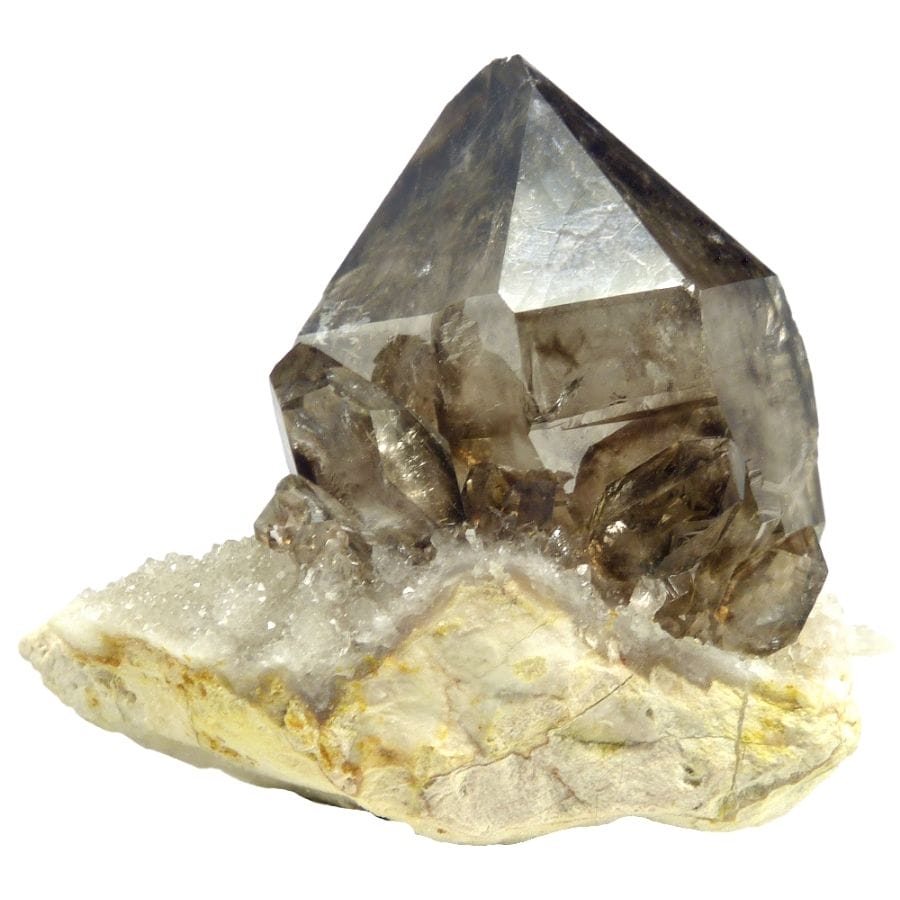
What makes smoky quartz special is its color, which ranges from a light, smoky gray to a deep, dark brown. This color comes from natural radiation from the rocks around it, affecting the crystal structure of the quartz.
This type of quartz forms in much the same way as clear quartz. It starts out as silicon dioxide, a combination of silicon and oxygen, which is very common in the Earth’s crust. When this silicon dioxide cools slowly, it forms crystals.
The presence of natural radiation during this cooling process is what gives smoky quartz its distinctive color. This radiation can come from radioactive minerals in the surrounding rocks or from natural radiation in the Earth.
In Colorado, smoky quartz is often found in the Rocky Mountains, especially in areas with a lot of granite and other types of igneous rocks. These environments provide the perfect conditions for the formation of smoky quartz crystals.
Because of its color and crystal shapes, smoky quartz can be an interesting and compelling part of any collection. It’s a favorite among mineral collectors because of its beauty and the variety of crystal forms it can take.
Where you can find smoky quartz in Colorado
- Pikes Peak, El Paso County
- Crystal Peak, Teller County
- Mount Antero, Chaffee County
Apatite
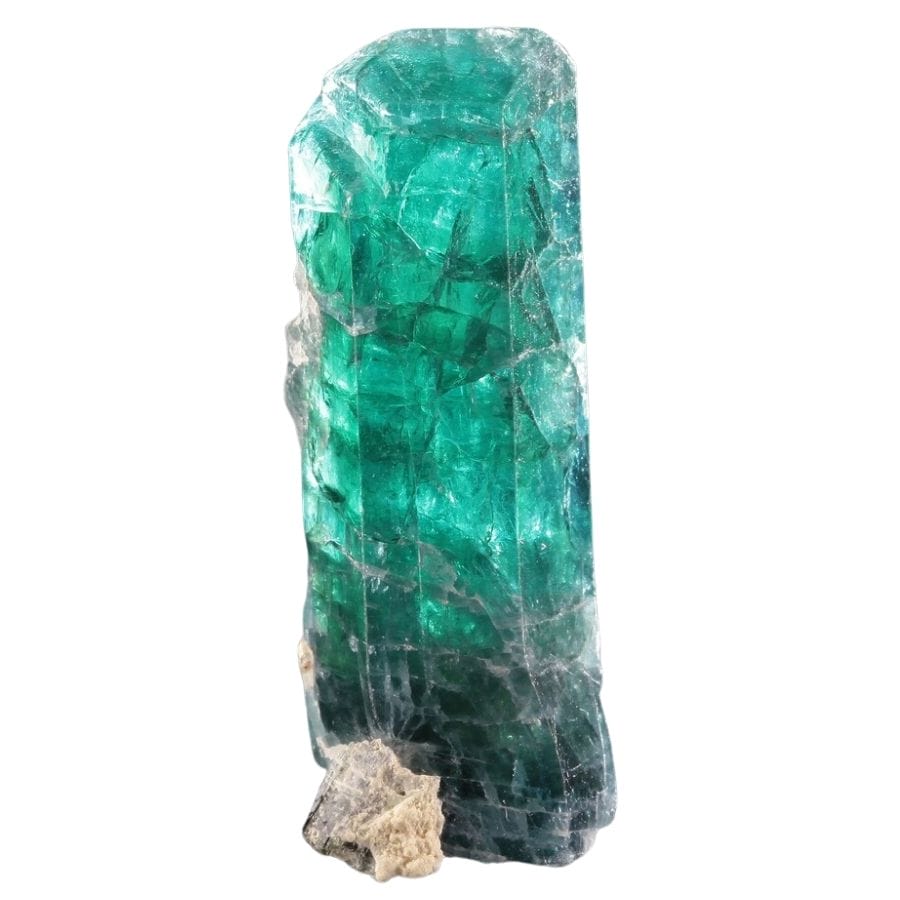
Apatite is a fascinating mineral that adds to the variety of rocks and minerals found in Colorado. It’s known for its range of colors, from green to blue, and sometimes even purple. Apatite is not just one mineral, but a group of phosphate minerals.
This means it has phosphorus, an element that is important for life on Earth, in its structure along with calcium and other elements.
The way apatite forms is quite interesting. It usually develops in igneous rocks — the type of rocks that form when molten rock cools and solidifies.
Apatite can also be found in metamorphic rocks. These conditions allow apatite to grow in small, beautiful crystals.
In Colorado, apatite is often discovered in areas where mining for other minerals, like mica and feldspar, takes place. This is because apatite tends to form alongside these other minerals.
Apatite’s bright colors and crystal shape make it a sight to behold, and it can be used as centerpieces in jewelry. However, apatite is also valuable because it contains phosphorus, a key ingredient in fertilizers that help plants grow.
Where you can find apatite in Colorado
- Alma Mining District, Park County
- Crystal Lode, Eagle County
- Big Boulder pegmatite, Crystal Mountain
Aquamarine
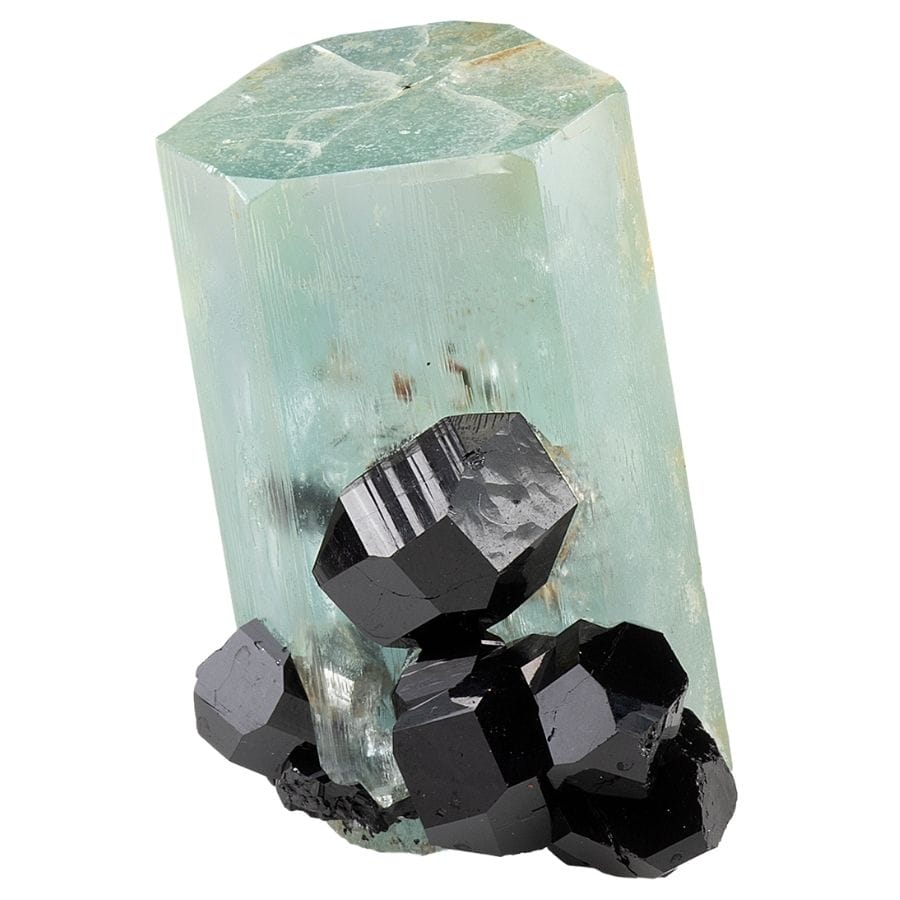
Aquamarine is a stunning gemstone that is part of the beryl family, the same family as emerald. It’s famous for its beautiful sea-blue color, which can range from pale to dark blue.
The formation of aquamarine is a fascinating process. It typically occurs in granite rocks, which are formed deep inside the Earth from cooled magma. Aquamarine crystals grow in these rocks under high temperature and pressure conditions.
The blue color of aquamarine comes from iron impurities within the beryl crystal structure. Sometimes, these crystals can grow quite large, making them even more impressive.
In Colorado, aquamarine is often discovered at high elevations in the Rocky Mountains. The state is actually one of the few places in the United States where good-quality aquamarine is found.
Aquamarine’s beautiful blue color makes it a popular choice for jewelry, like rings, necklaces, and earrings. It’s not just the color that makes it desirable; its clarity and hardness also contribute to its appeal.
Where you can find aquamarine in Colorado
- Mount Antero, Chaffee County
- Mount White, Chaffee County
- Quartz Creek Pegmatite Mining District, Gunnison County
Barite
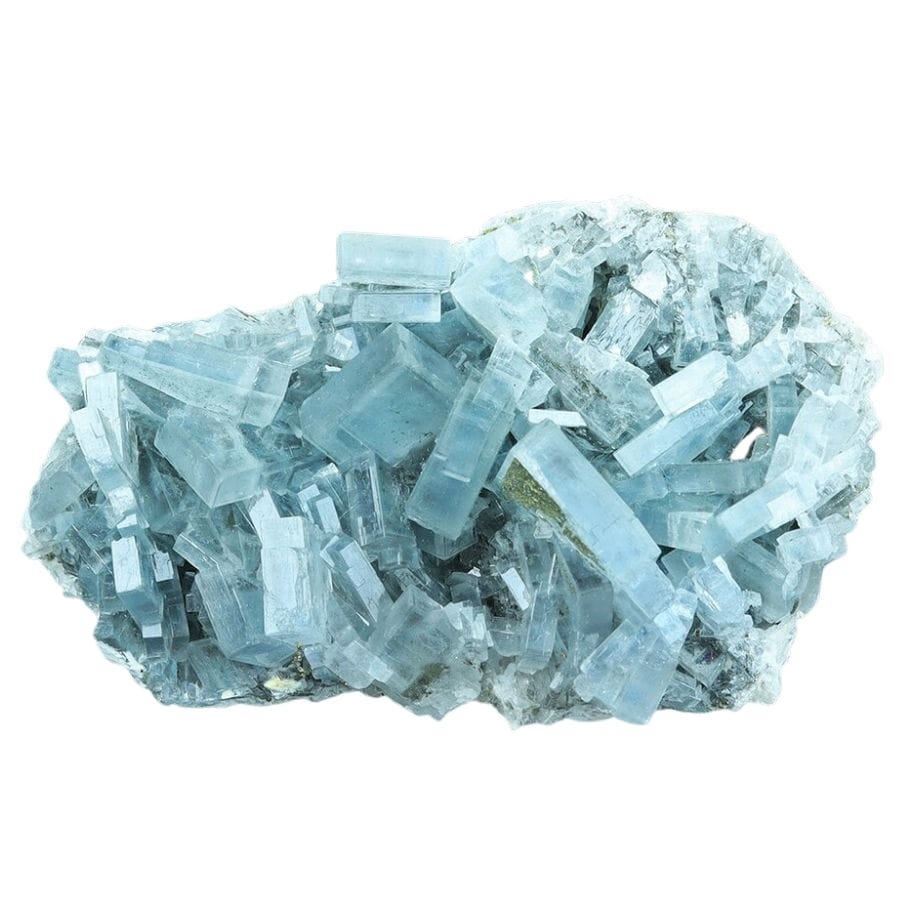
Barite is mainly made of barium sulfate, a combination of barium, sulfur, and oxygen. It’s known for its heaviness and can come in various colors, like white, blue, yellow, and sometimes even red.
This mineral often forms in sedimentary rocks, which are rocks made from layers of material settled over time, like mud or sand.
It can form in these rocks either from the remains of tiny sea creatures or from hot mineral-rich waters flowing through the rocks.
This hot water dissolves minerals, and when it cools down, barite crystals start to form. Sometimes, barite is found in veins or layers within rocks, and other times it forms as clusters of crystals that can look really neat.
In Colorado, barite is typically found in areas with sedimentary rocks, especially in places where there used to be a lot of volcanic activity. This makes the state an interesting spot for finding this mineral.
Barite is used a lot in the oil and gas industry to make drilling mud, which helps keep the drill bit cool and removes the rock cuttings from the hole. It’s also used in making paint, rubber, and X-ray technology.
Beyond its industrial uses, barite is appreciated by mineral collectors for its crystal formations and colors. Its ability to form in a variety of shapes and colors makes it a fascinating subject for study and collection.
Where you can find barite in Colorado
- Stoneham, Weld County
- Barite Lode Occurrence, Custer County
- Hartsel, Park County
The Best Locations For Crystal Mining in Colorado
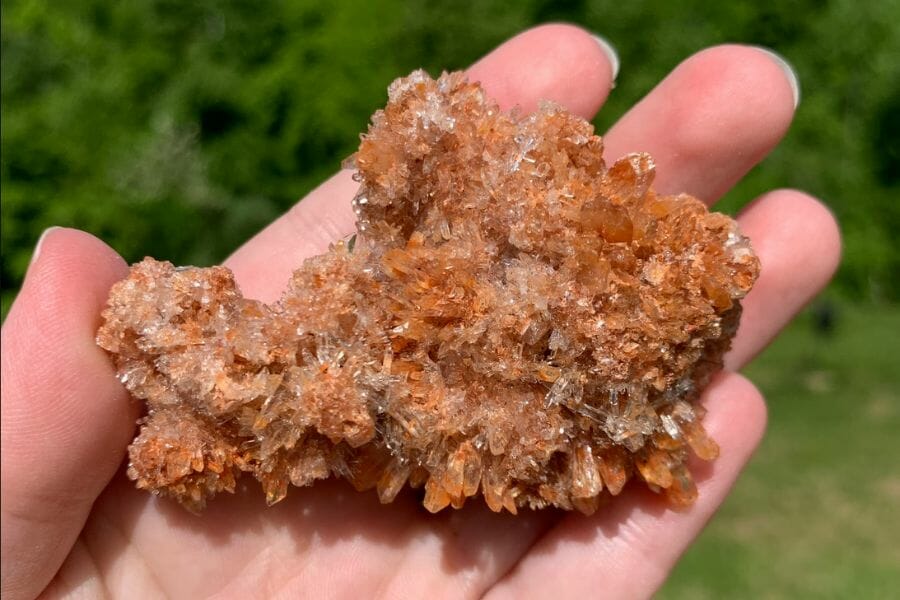
Here are a few of the best crystal hunting places in Colorado. We have no doubt that you will have the same success exploring them and discovering unique crystals as we have!
Always Confirm Access and Collection Rules!
Before heading out to any of the locations on our list you need to confirm access requirements and collection rules for both public and private locations directly with the location. We haven’t personally verified every location and the access requirements and collection rules often change without notice.
Many of the locations we mention will not allow collecting but are still great places for those who love to find beautiful rocks and minerals in the wild without keeping them. We also can’t guarantee you will find anything in these locations since they are constantly changing.
Always get updated information directly from the source ahead of time to ensure responsible rockhounding. If you want even more current options it’s always a good idea to contact local rock and mineral clubs and groups
California Mine
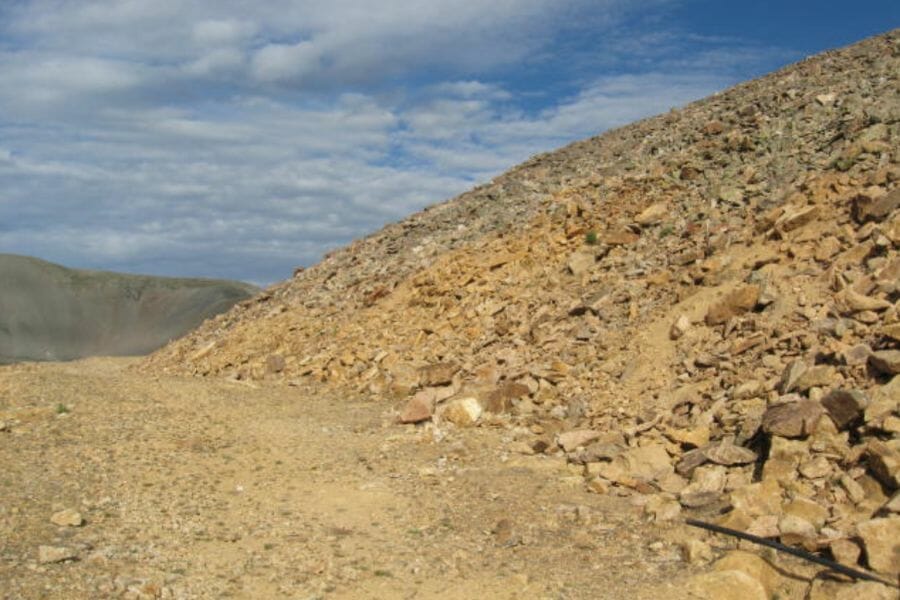
Nathrop, Chaffee County
The California Mine is in the picturesque Fourmile Creek area, just outside Lake George. This region is known for its rich geological history, with rocks dating back millions of years. This area is also included on your list of the best places to look for gems in Colorado.
The mine was discovered in the late 1800s, during Colorado’s gold rush. While the gold may have run out, the mine was a rich source of crystals and other minerals. Today, you can still explore the mine and the surrounding area for treasures.
Where we found crystals at the California Mine
We have gathered various crystals throughout the California mine area, including aquamarine, beryl, fluorite, muscovite, quartz, tourmaline, and topaz.
If you want REAL results finding incredible rocks and minerals you need one of these 👇👇👇

Finding the coolest rocks in isn’t luck, it's knowing what to look for. Thousands of your fellow rock hunters are already carrying Rock Chasing field guides. Maybe it's time you joined the community.
Lightweight, mud-proof, and packed with clear photos, it’s become the go-to tool for anyone interested discovering what’s hidden under our red dirt and what they've already found.
Join them, and make your next rockhounding trip actually pay off.
What makes it different:
- 📍 Find and identify 140 incredible crystals, rocks, gemstones, minerals, and geodes across the USA
- 🚙 Field-tested across America's rivers, ranchlands, mountains, and roadcuts
- 📘 Heavy duty laminated pages resist dust, sweat, and water
- 🧠 Zero fluff — just clear visuals and straight-to-the-point info
- ⭐ Rated 4.8★ by real collectors who actually use it in the field
Crystal Peak
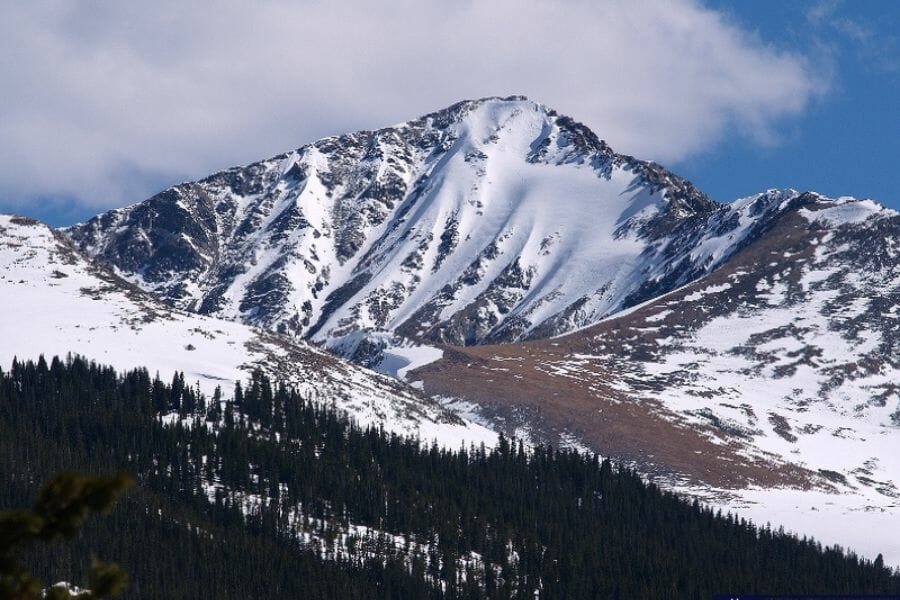
Breckenridge in Summit County
Crystal Peak is located near Lake George in central Colorado, and it’s been a popular destination for rockhounds for over a century. The area is known for its rich geological history, with rocks dating back millions of years. And the unique combination of factors that shaped the region – including volcanic activity, tectonic movement, and erosion – has created the perfect conditions for crystal growth.
Well, for starters, the clear quartz crystals found here are some of the most spectacular in the world. They come in various shapes and sizes, from tender points to massive boulders. And if you’re lucky, you might even find some amethyst or smoky quartz mixed in.
Where we found crystals at Crystal Peak
Crystals of amazonite, beryl, fluorite, hematite, pyrite, quartz, topaz, and tourmaline can be found across Crystal Peak’s whole area. Once you’ve gathered your new treasures, you can determine crystal prices by visiting this article.
Eight Mile Park
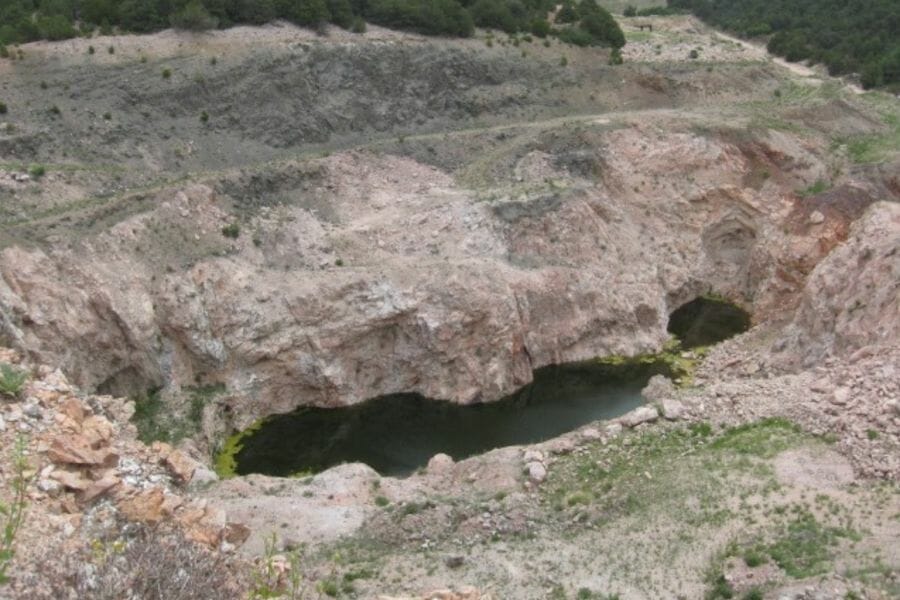
Fremont County, Colorado
If you’re looking for a great spot to find some incredible minerals and crystals in Colorado, you’ll definitely want to check out Eight Mile Park. This location is a real hidden gem and a great spot for rockhounds of all levels to explore.
Eight Mile Park is located near Lake George, and it’s known for its rich deposits of topaz, smoky quartz, and other minerals. The area’s unique geology – which includes volcanic activity, tectonic movement, and erosion – has created the perfect conditions for crystal growth, making it a prime spot for crystal hunting.
The history of the area is also fascinating. The park was once the site of an old mining operation, and remnants of the past can still be seen today. But while the gold may be gone, the park is still a rich source of treasures for rockhounds to uncover.
Where we found crystals at Eight Mile Park
Azurite, beryl, calcite, chalcedony, chrysocolla, garnet, hematite, malachite, quartz, and tourmaline crystals are primarily found at Eight Mile Creek in Royal George.
Evergreen Mine
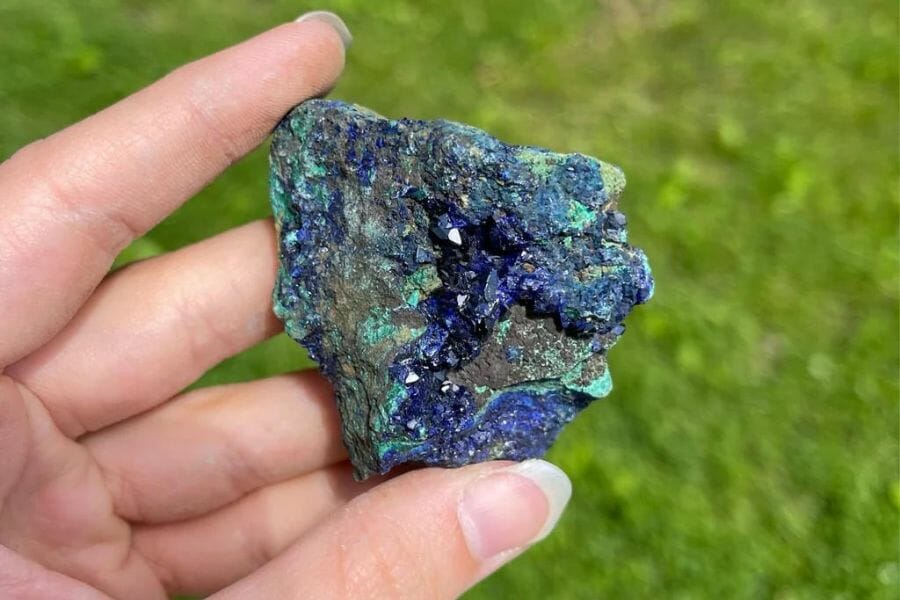
Nestled in the heart of Colorado, Evergreen Mine has a history that’s as rich as the minerals it houses. Back in the day, the mine was a gold digger’s paradise, but nowadays, it’s a crystal hunter’s dream come true. As the old saying goes, one man’s trash is another man’s treasure, and this spot proves that!
Evergreen Mine kicked off in the late 1800s as part of the great Colorado Gold Rush. But as the gold petered out, the miners stumbled upon a hidden gem – quite literally! This old mine was chock-full of dazzling crystals just waiting to be discovered.
Today, folks from all walks of life flock to Evergreen Mine for a shot at unearthing their shimmering keepsakes. With a little elbow grease and some good old-fashioned luck, you might stumble upon a crystal that’ll make your heart skip a beat.
Where we found crystals at the Evergreen Mine
The Evergreen Mine dumps contain azurite, calcite, chalcopyrite, chrysocolla, galena, garnet, hematite, malachite, and pyrite crystals.
Mount Antero
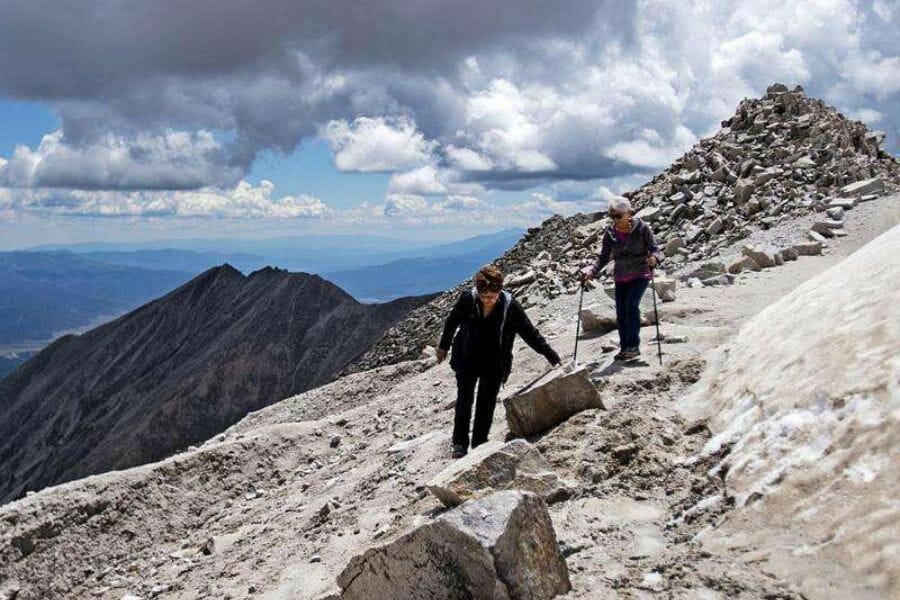
Mount Antero is a sight for sore eyes rising high in the Colorado Rockies. It’s not just the breathtaking views that make this place special – it’s also a treasure trove for crystal enthusiasts! With an elevation of 14,269 feet, this towering giant is the tenth-highest peak in the state.
Mount Antero was named after Chief Antero of the Uintah band of Utes, a local Native American tribe. Its geology is a product of the Pike’s Peak Batholith, formed around 1.1 billion years ago. This geological marvel is full of granite, which hosts many precious minerals.
But Mount Antero’s abundance of aquamarine crystals sets it apart. These dazzling gems are a crystal hunter’s dream come true! If you’re itching for an adventure and want to have something shiny, this is the place to be!
Remember that the trek to Mount Antero isn’t for the faint. The trails are steep and rugged, but you might find a sparkling prize if you’re up for the challenge with grit and determination.
Where we found crystals at Mount Antero
We had the best luck finding apatite, aquamarine, beryl, calcite, fluorite, hematite, quartz, topaz, and tourmaline crystals along the trails of Mount Antero.
Our Other Favorite Places For Crystal Hunting
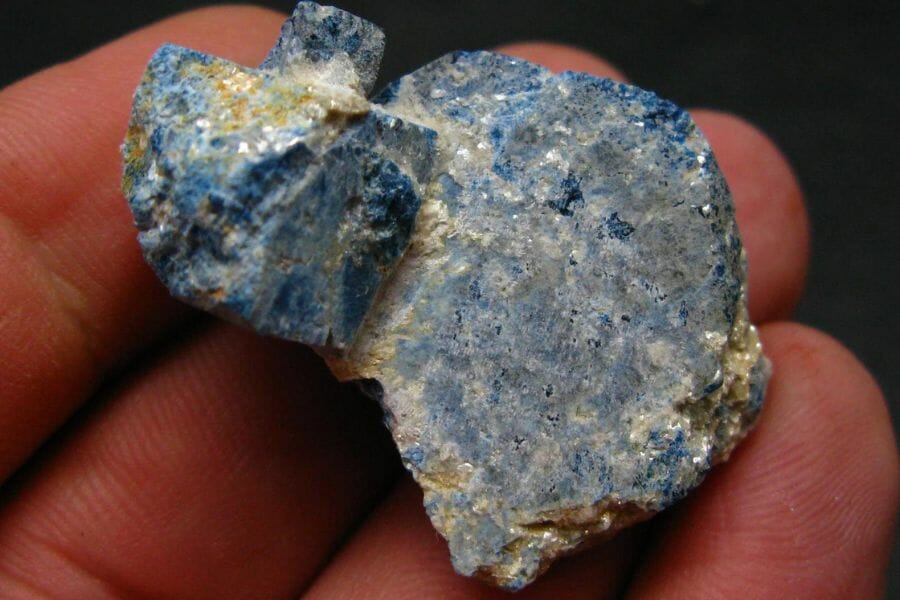
Naturally, the state has many amazing locations where you may find crystals and search for geodes in Colorado. Below is a list of more possibilities worth considering:
Where you can find crystals for free in Colorado
Let’s start by discussing a few places you can look without paying. Some places are free to visit even if many attractive places require an entrance fee.
| County | Location |
| Baca | In white sandstone exposures for azurite, chalcopyrite, and malachite |
| Boulder | Laramie formation coal beds for amber |
| Chaffee | At the Chalk Creek gravels at Buena Vista for sapphire |
| Chaffee | Mount Princeton and White Mountain area for aquamarine, beryl, quartz, topaz, and tourmaline |
| Douglas | At the Devils Head prospect and Topaz claim for amazonite, amethyst, fluorite, hematite, quartz, and topaz |
| El Paso | All surrounding areas of Calhan for amazonite, quartz, and selenite |
| El Paso | Austin Bluffs and Buffalo Creek area gravels and hillsides for amazonite, agate, carnelian, chalcedony, fluorite, jasper, quartz, and topaz |
| El Paso | Cook Stove Mountain and Crystal Park for amazonite, fluorite, hematite, muscovite, quartz, topaz, and tourmaline |
| Fremont | Felch Creek for agate, chalcedony, and jasper |
| Gunnison | At the Elk Mountains for calcite, chalcopyrite, fluorite, galena, pyrite, and quartz |
| La Plate | Needles Mountains for calcite, chalcopyrite, fluorite, galena, pyrite, and rhodochrosite |
| Mineral | Willow Creek for amethyst, chalcedony, and turquoise |
| Mineral | The Amethyst Lode and Wolf Creek Pass for agate, chalcedony, jasper, moonstone, and quartz |
| Moffat | Green and Yampa River for agate, carnelian, chalcedony, and jasper |
| Park | South Platte River, Agate Plateau, and Meyers Ranch for agate, beryl, chalcedony, garnet, jasper, and tourmaline |
| Park | South Platte River, Agate Plateau, and Meyers Ranch for agate, beryl, chalcedony, garnet, jasper, and tourmaline |
| Park | Lake George for amazonite, beryl, fluorite, galena, garnet, hematite, quartz, smoky quartz, and topaz |
| Park | Lake George for amazonite, beryl, fluorite, galena, garnet, hematite, quartz, smoky quartz, and topaz |
| San Miguel | Big Bear Creek for calcite, chalcopyrite, fluorite, and galena |
| Summit | Kokomo for chalcopyrite, galena, pyrite, rhodonite, and rhodochrosite |
| Teller | Florissant area for amazonite, smoky quartz, and topaz |
Other great places to dig for crystals
These other fantastic locations are terrific places to look for crystals if you don’t mind spending money on them. Different seasons can cost differently and can sometimes be free of charge! Get in touch with them before going to these places.
| County | Location |
| Chaffee | Clora May Mine for fluorite and garnet |
| Chaffee | Crystal No. 8 Mine for fluorite, garnet, and quartz |
| Chaffee | Sedalia Copper Mine for azurite, beryl, chalcopyrite, chrysocolla, epidote, galena, kyanite, malachite, pyrite, quartz, and tourmaline |
| Chaffee | Saville Queen No. 2 Mine and area prospects for beryl, garnet, and quartz |
| Chaffee | Calumet Iron Mine and Rock King Mine for beryl, chalcopyrite, epidote, pyrite, quartz, and sapphire |
| Custer | White Hills Mine dumps for azurite, galena, and malachite |
| El Paso | Duffield Fluorspar Mine for galena and fluorite |
| Hinsdale | Sunnyside Mine for rhodonite |
| Mineral | The Commodore Mine for amethyst |
| Mineral | Wagon Wheel Gap Mine for calcite, chalcedony, fluorite, creedite, quartz |
| Ouray | Ouray area mines for chalcopyrite, calcite, galena, pyrite, rhodonite, and rhodochrosite |
| Saguache | Hall Mine for hematite, lazulite, pyrite, and turquoise |
| Summit | Breckenridge old mines for calcite, chalcopyrite, galena, pyrite, rhodochrosite, and rhodonite |
| Summit | Frisco area mine dumps for galena, pyrite, and quartz |
| Saguache | Many old mine dumps of Montezuma for calcite, chalcopyrite, galena, pyrite, and quartz |
How to find crystals in Colorado
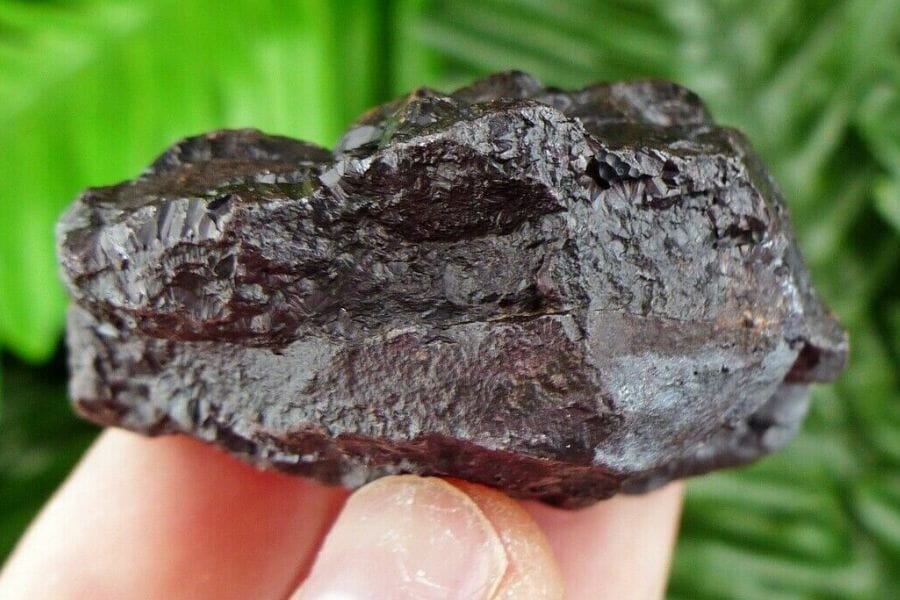
Here are some additional tips to help you identify crystals and maximize your time in a specific location. The following are some of the best places to search:
Mines and mine dumps
Scouring mines and mine dumps is like hitting the jackpot for crystal enthusiasts. These spots are full of hidden gems, just waiting for someone with a keen eye and a bit of luck to unearth their glittering beauty. But what about mines and mine dumps make them such hotspots for crystal hunting?
For starters, mines are dug deep into the earth to extract valuable minerals, which are prime locations for finding some of the world’s most sought-after crystals. It’s like the miners did the heavy lifting for you! Mine dumps are the piles of rock and debris left behind after mining operations, often containing a treasure trove of overlooked gems.
Keeping a few things in mind when combing through these glittering goldmines is important. First, safety is key – always wear protective gear like hard hats, gloves, and sturdy boots. And don’t forget to respect the environment and local regulations – some mines may be off-limits or require permission to enter.
Rivers and riverbanks
Looking for crystals along rivers and riverbanks is like embarking on a treasure hunt – you never know what sparkly gems you might stumble upon! These watery wonderlands can be a goldmine for crystal fanatics, with the flowing waters often revealing hidden surprises.
Thanks to Mother Nature’s handiwork, rivers and riverbanks are prime locations for crystal hunting. As water rushes over rocks, it gradually wears them down, uncovering shiny trinkets that were once hidden from sight. Plus, the constant movement of water can carry crystals from upstream, depositing them along the banks for lucky treasure seekers to find.
But before diving headfirst into this aquatic adventure, remember a few things. First, always protect the environment by not disturbing plants and wildlife or leaving trash behind. And be sure to follow any local regulations – some areas may require permits or restrict where you can search.
Streams and creeks
Streams and creeks act as nature’s conveyor belts, transporting minerals and crystals from their original locations and depositing them downstream. It’s like Mother Nature has done the hard work for you! The constant water flow also polishes the stones, revealing their true beauty and making them easier to spot.
Before jumping in with both feet, though, remember a few things. First and foremost, always respect the environment – don’t disturb plants or wildlife, and leave no trace of your visit. And don’t forget to check local regulations, as some areas may require permits or have restrictions on where you can search.
Safety is key when it comes to crystal hunting in streams and creeks. Wear sturdy shoes with good grip, and be mindful of slippery rocks and swift currents. Remember, Rome wasn’t built in a day – crystal hunting takes patience and perseverance, so keep your eyes peeled and stay the course!
Colorado Crystal Mining Laws And Regulations
Crystal hunting is a popular pastime for residents and visitors in Colorado. The state is home to various minerals, making it an ideal place for recreational mining. However, it’s important to be aware of and follow the regulations in place to ensure the protection of the environment and the continued enjoyment of this hobby for future generations.
Always be aware of land ownership. Some areas may be on public land managed by the Colorado Bureau of Land Management (BLM), U.S. Forest Service, or other agencies, while others may be privately owned. Make sure you can access and search for crystals on private land. On public land, follow the rules and guidelines set by the managing agency. Some public lands may limit the number, size, or type of specimens you can collect. Be sure to familiarize yourself with these limits and adhere to them.
Practice responsible crystal hunting by minimizing your impact on the environment. This includes not disturbing plants or wildlife, not creating new paths, and packing out any trash you bring in. Always prioritize your safety and the safety of others. This includes wearing appropriate clothing and gear, being aware of potential hazards, and following any posted warnings or restrictions.
Some areas may require a permit or charge a fee for recreational crystal mining. Check with the managing agency or landowner to determine if this applies to the area you plan to visit. Remember, regulations may change over time and can vary depending on the specific location you plan to visit. Always check with the appropriate agency or landowner for the most up-to-date information on recreational crystal mining regulations in Colorado.
The Best Crystal Shops In Colorado
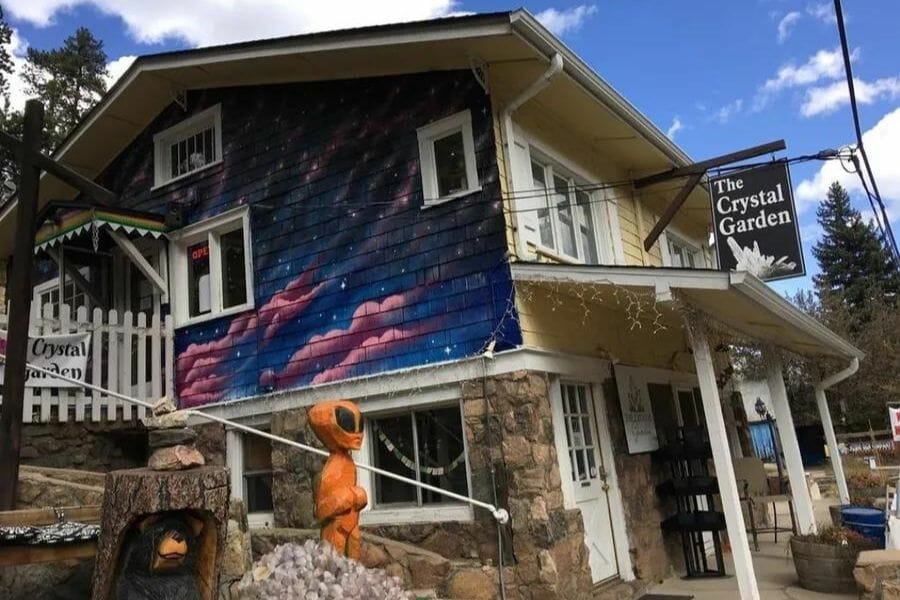
Many of us enjoy making little purchases to complete our collections because the state offers diverse crystals. If you’re seeking rare and beautiful crystals, these are the greatest crystal shops we discovered in the state.
- 5280 Crystals – 2400 Main St, Littleton, CO 80120
- The Crystal Garden – 27925 CO-74, Evergreen, CO 80439
- Crystal Haven – 311 E County Line Rd unit a-3, Littleton, CO 80122
- Crystal Joys Gallery – 1302 Pearl St, Boulder, CO 80302
- Denver Crystals and Gems – 220 S Broadway, Denver, CO 80209
- Golden Rock Shop – 700 12th St #120, Golden, CO 80401
- Kathi’s Krystals – 4636 Almond Ln, Boulder, CO 80301
- Leonard Crystals – 6801 S Emporia St #106, Greenwood Village, CO 80112
- Nature’s Own – 5 E 1st St, Nederland, CO 80466
- Springs Spirituality – 826 E Fillmore St A, Colorado Springs, CO 80907
Additional places to find crystals in nearby states
If you’ve already tried all of our recommendations above or are planning a trip out of the state, you should check out our guides for neighboring states:
- Crystals in Arizona
- Crystals in Kansas
- Crystals in Nebraska
- Crystals in New Mexico
- Crystals in Oklahoma
- Crystals in Utah
- Crystals in Wyoming
If you have any recommendations we haven’t covered please leave them in the comments below!