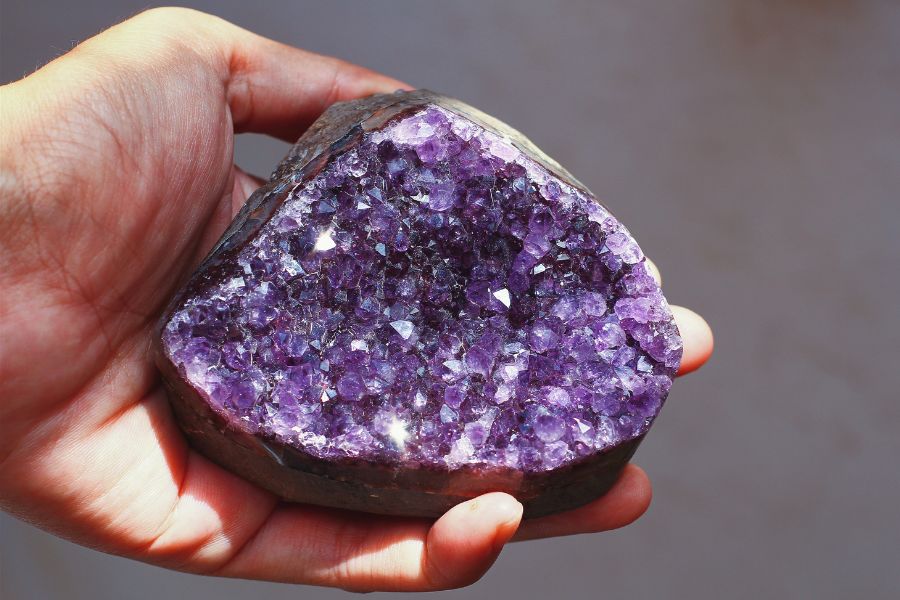
Amethyst in North Carolina has drawn treasure hunters for generations thanks to the state’s rich deposits hidden in the Piedmont and Blue Ridge foothills. This is one of the few places where you can still walk into the wilderness and come out with real purple quartz crystals in your hand.
North Carolina’s amethyst ranges from soft lavender to deep royal tones that rival anything found in South America and the excitement comes from knowing every rock could be the one.
Old mica mines creek gravels and even private pay-to-dig sites all offer a genuine chance at uncovering something spectacular. When the light hits an amethyst you found yourself the experience is unforgettable.
We’ll show you the best spots to look!
What is North Carolina Amethyst?
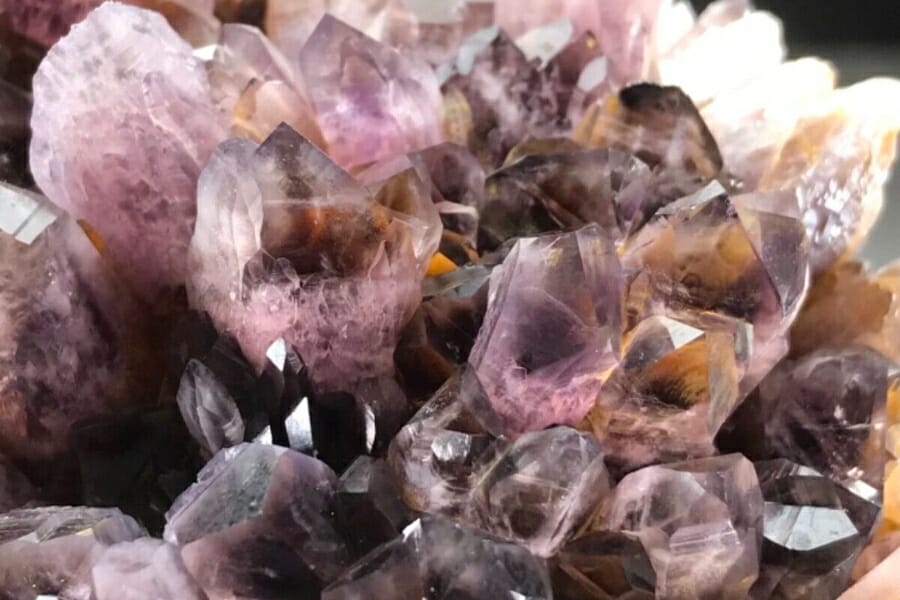
Amethyst is a purple-colored variety of quartz that you can find in volcanic rock formations. Think geodes and veins— that’s where this gemstone likes to hang out.
Specifically, this amazing natural wonder can be found in many different locations around the world, including Brazil, Uruguay, Zambia, and Russia, among others. It’s also found in some regions of the United States, such as North Carolina.
Amethysts in North Carolina are generally smaller and less prolific compared to some other regions, but there are plenty of opportunities here to find Amethyst if you know where to look.
The Different Types Of Amethyst And What They Look Like
Amethyst is a kind of quartz that forms in various geological settings, such as within volcanic rocks or in cavities of granites. These different environments contribute to the diverse appearances and types of this beautiful mineral.
The variety seen in amethyst is due to trace elements and impurities within the crystal structure. Elements like iron and manganese can alter the hue, leading to the beautiful spectrum of purples and other colors found in these crystals.
Brandberg Amethyst
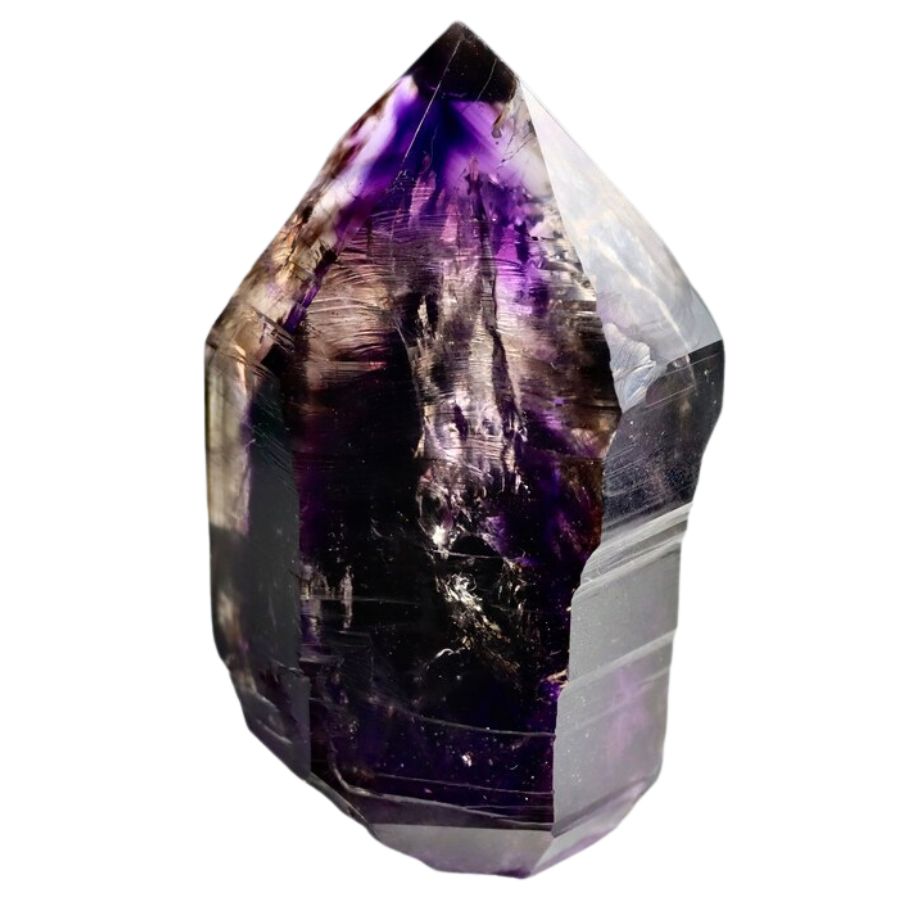
Brandberg amethyst is a captivating variety of quartz, renowned for its unique blend of elements like silicon dioxide, iron, and trace amounts of other minerals.
These components come together to form a crystal that not only holds geological significance but also showcases a striking array of hues and features.
The appearance of Brandberg amethyst is truly remarkable, characterized by its color range from deep purples to vibrant lilacs.
The varying shades are a result of the iron content within the crystal structure, which can fluctuate, leading to diverse color intensities and patterns in each specimen.
Brandberg amethyst stands out for its inclusion patterns and the presence of phantom crystals within its structure.
These internal “ghosts” are formed by layers of other minerals, offering a glimpse into the crystal’s growth history and adding to its allure for those fascinated by the wonders of the natural world.
If you want REAL results finding incredible rocks and minerals you need one of these 👇👇👇

Finding the coolest rocks in isn’t luck, it's knowing what to look for. Thousands of your fellow rock hunters are already carrying Rock Chasing field guides. Maybe it's time you joined the community.
Lightweight, mud-proof, and packed with clear photos, it’s become the go-to tool for anyone interested discovering what’s hidden under our red dirt and what they've already found.
Join them, and make your next rockhounding trip actually pay off.
What makes it different:
- 📍 Find and identify 140 incredible crystals, rocks, gemstones, minerals, and geodes across the USA
- 🚙 Field-tested across America's rivers, ranchlands, mountains, and roadcuts
- 📘 Heavy duty laminated pages resist dust, sweat, and water
- 🧠 Zero fluff — just clear visuals and straight-to-the-point info
- ⭐ Rated 4.8★ by real collectors who actually use it in the field
Ametrine
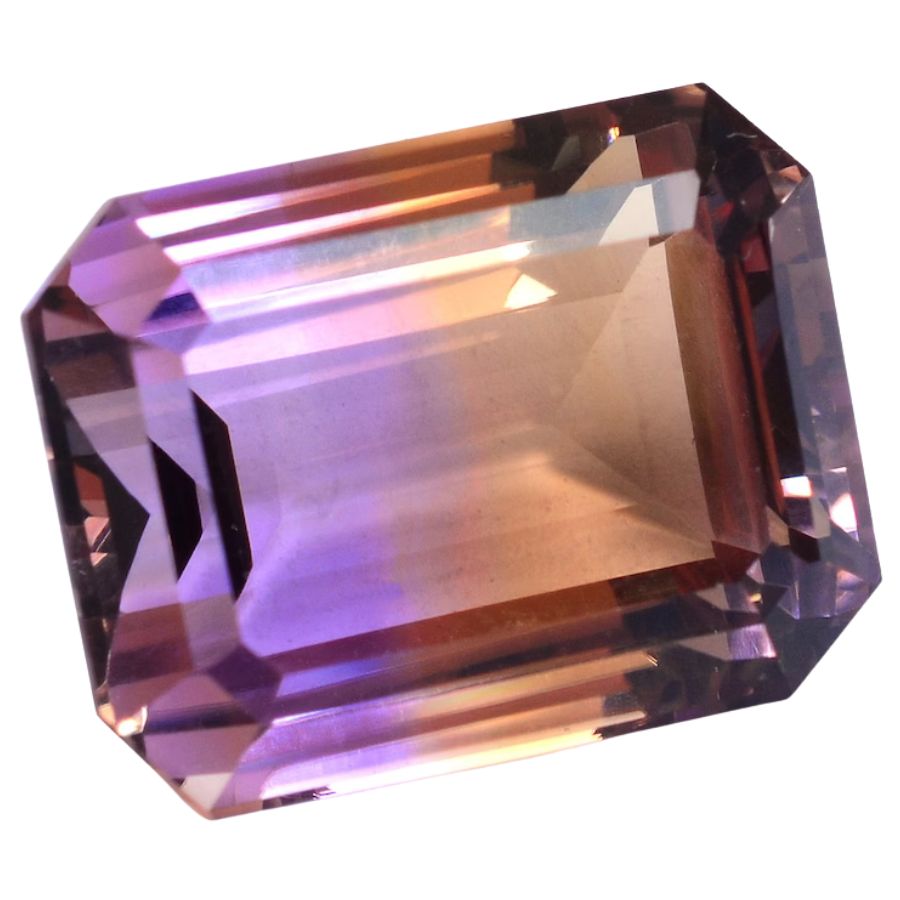
Ametrine is an intriguing mineral that captures the imagination of those interested in rocks and minerals. This unique gem is a combination of two quartz varieties: amethyst and citrine.
The beauty of ametrine lies in its striking coloration, which ranges from a blend of vibrant purple and golden yellow.
This color variation is a result of differing oxidation states of iron within the crystal, influenced by temperature and radiation exposure during formation.
Ametrine is notable for its distinct zoning of colors, where purple and yellow hues can be clearly seen in the same crystal. This feature, combined with its unique composition, sets ametrine apart from different kinds of amethyst.
Chevron Amethyst
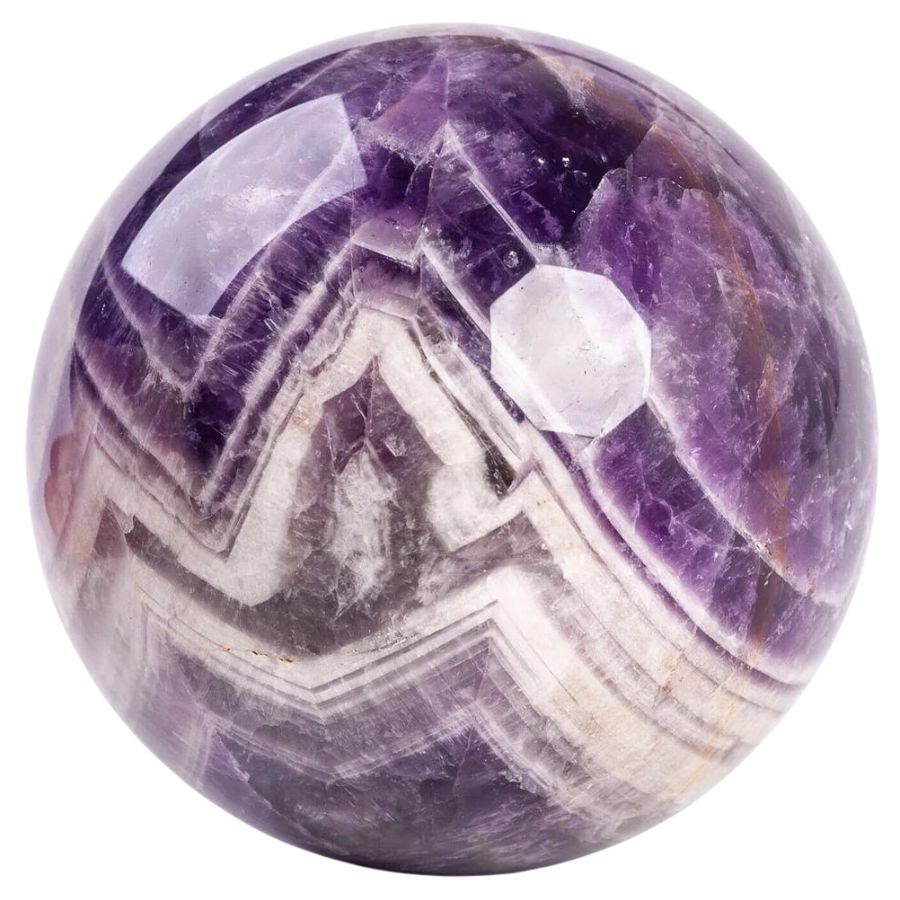
Chevron amethyst is a captivating type of amethyst known for its distinctive pattern. It’s easily recognized by its unique V-shaped or chevron patterns, which are a combination of deep purple and white or clear quartz layers.
These patterns and color variations are due to differences in iron content and other impurities in the layers, resulting in the striking contrast seen in chevron amethyst.
Chevron amethyst is not only beautiful but also a subject of interest for its formation process. The alternating layers of colors provide a visual record of the crystal’s growth history, making it a fascinating example for geological study.
Auralite
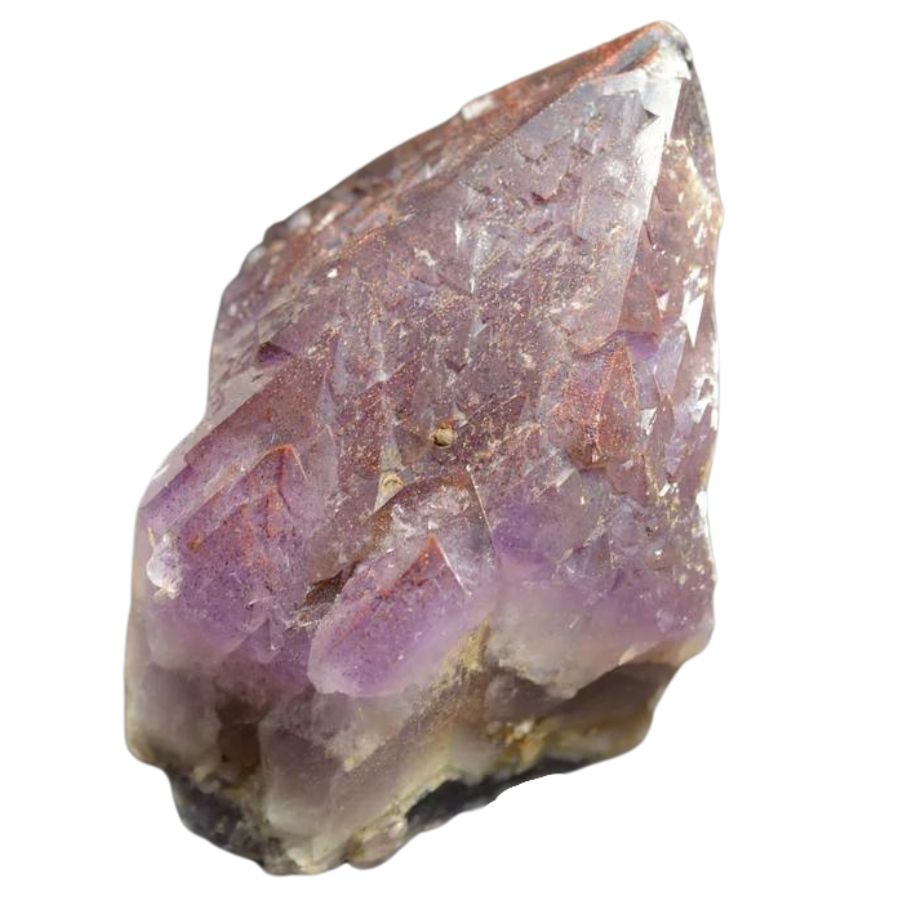
Auralite is an intriguing type of mineral that’s a combination of amethyst and several other trace minerals. Its composition includes silicon dioxide from amethyst, along with a mixture of elements like iron, copper, and titanium.
This mineral’s appearance is quite distinct, often showing a deep purple hue similar to what amethyst looks like, but with additional layers or inclusions of other colors.
These variations in color are due to the various trace minerals present in auralite, each contributing to its unique and colorful display.
A standout feature of auralite is the presence of multiple minerals within a single specimen, sometimes including up to 23 different types.
This mix not only gives auralite its diverse color range but also makes it a fascinating subject for those studying minerals and their properties.
Prasiolite
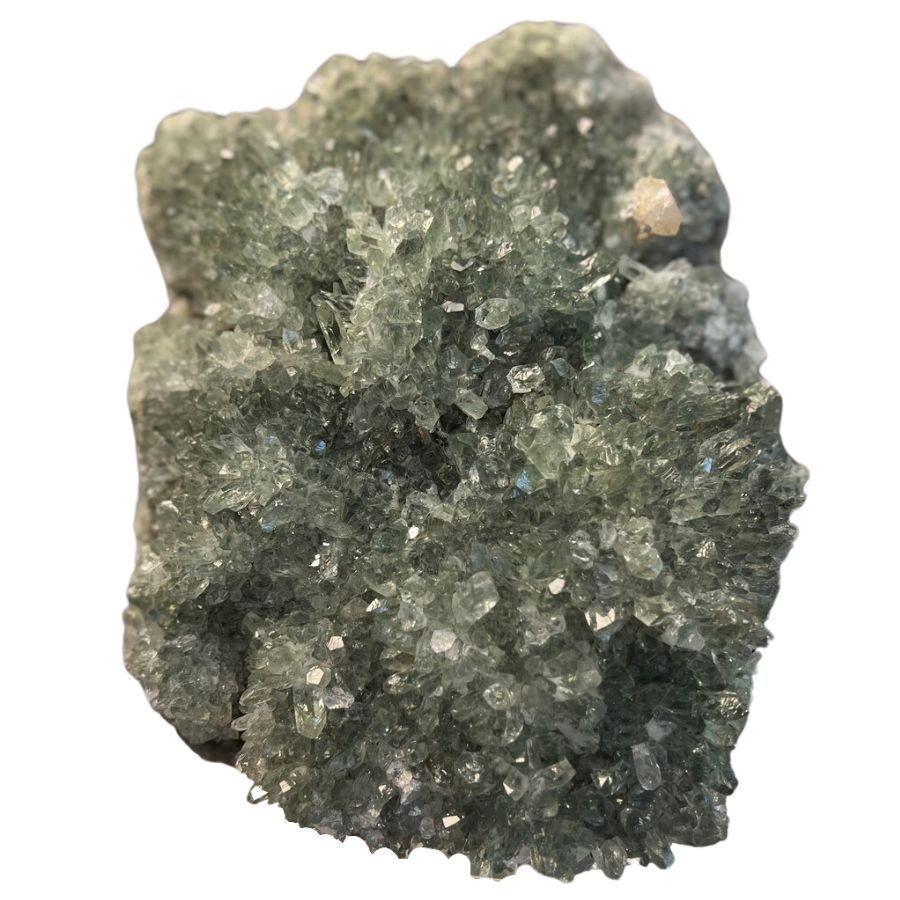
Prasiolite is an interesting variety of quartz. It often contains traces of iron, which play a key role in giving prasiolite its unique color.
This mineral is known for its beautiful green color, which can range from a light, almost transparent green to a deeper, more olive shade.
The green color of prasiolite is usually the result of heat treatment, either occurring naturally in the earth or artificially, transforming certain types of amethyst or yellowish quartz into prasiolite.
Naturally-occurring prasiolite is rare, as most available prasiolite is created through artificial means.
Cacoxenite amethyst
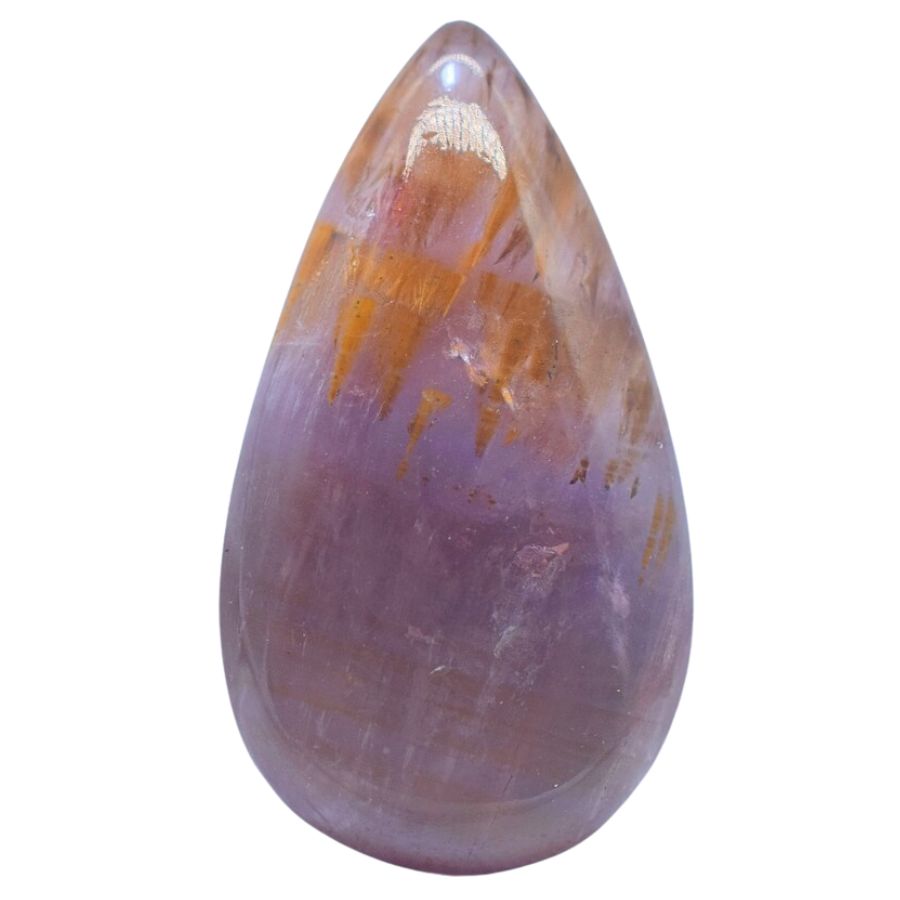
Cacoxenite is an intriguing mineral primarily composed of iron, aluminum, and phosphate, along with other elements like oxygen and hydrogen. This combination of elements gives cacoxenite its unique chemical makeup and properties.
Cacoxenite typically exhibits a striking golden-yellow to brownish-yellow color. This coloration is mainly due to the presence of iron in its structure, which imparts the rich hues that characterize this mineral.
A notable feature of cacoxenite is that it often forms as an inclusion within other minerals, such as amethyst, creating a beautiful contrast.
These inclusions of cacoxenite can appear as radiating or feathery formations, adding an intricate and fascinating aspect to the host mineral.
Where you can find cacoxenite amethyst
Cacoxenite amethyst can be found in the United States, Germany, and Brazil.
Phantom Amethyst
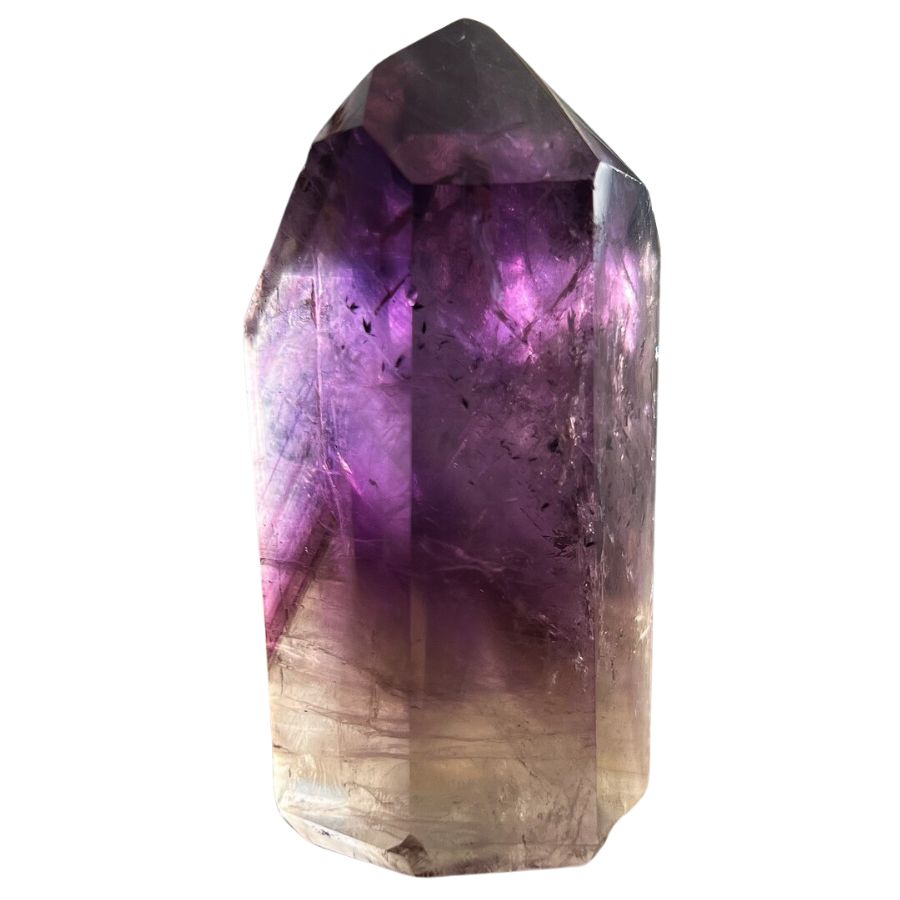
Phantom amethyst is a fascinating variety of amethyst. It stands out due to the presence of “phantoms” – ghost-like inclusions within its structure, which give it a distinct and layered look.
In phantom amethyst, one can observe a range of colors from deep purples to lighter hues, often appearing in layers or as phantom shapes within the crystal.
These color variations are typically due to trace amounts of iron and other minerals that get trapped during the crystal’s growth, influencing its final color.
Phantom amethyst provides a visual record of the crystal’s growth history. The crystal outlines and layers within the stone are formed by pauses in the crystal’s growth, offering a glimpse into geological processes over time.
Where you can find phantom amethyst
There are notable sources of phantom amethyst in Brazil, Madagascar, and the United States. In the United States, phantom amethyst is often discovered in states like Arizona, North Carolina, and Colorado.
Pink Amethyst
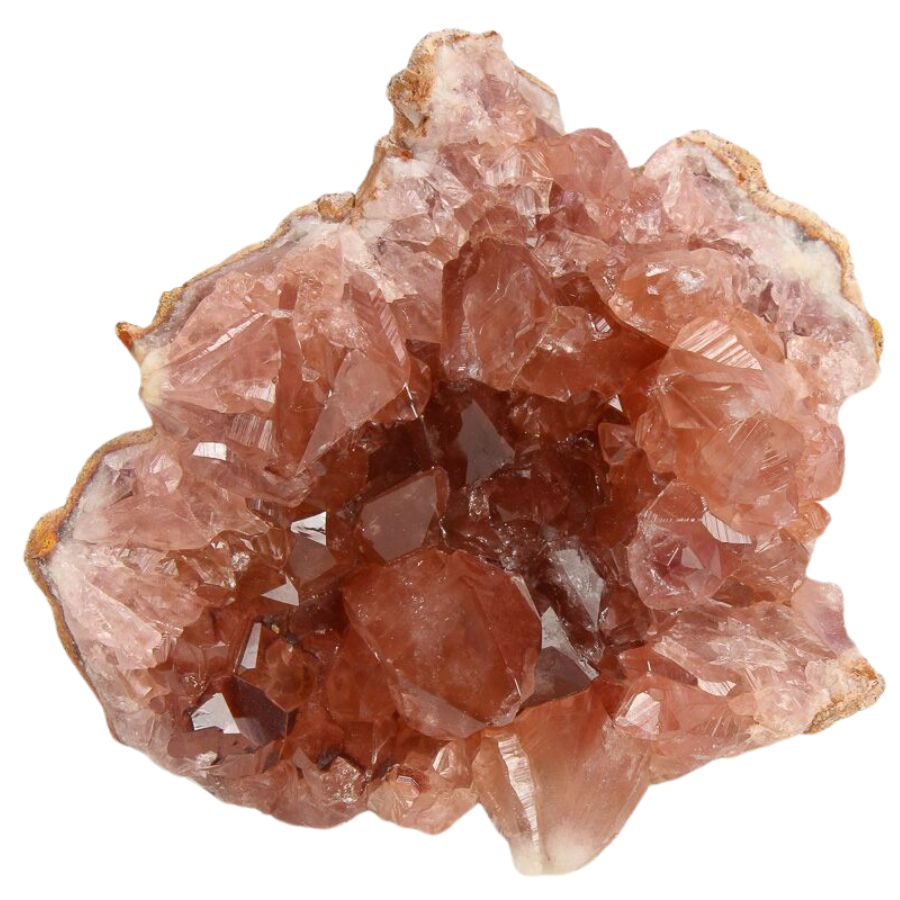
Pink amethyst is a unique and relatively rare variety of the common mineral amethyst. The presence of trace elements, particularly iron, contributes to its distinct pink hue.
The appearance of pink amethyst ranges from a delicate, light pink to a deeper, more vivid pink.
This variation in color is largely due to the concentration and distribution of iron within the crystal, which affects how light interacts with the mineral.
Pink amethyst is its often found in geodes or clusters, where multiple crystals grow together in a captivating display.
Amethyst Geodes
Amethyst geodes are fascinating natural formations, with traces of iron giving them their famous purple color. These geodes form in volcanic rocks and are essentially hollow, lined with amethyst crystals.
A key feature of amethyst geodes is their crystal-lined cavity, which creates a stunning natural display. When you look inside an amethyst geode, you’ll see a range of purple hues, from light lavender to deep violet.
The color variation is due to the amount of iron and the specific conditions under which the crystals formed, such as temperature and the presence of other trace elements.
Geodes can vary greatly in size, from small enough to fit in your hand to large enough to stand in, and each one is unique in its crystal formation and color pattern.
Where you can find amethyst geodes
Amethyst geodes are commonly found in Brazil and Uruguay. In the United States, they can also be found in places like Arizona and Oregon.
Cactus Amethyst
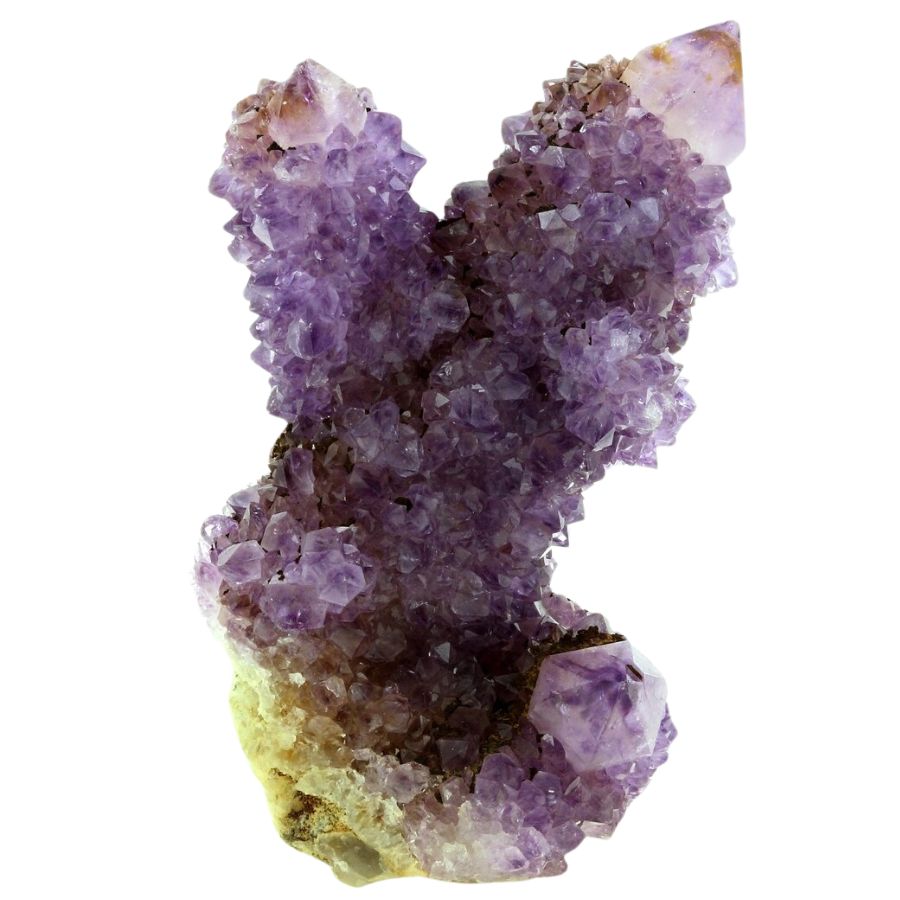
Cactus amethyst is also known as spirit quartz. Its unique structure is enriched with additional minerals, which contribute to its distinctive appearance.
This type of amethyst is characterized by a central quartz crystal covered in smaller crystal growths, giving it a spiky, cactus-like appearance.
The color ranges from pale lilac to deep purple, with the variations largely influenced by the amount of iron and other trace elements within the crystals.
A notable feature of cactus amethyst is the way the smaller crystals radiate outward from the central crystal.
This formation not only creates a stunning visual effect but also makes each piece of cactus amethyst a unique and fascinating specimen.
Regarding the price of amethyst, it can vary significantly based on the size, quality, and depth of color. While smaller, less vibrant pieces are relatively affordable, larger specimens with deep, rich colors can be quite valuable.
Scepter Amethyst
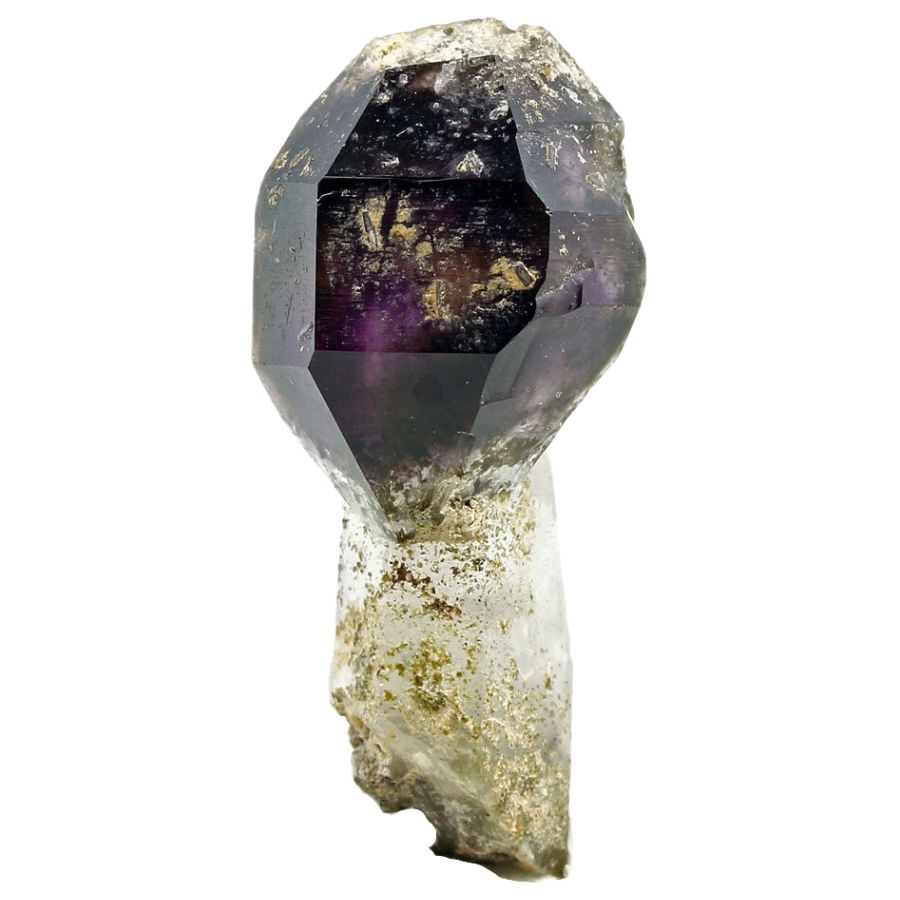
Scepter amethyst gets its name from its distinctive scepter-like formation, where a larger crystal cap sits atop a smaller crystal stem.
The color variations in scepter amethyst are influenced by the amount of iron and other trace elements within the crystal, coupled with the specific conditions under which it formed.
A key feature of scepter amethyst is its symbolic scepter shape, representing a crystal formation process where a second phase of growth occurs on an already-formed crystal base. This creates a striking and regal scepter-like appearance.
Where you can find scepter amethyst
Scepter amethyst can be found in several locations around the world, with notable spots including Brazil, Madagascar, and Zambia.
In the United States, areas like Washington State and North Carolina are also known for their scepter amethyst discoveries.
Smoky Amethyst
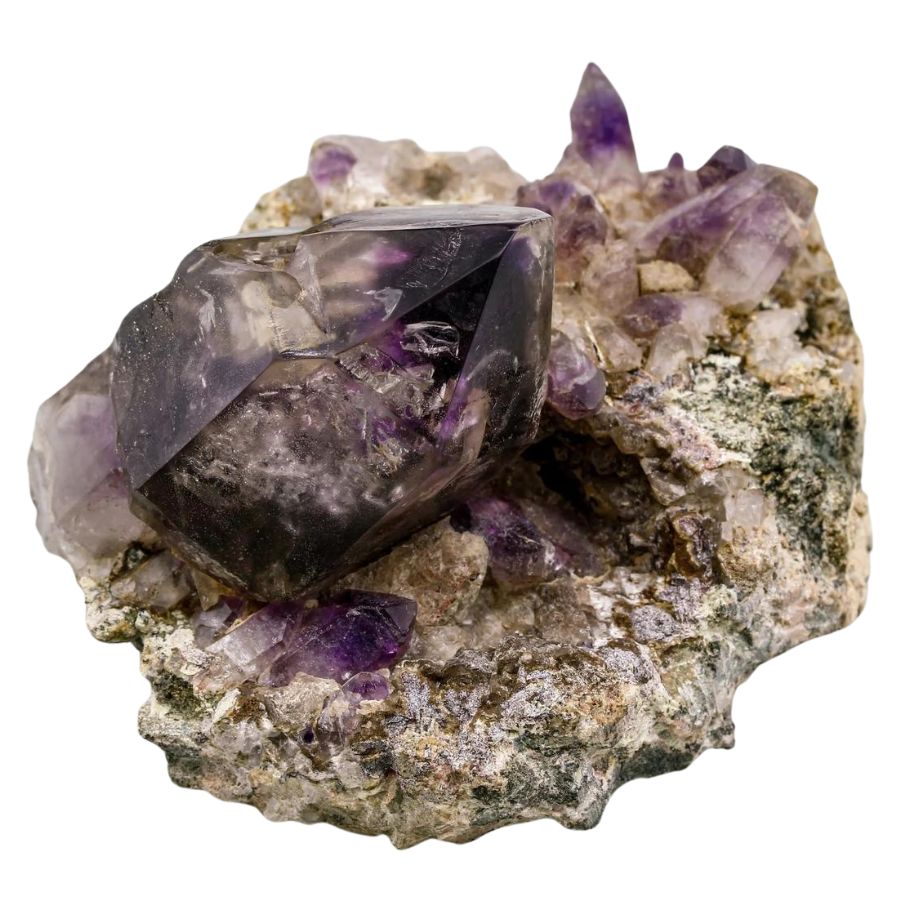
Smoky amethyst is a unique variation among amethyst types that combines features of both smoky quartz and amethyst. The presence of trace elements like iron and aluminum gives it its unique coloration.
This mineral exhibits a blend of smoky brown and purple hues, creating a captivating visual effect. This is due to natural irradiation and the varying amounts of impurities, which influence the depth and intensity of both the smoky and purple colors.
A notable feature of smoky amethyst is its dual-tone appearance, which is not commonly found in other quartz varieties.
Where you can find smoky amethyst
Smoky amethyst can be found in several countries, including Brazil. It’s also discovered in places like Africa and the United States.
- The deep experience and understanding of our team about the area
- Recommendations from local groups and clubs
- How easy it is to get the a particular location
- Safety and potential hazards when collecting
- Weighing private and public locations
- The ability for both experienced and novice amethyst enthusiasts to find great samples
With these factors in mind we’ve been able to put together a fantastic list that just about anyone can use!
The Best Spots To Find Amethyst in North Carolina
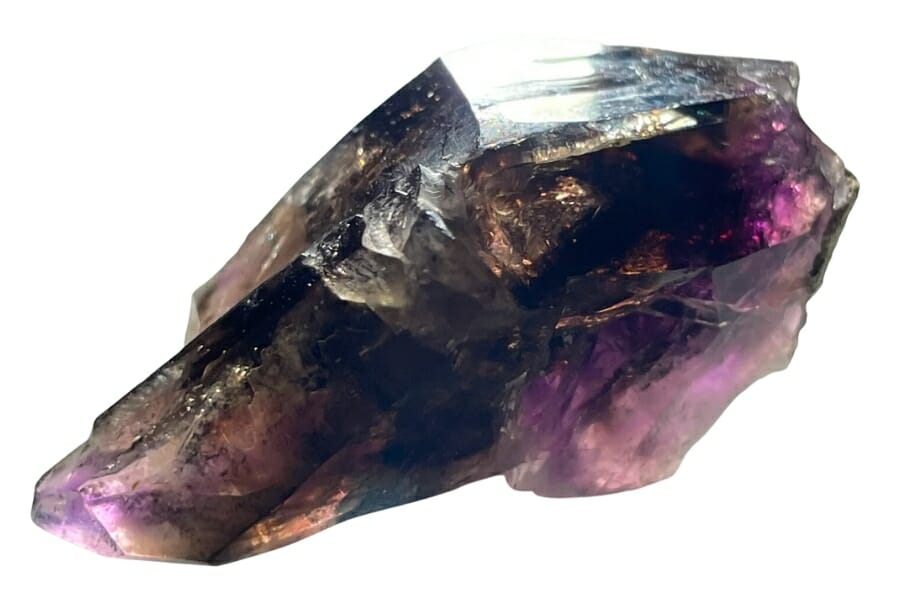
Photo provided by Exotic Crystals – @exoticcrystals
To find North Carolina Amethyst, you need the right guidance in knowing where to look. While our state is known for producing some beautiful specimens of this gemstone, it can be difficult to locate the right areas and know how to properly search for it.
One of the biggest challenges in Amethyst mining is identifying the right geological formations where it’s most likely to be found. Without a solid understanding of the geology of the area, it can be tough to know where to even begin your search. Additionally, Amethyst often occurs in small pockets or veins, so even if you’re in the right location, it can be difficult to spot without a trained eye.
Here are some of our best recommendations of places where you can find Amethyst here. These are also great places to mine other gems in North Carolina.
Always Confirm Access and Collection Rules!
Before heading out to any of the locations on our list you need to confirm access requirements and collection rules for both public and private locations directly with the location. We haven’t personally verified every location and the access requirements and collection rules often change without notice.
Many of the locations we mention will not allow collecting but are still great places for those who love to find beautiful rocks and minerals in the wild without keeping them. We also can’t guarantee you will find anything in these locations since they are constantly changing.
Always get updated information directly from the source ahead of time to ensure responsible rockhounding. If you want even more current options it’s always a good idea to contact local rock and mineral clubs and groups
Iredell County
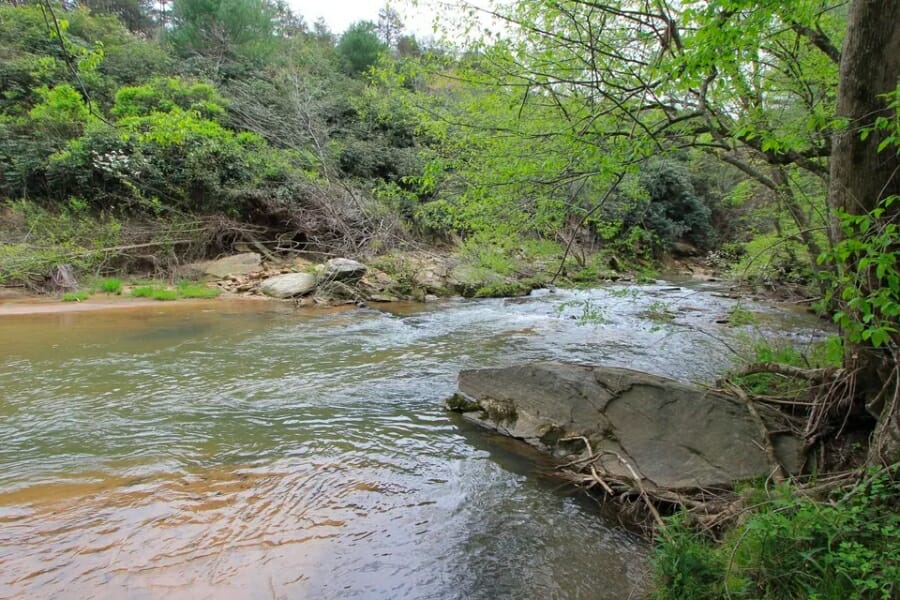
Located in the heart of our state, Iredell County is a beautiful area with plenty of natural wonders to explore. The terrain here is varied, with rolling hills, lush forests, and plenty of bodies of water to discover. The area has a mix of different rock formations and mineral deposits, which make it one of the best locations to find Amethyst. Just make sure you abide by the collecting guidelines of our state and you’re good to go!
Getting to Iredell County is a breeze, as it’s conveniently located just off of Interstate 77. Whether you’re coming from the north or the south, you’ll find plenty of easy access points here.
Where we found amethyst at Iredell County
You can find Amethyst in different areas of the county, specifically in the following spots:
- Cornelius property
- 1.2 miles northwest of Mayhew area
- In the Moorseville area
- In the surrounding fields of Oswalt area
- In the fields surrounding Shephards School
- Brawley property and Cook Property in Shephards area
- Barium Springs area on the Walden Property
- On the slopes of Smith Hill
If you want REAL results finding incredible rocks and minerals you need one of these 👇👇👇
Finding the coolest rocks in isn’t luck, it's knowing what to look for. Thousands of your fellow rock hunters are already carrying Rock Chasing field guides. Maybe it's time you joined the community.
Lightweight, mud-proof, and packed with clear photos, it’s become the go-to tool for anyone interested discovering what’s hidden under our red dirt and what they've already found.
Join them, and make your next rockhounding trip actually pay off.
What makes it different:
- 📍 Find and identify 140 incredible crystals, rocks, gemstones, minerals, and geodes across the USA
- 🚙 Field-tested across America's rivers, ranchlands, mountains, and roadcuts
- 📘 Heavy duty laminated pages resist dust, sweat, and water
- 🧠 Zero fluff — just clear visuals and straight-to-the-point info
- ⭐ Rated 4.8★ by real collectors who actually use it in the field
Franklin
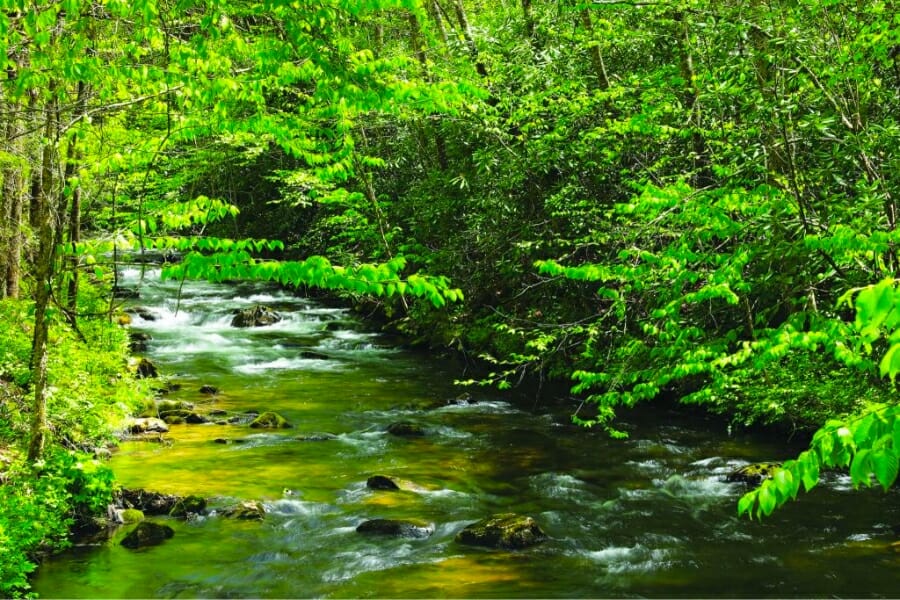
The small town of Franklin, called the Gem Capital of the World, is located in the western part of our state, and it’s surrounded by some of the most beautiful natural scenery you’ll ever see. It has lush forests, sparkling rivers, and breathtaking mountain vistas in every direction. Because of this, its terrain can be a bit rugged in places, but getting here is worth it.
One of the things that makes Franklin particularly special is its geology. This area is known for producing some beautiful specimens of Amethyst. There are also several mines and rock shops in the area where you can hunt for your own treasures.
Since it’s located just off of US Route 441, reaching Franklin is easy. What’s more is that you definitely have plenty of scenic routes to take to get here.
Where we found amethyst in Franklin
Amethysts abound in the different area mines, prospects, and diggings in the town of Franklin. Should you find one here during your journey and you’re curious to know Amethyst’s price, checkout our full pricing guide, too.
Lincoln County
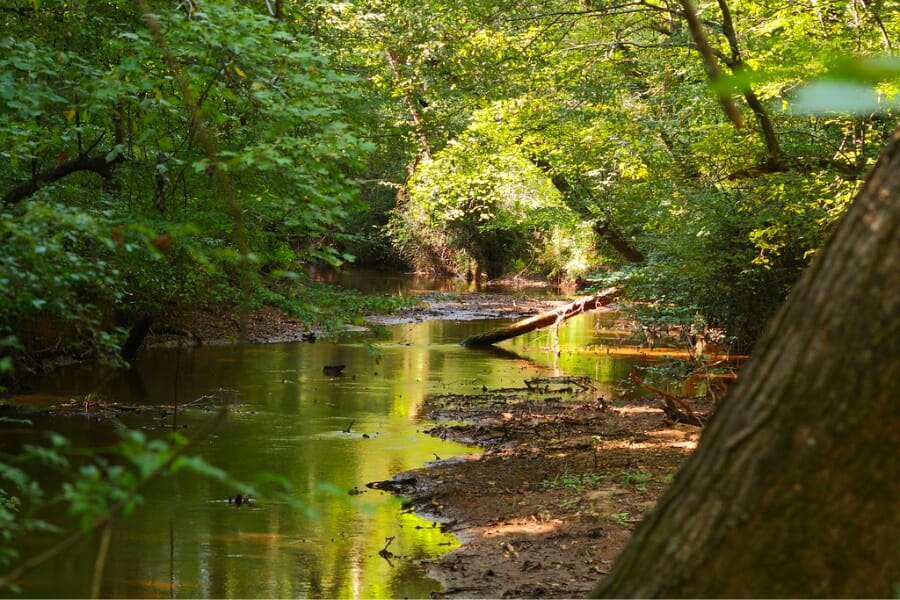
Located in the Piedmont region, Lincoln County is known for its rolling hills, picturesque farms, and beautiful natural scenery. It has a varied terrain, with plenty of open fields, dense forests, and gently flowing streams to explore. It’s not only a great place to get out and enjoy nature— if you’re into Amethyst mining, you’re in luck because there are several spots here where you can find it.
With a mix of different rock formations and mineral deposits, this place’s geology is truly fascinating! There are several abandoned gold mines here too, which give you a sense of the rich history of this part of our state. And if you’re looking for a unique souvenir to take home with you, be sure to visit one of the local gemstone shops, where you can find some truly stunning specimens.
Where we found amethyst at Lincoln County
To find Amethysts here, we recommend visiting the following spots in Lincoln County:
- Forney Farm
- Goodson Property
- J.P. Lynch Property
- Rendlemann Property
- Gigging area of Reel Property in Iron Station area
- Leepers Creek
Tessentee Creek
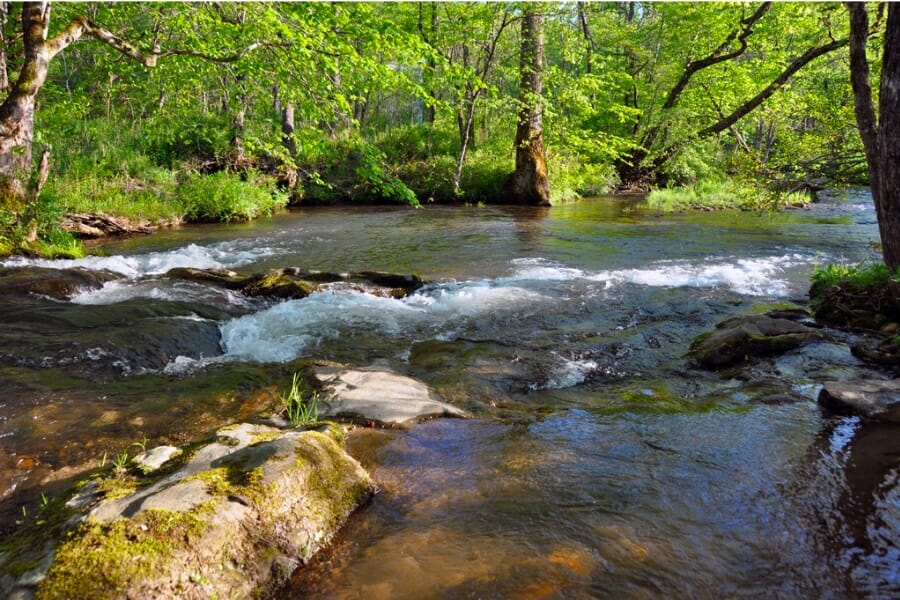
The beautiful area of Tessentee Creek is located in the western part of our state, and it’s known for its pristine streams, towering forests, and stunning mountain vistas. You can just imagine how this place is simply breathtaking with its steep ridges and deep valleys stretching as far as the eye can see.
Tessentee Creek is known for producing some gorgeous specimens of Amethyst, and there are several spots along the creek where you can search for it. Like the rest of our recommendations above, this place is easy to get to as it’s located just off of US Route 23.
Where we found amethyst in Tessentee Creek
Since the creek covers a wide area, you can find Amethyst in plenty spots along it, including the following:
- Willima Long Prospect
- American Gem and Pearl Company workings
- Rhodes Mine
- Long Mine
- Connally Mine
Tate Boulevard Industrial Park
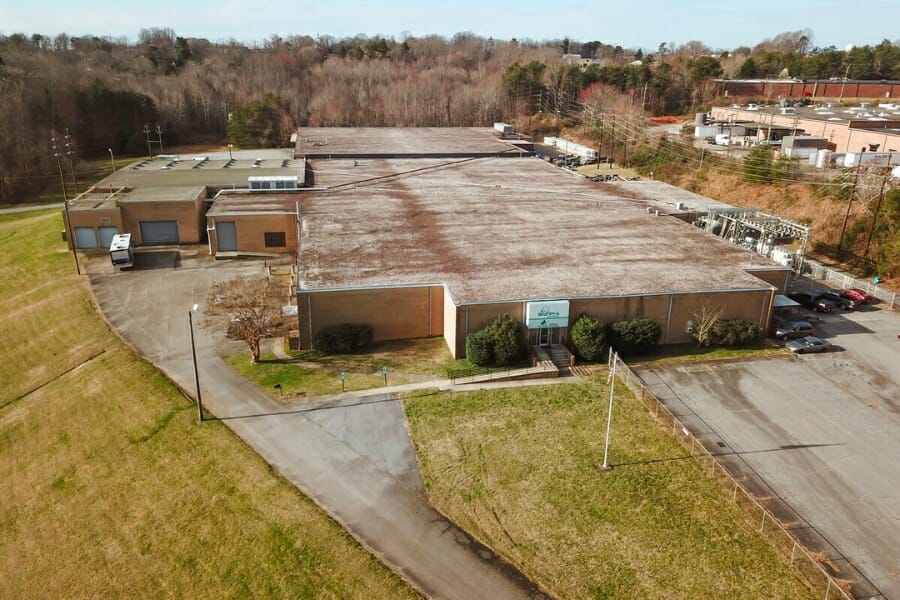
If you’re on the hunt to find Amethyst, chances are you are not thinking to look in an industrial park, but let us tell you, the Tate Boulevard Industrial Park is definitely worth checking out.
This spot is located in the city of Hickory, which is nestled in the foothills of the Blue Ridge Mountains. It’s rich with rolling hills, dense forests, and winding country roads that will take you through some truly stunning scenery.
As for the industrial park itself, the terrain is mostly flat and there aren’t any major geological features to speak of. But here’s the thing: there are several businesses here that specialize in rock and mineral products, including Amethyst. So if you’re looking to purchase it instead of hunting for it, this is a great spot to check out, too.
Where we found amethyst in Tate Boulevard Industrial Park
You can find Amethyst in the different nooks and crannies of this industrial park.
Other Great Places To Mine For Amethyst in North Carolina
Aside from our top recommendations, we’ll also be taking a county-by-county look at the best spots to find Amethyst. From Alamance County to Yancey County, we’ve got you covered!
Our recommendations by county
| County | Location |
| Alexander | At the Rist Mine |
| Burke | At the J.C. Mills Mine |
| Catawba | In the area mines in Hickory |
| Davidson | On the Swicegood property in Tyro area |
| Franklin | At the Taylor place on Rte. 561 west of the crossroads and in the outcrop |
| Franklin | At the area gravels and fields of Louisburg |
| Granville | Butner area |
| Macon | North of road, just west of the Jackson County line at the Ammon Mine |
| Macon | At the area stream gravels of Otto |
| Macon | 6 mi. out on Rte. 106, the Waggoner Mine (on Abe’s Creek) |
| McDowell | on the Charles Laney farm at Sugar Hill |
| Moore | At confluence of Cabin and Dry creeks on the Moore farm |
| Randolph | At the Lost Cause Mine |
| Rowan | At the numerous area mines of Gold Hill |
| Rowan | On the J.T. Eudy property at Mount Ulla |
| Stokes | Area stream gravels of Danbury |
| Wake | On the G.W. Partin Property in Millbrook area |
| Wake | Area near the Neuse River to the east |
| Wake | At the area near US 64 in Raleigh |
| Wake | At the Triangle Quarry |
| Wake | At the Nello Teer Crabtree Creek Quarry |
| Warren | At the pegmatite on the Fowler farm |
| Warren | On the J.B. Williams property, Connell property, Lathrop Property, and Maple Branch in Inez area |
| Wilkes | Honey Creek heawaters in Wilbar area |
Additional areas you can find amethyst
Some of the places we shared above cover wide areas, so if you want to visit them, here are general locations where Amethysts are usually found. We recommend visiting these locations first during your hunt.
Streams and Creeks
Streams and creeks are the perfect places to find Amethyst. This gemstone is formed in igneous rocks, like granite, and is usually found in geodes that are formed in lava beds. Over time, these geodes can weather out of the rock and end up in nearby streams and creeks.
Also, the running water in these waterways can help to wash away debris and reveal the gemstones hidden within. Natural erosion caused by the water can also expose new pockets of Amethyst that you might not find otherwise.
Quarries
We also recommend adding quarries to your list of places to search for Amethyst. Quarries are essentially giant holes in the ground where rocks are extracted. These rocks often contain veins of minerals like Amethyst that can be exposed through the process of mining.
In fact, some quarries are specifically known for producing large quantities of this gemstone, making it a hotspot for rockhounds.
Mines and Mine Dumps
Mines are where Amethyst is typically extracted from the earth. This means that you have a higher chance of finding larger specimens that have not been broken up or weathered down.
In addition, mines often have waste rock piles or mine dumps nearby where they deposit the material that they can’t use. These dumps can be a goldmine (or should I say, an Amethyst-mine) for collectors.
Rivers and Riverbanks
Amethysts are often found in sedimentary rocks that can be eroded by water. This means that over time, crystals can become dislodged from the rocks and end up in nearby rivers or streams, making rivers a great place to find them.
But Amethyst does not only stay in rivers. Natural erosion can also create new deposits of this gemstone along the river banks, which adds it to our list of great general locations for Amethyst mining.
Common Amethyst-Hunting Questions
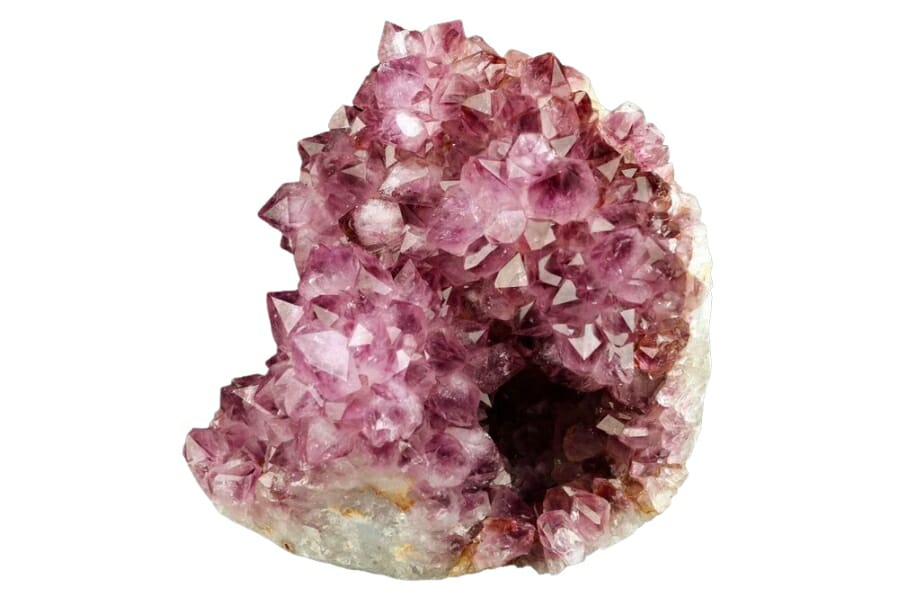
In this section, we will answers some of the most common questions when it comes to finding Amethyst.
Where can you find Amethyst Geodes in North Carolina?
Unfortunately, Amethyst Geodes do not naturally occur in North Carolina. This doesn’t mean, though, that you can’t get your hands on one while you’re here, because there are plenty of rock and gem shops here that have them. We’ll share with you some of these stores below.
Is it illegal to collect amethyst in North Carolina?
It’s legal to collect Amethyst in North Carolina, provided that you are complying with all the local laws and regulations of our state concerning this activity. Also, make sure that you secure any necessary documents before starting your search.
The Best Places To Buy Amethyst In North Carolina
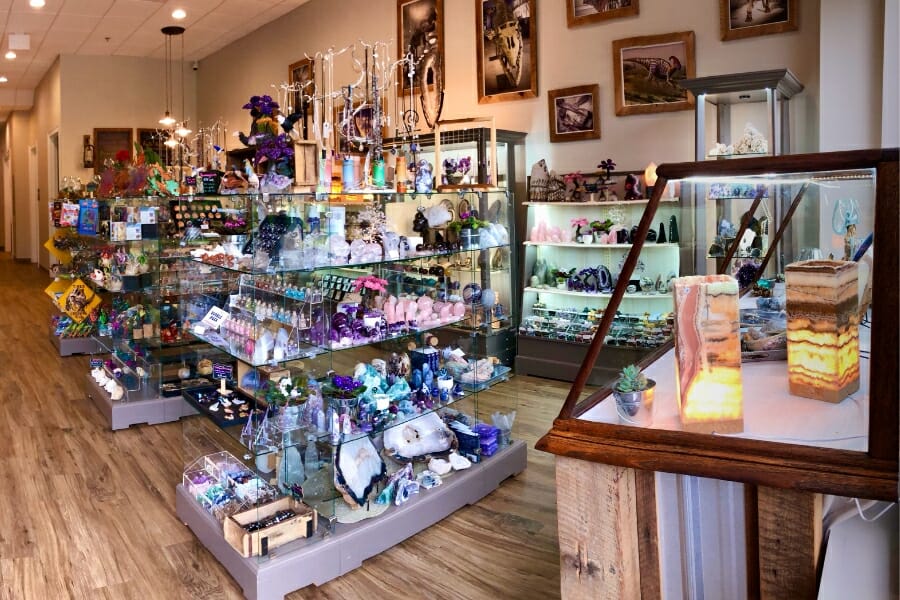
While going through the leg work of finding Amethyst in their natural environment is fun and exciting, it’s certainly not for everyone. If you prefer getting your gem the easier way, here are some of the best rock and gem shops where you can snatch Amethyst at a great price:
Treasure Quest Mining – 414 Upchurch St, Apex, NC 27502
Rose Creek Mine Rock and Gift Shop – 115 Terrace Ridge Drive Franklin, NC 28734
Cosmic Cuts – 1109 S Wesleyan Blvd, Rocky Mount, NC 27803
Chimney Rock Gemstone Mine – 397 Main St, Chimney Rock, NC 28720
Points of Light Crystals and Minerals – 391 Merrimon Ave, Asheville, NC 28801
Gem Mountain Gemstone Mine – 13780 Highway 226 South, Spruce Pine, NC 28777
Additional Places To Find Amethyst In Nearby States
Check out the guides we made for the nearby states where you can find amethysts as well:
If you have any recommendations for our list please leave a comment below!