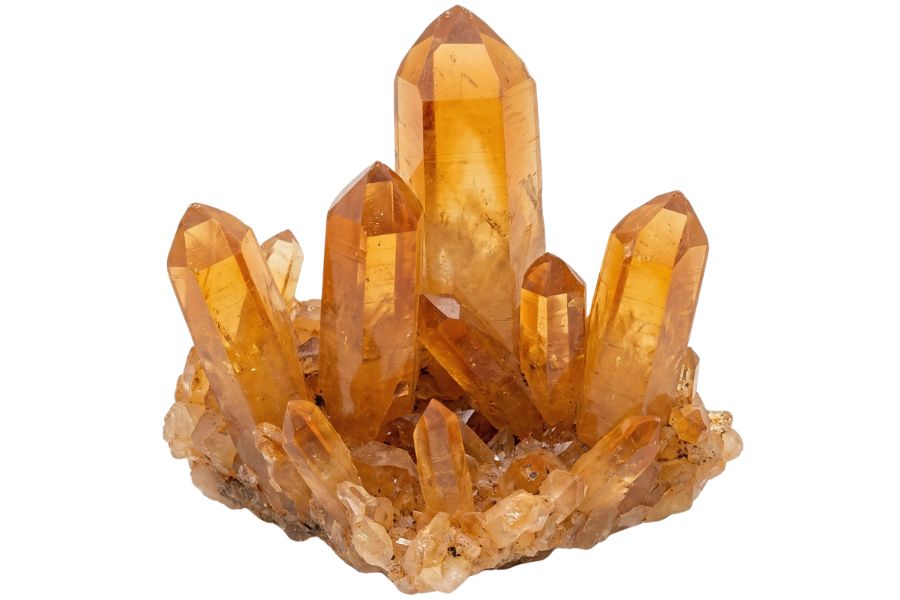
Knowing exactly where to go half the battle when looking for crystals in Wisconsin. You cannot just wander somewhere and expect the ground to be paved with quartz and galena.
Exploring the outdoors takes plenty of effort, and your time off is incredibly valuable. If you spend your whole Saturday wandering through empty woods, you will go home exhausted with absolutely nothing to show for it.
You need a reliable plan before you ever put your boots on. Searching in the right areas completely changes your whole experience from frustrating to highly rewarding.
Our goal is to make sure you do not waste your daylight guessing where to go. We are going to help you narrow down the map and point you toward spots that actually yield real crystals.
- The extensive local experience and understanding of our team
- Input from multiple local crystal hunters and crystal collecting groups
- The accessibility of the crystal mining locations
- Safety and potential hazards when collecting
- Private and public locations
- A desire to include locations for both experienced crystal hunters and those who are just starting out
Using these weights we think we’ve put together the best list out there for those who love finding new crystals for our collections!
The Types of Crystals We Found
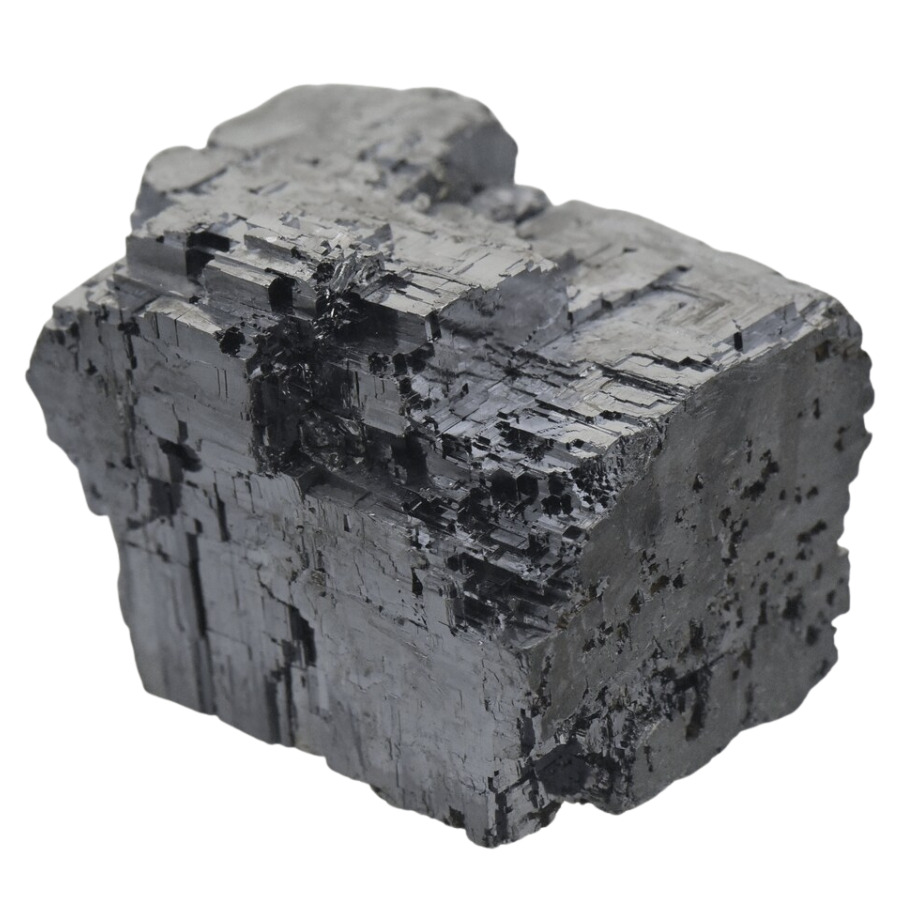
Wisconsin is home to a diverse range of crystal types, each with its own unique characteristics and beauty. Here are the different types that you’ll find when you go mining for crystals:
Chrysocolla
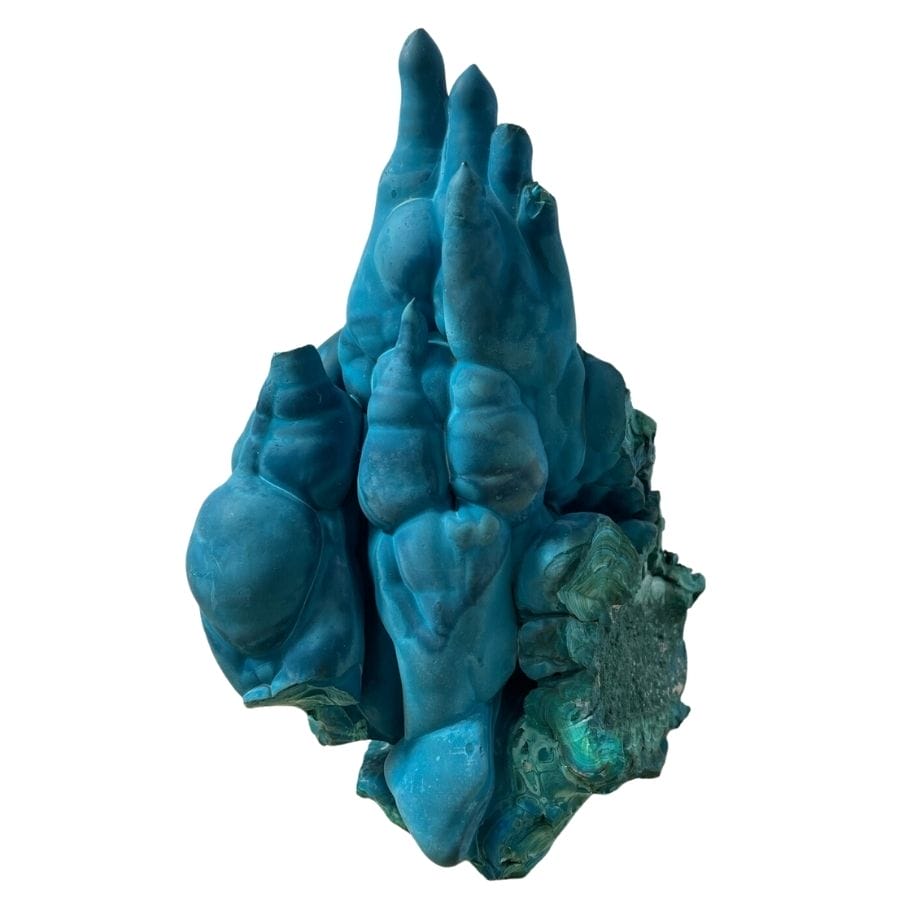
Chrysocolla is a captivating mineral with a vibrant blue-green color that stands out among the rocks and minerals found in Wisconsin.
This mineral forms where copper deposits are exposed to oxygen and water, a process that often occurs in the arid regions where copper mining takes place.
Over time, copper reacts with the air and water, and chrysocolla begins to take shape, typically in the spaces and cracks within the host rock.
The striking appearance of chrysocolla is due to its copper content, which gives it that signature turquoise color.
It’s often found mixed with other copper-based minerals like malachite, azurite, and turquoise, creating a dazzling array of colors that can be quite breathtaking.
Chrysocolla is also interesting to collectors who value the story behind how minerals are formed.
Where you can find chrysocolla in Wisconsin
- Ladysmith, Rusk County
- Upper Mississippi Valley Mining District, Iowa County
Covellite
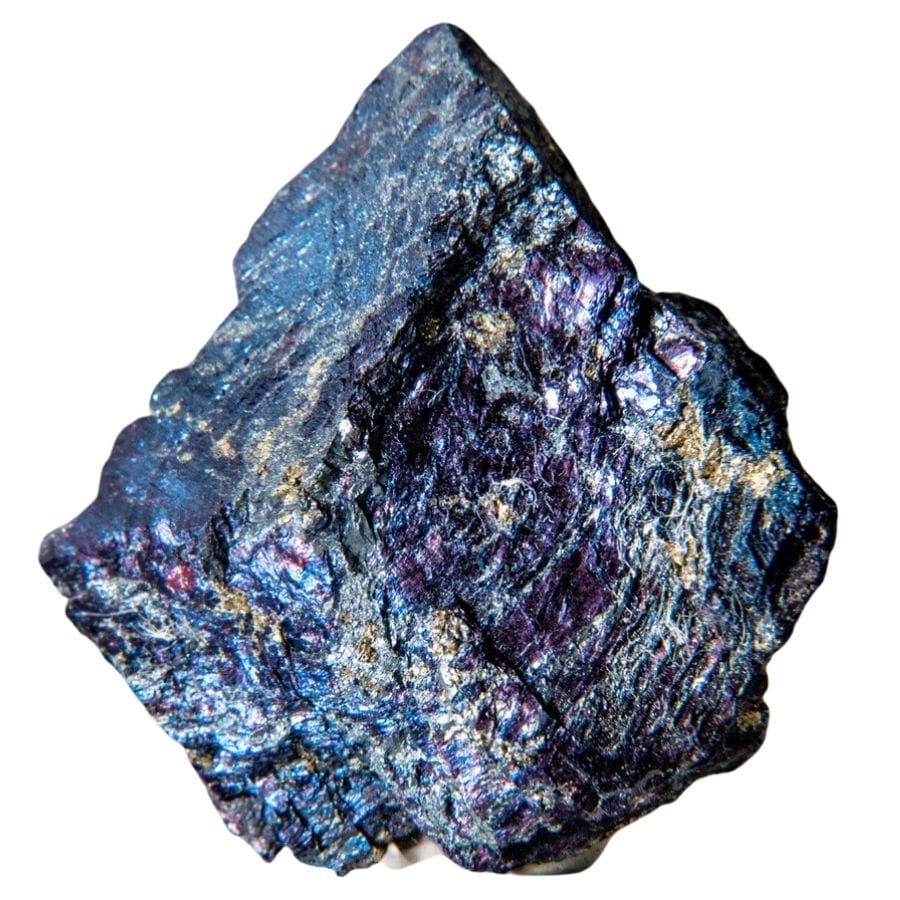
Covellite is a rare and striking mineral known for its deep indigo and blue colors. It’s one of the unique crystals found in Wisconsin, catching the eye of anyone interested in the quieter yet colorful side of geology.
This mineral is actually a copper sulfide and forms through the alteration of other copper sulfides, such as chalcopyrite and bornite.
It typically happens in the presence of sulfur-rich solutions where copper minerals are being weathered or broken down.
The way covellite takes shape can be quite a sight. It often forms thin, iridescent layers that show a range of blues, purples, and sometimes reds or golds, depending on the angle and the light.
It’s not just the color that’s fascinating; covellite can also have a metallic luster, which makes it shimmer in the light. Sometimes, it forms hexagonal crystals that can be quite striking in appearance.
In addition to being a source of copper, covellite is also admired by mineral collectors for its unique beauty. Covellite can be used in jewelry, though it’s less common because of its softness.
Where you can find covellite in Wisconsin
- Ladysmith, Rusk County
- Oshkosh, Winnebago County
- Upper Mississippi Valley Mining District, Iowa County
Epidote
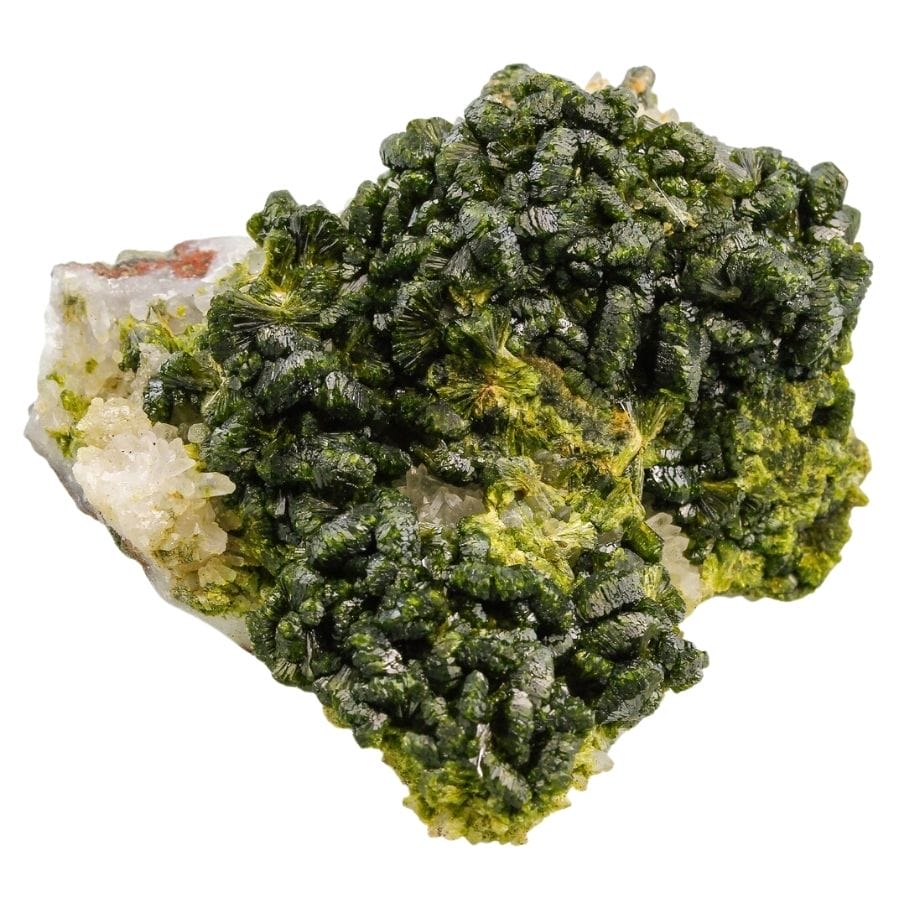
Epidote comes to life under conditions of high pressure and temperature, often as a result of regional metamorphism where rocks are fundamentally altered by these intense conditions.
It forms when calcium, aluminum, iron, and oxygen get together and conditions are just right, often in the company of minerals like quartz or calcite.
The unique characteristic of epidote is its pistachio-green color, which can be so deep and rich that it almost looks black. It’s known for its long, slender crystals that can be striated, meaning they have parallel lines down the sides.
These features make epidote a favorite among rock hounds and collectors who can recognize it by its distinctive look and the way it often associates with other minerals in a rock.
Epidote isn’t typically used in jewelry because it’s not as hard as some other minerals, but its color and crystal forms are highly appreciated by those who love minerals for their natural beauty.
Where you can find epidote in Wisconsin
- Dresser Trap Rock Quarry, Polk County
- Weyerhauser Copper Mines, Douglas County
- Jackson County Iron Mine, Jackson County
Malachite
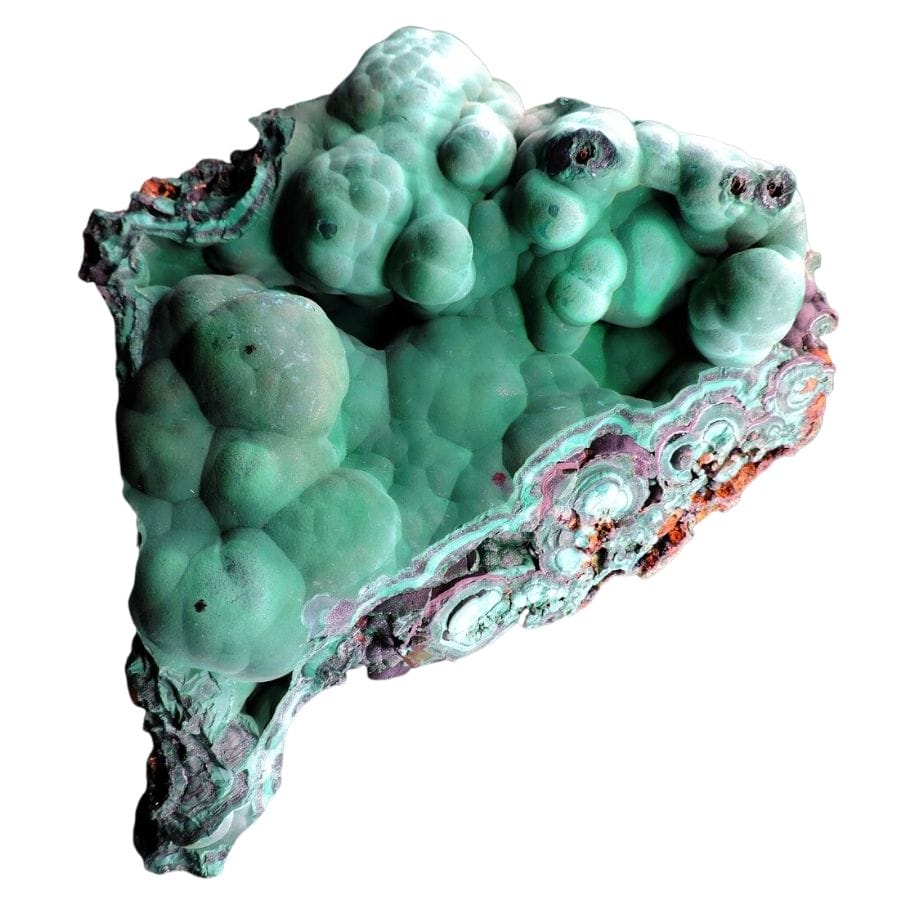
Malachite is a vibrant green mineral that stands out for its unique banded patterns and rich, velvety color, making it a highlight in Wisconsin rock identification.
This eye-catching mineral is formed from copper deposits, which, when exposed to oxygen and carbon dioxide, undergo a chemical transformation.
Water plays a crucial role too, as it carries dissolved copper into cracks and spaces where it reacts with other elements to slowly form malachite over time.
What’s really cool about malachite is its concentric rings or bands that come in various shades of green. These bands are the result of different conditions during the mineral’s formation, with each layer telling a part of the story of its creation.
Malachite is soft enough to be carved easily, which has made it popular throughout history for decorative objects.
For a lot of people, the value of malachite can be found in its distinctive look, which makes it a favorite among those who enjoy creating jewelry or ornamental pieces.
Beyond its beauty, malachite is also a copper ore, making it important in the production of this useful metal.
Where you can find malachite in Wisconsin
- Morris Pit, Green Lake, Green Lake County
- Dresser Trap Rock Quarry, Polk County
- Jackson County Iron Mine, Jackson County
Wavellite
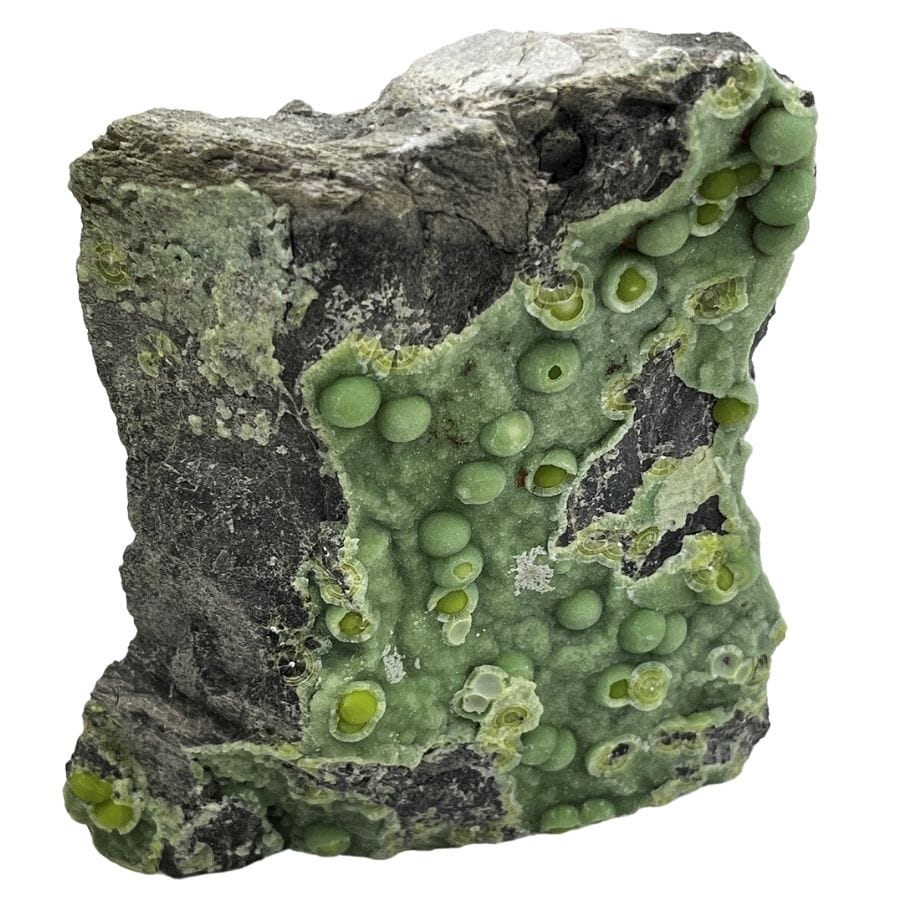
Wavellite is an interesting mineral that has radial clusters of needle-like crystals and its rich, green color.
This mineral forms in fractures and cavities of certain types of rocks, particularly those that are rich in phosphate, like aluminum-rich rocks that have been altered by weathering and the action of water.
The process of wavellite’s formation can occur in both high and low temperatures, making it a versatile mineral.
It’s often found lining the inside of cracks in the rocks, where it forms those characteristic starburst patterns that can be strikingly beautiful.
Wavellite’s radial clusters are a delight for mineral collectors who appreciate the intricate designs that nature can produce. These patterns are not just pretty; they tell geologists a lot about the environment where the wavellite grew.
Aside from being appreciated for its appearance, wavellite is also used as a minor ore of aluminum.
Where you can find wavellite in Wisconsin
- Eau Claire Formation sandstones, Jackson County
Diamond
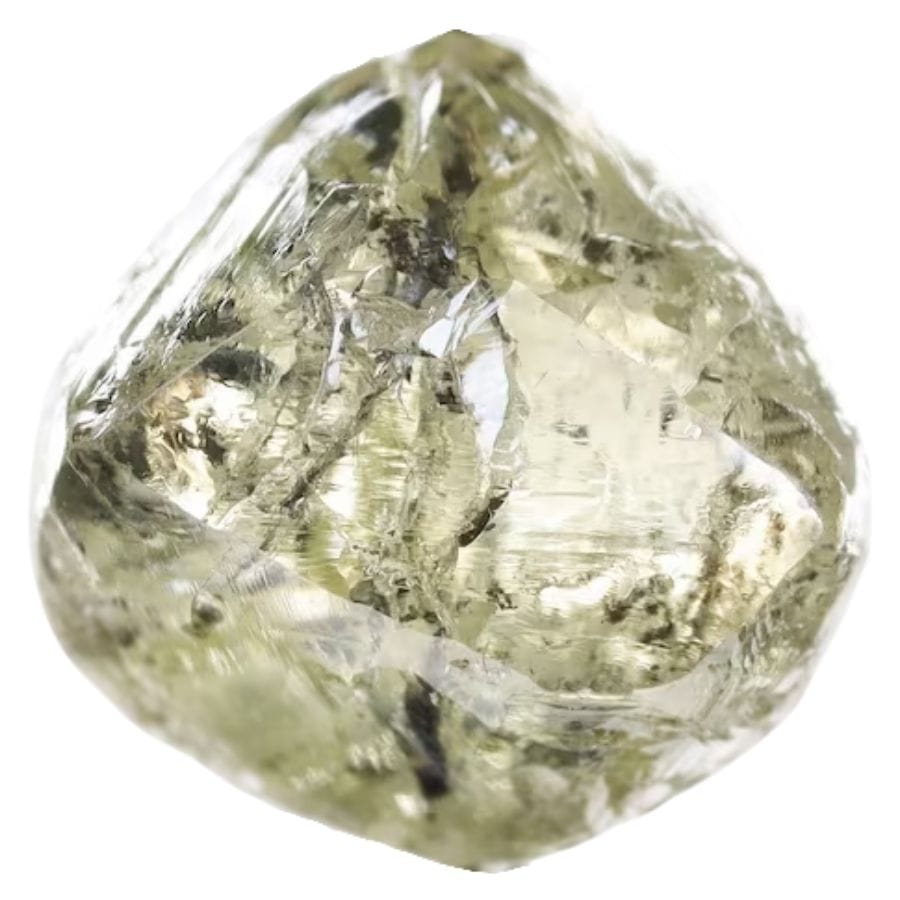
Diamond is a remarkable mineral and although not commonly found, it’s considered one of the most valuable rocks in Wisconsin for those lucky enough to discover it.
This crystal-clear gemstone is made entirely of carbon, one of the most common elements on Earth, but there’s nothing common about diamonds.
They form under extreme conditions of heat and pressure found deep within the Earth’s mantle, over 100 miles beneath the surface. It’s there that carbon atoms are squeezed so tightly together they create the hardest natural substance known to us.
These sparkling gems are brought closer to the Earth’s surface through volcanic eruptions, encased within chunks of rock known as kimberlite.
The journey from the depths of the Earth to accessible locations where they can be mined is long and rare, which is part of what makes diamonds so special.
Once mined, the rough stones are cut and polished to reveal their stunning clarity and brilliance.
Diamonds are highly valued for their unmatched hardness and light-reflecting facets, making them a top choice for jewelry, especially engagement rings.
They’re also used in industrial settings for cutting, grinding, and drilling because they can make short work of almost any material.
Where you can find diamonds in Wisconsin
- Waverley, Pierce County
- Eagle, Waukesha County
- Kenosha, Kenosha County
Garnet
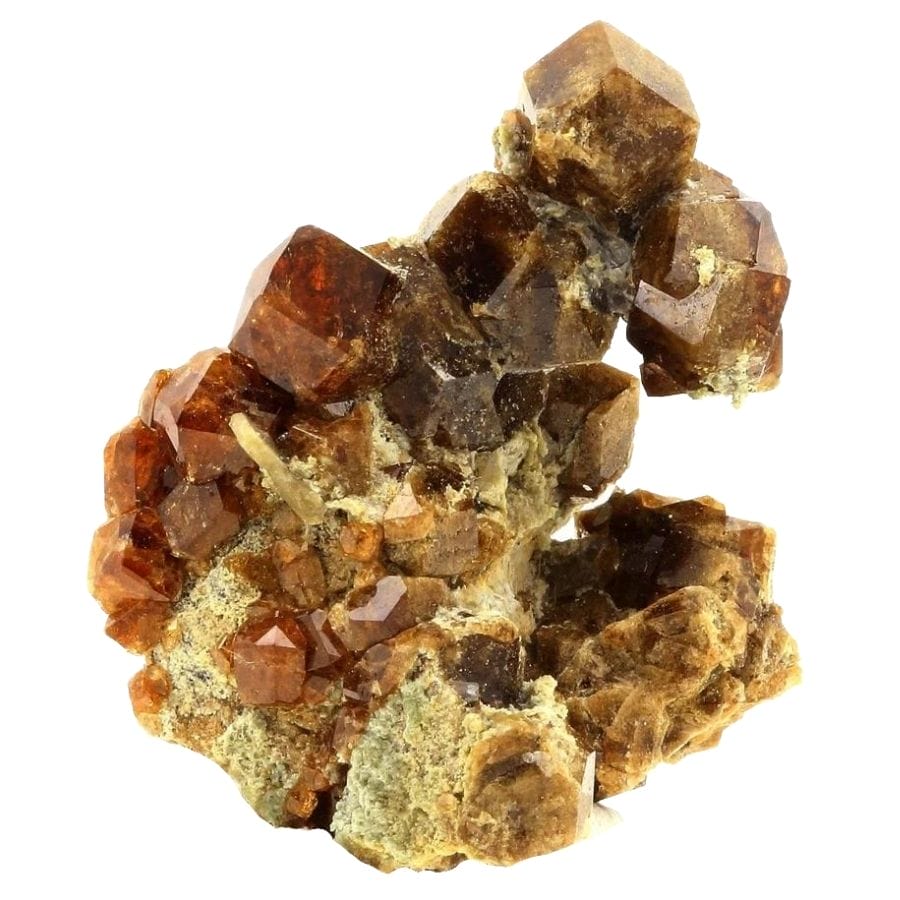
Garnet is a family of minerals that’s known for its beautiful colors and the way it catches light. There are different types of garnet, and in Wisconsin, you can find varieties like almandine, grossular, pyrope, and spessartine.
These garnets form in different ways: some grow in metamorphic rocks, which are rocks that have changed because of heat and pressure inside the Earth, while others can be found in igneous rocks, which are made from cooled lava or magma.
Almandine garnets are typically deep red and are often found in the state’s metamorphic rocks.
Grossular garnets can be colorless, green, yellow, or even reddish-brown and usually form in rocks that have been chemically changed by heat and fluids.
Pyrope garnets, with their deep red color, are formed under the high-pressure conditions of the Earth’s mantle and brought to the surface by geological activity.
Spessartine garnets range from orange to reddish-brown and are found in granite or metamorphic rocks.
People value garnets not just because they’re pretty. They’re also very hard, which makes them great for making abrasive materials like sandpaper. Garnets are used in waterjet cutting too, where they help to cut through metal.
In jewelry, garnets are loved for their rich colors and brilliance, adding elegance to rings, necklaces, and bracelets.
Where you can find garnet in Wisconsin
- Bad River Gorge, Ashland County
- Kenosha, Kenosha County
- Stevens Point, Wood County
Zircon
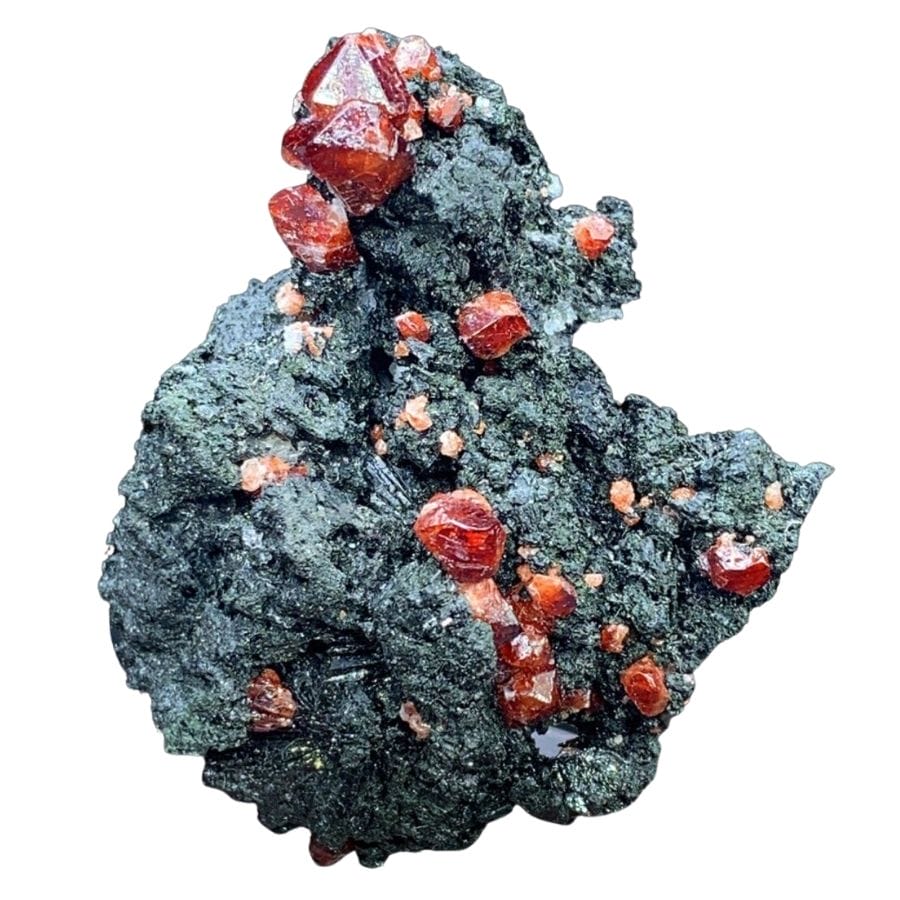
Zircon is a dazzling mineral that’s found in the rocks of Wisconsin, and it’s famous for being the oldest mineral on Earth. This gemstone comes in many colors, from clear to a rainbow of red, blue, yellow, and green shades.
Zircon forms in igneous rocks like granite and in metamorphic rocks like schist. It starts out as molten rock deep beneath the Earth’s surface. As the molten rock cools, zircon crystals start to grow.
Sometimes, they even contain tiny bits of radioactive elements that can be used to date the rocks they are found in.
One of the cool things about zircon is that it can survive geologic events like mountain-building, erosion, and even metamorphism, which can change other minerals a lot.
Because of this, zircon crystals are like time capsules, giving scientists clues about what the Earth was like billions of years ago.
Zircon is not only beautiful and varied in color, but it’s also really tough, which makes it great for jewelry that lasts a long time. It can also stand in for diamonds sometimes because it’s less expensive but still sparkles a lot when it’s cut right.
Where you can find zircon in Wisconsin
- Hamilton Mounds, Adams County
- Mellen, Ashland County
- Wausau, Marathon County
Celestine
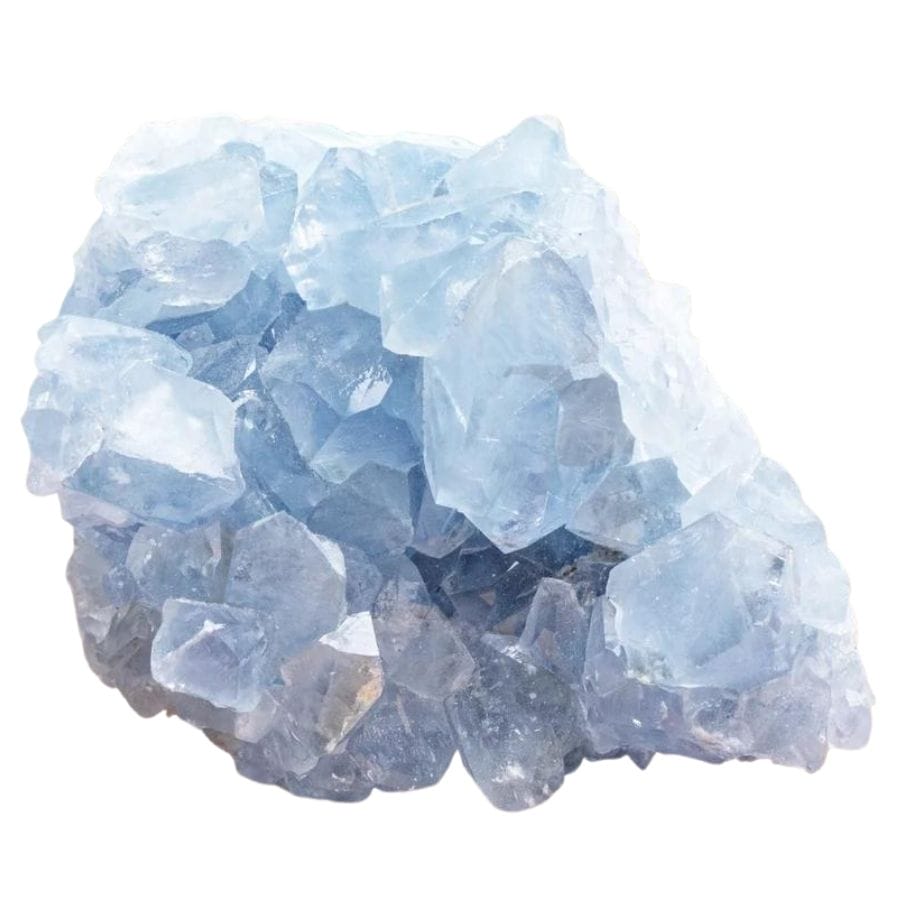
Celestine, also known as celestite, is a mineral that’s as cool as its name, showing up in the rocks of Wisconsin with its soft blue glow. This mineral is made up of strontium sulfate, and it forms crystals that can be quite large and striking.
It forms in a variety of ways, often when mineral-rich waters seep into rock formations and start to evaporate.
As the water goes away, celestine has the chance to crystallize. This can happen in sedimentary rocks like limestone or gypsum.
Sometimes, it’s found in the cracks of rocks, where it grows in beautiful clusters that are a sight to behold.
Celestine is used to make certain kinds of metal strontium, which goes into making fireworks and in the medical field for imaging.
But beyond its practical uses, celestine is a favorite among mineral collectors because of its beauty. Its pale blue crystals can be cut and polished for jewelry, or just displayed as they are, adding a touch of sky-blue calm to any room.
Where you can find celestine in Wisconsin
- Gogebic Range, Iron County
- Kenosha, Kenosha County
- Mackville quarry, Outagamie County
Lepidolite
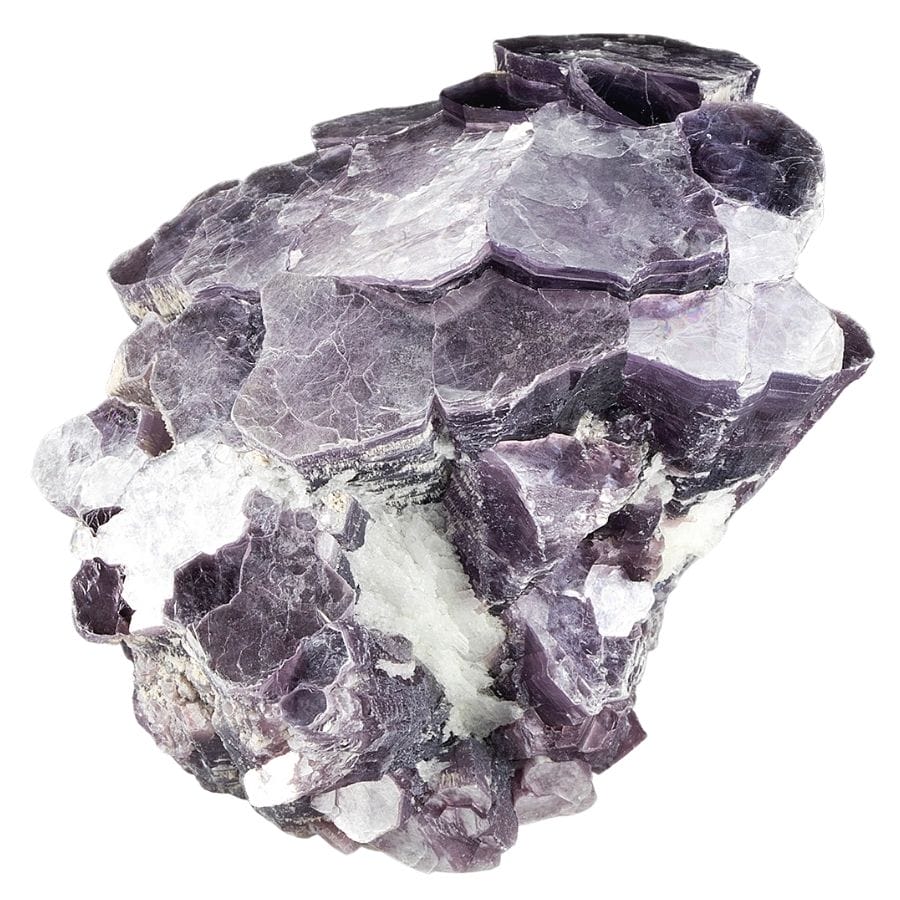
Lepidolite is a mineral that stands out because of its rich lilac or rose-violet color. It’s a kind of mica, which is a group of minerals known for their ability to split into flat sheets.
Lepidolite is found in pegmatites, which are rocks formed from magma—the hot liquid rock deep beneath the Earth’s surface.
When this magma cools slowly, it can create large crystals, and if the conditions are just right, lepidolite forms among these crystals.
This mineral is actually a major source of lithium, which is a metal used in batteries, including the ones for electric cars and smartphones.
Besides lithium, lepidolite often contains tiny amounts of other elements that can give it a range of colors from pink to purple. It’s the presence of these elements that can make lepidolite sparkle in the light.
However, lepidolite is more than just its lithium content. Its beautiful colors and sparkle make it popular in jewelry and as a specimen for collectors.
Where you can find lepidolite in Wisconsin
- Fern, Florence County
Prehnite
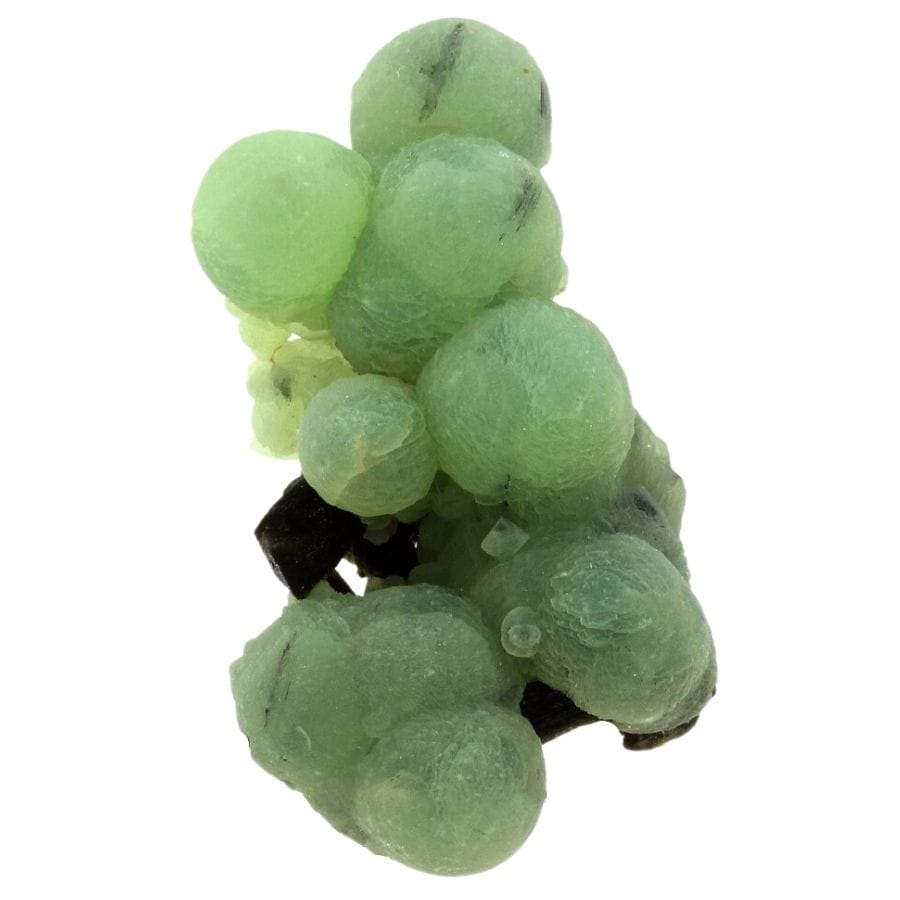
Prehnite is a gemstone that adds a touch of green to the palette of types of rocks found in Wisconsin. This stone, usually a soft green to yellow-green in color, has a glassy sheen and can sometimes be translucent.
Prehnite forms in the voids and fractures of igneous rocks, the kind that come from cooled lava. It’s one of those cool minerals that can form crystal clusters that look like bunches of grapes.
The way prehnite is made starts deep underground where conditions are just right for minerals to get dissolved in water. This mineral-rich water moves through rocks and, as it goes, it leaves behind prehnite.
The crystals grow in spaces where other minerals once were but have since dissolved away, which is why they often have a shape that looks like they’re hugging the rock around them.
People value prehnite for a couple of reasons. It’s not only a pretty stone to look at, but it also has a striking appearance, making it popular in jewelry and ornaments.
Where you can find prehnite in Wisconsin
- Brule River, Douglas County
- Upper Eau Claire Lake, Bayfield County
- Saxon Falls, Iron County
Rhodochrosite
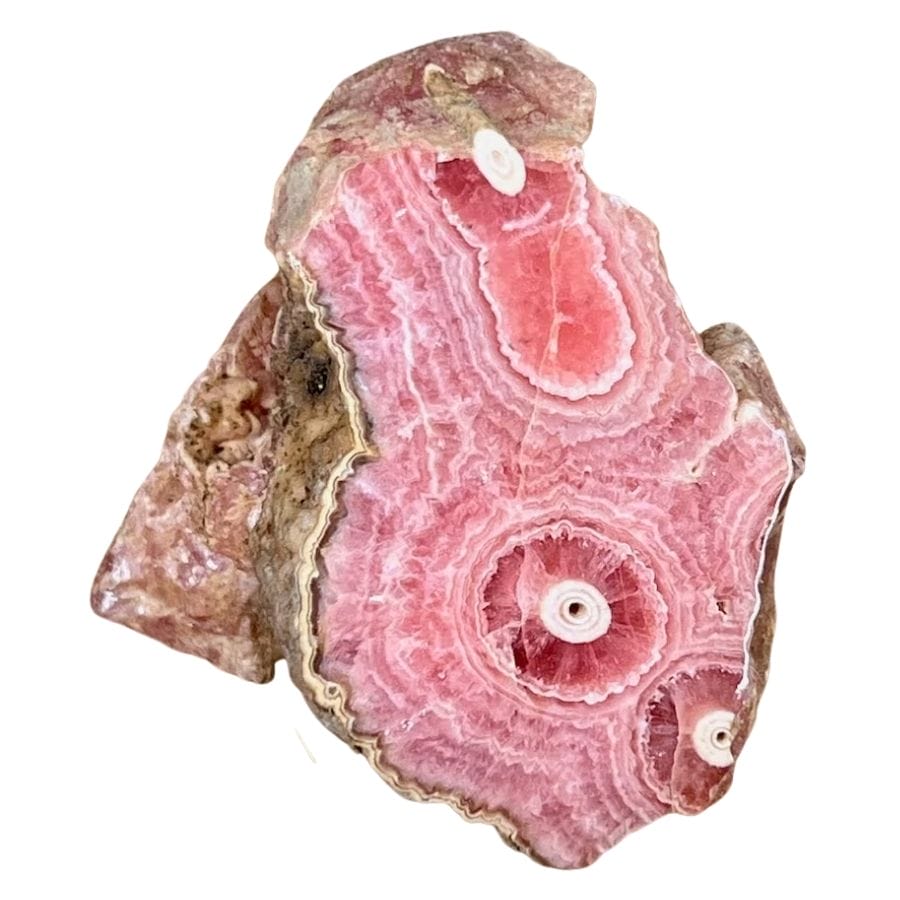
Rhodochrosite is a mineral that stands out with its warm, rosy pink hues, making it a vibrant member of the rocks found in Wisconsin.
This mineral is typically formed in the gaps of sedimentary rocks, where mineral-laden waters flow through and deposit layers upon layers of manganese carbonate, the main component of rhodochrosite.
Over time, these layers build up and crystallize into the stones that catch the eye with their rich color and patterns.
When water travels through manganese-rich areas, it picks up elements along the way. As it moves through cracks and crevices in the rock, it deposits these elements, and with the right conditions, rhodochrosite begins to grow.
It’s often found alongside other minerals like quartz, calcite, and fluorite, creating a dazzling array of color beneath the Earth’s surface.
While rhodochrosite is a favorite among mineral collectors for its unique color and crystal shapes, it’s also used in the production of manganese, an essential metal in the steel industry.
Where you can find rhodochrosite in Wisconsin
- Gogebic Range, Iron County
Adularia
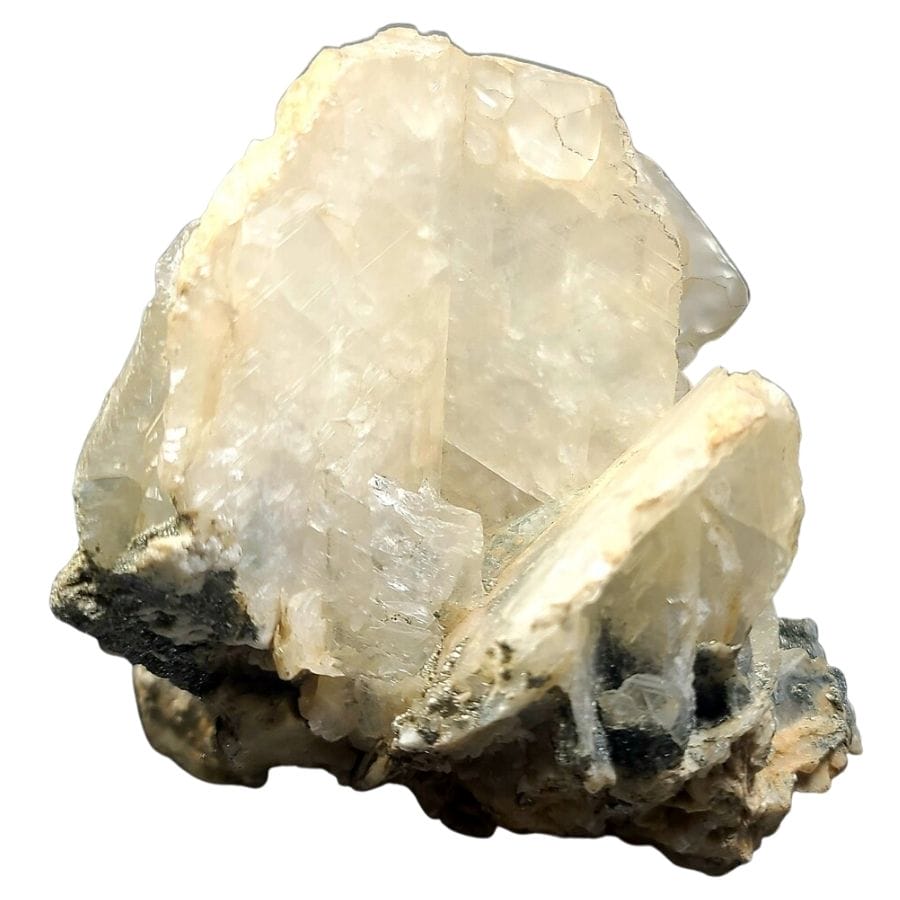
Adularia is a type of feldspar that has a special charm, and it’s one of the many gemstones found in Wisconsin. This mineral has a pearly sheen and can range in color from colorless to a soft shade of white or even light blue.
It’s often found in areas where the rocks have been altered by heat and pressure, a process geologists call metamorphism.
The heat and pressure change the structure of the rocks, and as the conditions start to cool down and stabilize, adularia begins to form in the cracks and spaces where the rocks have been broken apart.
What’s really cool about adularia is the effect called adularescence, which makes the stone seem to glow from within with a moon-like light. This happens because of the way the mineral’s internal structure scatters the light that enters it.
People value adularia for this unique glow. It’s often used in jewelry to create pieces that have a gentle and eye-catching sparkle.
Adularia can also be a collector’s delight because of its association with the moon and its gentle appearance, which makes it quite different from more flashy gemstones.
Where you can find adularia in Wisconsin
- Johnson Materials Co. Quarry, Douglas County
- Dresser Trap Rock Quarry, Polk County
Azurite
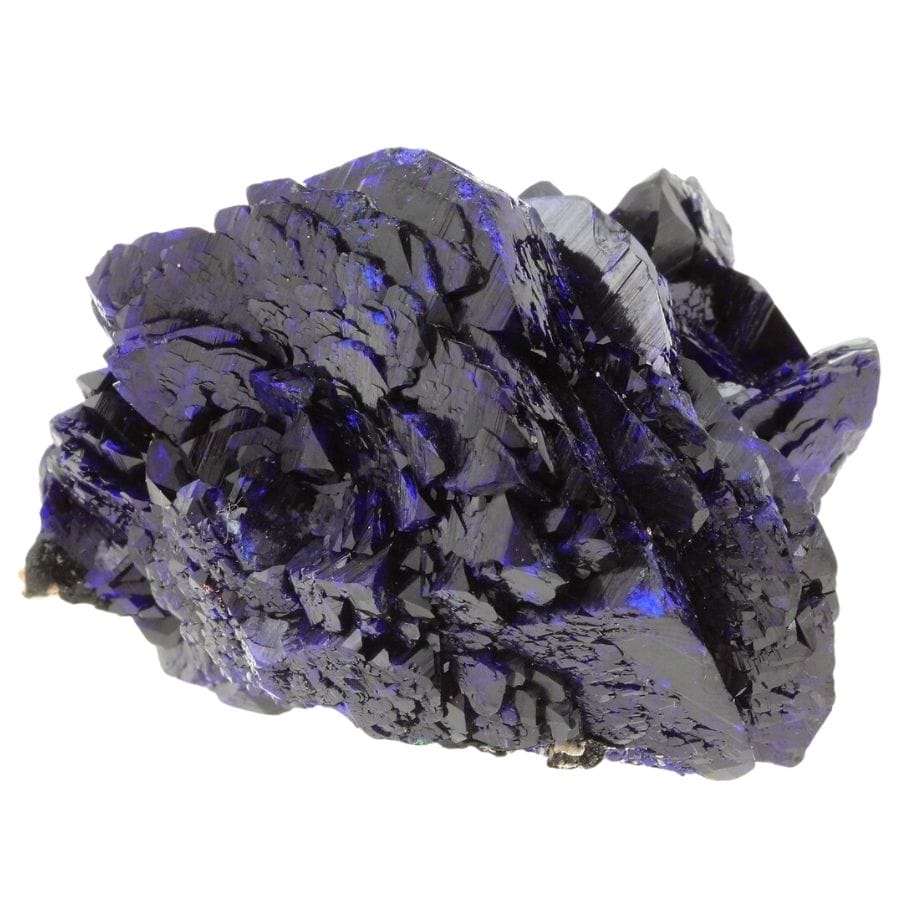
Azurite is a striking blue mineral that adds a splash of color to the collection of rocks and minerals found in Wisconsin. This vibrant mineral gets its rich blue hue from copper, which is a big part of what it’s made up of.
Over time, as copper ore is exposed to air and water, a chemical reaction takes place that creates azurite along with other minerals like malachite, which is also known for its own brilliant green color.
The process that forms azurite can take many years. It involves copper-rich water seeping into tiny cracks in rocks. As the water evaporates, it leaves behind copper, which then combines with carbon dioxide and other elements.
People value azurite for several reasons. Its color is the most obvious one – there aren’t many minerals that can match the beauty of azurite’s royal blue.
Then there’s its use in jewelry and decorative pieces. Its rich color can really make a simple necklace or a piece of decor pop. But it’s not just about looks; azurite also has practical uses.
Because it contains copper, it can be processed to extract this metal, which is used in everything from electric wires to coins.
Where you can find azurite in Wisconsin
- Upper Mississippi Valley Mining District, Iowa County
- Ladysmith, Rusk County
- Wauzeka, Crawford County
Calcite
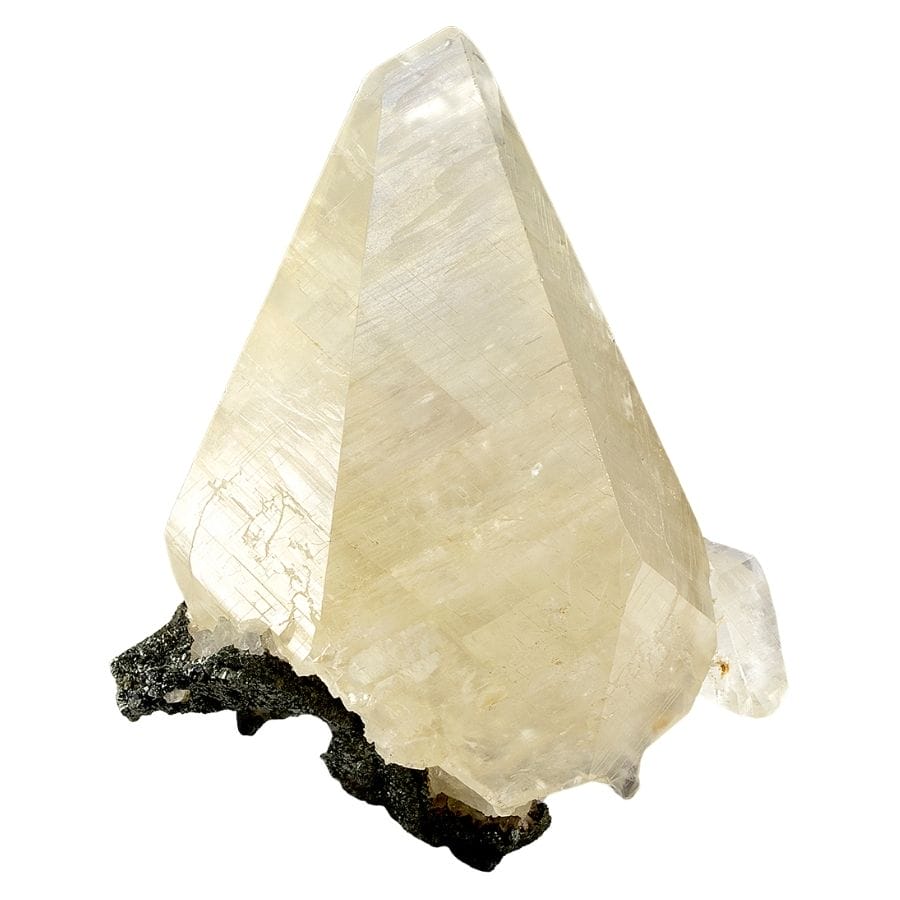
Calcite is a common but fascinating mineral that’s part of the rocks found in Wisconsin. It’s known for its bright white color, but it can also be found in a range of other shades, including pink, yellow, and blue.
This mineral forms in a variety of ways, often as a result of the buildup of shells and skeletons of sea creatures over millions of years. As these layers get compacted, they harden and turn into limestone, which is made mostly of calcite.
In other cases, calcite forms from hot, mineral-rich waters that fill cracks in the Earth’s surface. As the water cools down, calcite crystals start to grow. These crystals can be quite large and incredibly clear, sometimes looking almost like ice.
One of the coolest things about this mineral is how it reacts to acid. If you drop vinegar on calcite, it will fizz. It also has a property called birefringence, which means it can split light into two paths.
Because calcite is so abundant, it has a bunch of uses in everyday life. It’s used to make cement, toothpaste, and even some types of makeup. For collectors, calcite’s different colors and crystal shapes make it a fun addition to their collections.
Where you can find calcite in Wisconsin
- Mississippi River
- Lake Winnebago
- Mineral Point, Iowa County
Fluorite
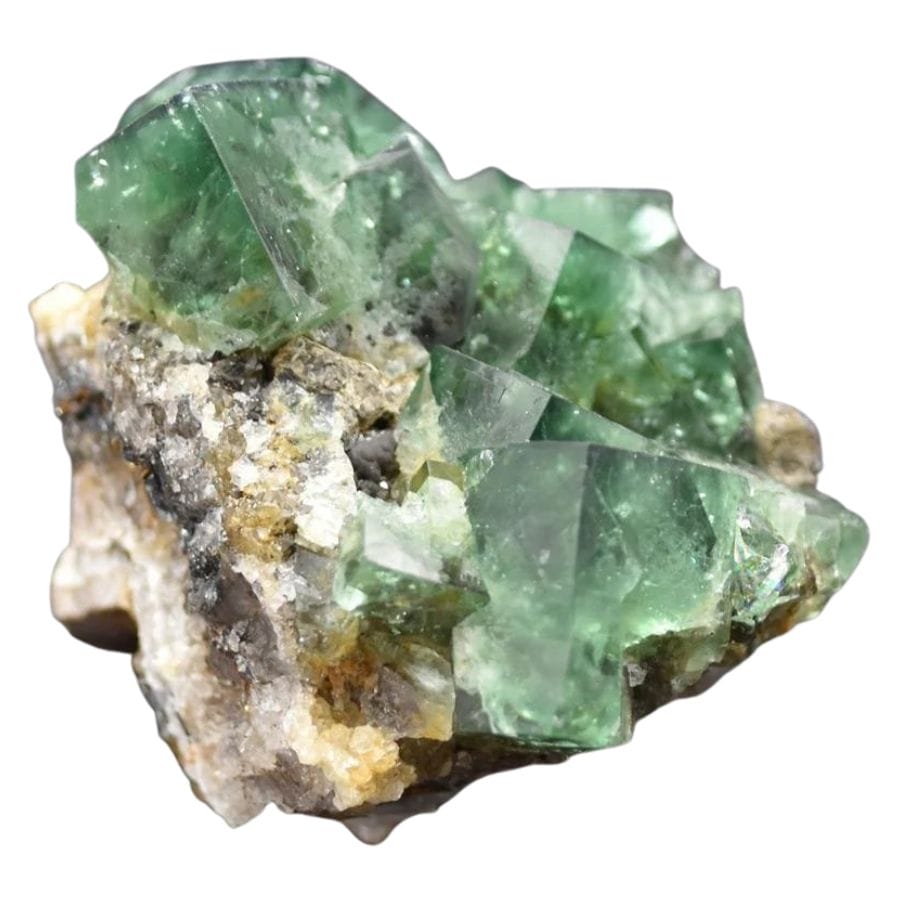
Fluorite is a colorful mineral that brightens up the collection of rocks found in Wisconsin. It comes in a rainbow of colors: from purples to greens, to yellows, and even colorless. It’s easy to see why so many people are drawn to it.
This mineral forms when hot, watery fluids move through rocks deep underground. These fluids are full of different ingredients that, under the right conditions, come together to create fluorite.
The process that forms fluorite can happen in the cracks of rocks or around hot springs. When the temperature and pressure are just right, the chemicals in the water begin to crystalize. This can happen quickly or over millions of years.
Fluorite crystals are usually shaped like cubes or octahedrons, and they can be really small or grow large enough to fill a room.
Its bright colors and crystal shapes make it popular in jewelry and decorative pieces. Plus, under ultraviolet light, some fluorite even glows with an amazing fluorescent light.
Where you can find fluorite in Wisconsin
- Sturgeon Bay, Door County
- Morris pit, Green Lake, Green Lake County
- Vesper, Wood County
Galena
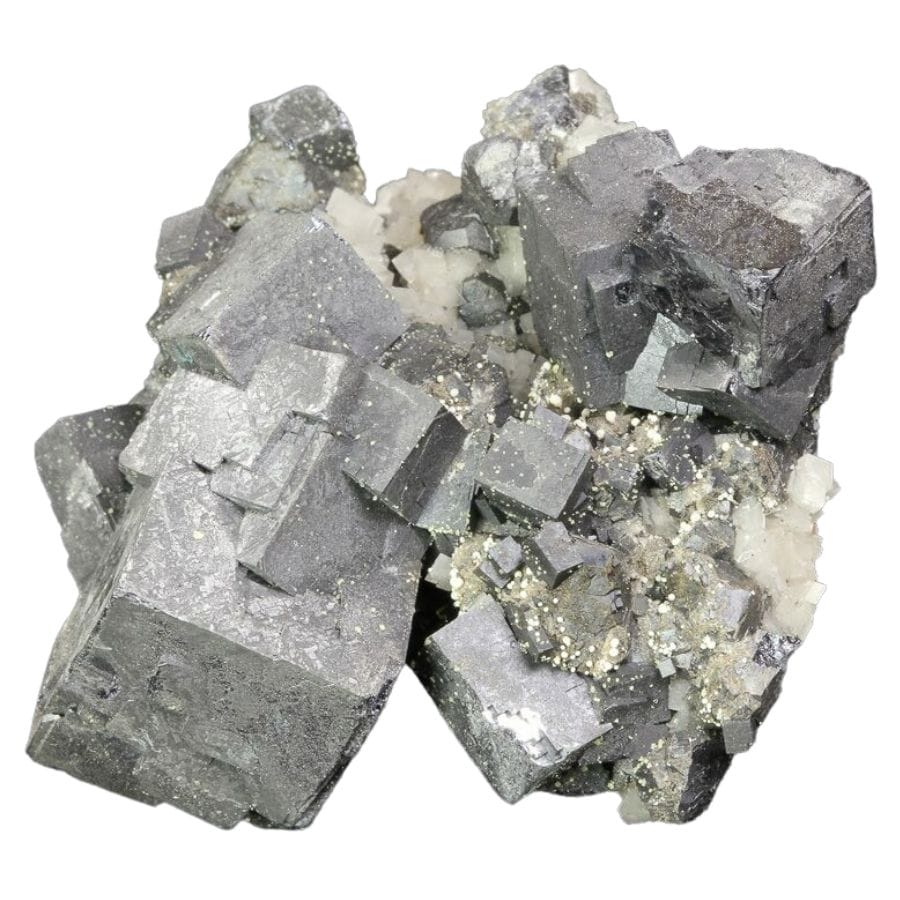
Galena is a shiny, gray mineral that’s not only cool to look at but also one of the most valuable rocks in Wisconsin. It’s the main source of lead and has been mined for over a thousand years.
This mineral often forms in areas where there are hot springs or in regions with limestone that’s been changed by heat and pressure over a long time.
In these environments, fluids rich in minerals seep through the cracks and spaces in the ground, and as they cool down, they leave behind chunky cubes or octahedral crystals of galena.
The look of galena is pretty distinctive. It has a bright metallic luster and is heavy for its size because of its lead content.
In the past, galena was important because it was used to make lead for bullets. Now, it’s mostly used in lead-acid batteries and in the shielding around X-ray machines.
Galena is a favorite of rock collectors because it’s easy to identify and often found in well-formed crystals that are perfect for display.
For those interested in the history of mining, galena is a symbol of the rich mining past of regions like Wisconsin, where it played a big role in the local economy.
Where you can find galena in Wisconsin
- Upper Mississippi Valley Mining District, Lafayette County
- Rio, Columbia County
- Pine Bluff, Dane County
The Best Locations For Crystal Mining We’ve Found
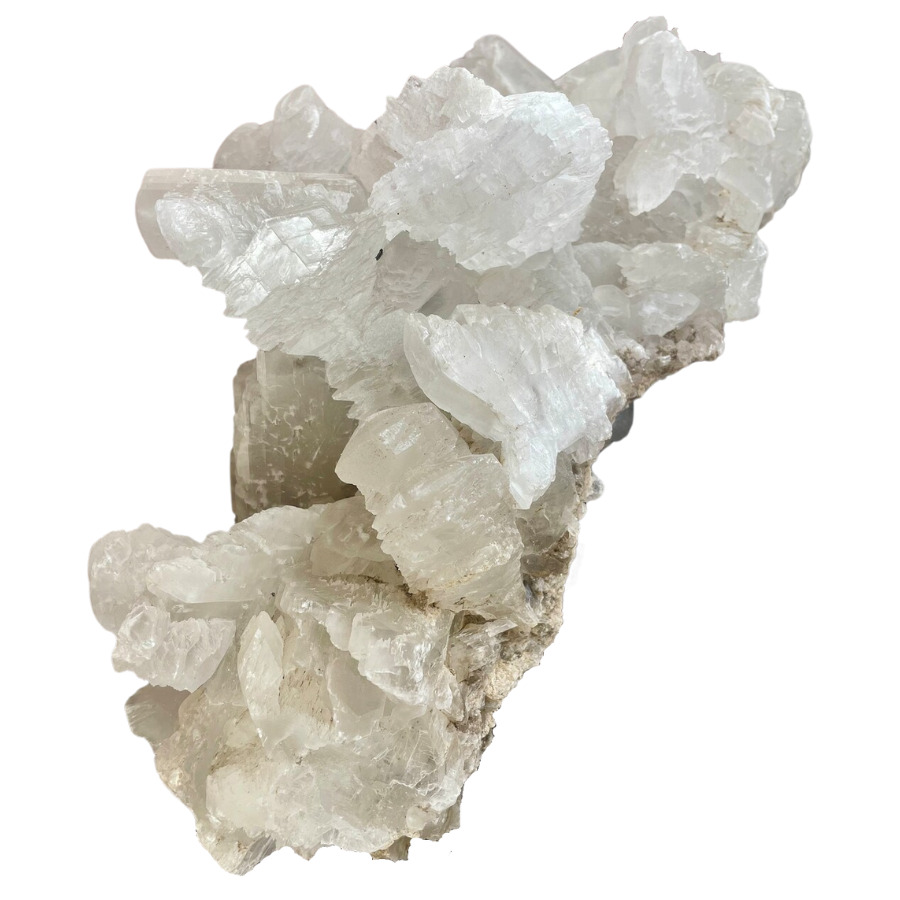
These are the top five recommended places that you should visit:
Always Confirm Access and Collection Rules!
Before heading out to any of the locations on our list you need to confirm access requirements and collection rules for both public and private locations directly with the location. We haven’t personally verified every location and the access requirements and collection rules often change without notice.
Many of the locations we mention will not allow collecting but are still great places for those who love to find beautiful rocks and minerals in the wild without keeping them. We also can’t guarantee you will find anything in these locations since they are constantly changing.
Always get updated information directly from the source ahead of time to ensure responsible rockhounding. If you want even more current options it’s always a good idea to contact local rock and mineral clubs and groups
Montreal Mine
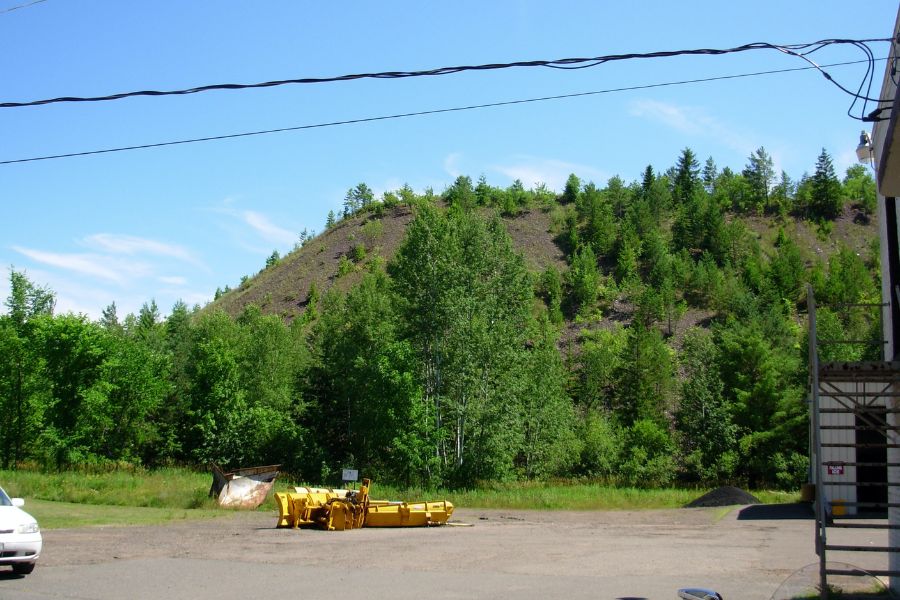
First on our list of must-visit crystal hunting sites is the Montreal Mine, which is also among the great locations to mine gems in Wisconsin.
It was once one of the largest producers of iron ore in the state, but today, it’s known for something else entirely – quartz crystals!
Montreal Mine is situated in the Penokee Range, a unique geological formation that spans over 50 miles. The area is rich in iron and other minerals, which have contributed to the creation of stunning crystal formations.
The mine itself is about 10 miles northwest of Hurley.
The mine’s quartz crystals can range in size from tiny points to massive clusters that weigh several pounds. These crystals are usually clear or milky white, and you might even find some crystals with a hint of purple, yellow, or pink.
Where we found crystals at Montreal Mine
You have the best chance of finding amazing Selenite, Calcite, Galena, Hematite, Pyrite, Quartz, Rhodochrosite crystals in the dumps of Montreal Mine.
If you want REAL results finding incredible rocks and minerals you need one of these 👇👇👇

Finding the coolest rocks in isn’t luck, it's knowing what to look for. Thousands of your fellow rock hunters are already carrying Rock Chasing field guides. Maybe it's time you joined the community.
Lightweight, mud-proof, and packed with clear photos, it’s become the go-to tool for anyone interested discovering what’s hidden under our red dirt and what they've already found.
Join them, and make your next rockhounding trip actually pay off.
What makes it different:
- 📍 Find and identify 140 incredible crystals, rocks, gemstones, minerals, and geodes across the USA
- 🚙 Field-tested across America's rivers, ranchlands, mountains, and roadcuts
- 📘 Heavy duty laminated pages resist dust, sweat, and water
- 🧠 Zero fluff — just clear visuals and straight-to-the-point info
- ⭐ Rated 4.8★ by real collectors who actually use it in the field
Dresser Trap Rock Quarry
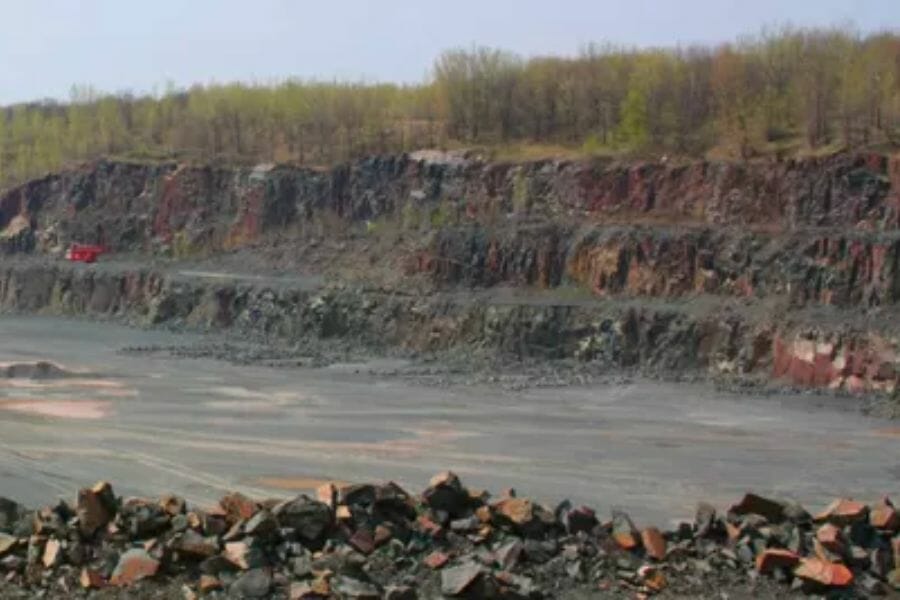
Our next recommended place is the Dresser Trap Rock Quarry, located in Polk County. It was opened in the late 1800s to extract trap rock, which was used for building roads and bridges.
Today, the quarry is no longer in operation, but it’s become a popular spot for rockhounding and crystal collecting.
The Dresser Trap Rock Quarry is situated in the St. Croix River Valley. This area is rich in minerals, which have contributed to the creation of some stunning crystal formations.
One of the best things about the Dresser Trap Rock Quarry is the wide variety of crystals you can find here. Because the quarry is no longer in operation, there’s no need to worry about heavy machinery or mining activity interfering with your hunt.
Where we found crystals at the Dresser Rock Trap Quarry
You can find Calcite, Chalcopyrite, Copper, Epidote, Hematite, Quartz crystals, and many others in this quarry. Know more about crystal prices here.
Pine River Flowage
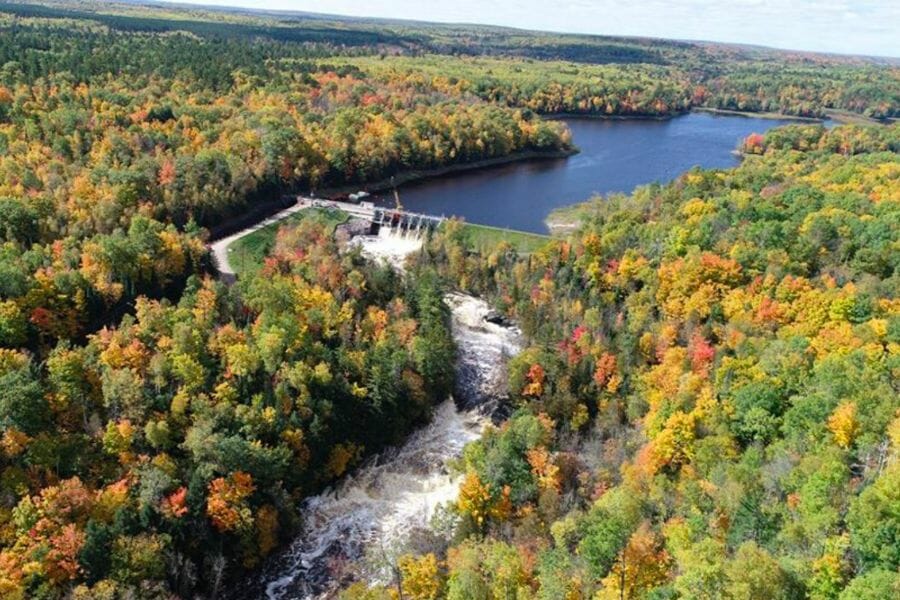
Located in Lincoln County, the Pine River Flowage has a long history of logging and recreation. But what many people don’t know is that the area is also home to some stunning crystals.
What makes the Pine River Flowage a great spot for searching for crystals is its geology. The flowage was created in the 1920s when a dam was built on the Pine River, flooding the surrounding area and creating a massive reservoir.
This flooding exposed a variety of minerals and crystals. The crystals here range in size from tiny points to massive clusters, and they come in a variety of colors and shapes.
If you want to visit the Pine River Flowage, take note that the area is mostly accessible by boat, so you’ll need to have a way to get out on the water.
Secondly, be aware of the weather – the area can be unpredictable, so be sure to check the weather forecast before you go.
Where we found crystals at the Pine River Flowage
We had the best of time getting our hands on Quartz, Kyanite, and Hematite crystals when we explored the veins of Pine River Flowage.
Saxon Falls
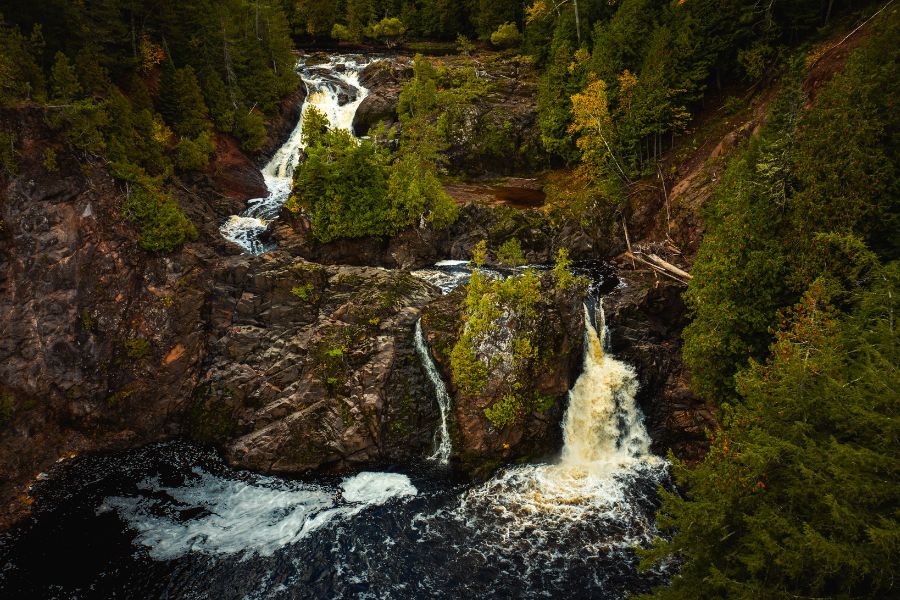
The Saxon Falls were originally used by early settlers to power a sawmill and gristmill. Today, they’re a popular spot for hiking, fishing, and, of course, hunting for crystals!
The Saxon Falls area is a great spot to find crystals due to the nearby presence of the Huron Mountains, which are made up of a variety of minerals.
Over time, these minerals have eroded and washed downstream to the falls, where they can be found along the riverbanks.
To get here, you’ll want to start by heading to the town of Saxon. From there, take County Road B west for about a mile, then turn left onto Falls Road. You’ll follow Falls Road for a few miles until you reach the parking area for the falls.
From there, it’s a short hike down to the riverbanks where you can start your search.
Where we found crystals at Saxon Falls
Go to the Saxon Falls and explore its basalt veins near Montreal River. Here, you can find different types of crystals, like Calcite, Epidote, and Prehnite.
The Bend Deposit
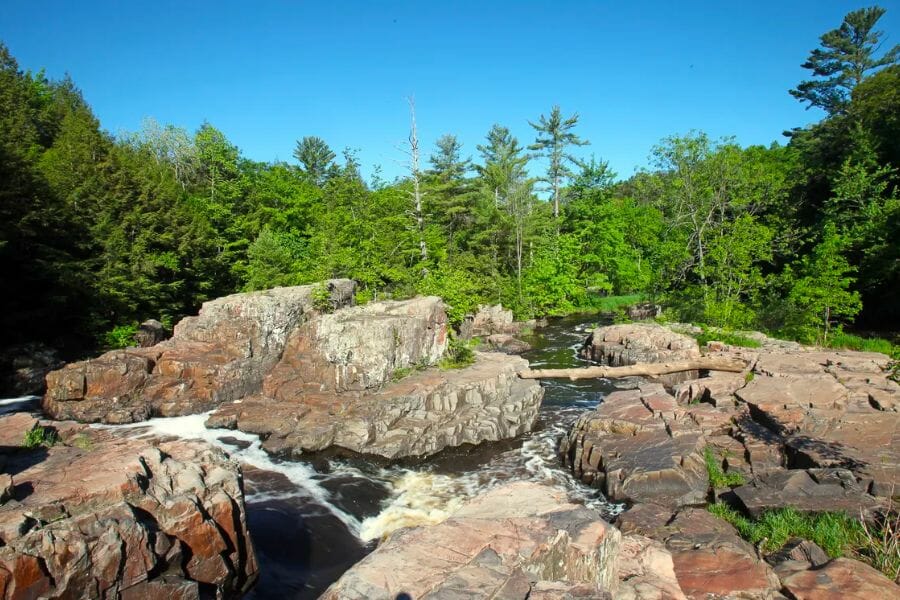
The Bend Deposit is located in the town of Westfield in Marquette County. It’s known for its unique and beautiful calcite crystals, which can be found in a variety of colors and shapes.
The deposit is part of the Baraboo Quartzite Formation, which is made up of sedimentary rock that is over a billion years old.
Over time, this rock has been eroded and weathered, creating pockets where crystals can form. These pockets can be found along the riverbanks and in the surrounding hillsides.
If you’re planning to visit here, head to Westfield and look for County Road CH. Follow County Road CH until you reach the intersection with County Road O, then turn left.
Follow County Road O for a few miles until you reach the parking area for The Bend Deposit.
Where we found crystals at The Bend Deposit
You can explore the different areas of The Bend Deposit, which is a part of the Chequamegon National Forest, to find Azurite, Chalcopyrite, Malachite, and Pyrite crystals.
Our Other Favorite Places For Crystal Hunting
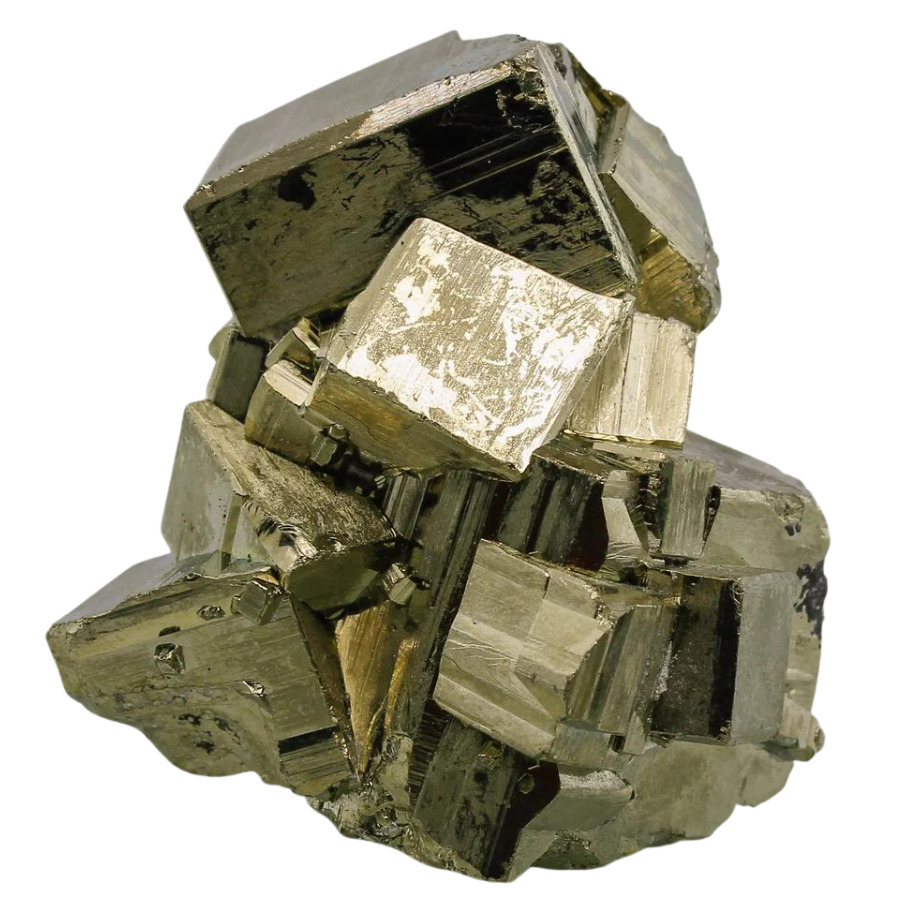
If you’ve been to the top places we’ve recommended above or you simply want to visit a lot more crystal-rich spots in the state, we’ll share with you a bunch more options. In fact, some of the areas are also great places to find Wisconsin geodes.
Where you can find crystals for free
We thought you’d like to know first about the free-to-search places in the state. Here are our best picks:
| County | Location |
| Ashland | Area regional stream gravels |
| Brown | Green Bay area gravel pits |
| Clark | Regional stream gravels of county, particularly in the Black River and its tributaries |
| Crawford | Area quarries, stream gravels, excavations of Prairie du Chien |
| Iron | In outcrops along the Potato River |
| Jackson | In biotite schist and talc schist associated with the iron formation |
| La Crosse | Bluffs of the Mississippi River (along entire west boundary of state) |
| Marathon | At Rib Mountain along road reading to summit |
| Milwaukee | At the Franklin Quarry |
| Oneida | In the Lynn massive sulfide deposit, west of Rhinelander, in metamorphosed volcanic rock around an ancient hot spring |
| Pepin | Area quarries and gravel pits of Durand |
| Racine | at the Ives Quarry |
| Vilas | In the narrows between Spider Lake and Island Lake |
| Winnebago | At the Lutz Quarry in Oshkosh |
Other great places to dig for crystals
Next, we’ve summed up the crystal sites that require some fee before you’re allowed to explore. What’s great about these places is that most of the time, they have more crystal reserves than the free-to-search areas.
Just make sure you call the place first because the fees may vary depending on the time of your visit.
| County | Location |
| Bayfield | Alongside Ounce Creek at abandoned copper mine |
| Chippewa | Penokee Gap (along the Chippewa River) mixed ores in area mines |
| Dodge | Regional mines of Iron Ridge and Mayville |
| Douglas | On banks of Ounce Creek at the abandoned Weyerhauser Copper mines and dumps |
| Grant | Area mine dumps of Cuba City, Hazel Green, Platteville, Tennyson, Werley |
| Iowa | In the lead mine dumps of Mineral Point area |
| Lafayette | All regional mine dumps of Benton and Shullsburg |
| Rusk | At the Flambeau Copper mine in the Ladysmith |
| Sawyer | At the county mines and the Skrupty Mine |
| Wood | Regional mine dumps |
My tips for finding crystals
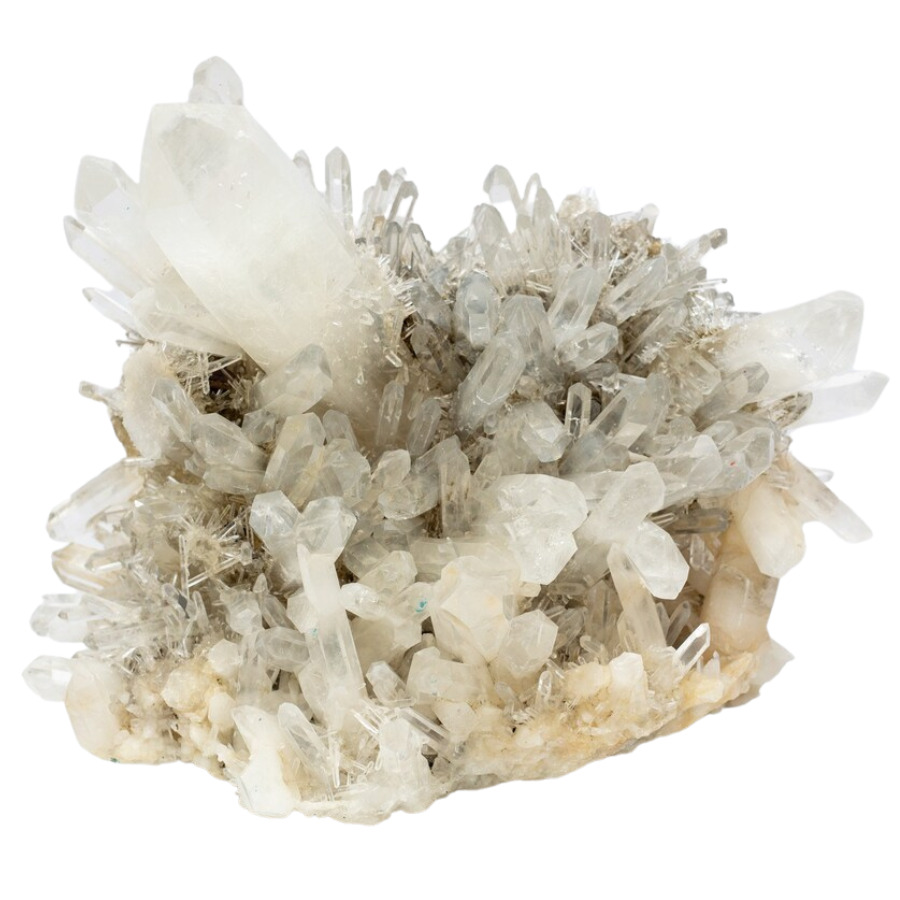
To help you narrow down your search on our recommended places that cover quite large areas, we’ll discuss here the usual places where crystals are found. We recommend that you search through and explore these areas first:
Streams and Creeks
Streams and creeks are great places to find crystals because they are natural pathways for water to flow through. Over time, this water can erode away rock formations and expose crystals.
Additionally, streams and creeks often have gravel and sand bars along their banks, which can be excellent spots for crystals to accumulate.
Quarries
Quarries are great places to find crystals because they often contain large deposits of various minerals and rock formations. When these formations are exposed to the elements and air, it can create an ideal environment for crystal growth.
Many quarries in Wisconsin have been in operation for decades or even centuries, which means that there may be hidden pockets of crystals that have been untouched for a long time.
Rivers and River Beds
One location that you might not have considered is in rivers and river beds. Rivers can be a fantastic spot to search for crystals and minerals, and there are plenty of great rivers and streams throughout Wisconsin to explore.
The water here can help wash away dirt and debris, leaving the crystals exposed and easy to find. Additionally, riverbeds are often made up of rocks and gravel, which can contain many different types of minerals and crystals.
The Mining Laws And Regulations You Should Know
Mining for crystals is legal in Wisconsin, provided that you abide by and comply with local laws, especially those implemented by the Wisconsin Department of Natural Resources.
As a general guide, you must obtain any necessary permit or permission from concerned government agencies and public or private entities, such as private landowners, for the specific area you want to explore.
Also, check out any environmental rules and regulations that you should follow. At the end of the day, we encourage you to respect these laws to make sure that crystal mining will remain a sustainable activity in the years to come.
The Best Crystal Shops In The Area
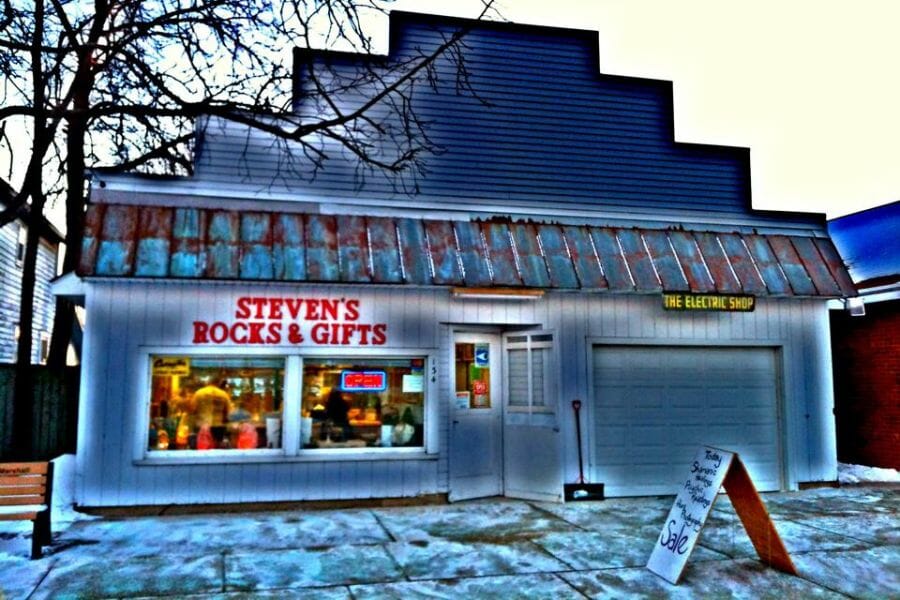
If you don’t have much time or energy to indulge in looking for crystals, you may want to consider visiting the excellent local crystal shops in the state.
In these shops, you can find great selections of these natural wonders. Here are some of the best ones that you can visit:
- Free Spirit Crystals – 4763 N 124th St, Butler, WI 53007
- Angel Light Shopping – 13300 Watertown Plank Rd, Elm Grove, WI 53122
- Steven’s Rocks & Gifts – 134 E Main St, Marshall, WI 53559
- 611 Crystals Energy Healing – 115 5th Ave S, La Crosse, WI 54601
- Roxy’s Rock Shop – 2218 S Ridge Rd, Green Bay, WI 54304, United States
- Mystical Earth Gallery – 220 Main St, Menasha, WI 54952
- Ardu Crystal & Sage – 123 E Main St, Stoughton, WI 53589
- Crystal Garden Rock Shop – 418 WI-50, Delavan, WI 53115
- Main Street Awakenings – 463 N Main St, Oshkosh, WI 54901
- Angelic Roots – 8612 S Market Pl, Oak Creek, WI 53154
Additional places to find crystals in nearby states
If you’ve already tried all of our recommendations above or are planning a trip out of the state, you should check out our guides for neighboring states:
If you have any recommendations we haven’t covered, please leave them in the comments below!