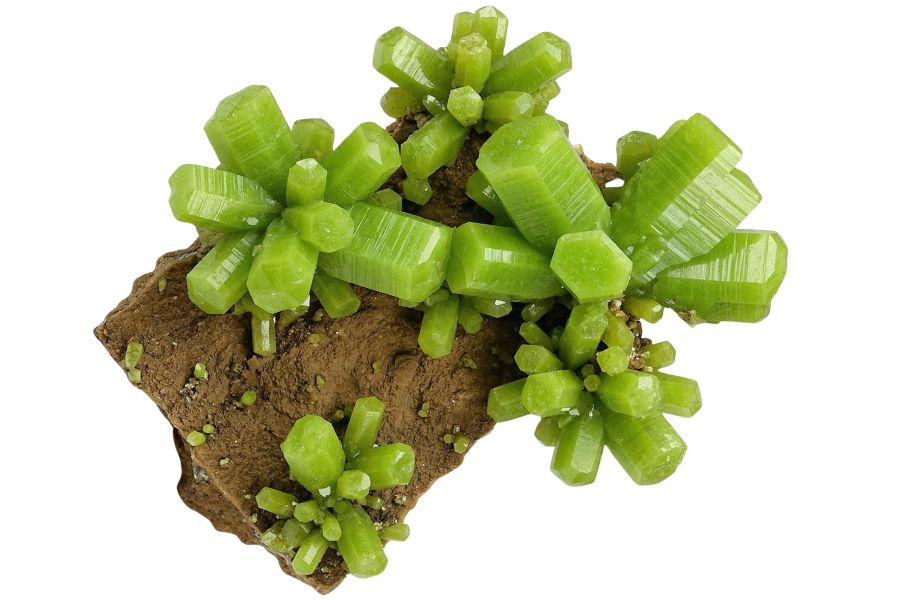
Putting together a successful rockhounding itinerary means knowing the best places to find Massachusetts crystals. It’s crucial to zero in on the exact locations that reliably produce local minerals like beryl, babingtonite, and quartz.
Walking blindly into the backcountry rarely results in taking home anything worthwhile. You want to spend your afternoon pulling actual minerals from the dirt instead of hiking endlessly through empty woods.
Knowing the most productive areas to target keeps your weekend trip running smoothly. We’ll save you valuable time by highlighting the primary locations you should explore.
Of course, the only thing better than finding a crystal is knowing what it is. With Rock Chasing’s New England Rocks & Minerals Identification Field Guide, you’ll save hours of research and be sure you never walk right past a hidden treasure.
- The extensive local experience and understanding of our team
- Input from multiple local crystal hunters and crystal collecting groups
- The accessibility of the crystal mining locations
- Safety and potential hazards when collecting
- Private and public locations
- A desire to include locations for both experienced crystal hunters and those who are just starting out
Using these weights we think we’ve put together the best list out there for those who love finding new crystals for our collections!
The Types of Massachusetts Crystals You Can Find
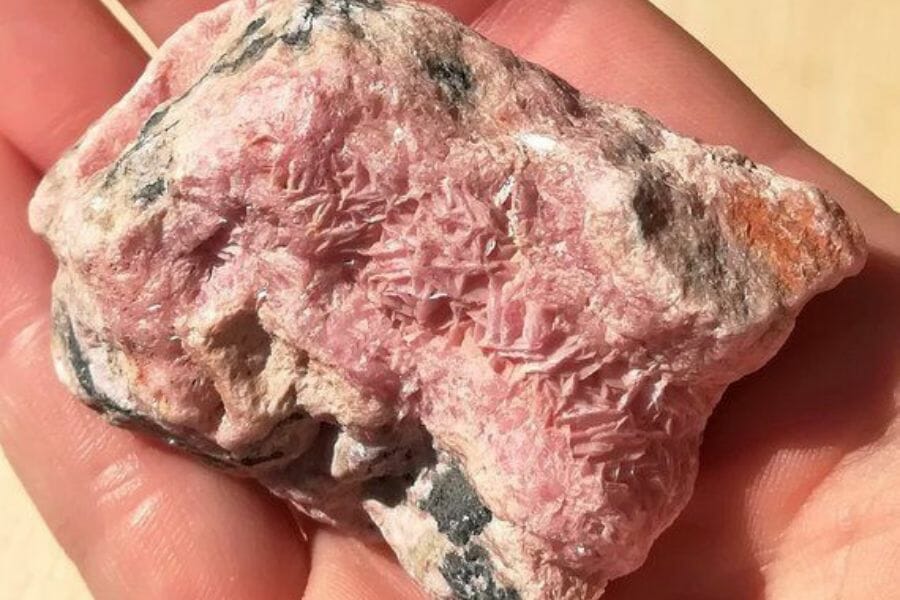
Crystals aren’t just pretty. They have unique properties that can help with emotional healing and balance energy. Plus, they can be a great addition to any home decor. Who doesn’t want to add a little sparkle and shine to their space? Now, when it comes to the types of crystals you might find, there’s a lot of variety. You’ve got the pink hues of rose quartz, the blue-green shades of fluorite, and even the deep purple of amethyst. And let’s not forget about the unique formations and shapes that some crystals come in!
Zircon
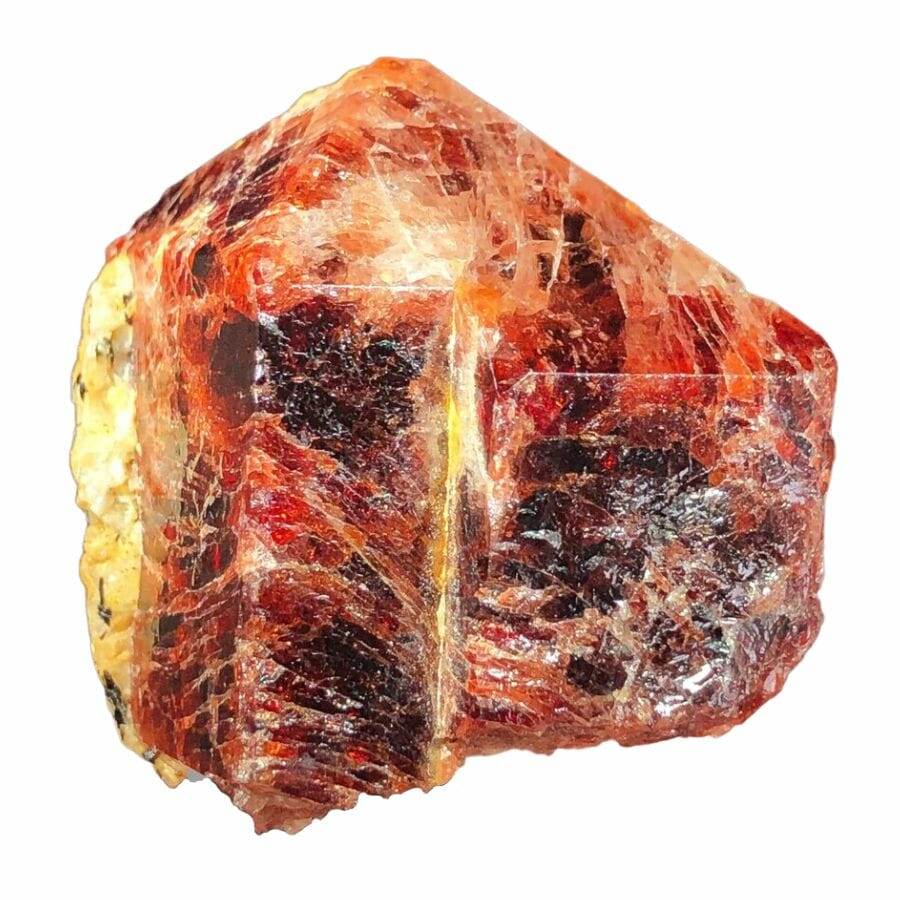
Zircon is an amazing gemstone that has a sparkle similar to diamonds. But there’s more to zircon than just its shimmer! It’s one of the oldest minerals on Earth, and it’s been around for billions of years!
This ancient gem forms from magma. When this magma starts to cool down, zircon crystals begin to grow. Over time, these crystals get pushed closer to the Earth’s surface because of natural movements like earthquakes.
Eventually, zircon crystals can be found in rocks or even in the sand at beaches.
Zircon comes in a rainbow of hues, from clear to deep reds, sunny yellows, and even cool blues. The different colors happen because of tiny amounts of other minerals that sneak into the zircon as it forms.
Its dazzling brilliance makes it a favorite for jewelry. Plus, since it’s been around for so long, scientists sometimes use zircon to learn about Earth’s history. By studying zircon, they can figure out what our planet was like billions of years ago.
Where you can find zircon in Massachusetts
- Railcut Hill, Gloucester
- Rockport, Essex County
- Chelmsford Lime Quarries, Chelmsford

You won’t believe how many incredible rocks and minerals you’ve walked past across New England without knowing their names.
This field guide makes it insanely easy to spot gems, minerals, and hidden treasures anywhere you explore.
📘 Check out the New England Field Guide Now →
What makes it different:
🚙 Field-tested across New England
📘 Heavy duty laminated pages resist dust, sweat, and water.
🧠 Zero fluff with clear visuals and straight-to-the-point info.
📍 Find hidden gems like Topaz, Amethyst, and beautiful crystals.
Spinel
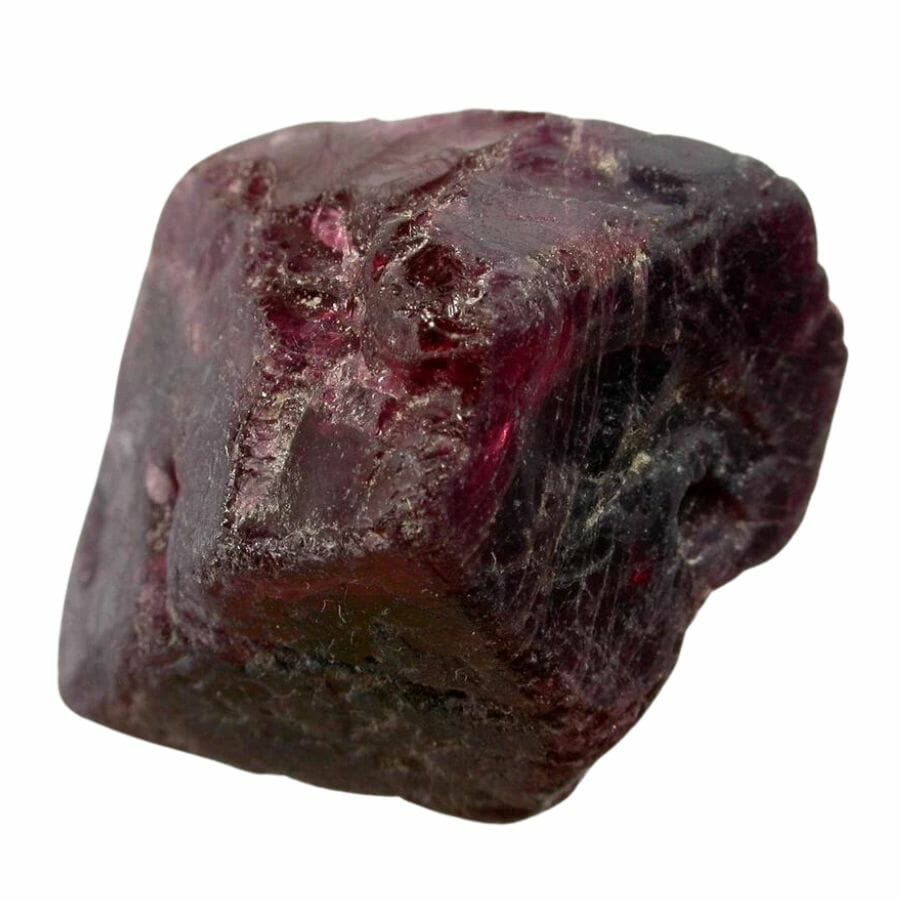
If you’ve ever seen a gem that shines in vibrant reds, pinks, blues, or even purples, you might have laid eyes on spinel.
Spinel is born deep within the Earth’s crust, where heat and pressure are super high. Here, limestone gets cozy with magma.
When the two meet, spinel starts to form. It’s like baking a cake, but instead of flour and eggs, you’ve got magma and limestone.
And when the “oven” cools down, we get these shiny spinel crystals!
Now, you might be wondering why spinel isn’t as famous as rubies or sapphires. Well, for a long time, people actually got them mixed up! Some famous “rubies” in crown jewels are actually red spinel.
That just goes to show how beautiful spinel really is.
Other than its appearance, spinel is super durable, making it great for jewelry. It also won’t scratch easily, so you won’t have to worry too much about wearing it.
Where you can find spinel in Massachusetts
- Chester Emery Mines slag locality
- Bolton Lime Quarries, Bolton
- Chelmsford Lime Quarries, Chelmsford
Lepidolite
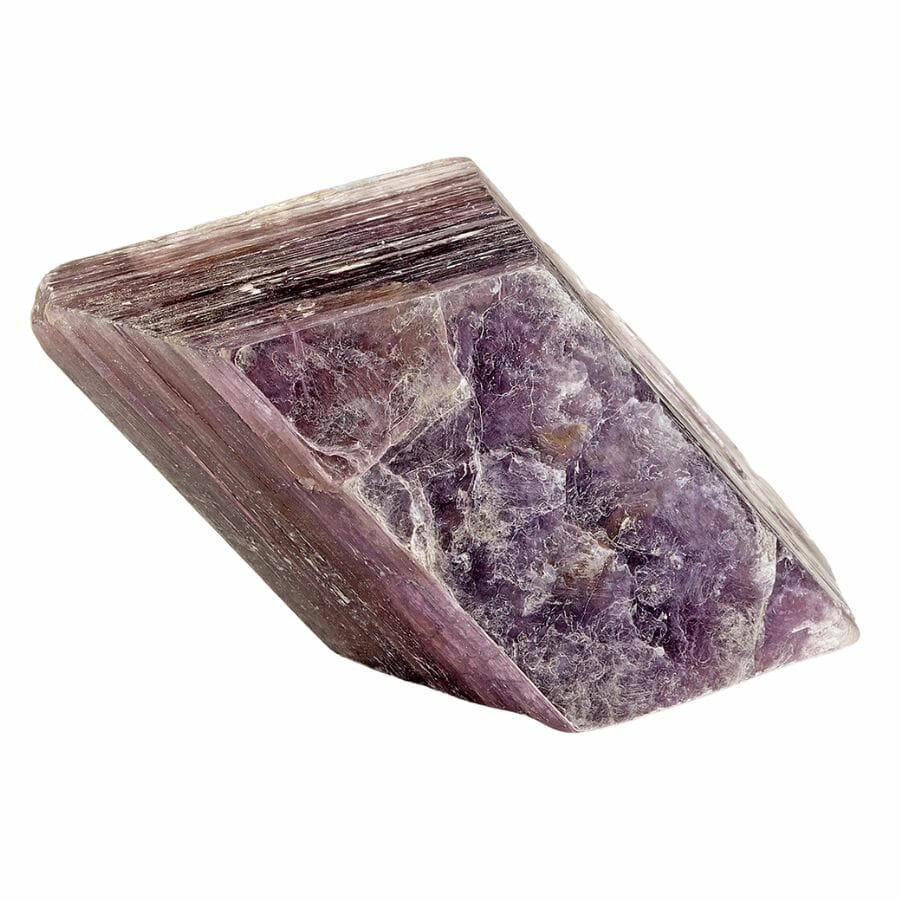
Lepidolite shimmers in colors like purple, rose, or even soft lilac. With these colors, it’s one of the more fascinating types of rocks found in Massachusetts.
The formation story of lepidolite is all about adventure. This mineral emerges from the cooling of molten rock, or magma. As the magma cools, different minerals begin to form, and in the presence of lithium-rich solutions, lepidolite takes shape.
It’s not a loner either; you’ll often find it hanging out with other minerals, such as tourmaline and quartz.
Aside from its obvious beauty, lepidolite has some cool uses too! One of its key components is lithium, which you might recognize as a name on batteries. Lithium is used in rechargeable batteries for things like our phones and laptops.
Lepidolite is one of the sources where we can extract this valuable element.
But it’s not just the practical uses that make lepidolite so special. Many people value it for its calming properties. Some believe that this gemstone can help bring peace and balance to one’s life.
Where you can find lepidolite in Massachusetts
- Clark Ledge pegmatite locality, Chesterfield
- Barrus Farm, Goshen
- Bolton Pegmatite float boulder occurrence, Bolton
Gypsum
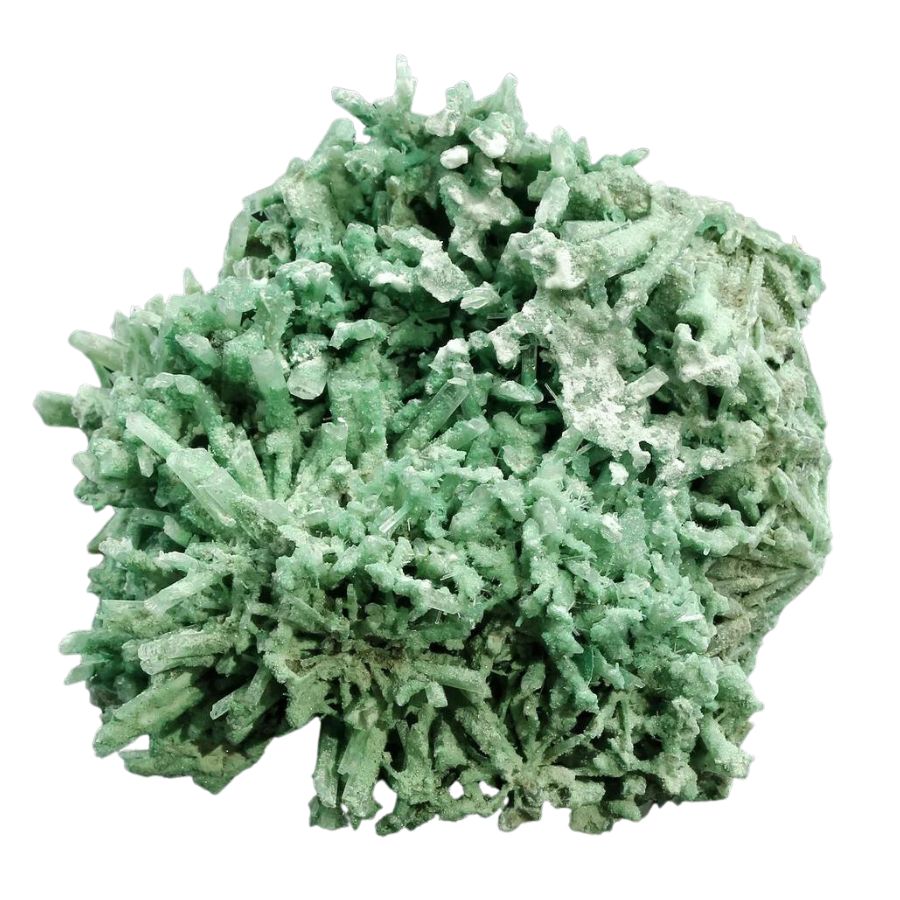
Gypsum is one of those fascinating minerals that you may have come across without even realizing it. Found in various forms, it’s a soft and often transparent mineral that really grabs attention.
First, let’s talk about how it’s formed. Gypsum is often born in dry, desert regions where salty lakes and seas have evaporated. As the water disappears, it leaves behind minerals, including gypsum.
Sometimes, gypsum can form from hot springs, or even in volcanic areas.
Gypsum is beautiful, especially when it forms into crystals like selenite. But its value goes way beyond its appearance. It’s also used in many everyday products that you’d never expect.
Drywall, the stuff used to make the walls in our houses, contains gypsum! The softness of gypsum makes it easy to work with, but when mixed with other materials, it can become strong and sturdy.
Gypsum also has a role in agriculture. Farmers use it to help break up compacted soil, allowing water and nutrients to reach plant roots more easily. This mineral not only beautifies our homes but also helps our food grow!
There’s also a cool scientific twist to gypsum. When it’s heated, the water trapped inside turns to steam, and the gypsum becomes a powder. This powder is the key ingredient in plaster.
Where you can find gypsum in Massachusetts
- Interstate 290/Interstate 495 interchange road cuts, Marlborough
- Milton, Norfolk County
- Delaney’s Quarry, Northampton
Babingtonite
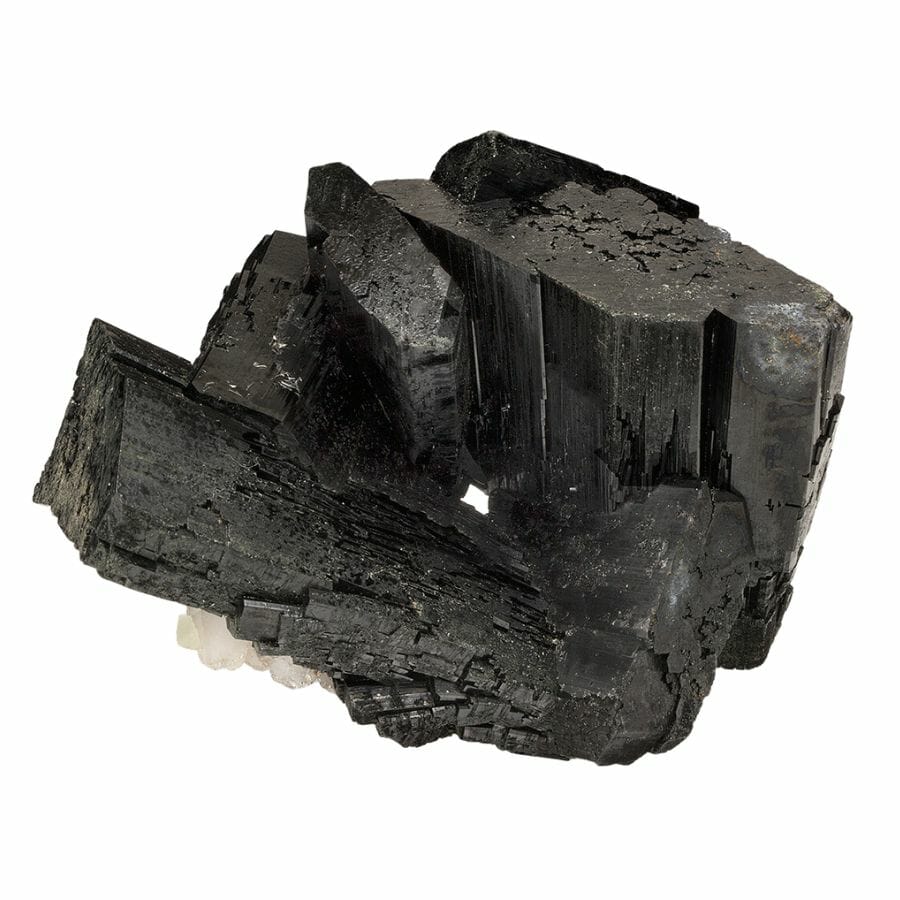
Babingtonite is one cool mineral that not everyone has heard of, but it sure has some interesting stories to tell! It’s usually dark green or black, and it forms really neat, sharp crystals.
When the light catches it just right, those crystals can have a shine that makes them look super special.
This mineral is formed in the pockets of certain volcanic rocks. These pockets, or “vugs” as we rock enthusiasts call them, are like little secret rooms in the rock where minerals like babingtonite can grow.
As hot fluids move through these pockets, babingtonite starts to form along with other minerals. It’s like there’s a tiny factory inside the rock making shiny crystals!
Babingtonite’s interesting appearance makes it a favorite among mineral collectors. It’s also pretty rare. When you find babingtonite, you know you’ve got something special in your hands.
But babingtonite deserves a special shout-out when we talk about crystals found in Massachusetts. That’s because it’s the official state mineral!
This humble mineral got such a big honor because it’s not just beautiful, but also represents a part of the state’s natural history.
Where you can find babingtonite in Massachusetts
- Cheapside Quarry, Deerfield
- Athol babingtonite locality, Athol
- Quabbin Aqueduct shaft No. 10 locality, Hardwick
Diopside
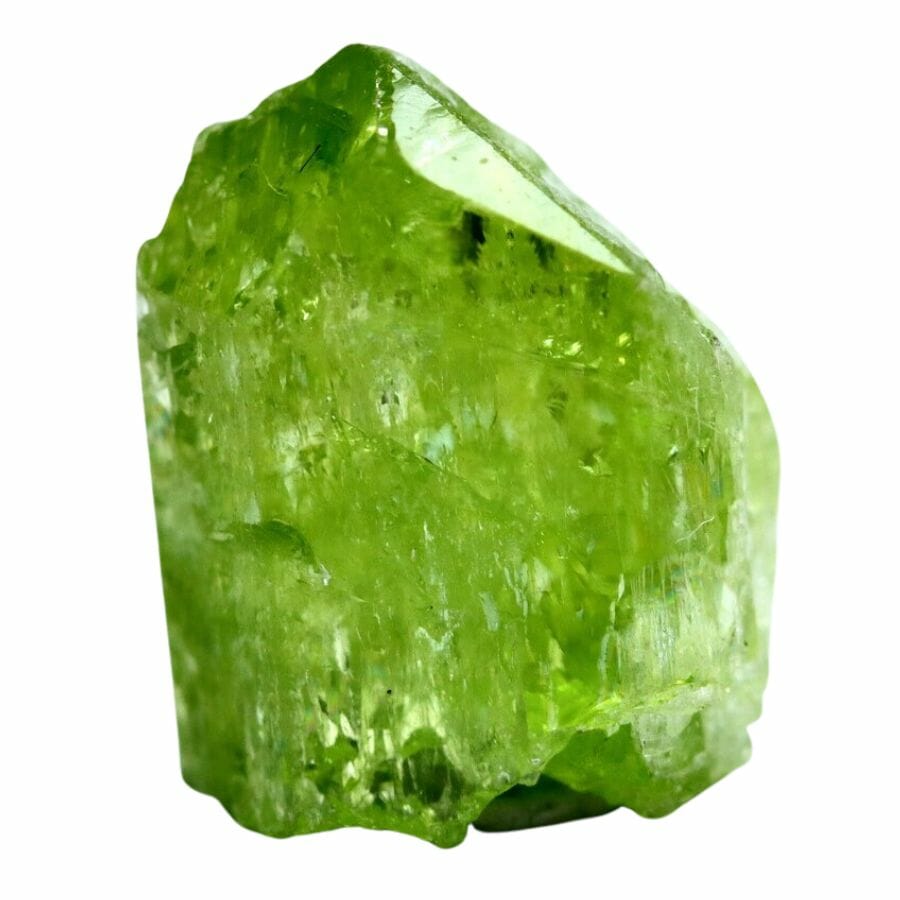
Diopside’s crystals range from light green to almost black. Sometimes, you might even spot the gemmy version of diopside, which is a bright, shiny green and looks like it jumped straight out of a fairy tale.
Deep down beneath our feet, there’s a lot of heat and pressure. When certain types of rocks get exposed to this underground “cooking” process, diopside starts to form.
It loves to grow in places like marble and metamorphic rocks, which are rocks that have been transformed by heat and pressure. Think of it lin ke a cake baking in an oven; the ingredients go in, but something totally different and delicious comes out.
Diopside’s variety of colors is a big hit. That bright green version of diopside, often called “chrome diopside,” is especially popular in jewelry. It sparkles and catches the light, making it a favorite for earrings, necklaces, and rings.
But there’s more to diopside than just its beauty. It’s also used by scientists as a clue to figure out how certain rocks formed and to understand the history of our planet.
Where you can find diopside in Massachusetts
- Marlborough Junction locality, Marlborough
- Bolton Lime Quarries, Bolton
- PJ Keating Quarry, Lunenburg
Prehnite
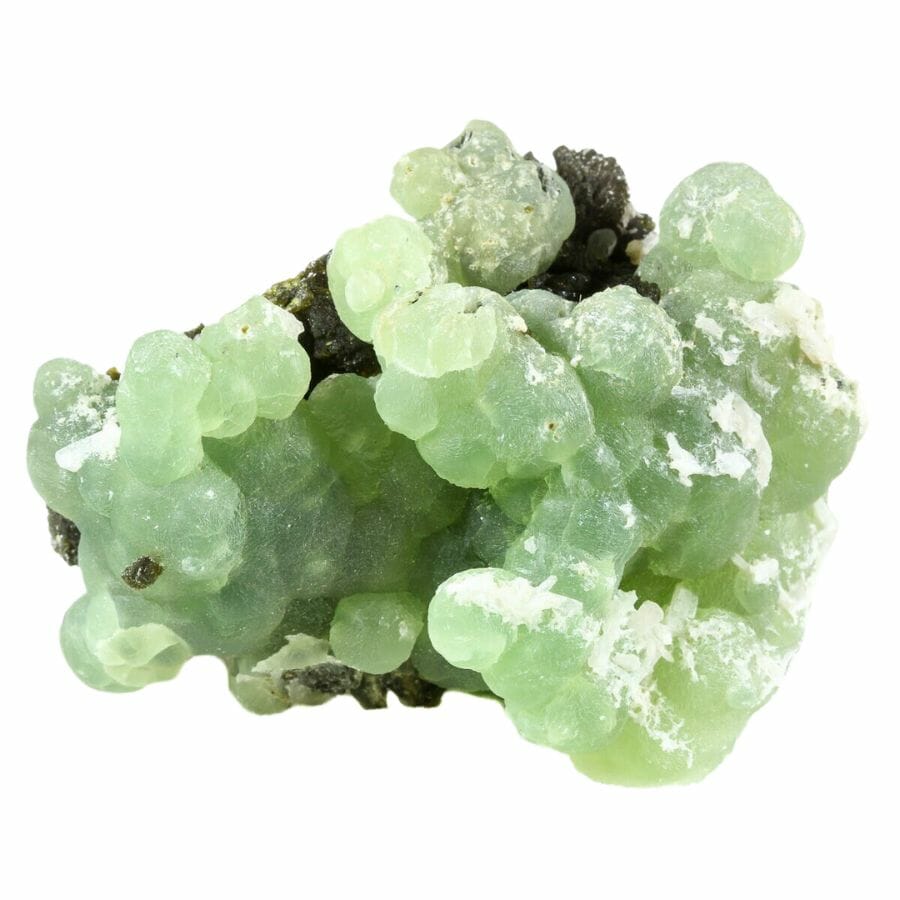
Massachusetts rock identification can lead you to discover some pretty awesome minerals, like prehnite.
Prehnite is a captivating mineral that captures the imagination of both rock lovers and the casual observer. It’s a gem that has a soft, dreamy green hue, sometimes almost transparent, other times a rich, velvety color.
At its core, prehnite is a calcium aluminum silicate mineral. It often forms in cavities in volcanic rocks, especially basalt.
But the cool part is that prehnite is known to form in a unique, bubbly, or botryoidal shape, making it look a bit like a bunch of tiny grapes made of crystal. It’s also found as stalactites in some places.
So, how does this beauty come into being? Prehnite forms in the voids and cracks of volcanic rocks, where hot mineral-rich fluids pass through. As these fluids cool down, prehnite starts to crystallize and grow.
Apart from its unique and pretty appearance, prehnite is often called the “Stone of Prophecy” in gem lore. Many believe it to be a stone of intuition, enhancing one’s ability to recognize truths and predict the future.
It’s also prized in jewelry for its soft and radiant color, creating pieces that exude calmness and elegance.
Additionally, prehnite has some practical uses. Due to its structure, it’s studied by scientists and geologists to understand the conditions under which certain rocks form.
Where you can find prehnite in Massachusetts
- Lane & Son traprock quarries (Lane’s Quarry), Westfield
- Hampden Quarry, West Springfield
- Mt. Tom Quarry, Mount Tom, Holyoke
Datolite
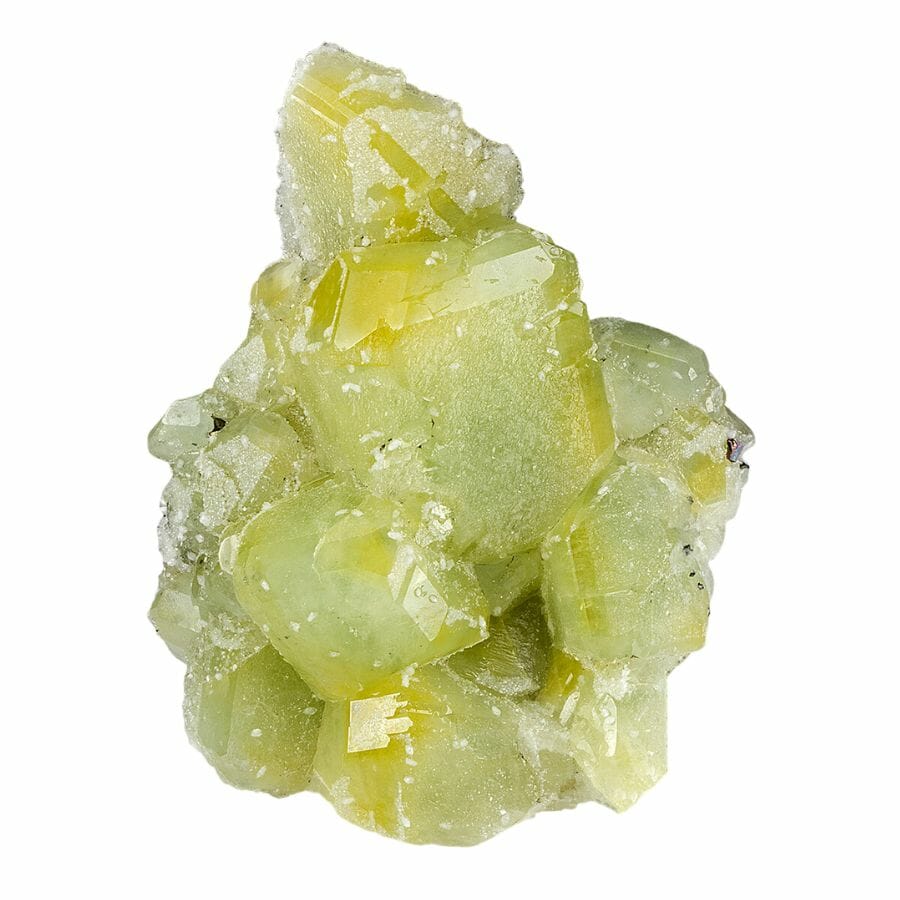
Datolite is a mineral that comes in an array of colors, from colorless to pale yellow, and sometimes even shades of green and pink. It has a sparkly, glass-like shine, which makes it a treat for the eyes.
This interesting mineral forms in cavities within basaltic volcanic rocks. Here’s the magic behind it: when hot water containing dissolved silica and boron moves through these rocks, as the water cools down, datolite begins to crystallize.
Over time, these small crystals can join to make bigger, beautiful specimens.
Datolite’s beauty is undeniable. Those who collect minerals often seek out datolite for its diverse range of colors and its lustrous sheen. Some pieces, especially those with a vibrant hue, can be cut and polished to make exquisite jewelry.
Besides its aesthetic appeal, datolite has scientific value. Geologists study it to gain insights into the environments and conditions where it forms. Its presence can provide clues about the history and changes the rock has undergone.
Where you can find datolite in Massachusetts
- Lane & Son traprock quarries (Lane’s Quarry), Westfield
- Hampden Quarry, West Springfield
- Cheapside Quarry, Deerfield
Amazonite
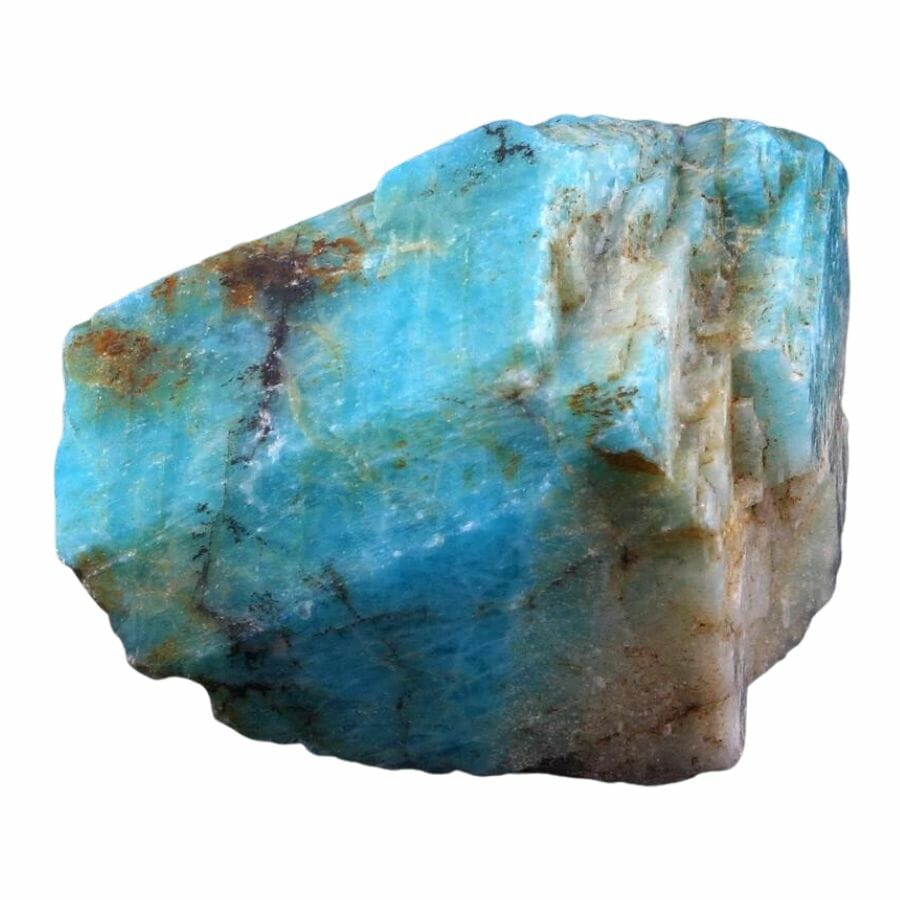
Picture a beautiful turquoise-green color, reminiscent of tropical seas, shimmering in rock form. That’s amazonite!
This vibrant mineral is a type of feldspar, one of the most common rock-forming minerals on our planet. Amazonite forms in pegmatites, which are large underground pockets of molten rock.
As this hot liquid rock cools and hardens, the right mix of elements, including potassium, aluminum, and oxygen, come together to create the lovely green crystals of amazonite.
Its stunning color is definitely a huge part of its appeal. Jewelers and crafters often choose amazonite for creating eye-catching jewelry pieces.
But its beauty isn’t the only thing that makes amazonite stand out among the different gemstones found in Massachusetts.
Historically, some cultures believed that amazonite had calming powers. People would keep a piece close by, thinking it could bring peace and balance to their lives.
And there’s more! Scientists and geologists are fascinated by amazonite. Studying this mineral gives them clues about the conditions deep inside the Earth when the rock was formed.
Where you can find amazonite in Massachusetts
- Walnut Hill Pegmatite prospect, Huntington (Norwich)
- Briscoe Hill, Beverly
- Blackburn Circle locality, Gloucester
Kyanite
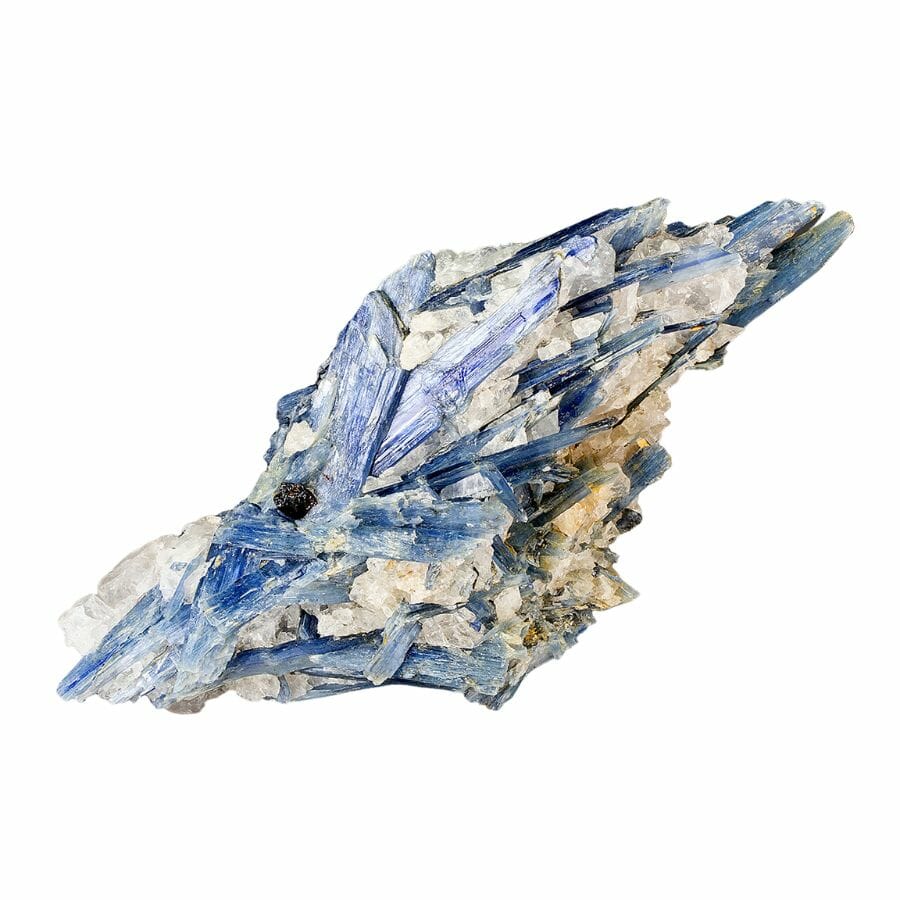
Kyanite is quite special in how it forms. This gem grows under the intense heat and pressure of metamorphic rocks. Imagine layers and layers of rock, all squished together so tightly that they begin to change and evolve.
As they transform, with the right mix of elements, kyanite crystals begin to take shape.
One of the super cool things about kyanite is its uniqueness in the world of minerals. It has a property called “anisotropy.”
In simpler terms, this means if you tried to scratch kyanite in one direction, it would be pretty tough. But if you tried in a different direction, it would be much easier.
Kyanite’s striking blue color is a showstopper for sure. It’s often used to create stunning rings, necklaces, and earrings. Artists are drawn to its varied shades of blue, which can range from pale to deep and vibrant.
This gem can also be used in industrial applications. Because it’s stable at high temperatures, it’s used in products that need to withstand a lot of heat, like ceramics and spark plugs.
Where you can find kyanite in Massachusetts
- Jungle Road area, Leominster
- PJ Keating Quarry (Lunenburg Quarry), Lunenburg
- Chesterfield Kyanite locality, Chesterfield
Galena
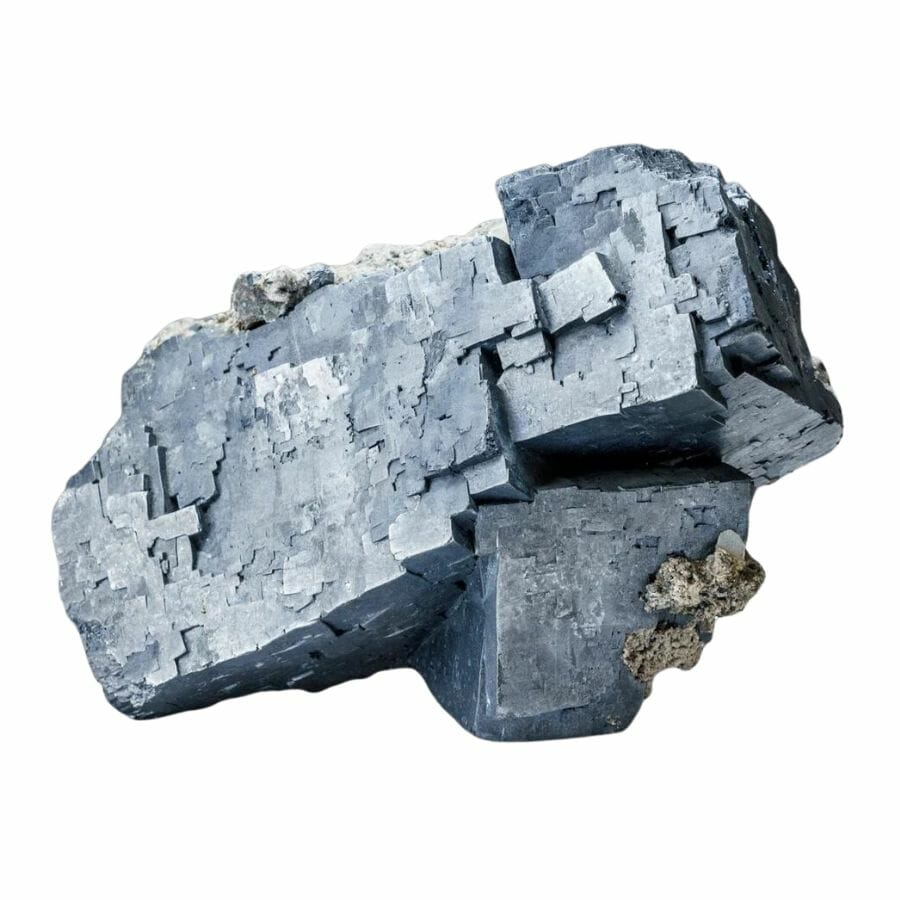
Galena is one of those minerals that might not win a beauty contest against sparkly gems, but it has its own special charm and value. It’s often recognized by its metallic gray color and cube-like shapes.
This mineral likes to hang out in places where there’s magma. When magma starts to cool down, different minerals form. Sometimes, one of those minerals is galena.
Galena is actually super important in our daily lives! It’s the main ore of lead, which we use in things like car batteries and shielding for medical X-rays. So, galena might not make beautiful jewelry, but it’s a real workhorse in our modern world.
In Massachusetts, galena is a part of the geological puzzle. It tells us about the ancient conditions deep within the Earth, and how those have shaped the land over millions of years.
Galena may not be the flashiest mineral, but it’s a solid and valuable part of Massachusetts’ rocky landscape!
Where you can find galena in Massachusetts
- Newburyport area lead mines, Essex County
- Montgomery area mines, Hampden County
- Devil’s Basin Quarry, Essex County
Chalcopyrite
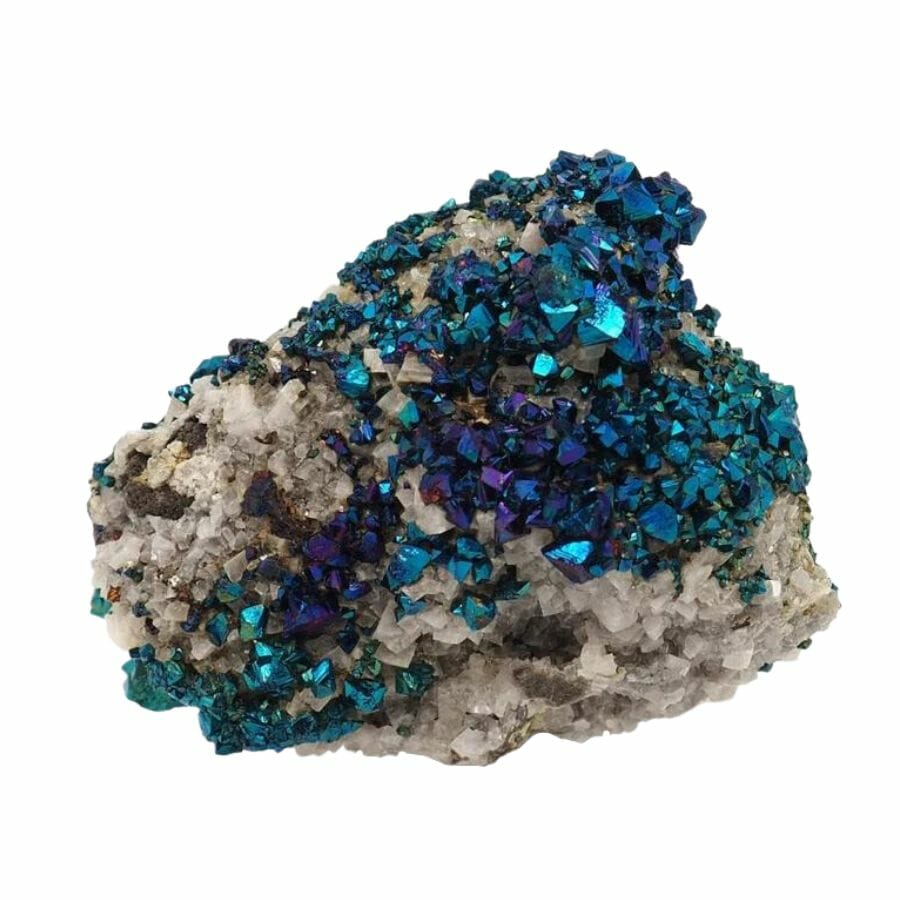
When you look at chalcopyrite, you might think you’ve struck gold. It’s one of the most fascinating types of rocks found in Massachusetts, and that’s saying a lot!
It can come in this amazing golden-yellow color with an eye-catching metallic luster. But hold on, it’s not gold – it’s a mineral made mostly of copper, iron, and sulfur!
Sometimes, it can also come in blues, purples, and pinks.
Imagine deep underground, where rocks are constantly shifting and changing. In these hidden places, hot fluids filled with all sorts of elements move through the cracks.
When these fluids cool down, the elements come together and form minerals like chalcopyrite.
Beyond its glittering exterior, it’s super handy. This mineral is a major source of copper, an element we use in loads of ways, from making coins to crafting electrical wires.
Thanks to chalcopyrite, we have access to the copper that’s become essential in our daily lives.
Where you can find chalcopyrite in Massachusetts
- Davis Mine, Rowe
- Devil’s Basin Quarry, Essex County
- West Springfield area mines, Hampshire County
Apatite
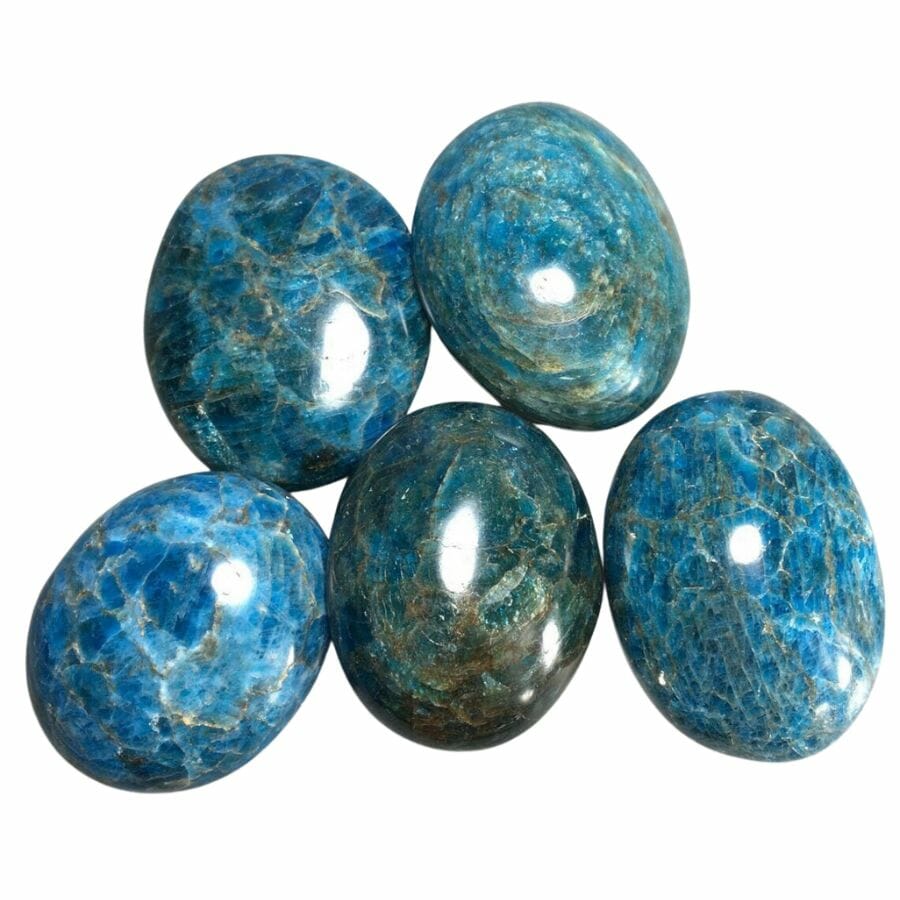
Apatite might not be as famous as diamonds or gold, but it has a charm of its own. This cool mineral comes in a rainbow of colors – from dreamy blues and vibrant greens to subtle yellows and clear crystals.
Apatite’s journey begins deep inside our planet. Earth’s underground world is a hot and bustling place, with liquids full of different elements. As these liquids start to cool, the elements inside begin to team up.
When phosphorus, calcium, and a few other elements decide to join forces, they create the wonderful mineral known as apatite.
Because apatite is a stunning gem, it’s a favorite for some jewelry pieces. But that’s not all apatite can do.
This mineral is also a key player in the world of farming because it’s the main source of phosphorus.
Phosphorus is a key ingredient in fertilizers that help plants grow strong and healthy. Without apatite, our gardens and farms might not be as green and lush!
Where you can find apatite in Massachusetts
- Barrus Farm, Goshen
- Lime Quarry Reservation, Chelmsford
Almandine
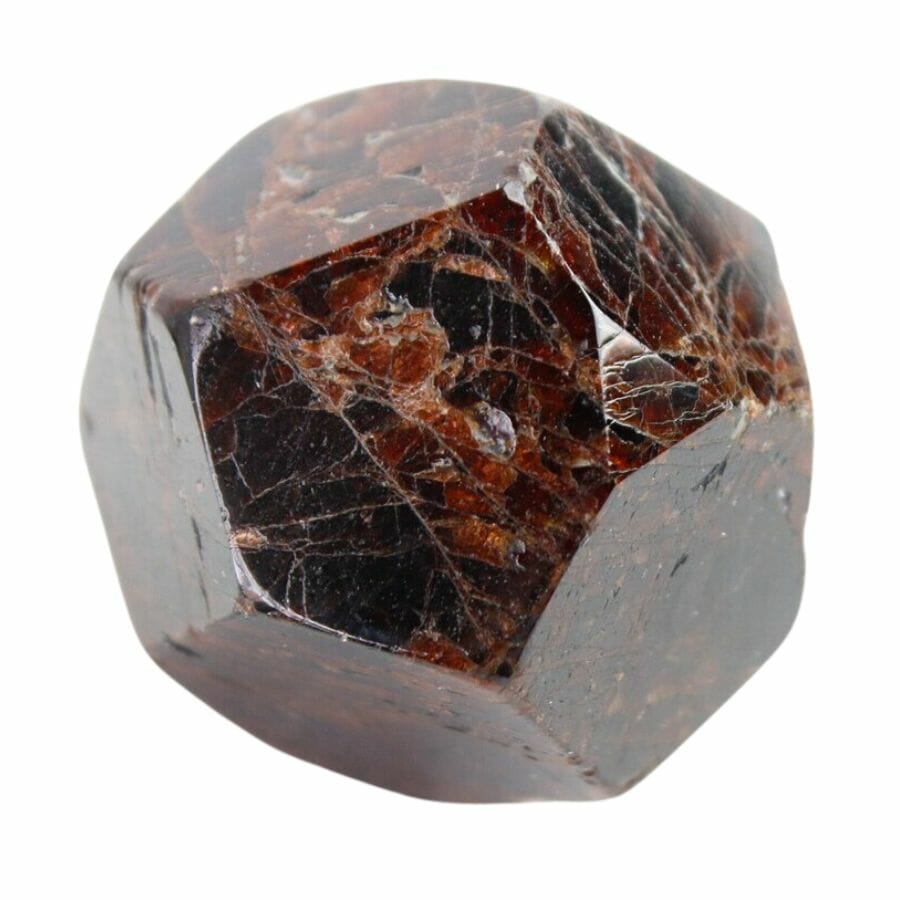
Almandine is one of the types of garnet, and it’s well-known for its deep, red hue that can sometimes have a hint of orange or violet. Imagine the glow of a sunset captured inside a stone. That’s almandine for you!
The formation of almandine all starts deep inside the Earth, where everything’s warm and pressures are super high. Here, in these depths, rocks undergo transformations.
When specific elements like iron, aluminum, and silica decide to come together under these intense conditions, they give birth to almandine.
Almandine’s gorgeous color makes it a favorite in jewelry. People have been turning almandine into sparkling gems for rings, necklaces, and other accessories for ages.
It has also been used in industrial settings. Its hardness makes it great for things like sandpaper, where it can grind and polish other materials.
Where you can find almandine in Massachusetts
- Marlborough Junction locality, Marlborough
- Rollstone Hill Quarries, Fitchburg
- Walnut Hill Pegmatite prospect, Huntington (Norwich)
Fluorapatite
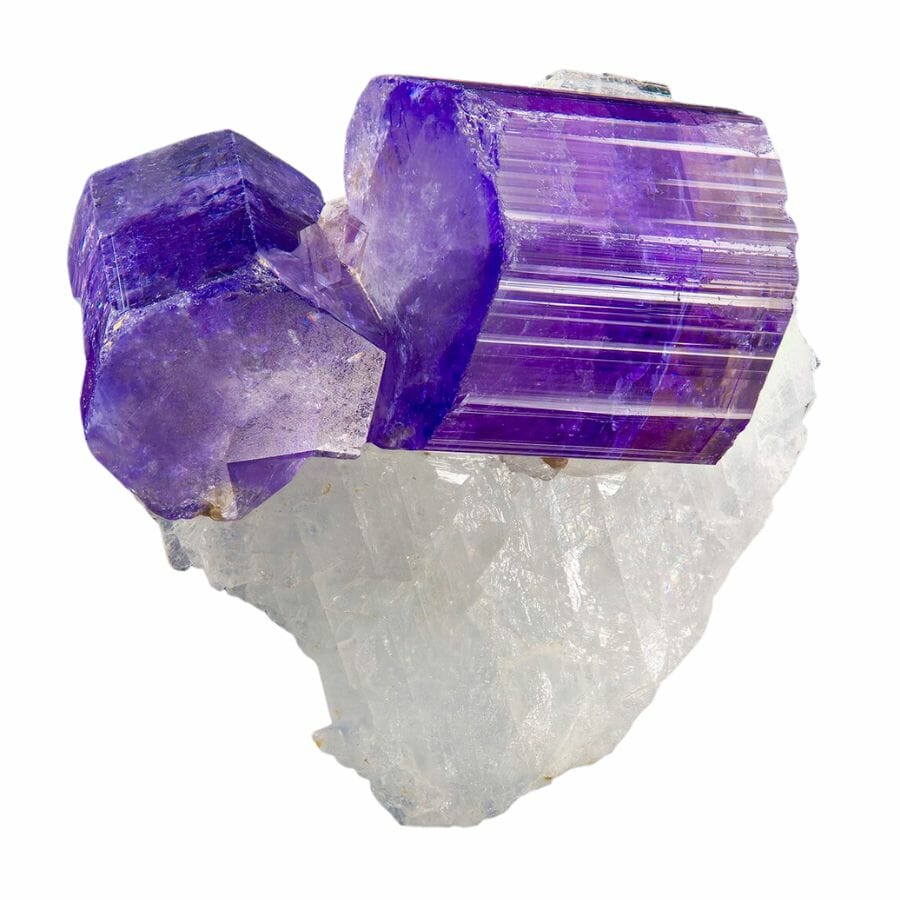
Fluorapatite is like the dazzling cousin in the apatite mineral family! This cool mineral is often a lovely blue or green color, but sometimes it can be clear or even a soft purple. Its name, fluorapatite, comes from the presence of fluorine in its structure.
The birth story of fluorapatite is a thrilling tale from deep within the Earth. Picture this: hot liquids filled with a bunch of elements swirling around, looking for pals to team up with. As they start to cool down, certain elements start pairing up.
In the case of fluorapatite, elements like calcium, phosphorus, oxygen, and fluorine come together in a special dance. And voila! Fluorapatite is born.
Its captivating colors make it one of the most sought-after crystals found in Massachusetts. When polished, it sparkles and shines, catching the eye of anyone nearby.
Fluorapatite also plays a helpful role in agriculture. It’s a source of phosphorus, which is super important for fertilizers. That means fluorapatite indirectly helps our plants grow big and strong.
Where you can find fluorapatite in Massachusetts
- Aggregate Industries Quarry, Ashland
- US Highway 3 / State route 62 interchange, Bedford
- Interstate 290/Interstate 495 interchange road cuts, Marlborough
Tools You Will Need
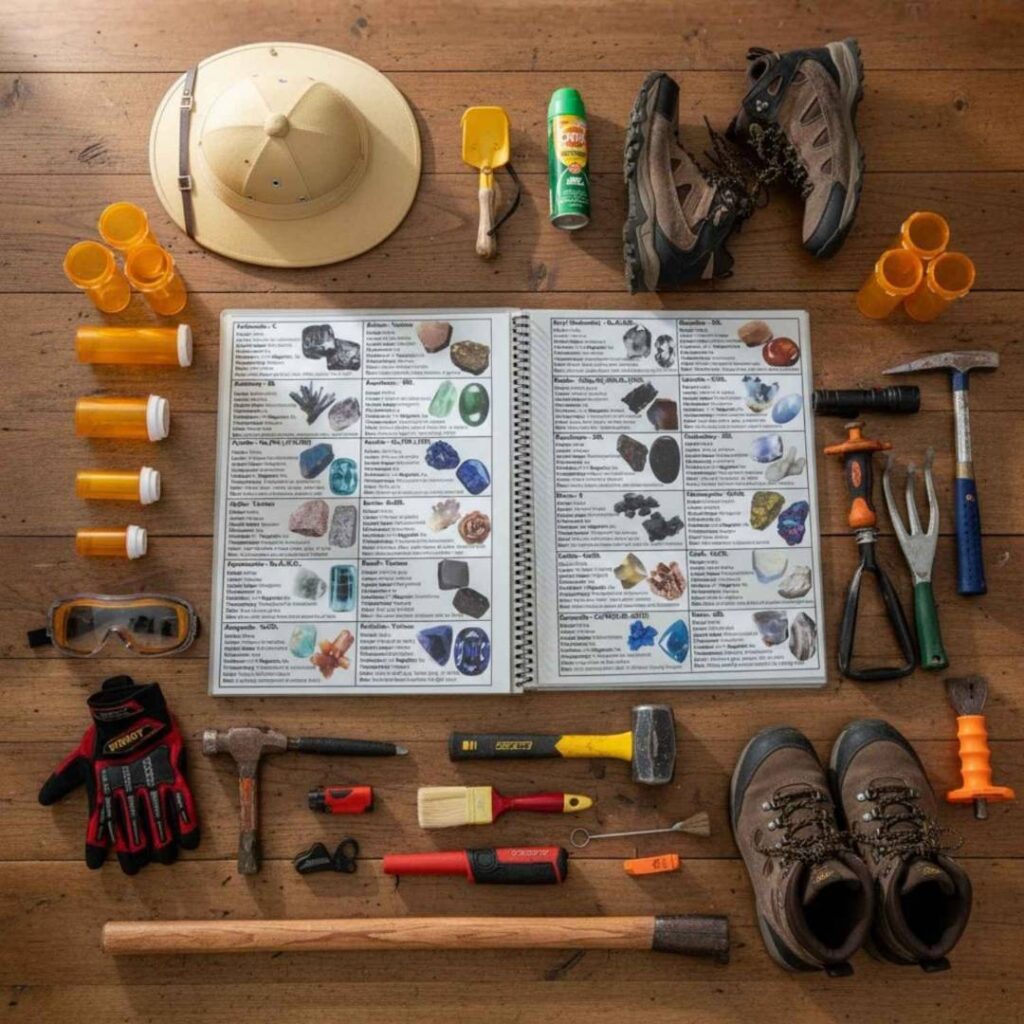
Before you head out on your crystal hunting adventure, you need to gear up! Don’t worry, you don’t need a lot of expensive equipment to get started on your treasure hunt. Having just a few key items will make your search easier, safer, and much more successful.
An Indispensable Field Guide – Essential
For rock hounds exploring New England, having a guide that is both fast and tough isn’t just a luxury, it’s a necessity. A good guide makes your life easier by saving you time and giving you confidence in the field.
It makes identification incredibly fast and straightforward. With over 300 clear color photos and simple, step-by-step instructions, you can accurately identify more than 120 different New England rocks, minerals, and gemstones in moments.
Also, it’s built to survive years of hands-on use in rugged terrain. Every page is fully laminated and waterproof, with a tough iron spiral binding that holds up to the region’s rain and snow.
You can take it anywhere without worrying about it getting damaged. For turning any trip into a successful treasure hunt, Rock Chasing’s New England Rocks & Minerals Identification Field Guide is the perfect tool.
Safety Goggles – Essential
Protecting your eyes is the most important rule of rockhounding. When you hammer a rock, small and sharp chips can fly into the air unexpectedly. A good pair of safety goggles will keep your eyes safe from any flying pieces, so you can focus on finding amazing crystals.
Rock Hammer – Essential
A rock hammer is a rock hound’s best friend and the one special tool you will really want. It has a flat end for breaking rocks apart and a pointed end for digging out crystals from tight spots. This tool helps you look inside rocks to see the treasures they might be hiding.
Work Gloves – Recommended
Searching for crystals means digging in the dirt and handling lots of rough stones. A pair of sturdy work gloves will protect your hands from scrapes, cuts, and blisters. They help you dig and sort through rocks comfortably all day long.
Magnifying Glass – Optional
Sometimes the coolest part of a rock or crystal is too small to see with just your eyes. A small magnifying glass lets you get a closer look at the tiny details and sparkly patterns in your finds. It helps you see the secret world hidden inside each stone.
The Best Locations For Crystal Mining in Massachusetts
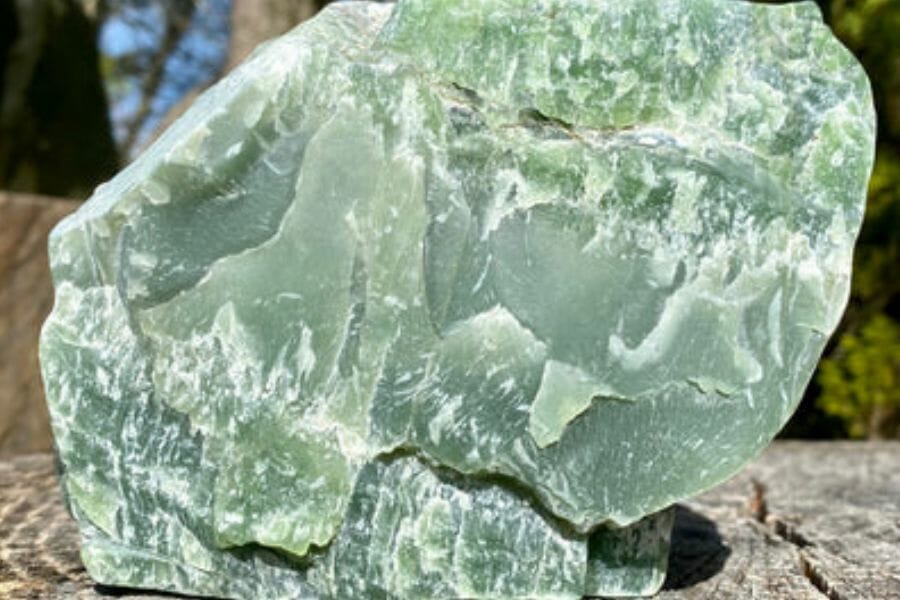
Here are our best picks for crystal hunting areas in Massachusetts. We’ve had a lot of success exploring them and discovering unique crystals, and we do not doubt you’ll have just as much success!
Always Confirm Access and Collection Rules!
Before heading out to any of the locations on our list you need to confirm access requirements and collection rules for both public and private locations directly with the location. We haven’t personally verified every location and the access requirements and collection rules often change without notice.
Many of the locations we mention will not allow collecting but are still great places for those who love to find beautiful rocks and minerals in the wild without keeping them. We also can’t guarantee you will find anything in these locations since they are constantly changing.
Always get updated information directly from the source ahead of time to ensure responsible rockhounding. If you want even more current options it’s always a good idea to contact local rock and mineral clubs and groups
Beryl Hill Mine Is Our Favorite Crystal Mine in Massachusetts
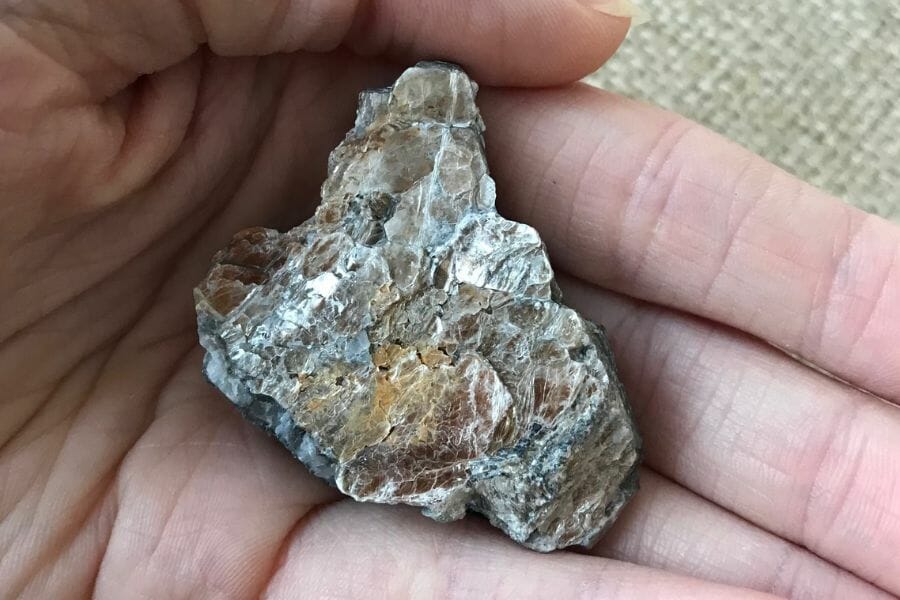
Royalston, Worcester County
If you’re looking for a prime spot to find some stunning crystals in Massachusetts, you should check out the Beryl Hill Mine. The mine was first discovered in the late 1800s and reopened in the 1950s. This location can be added to your list of places to find gems in Massachusetts.
The mine sits on a pegmatite deposit, which means it’s rich in minerals that can form into large crystals. You might find beryl (hence the name) and other gems like quartz and tourmaline. The area is also surrounded by lush forests and rolling hills, making for some beautiful scenery while searching for rocks.
It’s not as well-known as some other locations in the state, so you might have better luck finding some treasures. The area is fairly accessible, with some easy trails leading up to the mine site.
Where we found crystals at Beryl Hill Mine
We have collected various crystals, such as beryl, muscovite, and smoky quartz in the whole area of Beryl Hill Mine.

If your kids keep asking, “What rock is this?”, here’s your answer.
🪨 300+ bright, kid-friendly photos
💦 Waterproof and built for outdoor adventures
🔍 Simple explanations made for young explorers
🌲 Helps kids learn, play, and explore outdoors
This durable field guide shows them exactly what they found, fast, fun, and frustration-free.
Barrus Farm
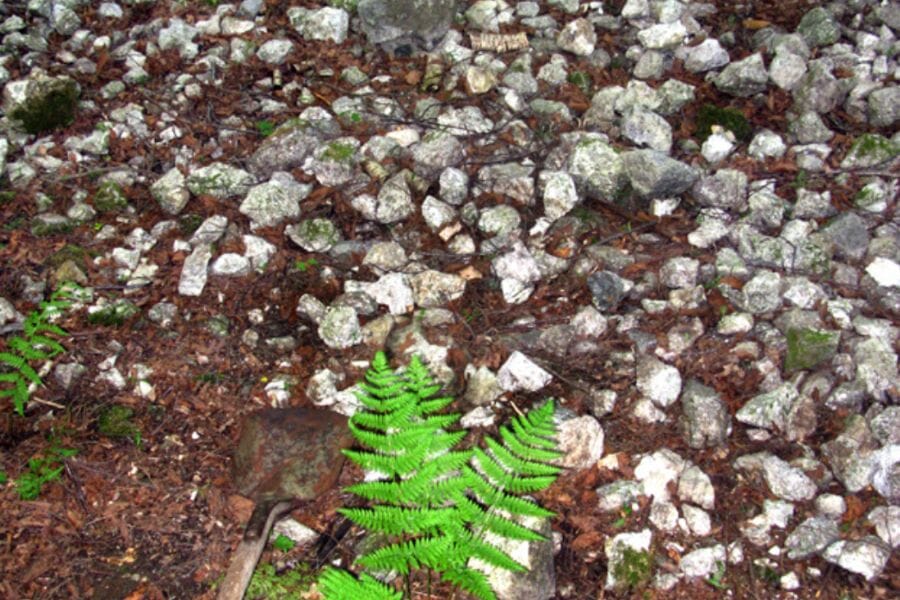
Goshen, Hampshire County
The Barrus Farm is located in Goshen, and it’s been a popular spot for crystal hunting since the 1800s. The area is known for its pegmatite deposits, which are basically big veins of minerals that can form into some incredible gemstones.
But what makes this place so special? Well, the geology is pretty unique. The pegmatite at Barrus Farm contains various crystals, and if you’re lucky, you might even come across some rare finds like tourmaline or lepidolite.
But it’s not just the geology that makes this place worth a visit. The area is surrounded by rolling hills and lush forests, making for some beautiful scenery while searching for rocks. In addition, the trails leading up to the mine site are fairly easy to navigate, so it’s a great spot for beginner and experienced crystal hunters.
Where we found crystals at Barrus Farm
There are apatite, calcite, muscovite, pyrite, and tourmaline crystals found south of the shore, in the roadcuts through the pegmatites of Brant Lake. We’ve created a thorough guide so you can determine how much do crystals cost.
Davis Mine
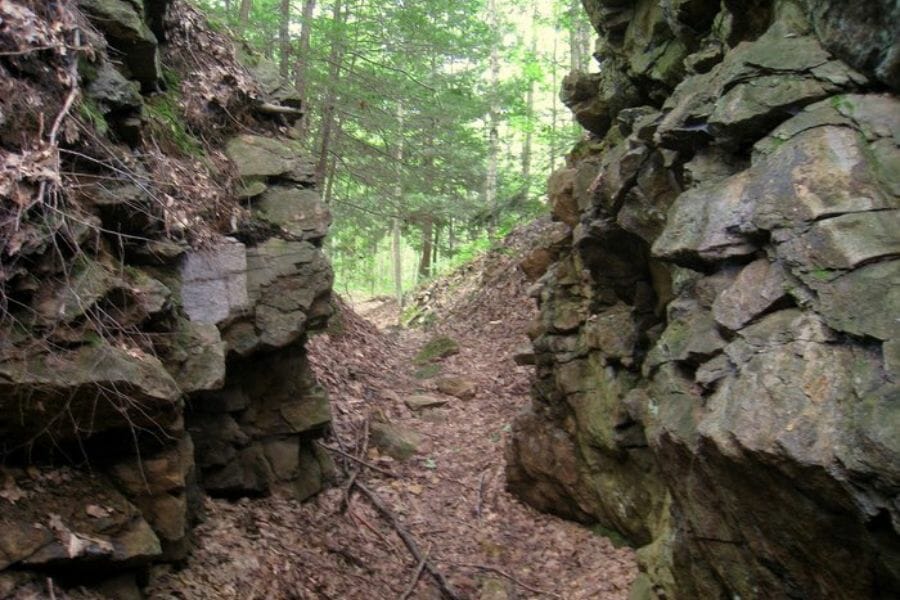
Rowe, MA 01367, United States
The Davis Mine is located in the town of Rowe, and it was first discovered in the 1800s. It’s been a popular spot for rock hounds ever since, and for a good reason. The mine is fairly accessible. A hiking trail leads up to the mine site, so you don’t need any special equipment to get there.
If you’re ready for an adventure and want to uncover some amazing crystals, the Davis Mine should definitely be on your list. You never know what kind of gems you might find hiding in those pegmatite veins!
Where we found crystals at Davis Mine
Chalcopyrite and pyrite crystals are primarily found at the Davis Mine.
Deerfield River
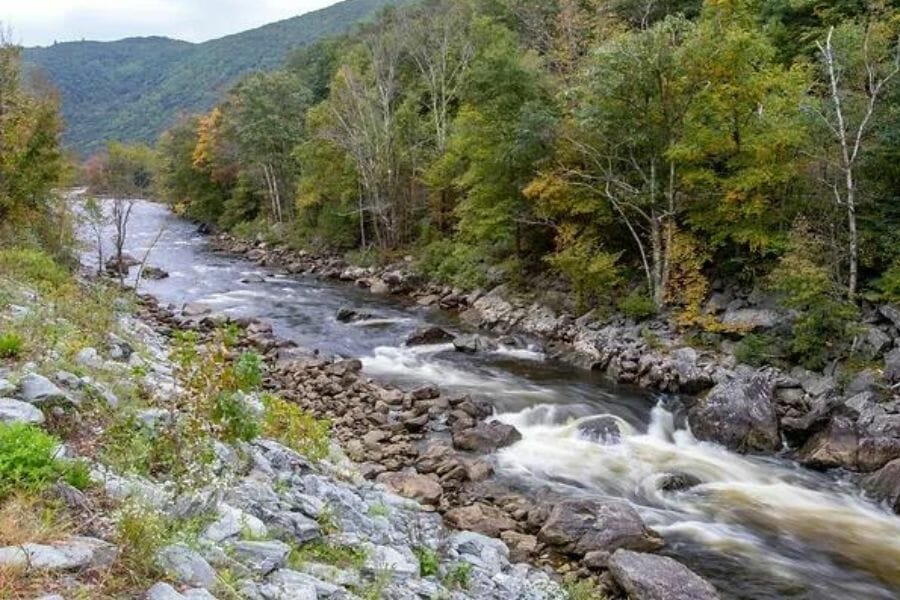
291 Campsite Rd, Newcomb, NY 12852
If you’re looking for a scenic spot to hunt for crystals in Massachusetts, the Deerfield River might be the place for you. This stunning waterway has a rich history, unique geology, and the potential for finding gorgeous gems.
The Deerfield River is located in Western Massachusetts, and it’s been a favorite spot for rock hounds for years. The river cuts through various rock formations, which can be great for finding different types of crystals.
Where we found crystals at the Deerfield River
The area gravels, quarries, basalt sills, and gravel beds of the Deerfield River are abundant in agate, chalcedony, fluorite, and jasper crystals.
Forge Hill
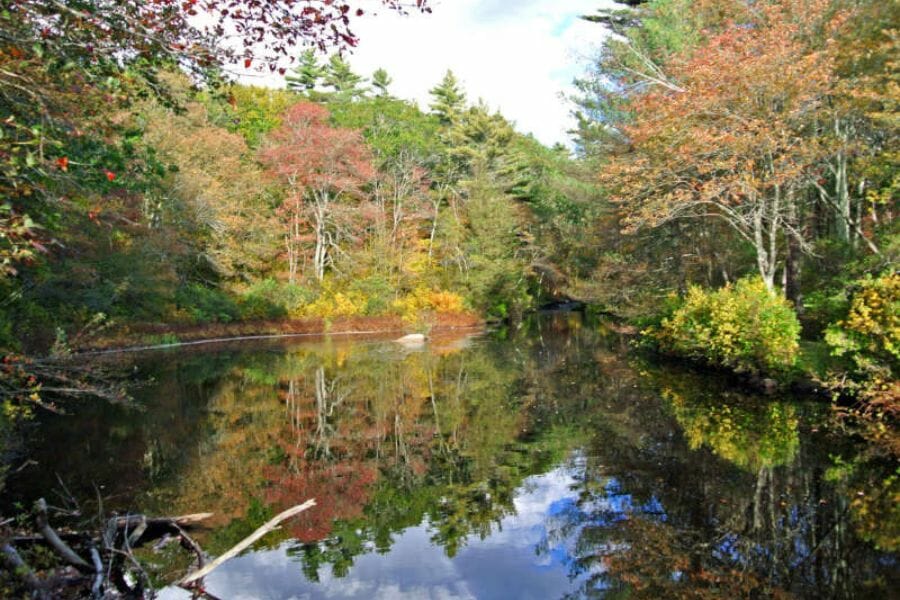
Franklin, MA 02038
Forge Hill is a prominent geological formation in Franklin. It is a popular destination for geologists and mineral enthusiasts due to the area’s abundance of crystals and mineral deposits. The hill is part of the larger Wrentham-Franklin-Oxford area, renowned for its diverse geology and mineralogical diversity.
The history of Forge Hill dates back to the early 18th century, when it was used as a site for iron mining and processing. The area was a major source of iron ore, and several forges were established in the region to produce iron products. Over time, the mining operations declined, and the hill became a popular destination for hikers and nature enthusiasts.
Forge Hill is an excellent destination to explore if you want to find crystals. Its diverse geological formations and mineral deposits offer a treasure trove of crystals and gems waiting to be discovered. You can hike along the numerous trails and explore the various outcrops and rock formations to find these precious stones.
Our guides provide step-by-step instructions and detailed descriptions to help you distinguish the most commonly confused crystals, making it a breeze to recognize each one:
Where we found crystals at Forge Hill
We had the best luck locating different types of crystals, like garnet, quartz, rhodochrosite, and rhodonite, at Forge Hill.
Our Other Favorite Places For Crystal Hunting
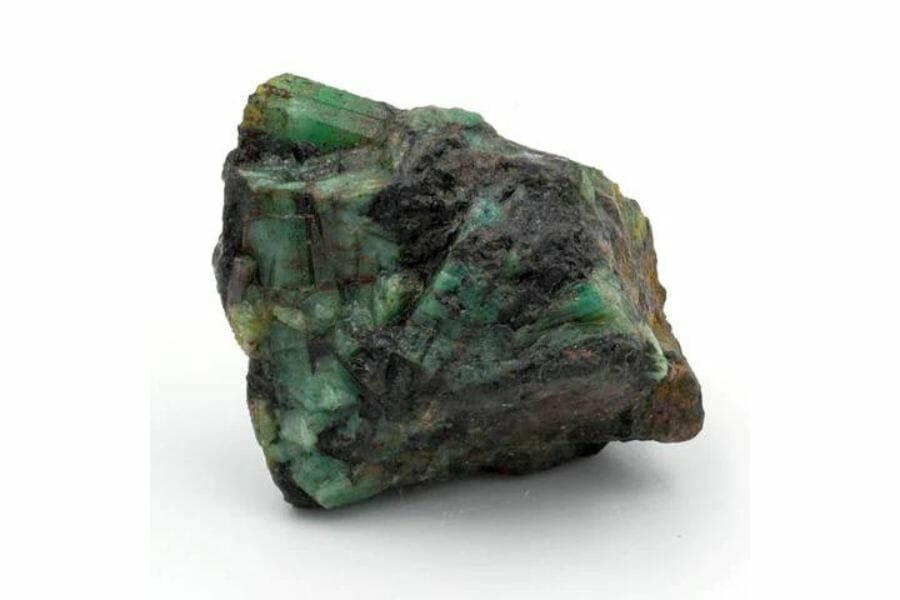
It’s not surprising that the state offers a ton of incredible locations to find crystals, as well as to dig for geodes in Massachusetts. We’ve included a list of additional choices that are interesting to consider:
Where you can find crystals for free in Massachusetts
Starting off, let’s talk about a few places where you can look for free. Certain destinations are still free to visit, despite the fact that many of the most magnificent places have entrance fees.
| County | Location |
| Barnstable | Pebbles on the beach between Sandwich and Plymouth County bounder for jasper |
| Essex | Cape Ann Granite Quarry and Pomeroy Quarry for amazonite and smoky quartz |
| Essex | Monument Mountain for smoky quartz |
| Franklin | Cheapside Quarry for amethyst |
| Franklin | Area quarries and area exposures of Northfield Mountain for beryl, fluorite, and garnet |
| Hampden | Lane Quarry and Atwater Quarry for amethyst and serpentine |
| Hampshire | Lane Trap Quarry for agate and amethyst |
| Hampshire | Old Searle Farm for rhodonite and kyanite |
| Northfolk | Shores of Massachusetts Bay for jasper |
| Worcester | Rollstone Hill pegmatite for beryl |
Don’t let the similarities of crystals fool you! Our guides are designed to help you confidently identify and differentiate between commonly confused crystals, ensuring you never mistake one for another again:
Other great places to dig for crystals
You can search for crystals at other sites if you wish to spend money. Seasonal variations will affect the cost; occasionally, it might be free. Before visiting these places, you should contact them first.
| County | Location |
| Essex | Newburyport area lead mines for chalcopyrite, galena, pyrite, and serpentine |
| Franklin | Bernardston area mines for hematite |
| Franklin | Greenfield, Leverett, and Montague area mines for chalcopyrite and hematite |
| Franklin | Warwick area mines for hematite |
| Hampden | Montgomery area mines for galena |
| Hampshire | West Springfield area mines for chalcopyrite, fluorite, and galena |
How to find crystals in Massachusetts
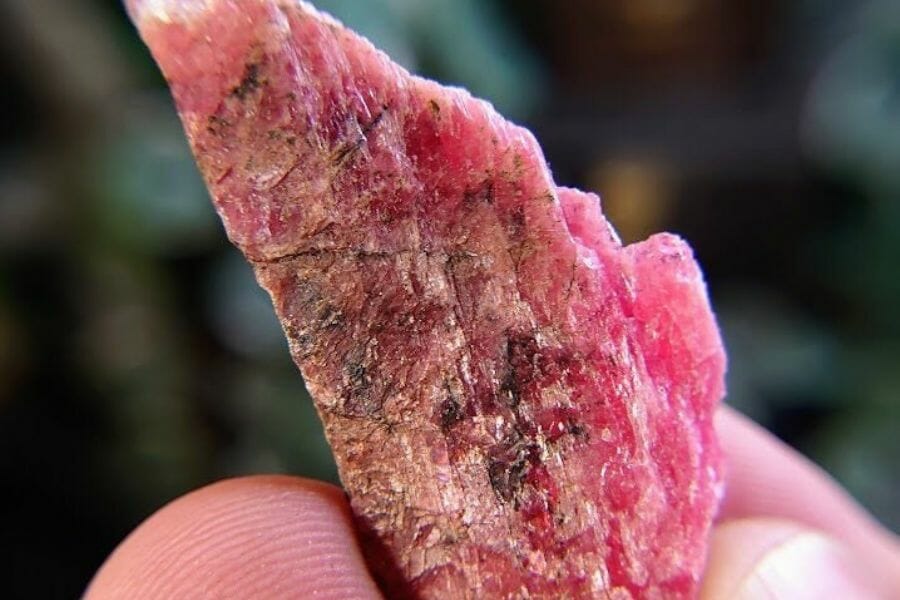
Here are some additional specific recommendations on maximizing your time in a specific location to help with your quest. Some of the best places to look for crystals include the following:
Lake Shores
Searching on lake shores is a great way to find crystals due to these areas’ unique geological and environmental conditions. Lake shores provide an ideal setting for crystal formation, as they offer a combination of water, sunlight, and minerals necessary for crystal growth. Additionally, the constant movement of water along the shore can help uncover crystals buried or hidden in the sediment.
To find crystals on lake shores, it’s best to look for areas where the water has receded or where there are exposed rocks or gravel beds. These areas are more likely to contain crystals washed up or deposited by the water. It’s also important to bring the proper tools and equipment, such as a small shovel, a mesh screen, and a container to hold any found crystals.
Mines and mine dumps
Mines and mine dumps are typically located in areas with unique geologic formations and mineral deposits, making them ideal locations to search for crystals.
When searching for crystals in mines and mine dumps, it’s important to take special considerations to ensure safety. Mines can be dangerous, with hazards such as cliffs, unstable ground, and hazardous materials. It’s important to obtain permission from the mine owner or operator and to take appropriate safety precautions, such as wearing appropriate protective gear and staying away from marked off-limits areas.
To find crystals in mines and mine dumps, it’s best to look for areas where minerals and rocks are exposed. These can include exposed veins of minerals, areas where the rock has been blasted away, or piles of mine tailings. It’s also important to bring the proper tools and equipment, such as a small shovel, a pickaxe, and a container to hold any found crystals.
Quarries
Quarries are typically large excavations to extract minerals or building materials, such as limestone or granite. These excavations can access geological formations and minerals not typically visible on the surface. It’s best to look for areas where geological formations and minerals are exposed. These can include exposed veins of minerals, areas where the rock has been blasted away, or piles of excavated material.
When searching for crystals at quarries, it’s important to take special considerations to ensure safety. Quarries can be dangerous, with hazards such as cliffs, unstable ground, and heavy machinery. It’s important to obtain permission from the quarry owner or operator and to take appropriate safety precautions, such as wearing appropriate protective gear and staying away from marked off-limits areas.
Massachusetts Crystal Mining Laws And Regulations
Crystal hunting is a popular recreational activity in Massachusetts, and the state has established regulations to ensure hunters’ safety and preserve natural resources. Crystal hunting on private property requires permission from the landowner. A permit from the Massachusetts Department of Conservation and Recreation may be required on public lands, including state parks and forests.
Hand tools, such as shovels, picks, and hammers, are allowed for recreational crystal mining. However, the use of heavy equipment or explosives is strictly prohibited. Crystal hunters must follow environmental protection regulations, such as avoiding damaging plants and animals and not polluting water sources.
Crystal hunters need to be aware of these regulations and follow them to ensure the safety of themselves and others and preserve natural resources. Before going on a crystal hunting adventure, it’s recommended to check with local authorities and landowners to determine any specific regulations or requirements.
The Best Crystal Shops In Massachusetts
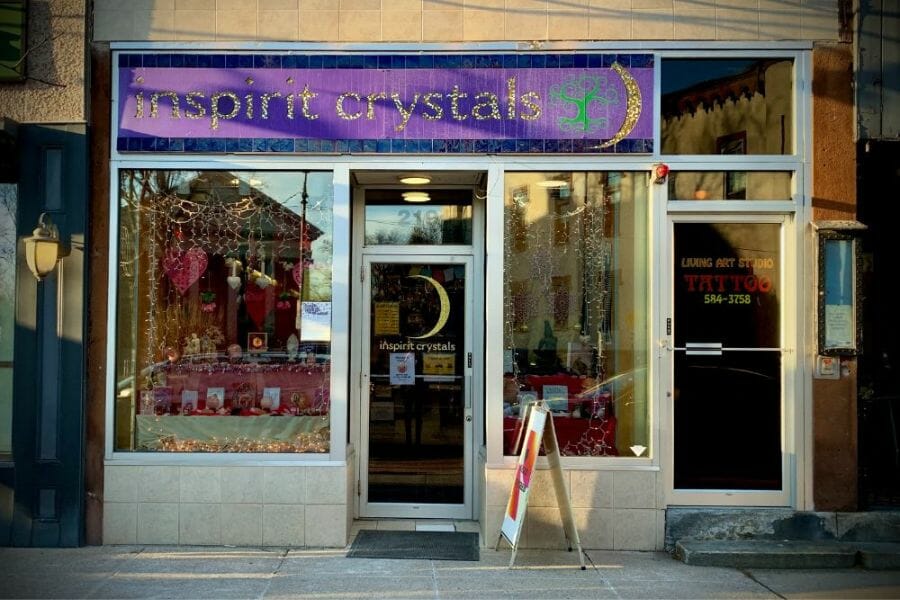
Many of us enjoy making little purchases to complete our collections because the state offers various crystals dispersed throughout such a huge area. These are the top crystal shops we’ve located if you want distinctive and beautiful specimens.
- Cape Cod Crystals – 55 Jonathan Bourne Dr Unit 1, Pocasset, MA 02559, United States
- Cast a Stone – 700 Brockton Ave, Abington, MA 02351, United States
- A Crystal Mine – 276 Turnpike Rd, Westborough, MA 01581, United States
- Easthampton Crystal and Mineral – 92 Cottage St, Easthampton, MA 01027, United States
- Inspirit Crystals – 219 Main St, Northampton, MA 01060, United States
- Midnight Odyssey Crystals – 1655 Boston Rd, Springfield, MA 01129, United States
- Portal Crystal Gallery – 489 Massachusetts Ave, Arlington, MA 02476, United States
- The Serendipity Place – 9 Vernon St, Framingham, MA 01701, United States
- White Mountain Crystals – 1 Man-Mar Dr Unit #9, Plainville, MA 02762, United States
- Zuzu’s Healing Arts – Mills 58, 58 Pulaski St Building C 3rd Floor, Peabody, MA 01960, United States
Additional places to find crystals in nearby states
If you’ve already tried all of our recommendations above or are planning a trip out of the state, you should check out our guides for neighboring states:
- Crystals in Connecticut
- Crystals in New Hampshire
- Crystals in New York
- Crystals in Rhode Island
- Crystals in Vermont
If you have any recommendations we haven’t covered please leave them in the comments below!