Finding crystals in Louisiana opens up a side of the state that most people never see. While the coastal plains and river systems dominate the landscape, there’s a mineral component here that rewards anyone who takes the time to search for it.
Louisiana’s landscape doesn’t give up its treasures easily. You’ll be working with creek beds, gravel bars, and the kind of terrain that demands patience and a good eye. But that’s part of what makes it interesting!
The state produces quartz varieties, including some beautiful amethyst specimens, along with petrified wood and agate that can surprise you with their quality.
To make your time here worthwhile, you’ll need to know the best spots in the state where you can actually find these crystals.
- The extensive local experience and understanding of our team
- Input from multiple local crystal hunters and crystal collecting groups
- The accessibility of the crystal mining locations
- Safety and potential hazards when collecting
- Private and public locations
- A desire to include locations for both experienced crystal hunters and those who are just starting out
Using these weights we think we’ve put together the best list out there for those who love finding new crystals for our collections!
The Types of Louisiana Crystals You Can Find
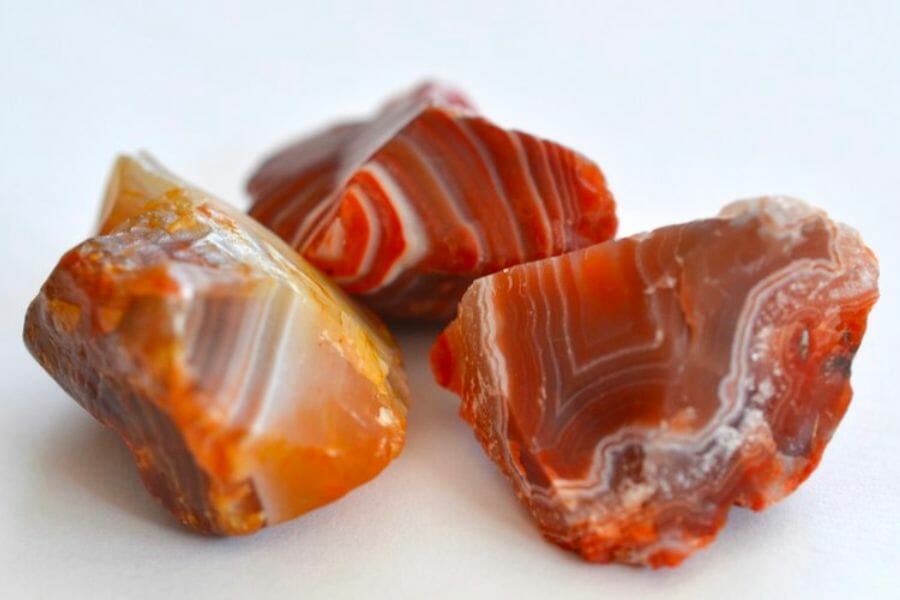
Louisiana is home to a variety of beautiful crystal formations, despite having more limited crystal resources compared to other states. There’s a wealth of opportunities to find crystals here if you seek to explore around, and here’s what you can find:
Barite
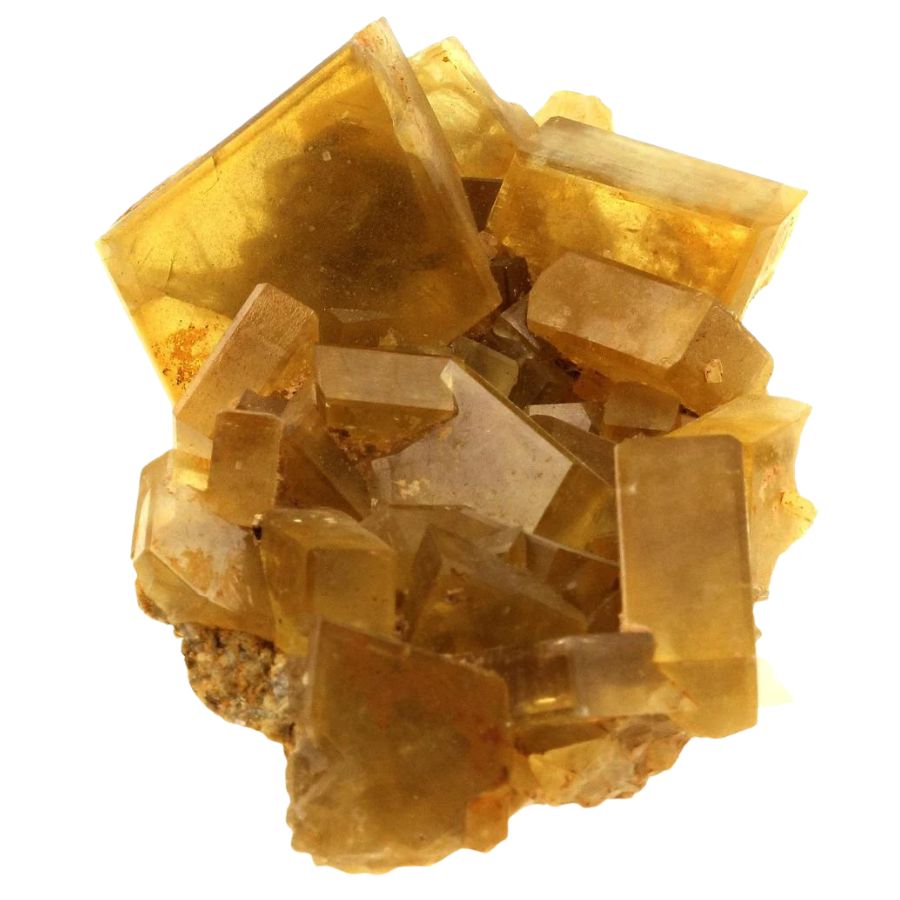
Barite is a really interesting mineral that you can find in Louisiana, and it has some cool features.
It’s made of barium sulfate, and it often forms in areas where there are hot springs or in places where water has moved through rocks and left minerals behind.
Barite can be different colors, like white, blue, gray, or even yellow, depending on what other stuff is mixed in with it. It’s pretty heavy for a mineral, and one neat thing about it is that it can glow under certain kinds of light.
In Louisiana, barite is often found around salt domes. These are places where big blobs of salt have pushed up through the ground and brought other minerals, like barite, up with them.
This happens over a really long time, and it’s part of what makes Louisiana’s geology so interesting.
Barite is valuable for a few reasons. First, because it’s so heavy, it’s used to weigh down the drilling mud, which keeps oil wells under control. It’s also used in making paint, rubber, and in medical tests.
Plus, it’s just really interesting to look at. The different colors and the way it forms make barite a favorite for rock collectors.
Finding barite in Louisiana is cool because it’s like uncovering a piece of the state’s natural history. Whether it’s being used in industry or just admired for its beauty, barite is a neat reminder of the awesome stuff the Earth can make.
Where you can find barite in Louisiana
- Avery Island, Iberia Parish
- Gibson’s Landing, Caldwell Parish
- Winnfield dome, Winn Parish
Chambersite
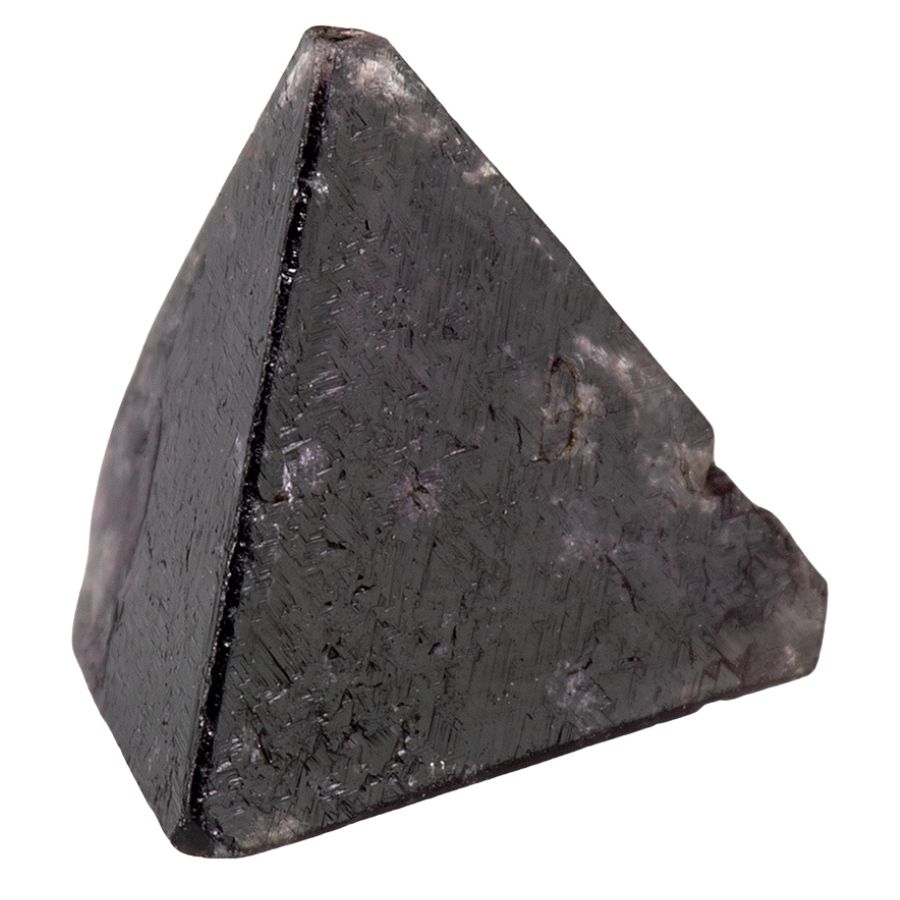
Chambersite is a really interesting and rare mineral that’s part of the crystals found in Louisiana. It’s made of manganese borate, which is a combination of manganese, boron, and oxygen.
Chambersite forms in salt domes, where saltwater, or brine, can get trapped. Over time, as the brine evaporates, it leaves behind minerals, including chambersite.
What’s cool about chambersite is its shape. It forms in small, dark purple crystals that are shaped like tetrahedrons, sort of like pyramids. That means each crystal has four triangular sides, which is pretty unique and neat to look at.
Because chambersite is rare, it’s interesting to people who collect minerals. Finding a piece of chambersite is special because there aren’t many of them out there.
Where you can find chambersite in Louisiana
- Darrow dome, Ascension Parish
- Lake Hermitage dome, Plaquemines Parish
- Venice Salt dome, Plaquemines Parish
Dolomite
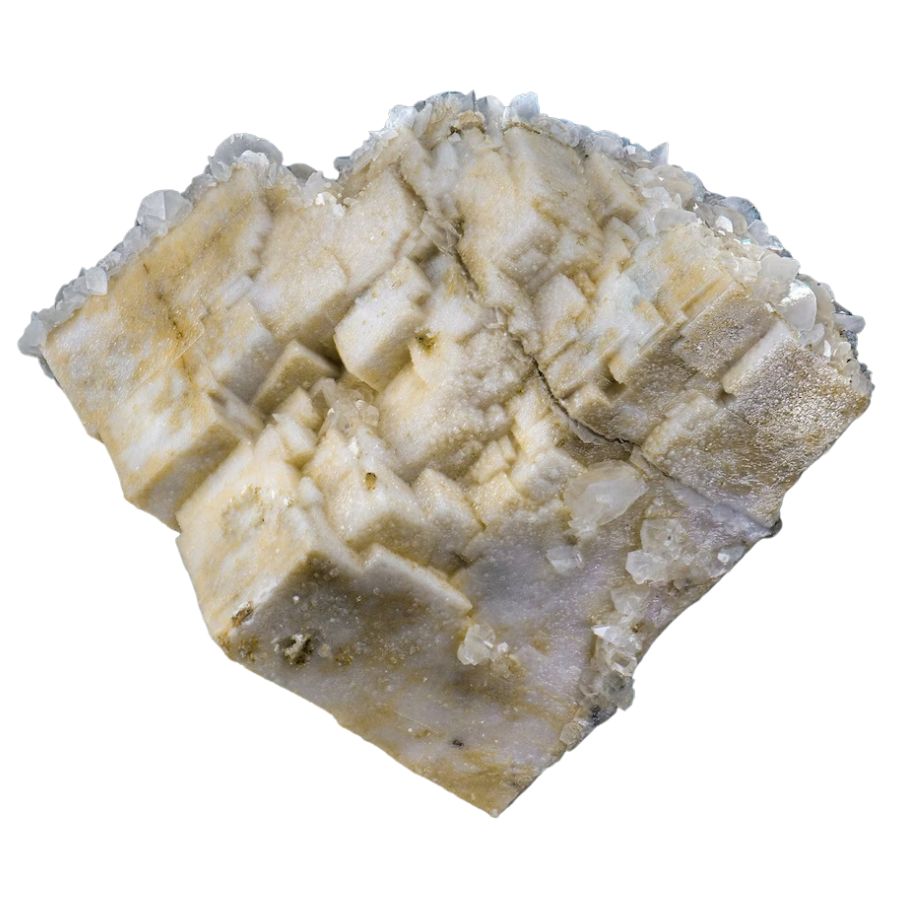
Dolomite is a really cool rock that’s part of the rocks and minerals found in Louisiana. It’s similar to limestone but has a bit of a twist. Dolomite is made of calcium magnesium carbonate, which means it’s like limestone that has magnesium in it.
This extra magnesium changes how the rock looks and acts.
Sometimes, when limestone is buried deep underground, magnesium-rich water flows through it. This water adds magnesium to the limestone, turning it into dolomite.
In other cases, dolomite can form directly from the water in lakes or seas that have a lot of magnesium in them. Over time, as layers of this mineral-rich water build up and get squished down, they turn into solid dolomite rock.
Dolomite is strong and durable, so it’s used a lot in construction. It can be cut into blocks or crushed into gravel for building roads and buildings. It’s also used to make cement and as a source of magnesium in various products.
Where you can find dolomite in Louisiana
- Winnfield dome, Winn Parish
- Avery Island, Iberia Parish
- Venice Salt dome, Plaquemines Parish
Sulfur
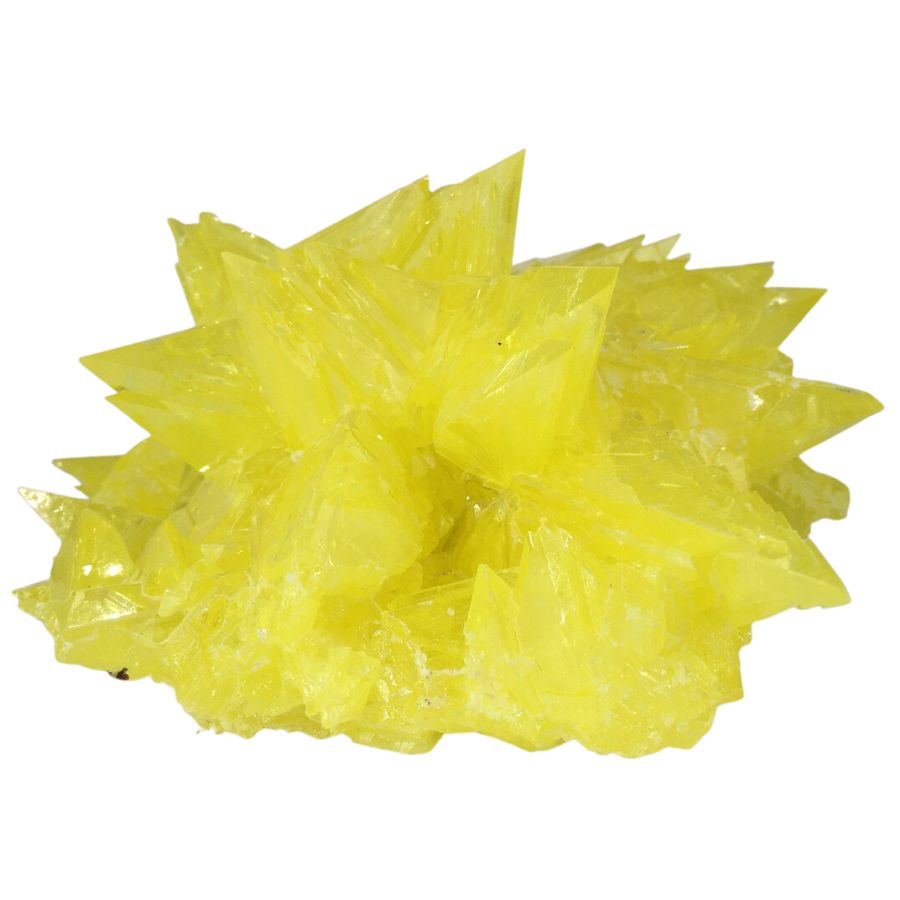
Sulfur is bright yellow and has a kind of famous smell – think of matches or rotten eggs. That smell comes from the gas that sulfur can turn into.
In places like Louisiana, sulfur is often found in salt domes. These are big underground blobs of salt that have pushed up into the earth. Bacteria living in these domes can change the stuff that’s in oil and gas into sulfur.
People have found a lot of uses for sulfur. It’s used in making fertilizer, which helps plants grow. It’s also in some medicines and in rubber tires.
Furthermore, it’s a big part of making paper. Plus, it’s used to get rid of bugs on plants and to make matches and fireworks.
Where you can find sulfur in Louisiana
- Sulphur, Calcasieu Parish
- Slidell, St. Tammany Parish
- Lake Pelto dome, Terrebonne Parish
Vivianite
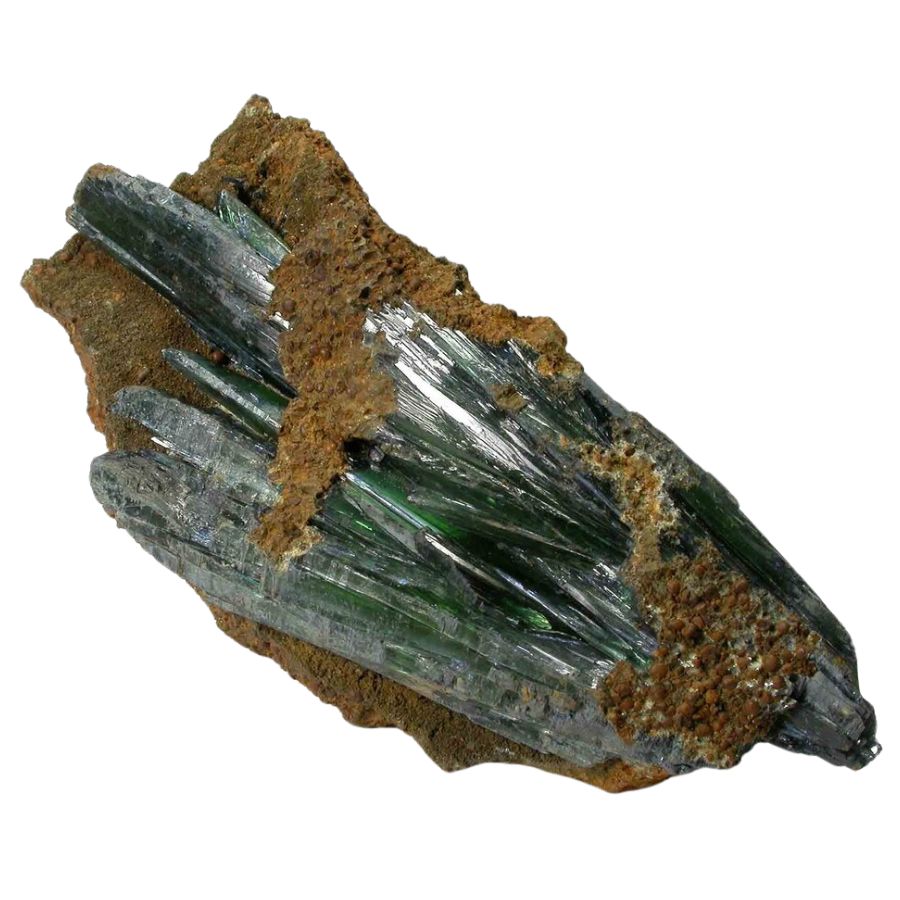
Vivianite is one of the interesting crystals found in Louisiana, and it has got some cool qualities. It’s a mineral that’s made of iron phosphate and is usually found in places where there’s a lot of organic material, like old logs or bones.
Vivianite starts out colorless, but when it’s exposed to air, it can turn a deep, rich blue or green color. This happens because the iron in the vivianite reacts with oxygen in the air.
When plants or animals decay in water, they can create an environment that’s just right for vivianite to grow. The iron and phosphate needed for vivianite can come from the surrounding water or soil.
Over time, these elements come together and form vivianite crystals.
Vivianite might not be the most well-known gem, but it’s important nonetheless. First, its color change is really neat to see. It’s not every day you find a mineral that changes color like that.
It’s also a favorite among mineral collectors because of its beauty and rarity.
Plus, scientists are interested in vivianite because it can tell them a lot about the environment where it was found, like how much oxygen was there and what kind of organic materials were present.
Where you can find vivianite in Louisiana
- Prices dome, Winn Parish
- Ferriday, Concordia Parish
Selenite
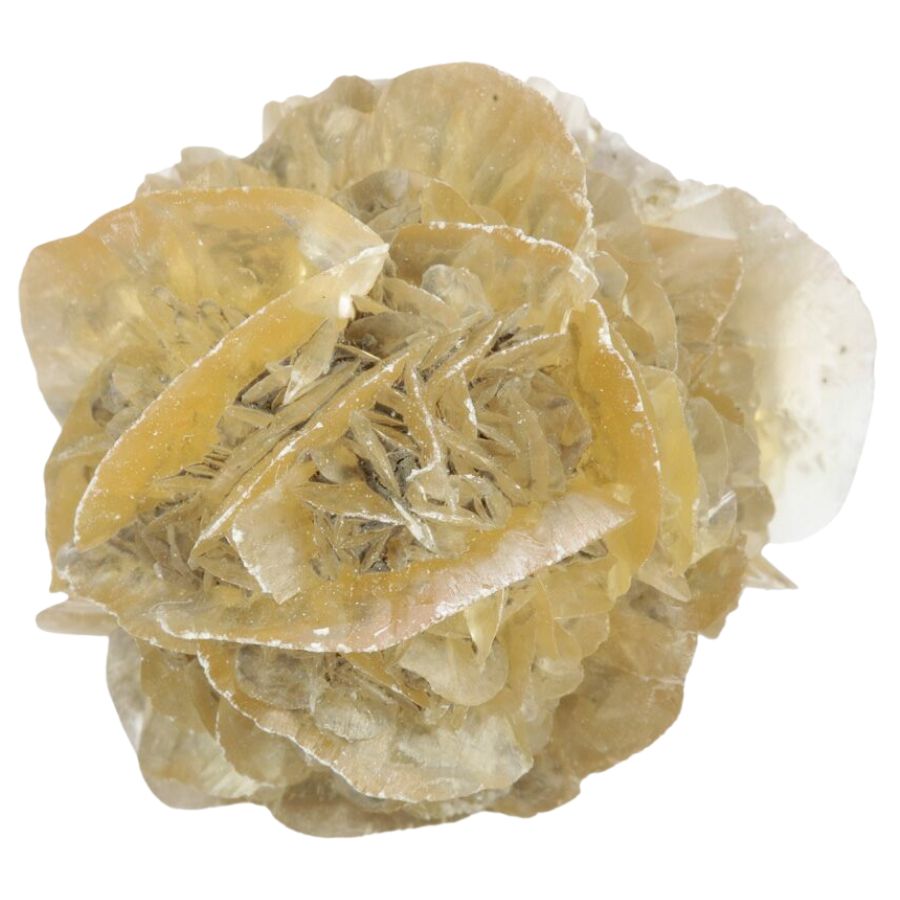
Selenite is one of the fascinating gemstones found in Louisiana, and it has some really neat features. It’s a type of gypsum, which is a mineral made of calcium sulfate.
The cool thing about selenite is how it looks. It’s clear and can be almost see-through, kind of like glass. Sometimes it forms in long, flat crystals that look like swords or wands, which is pretty cool. It can also form in large sheets.
Selenite often comes from evaporating saltwater, like in salt lakes or hot springs. When the water goes away, the gypsum gets left behind and can turn into selenite crystals.
In Louisiana, you might find selenite around salt domes, which are big underground blobs of salt that have pushed up into the rock layers above them.
Selenite can be very clear and transparent, and the way it reflects light makes it really eye-catching. It’s also pretty soft, which means it’s easy to carve into shapes for decorations or jewelry.
Where you can find selenite in Louisiana
- Lake Pelto dome, Terrebonne Parish
- Sulphur, Calcasieu Parish
- Lake Hermitage dome, Plaquemines Parish
Celestine

Celestine, also known as celestite, is a pretty cool mineral that you might find in Louisiana, especially around salt domes. It’s made of strontium sulfate, and what makes it really special is its color.
Celestine is usually a soft blue, but it can also be colorless, white, or even pink. The blue color comes from tiny amounts of impurities in the mineral.
This mineral forms in a couple of different ways. One common way is when mineral-rich water evaporates. This can happen in places like the edges of salt lakes.
Over time, as the water goes away, celestine and other minerals are left behind and turn into crystals.
Its blue color is really pretty and looks great when the mineral is cut and polished, or even when its in its natural form. It’s also used in making fireworks and flares because it contains strontium, which makes a bright red color when it burns.
Where you can find celestine in Louisiana
- Grand Ecaile dome, Plaquemines Parish
- Sulphur, Calcasieu Parish
- Rayburns dome, Bienville Parish
Halite
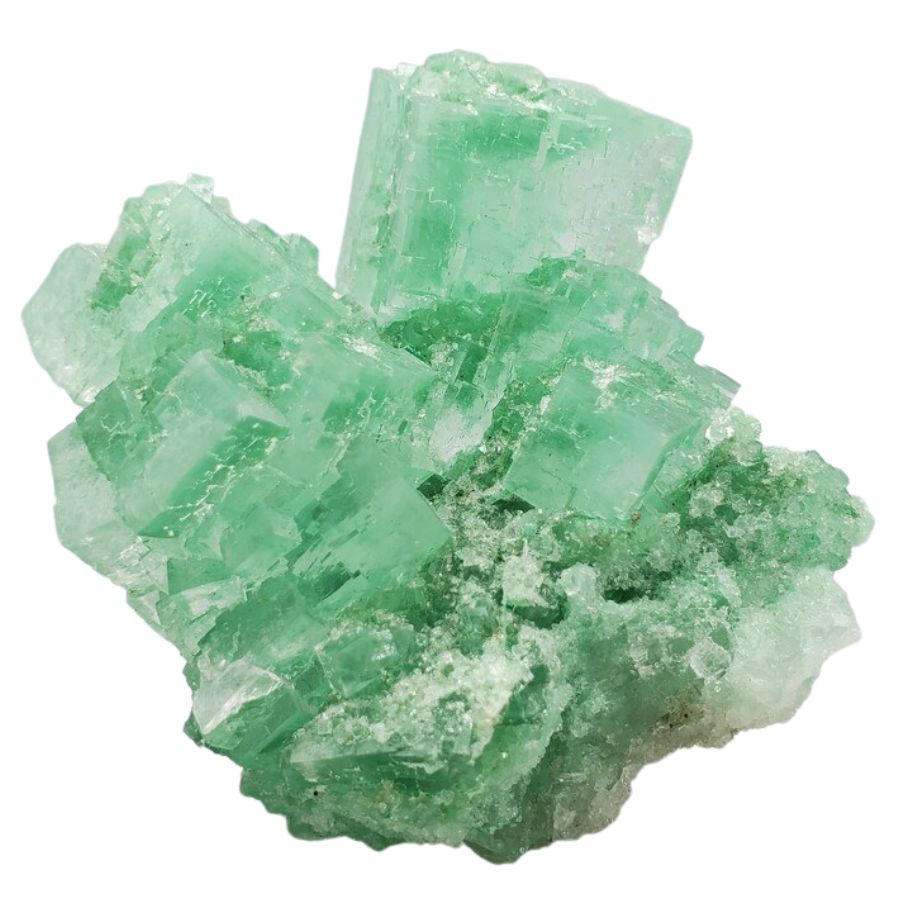
Halite is a super cool mineral that’s actually just plain old table salt! It’s found in Louisiana, especially around salt domes, which are big underground piles of salt that have pushed their way up to the surface over a long time.
It forms when salty water, like from an ocean or salty lake, evaporates and leaves the salt behind. Over time, this salt gets buried and squished, turning into the crystal we call halite.
What’s really interesting about halite is that it’s cubic, which means it forms in perfect little cubes. It can be clear, white, pink, green, or even blue, depending on what’s mixed in with it.
Halite is also important in our everyday lives. We use it to flavor and preserve food, and we also use it to keep roads safe in the winter by melting ice.
In Louisiana, halite is part of the story of the land. These salt domes can be huge and are important for the state’s oil and gas industry. Drilling into these salt domes can help geologists find oil and gas trapped in the rocks around the salt.
Where you can find halite in Louisiana
- Sulphur Mine dome, Calcasieu Parish
- Lake Hermitage dome, Plaquemines Parish
- Belle Isle dome, St. Mary Parish
Pyrite
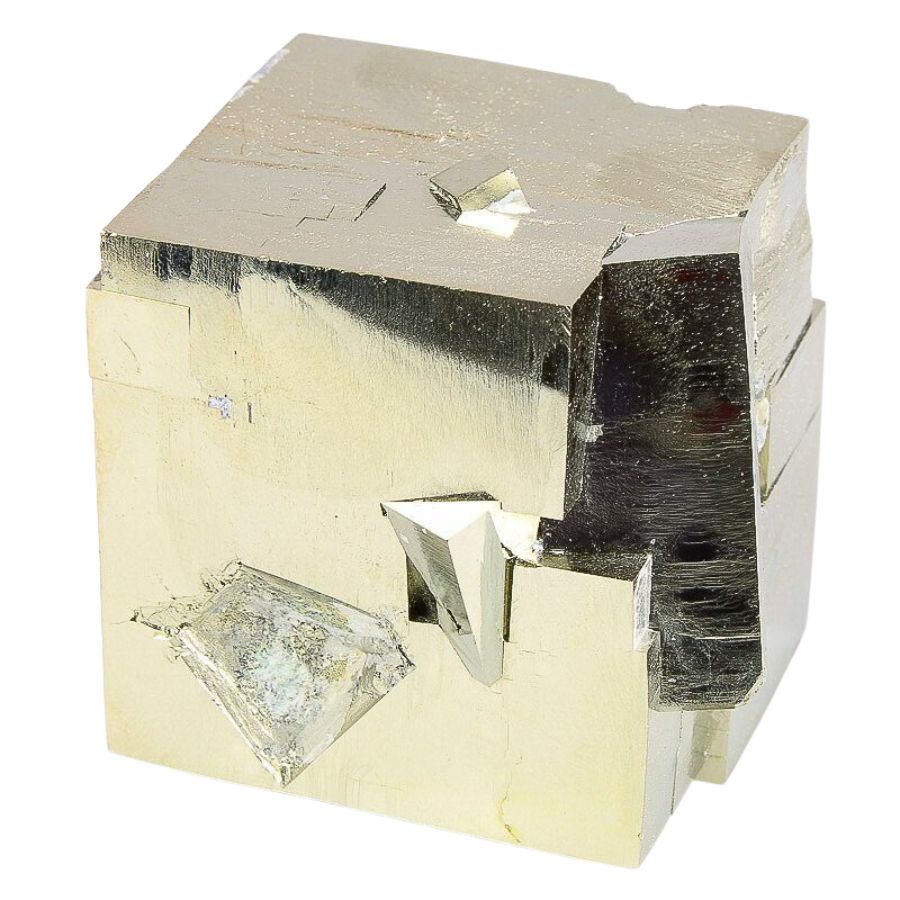
Pyrite, often called fool’s gold, is a really interesting mineral that can sometimes be found in Louisiana. It’s made of iron and sulfur and gets its nickname because it’s shiny and gold-colored, just like real gold.
It can grow in rocks that form from cooling lava, but it can also appear in rocks formed from old, dead plants and animals that got squished down over millions of years.
One of the coolest things about pyrite is how it looks. It usually forms in cubes or other neat shapes with flat, shiny surfaces. And when you find it, it’s easy to see why people might think it’s gold at first glance.
But pyrite is much harder than gold, and it’s not as heavy.
Even though pyrite isn’t gold, it’s still valuable in its own way. For one thing, it’s super popular with rock collectors because of how neat it looks.
It’s also important to scientists. Studying pyrite can help them understand more about how different kinds of rocks form. In some places, pyrite is used to make sulfuric acid, which is a really important chemical for lots of industries.
Where you can find pyrite in Louisiana
- Ferriday, Concordia Parish
- Mansfield, De Soto Parish
- Avery Island, Iberia Parish
Quartz

Quartz is a super cool and common mineral that’s made of silicon and oxygen, two of the most common elements in the Earth’s crust. Quartz forms in lots of ways, but a lot of it comes from cooling magma.
When this magma cools down and turns into solid rock, quartz crystals can grow in it.
You can also find quartz in sedimentary rocks, which are made from bits of other rocks and stuff like sand that have been squished together over time.
Quartz is really special because it comes in so many different forms. Sometimes it’s clear and sparkly, and other times it can be purple (called amethyst), pink (rose quartz), or even black.
It’s also really hard, and it can scratch glass and doesn’t get scratched easily itself.
People love quartz for lots of reasons. It’s pretty, which makes it great for jewelry and decorations. It’s also used in making watches and electronics because it can help keep time really accurately.
Where you can find quartz in Louisiana
- Baton Rouge, East Baton Rouge Parish
- Potash dome, Plaquemines Parish
- Darrow, Ascension Parish
The Best Locations For Crystal Mining in Louisiana
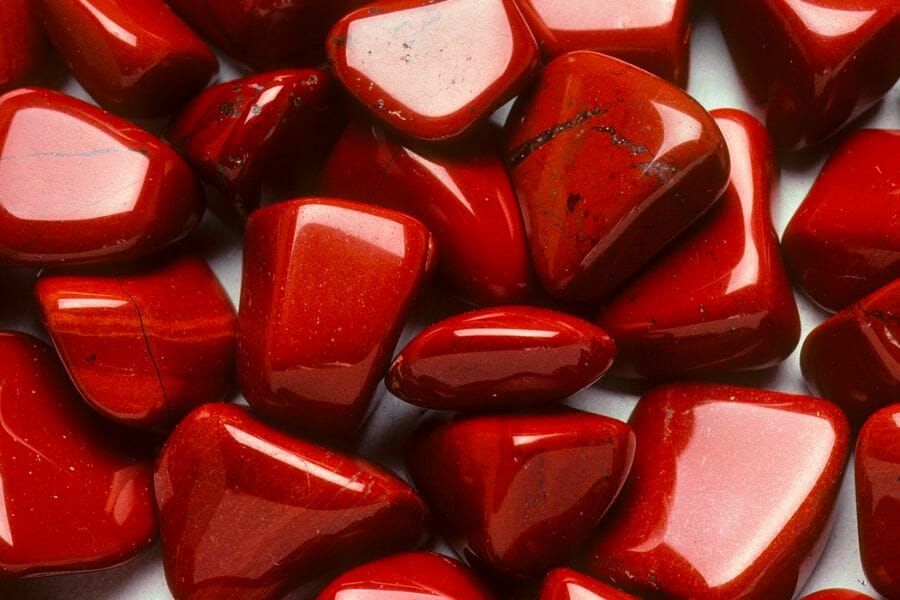
Firstly, we’ll share with you our top recommendations where we had the best time and success finding crystals here.
Always Confirm Access and Collection Rules!
Before heading out to any of the locations on our list you need to confirm access requirements and collection rules for both public and private locations directly with the location. We haven’t personally verified every location and the access requirements and collection rules often change without notice.
Many of the locations we mention will not allow collecting but are still great places for those who love to find beautiful rocks and minerals in the wild without keeping them. We also can’t guarantee you will find anything in these locations since they are constantly changing.
Always get updated information directly from the source ahead of time to ensure responsible rockhounding. If you want even more current options it’s always a good idea to contact local rock and mineral clubs and groups
Sandy Creek is Our Favorite Crystal Mine in Louisiana
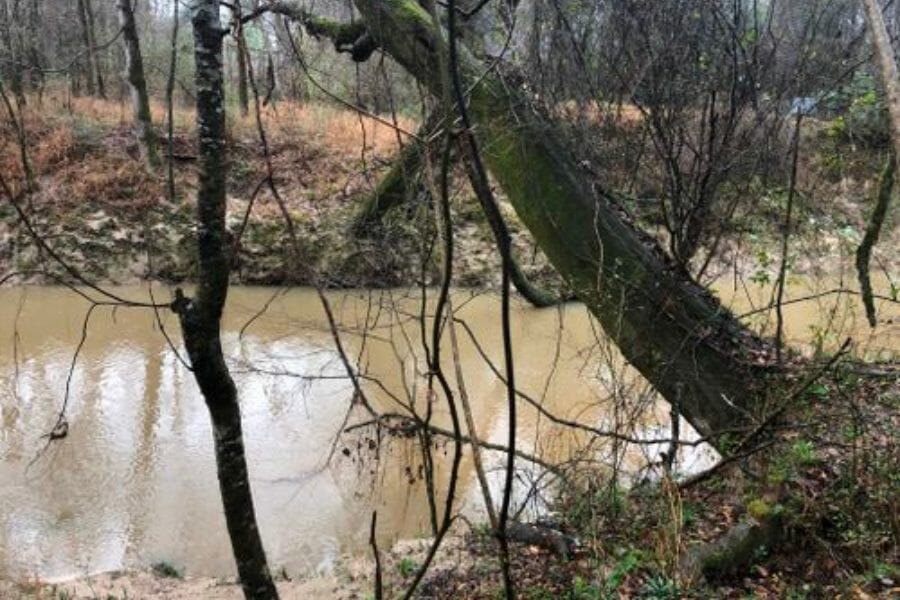
East Baton Rouge Parish, LA
Sandy Creek is a must-visit for anyone who wants to find some truly stunning crystals in our state. It’s also among the impressive places to find Louisiana gems. It’s also known for its beautiful fossilized coral formations. These formations are millions of years old and offer a unique glimpse into the history of our planet.
The geography and geology of Sandy Creek make it an ideal location for finding crystals. The area is filled with sandbars and gravel deposits, which are perfect for sifting through in search of these natural wonders. You’ll also find plenty of limestone formations, which can contain beautiful crystal formations.
Keep in mind that the types of crystals you find will here will depend on the time of year and other factors, so it’s always a good idea to do a little research before you go. Sandy Creek is accessible by car, and there is a designated parking area for crystal hunters. From there, you’ll need to hike down to the creek, which is about a half-mile trek. Once you reach it, keep your eyes peeled for beautiful crystal formations.
Where we found crystals at Sandy Creek
You can find some of the best samples of Agate, Carnelian, Chalcedony, and Jasper crystals in our state if you dig through the Indian Mound areas gravel pit on Sandy Creek.
If you want REAL results finding incredible rocks and minerals you need one of these 👇👇👇

Finding the coolest rocks in isn’t luck, it's knowing what to look for. Thousands of your fellow rock hunters are already carrying Rock Chasing field guides. Maybe it's time you joined the community.
Lightweight, mud-proof, and packed with clear photos, it’s become the go-to tool for anyone interested discovering what’s hidden under our red dirt and what they've already found.
Join them, and make your next rockhounding trip actually pay off.
What makes it different:
- 📍 Find and identify 140 incredible crystals, rocks, gemstones, minerals, and geodes across the USA
- 🚙 Field-tested across America's rivers, ranchlands, mountains, and roadcuts
- 📘 Heavy duty laminated pages resist dust, sweat, and water
- 🧠 Zero fluff — just clear visuals and straight-to-the-point info
- ⭐ Rated 4.8★ by real collectors who actually use it in the field
Bayou Grand Cane
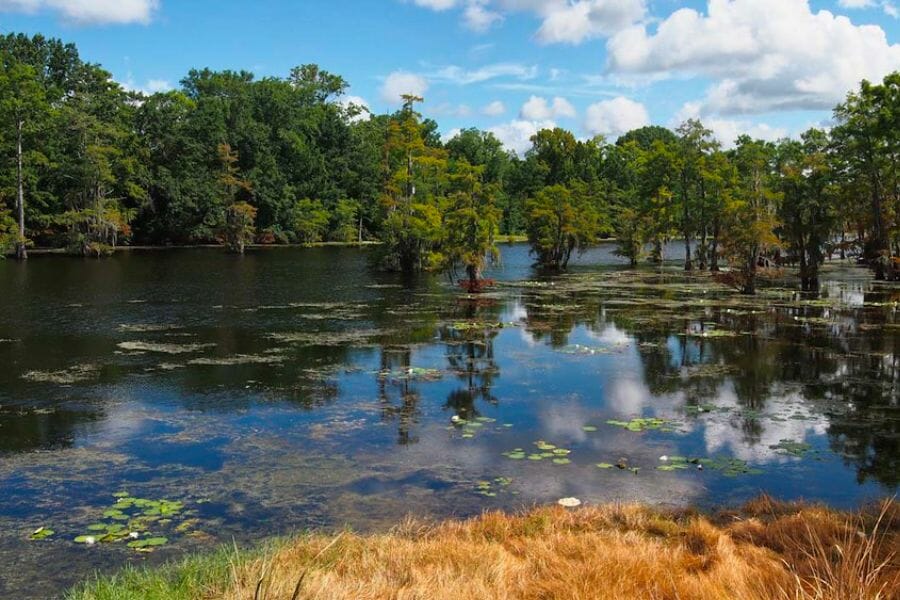
DeSoto Parish, LA
Bayou Grand Cane has a rich history dating back to the early 1800s. This place was used for transportation of goods and supplies, and its surrounding areas were home to many farms and plantations. Today, it is a popular spot for outdoor enthusiasts, including crystal hunters.
Bayou Grand Cane is an ideal location to find crystals in Louisiana because the area is rich in sedimentary rock formations, including limestone and shale. These rocks often contain beautiful crystal formations. The bayou is also home to a variety of other natural features, including sandbars and gravel deposits, which can be sifted through in search of crystals.
If you want to go here, you’re in luck because the location is accessible by car. There are several spots along the bayou where you can park and start your crystal hunting adventure.
Where we found crystals at Bayou Grand Cane
We highly recommend exploring the Southeast of Logansport area along SR-762 all the way to Clement Bayou, especially in the mouth of Bayou Grand Cane for some amazing Agate, Chalcedony, and Jasper crystals. If you have extra time and energy, you can even extend your search to the mouth of Castor Bayou.
Once you get your hands on a specimen, you can also read up our guide on crystal prices in case you’re interested in its value.
Leesville
Vernon Parish, LA
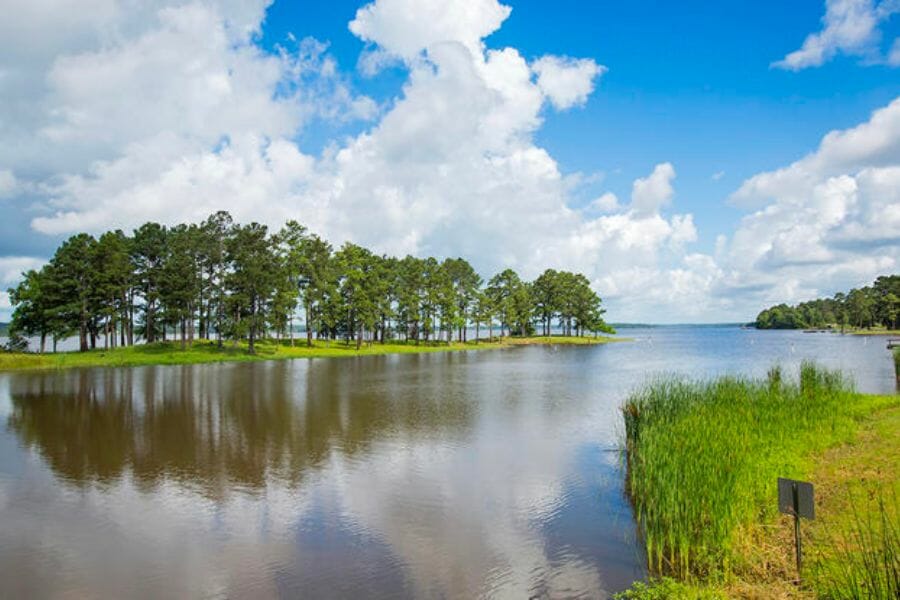
Back in the early 1800s, the town of Leesville was originally founded as the seat of Vernon Parish. Since then, it has grown to become a hub of activity in the region. To date, the town is a popular spot for outdoor enthusiasts, including crystal hunters.
Leesville is situated on the edge of the Kisatchie National Forest, which is home to a variety of natural features including hills, creeks, and rock formations. It is rich in sedimentary rocks, which often contain beautiful crystal formations that have been weathered over time.
You can easily reach this town by car if you’re planning to visit here. There are also several spots around the Kisatchie National Forest where you can park and begin your search. Overall, Leesville is an impressive location for anyone who wants to find stunning crystal formations in our state.
Where we found crystals at Leesville
You can find the best samples of Louisiana Opals, which are sandstones bounded together by Opal, when you explore the outcrops of Catahoula Sandstone in Leesville.
Turkey Creek
Evangeline Parish, LA
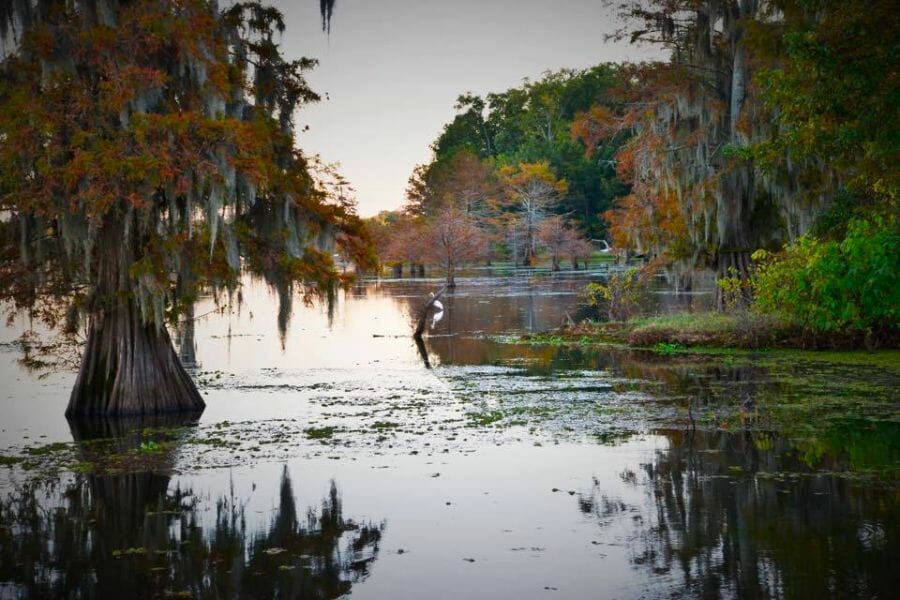
After going around our state, we can attest to the beauty and abundance of crystals in Turkey Creek, so this place belongs to our top recommendations. Turkey Creek area was originally settled by French settlers back in 1800s, and now it’s become a popular spot for crystal mining.
Turkey Creek is situated in an area known as the Louisiana Limestone Plain, which is home to a variety of natural features including hills, creeks, and rock formations. The limestone in the area often contains beautiful crystal formations.
Like our other recommended places, Turkey Creek is easily accessible by car. In fact, there are different spots here where you can park and start your crystal mining journey.
Where we found crystals at Turkey Creek
If you’re here, we highly recommend exploring the west of Turkey Creek, where you can find wonderful Banded Agate, Carnelian, Chalcedony, and Jasper crystals.
Amite River
Livingston Parish, LA
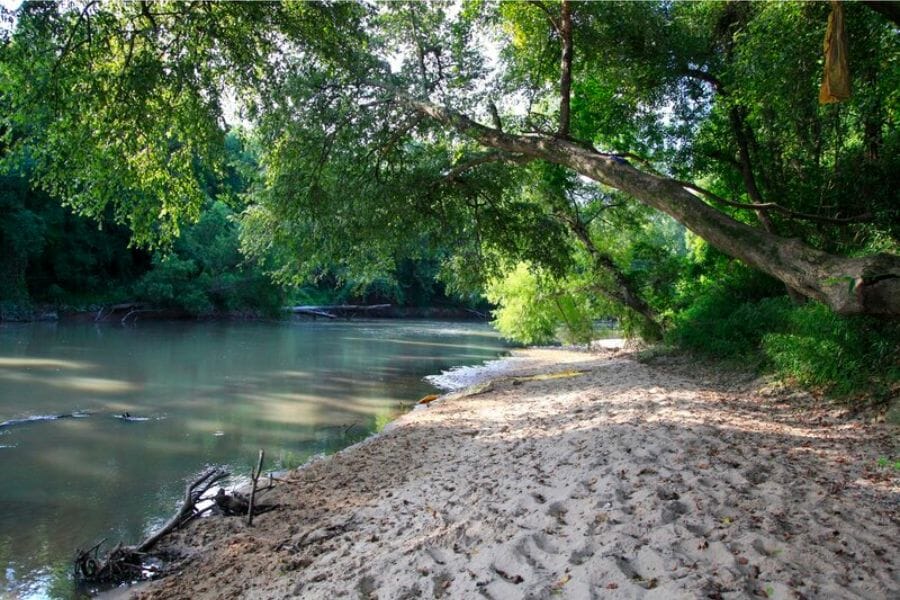
Running through southeastern Louisiana, Amite River has a rich history dating back to the early 1800s. The river is named after the Native American word “amiti,” which means “peaceful.”
Amite River runs through the Gulf Coastal Plain, an area known for its abundance of sedimentary rocks. These rocks often contain beautiful crystal formations that have been weathered over time by the flowing water of the river. The crystals you can find here vary in size and color, so you’re sure to find something unique and beautiful.
To get to the Amite River, you’ll need to head to the southeastern part of our state. The great news is, the river is easily accessible by car! When you go here, be sure to bring your hiking boots, as you’ll need to explore the riverbanks and surrounding areas to find the best crystal formations.
Where we found crystals at Amite River
You can find amazing samples of Banded Agate, Carnelian, Chalcedony, and Jasper crystals if you search upstream on the tributary of the river and 1.6 miles south-southeast to the bridge over Amite River.
Our Other Favorite Places For Crystal Hunting
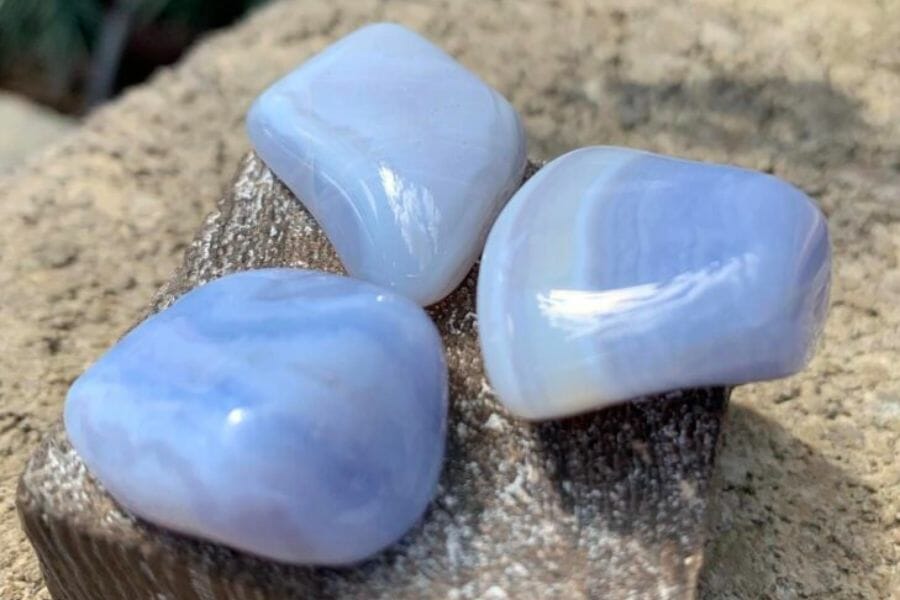
Aside from our top recommended places to find crystals in Louisiana, there are more areas here that abound with crystals. In fact, many of them are also great locations to find Louisiana geodes.
Where you can find crystals for free in Louisiana
Check out these fun areas that you can explore for crystals totally for free:
| County | Location |
| Bienville Parish | 3 miles west of Castor area |
| Catahoula Parish | 2 miles northwest at the gravel hills of Harrisonburg area |
| DeSoto Parish | In the cuts of the Kansas City railroad |
| East Feliciana Parish | Along both sides of Redwood Creek to Norwood |
| Grant Parish | In a series of gravel pits just north of Black Creek |
| Harrison Parish | In creek beds to the northwest of Gulfport |
| LaSalle Parish | Atop large hill in Searcy area |
| Livingston Parish | Regional stream gravels |
| Ouachita Parish | In the gravel pit beside Bayou Lapine |
| Rapides Parish | Pineville area gravel pits |
| Red River Parish | Crossroads area gravel pit |
| St. Tammany Parish | In the Little River at four gravel pits |
| Tangipahoa Parish | In river gravel pits of the Tangipahoa, Bogue Chitto, and pearl rivers |
| Union Parish | On the edge of a creek valley in Spencer area |
| Vernon Parish | In gravel pit near the headwaters of Big Brushy Creek |
| Washington | North of Coburns Creek |
How to find crystals in Louisiana
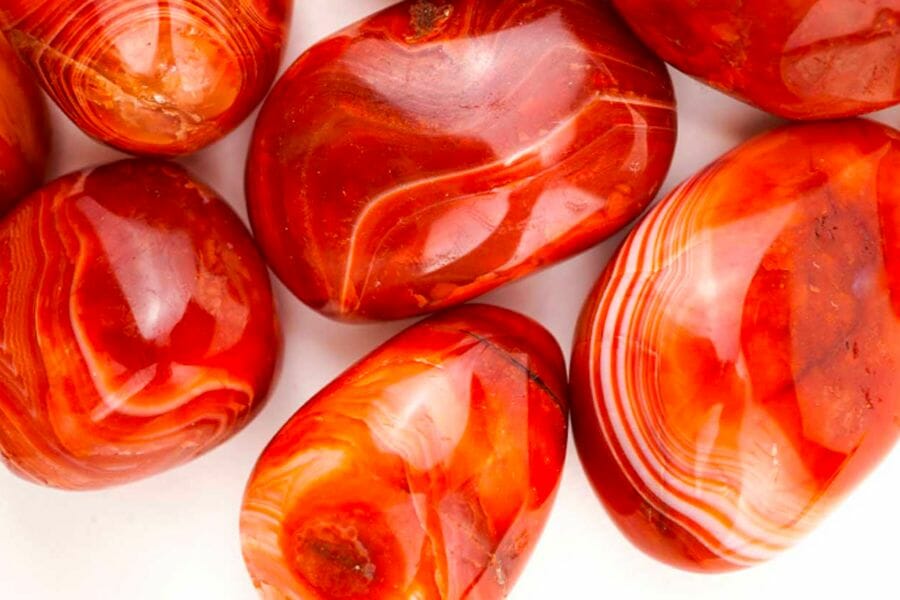
A handful of our recommended places above cover wide areas, so to help you focus your search, here are the specific spots where crystals can usually be found. You can look into these specific spots first, before exploring the rest of the areas in our recommendation list.
Streams and Creeks
Streams and creeks are often great places to search for crystals because the flowing water can naturally expose crystal formations that may not be visible on the surface. Over time, the constant flow of water can erode away the surrounding rock and soil, leaving behind stunning crystal formations that can be easily spotted and collected. What’s more, when you visit a stream or creek, you can often find a wide variety of crystals in one area. As the water flows, it can carry different types of sediment and minerals, which can result in a diverse range of crystal formations.
Rivers and River Banks
Rivers and river banks offer great opportunities to discover stunning crystal formations due to the constant erosion and natural wear on the rocks and soil in the area. Over time, this process can expose beautiful crystal formations that can be easily spotted and collected. Like in streams and creek, you can also often find large and impressive crystal formations that may not be found in other locations when you explore rivers and river banks.
Railroad Cuts
Railroad cuts are areas where the terrain has been cut away to make room for train tracks, and they can be a great place to find crystals. These spots expose layers of rock that would otherwise be hidden. When these layers are exposed, it can make it easier to spot crystals and other minerals. Additionally, railroad cuts are often located near areas where there is a lot of geological activity, which means there’s a higher likelihood of finding interesting crystals.
Louisiana Crystal Mining Laws And Regulations
It is perfectly legal to engage in crystal mining in Louisiana, provided that you comply with the local laws of our state, especially those from the Louisiana Department of Natural Resources (DNR), which regulates this activity here. Obtain any necessary permits and permissions from concerned government offices and individuals, like owners of private lands on your search list. And as with any crystal hunting expedition, it’s important to be respectful of the environment and to follow any rules or regulations in the area. Leave no trace, take only memories (and a few crystals!), and enjoy the natural beauty of Louisiana.
The Best Crystal Shops In Louisiana
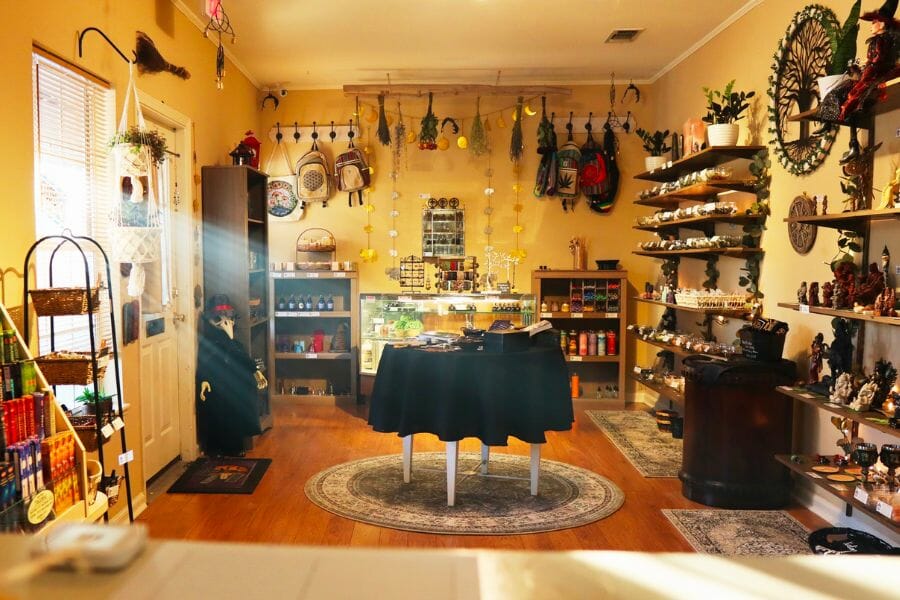
If you want to see and take home different types of crystals in one go, your best chance is to visit the local crystal shops here. While Louisiana may have relatively limited crystal reserves compared to other states, it sure has many stores that sell great selections of these natural wonders. Here are some of them:
- Coyote Moon Crystals and Gifts – 711 Jefferson Hwy Suite 9, Baton Rouge, LA 70806
- Heaven on Earth Rockshop – 108 Rena Dr, Lafayette, LA 70503
- Nola Rockz LLC – 8725 Oak St, New Orleans, LA 70118
- Mysteries Gift Shop – 5808 Jackson St, Alexandria, LA 71303
- Tears of Amethyst Crystals – Summerfield Loop N, Pearl River, LA 70452
- The Witch Depot – 2327 Veterans Memorial Blvd Suite L, Kenner, LA 70062
- Soul Roots – 10319 Old Hammond Hwy STE A1, Baton Rouge, LA 70816
- Cajun Classic Rocks & Minerals LLC – 2317 LA-308, Raceland, LA 70394
- Awakenings – 14111 Airline Hwy Suite 120, Baton Rouge, LA 70817
- The Peace of Mind Center – 3611 Youree Dr, Shreveport, LA 71105
Additional places to find crystals in nearby states
If you’ve already tried all of our recommendations above or are planning a trip out of the state, you should check out our guides for neighboring states:
If you have any recommendations we haven’t covered, please leave them in the comments below!