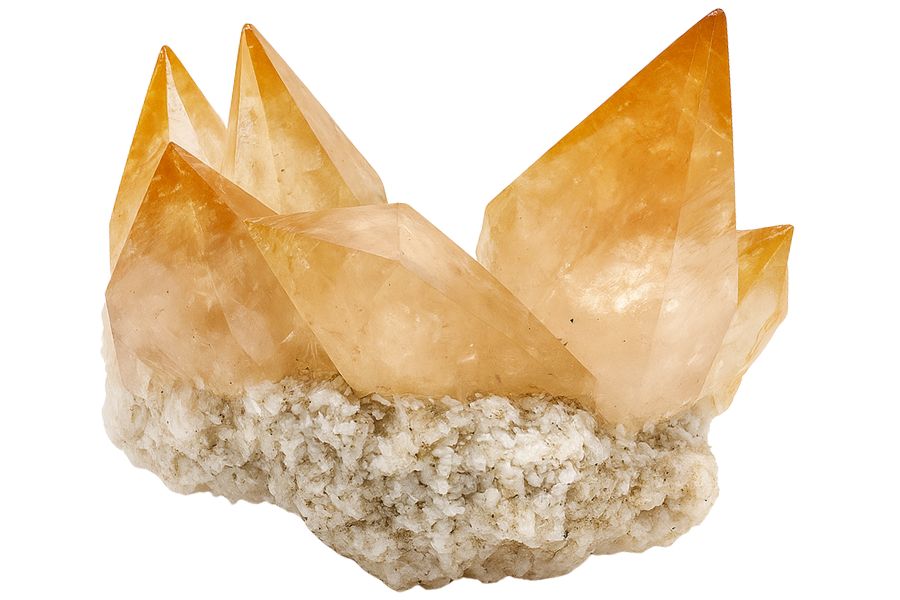
Finding crystals in Kentucky is a great goal for any rockhound looking for variety, as the state holds many types of beautiful and well-formed specimens.
While the Bluegrass State is best known for its iconic horses and bourbon, its extensive underground cave systems and ancient mineral deposits hide many striking finds for collectors to uncover.
You might come across gorgeous pieces of quartz and beautiful calcite crystals, often displaying exceptional clarity and form, especially in the central and western regions of the state. It’s possible to find amazing crystals in creeks, road cuts, and mine tailings.
You can save yourself a lot of wasted effort by first identifying the areas that are most likely to hold these spectacular finds. Knowing the best spots in the state where these crystals tend to turn up is essential for anyone hoping to uncover them.
- The extensive local experience and understanding of our team
- Input from multiple local crystal hunters and crystal collecting groups
- The accessibility of the crystal mining locations
- Safety and potential hazards when collecting
- Private and public locations
- A desire to include locations for both experienced crystal hunters and those who are just starting out
Using these weights we think we’ve put together the best list out there for those who love finding new crystals for our collections!
The Types of Crystals We Found
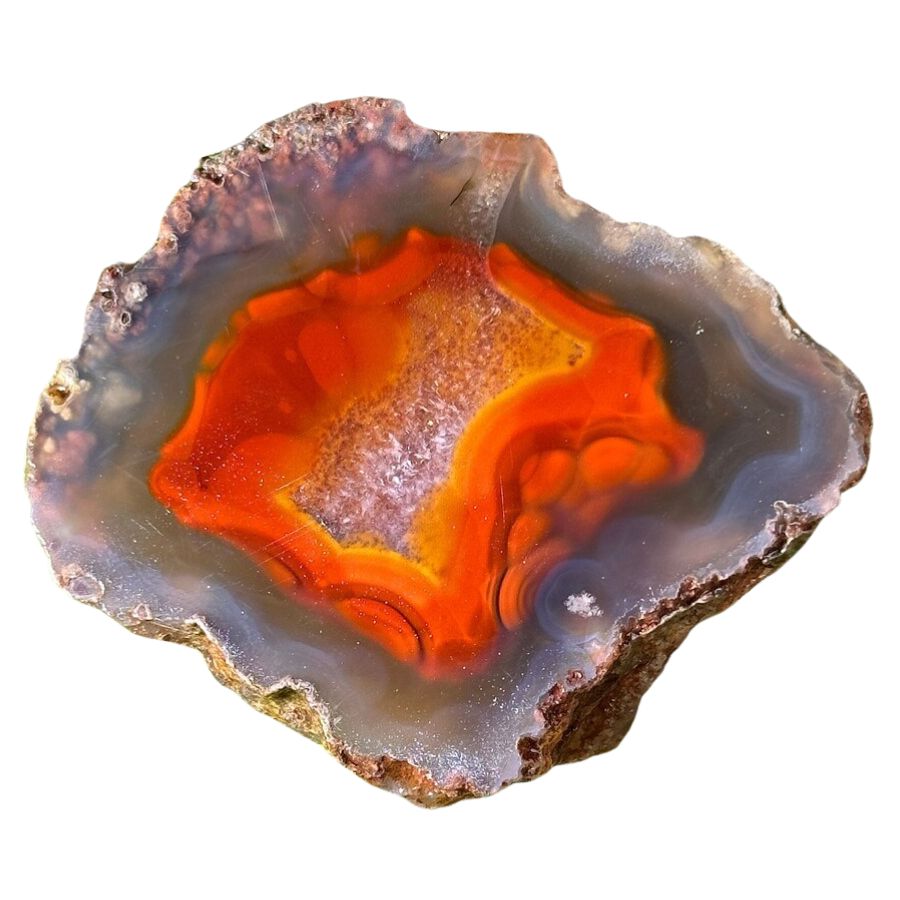
If you want to hunt for crystals in Kentucky, here are the crystals you can expect to find:
Celestite
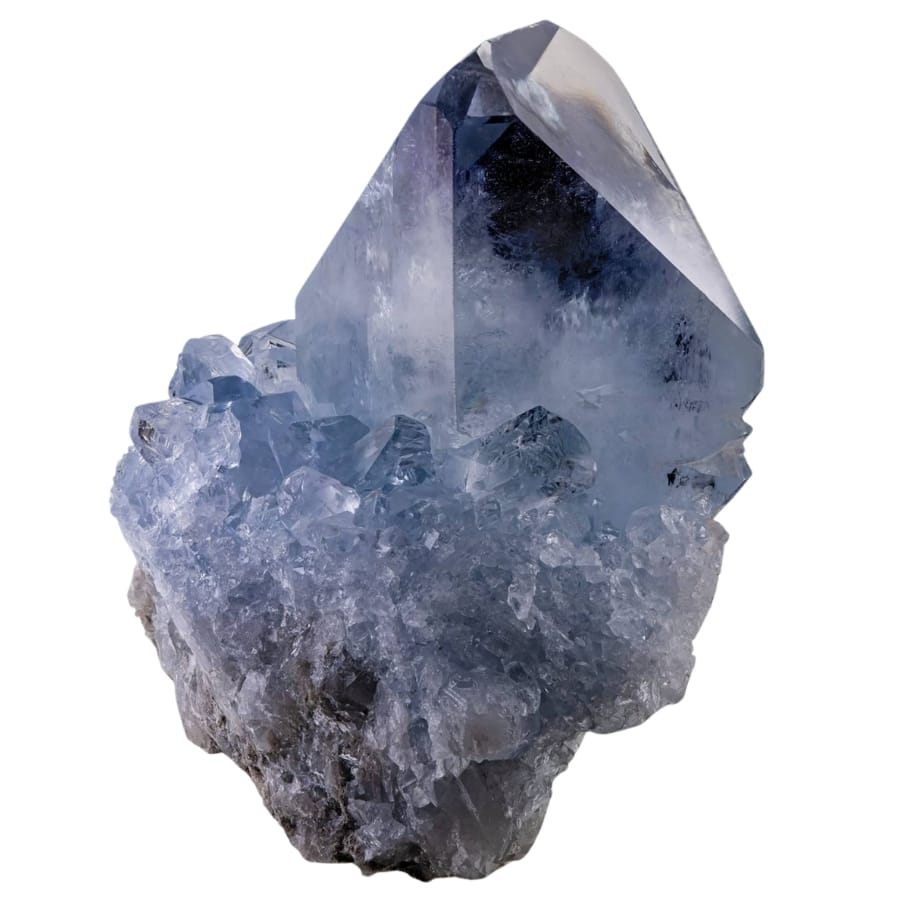
Celestite is a lovely crystal that gets its name from the pretty blue color it has, which can be light to sky blue. It can also be clear, white, or even pale pink sometimes.
It’s made up of crystals that can be very big and look like glass. Under ultraviolet light, celestite glows with a soft light that makes it look even more magical.
The word “celestite” comes from the Latin word “caelestis,” which means “heavenly.” The name comes from the color, which is very blue and makes people think of the sky.
It’s found in sedimentary rocks, most often in places with lots of fossils. If sea water evaporates, it can also form. Because of this, it’s often found in salt mines and near hot springs.
The beautiful blue color of celestite is what draws people to it. It’s often put in jewelry and used as a home art item. Cerise is used to make fireworks, as well as being pretty.
Strontium, which is found in the element, helps fireworks shows make bright red colors. Celestite isn’t as common as some other crystals, but people love it because of its unique color and many uses.
Where you can find Celestite in Kentucky
In Kentucky, you can find celestite at these places:
- Halls Gap
- Kings Mountain
Fluorite
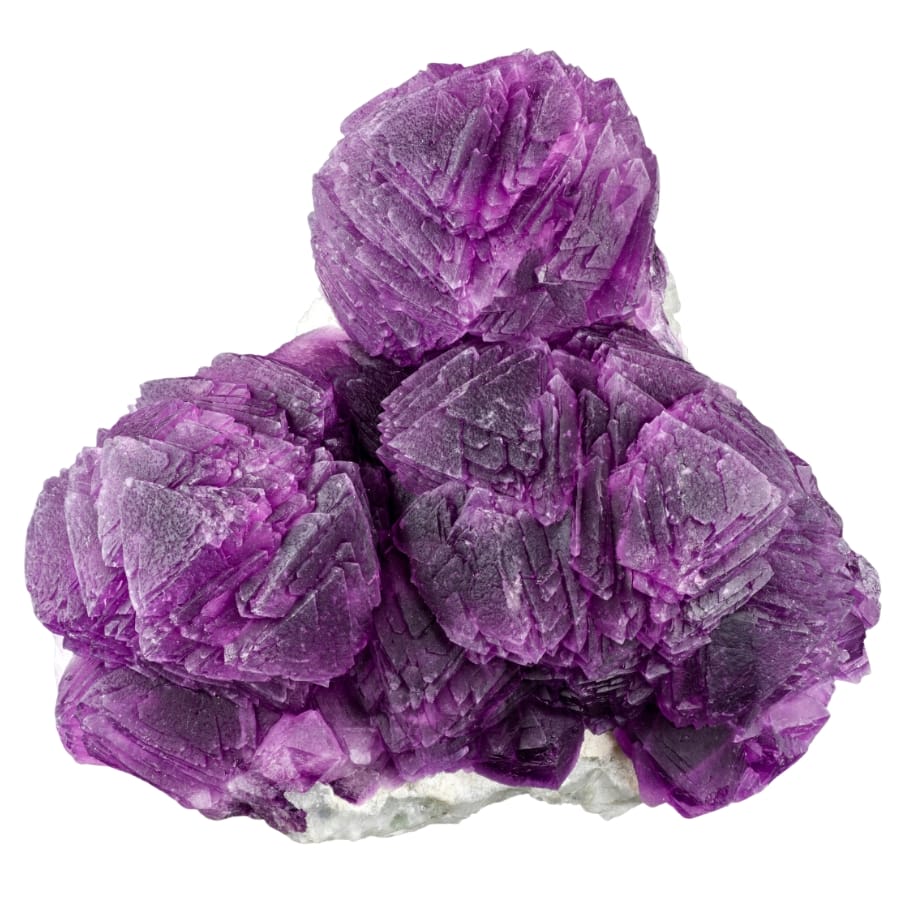
Fluorite is a cool element that stands out because it comes in so many colors. One gem can be purple, green, blue, yellow, or even a mix of these colors!
When it forms, it often does so in cubes or other geometric shapes. Its surface is shiny and looks like glass. Under UV light, this mineral can glow, making it look lit up from the inside.
“Fluorite” comes from the Latin word “fluere,” which means “to flow.” This name was chosen because fluorite makes metals by lowering their melting point. This makes the metal move better.
It forms in deep underground places with a lot of heat and pressure, like near volcanoes. It can also be found in rocks warmed by the sun.
Fluorite has been valued for a long time, both for its beauty and for its useful properties. People like to wear and collect it because of its bright colors and clear diamonds.
Because it helps focus light so well, it is also used to make camera and binocular lenses. It turns out that fluorite is more than just a pretty stone; it’s also useful in science and making things.
Where you can find Fluorite in Kentucky:
Fluorite is abundant in Kentucky, notably in the following areas:
- Ellis Mine
- Gratz Mine
- Morton Branch
- Ohio River
- Pygmy Fluorspar Mine
Galena
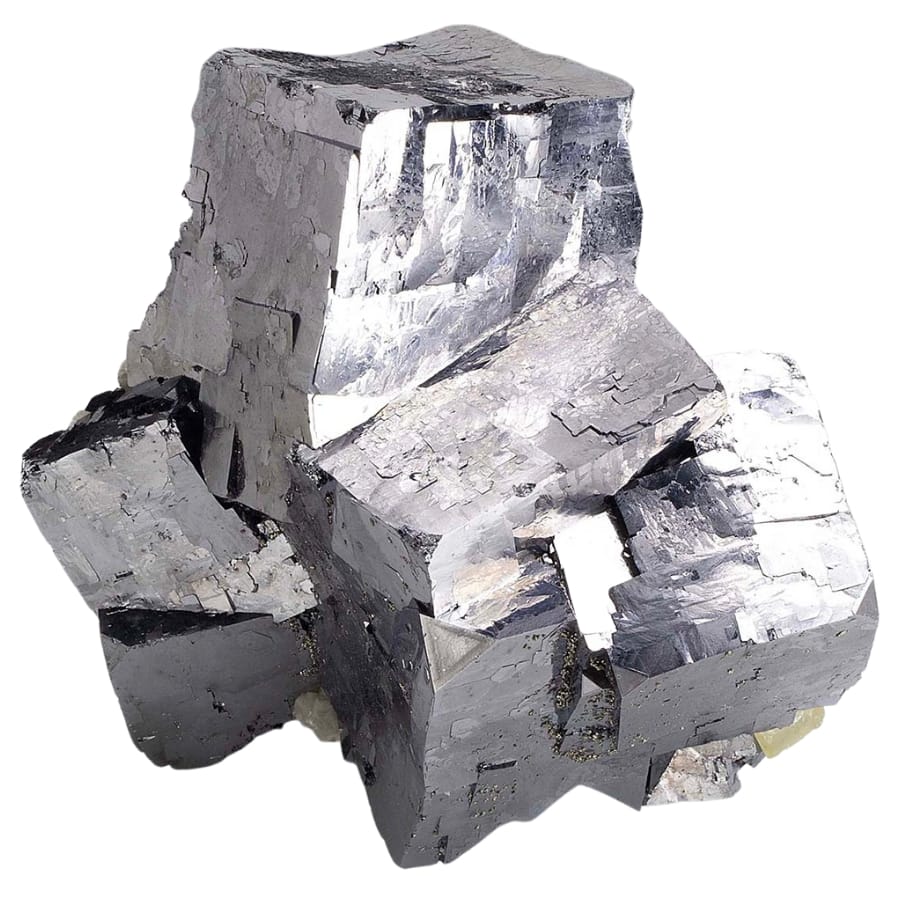
Galena is an interesting material that is best known for being the main source of lead. It’s usually a silver or bluish-gray color and looks like metal. It’s very heavy for its size, and it comes in cube or rectangle shapes.
It’s also pretty soft and simple to scratch. That galena sparkles in the light is one of the coolest things about it.
Romans called lead rock “galena,” which is where the name “galena” comes from. Galena is a lead sulfide material, which makes sense since it has a lot of lead. Most galena forms in places with hot fluids that are high in minerals.
These fluids come from deep inside the Earth and carry what galena needs to form. People often find it in sedimentary rocks like limestone, but sometimes they also find it in rocks that were formed underwater.
Galena has been valuable for a very long time because it’s the main source of lead. Lead is used to make many things around us, like batteries, bullets, and even houses.
Where you can find Galena in Kentucky
Kentucky is rich in galena minerals, particularly in the following areas:
- Big Four Fault
- Crittenden Springs Fault
- Dyer Hill Fluorspar Mine
- Gratz Mine
- Ohio River
Hematite
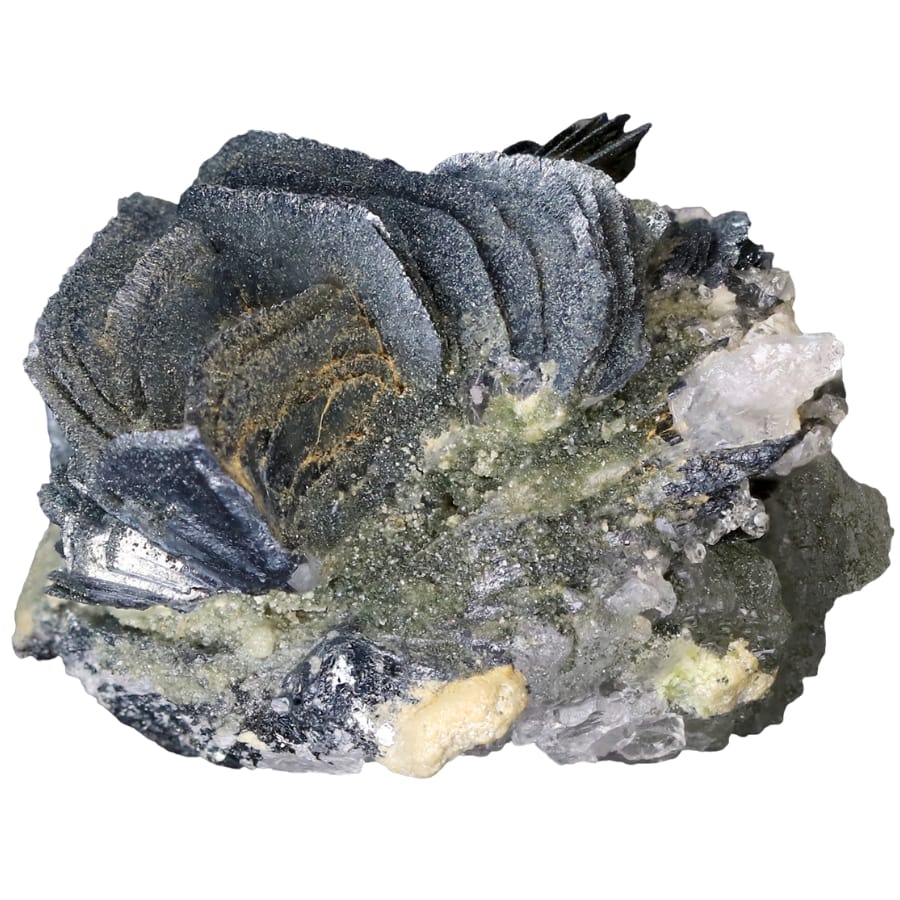
With its shiny, metallic surface and reddish-brown color, hematite is a really fascinating gemstone. It feels strong and heavy when you hold it.
Different types of hematite can be found, but most of the time it’s smooth, round, or flat, shiny plates. It’s interesting because, even though it looks like metal, it is not magnetic when pure.
“Hematite” is named after the Greek word “haima,” which means “blood.” It turns red, like blood, when you scratch it or crush it into a powder, which is why it has this name.
Even though hematite can form in many places, it’s most often found near hot springs or bodies of water that don’t move. Also, it can happen when a volcano erupts.
Besides being used in the steel and iron business, hematite is often found in jewelry and as a stone for decoration. It can be polished to make necklaces, bands, and other jewelry out of it.
Therefore, hematite is not only a lovely rock, but also a useful substance for creating everyday items.
Where you can find Hematite in Kentucky
Kentucky has several hematite minerals, particularly in the following areas:
- Hard Money area
- Owingsville iron mines
Pyrite
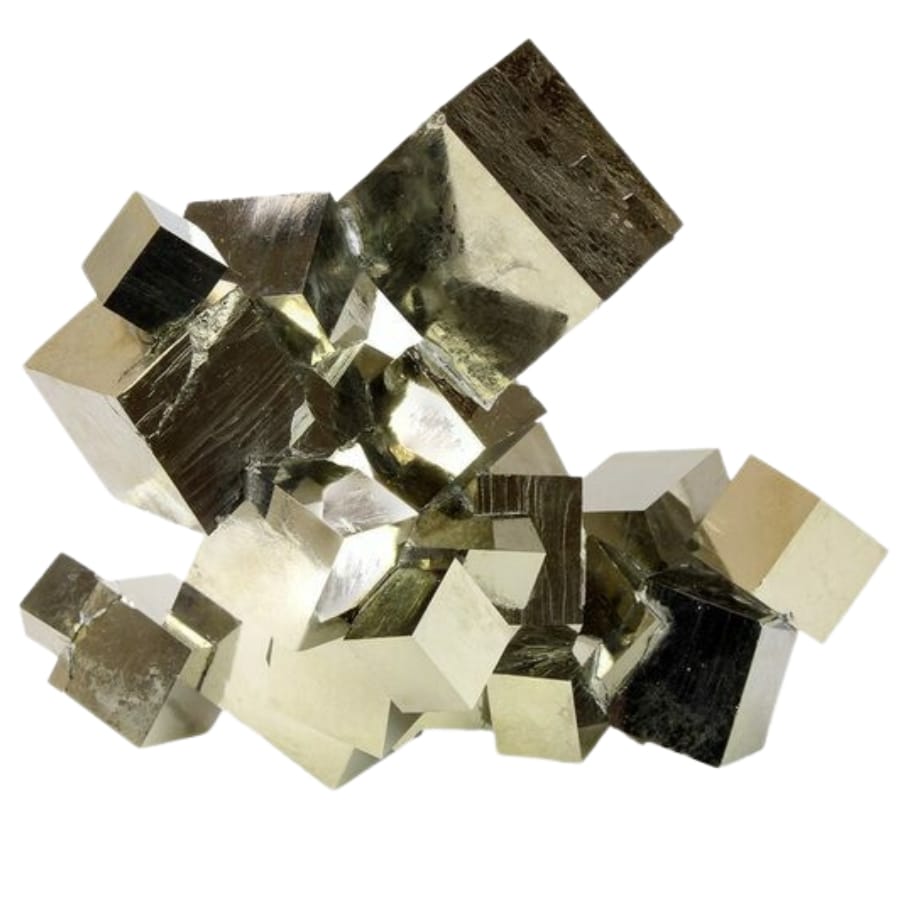
Pyrite is a fascinating mineral that is sometimes called “fool’s gold” because it looks a lot like real gold. It’s a brassy yellow color and comes in cool shapes like spheres and cubes.
Most of the time, it’s easy to tell apart from real gold because it’s harder and lighter. Plus, it’s less strong than gold, so it breaks more easily.
“Pyrite” comes from the Greek word “pyr,” which means “fire.” The reason for this is that it can spark when it hits metal or another hard substance. There are different ways that it can form.
It can be found in sedimentary rocks like shale, where it comes from organic matter breaking down. Iron-rich rocks, like granite, and rocks that have been changed by heat and pressure are also places where pyrite can be found.
Pyrite has been valuable to people for a very long time. It’s still very valuable even though it’s not gold. Sulfuric acid is important in many industrial processes and is made from pyrite. Paper, rubber, and paint are all also made from it.
Besides its useful properties, it’s a popular crystal among mineral collectors because it looks cool and shiny. People also use it to make jewelry and decorate their homes.
It adds a little sparkle to everything from statues to earrings. Pyrite is a pretty cool material that can be used for many things, even though it’s not real gold.
Where you can find Pyrite in Kentucky
It’s easy to find it in the state, especially in these areas:
- Ohio River
- Old Jim Mine
- Pygmy Fluorspar Mine
Smithsonite
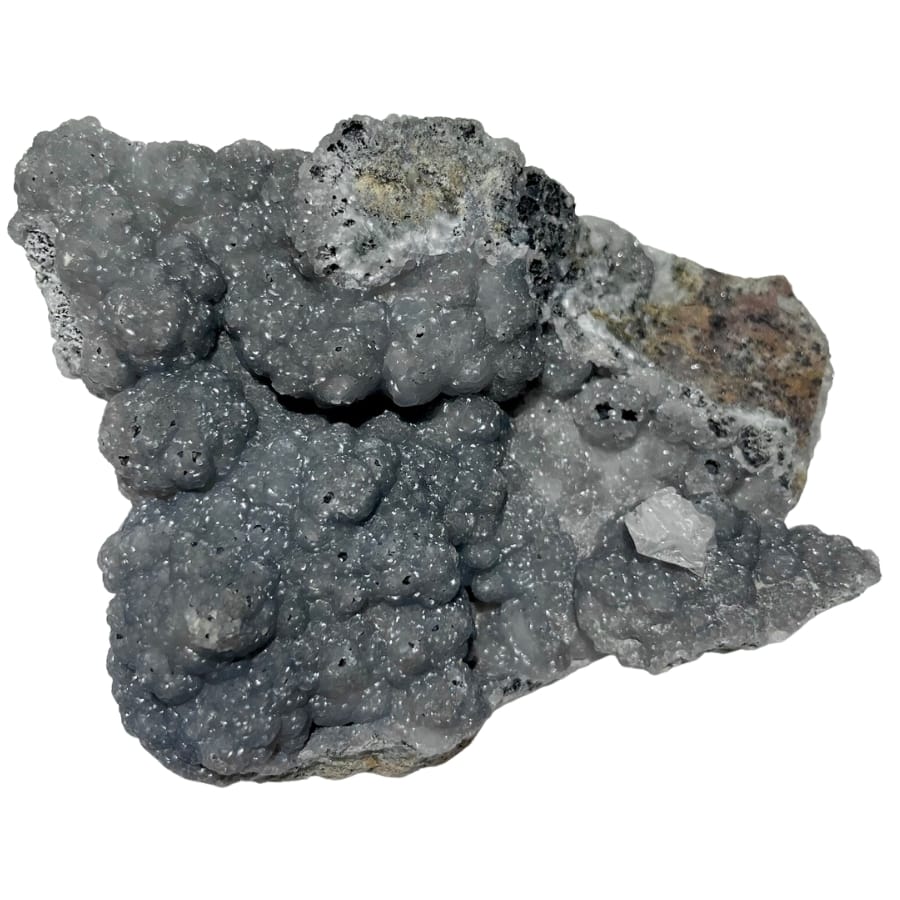
Smithsonite is a one-of-a-kind crystal with a smooth surface that can be blue, green, pink, or even colorless. It looks very pretty because it often looks like pearls or glass. It can also take on interesting shapes.
It often comes in round or botryoidal forms, which make it look like a bunch of grapes.
A scientist named James Smithson started the Smithsonian Institution, and the name “smithsonite” was given to honor him. It’s found on top of zinc ore reserves.
It’s made when zinc comes in contact with carbon dioxide in water and the air. It’s called “weathering,” turning the zinc rock into smithsonite. Some of the best places to find it are where metals like zinc have been mined.
There are several reasons why people like smithsonite. Mineral fans like it because it comes in many colors and has a shiny surface. It’s not usually used to make jewelry because it’s very soft and easy to scratch, but people still love its beauty.
It’s useful in mining and makes nice things to collect. Zinc can be found there, and zinc is a metal used to make alloys, coils, and batteries.
Where you can find Smithsonite in Kentucky
You can locate smithsonite in these parts of the state:
- Big Four Fault
- Columbia Mine
- Hickory Cane Mine
- Old Jim Mine
Anglesite
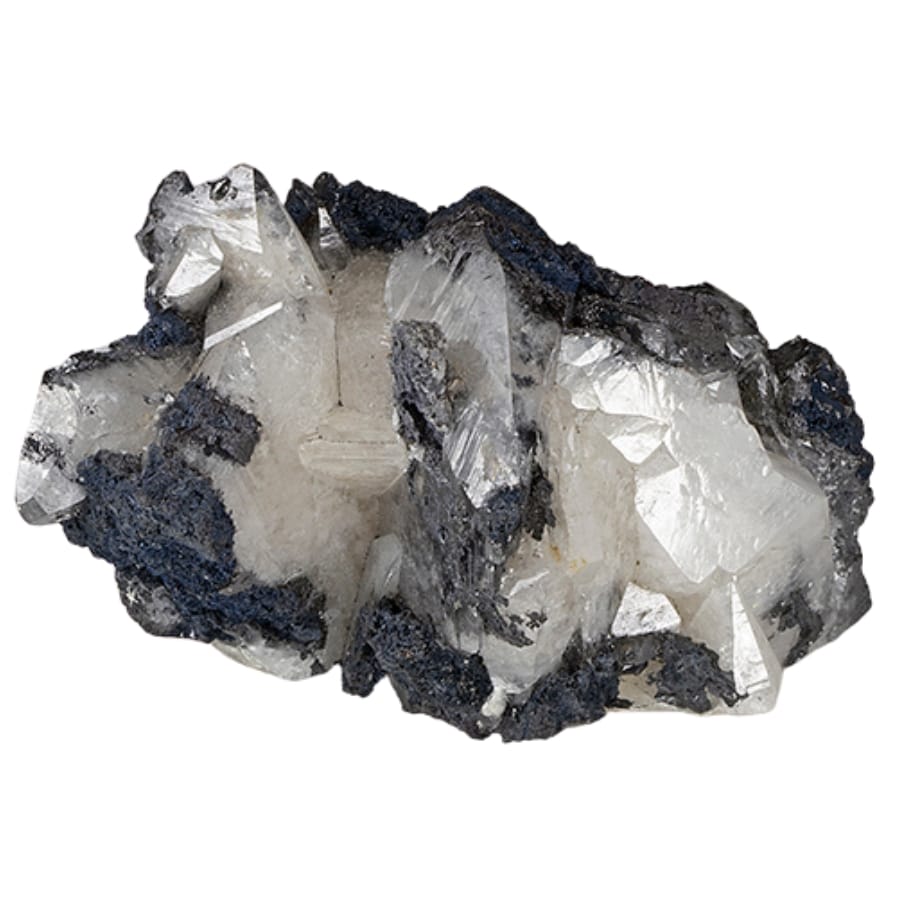
Anglesite is a unique gem renowned for its fine shine and perfect clarity. It often has no color or is neutral, white, gray, or even pale yellow. It shines and sparkles when light hits it.
This element is pretty heavy for its size, which helps you figure out what it is. Crystals of this type can be very big and are often made like cubes or prisms.
Angelsey, an island off the coast of Wales, is where it was first found, which is where the name “anglesite” comes from. Minerals like this are made from galena, which is the main natural source for lead.
If you put oxygen and sulfuric acid on galena, it turns into anglesite. This usually happens where lead is mined, which means that it’s often found in old mines that have been closed down.
Where you can find Anglesite in Kentucky
These are the places where you can find anglesite in the state:
- Big Four Fault
- Hickory Cane Mine
Apatite
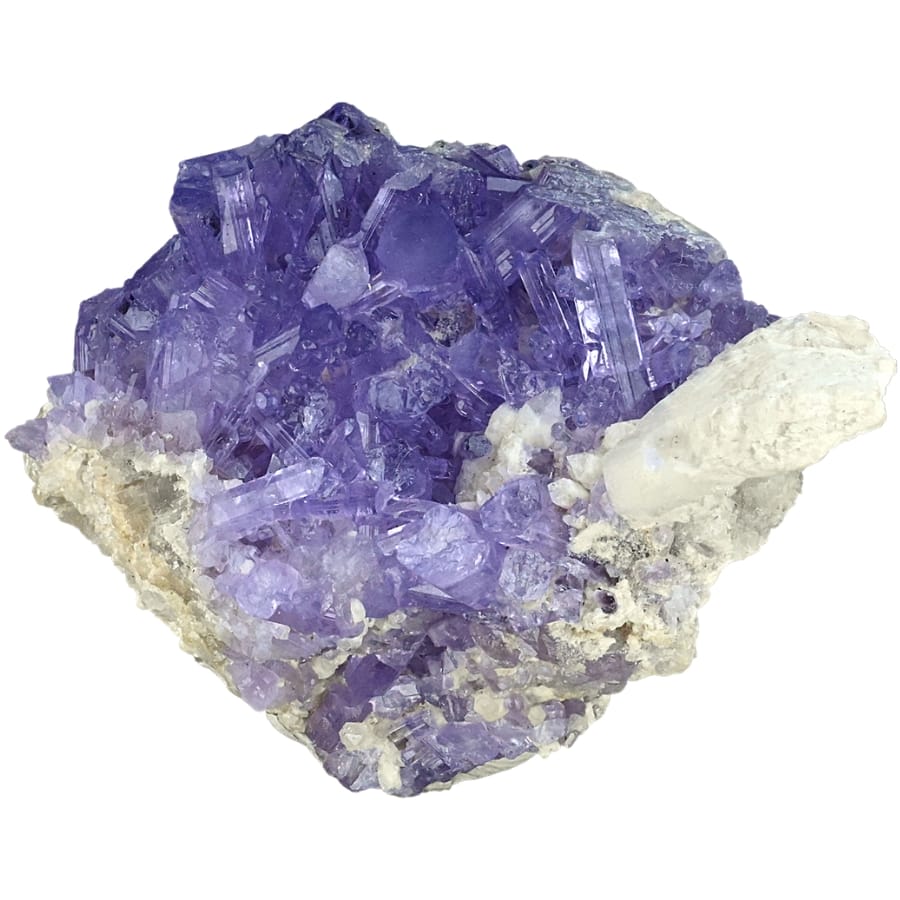
Apatite is a fascinating gemstone that comes in a lot of different colors. It comes in almost every color of the rainbow, from bright blues and greens to deep yellows and even purples.
It can also be different sizes and forms, but they are most often found as hexagonal prisms. Even though apatite is very pretty, it’s not as hard as some other rocks that are used in jewelry. This means that it’s easy to scratch.
It gets its name from a Greek word that means “to trick” because of how easily it can be confused for other minerals like tourmaline or beryl because it comes in so many colors.
Apatite can be found in many different types of natural settings. It can be found in igneous rocks, made when lava or magma cools down.
It’s also found in metamorphic rocks (rocks that have been changed over time by heat and pressure) and sedimentary rocks (rocks that are made up of pieces of other rocks and organic matter).
There are several reasons why apatite is important. Because it’s so soft, it’s not used as much in jewelry, but some high-quality bits are cut into gems and put in necklaces, bracelets, and other accessories.
The most important use of apatite, though, is in farming. Phosphorus is an important element for plant growth, and apatite is a good source of it.
It’s often broken down and put on plants to help them grow. In this way, apatite is not only a lovely mineral to look at, but also a useful tool for growing and making food.
Where you can find Apatite in Kentucky
One of the many places you can locate apatite is the Little Sandy River.
Barite
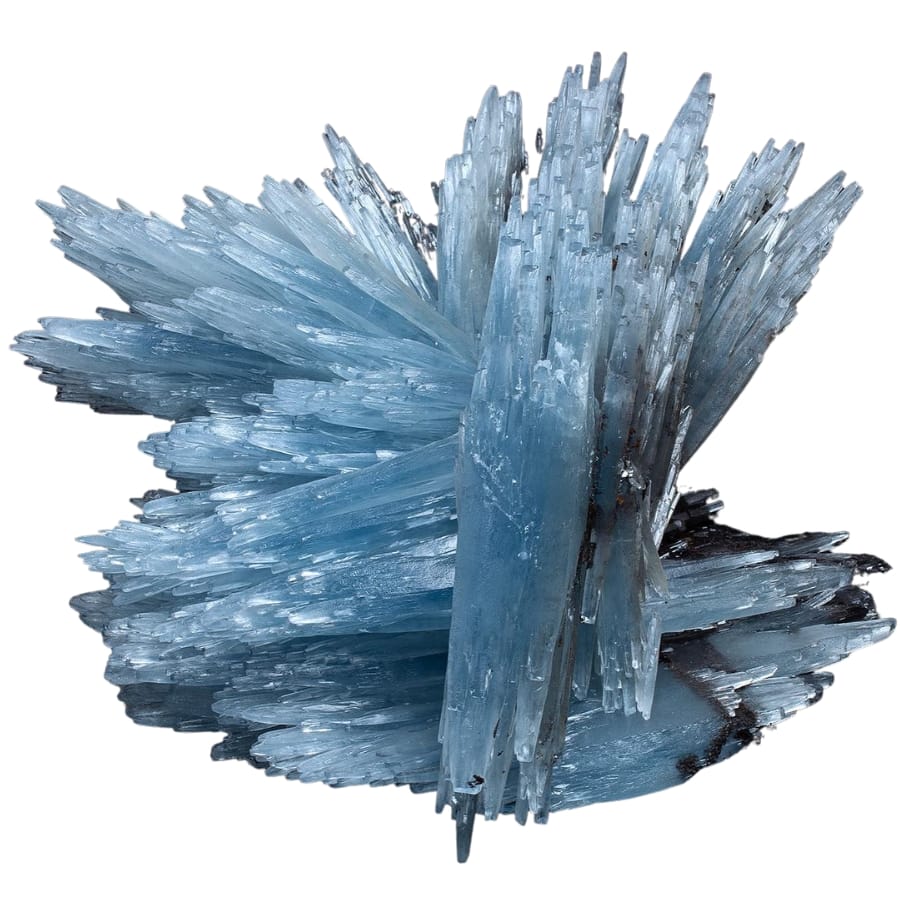
Barite is known for having a lot of different colors and a high density. Light blue, green, yellow, white, and sometimes even clear are some of the colors it comes in. It can look like blades or thin, flat plates when it forms into long crystals.
Its very heavy, which is one of its most interesting traits. Small pieces of barite are much heavier than other materials the same size, even though they might not look that way.
This mineral is called barite, which comes from the Greek word “baros,” which means “heavy.” Hot springs or the cracks and spaces in limestone and other geological rocks are common places where it forms.
Along with minerals like quartz and calcite, it can also be found in underground layers of rocks. The fact that it’s very soft and easy to scratch makes it less common to use in jewelry.
That being said, it’s very useful in many situations. Gas and oil companies use barite a lot. For safety reasons, it’s mixed with drilling fluids to make them heavier and less likely to blow out.
This is very important to keep oil drilling safe and efficient. Barite is also used to make paint, rubber, plastics, and as a contrast agent in x-rays for medical purposes.
Where you can find Barite in Kentucky
Barite deposits are abundant in these areas:
- Boone Creek
- Crittenden Springs Fault
- Halls Gap
- Kentucky River Bend
- Pygmy Fluorspar Mine
Cerussite
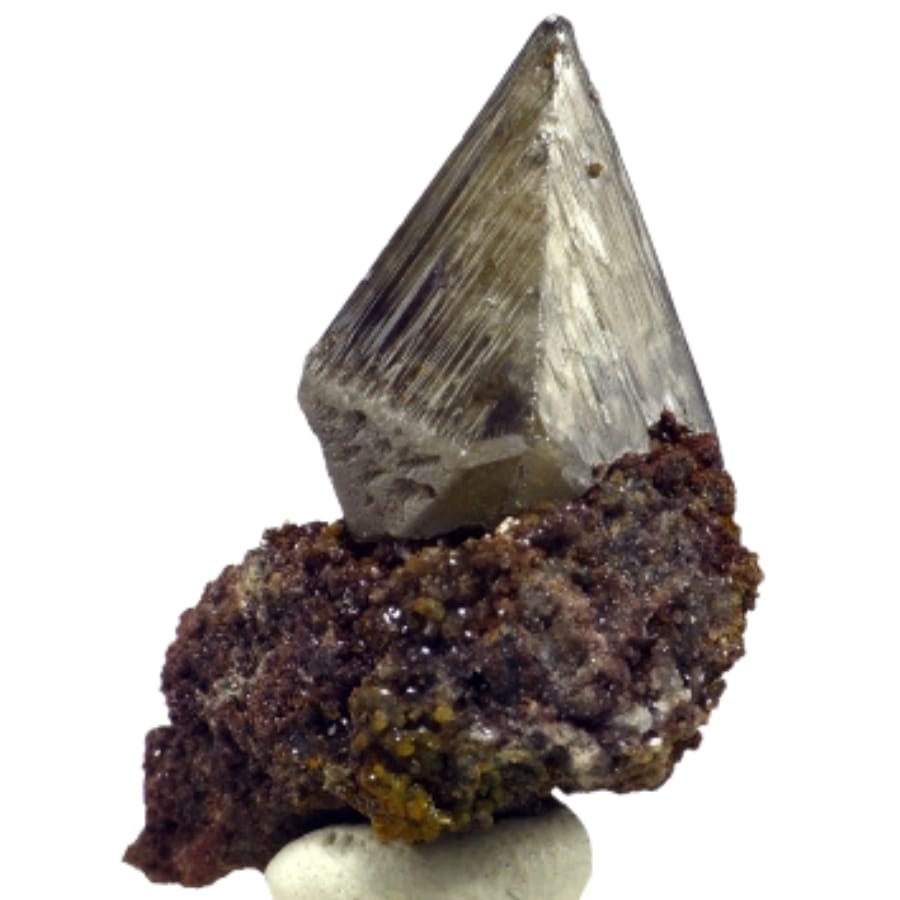
Cerussite is a special and interesting mineral that looks like shimmering diamonds. The most common colors are white, gray, and light blue.
It shines like tiny gems when it reflects light, which is one of its coolest features. It usually turns into crystals that look like glass, and these crystals can be very fragile.
The word “cerussite” comes from the Latin word “cerussa,” which means “white lead.” This name makes a lot of sense since cerussite is a lead rock with a lot of lead.
It’s made up of galena, another type of lead material. Once galena is out in the air with oxygen, it changes over time and turns into cerussite. Usually, cerussite is found at the top of lead ore layers. This is where air can reach it and change it.
The stone cerussite is very pretty, but it’s not often used in jewelry because it breaks a lot. Gemstone lovers still like it because they like the way it looks and sparkles.
Aside from being interesting to collectors, cerussite is useful in the mining business. Lead is a useful metal that is used to make shields against radiation, batteries, and even houses. Even though you might not see cerussite in a ring or chain, it’s a very important metal-making part.
Where you can find Cerussite in Kentucky
You can find cerussite in the following places across the state:
- Big Four Fault
- Columbia Mine
- Halls Gap
- Hickory Cane Mine
Garnet
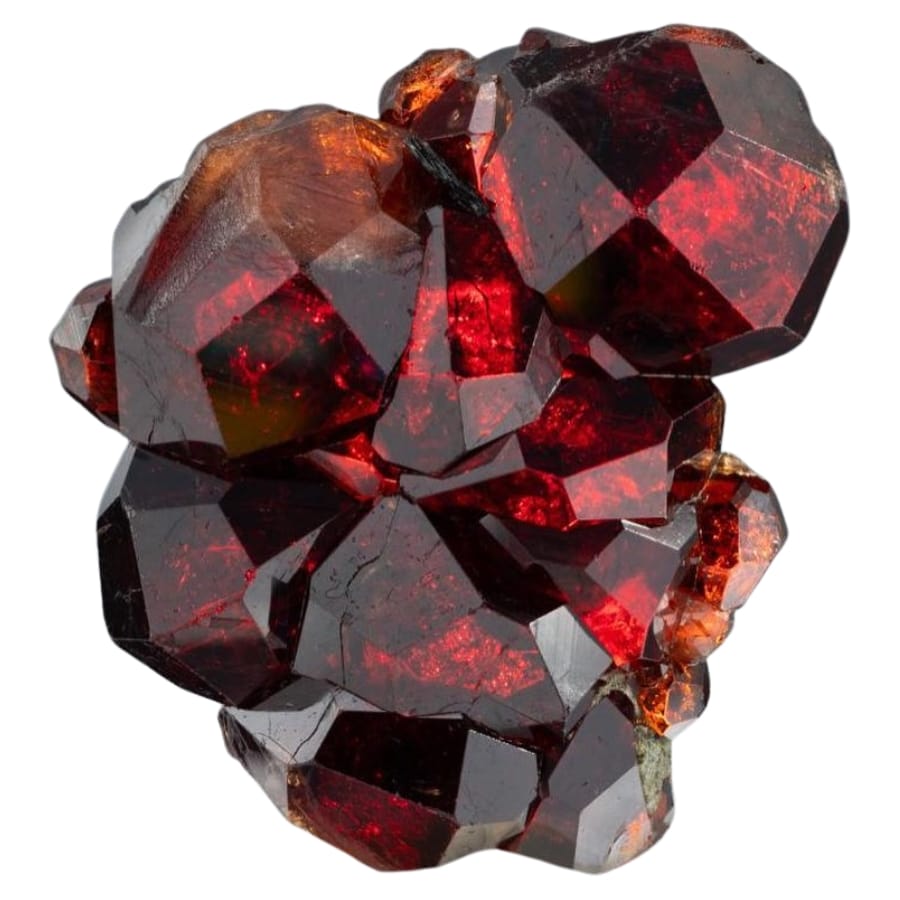
Garnet is an interesting rock that is usually a deep red color. However, it can also be green, orange, or even purple. The unique thing about garnet is that it shines like glass and sparkles when light hits it.
It’s common to find these gems in small, round crystals. They are pretty hard, so they don’t scratch easily.
“Garnet” comes from the Latin word “granatum,” which means “pomegranate.” This is because red garnets look a lot like the seeds of a pomegranate. It can form in a number of different natural situations.
Most of the time, it’s found in metamorphic rocks, which are rocks that have been changed by very high temperatures and pressures deep inside the Earth.
It can also be found in igneous rocks, which are made from lava that has cooled, and sedimentary rocks, which are made from sand, mud, and other things that have been pressed together.
Garnets have been valuable to people for a long time, not just because they are pretty. They’re often used to make rings, bracelets, and earrings because they look good and last a long time.
They are also very useful in other ways. In the workplace, they are used as abrasives, like in waterjet cutting and as sandpaper.
Where you can find Garnet in Kentucky
The following places in the state are where you can find garnets:
- Cold River Mining
- Ison Creek
- Little Sandy River
- Mount Vernon
Quartz
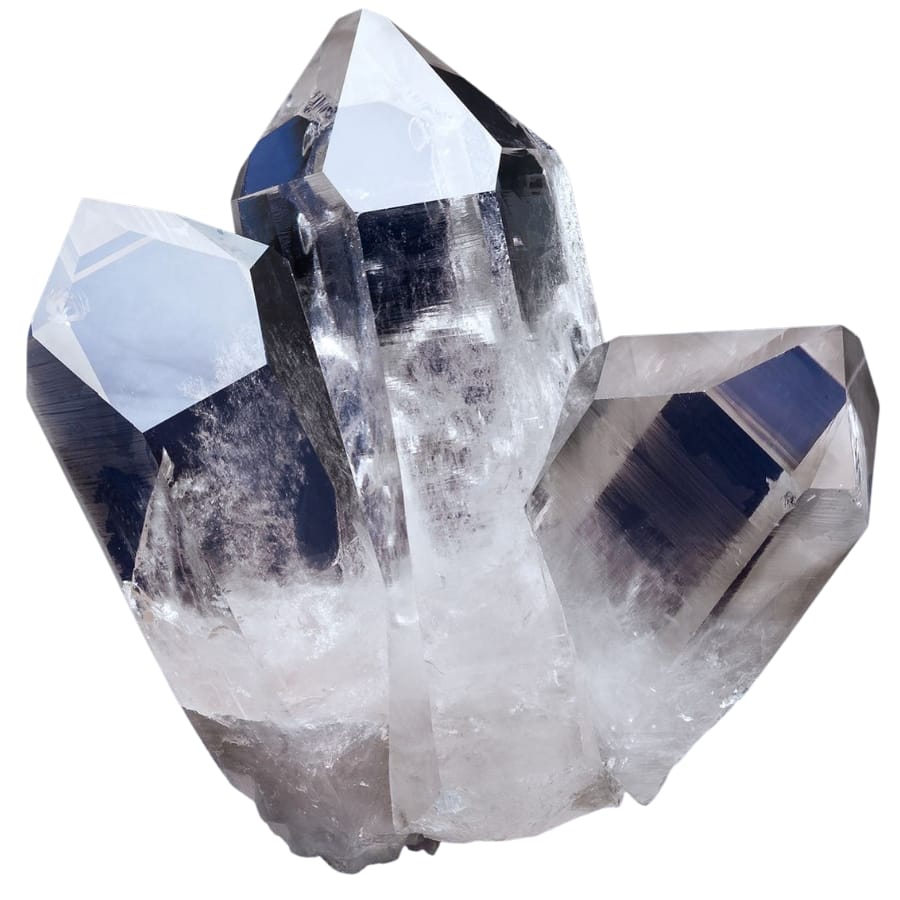
Quartz is a very interesting material that is found all over the world and is very well known for it. It’s known for being very hard and clear, but quartz can be many colors, including pink (rose quartz), purple (amethyst), and even black (smoky quartz).
Most quartz crystals have six sides, and they come in a wide range of sizes, from very small bits to big crystals that you can hold in your hand.
The word “quartz” comes from a German word, but no one is sure where it came from. Some people think it might have something to do with the German word “quarz,” which means “hard.”
Solids that are high in silica cool down and make quartz deep in the Earth’s crust. It’s also in metamorphic rocks, which have been changed by heat and pressure, and in sedimentary rocks, like sandstone.
Quartz is worth a lot because it’s often used to make jewelry and home decor like statues and vases. It’s also used to make watches and clocks because it helps keep time accurately.
Due to its ability to send and receive electricity, it’s found in radios, sensors, and even computer chips. It’s also an important part of many modern technologies!
Where you can find Quartz in Kentucky
You can find a lot of quartz in Kentucky in places like these:
- Big Four Fault
- Dyer Hill Fluorspar Mine
- Ellis Mine
- Kings Mountain
- Morton Branch
Diopside
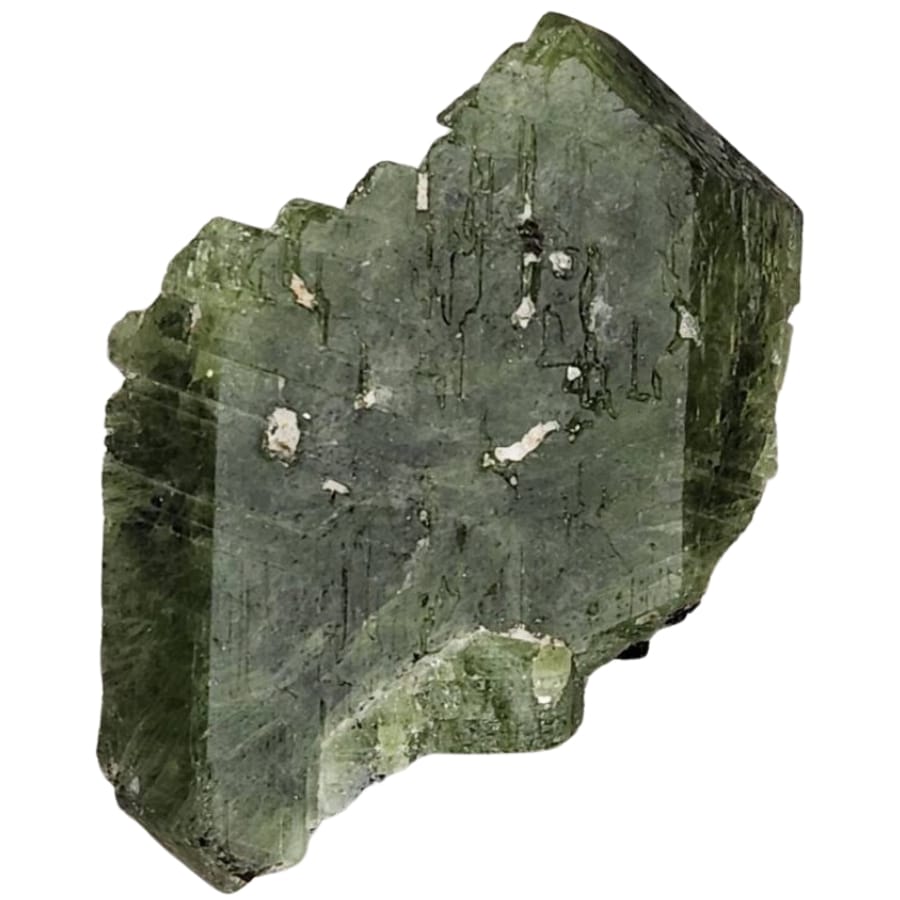
Diopside is an exciting mineral that stands out because of its bright green color. The Earth’s crust is full of mineralsm, called pyroxene crystals. It can be any color from light to dark green,.
Sometimes it has a hint of blue or black as well. As a result, it doesn’t scratch easily and is pretty hard. It also splits into two smooth surfaces in two completely straight lines.
The word “diopside” comes from the Greek words “di” which means “two” and “opsis” which means “appearance.” There are different ways to look at diopside crystals, which is why this name was picked.
It’s made deep underground, where the temperature and pressure are very high. It’s also often found with garnet, peridot, and other gemstones. Diopside can have chromium in it, which turns it a bright green color that makes it look even more beautiful.
There are several reasons why people like diopside. It’s often used in jewelry to make gems for rings, pendants, and others. Diopside is something that is used in fashion, but is also important to the study of rocks.
Where you can find Diopside in Kentucky
These are the areas where you can find diopside in the state:
- Elliott County
- Little Sandy River
Sphalerite
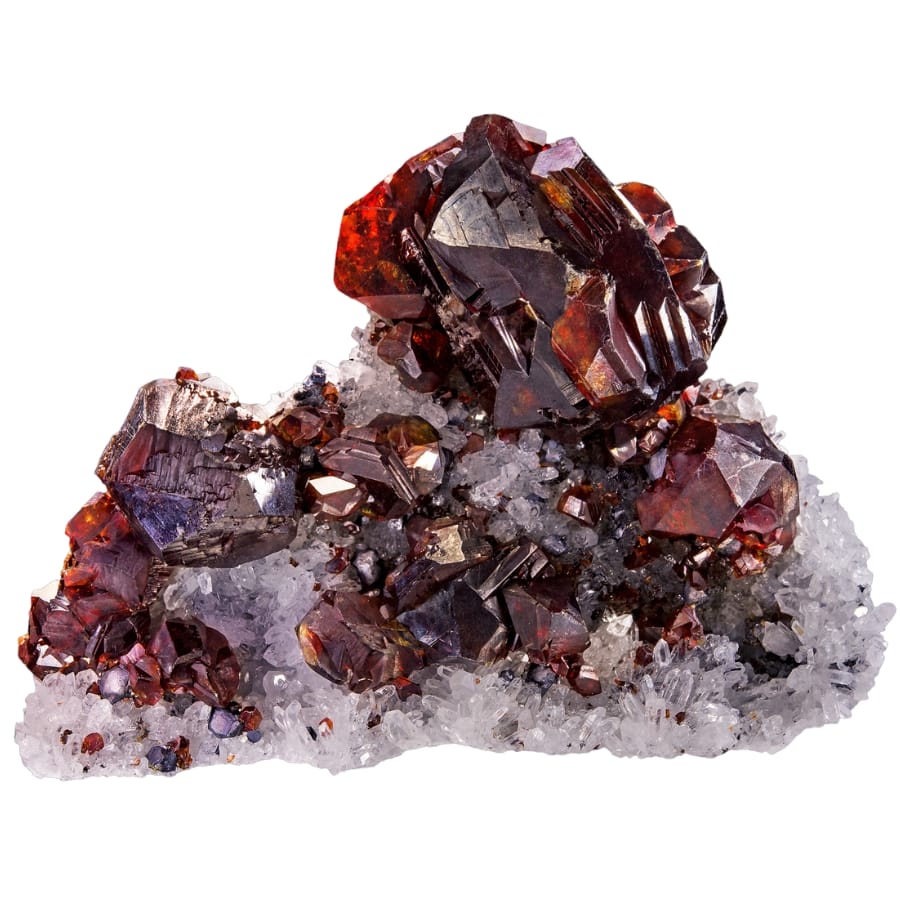
Sphalerite is known for being the main source of zinc. Some of it is yellow, brown, or red, while most is a dark shiny color. It’s pretty unique because it has a high dispersion, meaning it can scatter light to create a rainbow-like effect.
The Greek word “sphaleros,” which means “lying,” is where the name “sphalerite” comes from. This name was chosen because sphalerite is not always easy to spot. Sometimes, it resembles other crystals, and some light can change color.
In different places, sphalerite normally forms in rocks like dolomite and limestone that have been changed by hot fluids high in minerals. These liquids come from deep inside the Earth and carry the materials needed to make sphalerite.
Sphalerite is very valuable because it’s the main source of zinc, which is used in many everyday items. Zinc is needed to make brass, a mix of copper and zinc.
It’s also used to protect other metals from rusting by galvanizing them. In other words, we wouldn’t have many of the metal goods we use without sphalerite.
Some of these crystals are sometimes cut into gems in addition to their practical uses. You don’t see these stones often, but they are very pretty and can be used to make jewelry.
Where you can find Sphalerite in Kentucky
Here is where you can find sphalerite in the state:
- Columbia Mine
- Crittenden Springs Fault
- Hickory Cane Mine
- Kentucky River
- Old Jim Mine
The Best Locations For Crystal Mining We’ve Found
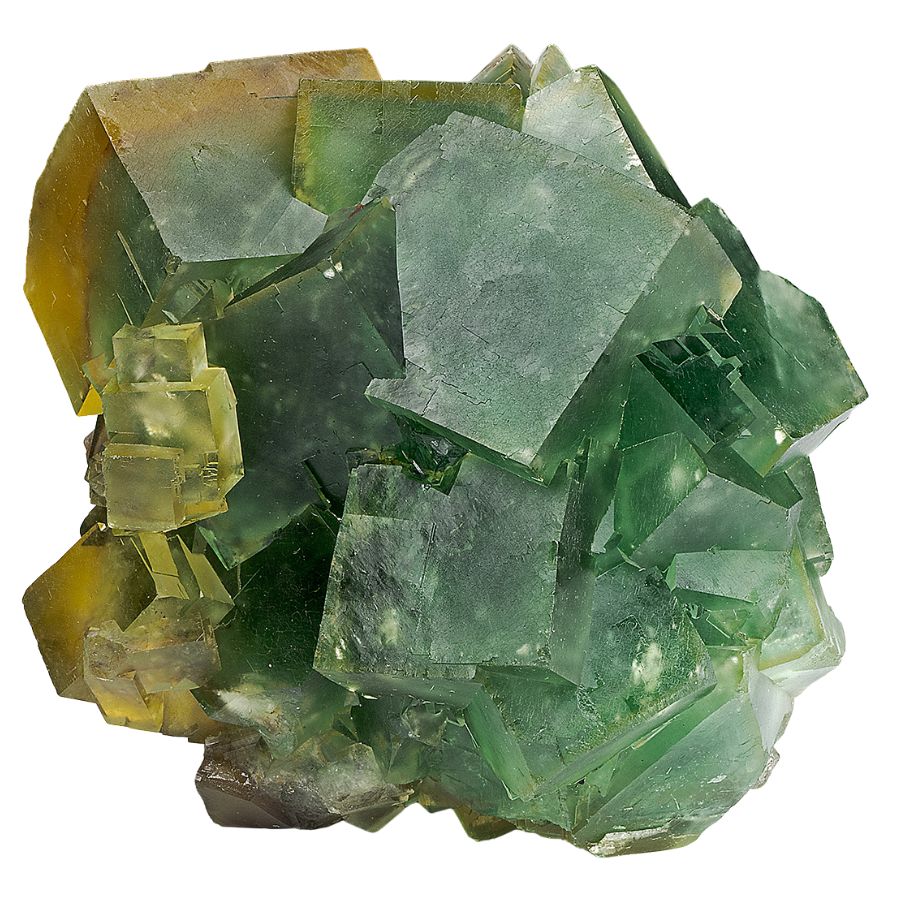
Here are our best picks for locations to hunt for crystals in Kentucky. We’ve had a lot of success exploring them and discovering unique crystals!
Always Confirm Access and Collection Rules!
Before heading out to any of the locations on our list you need to confirm access requirements and collection rules for both public and private locations directly with the location. We haven’t personally verified every location and the access requirements and collection rules often change without notice.
Many of the locations we mention will not allow collecting but are still great places for those who love to find beautiful rocks and minerals in the wild without keeping them. We also can’t guarantee you will find anything in these locations since they are constantly changing.
Always get updated information directly from the source ahead of time to ensure responsible rockhounding. If you want even more current options it’s always a good idea to contact local rock and mineral clubs and groups
Ellis Mine
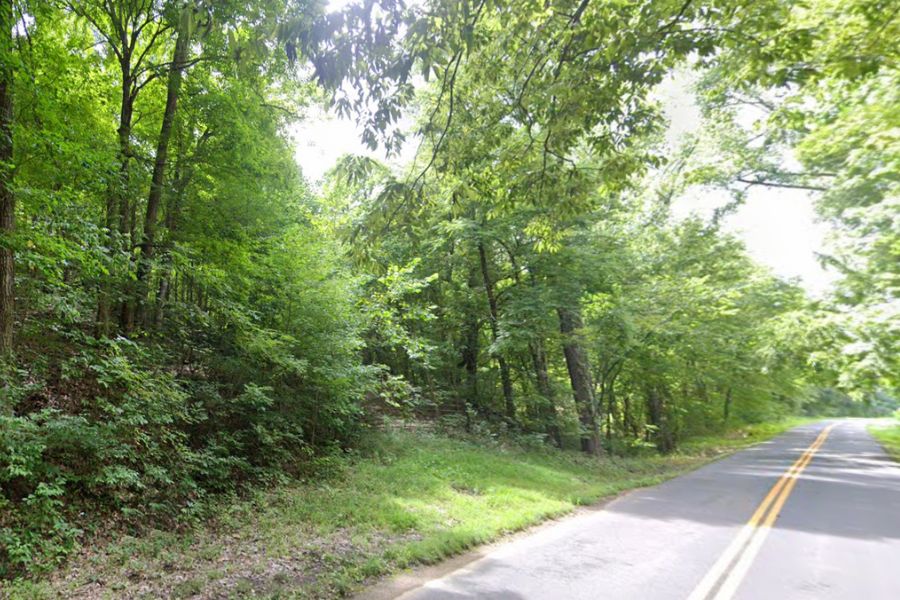
Located in the Western Kentucky Fluorspar District, Ellis Mine is a good place to explore if you want to find gems in Kentucky.
This old mine was a bustling spot for mining fluorspar, a valuable mineral in the steel and aluminum industries.
The terrain here is quite varied, with areas of dense vegetation and rocky outcrops. It’s a bit rugged, so when you visit, make sure you’re prepared for some hiking and climbing.
Where we found crystals at Ellis Mine
We have collected various crystals in the Ellis Mine area, including calcite, fluorite, and quartz.
If you want REAL results finding incredible rocks and minerals you need one of these 👇👇👇

Finding the coolest rocks in isn’t luck, it's knowing what to look for. Thousands of your fellow rock hunters are already carrying Rock Chasing field guides. Maybe it's time you joined the community.
Lightweight, mud-proof, and packed with clear photos, it’s become the go-to tool for anyone interested discovering what’s hidden under our red dirt and what they've already found.
Join them, and make your next rockhounding trip actually pay off.
What makes it different:
- 📍 Find and identify 140 incredible crystals, rocks, gemstones, minerals, and geodes across the USA
- 🚙 Field-tested across America's rivers, ranchlands, mountains, and roadcuts
- 📘 Heavy duty laminated pages resist dust, sweat, and water
- 🧠 Zero fluff — just clear visuals and straight-to-the-point info
- ⭐ Rated 4.8★ by real collectors who actually use it in the field
Gratz Mine
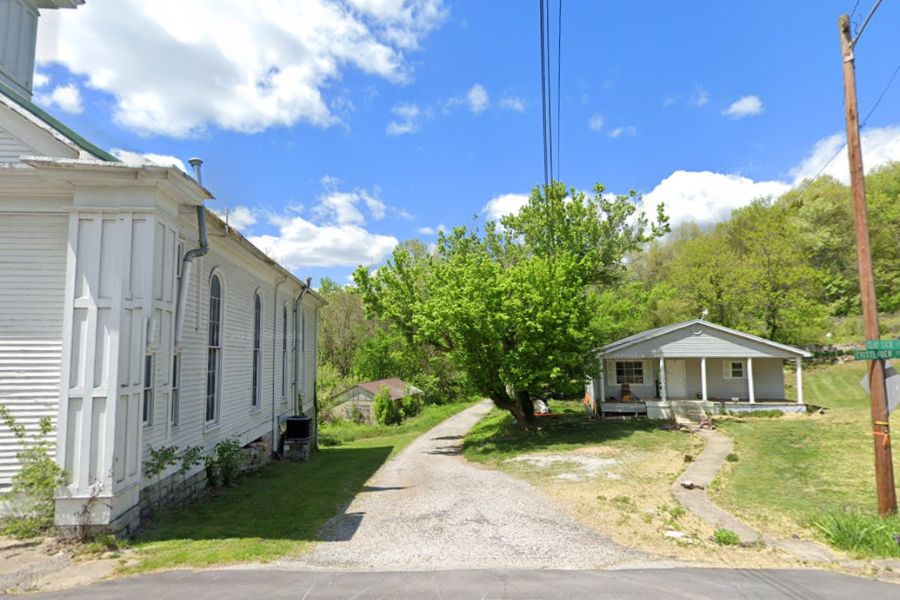
Gratz Mine, located in Owen County, Kentucky, is a historic site. This mine was once a bustling hub where miners diligently extracted lead, zinc, and silver.
Although mining operations have ceased, the area is now a popular destination if you want to look for crystals.
For crystal enthusiasts, Gratz Mine is an ideal spot to explore. Its mineral-rich deposits contain a variety of stunning specimens, such as galena and beautiful calcite crystals.
Where we found crystals at Gratz Mine
Calcite, fluorite, and galena crystals can be discovered at Gratz Mine. You can find out how much are crystals worth through this detailed guide.
Morton Branch
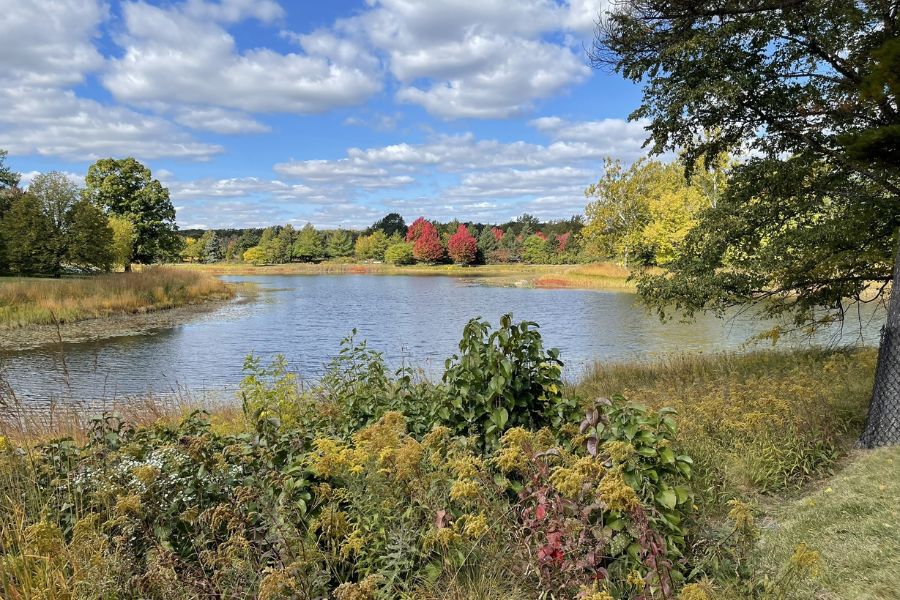
Morton Branch is known for its abundance of quartz crystals, which exhibit a dazzling array of colors and formations. Exploring this location, you’ll have the opportunity to find stunning specimens that will be a true testament to nature’s beauty and wonder.
Visiting Morton Branch offers a chance to immerse yourself in Kentucky’s natural landscape while searching for geological treasures.
To make the most of your adventure, come prepared with the right tools and equipment, and be ready to explore this fascinating location.
Where we found crystals at Morton Branch
Fluorite crystals are primarily found at Morton Branch.
Ohio River

The Ohio River, a significant waterway in Kentucky, spans approximately 981 miles and has long been a vital transportation route and source of livelihood for the region.
Beyond its historical importance, the Ohio River offers a unique opportunity for those interested in crystals. The riverbanks and surrounding areas are rich in mineral deposits, making them a treasure trove for rockhounds eager to uncover hidden gems.
The constant erosion and movement of the water have exposed various rocks and minerals, making them easier to spot.
To make the most of your adventure, come prepared with the necessary tools, equipment, and a willingness to search the riverbanks and surrounding areas.
Where we found crystals at the Ohio River
The area along the Ohio River is abundant in calcite, fluorite, galena, and pyrite crystals.
Pygmy Fluorspar Mine
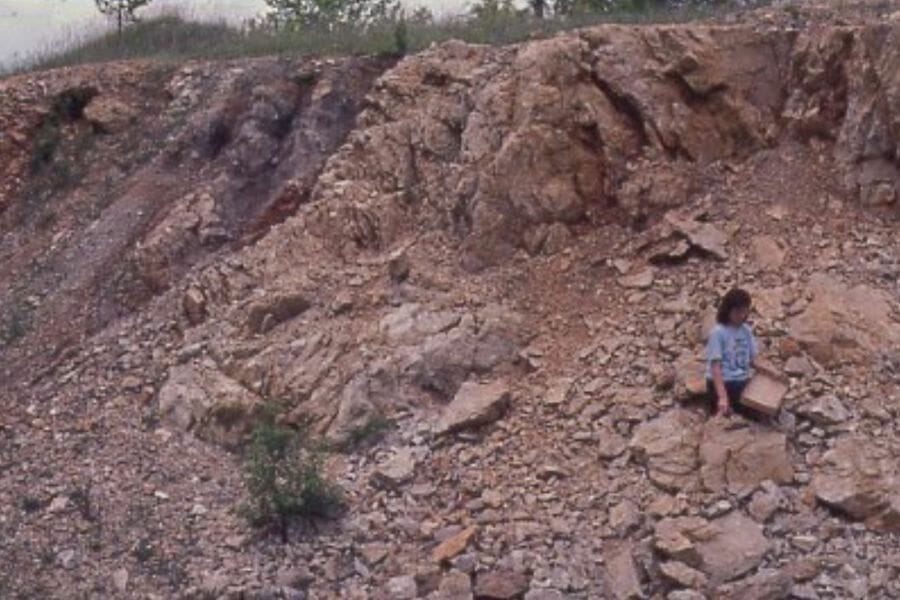
In the early 20th century, Pygmy Fluorspar Mine contributed to the region’s economic development, with miners extracting the valuable mineral for several decades.
Though mining operations eventually ceased, it’s still a good spot to explore if you want to collect some samples of fascinating rocks.
The area is known for its abundant deposits of fluorite, which can be found in striking colors and formations. Other minerals such as calcite, barite, and quartz can be discovered, making this location a haven for crystal hunters.
Where we found crystals at Pygmy Fluorspar Mine
At the Pygmy Fluorspar Mine, we had the most success finding several crystal types, including fluorite, galena, and pyrite crystals.
Our Other Favorite Places For Crystal Hunting
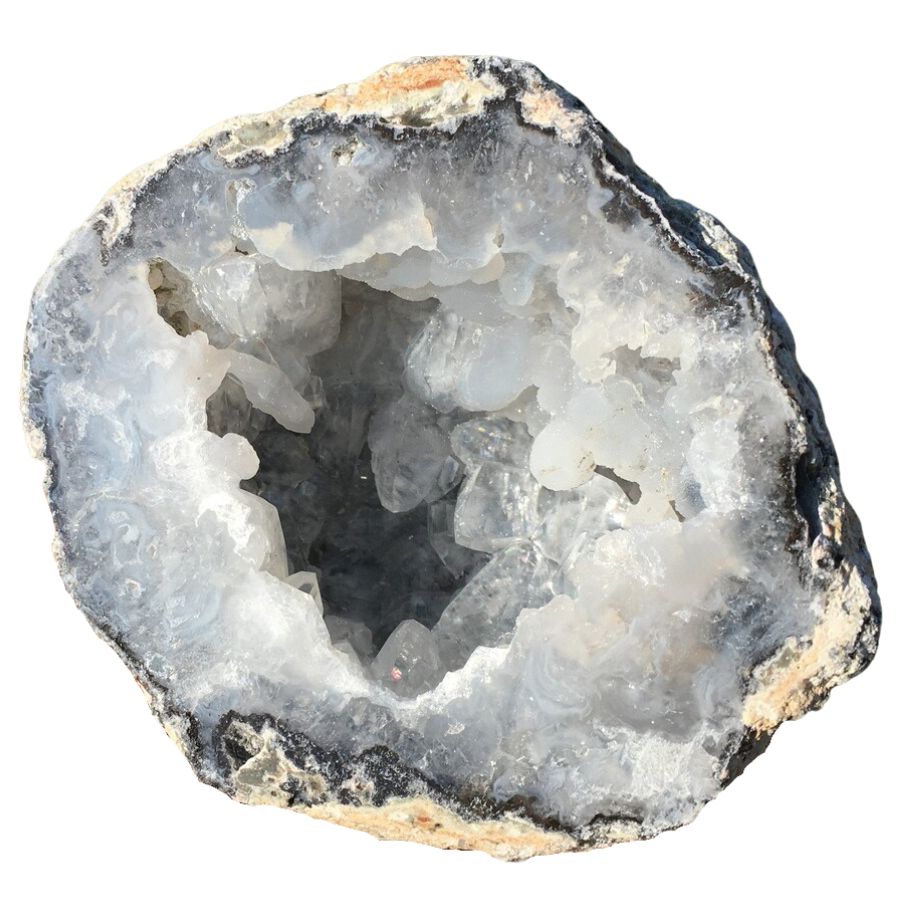
There are many more amazing places to look for crystals and dig for geodes in Kentucky. We’ve included a list of additional options worth thinking about:
Where you can find crystals for free
We’ll go over a few places where you can search for crystals without paying. Even though many great attractions have entrance fees, other areas are still free to visit.
| County | Location |
| Caldwell | In fault exposures at Crider for fluorite |
| Caldwell | In area quarries of Princeton for calcite and fluorite |
| Crittenden | Crittenden Springs fault for calcite, fluorite, galena, and pyrite |
| Elliott | Igneous outcrops in the Little Sandy River area for apatite and quartz |
| Elliott | In the peridotite outcrops along the banks of Ison Creek of Isonville for garnet and serpentine |
| Garrard | Boone Creek in barite prospects for clcite and fluorite |
| Graves | Regional gravel and clay pits at Farmington, Hickory, Sedalia, and Viola for agate, chalcedony, jasper, and quartz |
| Graves | Area clay pits of Mayfield for agate, chalcedony, jasper, and quartz. |
| Livingston | Two abandoned quarries in Birdsville for calcite, fluorite, and quartz. |
| Lyon | Excavations, area gravel puts, and road cuts in Eddyville for agate, chalcedony, and quartz. |
Other great places to dig for crystals
You can hunt for crystals at other locations if you want to spend money. The price will vary seasonally, and occasionally, it can be free. You have to get in touch with them before going to these locations.
| County | Location |
| Bath | Area iron mines at Owingsville for hematite |
| Bourbon | Area mines at Millersburg for galena |
| Caldwell | Many mines throughout the west part of the county for calcite and fluorite |
| Caldwell – Crittenden | Many well-known old mines such as Ashbridge, Glendale, Tabor, and other regional mines back of the Ohio River for galena and fluorite |
| Livingston | Area fluorspar mines at Carrsville for calcite, fluorite, galena, and quartz |
| Livingston | Area fluorspar mines at Joy for calcite, fluorite, galena, and quartz |
| Livingston | Dyer Hill fluorspar mine for calcite, fluorite, galena, and quartz |
| Mercer | Area mines at Harrodsburg for calcite, fluorite, and galena |
My tips for finding crystals
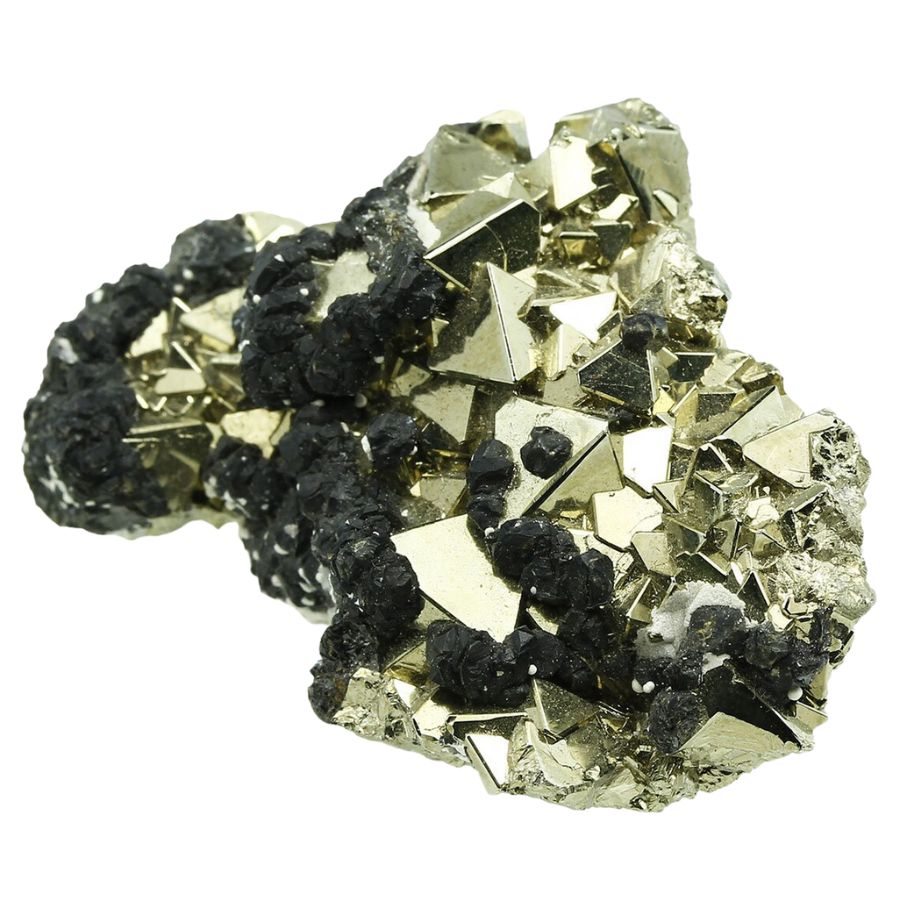
Here is some additional information to help you make the most of the time you spend on hunting for crystals. The following list includes some of the top locations to look for crystals:
Mines and mine dumps
Searching for crystals in mines and mine dumps is an excellent way to find these natural treasures. Mines and mine dumps are particularly fruitful for crystal hunters because they often contain valuable minerals left behind after the mining operations.
This means these areas have a high concentration of geological materials, increasing the chances of finding desirable specimens.
One of the best places to search for crystals in mine dumps is in the tailings, which are piles of discarded material from the mining process. These tailings often hold hidden gems that diligent explorers can uncover.
Additionally, crystals can sometimes be found in the mine walls and ceilings, providing further opportunities for discovery.
Quarries
Quarries are especially rewarding for crystal hunters due to their high concentration of geological materials. As the quarrying process exposes new layers of rock and minerals, the likelihood of finding crystals increases.
In quarries, crystals can often be found in the exposed walls, which may have formed in veins or pockets over time. Searching through loose rock and debris in the quarry can also reveal nice specimens that have been dislodged during excavation.
Roadcuts
Roadcuts, which are sections of exposed rock created during road construction, provide a unique opportunity to access layers of rock and minerals that would otherwise be difficult to reach.
This increases the chances of finding crystals and allows enthusiasts to explore diverse rock formations that may contain hidden gems.
In roadcuts, crystals can be found in the exposed rock faces where they may have formed in veins, pockets, or cavities over time.
Searching through the debris and loose rocks at the base of the roadcut can also yield crystals that have been dislodged during construction.
The Mining Laws And Regulations You Should Know
Hunting for crystals on public lands is often allowed, but specific rules and regulations are put into place by the Kentucky Department of Parks. Some public lands may require permits for certain activities or restrict collecting.
Prioritize safety while searching for crystals. This includes wearing appropriate attire, using proper tools and equipment, and adhering to any posted safety guidelines or regulations.
Respect the environment and follow the “Leave No Trace” principles. Minimize your impact by not disturbing vegetation, wildlife, or geological formations and properly disposing of waste.
Remember that regulations may vary depending on the location, and it is vital to research the specific rules governing the area you plan to visit.
Consulting local authorities and land managers or visiting official websites can provide the most accurate and up-to-date information regarding recreational crystal hunting regulations in Kentucky.
The Best Crystal Shops In The Area
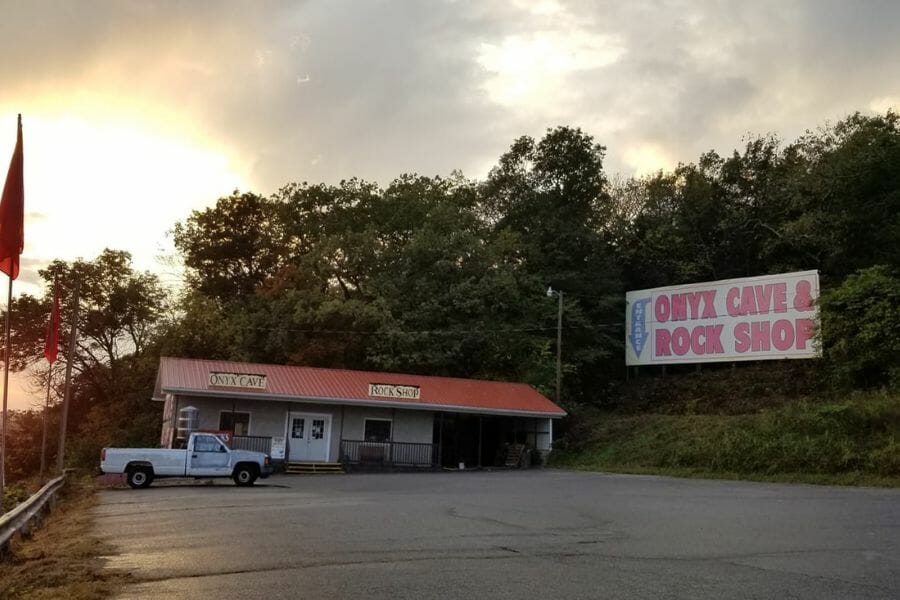
If you’re not really fond of exploring and getting your hands dirty, but you still want to have interesting crystal specimens, these shops are worth visiting.
These are the best crystal stores we could find if you’re looking for unique and stunning specimens.
- Creatures of Whim – 126 N Broadway, Lexington, KY 40507
- The Crystal Coven – 1129 W Lexington Ave, Winchester, KY 40391
- Goldheart: Stones and Such – 980 Barret Ave, Louisville, KY 40204
- House of Onyx – 120 Main St, Greenville, KY 42345
- Moon Struck – 3207 College Dr, Jeffersontown, KY 40299
- Nice Rock Shop – 311 Broadway St, Paducah, KY 42001
- Onyx Cave Rock Shop – 93 Huckleberry Knob Rd, Cave City, KY 42127
- Serendipity Corner – 420 E Main St F, Mt Sterling, KY 40353
- Stix-N-Stonz – 2234 Dundee Rd, Louisville, KY 40205
- White Willow Emporium – 400 Old Vine St #100, Lexington, KY 40507
Additional places to find crystals in nearby states
If you’ve already tried all of our recommendations above or are planning a trip out of the state, you should check out our guides for neighboring states:
- Crystals in Illinois
- Crystals in Indiana
- Crystals in Missouri
- Crystals in Ohio
- Crystals in Tennessee
- Crystals in Virginia
- Crystals in West Virginia
If you have any recommendations we haven’t covered please leave them in the comments below!