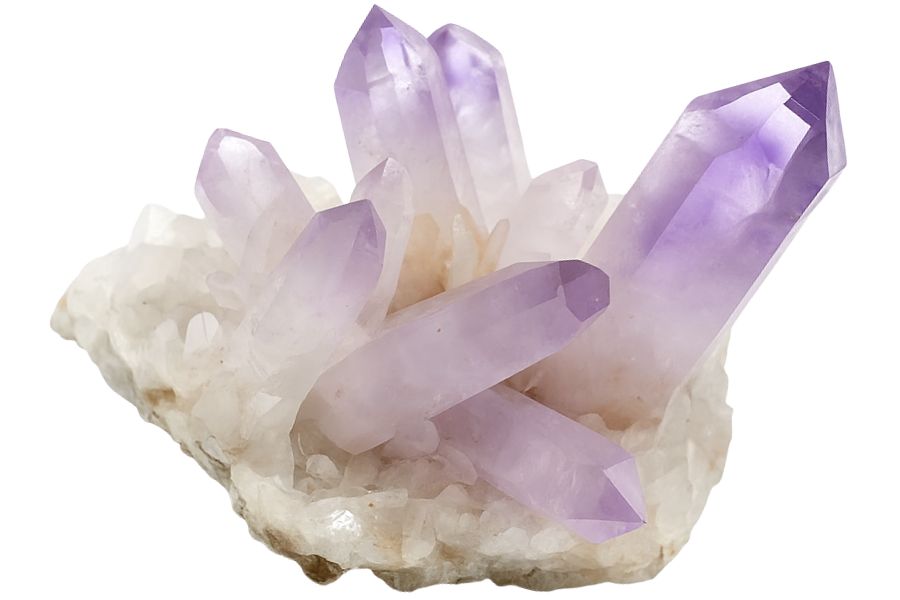
Rockhounds looking to expand their collection know that the best spots for amethyst in Oregon can yield some truly spectacular finds. However, you need to know exactly where to start looking.
Tracking down this beautiful purple quartz comes down to understanding the places it tends to form and recognizing the telltale terrain around it. General collecting tips are easy to find, yet having local knowledge is what turns an ordinary day of searching into a successful collecting trip.
Knowing which landscapes, creek beds, and exposed formations are the most likely deposit areas is absolutely essential for success. This focused approach will boost your odds of unearthing pockets of vibrant amethyst.
What is Oregon Amethyst?
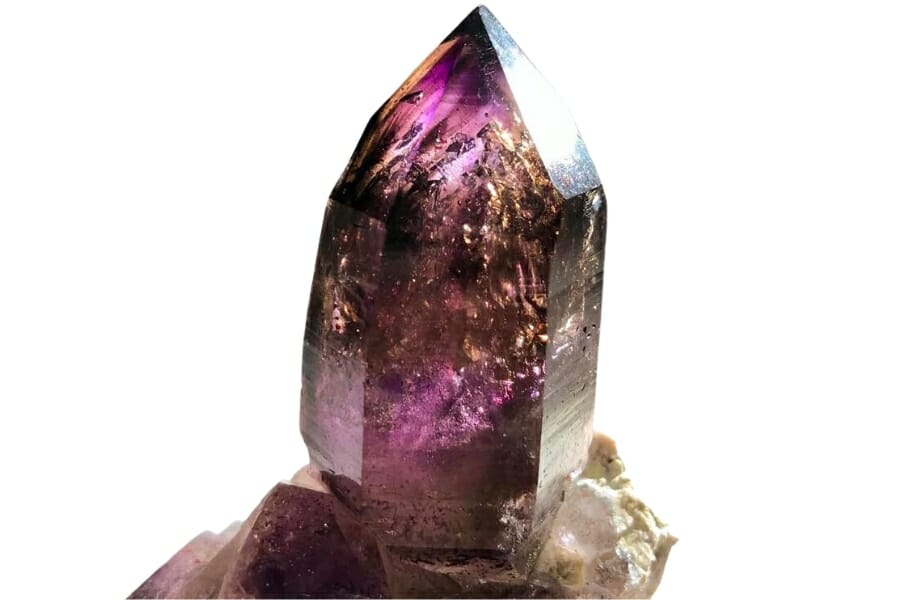
The birthstone for February, Amethyst gets its purple color from the presence of iron and manganese within the quartz crystal. It can be found all over the world, but some of the most significant deposits are located in Brazil, Uruguay, and Zambia. There are also lesser-known sources in the United States, such as in Oregon.
Oregon Amethysts are unique in their coloration, with a distinct reddish-purple hue that sets them apart from other specimens. They’re also known for their microscopic inclusions, described as “landscape” or “garden” that resemble miniature scenes. These give each gemstone a distinct personality.
Brandberg Amethyst
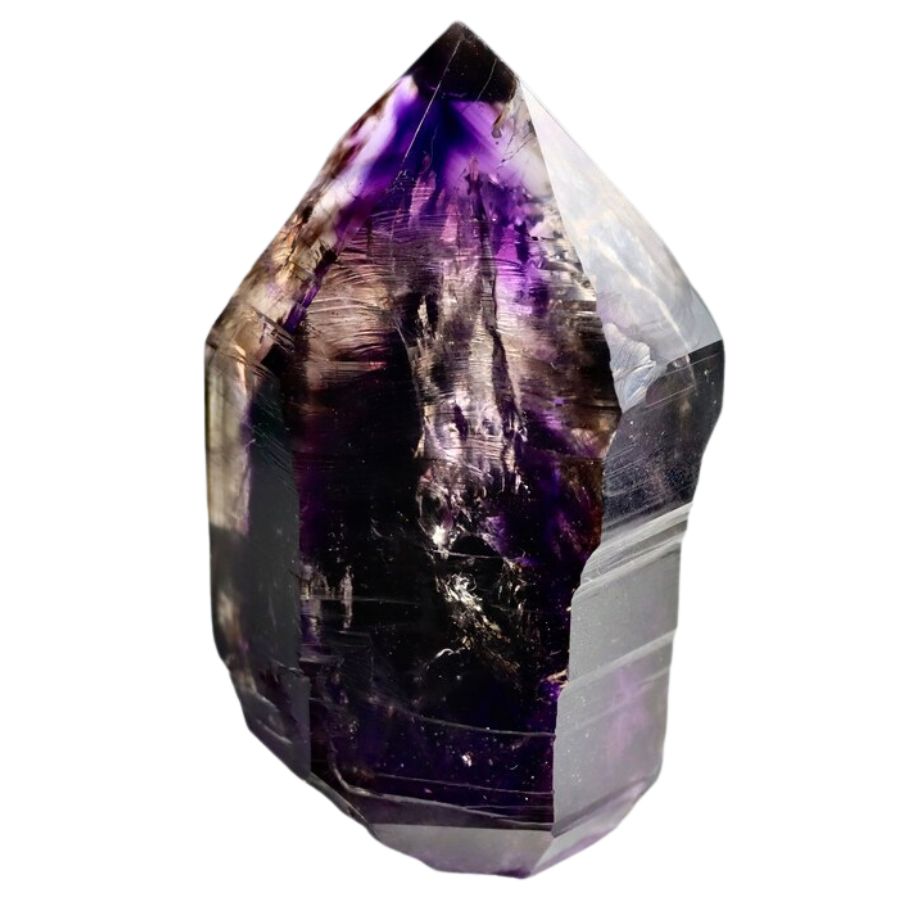
Brandberg amethyst is a captivating variety of quartz, renowned for its unique blend of elements like silicon dioxide, iron, and trace amounts of other minerals.
These components come together to form a crystal that not only holds geological significance but also showcases a striking array of hues and features.
The appearance of Brandberg amethyst is truly remarkable, characterized by its color range from deep purples to vibrant lilacs.
The varying shades are a result of the iron content within the crystal structure, which can fluctuate, leading to diverse color intensities and patterns in each specimen.
Brandberg amethyst stands out for its inclusion patterns and the presence of phantom crystals within its structure.
These internal “ghosts” are formed by layers of other minerals, offering a glimpse into the crystal’s growth history and adding to its allure for those fascinated by the wonders of the natural world.
If you want REAL results finding incredible rocks and minerals you need one of these 👇👇👇

Finding the coolest rocks in isn’t luck, it's knowing what to look for. Thousands of your fellow rock hunters are already carrying Rock Chasing field guides. Maybe it's time you joined the community.
Lightweight, mud-proof, and packed with clear photos, it’s become the go-to tool for anyone interested discovering what’s hidden under our red dirt and what they've already found.
Join them, and make your next rockhounding trip actually pay off.
What makes it different:
- 📍 Find and identify 140 incredible crystals, rocks, gemstones, minerals, and geodes across the USA
- 🚙 Field-tested across America's rivers, ranchlands, mountains, and roadcuts
- 📘 Heavy duty laminated pages resist dust, sweat, and water
- 🧠 Zero fluff — just clear visuals and straight-to-the-point info
- ⭐ Rated 4.8★ by real collectors who actually use it in the field
Ametrine
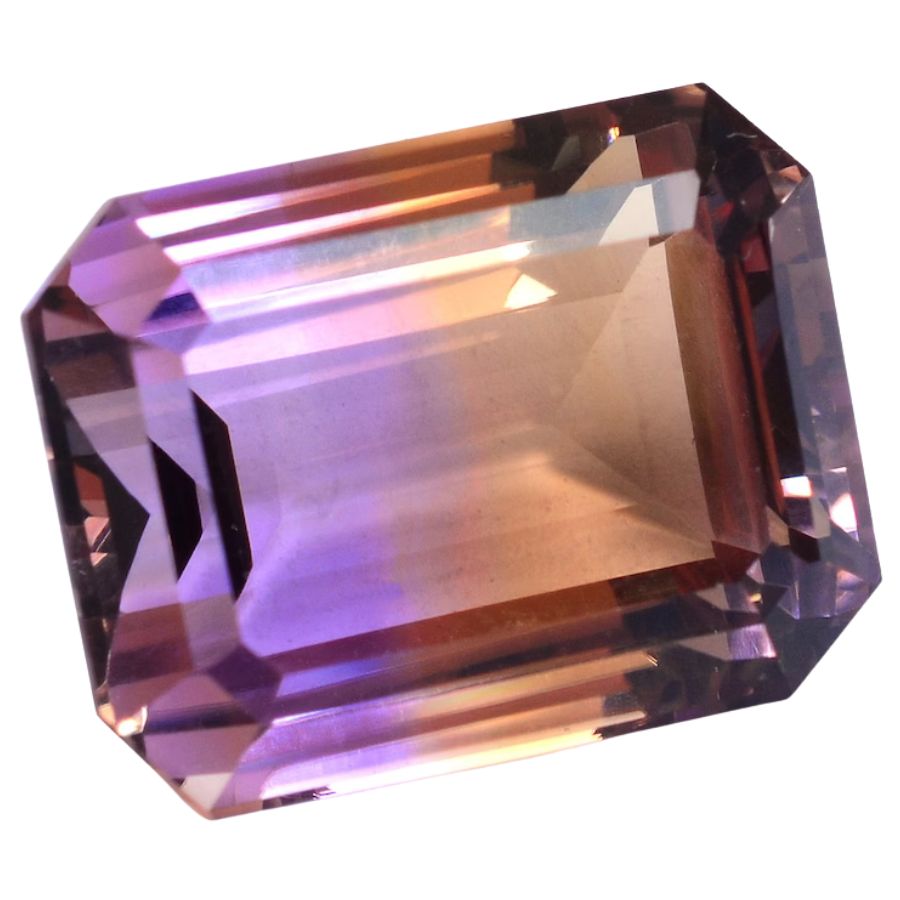
Ametrine is an intriguing mineral that captures the imagination of those interested in rocks and minerals. This unique gem is a combination of two quartz varieties: amethyst and citrine.
The beauty of ametrine lies in its striking coloration, which ranges from a blend of vibrant purple and golden yellow.
This color variation is a result of differing oxidation states of iron within the crystal, influenced by temperature and radiation exposure during formation.
Ametrine is notable for its distinct zoning of colors, where purple and yellow hues can be clearly seen in the same crystal. This feature, combined with its unique composition, sets ametrine apart from different kinds of amethyst.
Chevron Amethyst
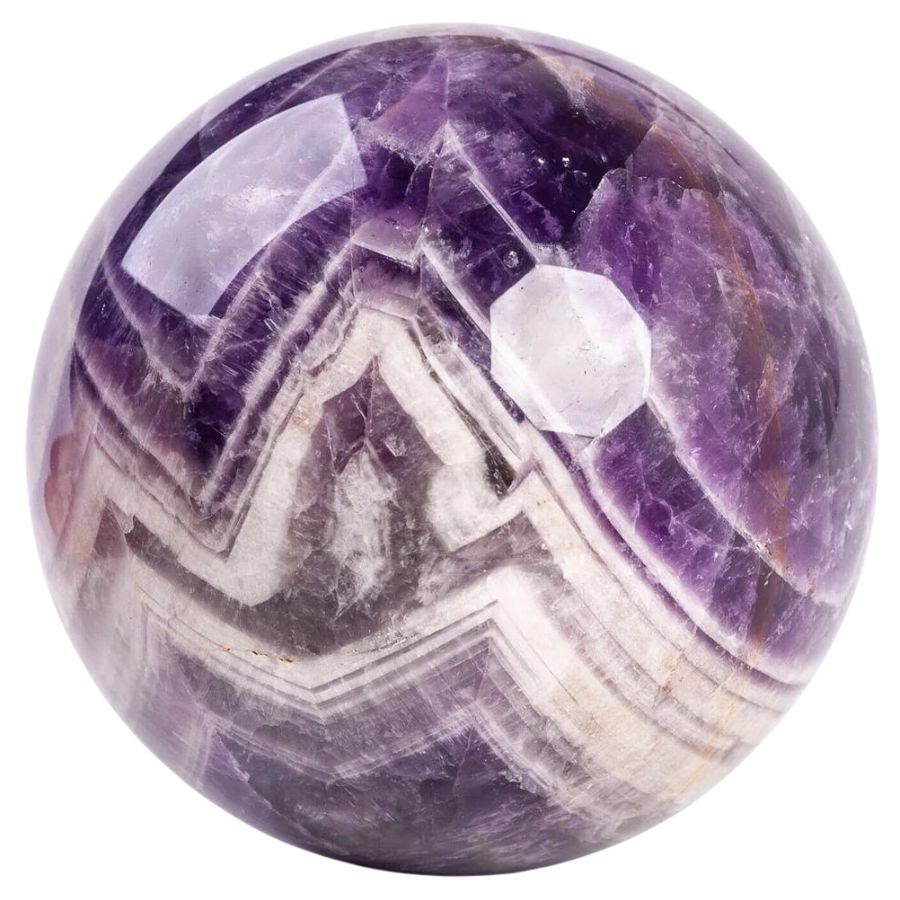
Chevron amethyst is a captivating type of amethyst known for its distinctive pattern. It’s easily recognized by its unique V-shaped or chevron patterns, which are a combination of deep purple and white or clear quartz layers.
These patterns and color variations are due to differences in iron content and other impurities in the layers, resulting in the striking contrast seen in chevron amethyst.
Chevron amethyst is not only beautiful but also a subject of interest for its formation process. The alternating layers of colors provide a visual record of the crystal’s growth history, making it a fascinating example for geological study.
Auralite
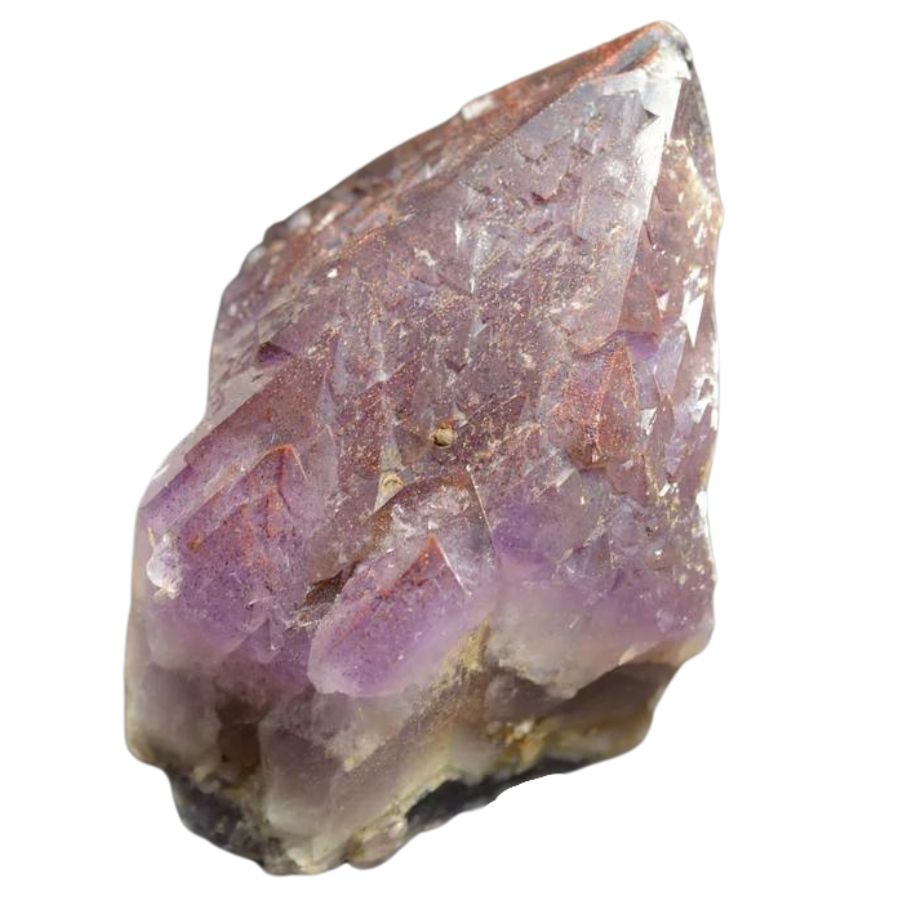
Auralite is an intriguing type of mineral that’s a combination of amethyst and several other trace minerals. Its composition includes silicon dioxide from amethyst, along with a mixture of elements like iron, copper, and titanium.
This mineral’s appearance is quite distinct, often showing a deep purple hue similar to what amethyst looks like, but with additional layers or inclusions of other colors.
These variations in color are due to the various trace minerals present in auralite, each contributing to its unique and colorful display.
A standout feature of auralite is the presence of multiple minerals within a single specimen, sometimes including up to 23 different types.
This mix not only gives auralite its diverse color range but also makes it a fascinating subject for those studying minerals and their properties.
Prasiolite
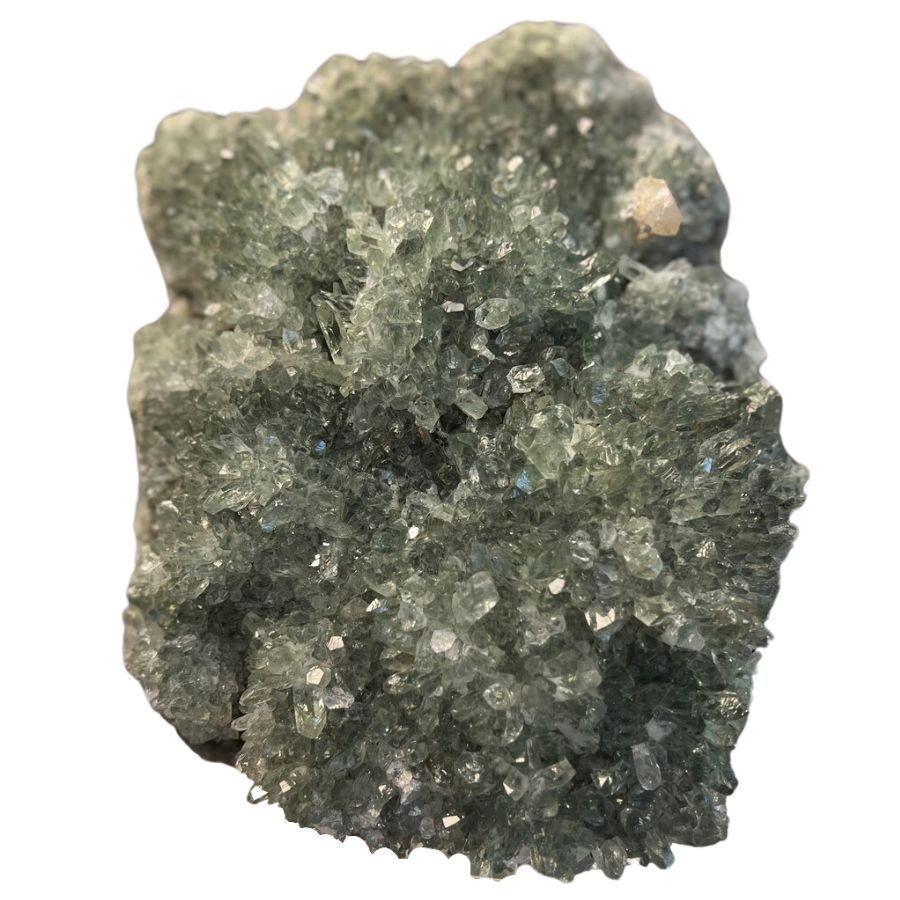
Prasiolite is an interesting variety of quartz. It often contains traces of iron, which play a key role in giving prasiolite its unique color.
This mineral is known for its beautiful green color, which can range from a light, almost transparent green to a deeper, more olive shade.
The green color of prasiolite is usually the result of heat treatment, either occurring naturally in the earth or artificially, transforming certain types of amethyst or yellowish quartz into prasiolite.
Naturally-occurring prasiolite is rare, as most available prasiolite is created through artificial means.
Cacoxenite amethyst
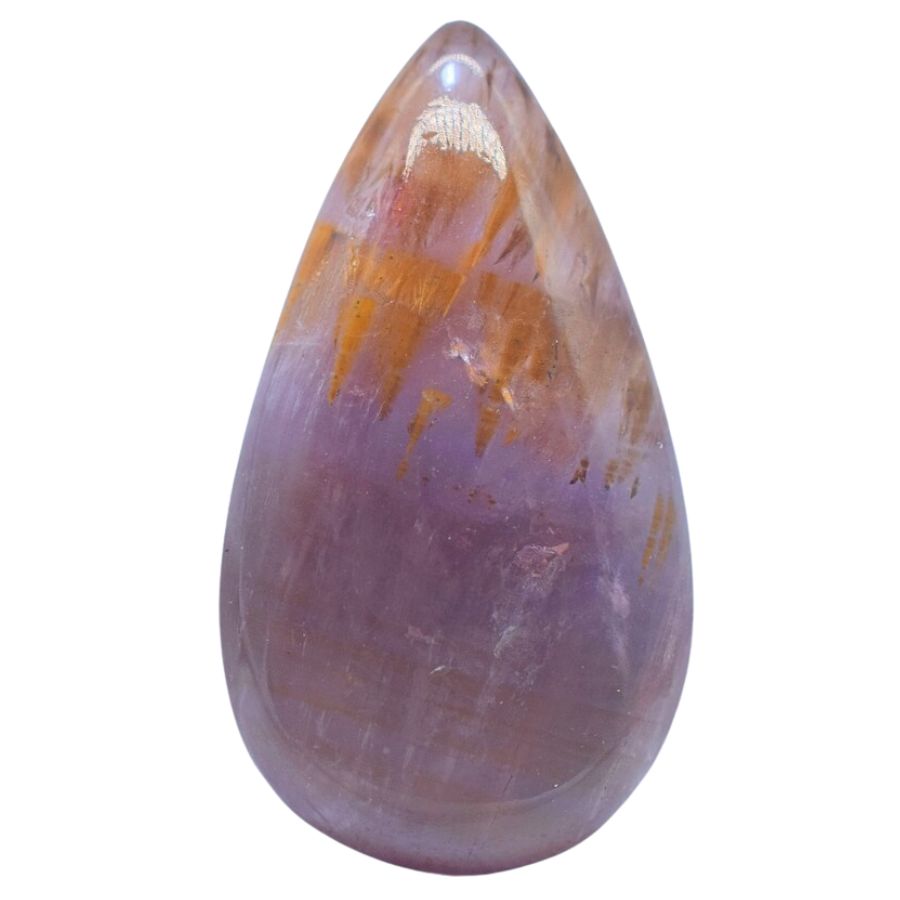
Cacoxenite is an intriguing mineral primarily composed of iron, aluminum, and phosphate, along with other elements like oxygen and hydrogen. This combination of elements gives cacoxenite its unique chemical makeup and properties.
Cacoxenite typically exhibits a striking golden-yellow to brownish-yellow color. This coloration is mainly due to the presence of iron in its structure, which imparts the rich hues that characterize this mineral.
A notable feature of cacoxenite is that it often forms as an inclusion within other minerals, such as amethyst, creating a beautiful contrast.
These inclusions of cacoxenite can appear as radiating or feathery formations, adding an intricate and fascinating aspect to the host mineral.
Where you can find cacoxenite amethyst
Cacoxenite amethyst can be found in the United States, Germany, and Brazil.
Phantom Amethyst
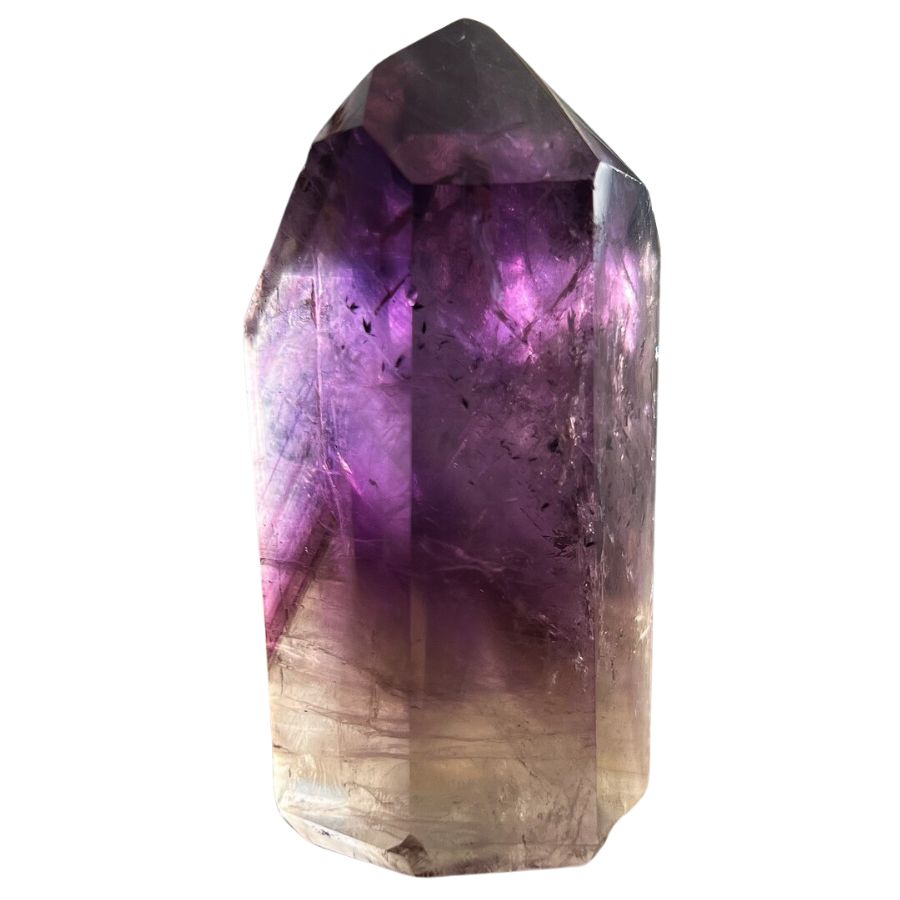
Phantom amethyst is a fascinating variety of amethyst. It stands out due to the presence of “phantoms” – ghost-like inclusions within its structure, which give it a distinct and layered look.
In phantom amethyst, one can observe a range of colors from deep purples to lighter hues, often appearing in layers or as phantom shapes within the crystal.
These color variations are typically due to trace amounts of iron and other minerals that get trapped during the crystal’s growth, influencing its final color.
Phantom amethyst provides a visual record of the crystal’s growth history. The crystal outlines and layers within the stone are formed by pauses in the crystal’s growth, offering a glimpse into geological processes over time.
Where you can find phantom amethyst
There are notable sources of phantom amethyst in Brazil, Madagascar, and the United States. In the United States, phantom amethyst is often discovered in states like Arizona, North Carolina, and Colorado.
Pink Amethyst
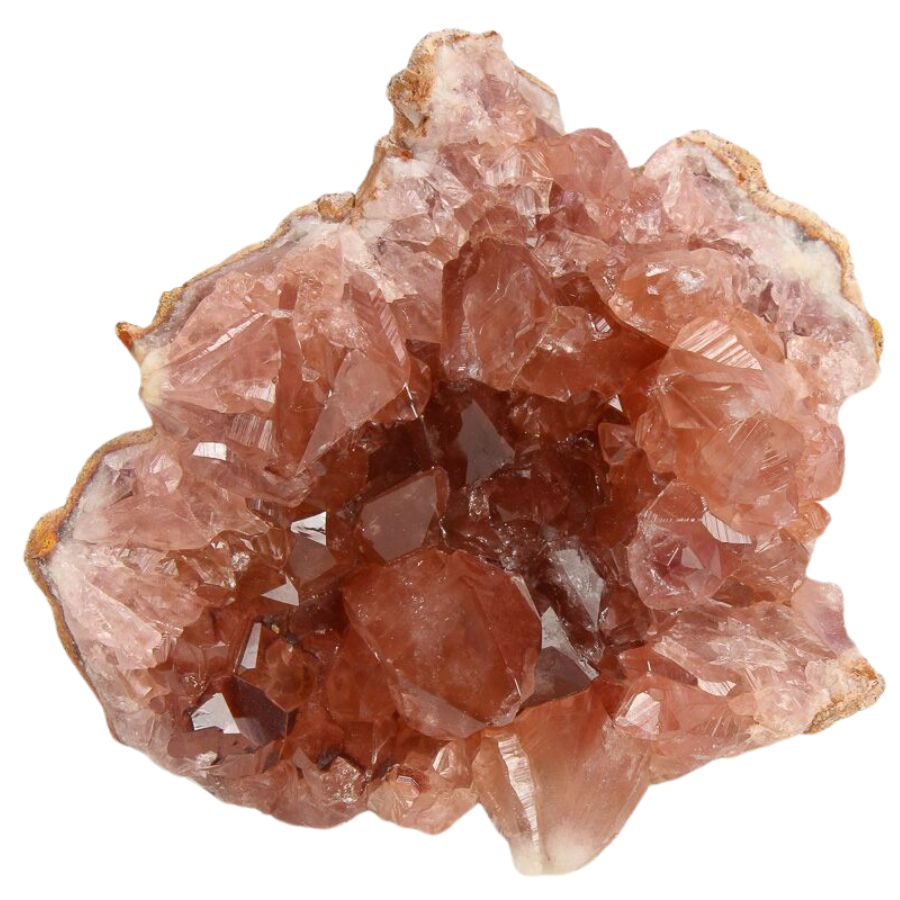
Pink amethyst is a unique and relatively rare variety of the common mineral amethyst. The presence of trace elements, particularly iron, contributes to its distinct pink hue.
The appearance of pink amethyst ranges from a delicate, light pink to a deeper, more vivid pink.
This variation in color is largely due to the concentration and distribution of iron within the crystal, which affects how light interacts with the mineral.
Pink amethyst is its often found in geodes or clusters, where multiple crystals grow together in a captivating display.
Amethyst Geodes
Amethyst geodes are fascinating natural formations, with traces of iron giving them their famous purple color. These geodes form in volcanic rocks and are essentially hollow, lined with amethyst crystals.
A key feature of amethyst geodes is their crystal-lined cavity, which creates a stunning natural display. When you look inside an amethyst geode, you’ll see a range of purple hues, from light lavender to deep violet.
The color variation is due to the amount of iron and the specific conditions under which the crystals formed, such as temperature and the presence of other trace elements.
Geodes can vary greatly in size, from small enough to fit in your hand to large enough to stand in, and each one is unique in its crystal formation and color pattern.
Where you can find amethyst geodes
Amethyst geodes are commonly found in Brazil and Uruguay. In the United States, they can also be found in places like Arizona and Oregon.
Cactus Amethyst
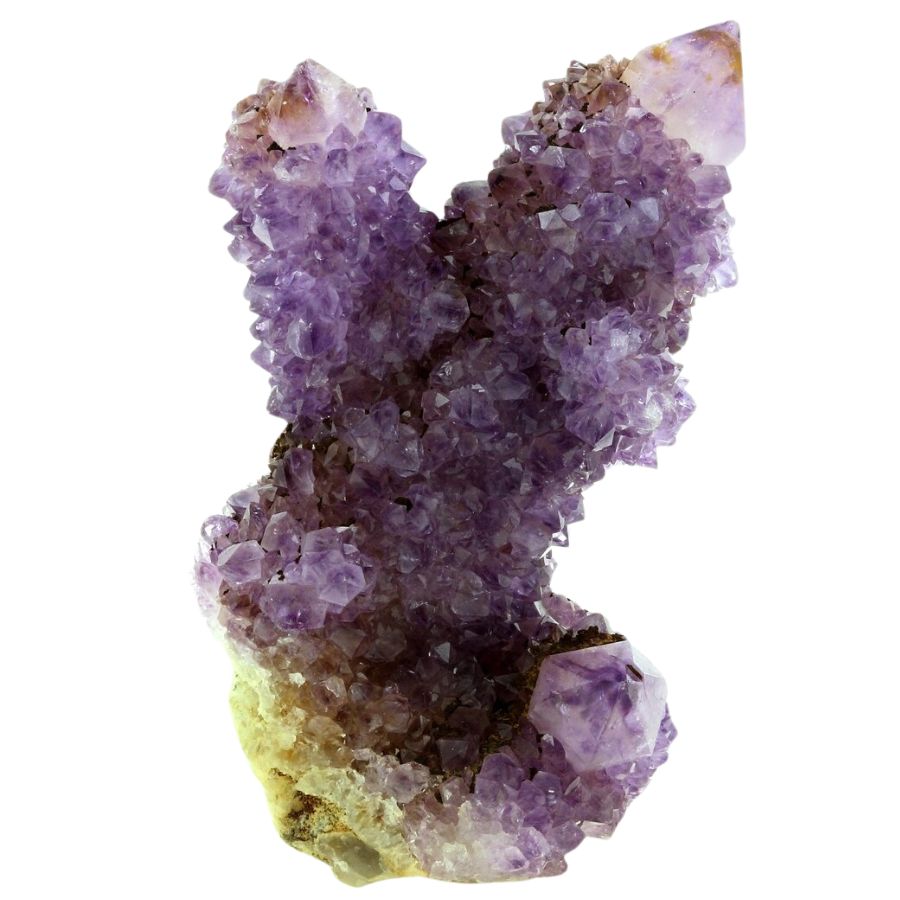
Cactus amethyst is also known as spirit quartz. Its unique structure is enriched with additional minerals, which contribute to its distinctive appearance.
This type of amethyst is characterized by a central quartz crystal covered in smaller crystal growths, giving it a spiky, cactus-like appearance.
The color ranges from pale lilac to deep purple, with the variations largely influenced by the amount of iron and other trace elements within the crystals.
A notable feature of cactus amethyst is the way the smaller crystals radiate outward from the central crystal.
This formation not only creates a stunning visual effect but also makes each piece of cactus amethyst a unique and fascinating specimen.
Regarding the price of amethyst, it can vary significantly based on the size, quality, and depth of color. While smaller, less vibrant pieces are relatively affordable, larger specimens with deep, rich colors can be quite valuable.
Scepter Amethyst
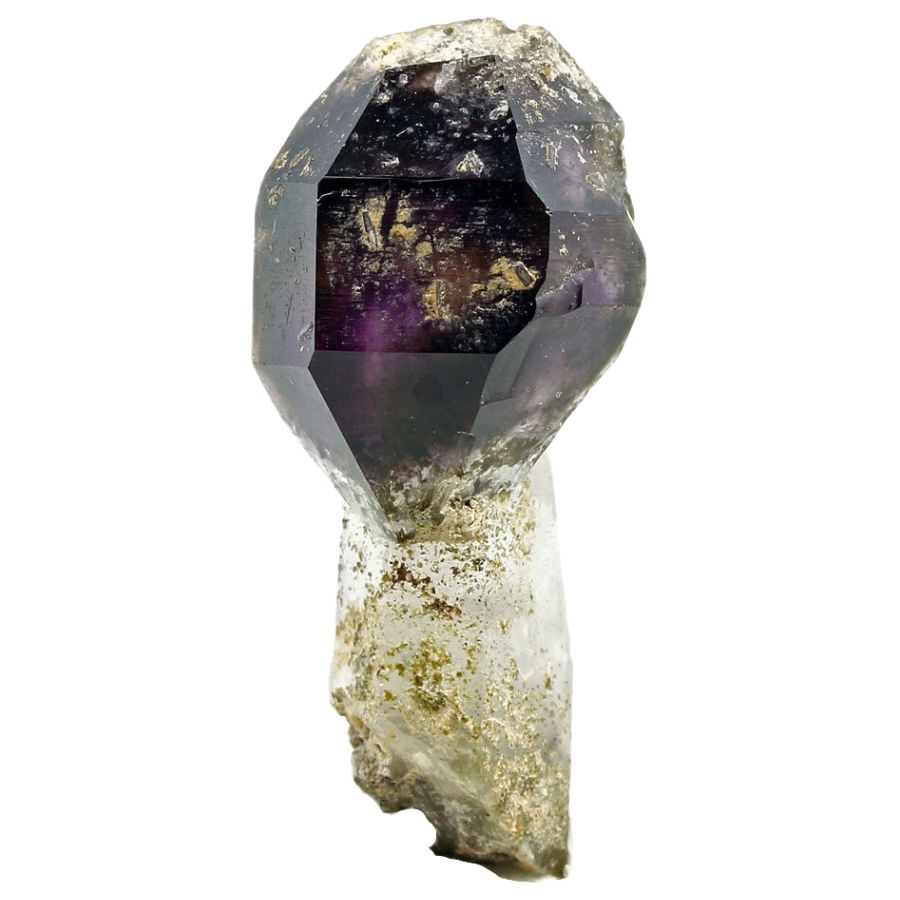
Scepter amethyst gets its name from its distinctive scepter-like formation, where a larger crystal cap sits atop a smaller crystal stem.
The color variations in scepter amethyst are influenced by the amount of iron and other trace elements within the crystal, coupled with the specific conditions under which it formed.
A key feature of scepter amethyst is its symbolic scepter shape, representing a crystal formation process where a second phase of growth occurs on an already-formed crystal base. This creates a striking and regal scepter-like appearance.
Where you can find scepter amethyst
Scepter amethyst can be found in several locations around the world, with notable spots including Brazil, Madagascar, and Zambia.
In the United States, areas like Washington State and North Carolina are also known for their scepter amethyst discoveries.
Smoky Amethyst
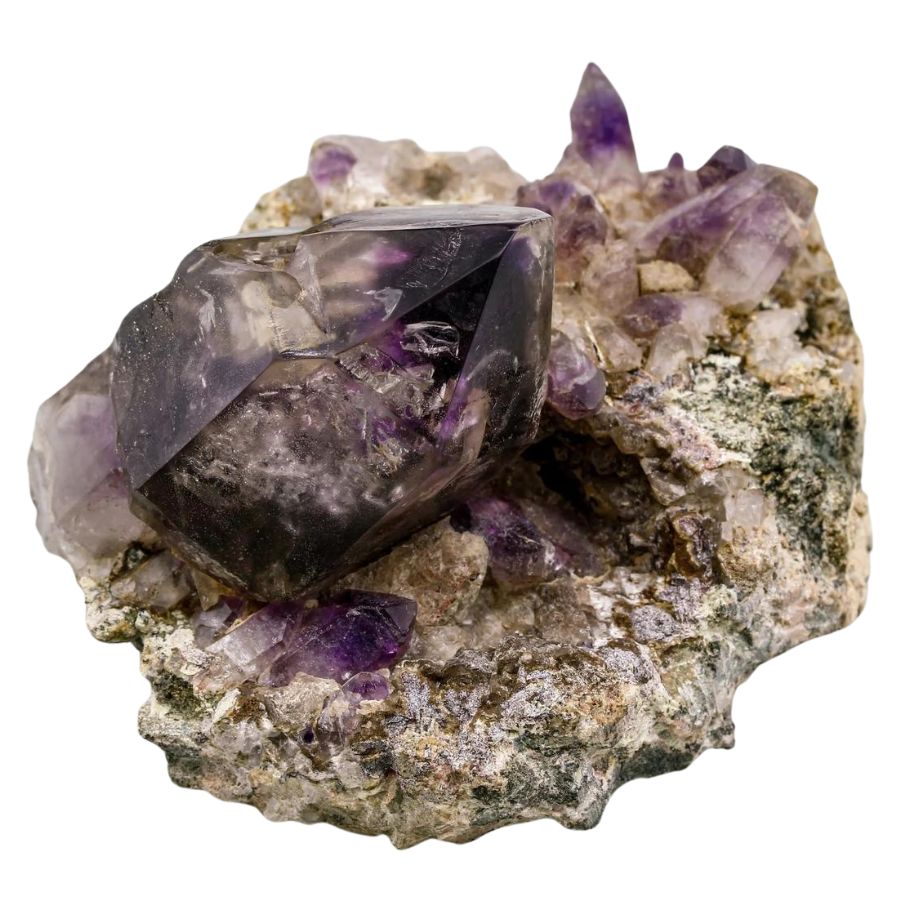
Smoky amethyst is a unique variation among amethyst types that combines features of both smoky quartz and amethyst. The presence of trace elements like iron and aluminum gives it its unique coloration.
This mineral exhibits a blend of smoky brown and purple hues, creating a captivating visual effect. This is due to natural irradiation and the varying amounts of impurities, which influence the depth and intensity of both the smoky and purple colors.
A notable feature of smoky amethyst is its dual-tone appearance, which is not commonly found in other quartz varieties.
Where you can find smoky amethyst
Smoky amethyst can be found in several countries, including Brazil. It’s also discovered in places like Africa and the United States.
- The deep experience and understanding of our team about the area
- Recommendations from local groups and clubs
- How easy it is to get the a particular location
- Safety and potential hazards when collecting
- Weighing private and public locations
- The ability for both experienced and novice amethyst enthusiasts to find great samples
With these factors in mind we’ve been able to put together a fantastic list that just about anyone can use!
The Best Spots To Find Amethyst in Oregon
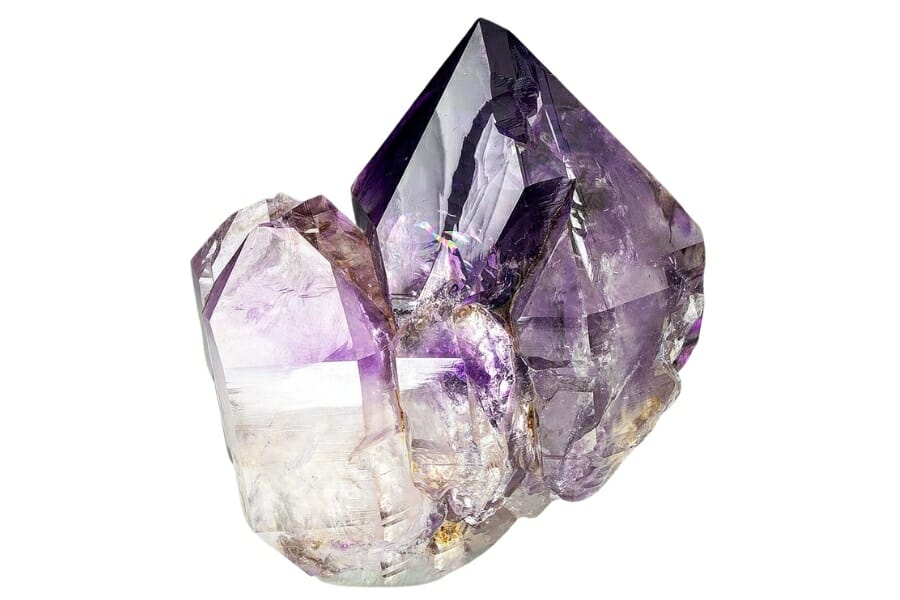
There is an abundance of great places to mine gems in Oregon, but not all of these locations have Amethysts, too. We’ve specifically searched through our state to find the awesome site where you can find these amazing purple gems. And below are our favorite ones:
Always Confirm Access and Collection Rules!
Before heading out to any of the locations on our list you need to confirm access requirements and collection rules for both public and private locations directly with the location. We haven’t personally verified every location and the access requirements and collection rules often change without notice.
Many of the locations we mention will not allow collecting but are still great places for those who love to find beautiful rocks and minerals in the wild without keeping them. We also can’t guarantee you will find anything in these locations since they are constantly changing.
Always get updated information directly from the source ahead of time to ensure responsible rockhounding. If you want even more current options it’s always a good idea to contact local rock and mineral clubs and groups
Antelope Bed
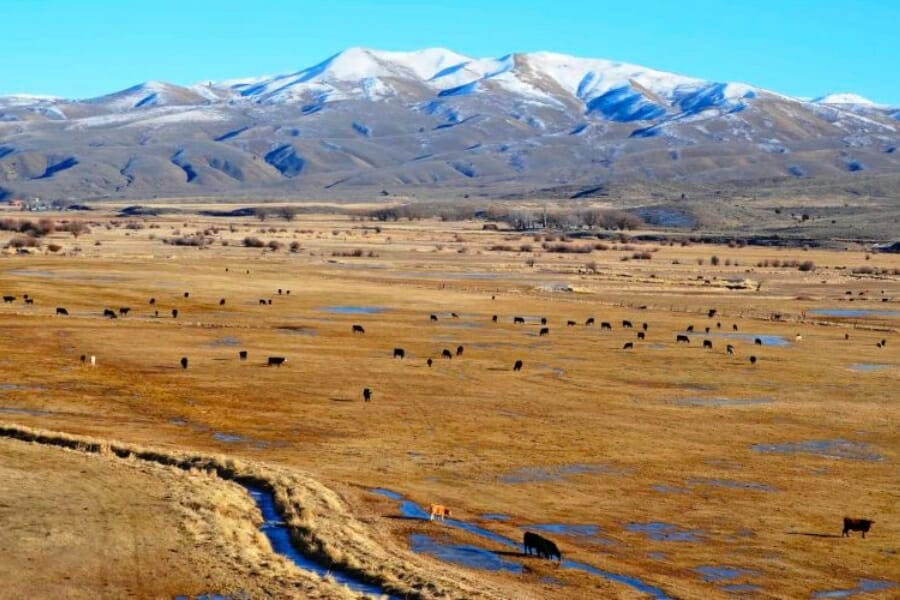
Located in central Oregon, near the town of Prineville, Antelope Bed has a breathtaking terrain that’s been attracting visitors left and right. It has a pretty unique landscape, with rugged hills and canyons that were formed by volcanic activity millions of years ago.
Antelope Bed’s geology is pretty interesting too— the Amethysts that you can find here were formed in cavities within the volcanic rock, and they have a unique reddish-purple color that sets them apart from other specimens.
Finding Amethysts here won’t be easy, though, but the challenge of doing so is just part of the fun. If you’re lucky, you might even find some with those cool landscape inclusions that Antelope Bed Amethysts are known for. Just make sure that you are following our state’s collecting guidelines before you take home your finds.
Where we found amethyst at Antelope Bed
When you reach Wasco County, where this place is located, go 0.3 mile east on SR-218 to the bridge. After crossing bridge, watch for Antelope Bed sign and turn south there. You can start your exploration for Oregon Amethysts there.
If you want REAL results finding incredible rocks and minerals you need one of these 👇👇👇
Finding the coolest rocks in isn’t luck, it's knowing what to look for. Thousands of your fellow rock hunters are already carrying Rock Chasing field guides. Maybe it's time you joined the community.
Lightweight, mud-proof, and packed with clear photos, it’s become the go-to tool for anyone interested discovering what’s hidden under our red dirt and what they've already found.
Join them, and make your next rockhounding trip actually pay off.
What makes it different:
- 📍 Find and identify 140 incredible crystals, rocks, gemstones, minerals, and geodes across the USA
- 🚙 Field-tested across America's rivers, ranchlands, mountains, and roadcuts
- 📘 Heavy duty laminated pages resist dust, sweat, and water
- 🧠 Zero fluff — just clear visuals and straight-to-the-point info
- ⭐ Rated 4.8★ by real collectors who actually use it in the field
Shellrock Mountain
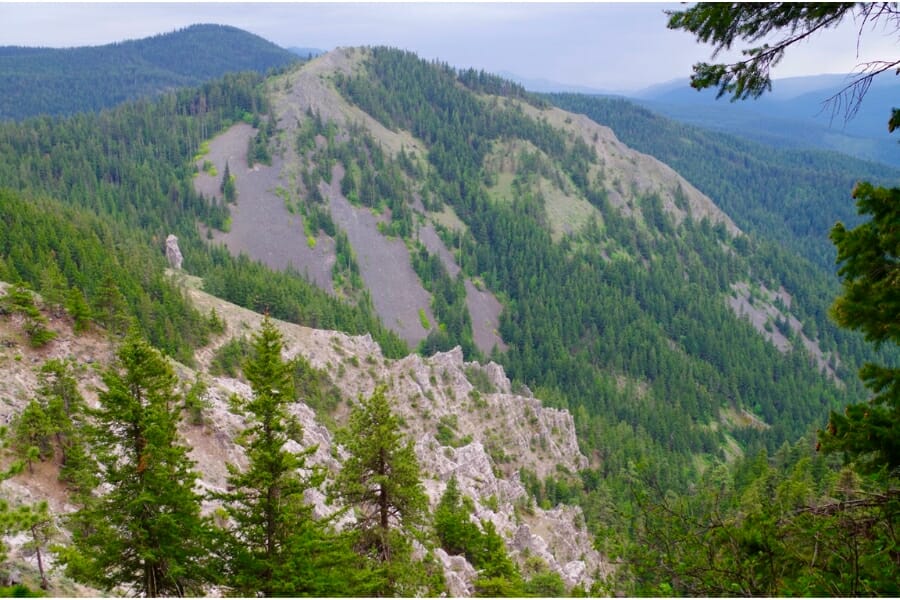
Shellrock Mountain is located in the Ochoco National Forest, about an hour’s drive from Prineville. The terrain of the mountain is pretty rough and its geology is unique. It’s rich in volcanic rocks, which explains the numerous pockets of remarkable Amethysts found here.
To find this gemstone here, you’ll need to do some hiking and exploring to get to the good spots. The terrain can be steep and rocky, so make sure you wear sturdy shoes and pack plenty of water and snacks.
Where we found amethyst at Shellrock Mountain
When you visit here, you can explore the different nooks and crannies of Shellrock Mountain to discover their Amethyst reserves. Should you find one and you’re curious to know all about Amethyst price in the current market, check out our guide, too.
Cripple Creek Vein
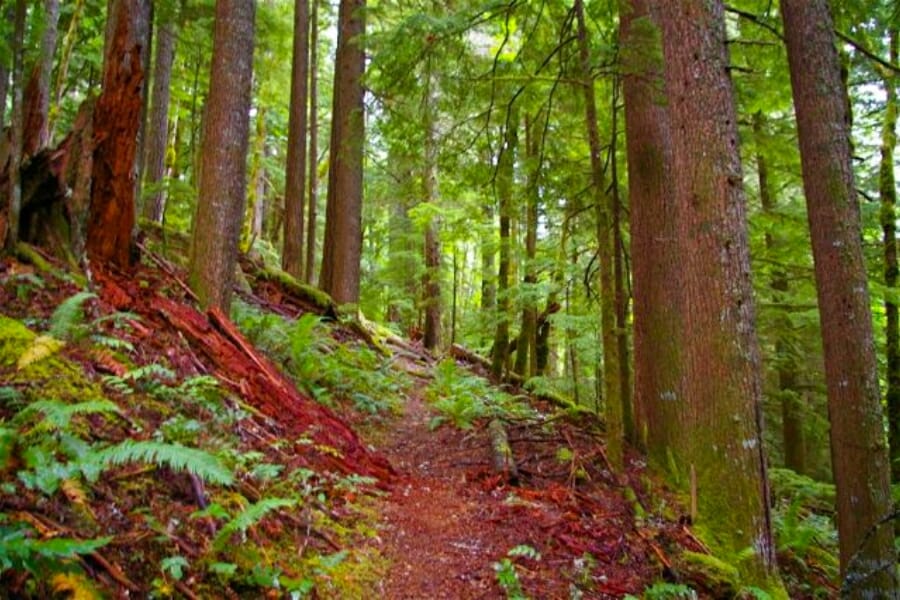
You’ll be amazed by the unique terrain of the Cripple Creek Vein located in the eastern part of our state, near the town of Adrian. This place is known for its rugged hills and canyons, which were formed by volcanic activity millions of years ago.
The Amethysts found in Cripple Creek Vein are formed in cavities within the volcanic rock, and they have a beautiful reddish-purple color.
However, like the other two locations we’ve shared above, finding Amethysts here can be a bit challenging as the terrain can be pretty steep and rocky. But once you come across impressive specimens, it will all be worth it.
Where we found amethyst at Cripple Creek Vein
To find Amethyst here, you can visit and explore the western vein of Cripple Creek. Many rockhounds have found beautiful specimens of the gem here so chances are high that you’ll find one here, too.
Common Amethyst-Hunting Questions
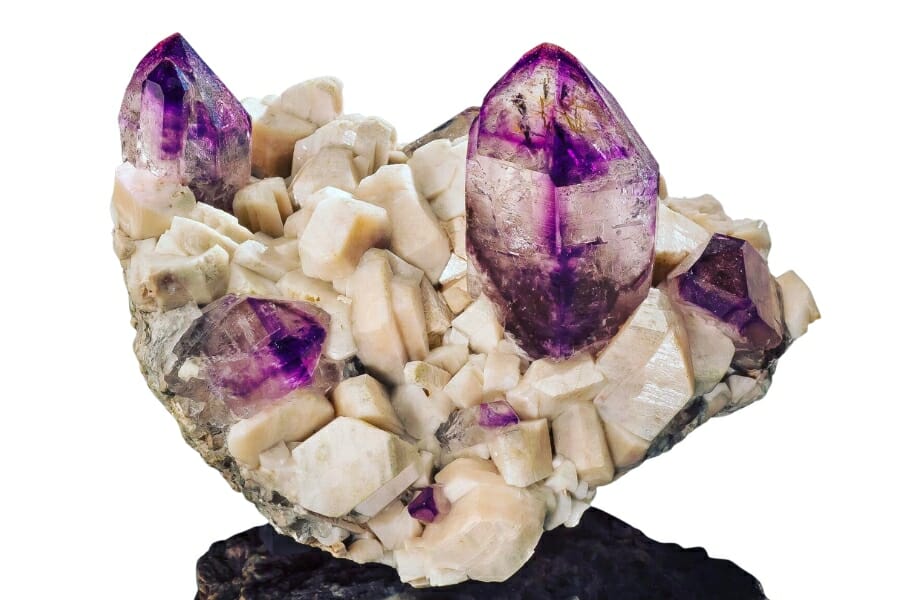
When it comes to Amethyst mining in Oregon, below are some of the most common questions that collectors and enthusiasts have. You might be wondering about the same things, too, so we’ll answer them for you.
Where can you find Amethyst Geodes in Oregon?
While Amethysts occur in Oregon, Amethyst geodes are another thing. Unfortunately, you won’t find them here even if you keep digging and mining. You still have a chance of taking home an Amethyst geode from Oregon though if you visit our local rock and gem shops here. We’ll be sharing some great ones below that you can check out.
Is it illegal to collect amethyst in Oregon?
It is legal to collect amethyst in Oregon if you are compliant with our state’s collecting guidelines. Also, some areas may have specific rules and regulations meant to protect the environment and biodiversity of the area, so make sure that you are aware and obedient of them, too.
The Best Places To Buy Amethyst In Oregon

If you prefer an easier and more relaxing way of taking home an Oregon Amethyst for your collection, then we recommend visiting our local rock and gem shops. We’ve listed down our favorite ones below so you could choose which ones to check out.
Rock Your World – 3203 SE Hwy 101, Lincoln City, OR 97367
5 Elements Gem and Mineral – 2100 W Broadway, Eugene, OR 97402
Enchanted Crystal – 4207 SE Woodstock Blvd, Portland, OR 97301
Best Crystals – 6635 N Baltimore Ave # 216, Portland, OR 97203
Flower of Life Crystals – 40 N Main St, Ashland, OR 97520
Visions Rock Shop – 6334 US-101 # 4, Lincoln City, OR 97367
Samora Minerals – 79 SE Taylor St #401, Portland, OR 97214
Nature’s Bling – 133 SW Century Dr Suite 202, Bend, OR 97702
Additional Places To Find Amethyst In Nearby States
Check out the guides we made for the nearby states where you can find amethysts as well:
If you have any recommendations for our list please leave a comment below!