Hunting for opals is an exciting adventure that combines the beauty of nature with the thrill of finding precious stones. In a state famous for its diverse landscapes, people can enjoy the quest to uncover these colorful gems.
Our state, with its special geological features, offers a great place for opal hunters. We’ll explore the best spots to find opals, the tools you need, and helpful tips for a successful hunt.
Whether you’re experienced or just starting, this guide will help you find opals in this gem-rich area. We’ll show you the specific locations for your opal quest. While you search, you will certainly uncover many other fascinating stones.
To avoid the frustration of not knowing what you’ve found, the only other tool you’ll need is Rock Chasing’s New England Rocks & Minerals Identification Field Guide, ensuring no potential treasure gets left behind.
How Opal Forms Here
Opal forms here through a fascinating natural process. When water containing silica seeps into cracks and voids in rocks, it begins to evaporate, leaving behind tiny silica spheres.
Over time, these spheres stack in a grid-like pattern, creating opal. This process can take millions of years!
The colors in opal come from the way light refracts through the silica spheres. Different conditions in the ground, like the type of rock and the presence of other minerals, can affect the opal’s type, color, and quality.
The Types Of Opal Found In The US
There are several incredible types of Opal that can be found in the US as well as in our state. Each is uniquely beautiful and interesting including:
Common Opal
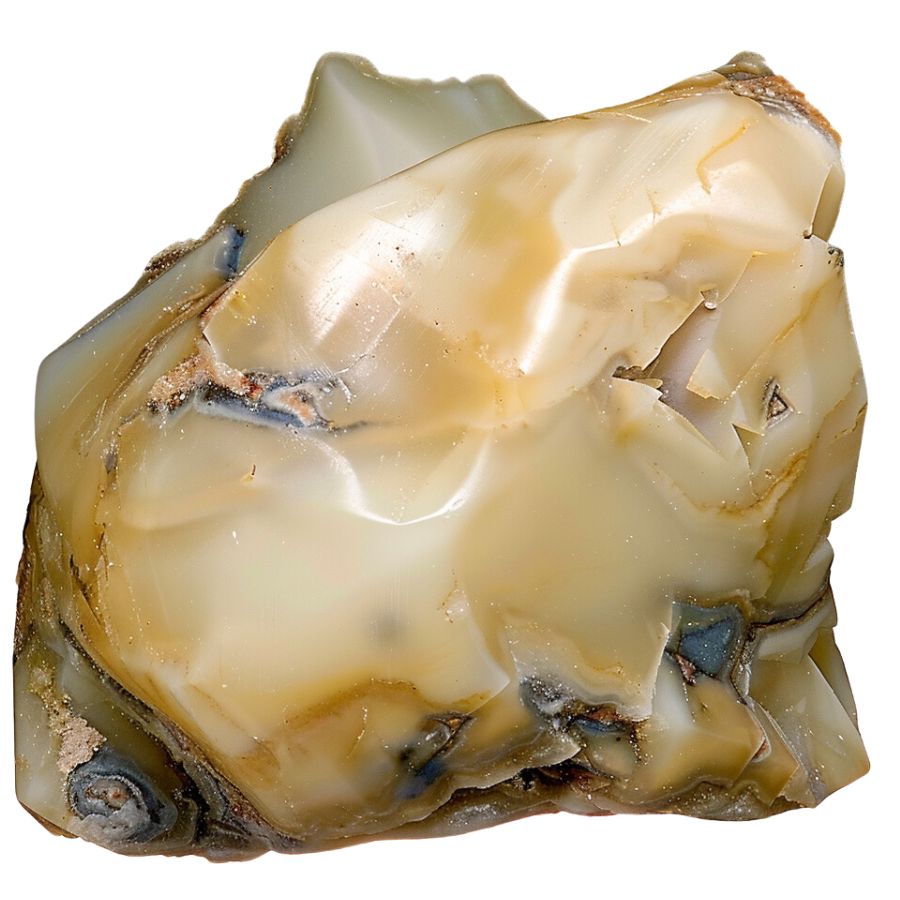
Common opal, also known as “potch,” stands out from other types of opal due to its lack of play-of-color, the iridescent display seen in precious opal. Instead, common opal features consistent, solid colors like white, pink, yellow, green, and blue.
It typically has a waxy to pearly luster and ranges from opaque to translucent. To identify common opal, look for its uniform color and absence of the shimmering color flashes found in precious opal.
Common opal forms under similar geological conditions as other opals, where silica-rich water seeps into rock cavities and slowly hardens over time. This process usually occurs in areas with volcanic activity or hot springs, where silica deposits are prevalent.

You won’t believe how many incredible rocks and minerals you’ve walked past across New England without knowing their names.
This field guide makes it insanely easy to spot gems, minerals, and hidden treasures anywhere you explore.
📘 Check out the New England Field Guide Now →
What makes it different:
🚙 Field-tested across New England
📘 Heavy duty laminated pages resist dust, sweat, and water.
🧠 Zero fluff with clear visuals and straight-to-the-point info.
📍 Find hidden gems like Topaz, Amethyst, and beautiful crystals.
Fire Opal
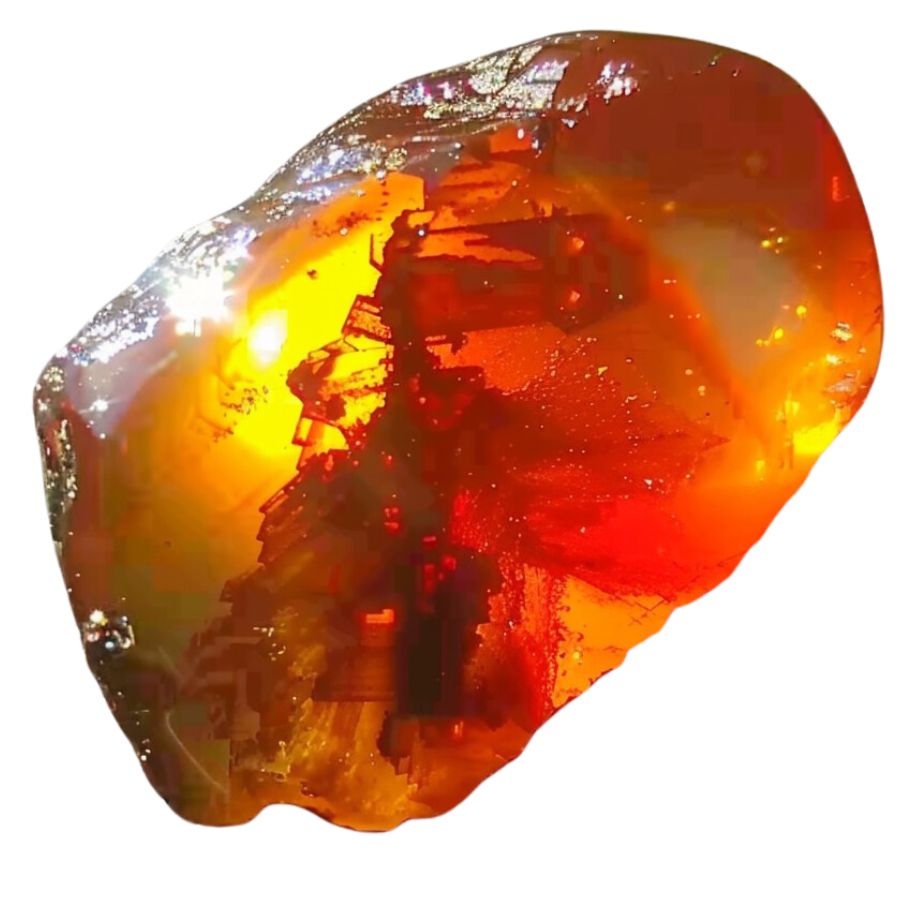
Fire opal is known for its warm, vibrant colors, ranging from yellow and orange to deep red. Unlike precious opal, fire opal may or may not display the play-of-color, but its fiery body color makes it unique.
To identify fire opal, look for its bright, translucent to transparent appearance and the absence or presence of play-of-color within the warm hues.
Fire opal forms in volcanic regions where water rich in silica interacts with hot lava, filling cavities and fractures within the rock. Over time, the silica solution hardens, creating opal.
Visually, fire opal’s appeal lies in its vivid, flame-like colors that can be either uniform or exhibit internal flashes of color.
Boulder Opal
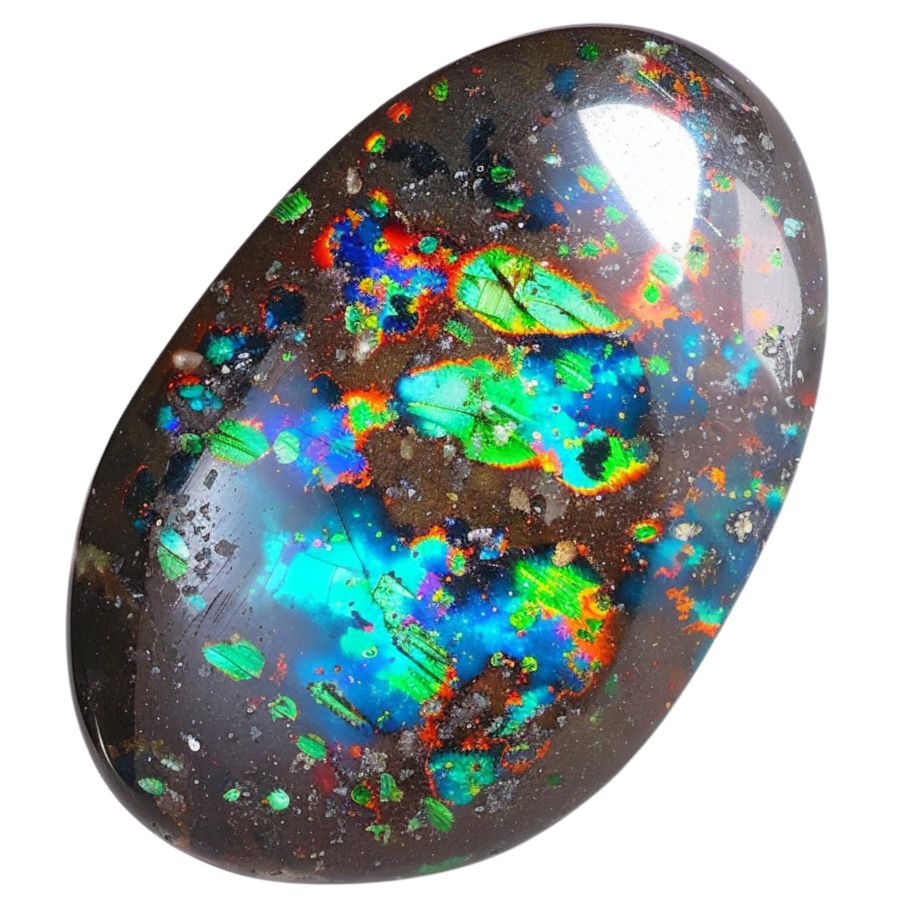
Boulder opal forms within the ironstone boulders of its host rock. Unlike other opals, boulder opal features precious opal veins intertwined with the natural rock, creating a beautiful contrast.
This opal is distinguished by its combination of colorful opal patches and the surrounding matrix, which can include ironstone or sandstone. To identify boulder opal, look for its vibrant play-of-color within the darker host rock, often showcasing brilliant blues, greens, and reds.
Boulder opal forms in sedimentary environments where silica-rich water infiltrates cracks and voids within ironstone or sandstone boulders. Over time, the silica hardens into opal, often creating thin seams or patches within the rock.
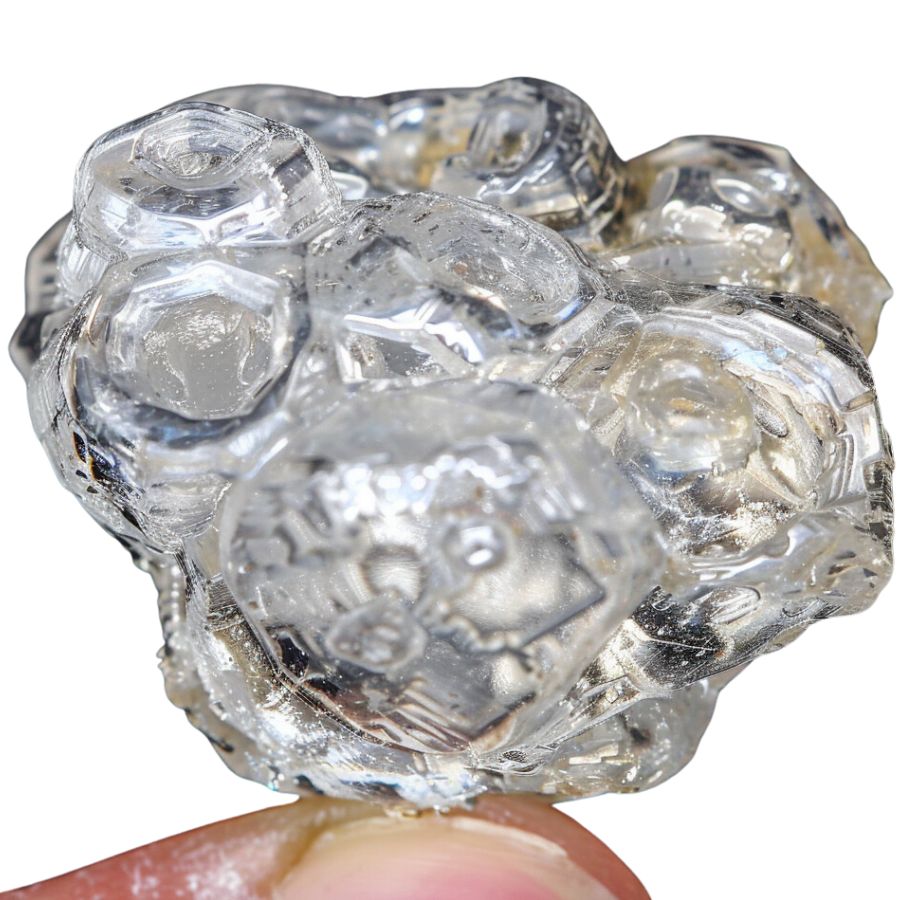
Hyalite Opal
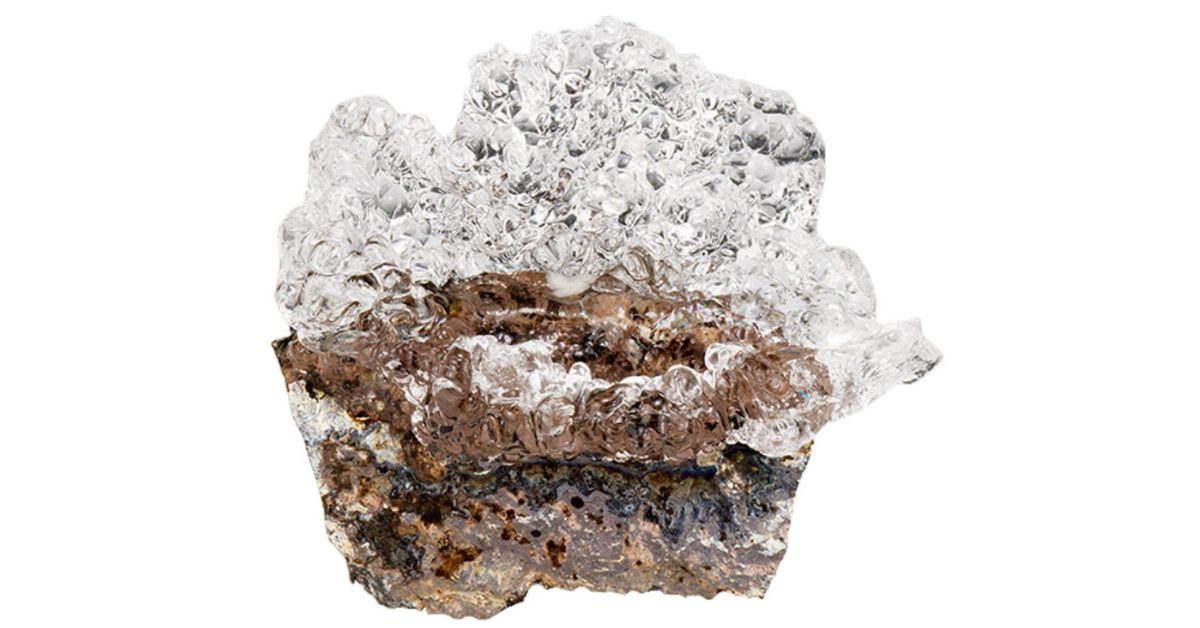
Hyalite opal, also known as water opal, is a transparent to translucent type of opal that is distinctive for its glass-like appearance and lack of play-of-color. Unlike precious opal, which displays a rainbow-like iridescence.
You can identify hyalite opal by its clear to milky appearance, often with a slight green or blue fluorescence under UV light.
Hyalite opal forms in low-temperature hydrothermal environments, typically in volcanic regions. It precipitates from silica-rich fluids that fill cracks and voids in the host rock. This process can occur relatively quickly compared to other opal types.
Visually, hyalite opal resembles droplets of water or glass, often appearing as smooth, botryoidal (grape-like) formations. Its transparent nature makes it unique among opals, and its slight fluorescence adds to its allure.
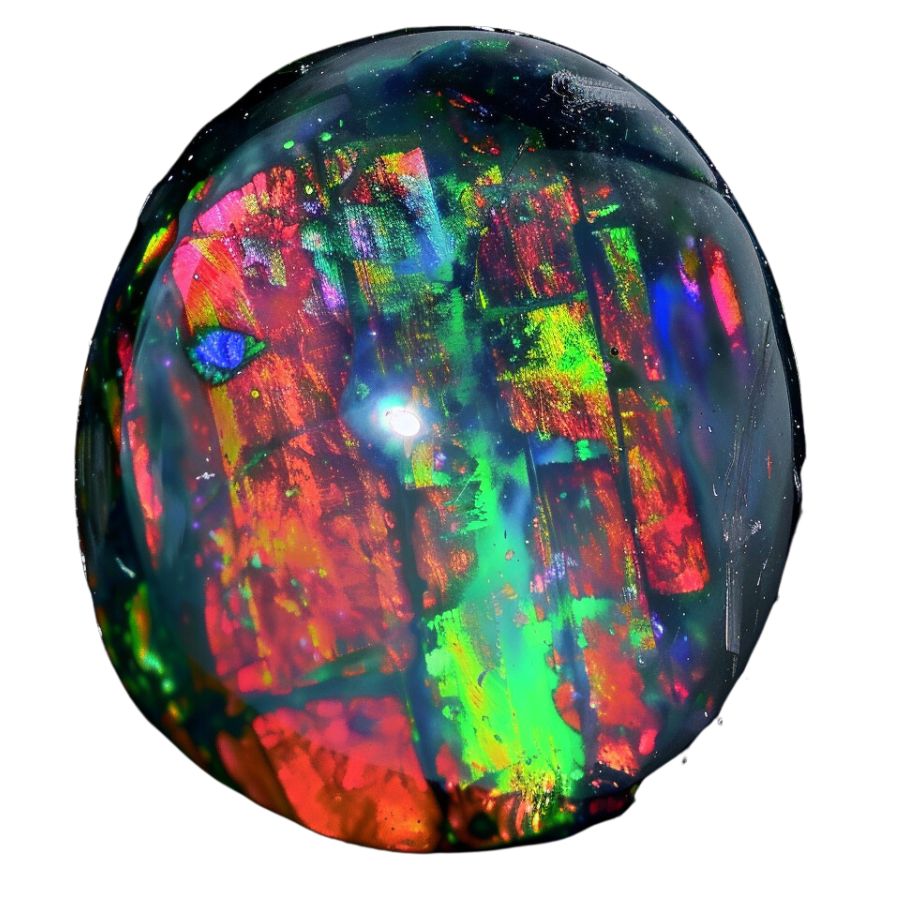
Black Opal
Black opal is a rare and highly prized variety known for its dark body tone, which enhances the vibrant play-of-color. Unlike other opals, black opal has a deep background color, ranging from dark gray to jet black, making the iridescent colors more striking.
To identify black opal, look for its intense, dark base color coupled with brilliant flashes of blues, greens, reds, and other hues.
The presence of iron and carbon contributes to its dark body color. In the United States, black opal is primarily found in the Virgin Valley of Nevada, known for its rich opal deposits.
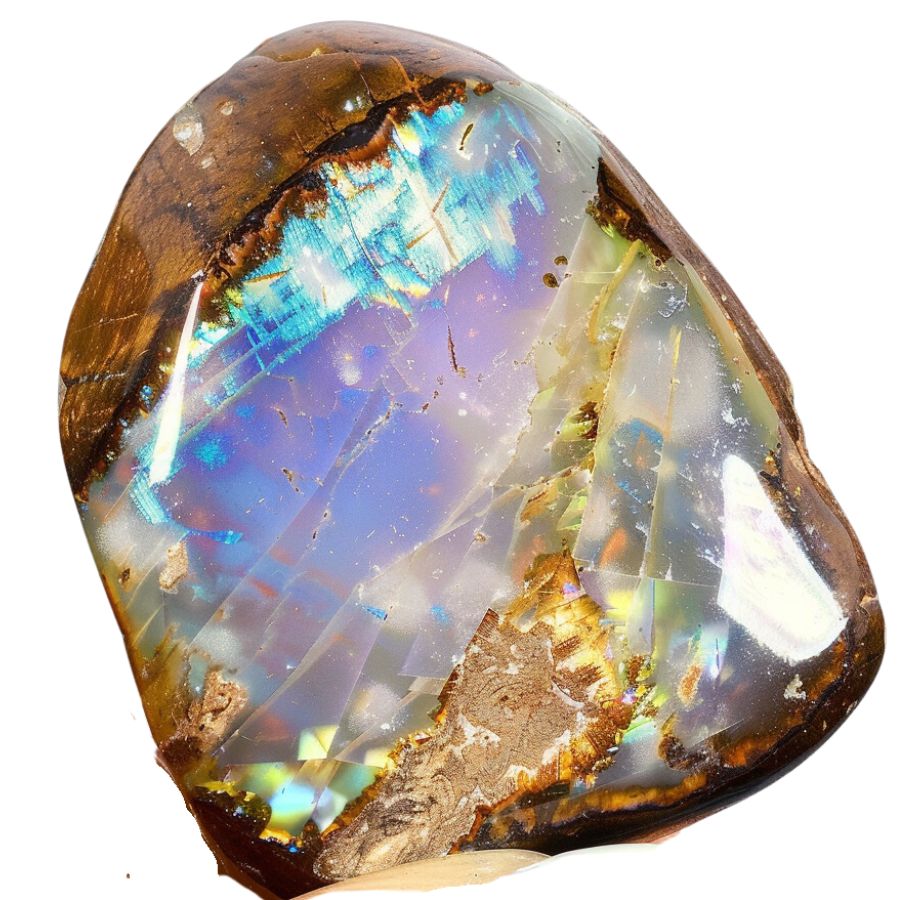
Crystal Opal
Crystal opal is known for its transparent to translucent body, which allows the play-of-color to shine through brilliantly. Unlike common opal, which is opaque, crystal opal’s clear or semi-clear nature enhances its vibrant internal colors.
To identify crystal opal, look for its see-through quality combined with flashes of color that can include blues, greens, reds, and more.
Its unique transparency sets crystal opal apart, making it a favorite among gem enthusiasts and collectors for its ethereal beauty.
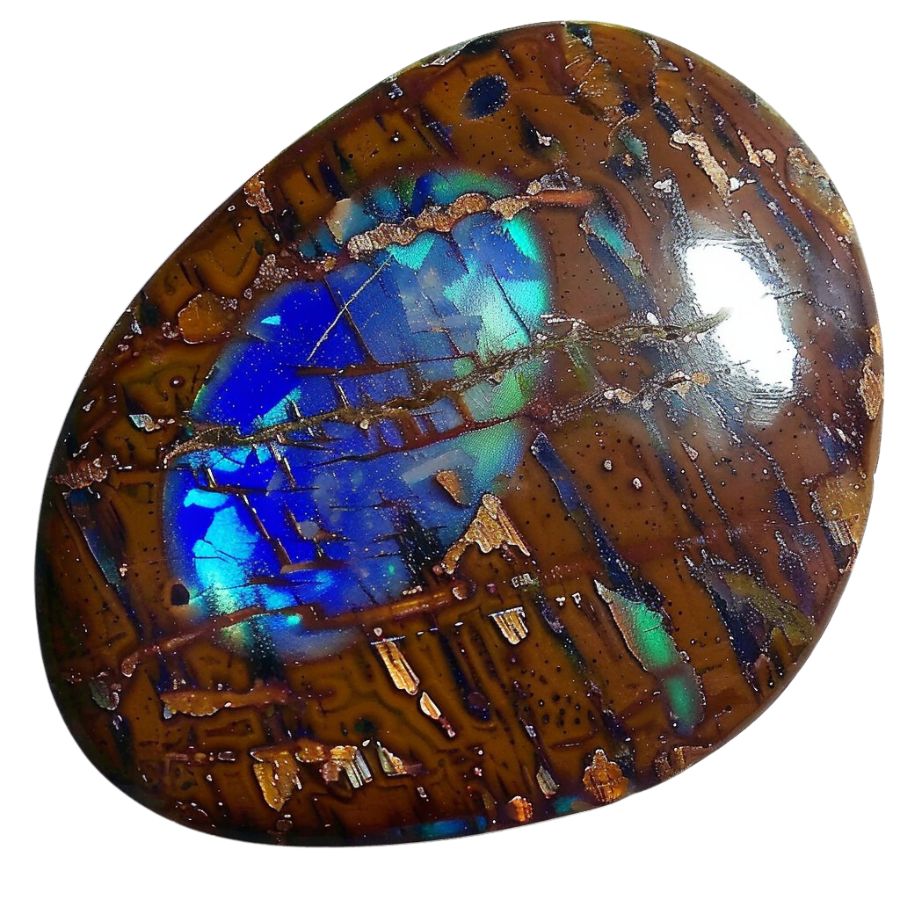
Wood Opal (Opalized Wood)
Opalized wood is a fascinating form of petrified wood where the organic material has been replaced by opal. Unlike other opals, opalized wood retains the original structure and texture of the wood, creating a unique blend of organic and mineral elements.
To identify opalized wood, look for its wood grain patterns and opalescent sheen, often displaying a range of colors from white and brown to vibrant reds and greens.
Opalized wood forms under specific conditions where wood is buried in silica-rich sediment. Over millions of years, the silica solution gradually replaces the organic wood material with opal, preserving the wood’s original structure in stunning detail.
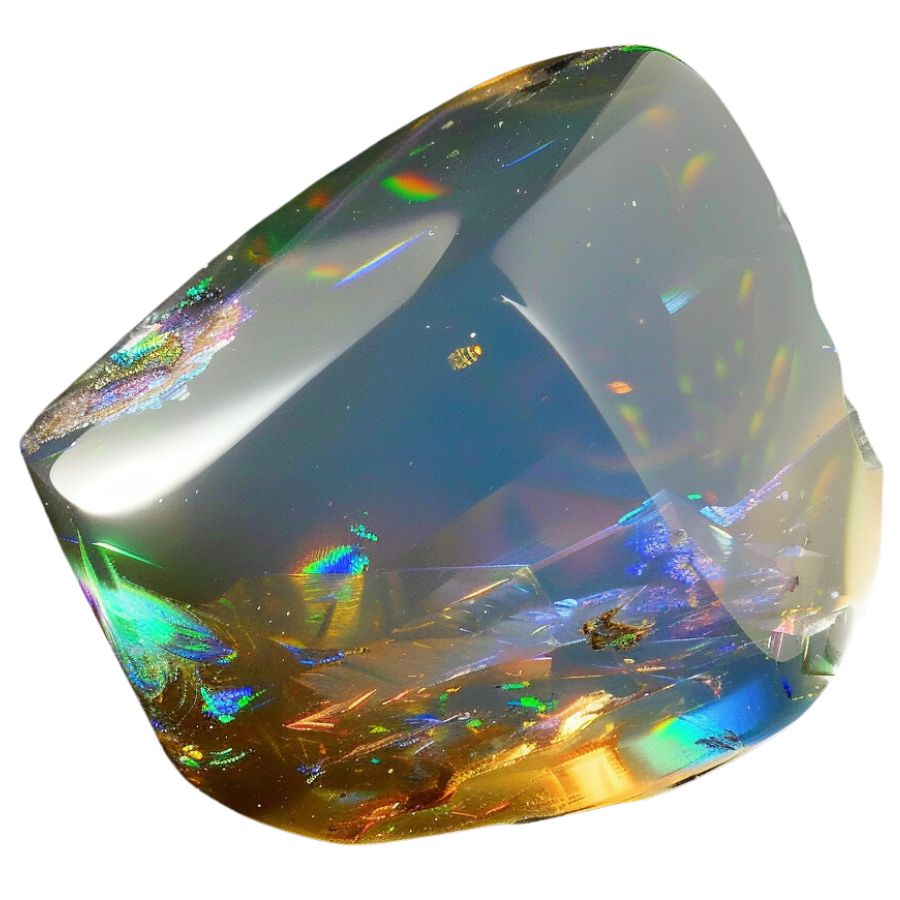
Contra Luz Opal
Contra Luz opal reveals its vibrant play-of-color when illuminated from behind. Unlike other opals, which display their colors through surface reflection, contra luz opal’s brilliance comes to life with transmitted light.
To identify contra luz opal, hold the gem against a light source and observe the internal flashes of color, which can include vivid reds, blues, greens, and purples.
This opal forms in volcanic environments where silica-rich water infiltrates cracks and cavities in the host rock. As the water evaporates, it leaves behind silica deposits that eventually solidify into opal.
Visually, contra luz opal appears nearly clear or milky when viewed without backlighting. However, when backlit, it displays stunning, colorful patterns that seem to glow from within.
What Rough Opal Looks Like
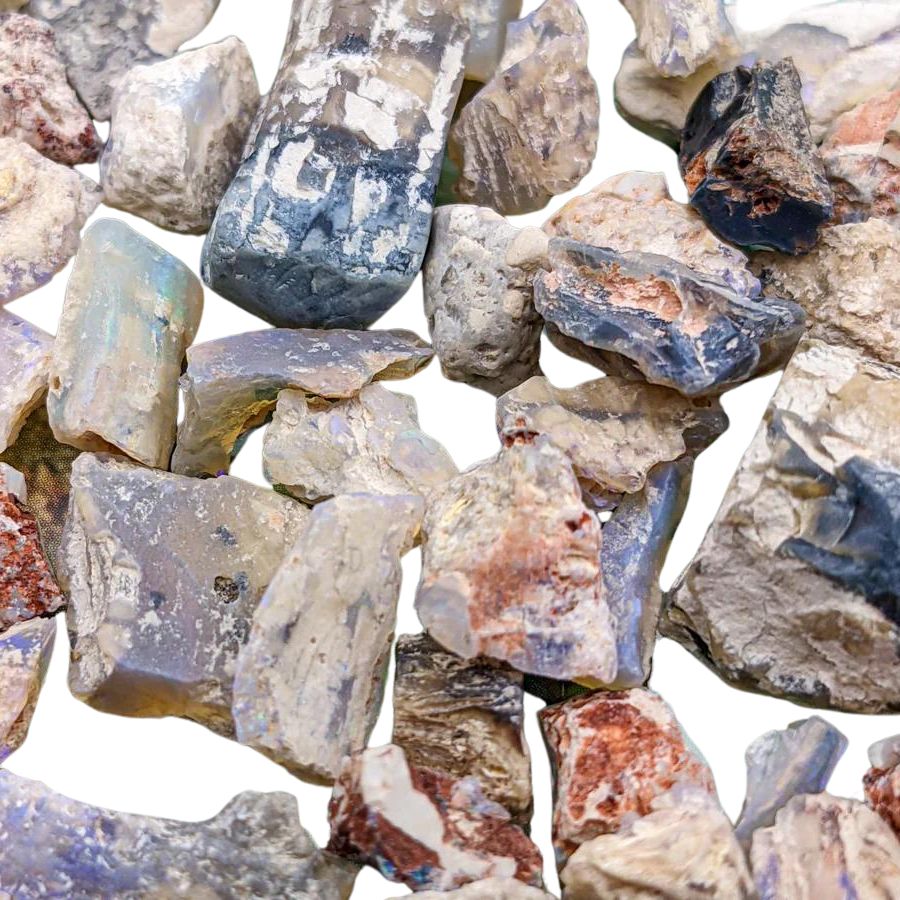
When you’re out looking for rough opal on your own it’s important to know what you’re looking for.
This is what you need to look out for:
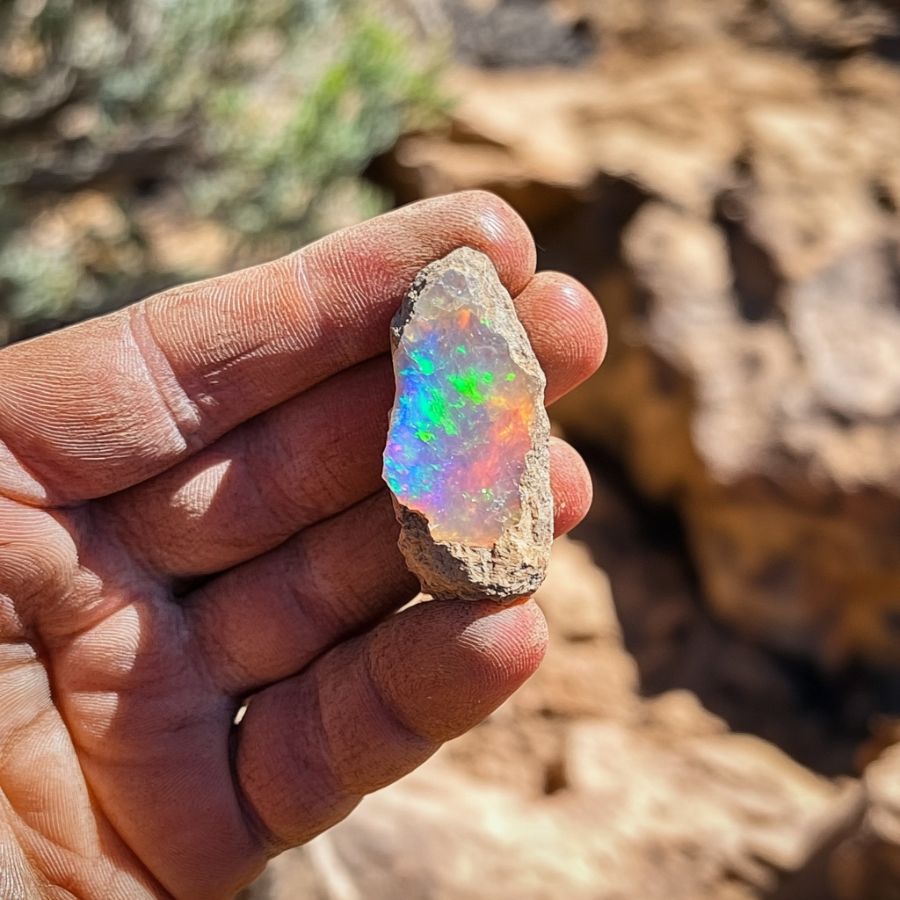
Look for exteriors like this
Look for play-of-color
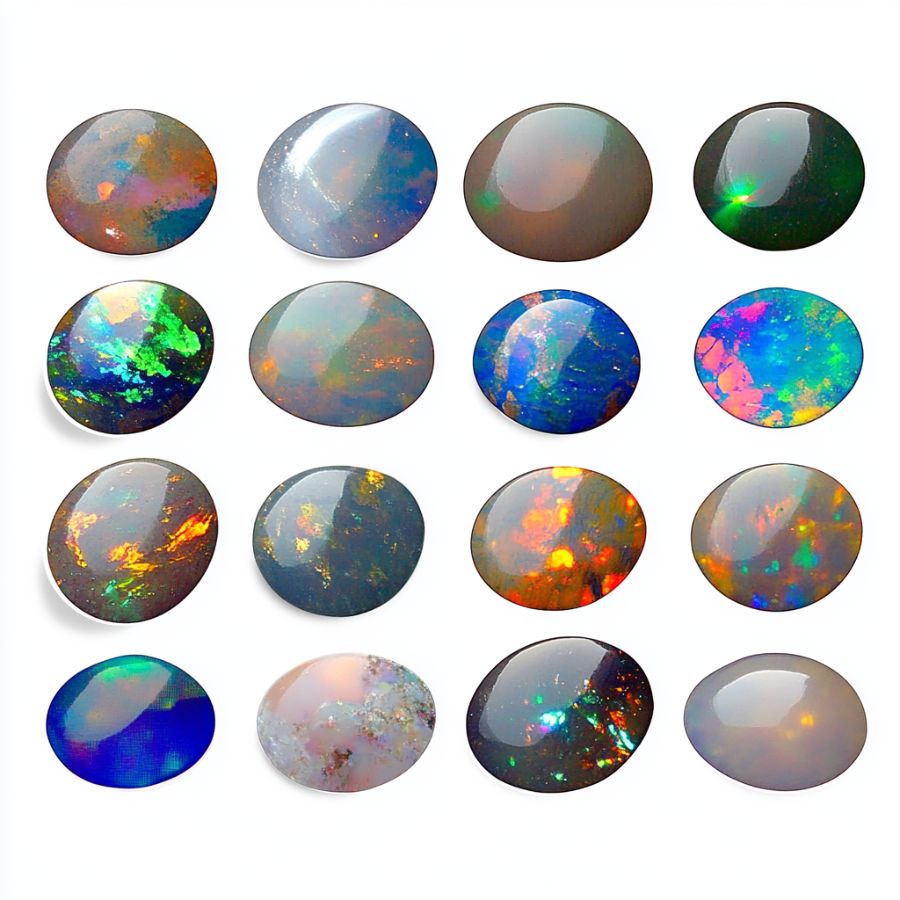
Opal can display a range of colors, but what sets precious opal apart is its play-of-color—vivid flashes of multiple colors that change with the angle of light. Even in rough form, you might see hints of these colors peeking through.
Common opal lacks this feature and typically appears as a solid color like white, blue, or pink.
Check for a glassy or waxy luster
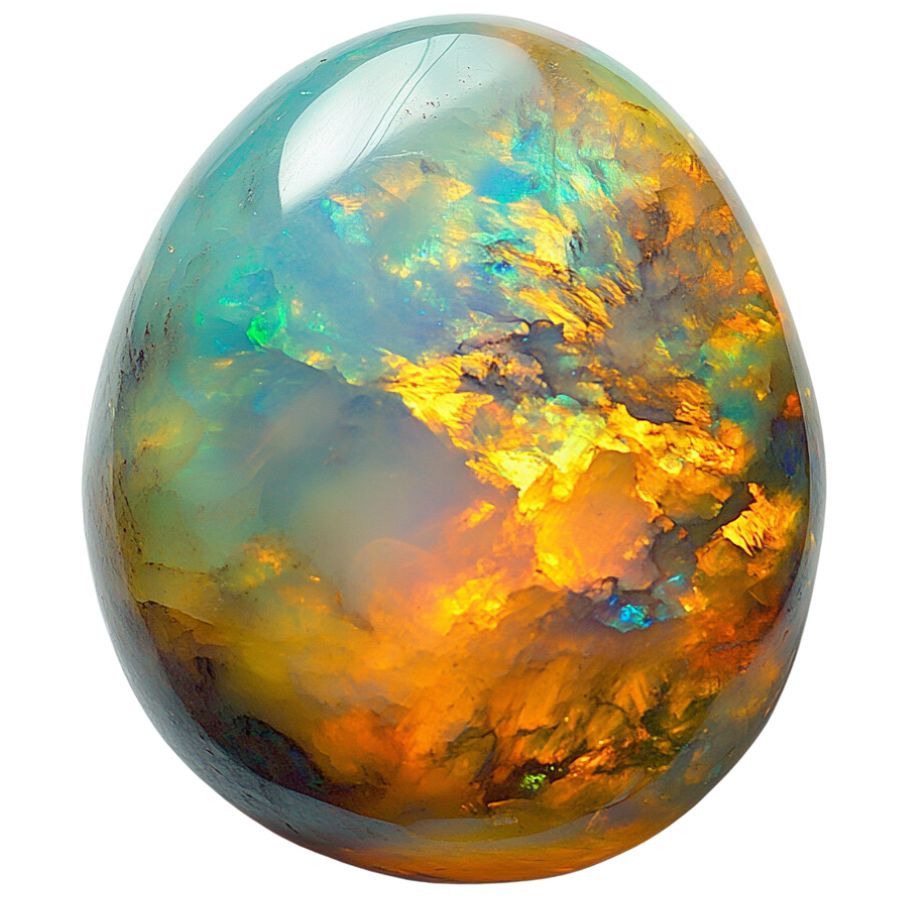
Opal often has a distinctive glassy or waxy luster. When you find a potential opal, examine its surface.
It should look shiny and smooth, almost like glass, even if it is still encased in a matrix or rough exterior.
Assess the density and weight
Opal is generally lighter than rocks of a similar size. When you pick up a piece of rough opal, it should feel lighter than expected.
Additionally, opal is relatively soft, with a Mohs hardness of 5.5 to 6.5, so it can be scratched more easily than quartz or other harder minerals.
Tips on where to look
Once you get to the places we have listed below there are some things you should keep in mind when you’re searching:
Search in Sedimentary Rock Formations
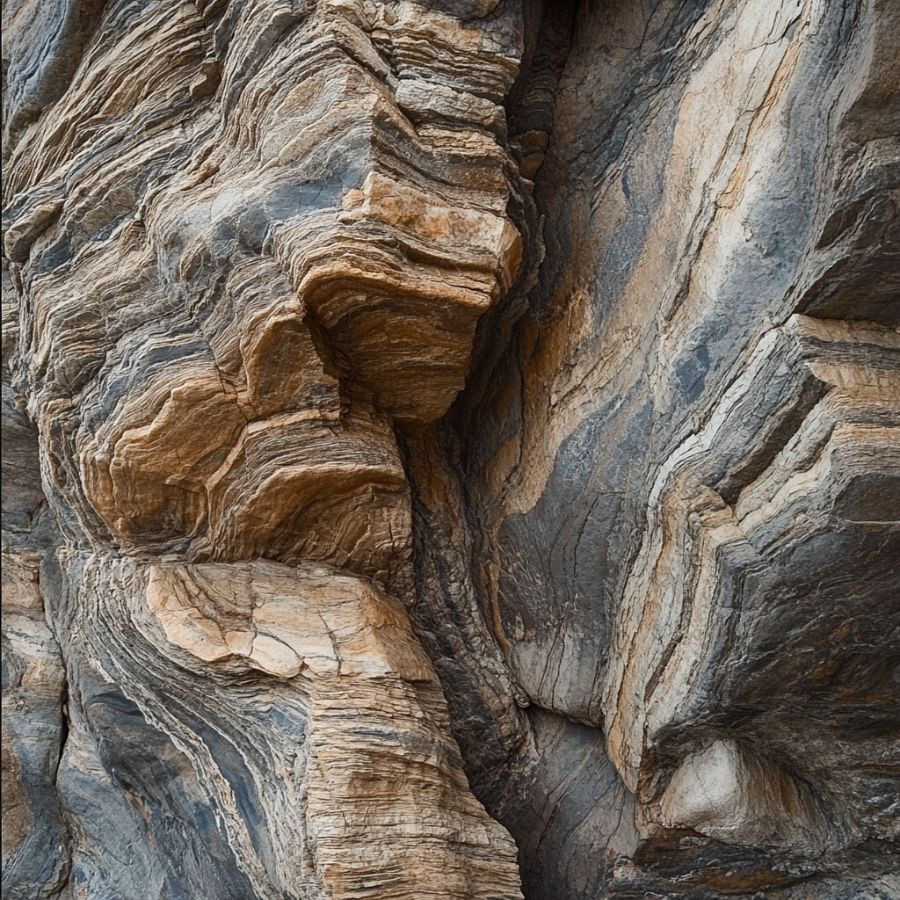
Opal can also form in sedimentary rock formations where silica deposits have accumulated over time.
Focus on areas with ancient lake beds or clay deposits, as these environments are conducive to opal formation.
Check Dry Creek Beds and Gullies
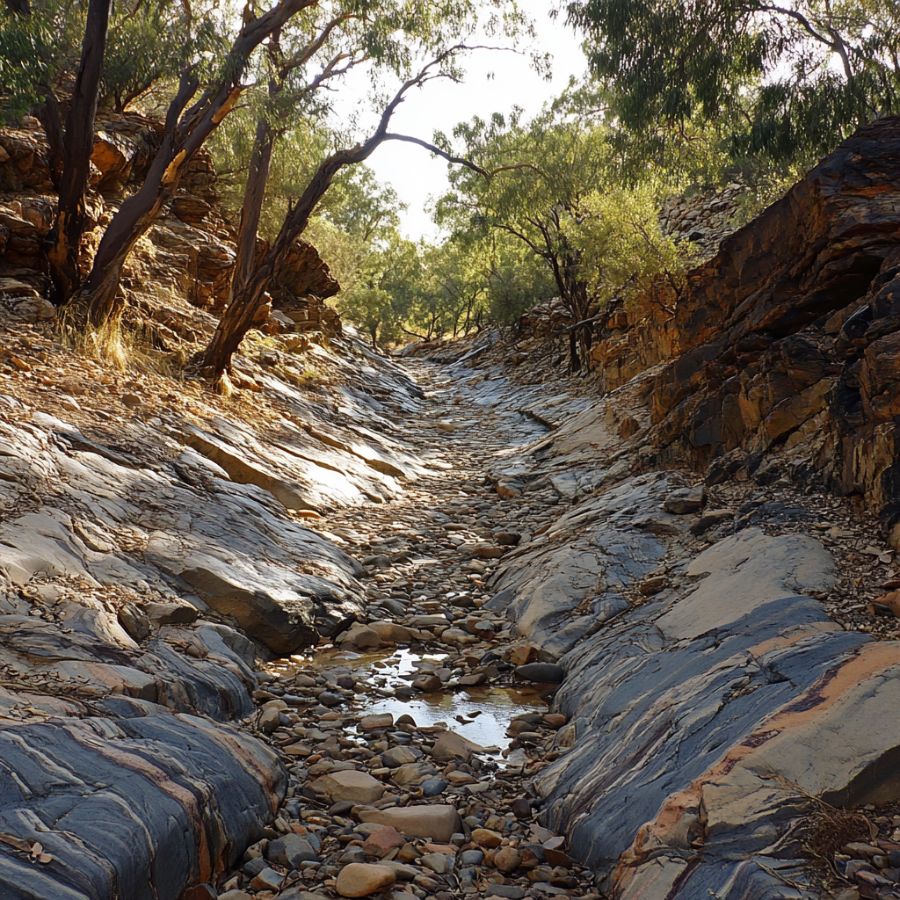
Dry creek beds and gullies can be excellent places to find opal, as water flow can erode and expose opal-bearing rocks.
Look for exposed rock and gravel in these areas, especially after rainfall or seasonal flooding.
Investigate Old Mining Sites
Abandoned or historical mining sites can be rich in opal and other minerals. These areas often have tailings and discarded rock that may still contain opal.
Always seek permission if the land is privately owned and follow safety guidelines.
Look for Indicator Minerals
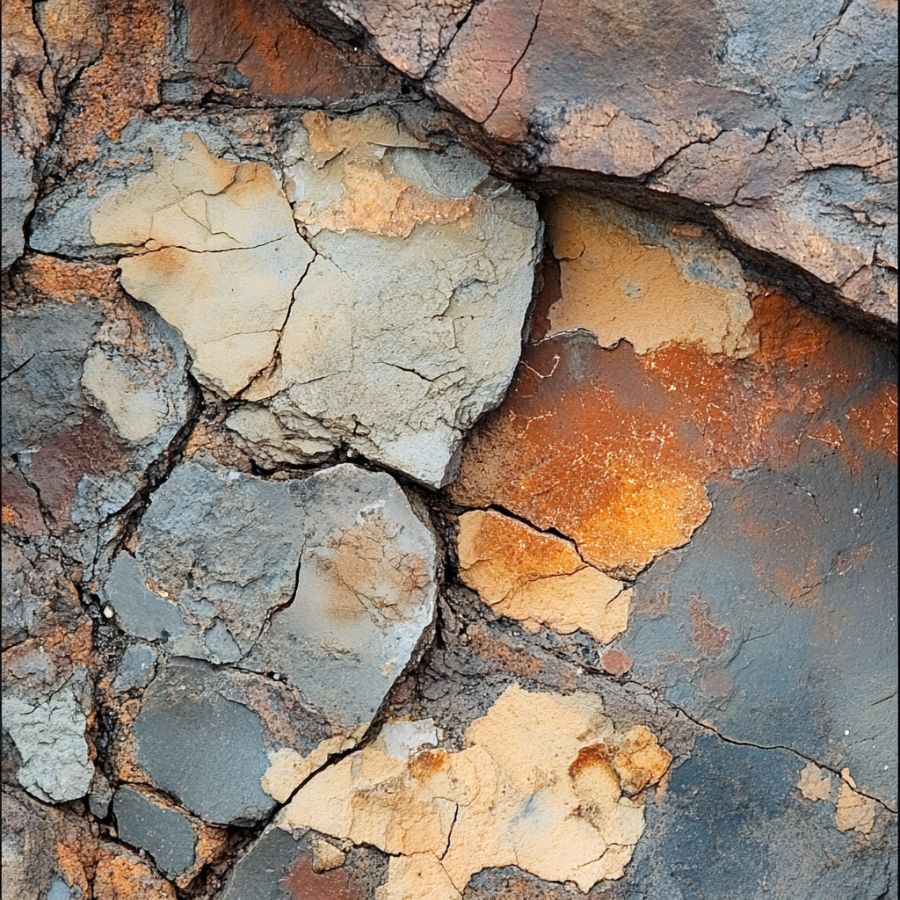
Certain minerals can indicate the presence of opal. Look for rocks and soil containing ironstone, sandstone, or clay, as these materials often coexist with opal deposits.
Additionally, finding quartz or chalcedony can suggest nearby opal.
The types of Opal can you find around the state
Hyalite opal is frequently found in Massachusetts, attracting mineral enthusiasts with its clear, glass-like appearance. This form of opal is quite distinct from the colorful precious opal, which you’re unlikely to find in the wild in this state.
Tools You Will Need
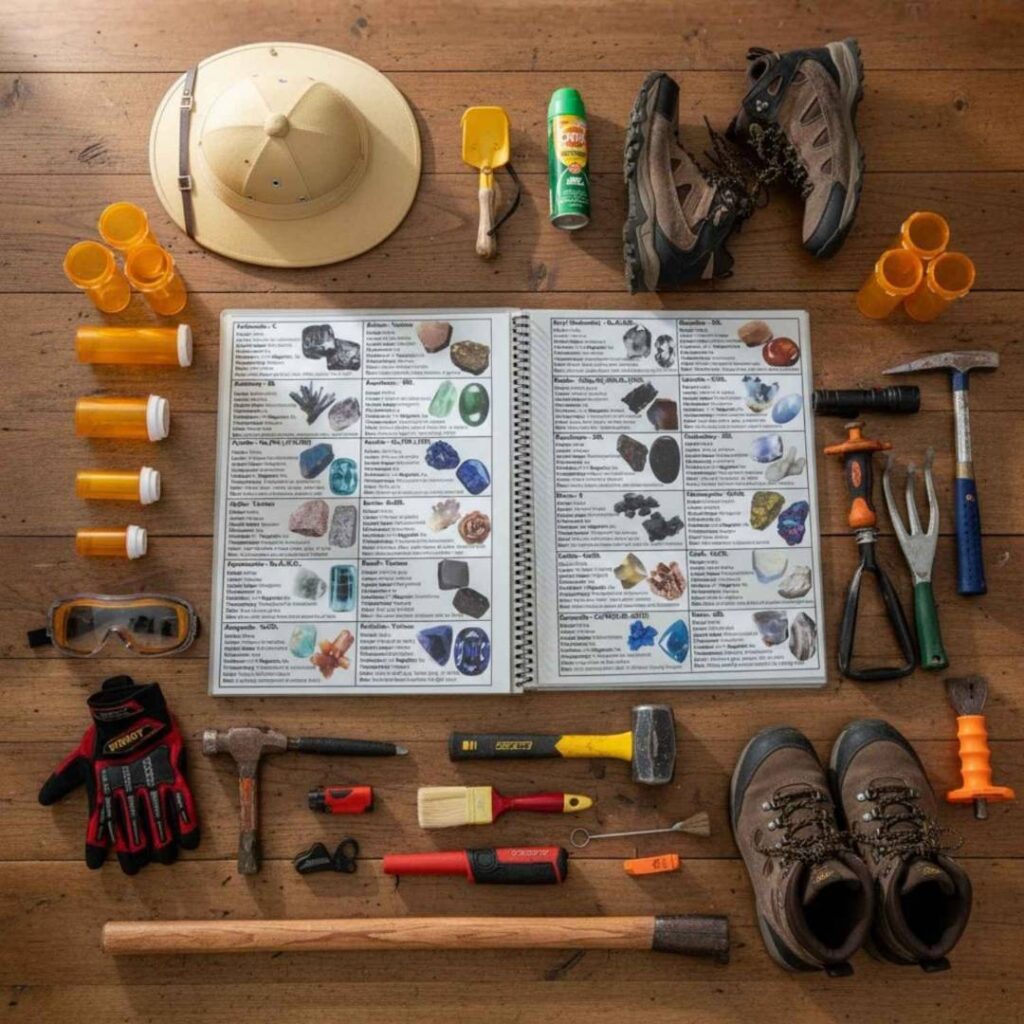
Finding an opal is like discovering a tiny, trapped rainbow. To find these amazing gems, you just need a couple of simple tools to help you on your quest. Being prepared with the right gear makes the adventure safe and a whole lot more fun.
A Dependable Field Guide – Essential
Every trip outdoors holds the potential for discovery, whether you’re on a rocky beach or a forest trail. An essential guide is one that turns that potential into reality, making it easy to blend science with the simple fun of a treasure hunt.
It makes identification a fast and enjoyable part of the adventure, not a chore. Using over 300 vivid color photos and straightforward explanations, even kids and beginners can quickly learn to recognize real gems in the wild.
Of course, a tool is only useful if it can stand up to the environment. The design of Rock Chasing’s New England Rocks & Minerals Identification Field Guide is perfectly suited for New England’s rugged terrain.
Because every page is fully laminated and waterproof with a thick iron spiral binding, it’s built to endure years of real-world use.
Eye Protection – Essential
This is the most important rule of rock collecting. When you tap a rock, little chips can fly off, and you need to keep your eyes safe. A pair of simple safety glasses will let you hunt for treasure without any worries.
Rock Pick – Essential
A small rock pick is your key to unlocking the secrets in the stone. It’s lighter than a big hammer and has a sharp point on one end. That point is perfect for getting into cracks and carefully chipping away at the host rock to expose the delicate opal veins hidden inside.
Dental Picks – Recommended
Sometimes, opals are surrounded by soft clay or dirt within a rock’s crevice. A set of cheap dental picks or other small, pointy tools are perfect for this delicate cleaning work. They let you act like a surgeon, carefully removing debris without scratching or breaking the precious opal.
Small Jars with Cotton – Optional
Opals are not as tough as other rocks and can be scratched easily. Bringing a few small, empty jars filled with cotton balls is a pro move. You can give your new finds a soft, safe ride home, ensuring your beautiful, fiery gems arrive in perfect condition.
Some Great Places To Start
Here are some of the better places in the state to start looking:
Always Confirm Access and Collection Rules!
Before heading out to any of the locations on our list you need to confirm access requirements and collection rules for both public and private locations directly with the location. We haven’t personally verified every location and the access requirements and collection rules often change without notice.
Many of the locations we mention will not allow collecting but are still great places for those who love to find beautiful rocks and minerals in the wild without keeping them. We also can’t guarantee you will find anything in these locations since they are constantly changing.
Always get updated information directly from the source ahead of time to ensure responsible rockhounding. If you want even more current options it’s always a good idea to contact local rock and mineral clubs and groups
Gloucester
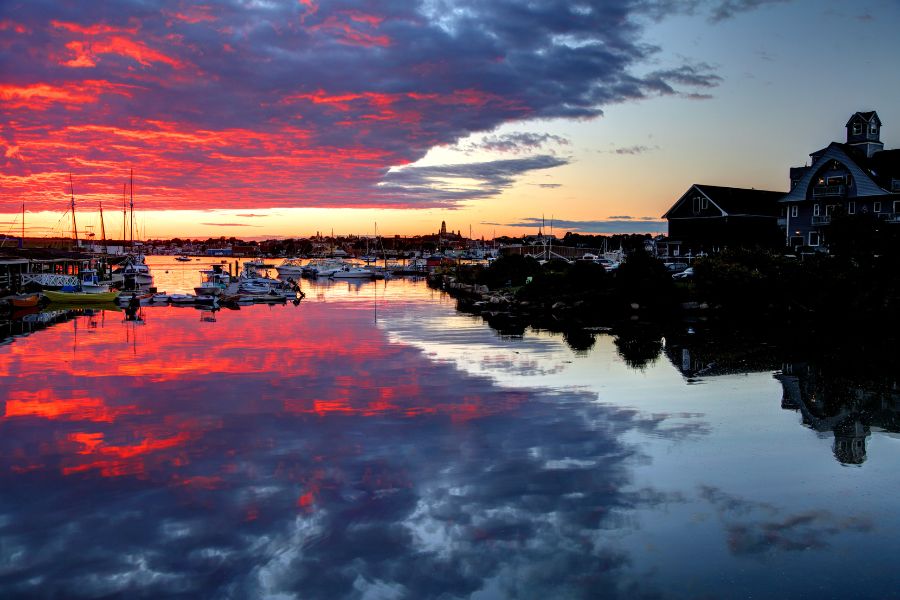
Gloucester is a city that sits on Cape Ann and is known for its significant role in the fishing industry and as a favored summer destination.
Geographically, Gloucester occupies most of the eastern end of Cape Ann and is bordered by Ipswich Bay to the north and Massachusetts Bay to the south.
Where to find opal in Gloucester:
- Blackburn Circle
- Railcut Hill
- Area roadcuts

If your kids keep asking, “What rock is this?”, here’s your answer.
🪨 300+ bright, kid-friendly photos
💦 Waterproof and built for outdoor adventures
🔍 Simple explanations made for young explorers
🌲 Helps kids learn, play, and explore outdoors
This durable field guide shows them exactly what they found, fast, fun, and frustration-free.
Deerfield
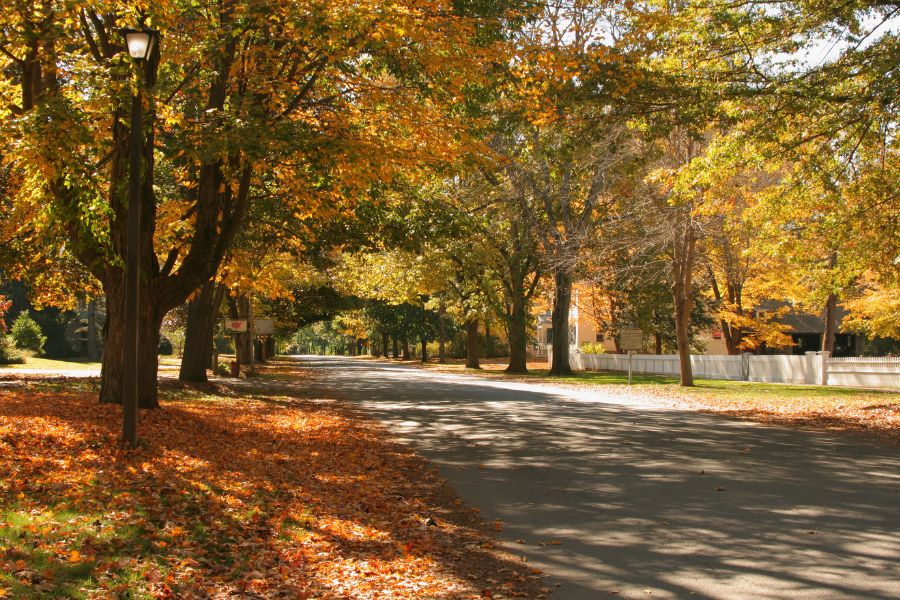
Deerfield hosts a rich history, marked notably by the Raid on Deerfield in the early 18th century. The town features the Old Deerfield area, a National Historic Landmark district.
Geographically, Deerfield sits in the northern Pioneer Valley, bordered by several towns and prominent natural features like the Deerfield and Connecticut rivers.
Where to find opal in Deerfield:
- Area quarries
Easthampton
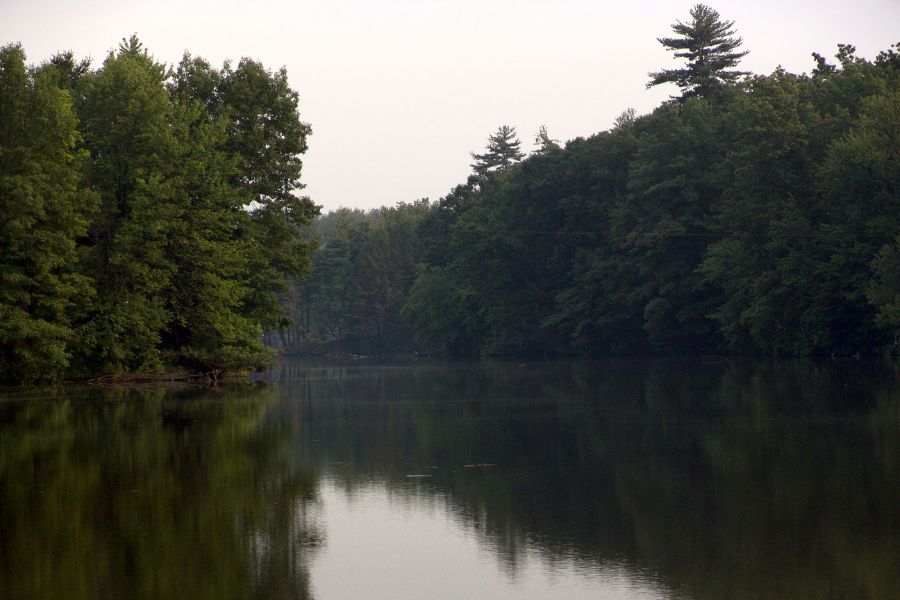
Easthampton was first settled in 1664 as the village of Pascommuck and has evolved considerably since its early days. The city, known for its industrial history, became a hub for manufacturing with mills built along the Manhan River.
Where to find opal in Easthampton:
- Area mines
Boston

Boston is the capital city and serves as the cultural and financial center of the New England region. The city’s layout includes a mix of urban spaces and waterways, with significant areas both on land and water.
Historically pivotal, Boston was the setting for major events like the Boston Massacre and the Boston Tea Party during the American Revolution. The city is a leader in education, hosting world-renowned institutions such as Harvard University and MIT in the nearby area of Cambridge.
Where to find opal in Boston:
- Area quarries
Fitchburg
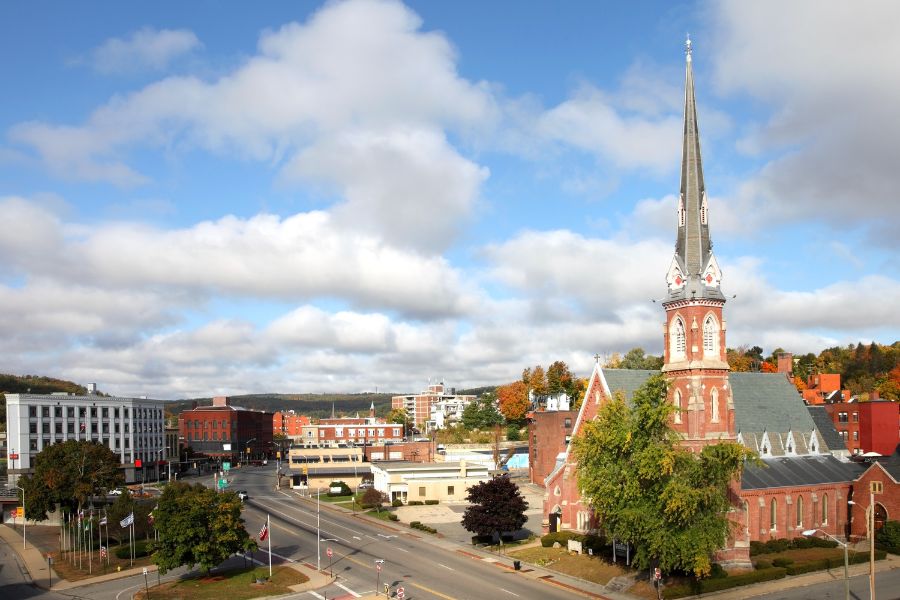
Fitchburg, the third-largest city in its county, has a rich history that dates back to its initial settlement in 1730. Located along the Nashua River and nestled among rolling hills, the city was a 19th-century industrial hub known for its mills powered by local water sources.
The city’s setting includes the highest point at Brown Hill near its northwestern corner, offering scenic views of the surrounding area.
Where to find opal in Fitchburg:
- Area quarries
- Construction sites
Places Opal has been found by county
| County | Location |
| Berkshire County | Florida |
| Essex County | Boxford |
| Essex County | Danvers |
| Essex County | Devil’s Basin |
| Essex County | North Andover |
| Essex County | Salem |
| Franklin County | Leverett |
| Hampden County | Monson |
| Hampshire County | Granby |
| Middlesex County | Ashland |
| Middlesex County | Dracut |
| Middlesex County | Holliston |
| Middlesex County | Hudson |
| Middlesex County | Malden |
| Middlesex County | Marlborough |
| Middlesex County | Waltham |
| Middlesex County | Weston |
| Middlesex County | Blueberry Hill |
| Norfolk County | Wrentham |
| Worcester County | Bolton |
| Worcester County | Hardwick |
| Worcester County | Leominster |
| Worcester County | Lunenburg |