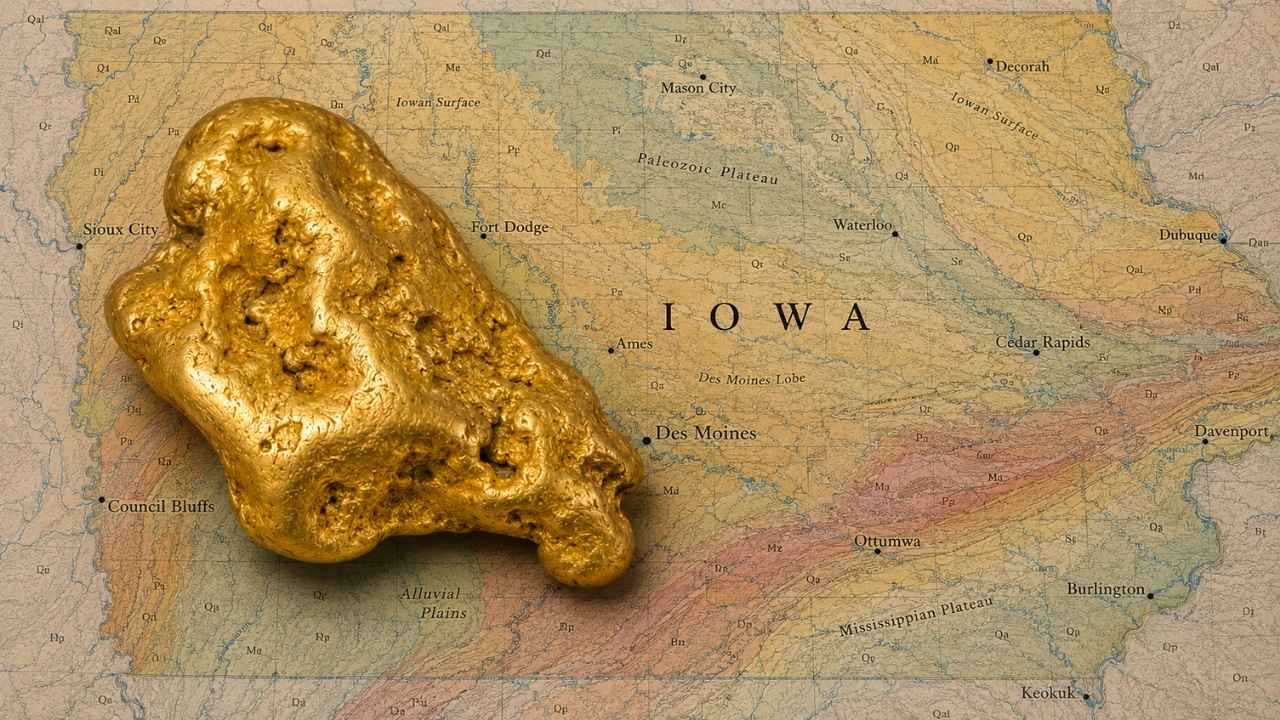
Gold in Iowa pulled about 3,000 prospectors into one Hardin County river valley in a single season, and at the peak somewhere between 500 and 1,500 of them were living in tents along the Iowa River. That happened in 1853, four years after California, and it happened because the gravel really did carry gold.
With gold trading above $4,000 an ounce, you do not need to find much for a weekend on the water to pay for itself.
Most people who try here make the same mistake. They fill a big pan with unscreened gravel, work it fast in a strong current, and send Iowa’s fine gold straight over the lip. Screen your material first and slow your hands down, and the color stays in the pan.
Yes, you can still find gold in Iowa today, especially along the Iowa River near Eldora and the Volga River in Fayette County, where glacial gravels have been giving up fine gold since the 1850s. This guide walks you through the rivers that produce, the traps that stack the heavy stuff, and the gear that catches flour gold instead of losing it.
Our team of geologists and experienced rockhounds built this around glacial gold geology, river access, and the features that concentrate fine gold in Midwestern streams. Grab a pan and start with the first section below.
Jump To A Section
- Biggest Discovery
- Kinds of Gold
- Where Gold Hides
- Best Places
- Techniques
- Fool’s Gold
- How Gold Got Here
- What To Bring
- Best Time
- Other Minerals
- Legal Rules
- FAQ
The Biggest Gold Discovery in Iowa History
Iowa’s headline gold story started on a farm outside Eldora in 1853, when an innkeeper named John Ellsworth reported gold on his ground along the Iowa River. He told a few people. A few people told everybody.
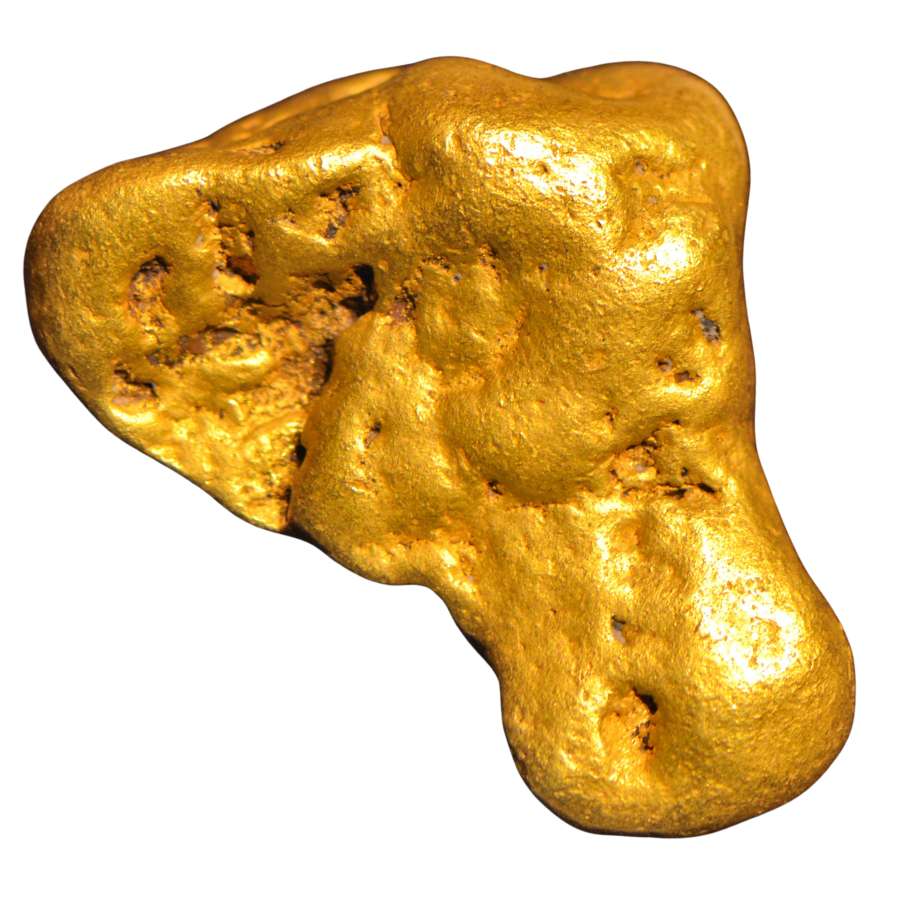
Within weeks about 3,000 prospectors were working the valley, and a tent city of 500 to 1,500 people filled the bottomland. Farmers around Eldora watched their quiet river bend turn into the busiest stretch of water in the state.
The gold was real and it was fine. Iowa River gravel carries glacial gold in grains and flakes rather than fist sized lumps, so the crowd that wanted California sized pieces drifted west and left the valley behind. Everything they walked away from is still in that gravel, and every flood since has been sorting it and stacking it again.
Iowa also got a second act. Along the Big Sioux River at a spot in Lyon County that the locals named Klondike, a small placer operation worked the river gravels in the early 1900s, which makes it the one commercial gold mine the state has ever had. Two documented episodes, seventy years apart, both built on the same idea: Iowa’s rivers cut glacial drift, and glacial drift carries gold.
The Kinds of Gold You Can Find in Iowa
Four forms of natural gold show up in Iowa gravel, and every one of them rides in on the same glacial delivery. Knowing which one you are chasing tells you how to screen your material and what to expect in the bottom of the pan.
Flour Gold
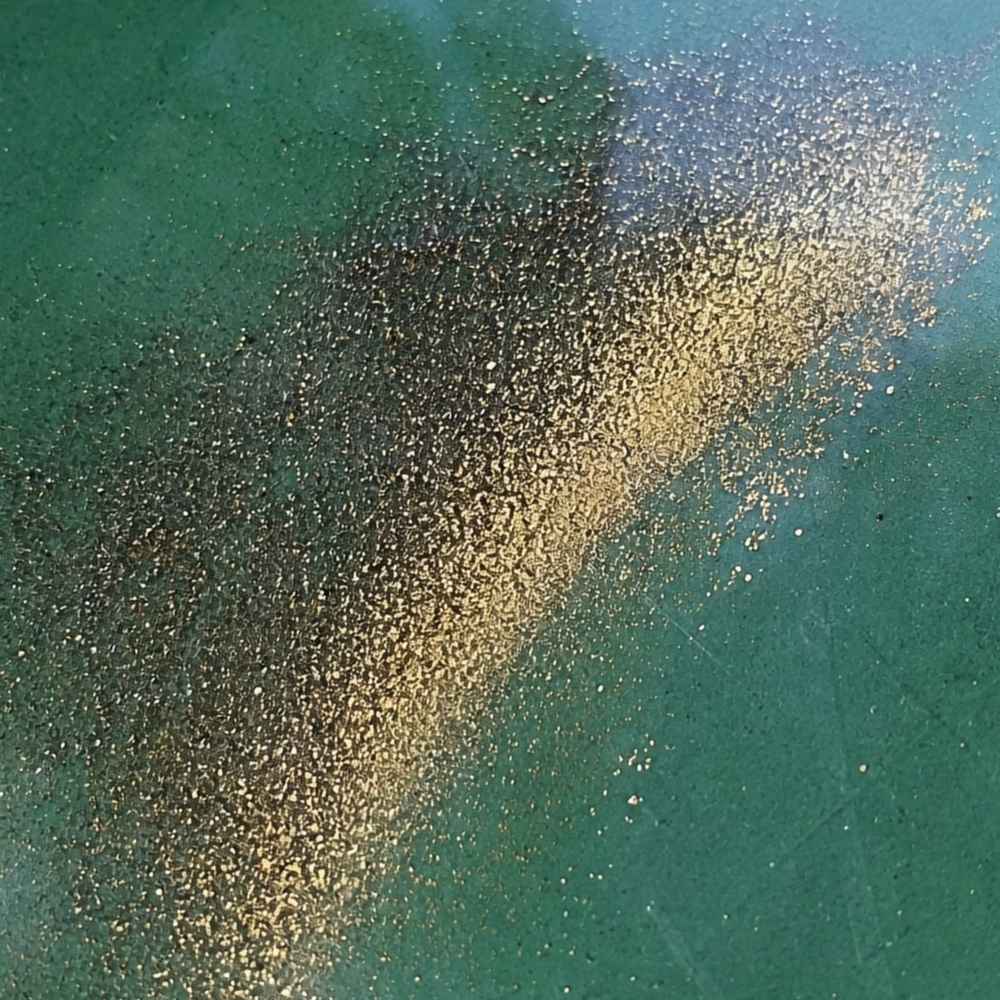
Flour gold is what Iowa hands out most freely. These are pinhead specks and dust that float high in the water and drop only where the current finally quits, so they collect in the slack corners of a bend and along the fine sand streaks on a bar.
Mica fools almost everyone here. Mica flakes are flat and weightless and flash silver or bronze as the pan tips, while gold holds one steady buttery color no matter which way you turn it.
Press a wet fingertip on the speck. Gold sticks and stays, mica shatters into flecks. A Magnifying Loupe: JARLINK 30X 60X Illuminated Loupe turns that call into a two second decision.
If you want to know exactly what you are looking at before you tip anything back into the river, the Rocks and Minerals of the United States Field Guide is built for this exact moment. It is waterproof, spiral bound, and photographs every specimen raw and cleaned so the thing in your pan matches a picture instead of a guess.
Fine Gold Flakes
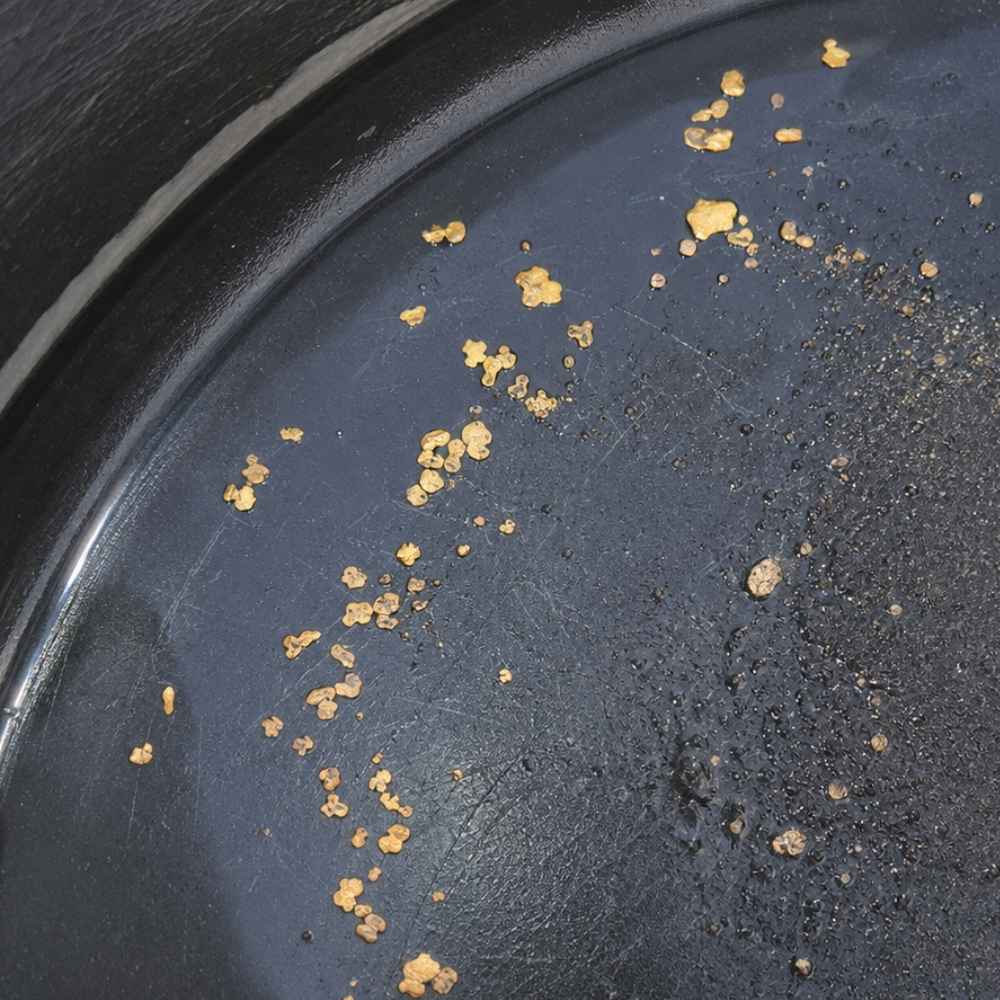
Flakes are the upgrade every Iowa panner is working toward, and they show up where a river has had room to sort its load. Think the wide gravel bars on the Volga, the cobble runs on the Iowa River below Steamboat Rock, and the long sandbars on the Big Sioux.
Weathered biotite mica is the impostor. It comes off dark bronze and looks convincing right up until it hits direct light and goes flat and glassy.
Poke it with a pin. Gold dents and bends like soft metal, biotite splits into sheets. A Fine Sifting Classifier: SE 1/8″ Mesh Sifting Screen drops your flake material into one clean size so nothing rides out over the lip.
Gold Pickers
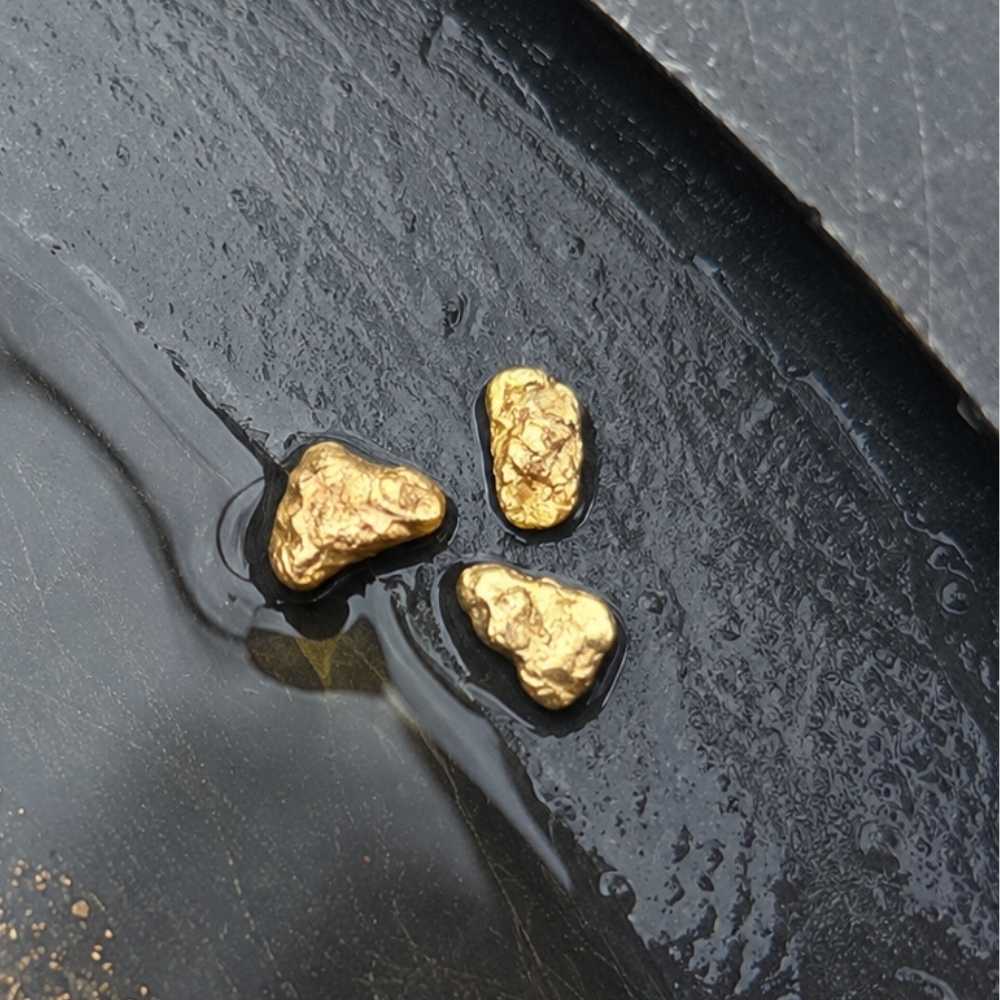
Pickers are the pieces big enough to lift out with your fingers instead of a snuffer, and they are the reason people keep digging to the bottom of a gravel layer. In Iowa they sit low, right down on the packed clay till or on top of bedrock, because they are heavy enough to work their way through everything above them.
Pyrite grains are the fake here. They come out of Iowa shale and coal country by the thousands and they carry a genuine brassy shine.
Move the piece into your shadow. Real gold keeps glowing warm yellow, pyrite goes dull gray the second the direct light leaves it. A Snuffer Bottle: Garrett Gold Guzzler Bottle keeps the pieces safe once you have picked them out.
Glacial Nuggets
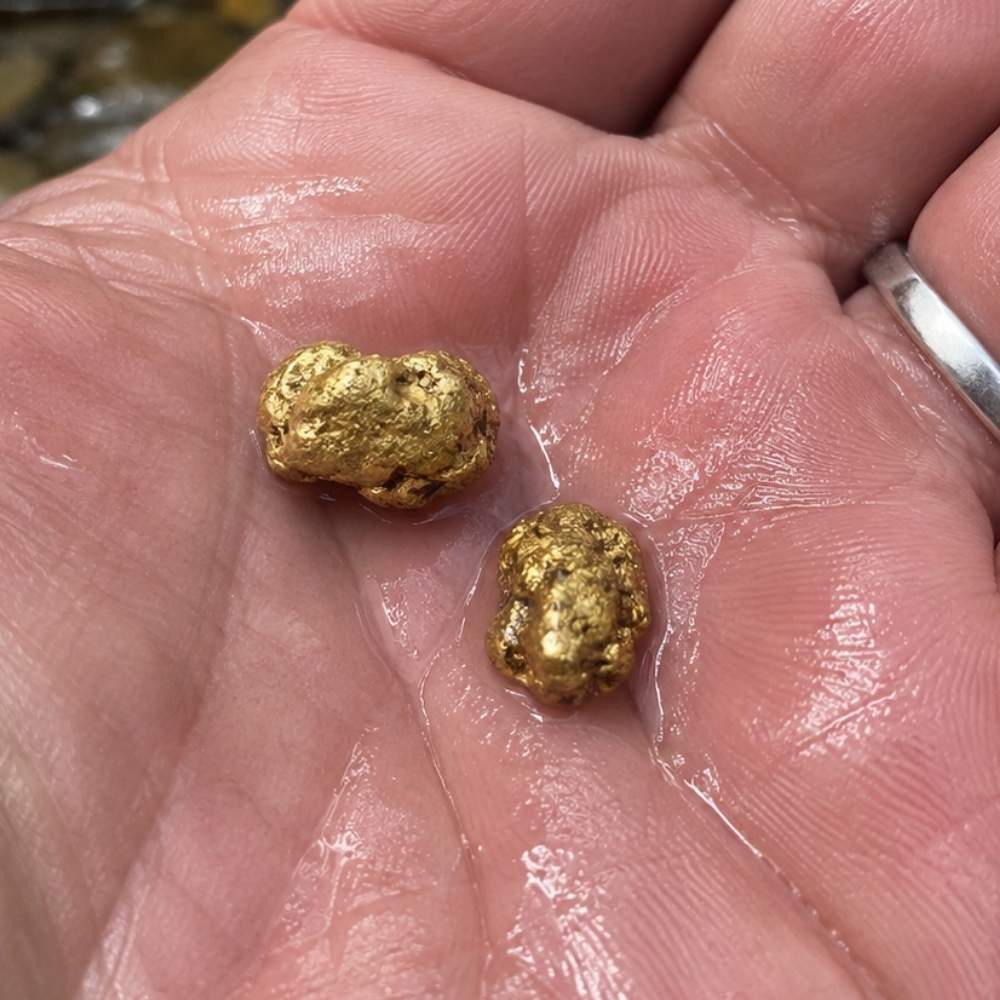
Nuggets are the trophy of glacial gold country, and they ride in the coarsest material the ice dropped. Iowa’s drift came off the same Canadian shield rock that has been feeding nuggets into streams all across the glaciated Midwest, so the deep basal gravel on a big river bar is where you point your shovel if a trophy is what you want.
The Iowa lookalike is a marcasite nodule. Iowa shale banks are full of these round iron sulfide lumps that weather to a golden brown crust and feel satisfyingly heavy in your hand.
Tap it with a hammer. Gold flattens and stays in one piece, a marcasite nodule cracks open and shows silver gray crystals inside. A Deep Riffle Gold Pan: Garrett 15″ Dual Riffle SUPERSLUICE Gold Pan lets you run the coarse basal gravel where the big pieces live.
Once you know which of these four you are chasing, the next question is where in the river they pile up. That is the whole game, and it is next.
Where Gold Hides in Iowa Streams
Gold is roughly nineteen times heavier than water, so it drops the instant a river slows down. In Iowa five features do almost all the work, and learning to read them turns a random farm country creek into a plan.
Inside Bends Where the Current Slows
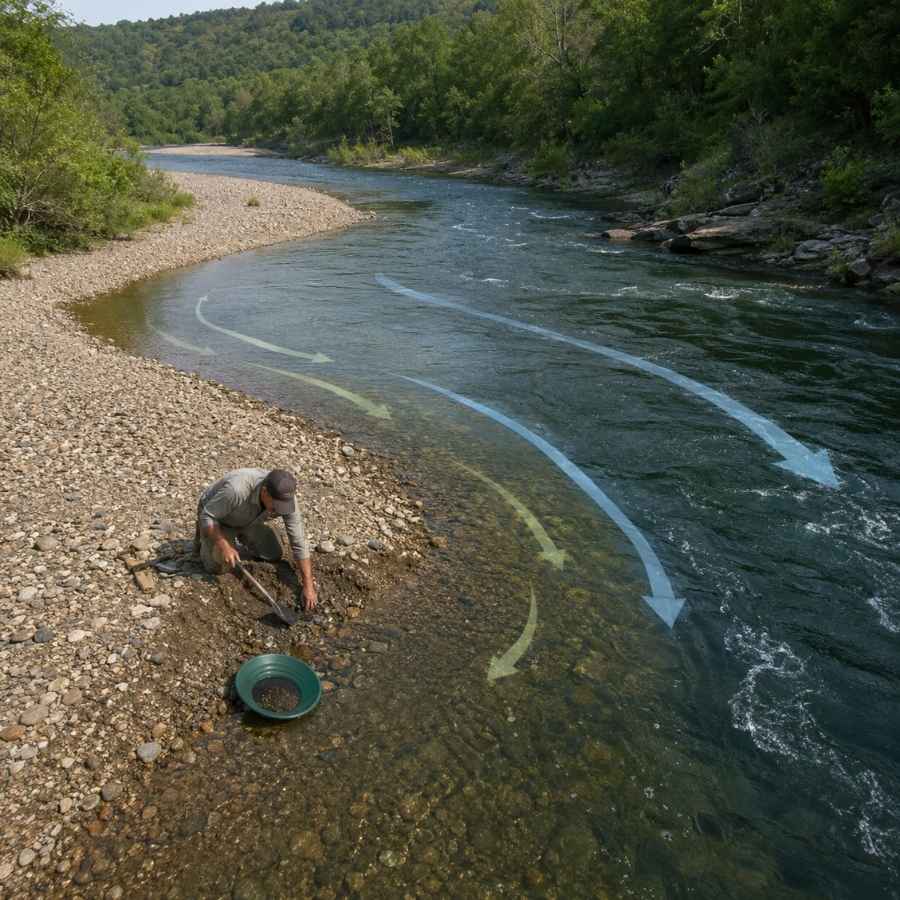
Every bend has a fast outside and a lazy inside. Water dumps its heavy load on the inside where it loses speed, so the first shovel of any new stretch should come from the upstream third of an inside bend.
Dig until the gravel turns tight and gray instead of loose and brown. That packed layer is old, and old is where the gold has had time to settle. A Digging Shovel: Bully Tools 14 Gauge Round Point Shovel gets you through Iowa cobble and clay without bending.
Gravel Bars at the Head and Tail
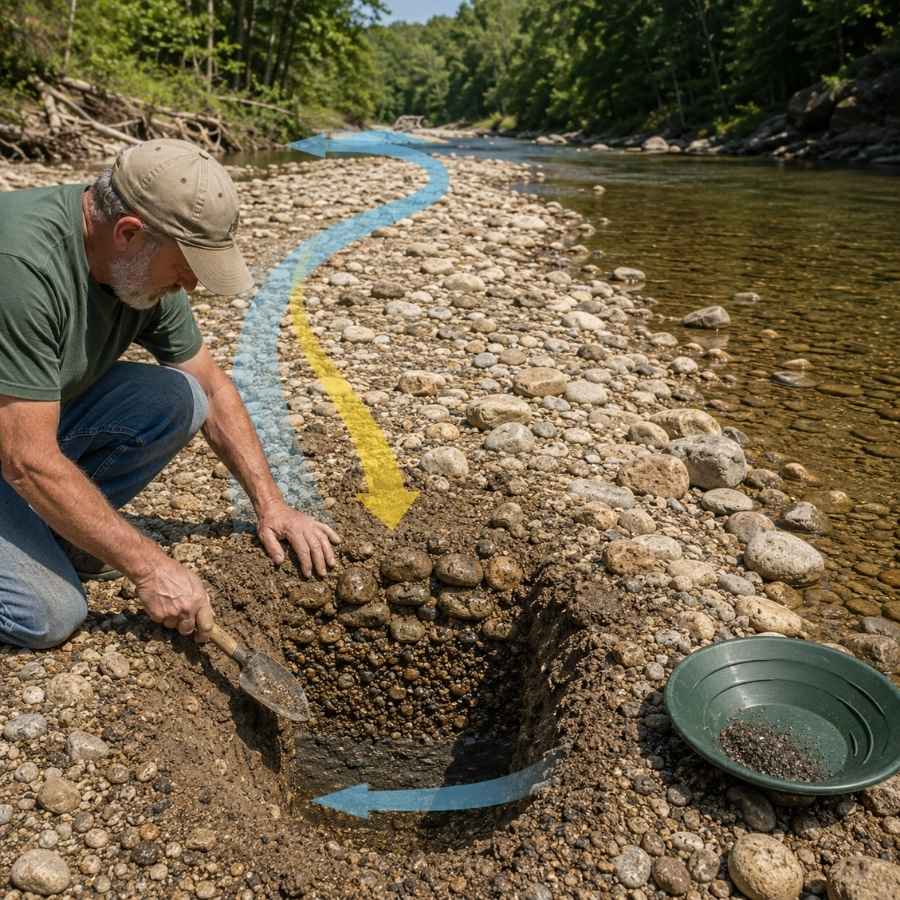
Bars are sorting machines. The upstream nose catches the heaviest material first and the downstream tail catches whatever the flood could still carry, so both ends beat the middle every single time.
Work the upstream nose right at the water line where the cobbles start getting rounded. It feels like digging through a jar of marbles, and that rattle is exactly what you want to hear. A Classifier Screen: SE Half Inch Sifting Screen strips out those cobbles so you only pan what matters.
Bedrock Ledges and Cracks
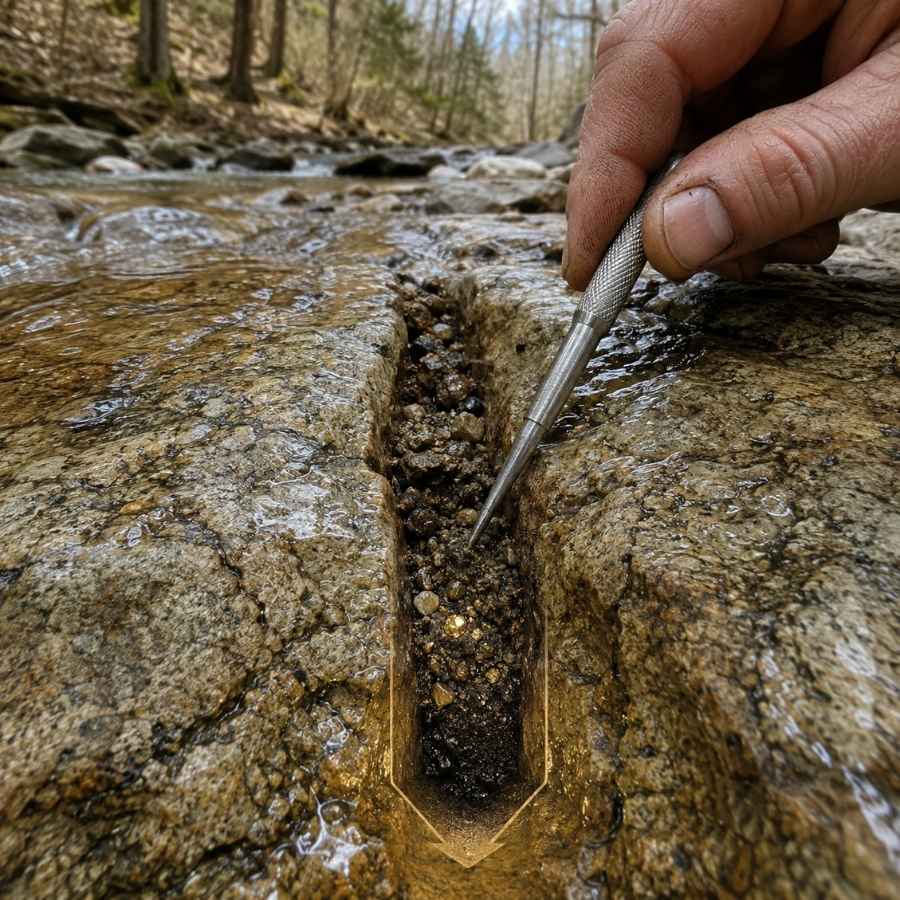
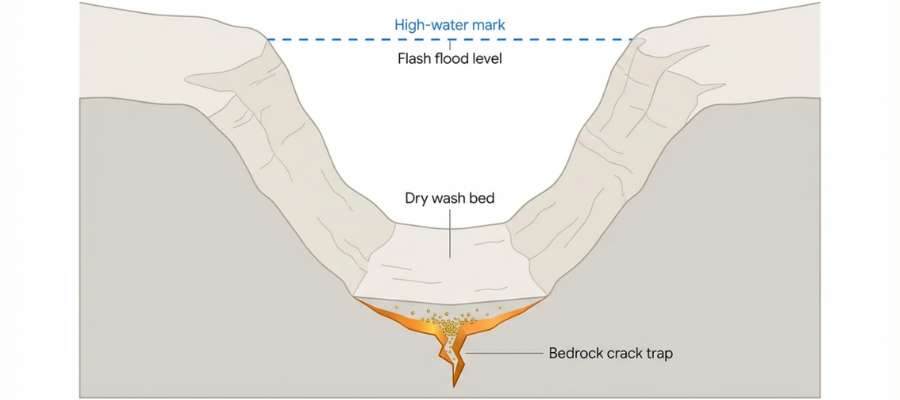
Bedrock is nature’s sluice box, and eastern and central Iowa creeks cut down to limestone, dolomite, and sandstone in plenty of places. Those rocks break into long straight seams that run across the channel and stop everything heavy trying to cross.
Clean the cracks all the way to the bottom, because the last quarter inch holds most of the gold. A Crevice Tool: ASR Outdoor Steel Crevice Tool Set reaches the seams a shovel cannot touch.
Freshly Cut Banks
This is Iowa’s signature feature and it is free money. Our rivers wander through soft glacial till, so every high water event slices a new face into a bank and drops unworked gravel right at your feet.
Look for raw brown earth with no grass on it and a fan of loose material at the base. That fan is glacial drift that has never been panned, and the river delivered it for you. A Hand Trowel: Edward Tools Bend Proof Trowel is all you need to open one up.
Black Sand Streaks
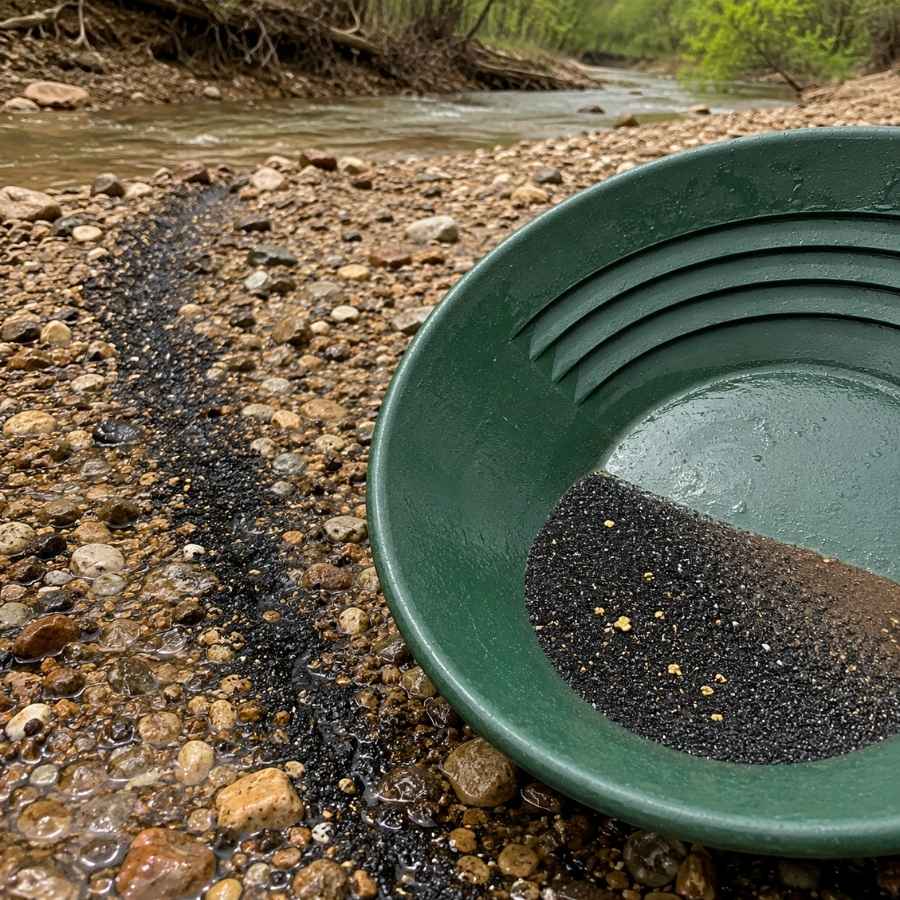
A dark gray streak in the sand is the best free signal in the state. Black sand is magnetite and hematite, both heavy, and they settle exactly where gold settles, so a streak of it means the current has already done your sorting.
Scoop the streak, not the clean sand beside it. A Black Sand Magnet: SE Magnetic Separator Pick Up Tool with Quick Release pulls the magnetics off your concentrate at the end of the day so only the gold is left.
Always Confirm Access and Collection Rules!
Before heading out to any of the locations on our list you need to confirm access requirements and collection rules for both public and private locations directly with the location. We haven’t personally verified every location and the access requirements and collection rules often change without notice.
Many of the locations we mention will not allow collecting but are still great places for those who love to find beautiful rocks and minerals in the wild without keeping them. We also can’t guarantee you will find anything in these locations since they are constantly changing.
Always get updated information directly from the source ahead of time to ensure responsible rockhounding. If you want even more current options it’s always a good idea to contact local rock and mineral clubs and groups
The Best Places To Find Gold in Iowa
These are the drainages Iowa prospectors actually work, grouped by region so you can start with whatever is closest to your driveway. Access ranges from a county park you can walk to in sneakers to a farm bottom that wants a phone call first.
Central Iowa
The middle of the state is where Iowa’s gold story began, and the Iowa River is the thread that ties it together. This is the most historically documented gold ground in Iowa.
1. Iowa River near Eldora and Steamboat Rock, Hardin County
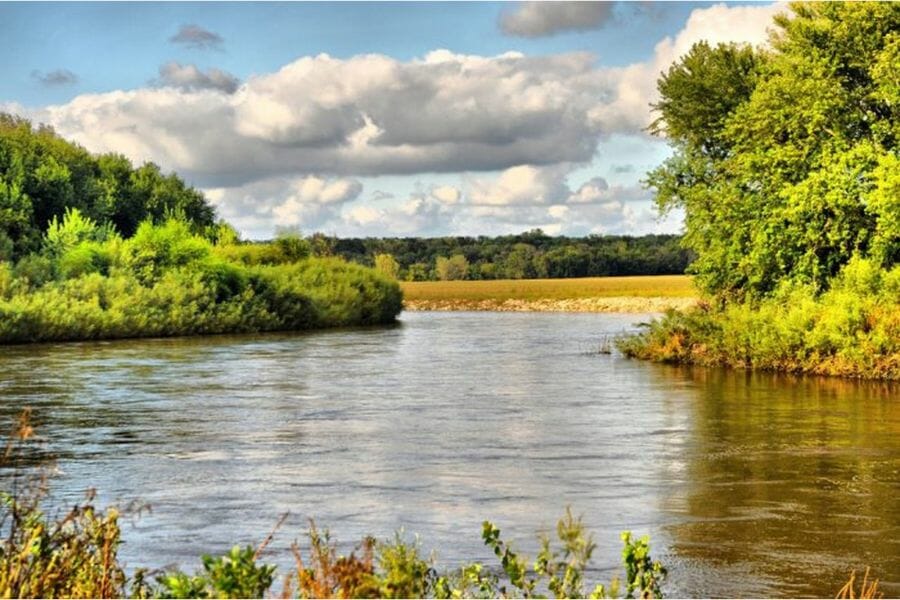
This is the address, the stretch of river that started the 1853 rush and the one spot the Iowa Geological Survey names first. The river cuts through thick glacial deposits here and then runs against limestone bluffs, which is the perfect setup for stacking heavy material.
Access takes a little planning because most of the bottomland is private farm ground. Public river access points and bridge crossings around Eldora and Steamboat Rock give you legal water, and a polite ask at the farmhouse keeps every flake 100% yours.
Flour gold and fine flakes are the target and panning is the method. Screen everything through a classifier first, then finish in a small pan where a speck has nowhere to hide.
Bring a container for the rest of it too. This stretch throws up Lake Superior agate, jasper, chert, quartz pebbles, and fossil bearing limestone, and plenty of panners have tossed something worth real money back in the river because it did not look like gold. The Rocks and Minerals of the United States Field Guide settles those calls on the bank with true color photos plus hardness and streak data for every specimen.
A Classifier Screen: SE Half Inch Sifting Screen is the single tool that changes results most on this river.
Difficulty rating: 3 out of 5
2. Iowa River at Three Bridges, Marshall County
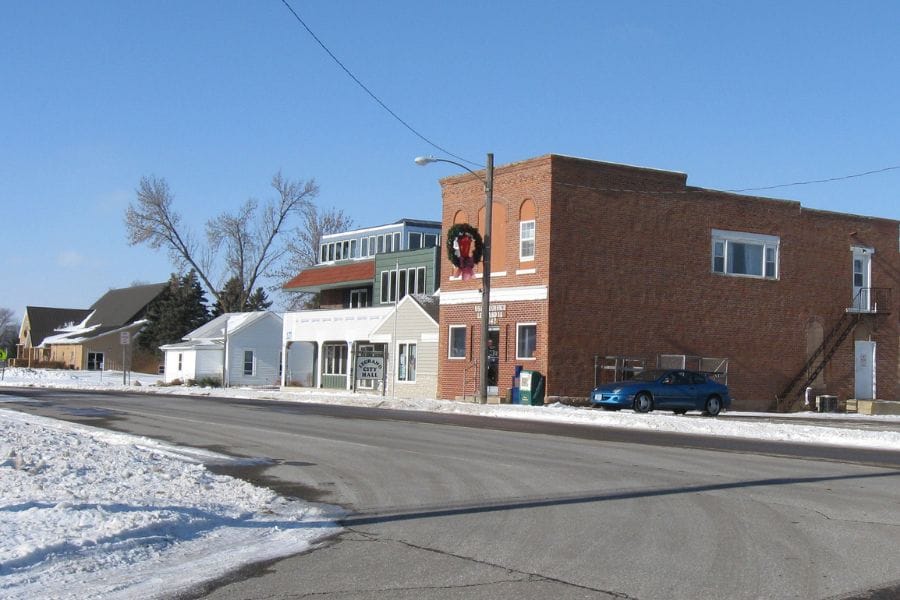
Three Bridges County Recreation Area sits on the Iowa River northwest of Marshalltown, and flour gold has been reported from the sandbars along this reach. The river here is wide, shallow, and slow, which means it builds long clean bars that are easy to walk and easy to read.
This is county conservation board ground rather than a state park, so the rules are set locally. Call the Marshall County Conservation Board before you go and ask specifically about recreational panning, because one phone call turns a maybe into a plan.
Fine gold is what this water delivers and a slow finish pan is what catches it. Work the fine sand streaks on the downstream tail of each bar, where the current lays down the lightest heavy material last.
Agate, jasper, chert, quartz, and crinoid fossils come out of the same shovel. A Finish Pan: Garrett Prospecting 10″ Backpacker Gold Pan is the piece most Iowa panners are missing.
Difficulty rating: 2 out of 5
Northeast Iowa
Northeast Iowa is the best gold country in the state and it does not look like the rest of Iowa at all. The rivers here run fast over limestone and dolomite through steep wooded valleys, which is exactly the terrain that traps fine gold.
3. Volga River, Fayette County
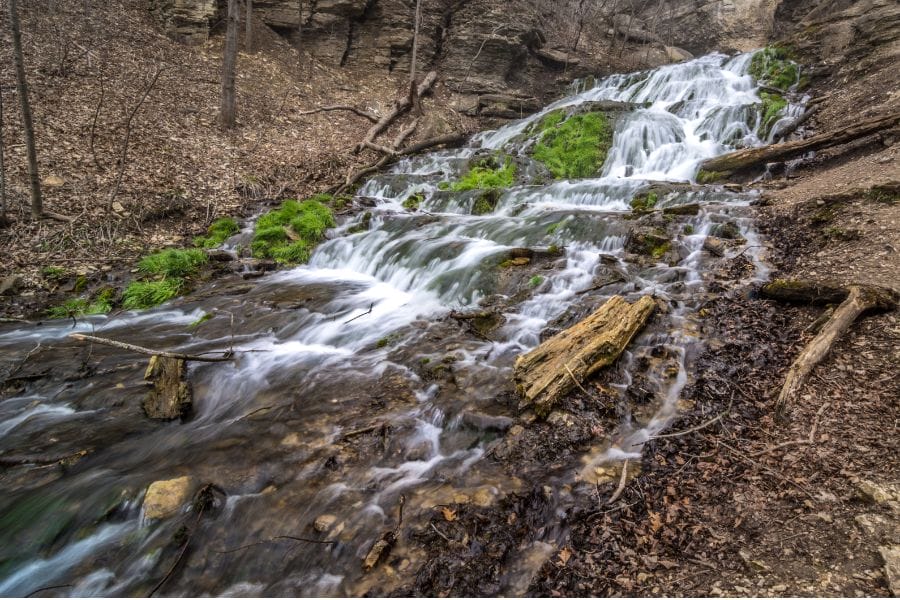
The Volga is named by the Iowa Geological Survey as gold bearing water, and it runs about eighty miles through Fayette and Clayton Counties before it joins the Turkey River. It drops fast, it cuts glacial drift, and it builds beautiful clean gravel bars at nearly every bend.
Note that the Volga River State Recreation Area itself is state land where removing rocks and minerals is not allowed, so aim for the county and township road crossings and the private reaches where you have permission. Iowa farm country landowners are more approachable than most visitors expect.
Flakes and flour gold are the prize and panning is the technique. Dig the upstream nose of the bars down to the packed gray layer before you fill a pan, because the loose brown surface gravel is the newest and the poorest.
Expect Lake Superior agate, chert, quartz, calcite, and Silurian fossils alongside the gold. A Deep Riffle Gold Pan: Garrett 15″ Dual Riffle SUPERSLUICE Gold Pan holds enough material to make a long bar worth it.
Difficulty rating: 3 out of 5
4. Otter Creek near West Union, Fayette County
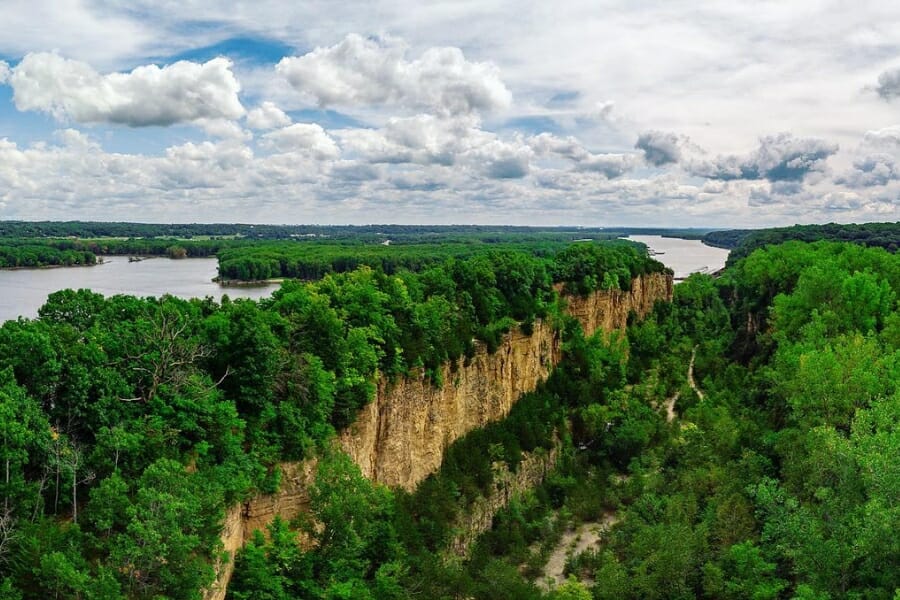
Otter Creek has the best production record of any small stream in Iowa. A 1904 geological report noted that a person working this creek could pan a dollar to a dollar fifty of gold in a day, and at that time gold was worth about twenty dollars an ounce.
Do the math on today’s price and that old day rate looks a lot more interesting. The creek is small, clear, and easy to wade, and it runs mostly through private farm ground near West Union, so line up permission first and you have the water to yourself.
Flour gold and fine flakes are what Otter Creek gives up, and a hand trowel plus a pan is the whole kit. Work behind the boulders and in the gravel wedges on the inside of every bend.
Chert, quartz, agate, calcite, and brachiopod fossils show up in the same gravel. A Hand Trowel: Edward Tools Bend Proof Trowel is perfect for a creek this size.
Difficulty rating: 2 out of 5
Northwest Iowa
Northwest Iowa holds the only place in the state that was ever mined for gold commercially, and the rivers out here cut deep through some of Iowa’s thickest glacial deposits. Big water, big bars, big room to work.
5. Big Sioux River at Klondike, Lyon County
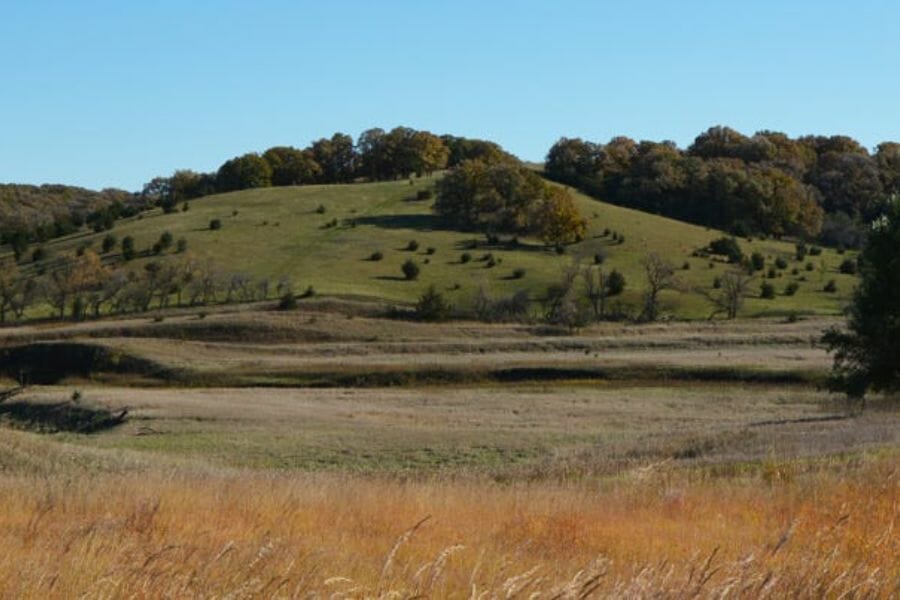
Klondike is the only spot in Iowa with a commercial gold mine behind it, a small placer operation that worked the Big Sioux River gravels in the early 1900s. The name was not a joke. Somebody out here was making it pay.
The Big Sioux forms Iowa’s western border with South Dakota, and public access points along the Lyon County stretch give you legal water and long open gravel. Confirm which bank you are standing on and whose ground it is, because the state line runs down this river.
Flour gold is the target and a sluice earns its keep here because there is unlimited material and steady current in the same place. Set it at a shallow angle so the fine stuff has time to drop.
Quartzite cobbles, agate, jasper, and glacial erratics of every kind fill these bars. A Sluice Box: Keene A52 Hand Sluice turns a lazy afternoon into real volume.
Difficulty rating: 3 out of 5
6. Little Sioux River near Correctionville, Woodbury County
The Little Sioux is named in the state survey’s gold list and it runs about two hundred and twenty miles across northwest Iowa before it reaches the Missouri. The reach near Correctionville cuts through deep glacial deposits and leaves fresh gravel on the inside of every wide bend.
Access is a mix of bridge crossings, county parks, and private bottomland, so scout on a map and make a call before you park. The river is shallow and slow enough through here that wading is comfortable most of the summer.
Flour gold is what this river carries and screening is what recovers it. Take the fine sand streaks on the bars rather than the pretty clean gravel, because the fine sand is where flour gold ends up.
Agate, jasper, quartzite, chert, and petrified wood all turn up on these bars. A Fine Sifting Classifier: SE 1/8″ Mesh Sifting Screen is the difference between keeping flour gold and watching it leave.
Difficulty rating: 2 out of 5
Southeast Iowa
Southeast Iowa gives you the longest season in the state and the friendliest water. The Des Moines River and its feeder creeks drain a huge amount of glacial country before they reach the Mississippi, and they have been dropping their load here the whole way.
7. Des Moines River near Douds and Farmington, Van Buren County
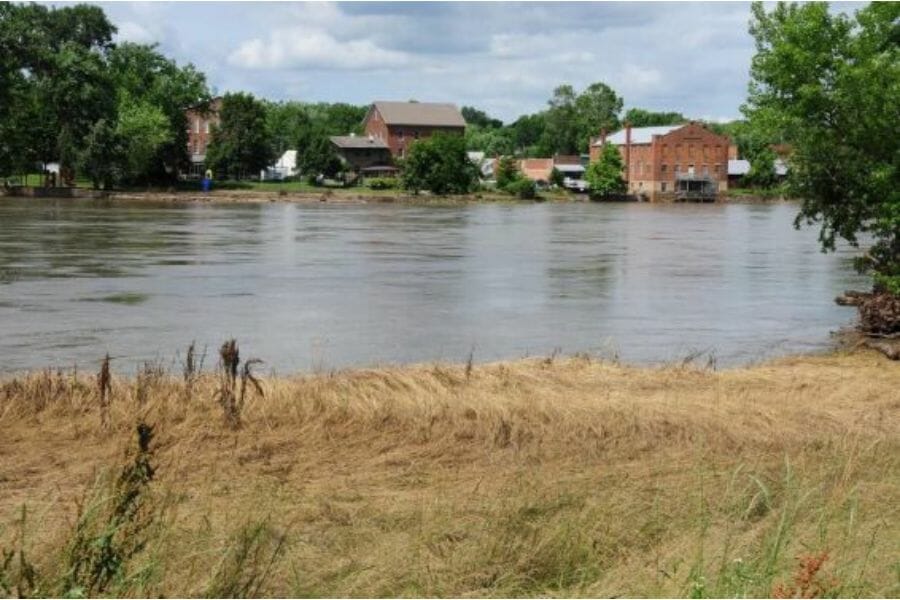
The Des Moines River near Douds and Farmington is named in the Iowa Geological Survey’s gold list, and this is the easiest big water in the state to work. The river is wide and slow here, and it builds long sand and gravel bars that get completely rebuilt every spring.
Public river access points, county parks, and boat ramps through Van Buren County make this a genuine park and walk trip. Bring a chair, honestly, because you can work one bar all day.
Flour gold is the prize and volume is the strategy. Dig the upstream nose of a bar, screen hard, and keep a finish pan going while your sluice runs.
This reach is also famous geode country, so read up on how to find geodes before you go, and expect chert, agate, quartz, and calcite in the same gravel. A Digging Shovel: Bully Tools 14 Gauge Round Point Shovel moves the material a big bar deserves.
Difficulty rating: 2 out of 5
8. Vasser Creek, Davis County
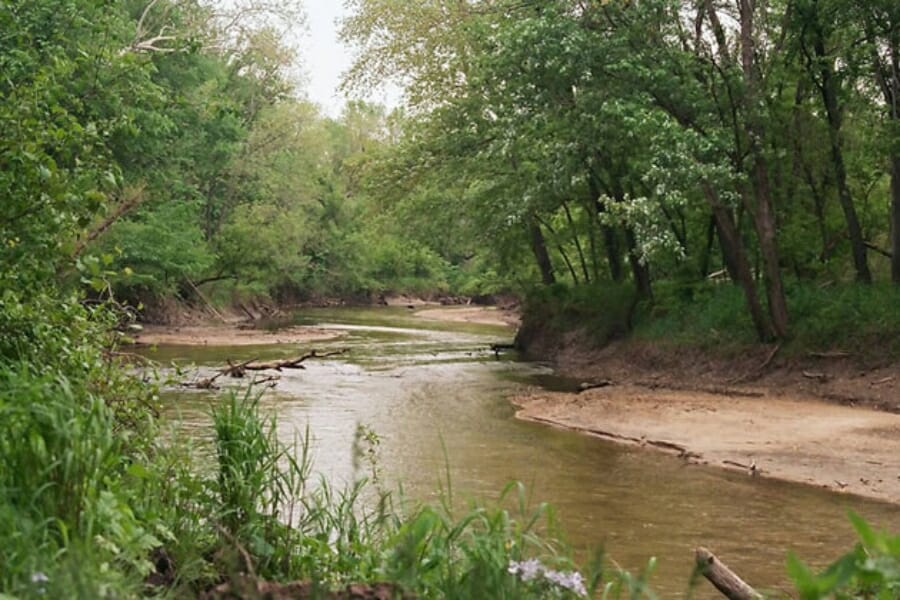
Vasser Creek in northeast Davis County is one of the specific streams the Iowa Geological Survey names for gold in its alluvial deposits. It is a small creek, which is good news, because small creeks concentrate their gold into a few obvious traps instead of spreading it over a mile of bar.
The creek runs through private farm ground, so this is a permission trip. Rural Davis County landowners are used to being asked about hunting and fishing, and a friendly knock usually goes better than people expect.
Flour gold and the occasional flake are what this creek holds, and crevicing beats open panning here. Find the exposed bedrock and rock ledges in the channel and clean every seam you can reach.
Chert, geodes, quartz, and coal measure fossils come out of the same banks. A Crevice Tool: ASR Outdoor Steel Crevice Tool Set is the tool this creek was made for.
Difficulty rating: 3 out of 5
More Proven Places To Find Gold in Iowa
These spots earn a trip too, and several of them sit closer to a town than the headline locations do. Check collection rules and access for each one before you go, because most Iowa river frontage is private farm ground and the rules change at the fence line.
Central Iowa
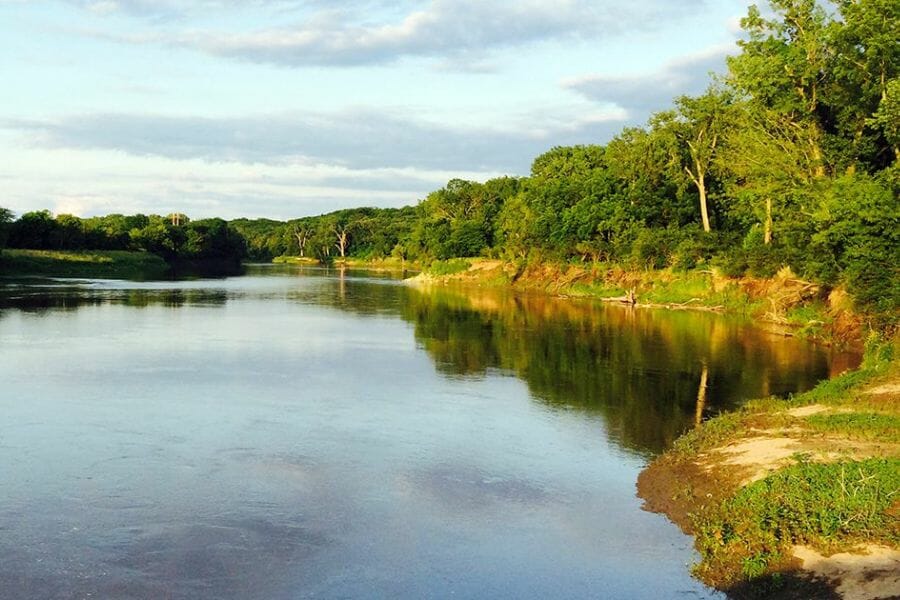
Raccoon River, Dallas County. The Raccoon drains a wide sweep of central Iowa glacial country before it meets the Des Moines River in the capital, and prospectors report fine color in the bars along the Dallas County reach. Look for the inside bends and the sand bars that appear after high water, because this river rebuilds its gravel constantly. Public river access points around Adel and Van Meter are the simplest legal starting points.
South Skunk River, Jasper County. The South Skunk carries flour gold through Jasper County according to prospector reports, and it cuts through thick glacial till the whole way. Fresh cut banks and the gravel wedges on inside bends are the features to target here. Most frontage is private, so ask at the farmhouse before you park.
Des Moines River near Pella, Marion County. The Iowa Geological Survey names the Des Moines River near Pella among the state’s gold bearing water. Below Red Rock the river runs over broad gravel and sand that gets reworked every time the reservoir releases. Federal reservoir land around Lake Red Rock is managed by the Army Corps of Engineers and does not allow mineral collecting, so work the public access points on the river outside those boundaries.
Northeast Iowa
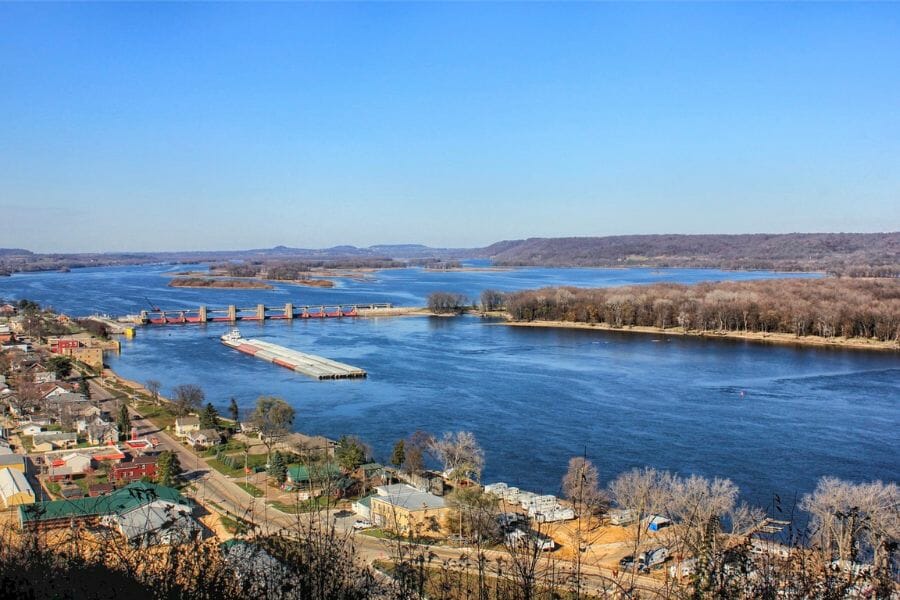
Turkey River, Clayton County. The Turkey collects the Volga and drains a big piece of northeast Iowa’s steepest, fastest country before it reaches the Mississippi. It carries the same glacial gravel that makes the Volga worth panning, and its bars are wide and easy to walk. County road crossings and public access points give you legal water, and the fishing here is good enough to justify the drive on its own.
Brush Creek, Fayette County. Brush Creek near Arlington is named alongside the Volga and Otter Creek in the state survey’s account of northeast Iowa gold. It is small, clear, and full of the bedrock seams and boulder traps that hold fine gold in place. The creek runs through private ground for most of its length, so permission comes first.
Northwest Iowa
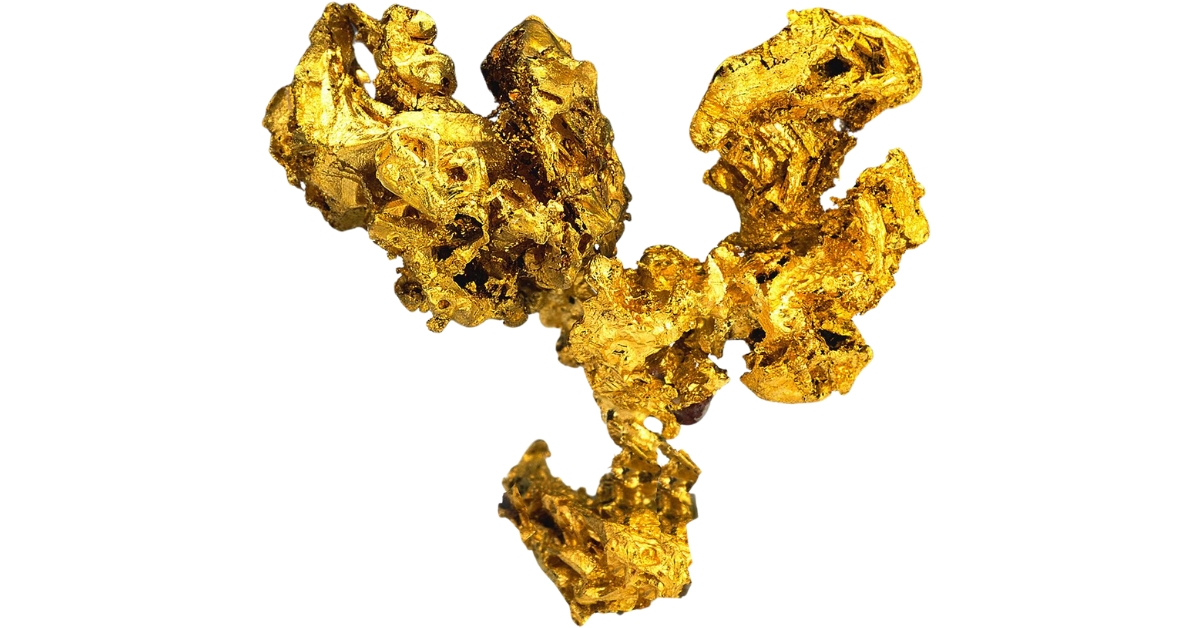
Little Sioux River near Cherokee, Cherokee County. The Cherokee County reach of the Little Sioux is named in the state survey’s gold list right alongside the Correctionville stretch downstream. The river here has cut a deep valley into glacial deposits and leaves fresh gravel on every wide bend. City and county parks along the river in and around Cherokee make access easy, and the water stays wadeable most of the summer.
Southeast Iowa
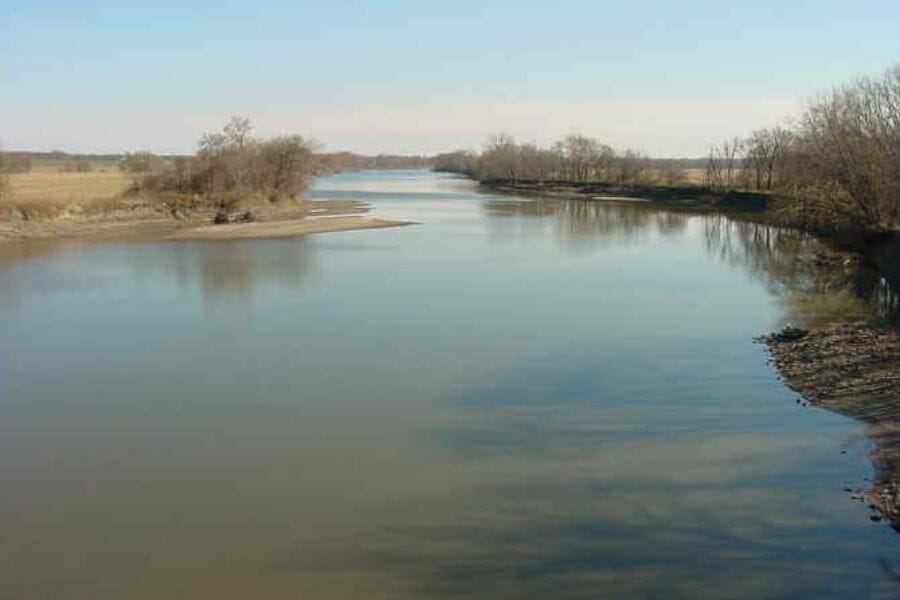
Skunk River, Des Moines County. Des Moines County shows up in the older Iowa gold records for color in its riverbeds and gravel bars, and the Skunk River is the water that runs the length of it to the Mississippi. It carries the same glacial load that produces flour gold upstream in Jasper County, and the bars near the mouth are the biggest on the river. Access is a mix of county parks and private bottomland, so scout before you go.
Des Moines River near Keokuk, Lee County. The lower Des Moines River runs through Lee County to its mouth on the Mississippi, and prospectors report gold in the gravel and sand layers of its banks. This is the same reach that made Keokuk famous for geodes, so a slow day of panning is never a wasted day here. Watch for federal and Corps managed ground near the river mouth and stick to the public access points on the river itself.
Mississippi River Bars, Muscatine County. The Mississippi carried glacial outwash south past Iowa for thousands of years, and prospectors report fine color in the sandbars along the Muscatine County stretch. Low water in late summer opens up long sand and gravel bars that simply do not exist in spring. Stay well clear of the navigation channel and the locks and dams, which are Army Corps property.
Cedar Creek near Stockport, Van Buren County. Cedar Creek has a long local reputation for gold in Van Buren County, where at least one pioneer family is said to have prospected it for spending money. It is a small stream with exposed bedrock and tight gravel wedges, which is exactly the setup that holds fine gold in place. Nearly all of it is private farm ground, so permission is the first step.
The Best Gold Hunting Techniques in Iowa
Three techniques cover everything Iowa gold asks of you, and all three are built around one idea: catch the small stuff. Fine gold is what these rivers deliver, so every method below is tuned to keep flakes and dust from washing over the lip.
Gold Panning (Difficulty: 1 out of 5)
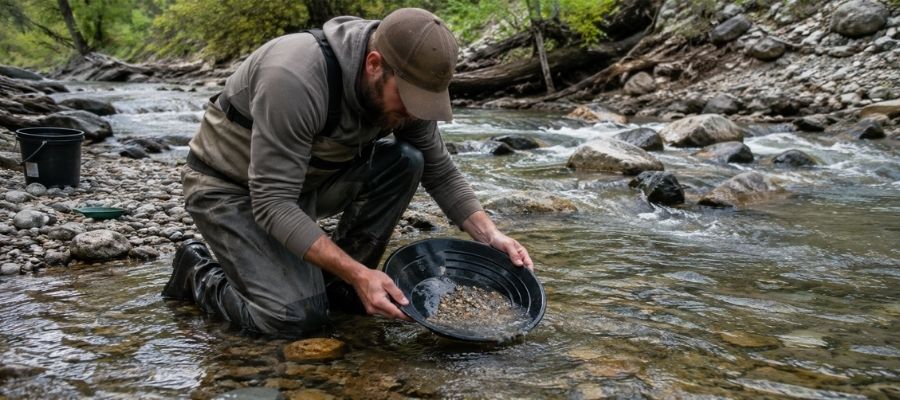
Panning is swirling gravel and water in a shallow pan so the heavy material sinks and the light material floats away. It takes about ten minutes to learn and a season to get good at.
In Iowa it works best on the gravel bars of the Volga, the Iowa River around Eldora, and the wide slow bars of the Des Moines River. Tip the pan less than you think, keep the water moving gently, and always finish in a small pan where a speck cannot hide.
Essential Tools
- Deep Riffle Gold Pan: Garrett 15″ Dual Riffle SUPERSLUICE Gold Pan
- Finish Pan: Garrett Prospecting 10″ Backpacker Gold Pan
- Classifier Screen: SE Half Inch Sifting Screen
- Snuffer Bottle: Garrett Gold Guzzler Bottle
- Glass Storage Vials: SE Glass Vials with Caps 144 Pack
Crevicing (Difficulty: 2 out of 5)
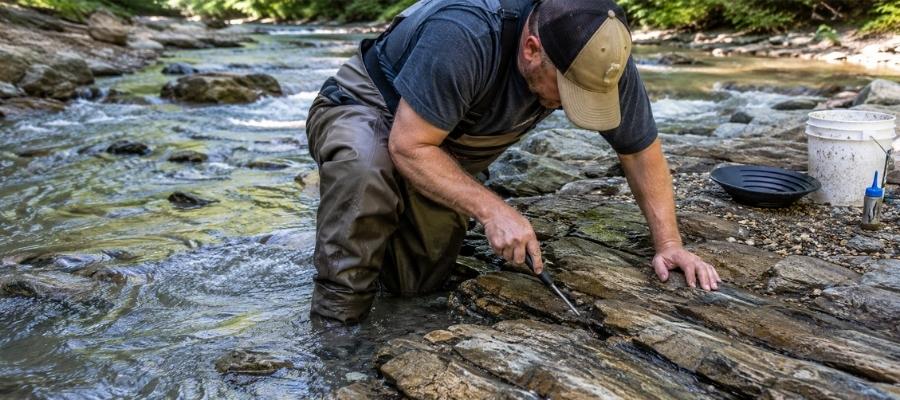
Crevicing means scraping the cracks in exposed bedrock and panning what comes out. Every crack is a trap that has been collecting heavy material since the last flood scoured it clean.
This pays off in northeast and southeast Iowa, where creeks cut down to limestone, dolomite, and sandstone. Otter Creek, Brush Creek, and Vasser Creek all have bedrock sitting right in the channel where you can reach it with a hand tool.
Essential Tools
- Crevice Tool: ASR Outdoor Steel Crevice Tool Set
- Rock Pick: Estwing Geo Paleo Rock Pick
- Snuffer Bottle: Garrett Gold Guzzler Bottle
- Magnifying Loupe: JARLINK 30X 60X Illuminated Loupe
Sluicing (Difficulty: 3 out of 5)
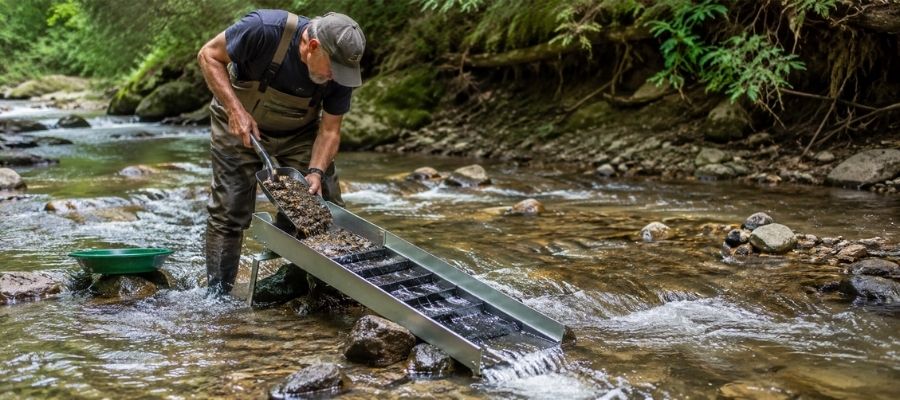
A sluice is a trough with riffles that you set in moving water so the current does the panning for you. You feed classified gravel in the top and check the riffles every hour or so.
Sluicing shines on the big open bars of the Big Sioux, the Little Sioux, and the Des Moines River, where you have unlimited material and steady current in the same place. Set it at a shallow angle for fine gold, because too much slope sends flour gold straight through the box.
Non motorized sluices can need approval from the landowner or managing agency, so make the call before you carry one in.
Essential Tools
- Sluice Box: Keene A52 Hand Sluice
- Digging Shovel: Bully Tools 14 Gauge Round Point Shovel
- Fine Sifting Classifier: SE 1/8″ Mesh Sifting Screen
- Black Sand Magnet: SE Magnetic Separator Pick Up Tool with Quick Release
How To Tell Real Gold From Fool’s Gold
Pyrite fools more Iowa panners than any other mineral, and this state grows it everywhere, in shale banks, coal seams, and limestone alike. The good news is that three seconds of testing settles it every time.
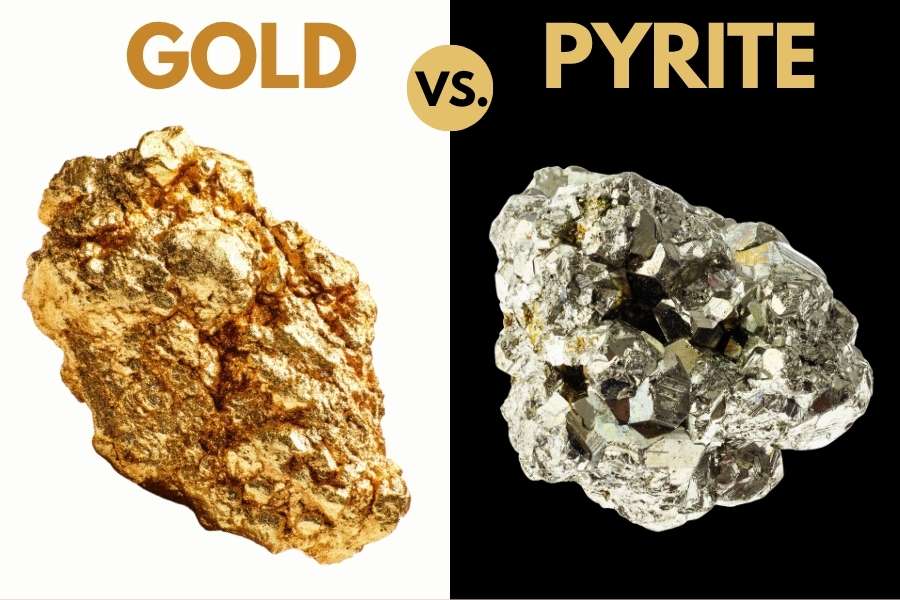
Use the shadow test first. Move your hand so the piece falls into shade, and real gold keeps its warm yellow glow while pyrite goes dull and gray, because pyrite only shines when direct light hits it.
Then use the poke test. Press the piece with a pin or a knife tip, and gold dents and smears like soft butter while pyrite cracks, sparks, or crumbles into brassy dust.
Shape is the last tell. Pyrite grows in cubes and sharp geometric faces and gold almost never does, so anything with straight edges and flat square sides came out of an Iowa shale bank. Our walkthrough on how to identify your rocks covers the same tests for everything else in the pan.
The expensive mistake is not mistaking pyrite for gold. It is throwing away the geode, the Lake Superior agate, the crinoid plate, or the galena crystal sitting next to your gold because you could not name it. The Rocks and Minerals of the United States Field Guide covers hundreds of specimens with hardness, streak, and composition, and it is laminated and steel bound so it lives in a wet pack all season.

How Gold Got Into Iowa
Iowa’s gold arrived on ice, and that single fact explains why the spots in this guide sit where they sit. No volcano built it here and no mountain range squeezed it out of the ground.
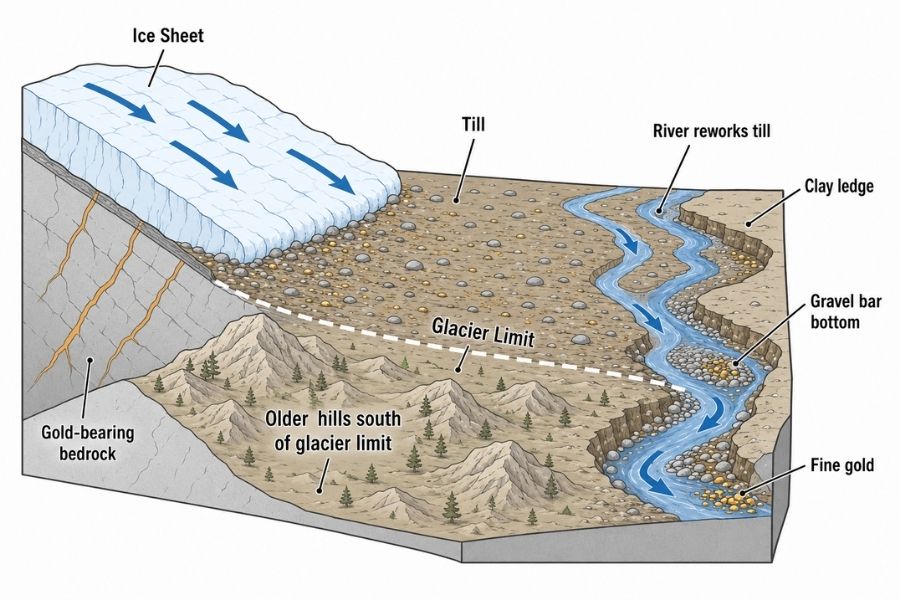
Start a thousand miles north. Minnesota, Ontario, and Manitoba sit on the Canadian Shield, some of the oldest rock on the planet, and that rock holds gold in veins right at the surface. It has been sitting there being worn down for a very long time.
Then the ice came, over and over. Massive glaciers ground south across the shield, scraped the gold bearing rock loose, mixed it into miles of sand, clay, and boulders, and carried the whole load down into Iowa before they melted. What they left behind is glacial drift, and in places it is hundreds of feet thick.
Ever since, Iowa’s rivers have been doing the refining. Water cuts down into that drift, washes away the light material, and leaves the heavy material behind in the gravel, which is exactly how a placer deposit forms.
That is the good news for anyone with a pan. The gold is spread through an enormous volume of drift instead of locked in one hillside, so it turns up across the whole state, and every flood cuts a new bank and restocks the gravel with material nobody has ever looked at.
The same ice sheets stocked our neighbors the same way, which is why gold in Illinois comes out of gravel bars that look exactly like ours.
What To Bring for an Iowa Gold Day Trip
Pack for wet feet, soft mud, and a long walk across a bar. Iowa rivers are easy country compared to a mountain creek, and the difference between a great day and a miserable one is usually three items you forgot.
Gear
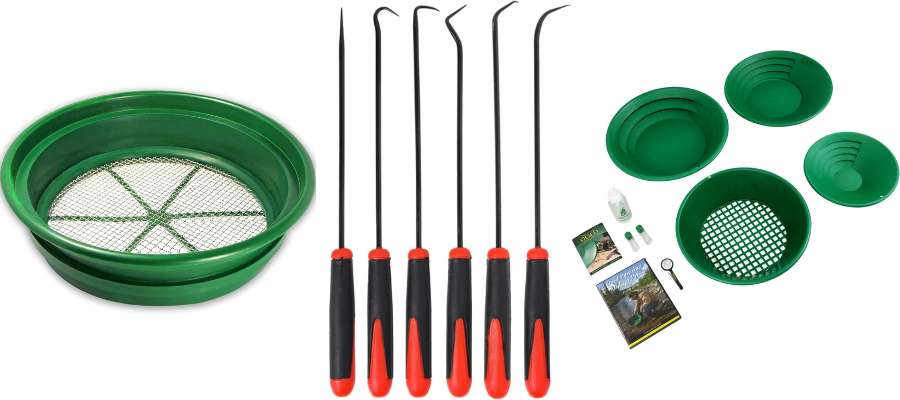
- Gold pan and finish pan (see Techniques)
- Classifier screens, coarse and fine (see Techniques)
- Crevice tools and a rock pick (see Techniques)
- Snuffer bottle and glass vials (see Techniques)
- Loupe for on the spot identification
Everything Else
- Knee boots or wading boots, plus dry socks in the truck
- A wading staff for soft mud and slick cobble
- Two liters of water and more food than you think you need
- Sunscreen and a brimmed hat, because Iowa bars have zero shade
- Bug spray from May through September
- Printed permission slips and the landowner’s phone number
- A trash bag, because you leave the river cleaner than you found it
Starting from zero? The Beginner Starter Kit: Garrett Deluxe Gold Pan Kit puts pans, classifiers, vials, and a snuffer in one box so you are not assembling a kit piece by piece.
The Best Time of Year To Hunt for Gold in Iowa
Late summer through fall is prime season across all of Iowa, because low water exposes the bars and bedrock you cannot reach in spring. Each region has its own window on top of that.
Central Iowa
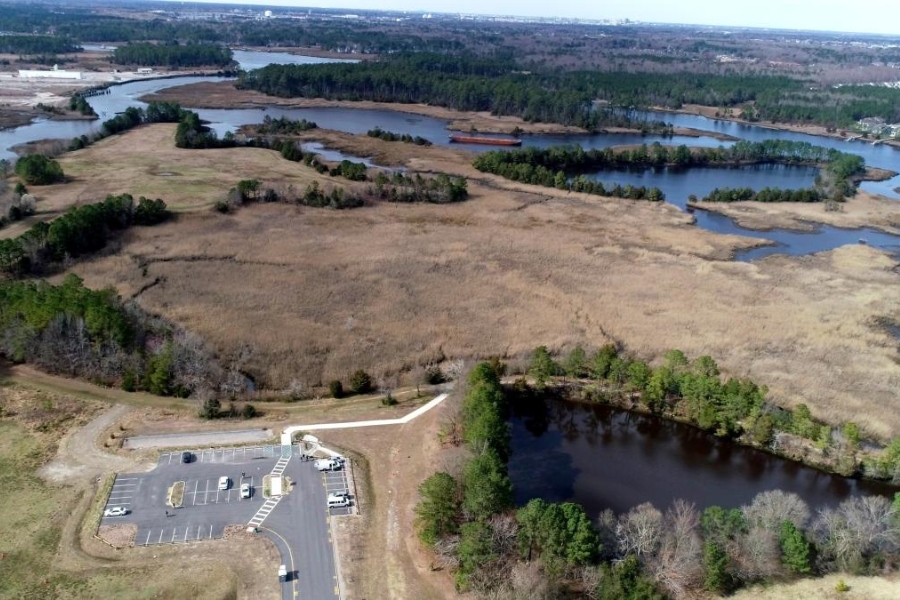
Best months are June through October. The Iowa River drops through the summer and by July the bars around Eldora and Marshalltown are dry, walkable, and easy to read.
Spring is worth waiting out, but it is also working for you. Every spring rise cuts new banks and lays down fresh gravel, so the bars you walk in July are stocked with material that was buried in April.
Northeast Iowa
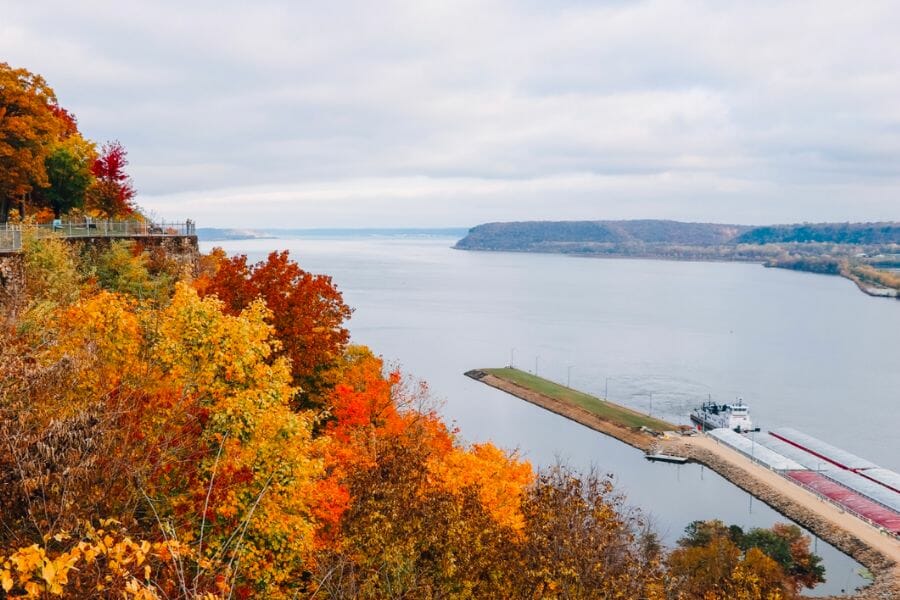
Best months are June through October. These valleys are steep and shaded, so the Volga, the Turkey, and Otter Creek run cold and clear well into summer, which makes for comfortable wading in July and August.
Fall is the reward season up here. Water is at its lowest, the bugs quit, the bluffs turn color, and the bedrock seams that spend most of the year underwater are finally reachable.
Northwest Iowa
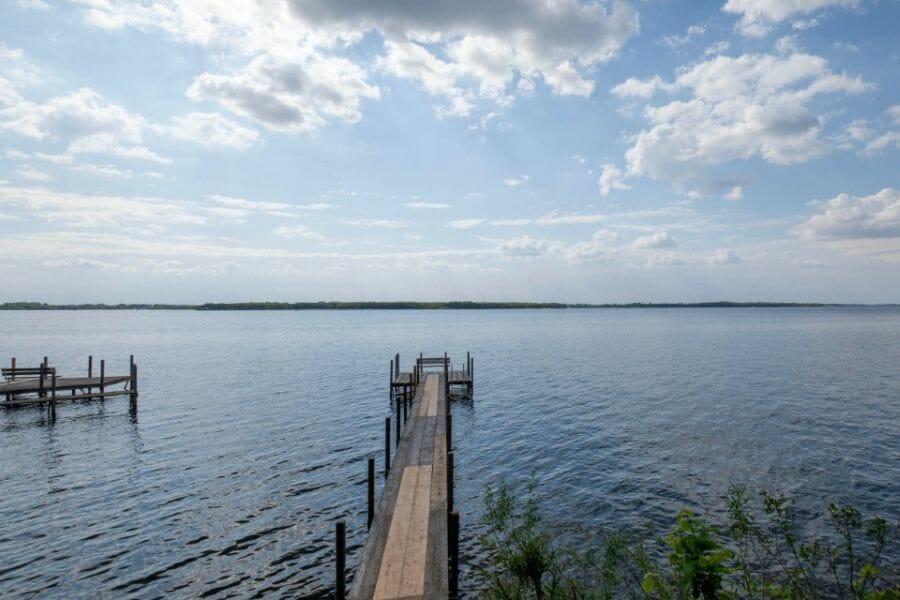
Best months are July through October. The Big Sioux and the Little Sioux carry heavy spring runoff, and once they drop in midsummer they expose long open bars that are the whole point out here.
This region also gives you the most room. Big wide rivers and quiet banks mean you can set a sluice, work all day, and have the whole bar to yourself.
Southeast Iowa
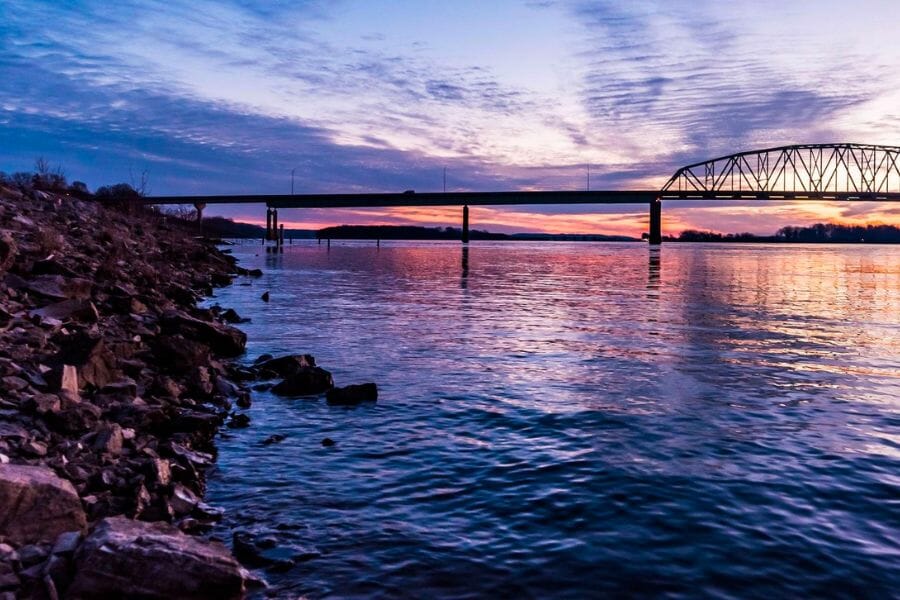
Best months are May through November. This corner warms up first and cools down last, which gives southeast Iowa the longest season in the state by a comfortable margin.
August and September are the sweet spot on the Des Moines River and the Mississippi bars, when low water opens up sand and gravel that is underwater the rest of the year. On a mild winter day the lower Des Moines River is still perfectly pannable.
Other Valuable Rocks and Minerals You Can Find in Iowa
The same gravel that holds your gold is loaded with other things worth keeping, and Iowa is a genuinely great rockhounding state. Here is what shows up in the pan and on the bank while you are working.
Geodes
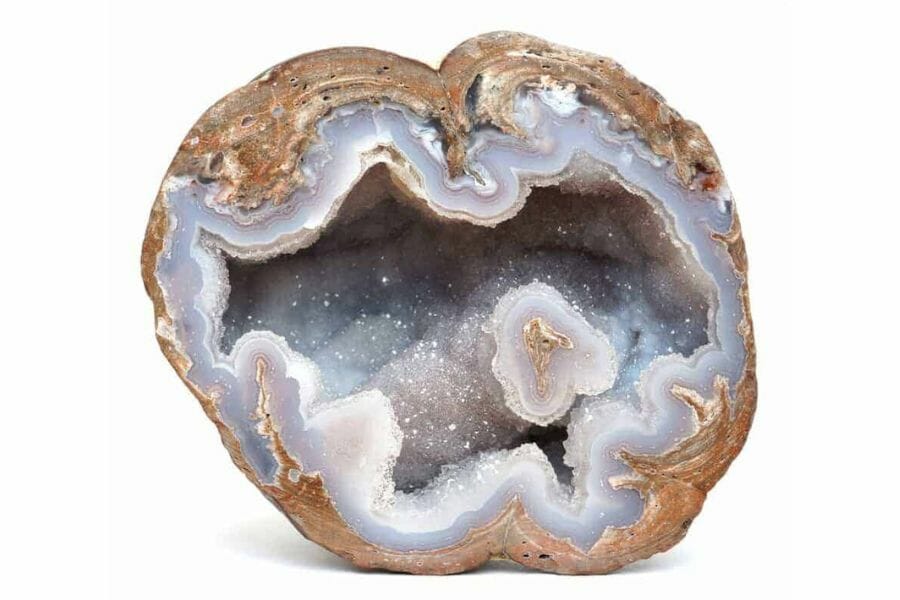
Geodes are Iowa’s signature find, and the Keokuk geode beds in the southeast corner are world famous. On a creek bank they look like plain round lumps until you crack one open and find a quartz lined cave inside.
Lee, Van Buren, and Des Moines Counties are the heart of it. Our full guide to geodes in Iowa covers where to look and how to open them without ruining the crystals.
Lake Superior Agate
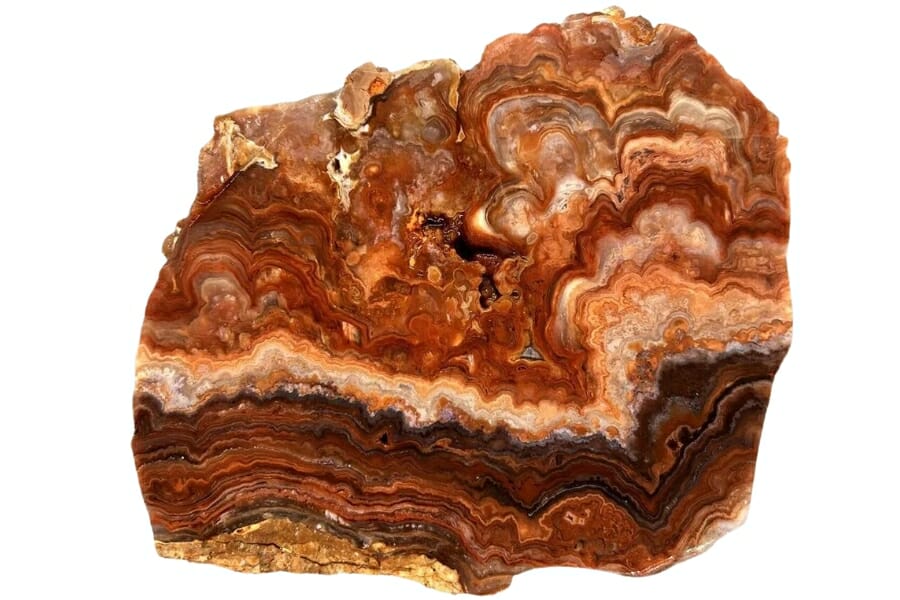
Lake Superior agates rode into Iowa on the same ice that brought the gold, which means every gold bearing gravel bar is also an agate bar. Look for waxy translucent stones with red and orange banding that glow when you hold them to the sun.
Wet every pebble, because dry agate hides in plain sight. Our guide to agate in Iowa covers the best gravel in the state.
Quartz Crystals
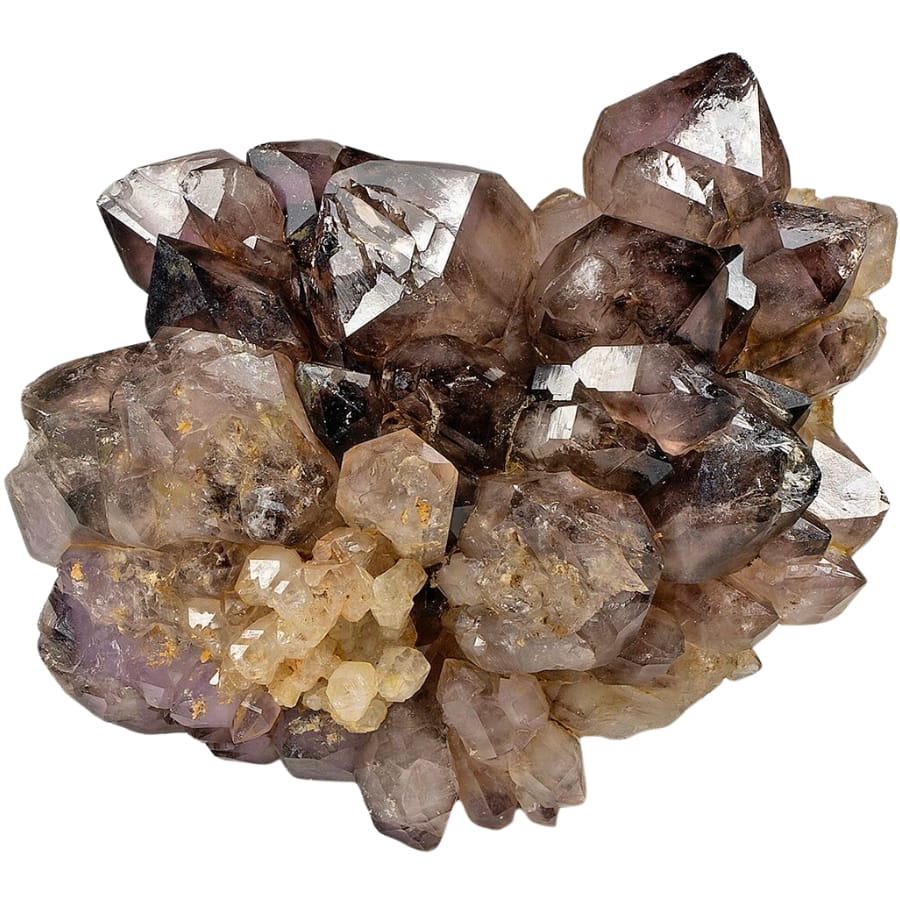
Quartz shows up in Iowa as clear and milky crystals lining geode cavities and limestone vugs, and as rounded pebbles in every river bar. The geode country crystals are the showy ones.
You will handle quartz constantly while panning. Our guide to crystals in Iowa breaks down where the best pockets are.
Carnelian
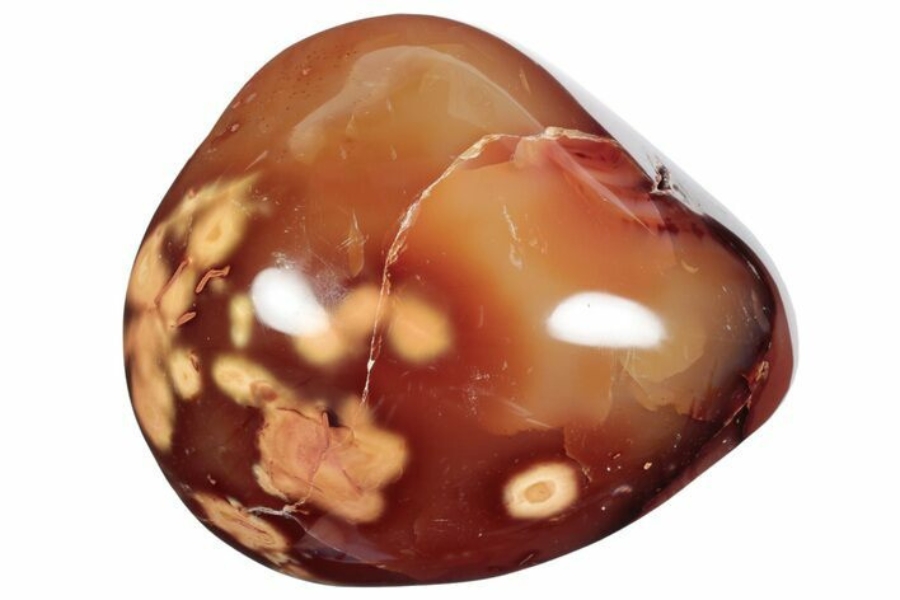
Carnelian is chalcedony colored orange to deep red by iron, and it turns up as glowing water polished pebbles in glacial gravel. Hold a suspect pebble up against the sky and carnelian lights up like a stained glass window.
It is one of the easiest Iowa gems to spot once you know the trick. See our crystals in Iowa guide for more.
Jasper
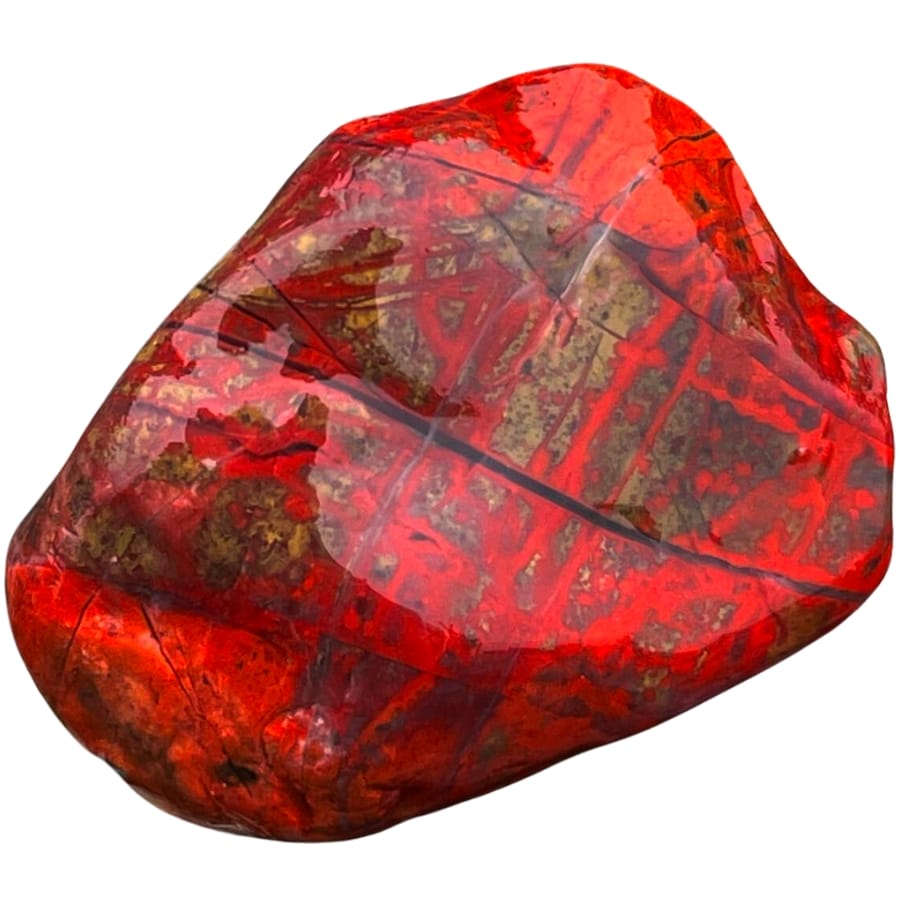
Jasper is opaque chalcedony in red, yellow, and brown, and Iowa’s arrived as glacial cobbles from the north. It takes a beautiful polish and it is common enough that beginners find some on almost every trip.
Look for solid color stones with a smooth waxy surface. Our guide to agate in Iowa covers the same gravel bars.
Chalcedony
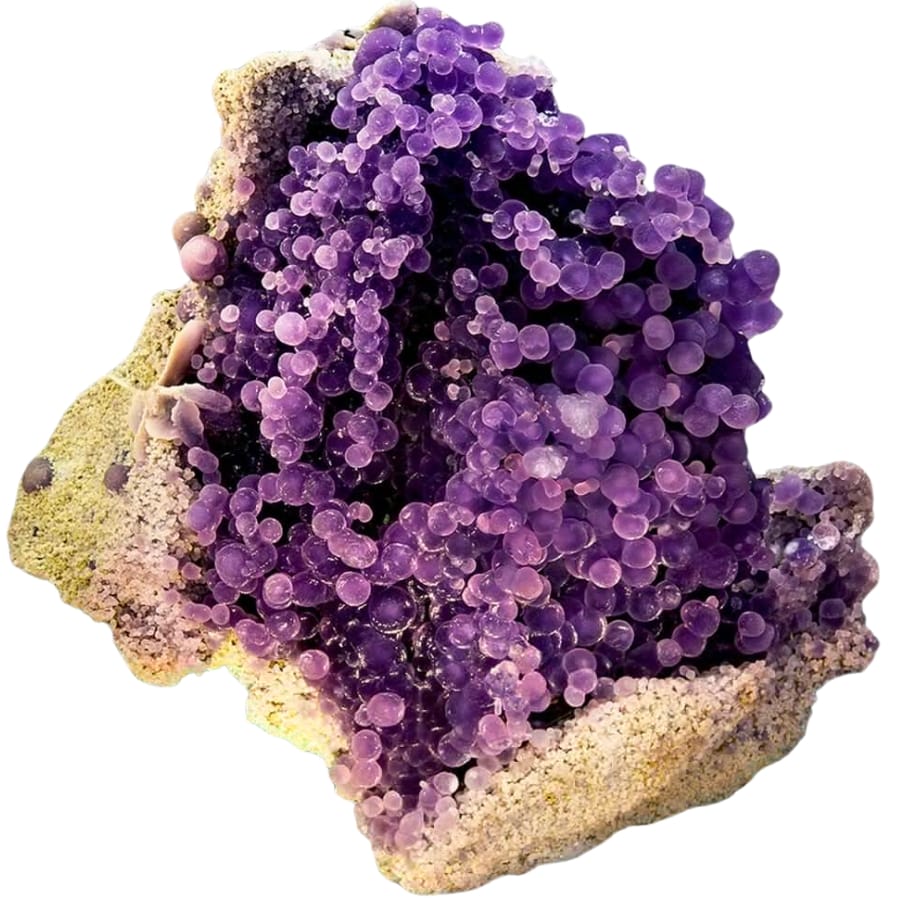
Chalcedony is agate’s smooth unbanded cousin, and it forms as milky blue gray coatings and nodules in Iowa’s limestone cavities and geodes. It glows softly when backlit, which is the fastest way to tell it from plain chert.
Geode country produces the best pieces. Our Iowa gem hunting guide maps the productive areas.
Calcite
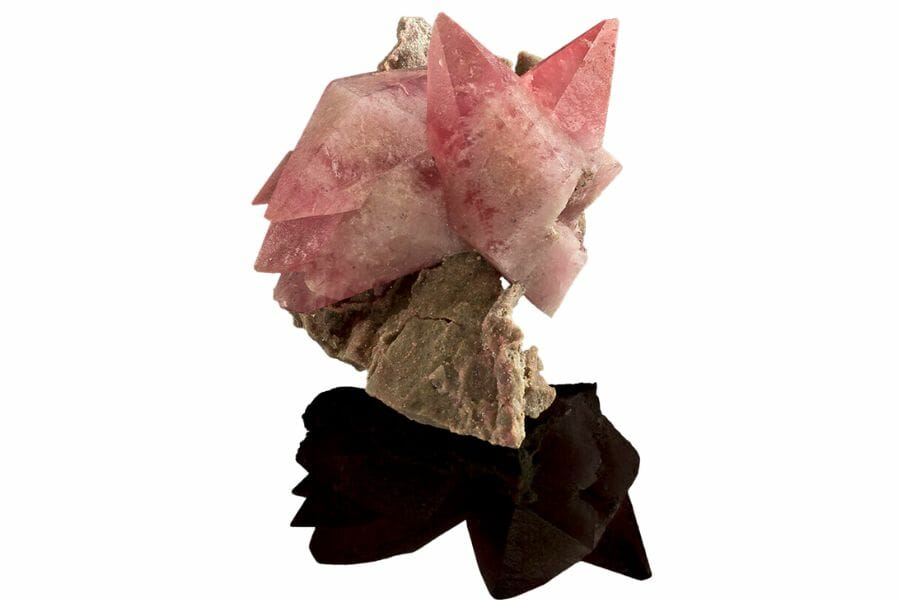
Calcite comes out of Iowa limestone in every shape from clear rhombs to golden scalenohedrons, and it lines the inside of plenty of geodes. Cave country in the northeast produces the showiest pieces.
A drop of vinegar fizzes on calcite and does nothing on quartz. More in our rockhounding in Iowa guide.
Galena
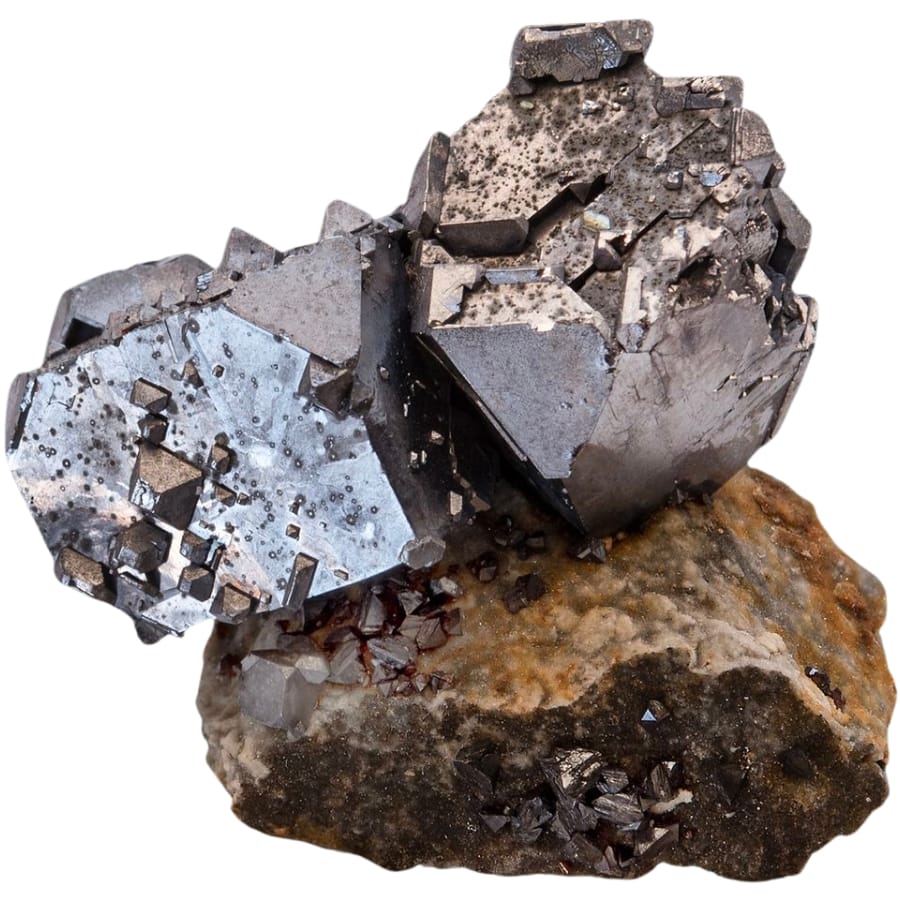
Galena is lead sulfide, and it grows in bright silver cubes so heavy they surprise you the first time you pick one up. The Dubuque area lead district in northeast Iowa made this mineral famous long before anyone panned for gold here.
You will know it by the weight and the perfect cube shape. Our Iowa gem hunting guide covers the district.
Gypsum
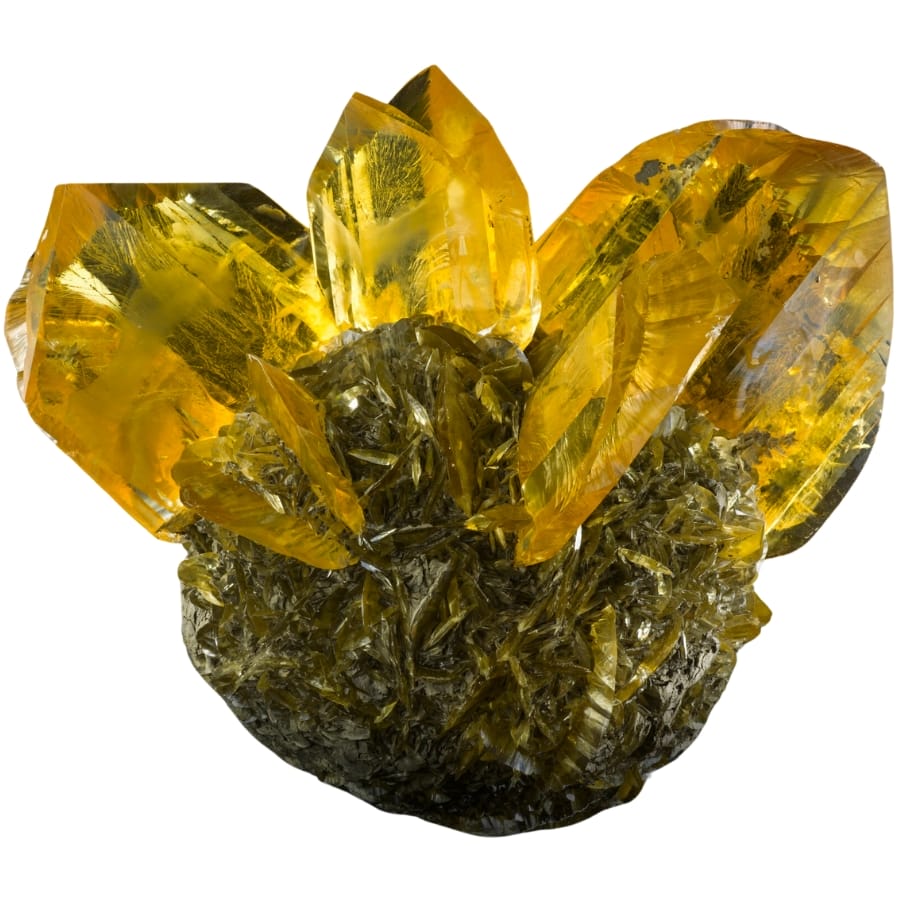
Gypsum is soft enough to scratch with a fingernail, and the Fort Dodge beds in central Iowa are one of the largest gypsum deposits in the country. It shows up as white to honey colored masses and as clear bladed selenite crystals.
Handle it gently because it damages easily. See our Iowa gem hunting guide for locations.
Crinoid Fossils
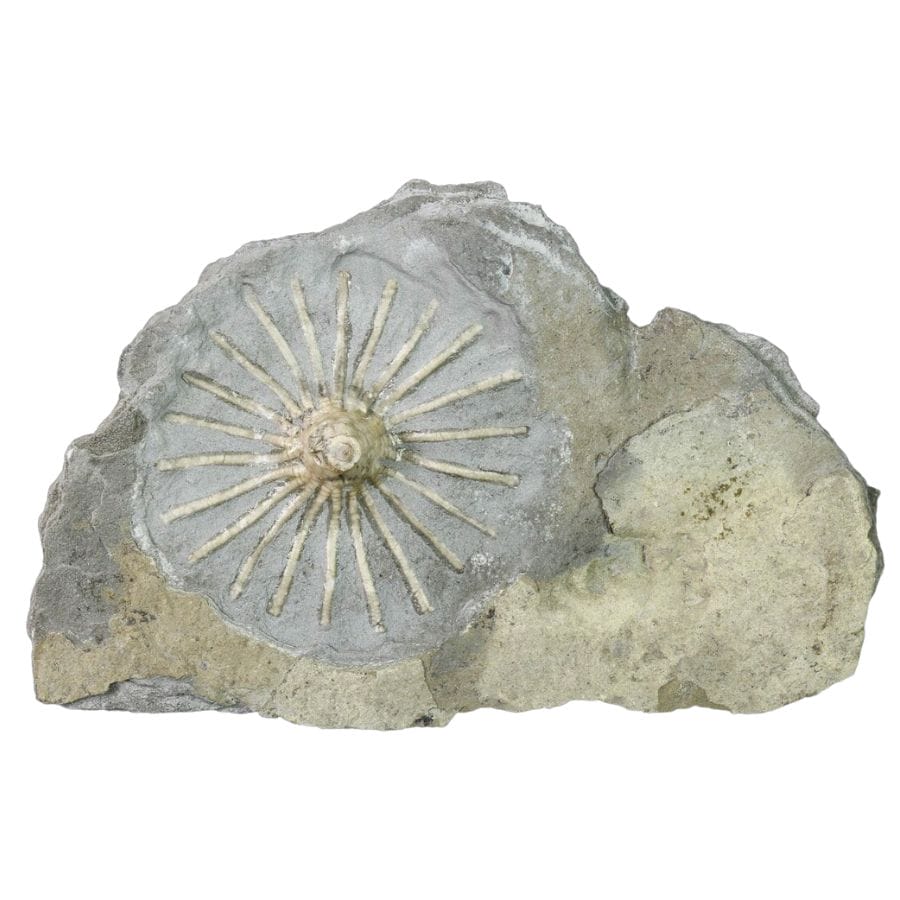
Crinoids were sea lilies, and Iowa’s limestone is packed with their stem segments, which look like tiny stone beads or screws in the rock. The Le Grand crinoids from Marshall County are among the finest ever collected anywhere.
You will see stem pieces in almost every limestone cobble on a bar. Our guide to fossils in Iowa covers the best beds.
Here is the part that costs people money. The average pan on an Iowa river holds four or five identifiable minerals, and most panners can name one of them, so real value goes back in the water every weekend. The Rocks and Minerals of the United States Field Guide puts hundreds of specimens and true color photos in your pack so nothing valuable gets tossed.

Legal Rules for Gold Prospecting in Iowa
This is general information and not legal advice, and rules change, so you are responsible for confirming what applies to the exact spot you plan to work. Three issues cover almost every situation in Iowa.

Private Property
Most Iowa river frontage is privately owned farm ground, and that is the single biggest access question in this state. Iowa has no national forest and no BLM land, so the open public prospecting ground that western states rely on simply is not part of the picture here.
The good news is that Iowa landowners are used to being asked. Farmers field requests about hunting, fishing, and mushrooming all year, so a friendly call ahead about panning a gravel bar is a normal conversation, and a quick ask keeps every flake 100% yours. Get the permission in writing when you can and carry a copy.
Public Land Rules
Iowa state parks, state preserves, and state recreation areas prohibit removing or defacing natural features, and that includes rocks, minerals, and anything you would pan out of a creek. Treat all state managed ground as look and photograph unless you have written authorization from the Iowa Department of Natural Resources.
County conservation board areas are a different story and worth a phone call, because the rules are set county by county and some river access areas do allow low impact panning. Federal ground is off the table for collecting, which covers Army Corps of Engineers reservoir land such as Lake Red Rock and the Mississippi River locks and dams, plus national wildlife refuges. One call to the county conservation board turns a maybe into a plan.
Equipment Restrictions
Hand tools are the easy path everywhere in Iowa. A pan, a shovel, a trowel, and a crevice tool raise no questions on ground you have permission to work.
Anything beyond that changes the picture. Iowa has no recreational prospecting permit system, but work that disturbs a streambed, a bank, or water quality can bring in the Iowa Department of Natural Resources, and motorized equipment such as a suction dredge can require state permitting and Army Corps approval for instream work.
Confirm access directly with the landowner or the managing agency before every trip, and get it in writing when you can. Some of the best spots in this guide are look and do not take, and knowing which is which before you drive is what keeps the hobby fun.
Local rock and mineral clubs are the fastest shortcut to good ground, current rules, and people who already know which landowners say yes. Iowa has active clubs across the state, and a single meeting will teach you more about local access than a month of searching.
Iowa Gold FAQ
Is there gold in Iowa?
Yes, natural gold occurs in Iowa as fine flour gold, flakes, and grains in river gravel and glacial deposits. The Iowa Geological Survey documents gold along the Iowa River near Eldora and Steamboat Rock, Otter Creek and the Volga River in Fayette County, Vasser Creek in Davis County, the Little Sioux River, the Big Sioux River, and the Des Moines River.
All of it arrived as glacial drift carried down from Minnesota and Canada. That means the gold is spread across a huge area rather than concentrated in one hillside, and every flood cuts a fresh bank and puts new gravel in front of you.
Where can you pan for gold in Iowa?
The most commonly worked spots are the Iowa River near Eldora and Steamboat Rock in Hardin County, the Volga River and Otter Creek in Fayette County, the Big Sioux River at Klondike in Lyon County, the Little Sioux River in Woodbury and Cherokee Counties, and the Des Moines River in Van Buren and Marion Counties. Public river access points, boat ramps, and county park frontage are the easiest legal places to start.
Always confirm the rules for the exact stretch you plan to work. State parks, state preserves, and state recreation areas do not allow collecting, and most river bottomland in Iowa is private farm ground.
Do you need a permit to pan for gold in Iowa?
Iowa has no statewide permit for recreational hand panning, but the land you stand on decides what you need. Private land requires the landowner’s permission, state managed land requires written authorization from the Iowa Department of Natural Resources, and county conservation areas set their own rules through the county board.
Motorized equipment is a separate matter and can trigger state environmental permitting plus Army Corps approval for instream work. Hand tools keep everything simple.
What kind of gold is found in Iowa?
Iowa produces placer gold in the form of flour gold, fine flakes, and small grains and pickers, all of it carried in by glaciers rather than formed in local bedrock. The finest material rides high in the water and settles in fine sand streaks, while the heavier grains work down onto packed clay till and bedrock.
That is why classifying matters so much here. A good screen and a slow finish pan are what turn Iowa gravel into a vial you can show people, and you can learn the full setup in our guide to gold hunting and prospecting equipment.
Has gold ever been mined in Iowa?
Yes, one small commercial placer operation worked the Big Sioux River gravels at Klondike in Lyon County in the early 1900s, and it is the only documented gold mine in Iowa history. The bigger event was the 1853 rush near Eldora, when about 3,000 prospectors converged on the Iowa River after a local farmer reported gold on his ground.
Both episodes prove the same point: Iowa river gravel carries glacial gold. For a look at how the neighboring drift states work the same deposits, see our guide to gold in Minnesota.
Take the Guesswork Out of Your Next Pan

Every pan you lift out of an Iowa river holds more than gold. It holds agate, jasper, geode fragments, calcite, and crinoid plates, and the only thing standing between you and knowing which is which is a book that fits in your pack.
The Rocks and Minerals of the United States Field Guide covers hundreds of specimens with true color photos, hardness, streak, and composition, printed on laminated waterproof pages with a steel spiral binding built for wet hands and river banks.
Get the Rocks and Minerals of the United States Field Guide