Navigating the local landscape to find Connecticut amethysts demands a highly focused travel itinerary. The state features plenty of dense woodlands and rocky terrain where you can easily waste an entire afternoon.
Driving to a random trailhead without doing any preliminary research is a guaranteed way to go home with blistered hands and zero rewards. If you want a successful rockhounding trip, you must identify the best valleys and ridges to explore before packing your buckets.
Pulling genuine amethyst crystals from the earth requires targeting areas that actually possess a track record of producing them.
With this knowledge, we can help you streamline your upcoming outdoor adventure. You can work more efficiently by completely narrowing down the vast map of areas you can explore.
What is Connecticut Amethyst?
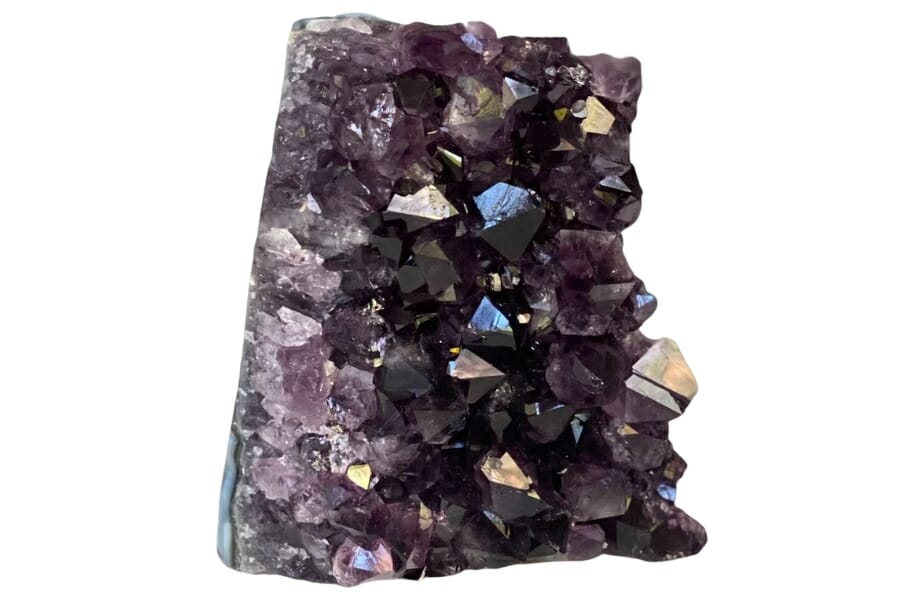
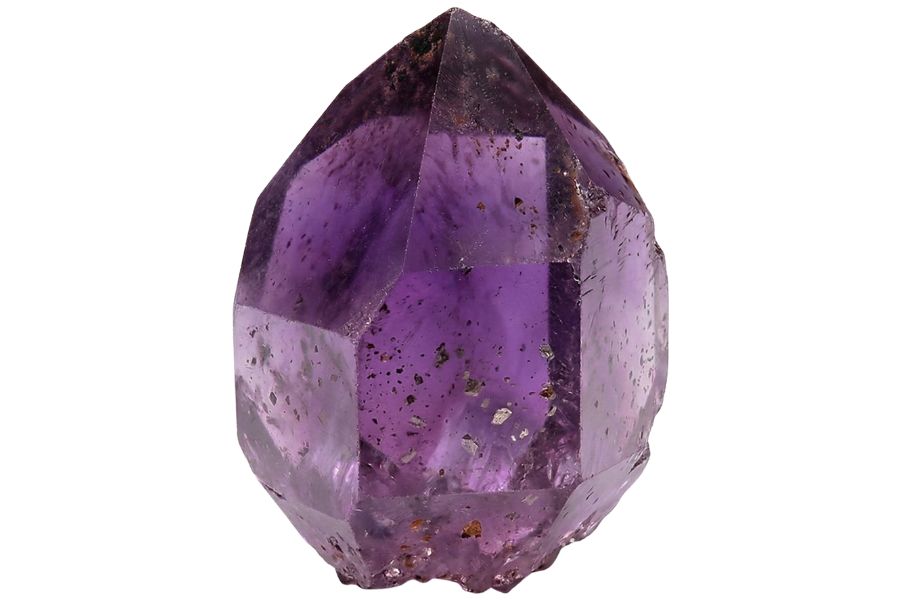
Belonging to the Quartz family, Amethyst is a remarkable gemstone renowned for its striking violet to purple coloration. It has a long and storied history so much so that it was even believed to have the power to protect against intoxication and promote sobriety in ancient times.
Aside from being prized for its mesmerizing color, it’s also valued for its spiritual and healing properties. It’s often associated with qualities such as calmness, balance, clarity of thought, and spiritual protection, making it a sought-after gemstone for jewelry, decorative items, and crystal healing practices.
While Amethyst is popular for being found in other countries, like Brazil, Uruguay, and Zambia, it might come as a surprise that it also occurs naturally in Connecticut. Though not widely known for its Amethyst deposits, our state actually houses a few noteworthy locations which we’ve discussed below.
Brandberg Amethyst
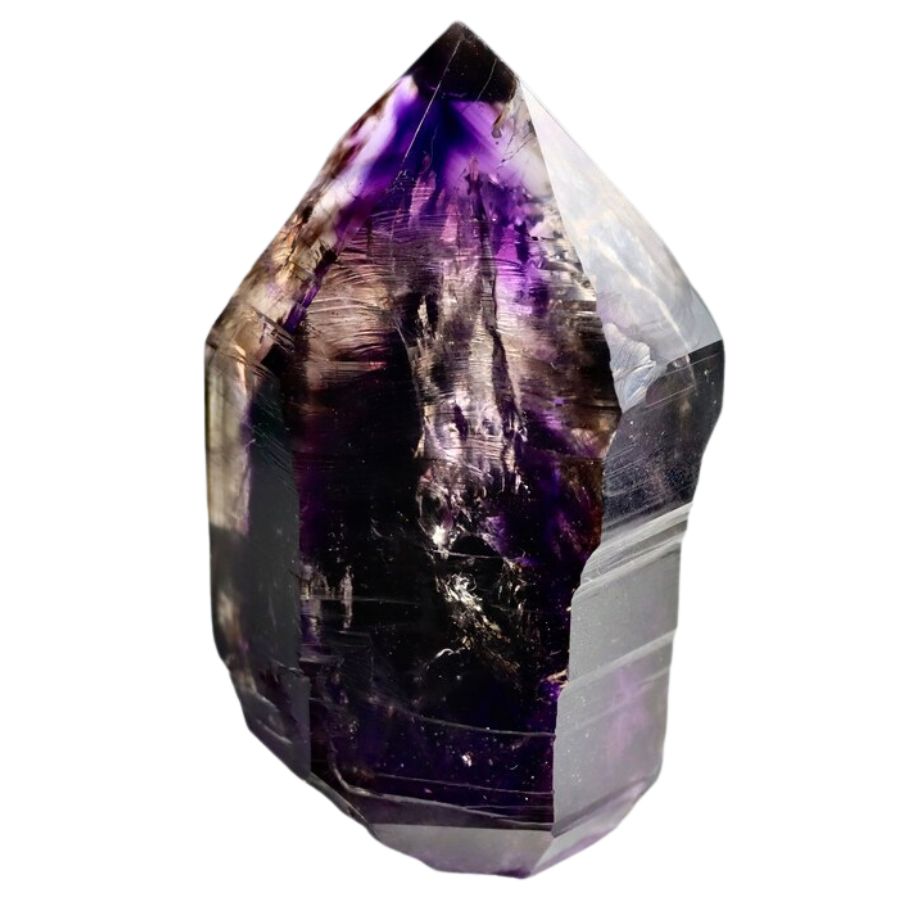
Brandberg amethyst is a captivating variety of quartz, renowned for its unique blend of elements like silicon dioxide, iron, and trace amounts of other minerals.
These components come together to form a crystal that not only holds geological significance but also showcases a striking array of hues and features.
The appearance of Brandberg amethyst is truly remarkable, characterized by its color range from deep purples to vibrant lilacs.
The varying shades are a result of the iron content within the crystal structure, which can fluctuate, leading to diverse color intensities and patterns in each specimen.
Brandberg amethyst stands out for its inclusion patterns and the presence of phantom crystals within its structure.
These internal “ghosts” are formed by layers of other minerals, offering a glimpse into the crystal’s growth history and adding to its allure for those fascinated by the wonders of the natural world.
Ametrine
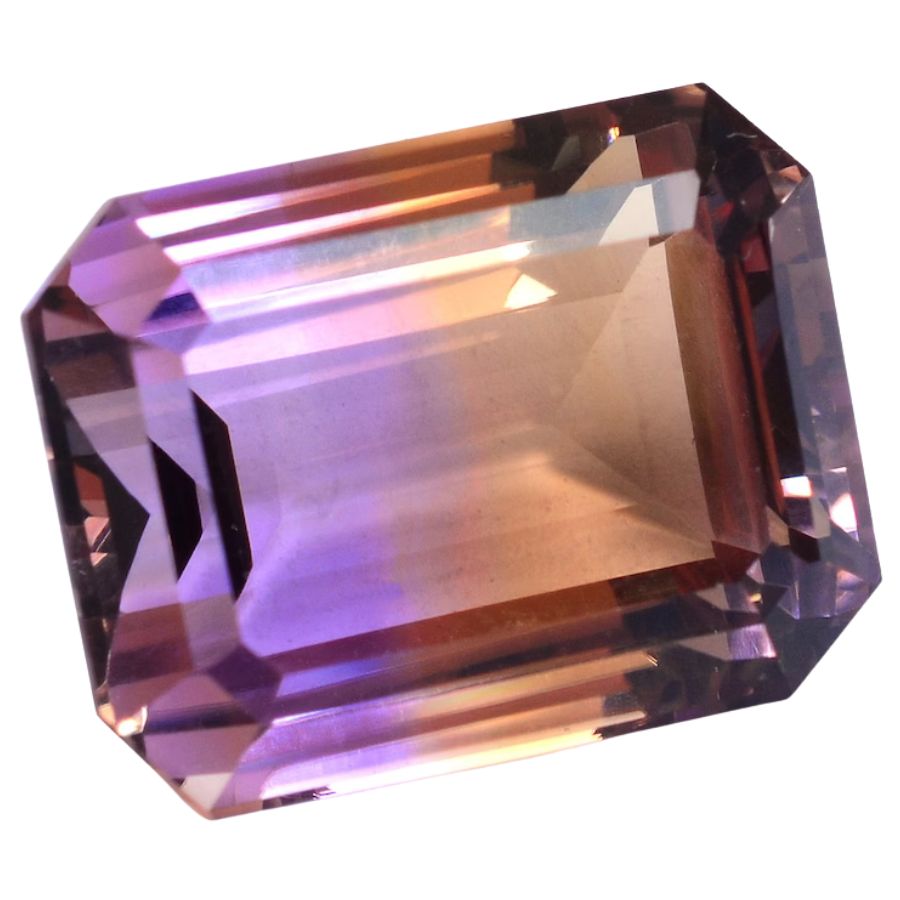
Ametrine is an intriguing mineral that captures the imagination of those interested in rocks and minerals. This unique gem is a combination of two quartz varieties: amethyst and citrine.
The beauty of ametrine lies in its striking coloration, which ranges from a blend of vibrant purple and golden yellow.
This color variation is a result of differing oxidation states of iron within the crystal, influenced by temperature and radiation exposure during formation.
Ametrine is notable for its distinct zoning of colors, where purple and yellow hues can be clearly seen in the same crystal. This feature, combined with its unique composition, sets ametrine apart from different kinds of amethyst.
Chevron Amethyst
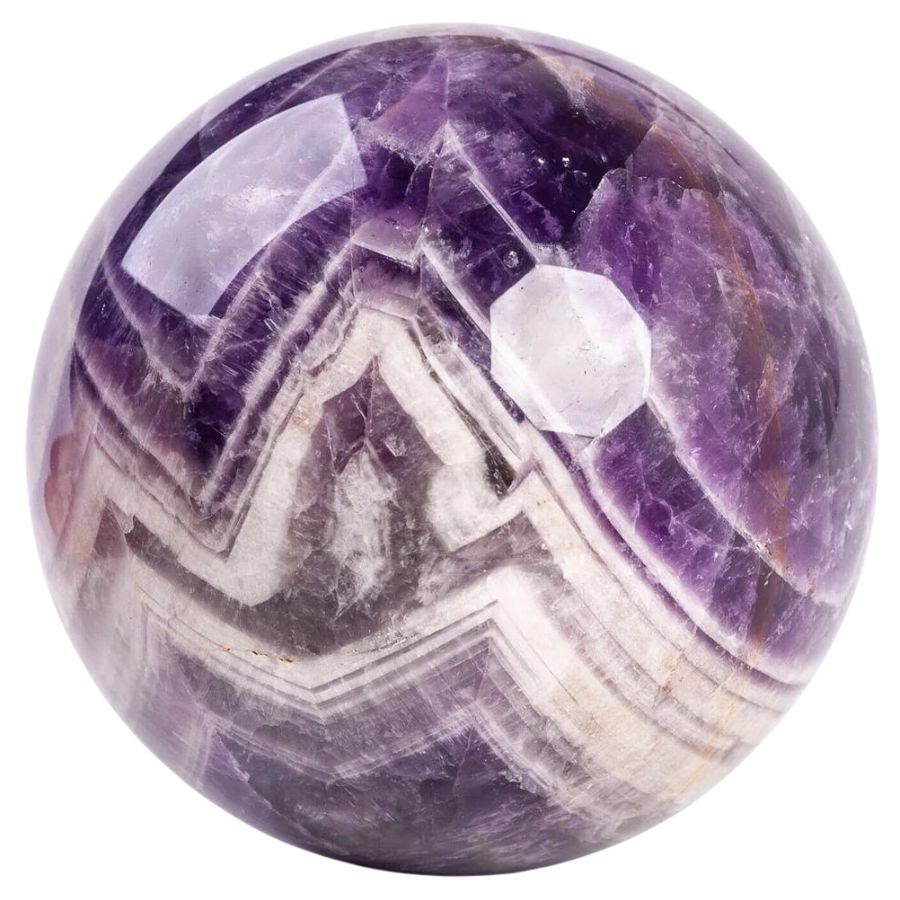
Chevron amethyst is a captivating type of amethyst known for its distinctive pattern. It’s easily recognized by its unique V-shaped or chevron patterns, which are a combination of deep purple and white or clear quartz layers.
These patterns and color variations are due to differences in iron content and other impurities in the layers, resulting in the striking contrast seen in chevron amethyst.
Chevron amethyst is not only beautiful but also a subject of interest for its formation process. The alternating layers of colors provide a visual record of the crystal’s growth history, making it a fascinating example for geological study.
Auralite
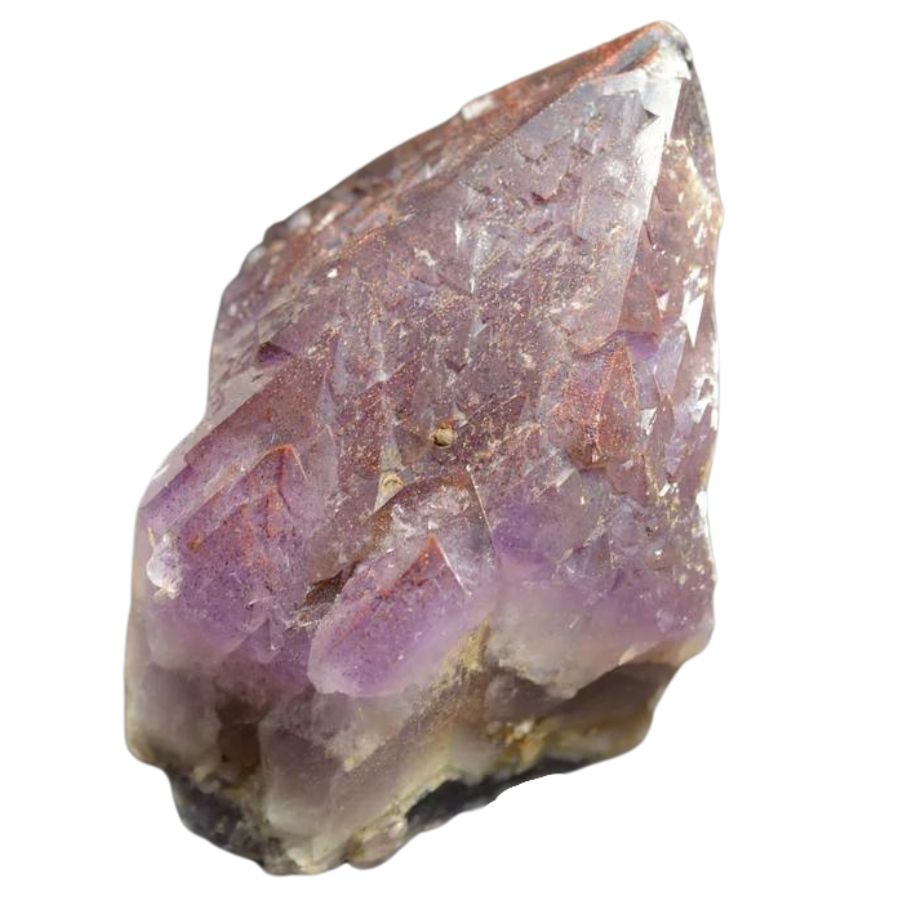
Auralite is an intriguing type of mineral that’s a combination of amethyst and several other trace minerals. Its composition includes silicon dioxide from amethyst, along with a mixture of elements like iron, copper, and titanium.
This mineral’s appearance is quite distinct, often showing a deep purple hue similar to what amethyst looks like, but with additional layers or inclusions of other colors.
These variations in color are due to the various trace minerals present in auralite, each contributing to its unique and colorful display.
A standout feature of auralite is the presence of multiple minerals within a single specimen, sometimes including up to 23 different types.
This mix not only gives auralite its diverse color range but also makes it a fascinating subject for those studying minerals and their properties.
Prasiolite
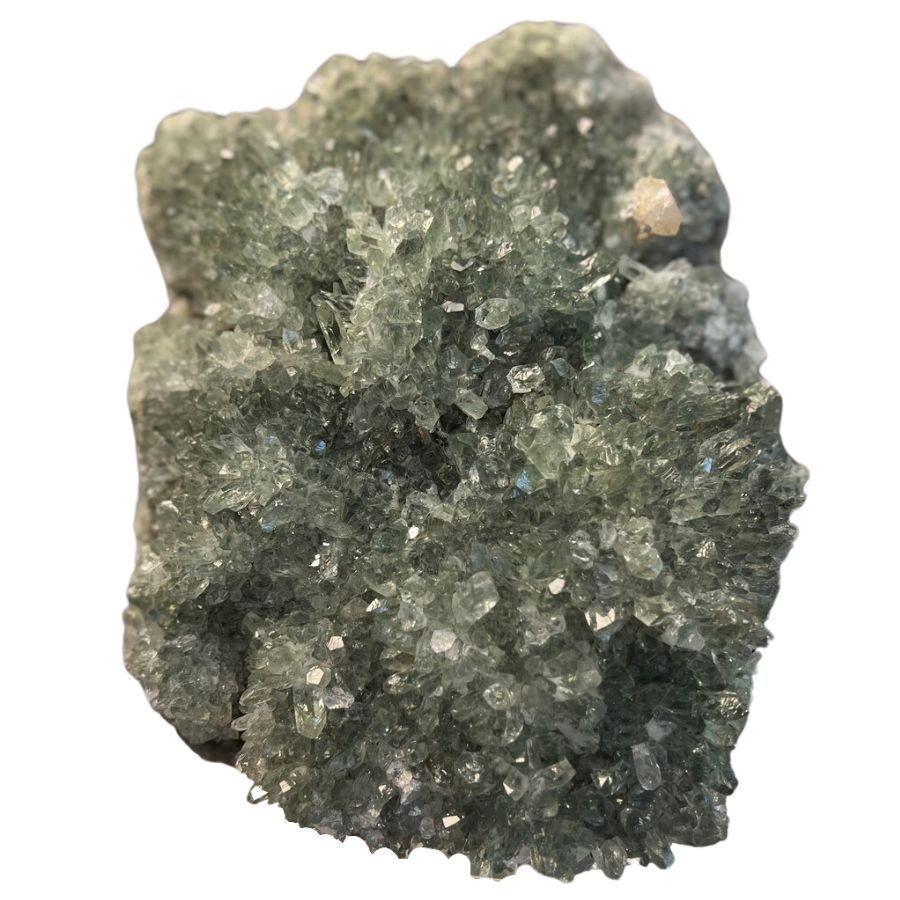
Prasiolite is an interesting variety of quartz. It often contains traces of iron, which play a key role in giving prasiolite its unique color.
This mineral is known for its beautiful green color, which can range from a light, almost transparent green to a deeper, more olive shade.
The green color of prasiolite is usually the result of heat treatment, either occurring naturally in the earth or artificially, transforming certain types of amethyst or yellowish quartz into prasiolite.
Naturally-occurring prasiolite is rare, as most available prasiolite is created through artificial means.
Cacoxenite amethyst
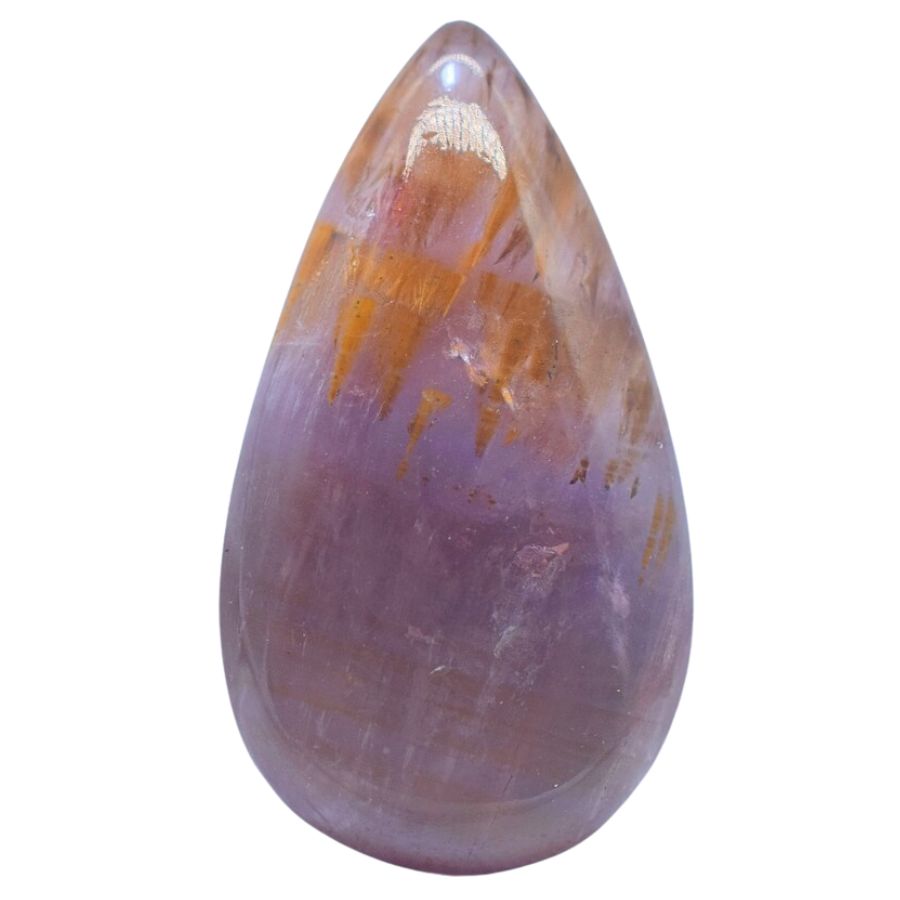
Cacoxenite is an intriguing mineral primarily composed of iron, aluminum, and phosphate, along with other elements like oxygen and hydrogen. This combination of elements gives cacoxenite its unique chemical makeup and properties.
Cacoxenite typically exhibits a striking golden-yellow to brownish-yellow color. This coloration is mainly due to the presence of iron in its structure, which imparts the rich hues that characterize this mineral.
A notable feature of cacoxenite is that it often forms as an inclusion within other minerals, such as amethyst, creating a beautiful contrast.
These inclusions of cacoxenite can appear as radiating or feathery formations, adding an intricate and fascinating aspect to the host mineral.
Where you can find cacoxenite amethyst
Cacoxenite amethyst can be found in the United States, Germany, and Brazil.
Phantom Amethyst
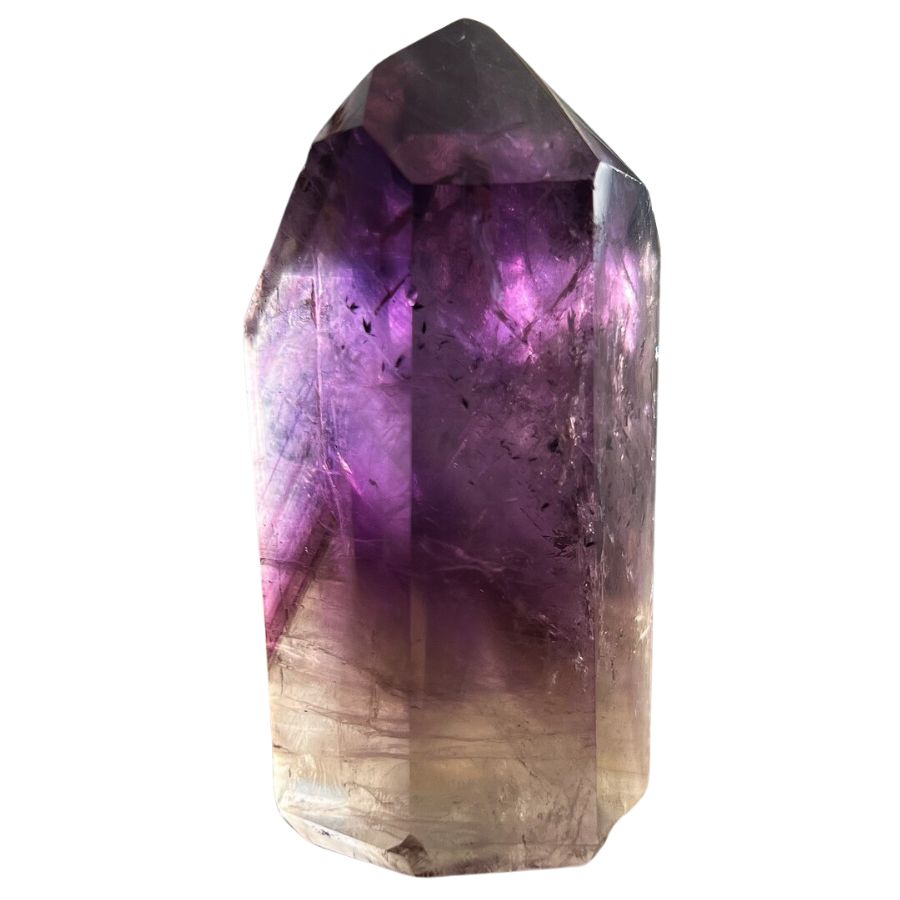
Phantom amethyst is a fascinating variety of amethyst. It stands out due to the presence of “phantoms” – ghost-like inclusions within its structure, which give it a distinct and layered look.
In phantom amethyst, one can observe a range of colors from deep purples to lighter hues, often appearing in layers or as phantom shapes within the crystal.
These color variations are typically due to trace amounts of iron and other minerals that get trapped during the crystal’s growth, influencing its final color.
Phantom amethyst provides a visual record of the crystal’s growth history. The crystal outlines and layers within the stone are formed by pauses in the crystal’s growth, offering a glimpse into geological processes over time.
Where you can find phantom amethyst
There are notable sources of phantom amethyst in Brazil, Madagascar, and the United States. In the United States, phantom amethyst is often discovered in states like Arizona, North Carolina, and Colorado.
Pink Amethyst
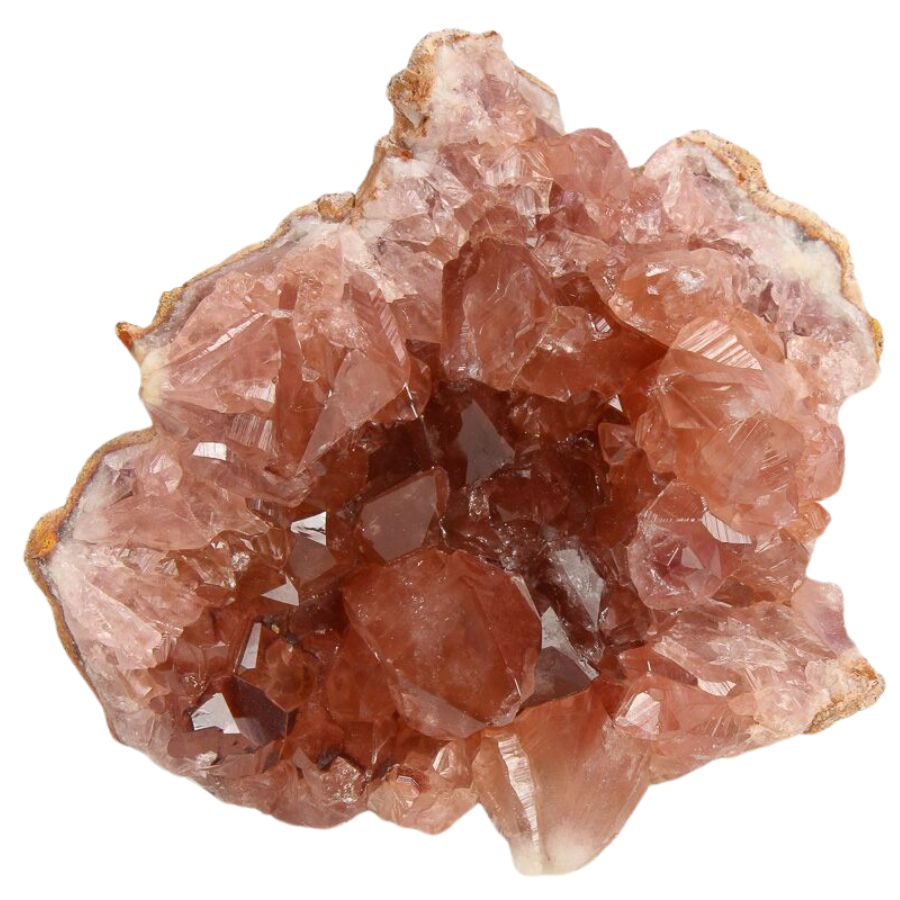
Pink amethyst is a unique and relatively rare variety of the common mineral amethyst. The presence of trace elements, particularly iron, contributes to its distinct pink hue.
The appearance of pink amethyst ranges from a delicate, light pink to a deeper, more vivid pink.
This variation in color is largely due to the concentration and distribution of iron within the crystal, which affects how light interacts with the mineral.
Pink amethyst is its often found in geodes or clusters, where multiple crystals grow together in a captivating display.
Amethyst Geodes
Amethyst geodes are fascinating natural formations, with traces of iron giving them their famous purple color. These geodes form in volcanic rocks and are essentially hollow, lined with amethyst crystals.
A key feature of amethyst geodes is their crystal-lined cavity, which creates a stunning natural display. When you look inside an amethyst geode, you’ll see a range of purple hues, from light lavender to deep violet.
The color variation is due to the amount of iron and the specific conditions under which the crystals formed, such as temperature and the presence of other trace elements.
Geodes can vary greatly in size, from small enough to fit in your hand to large enough to stand in, and each one is unique in its crystal formation and color pattern.
Where you can find amethyst geodes
Amethyst geodes are commonly found in Brazil and Uruguay. In the United States, they can also be found in places like Arizona and Oregon.
Cactus Amethyst
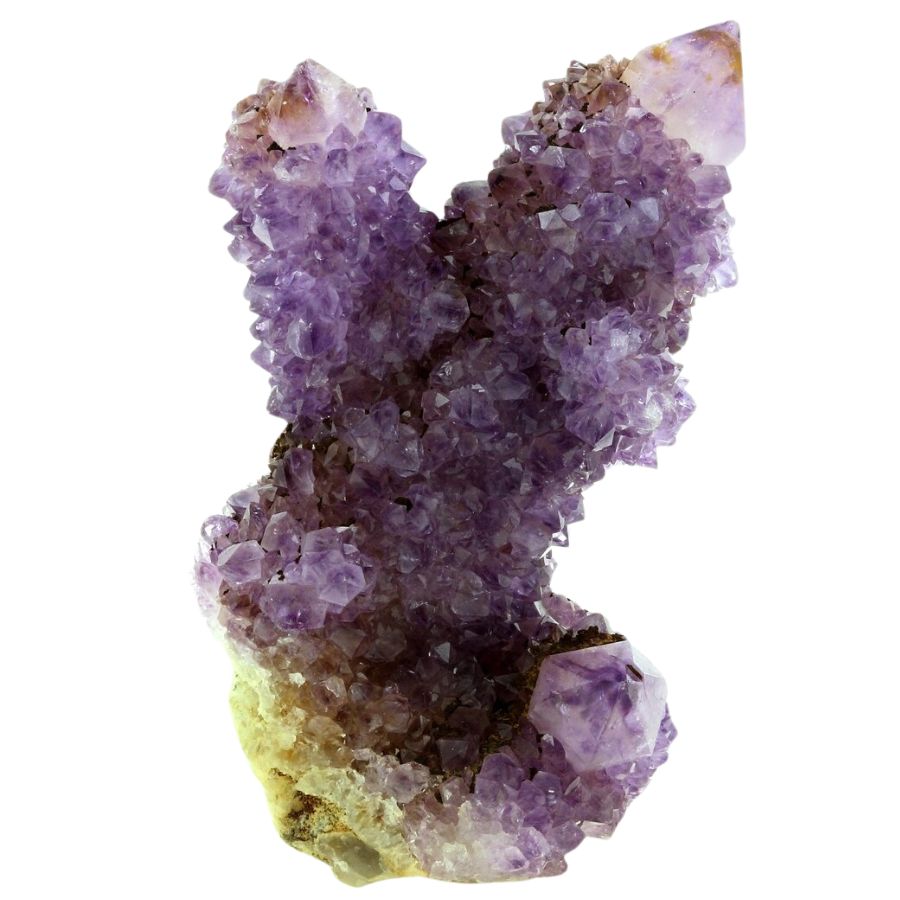
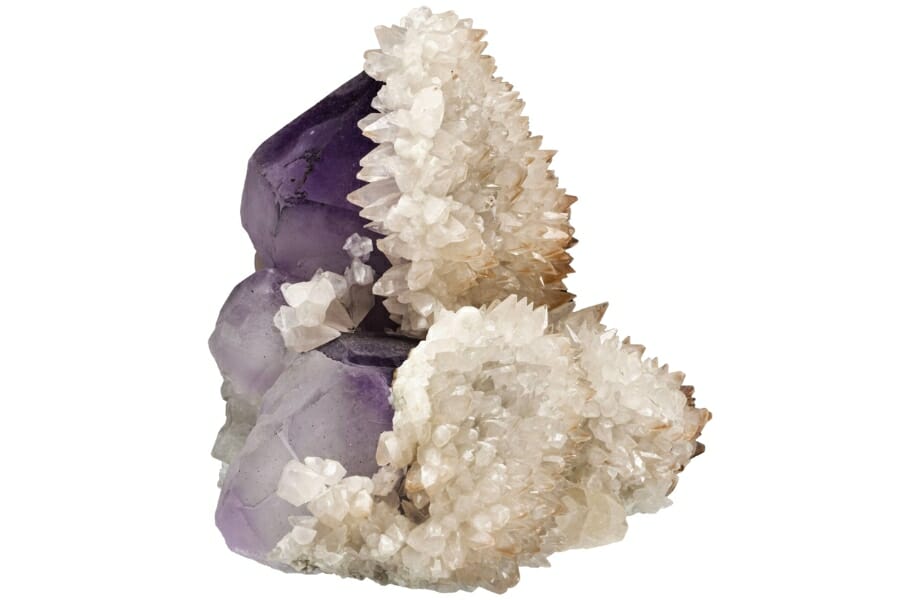
Cactus amethyst is also known as spirit quartz. Its unique structure is enriched with additional minerals, which contribute to its distinctive appearance.
This type of amethyst is characterized by a central quartz crystal covered in smaller crystal growths, giving it a spiky, cactus-like appearance.
The color ranges from pale lilac to deep purple, with the variations largely influenced by the amount of iron and other trace elements within the crystals.
A notable feature of cactus amethyst is the way the smaller crystals radiate outward from the central crystal.
This formation not only creates a stunning visual effect but also makes each piece of cactus amethyst a unique and fascinating specimen.
Regarding the price of amethyst, it can vary significantly based on the size, quality, and depth of color. While smaller, less vibrant pieces are relatively affordable, larger specimens with deep, rich colors can be quite valuable.
Scepter Amethyst
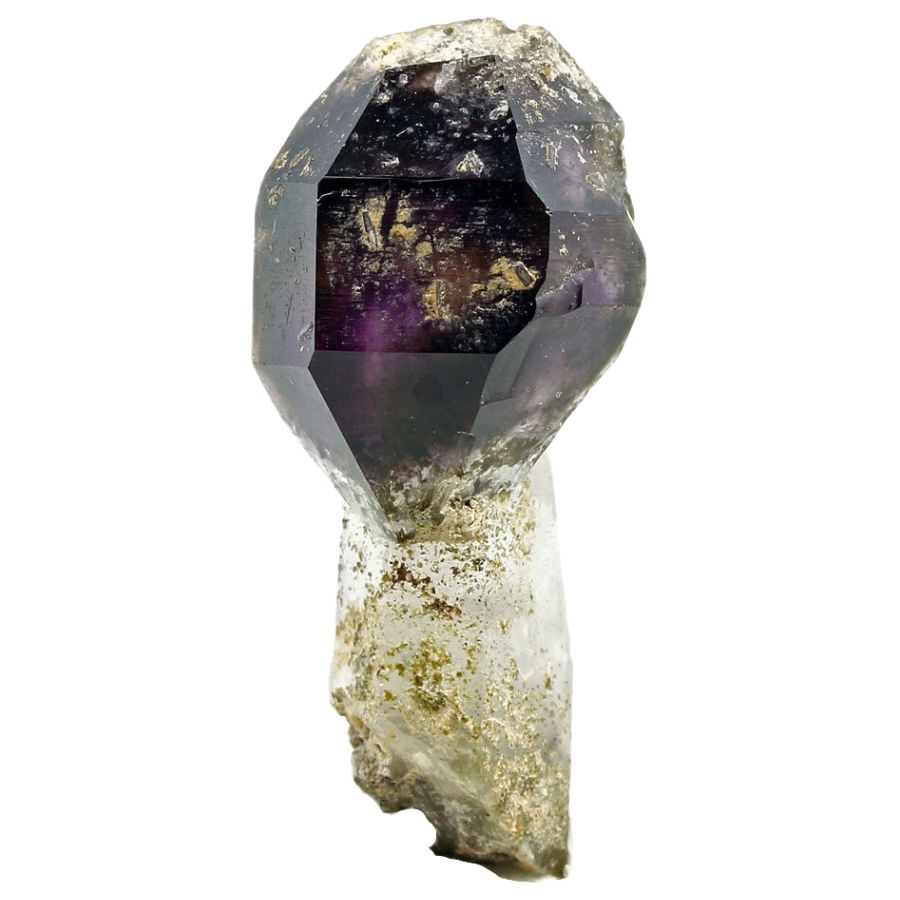
Scepter amethyst gets its name from its distinctive scepter-like formation, where a larger crystal cap sits atop a smaller crystal stem.
The color variations in scepter amethyst are influenced by the amount of iron and other trace elements within the crystal, coupled with the specific conditions under which it formed.
A key feature of scepter amethyst is its symbolic scepter shape, representing a crystal formation process where a second phase of growth occurs on an already-formed crystal base. This creates a striking and regal scepter-like appearance.
Where you can find scepter amethyst
Scepter amethyst can be found in several locations around the world, with notable spots including Brazil, Madagascar, and Zambia.
In the United States, areas like Washington State and North Carolina are also known for their scepter amethyst discoveries.
Smoky Amethyst
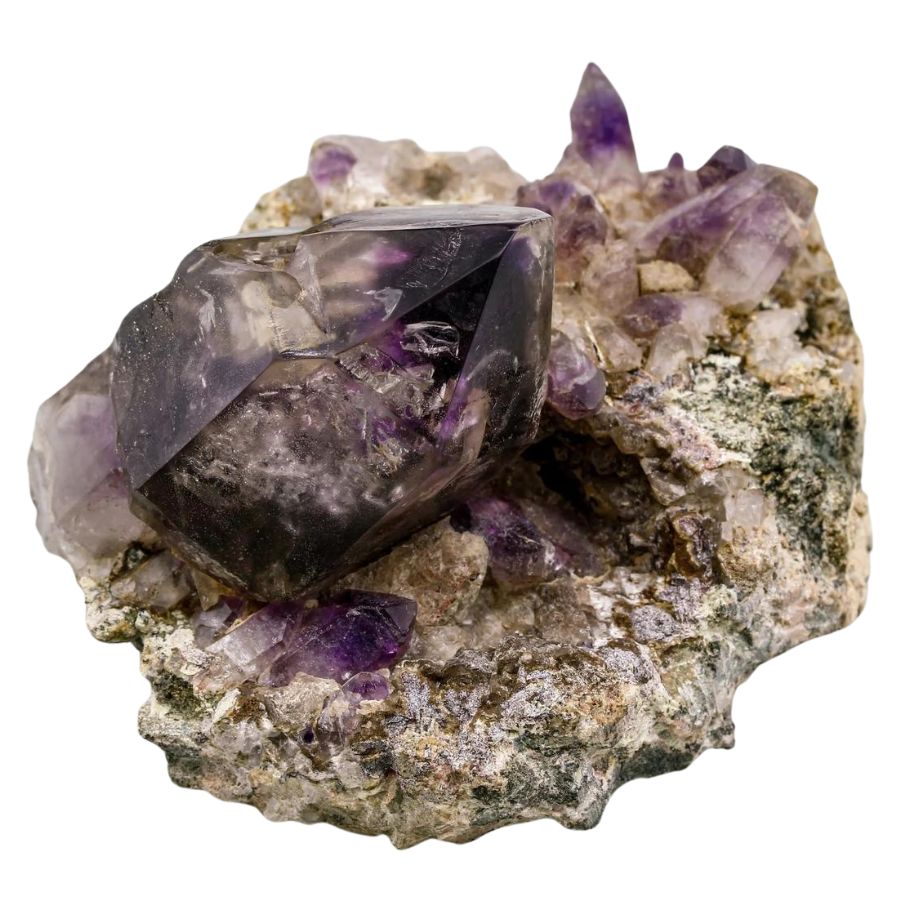
Smoky amethyst is a unique variation among amethyst types that combines features of both smoky quartz and amethyst. The presence of trace elements like iron and aluminum gives it its unique coloration.
This mineral exhibits a blend of smoky brown and purple hues, creating a captivating visual effect. This is due to natural irradiation and the varying amounts of impurities, which influence the depth and intensity of both the smoky and purple colors.
A notable feature of smoky amethyst is its dual-tone appearance, which is not commonly found in other quartz varieties.
Where you can find smoky amethyst
Smoky amethyst can be found in several countries, including Brazil. It’s also discovered in places like Africa and the United States.
- The deep experience and understanding of our team about the area
- Recommendations from local groups and clubs
- How easy it is to get the a particular location
- Safety and potential hazards when collecting
- Weighing private and public locations
- The ability for both experienced and novice amethyst enthusiasts to find great samples
With these factors in mind we’ve been able to put together a fantastic list that just about anyone can use!
The Best Spot To Find Amethyst in Connecticut
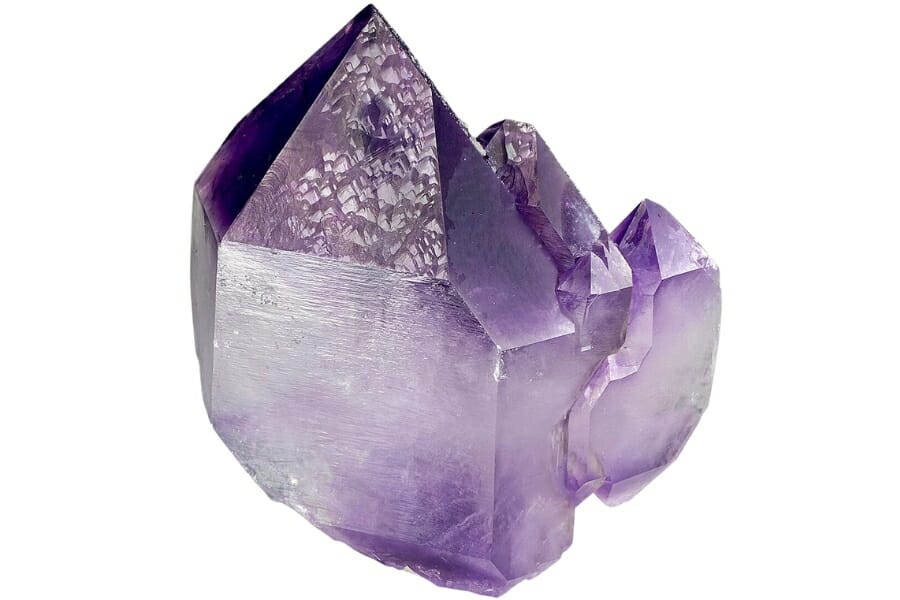
While Connecticut abounds in gem mining sites, not all of them have Amethysts, too. So we did the hard (but fun!) work to scour our state for some of the best legit spots where you can find this purple wonder. Below are our highly-recommended spots for your next Amethyst hunting here!
Always Confirm Access and Collection Rules!
Before heading out to any of the locations on our list you need to confirm access requirements and collection rules for both public and private locations directly with the location. We haven’t personally verified every location and the access requirements and collection rules often change without notice.
Many of the locations we mention will not allow collecting but are still great places for those who love to find beautiful rocks and minerals in the wild without keeping them. We also can’t guarantee you will find anything in these locations since they are constantly changing.
Always get updated information directly from the source ahead of time to ensure responsible rockhounding. If you want even more current options it’s always a good idea to contact local rock and mineral clubs and groups
Hartford County
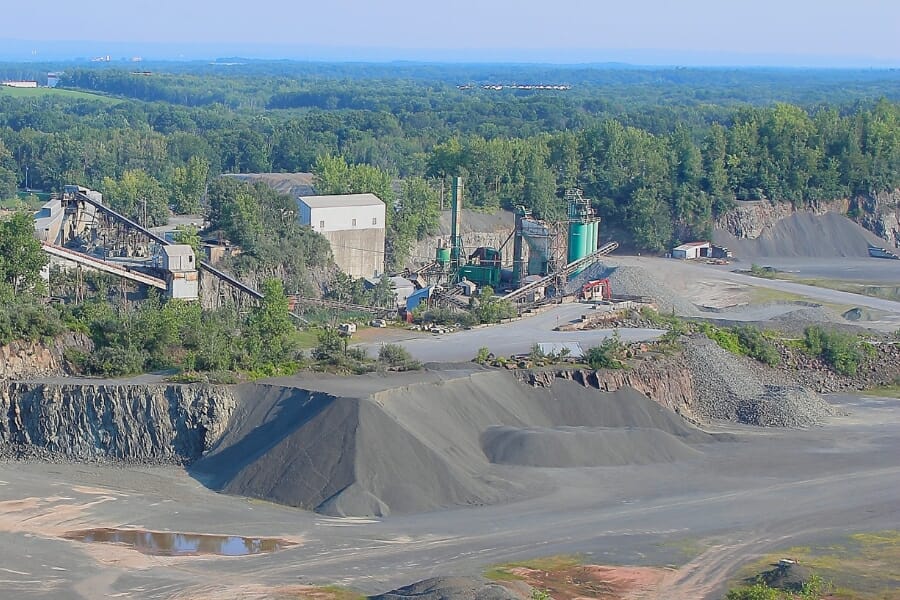
Hartford County covers a diverse landscape that smoothly blends urban centers with natural beauty. It’s characterized by rolling hills, fertile valleys, and the majestic Connecticut River.
The western part of Hartford County features picturesque wooded areas with opportunities for outdoor exploration and recreational activities. As you move towards its central and eastern portion, the landscape transitions into more developed areas, including the bustling city of Hartford, the capital of Connecticut.
In terms of geology, Hartford County is part of the broader Connecticut Valley-Gaspe Synclinorium. It’s known for its geological diversity, with a variety of rock formations dating back to ancient times. You can find Amethyst deposits in different locations here, but it will require some exploration and the right guidance.
Before your visit, make sure to familiarize yourself with Connecticut’s collecting guidelines.
Where we found amethyst in Hartford County
Explore the following areas in this county to find stunning specimens of Amethyst:
- Quartz vein exposure in a stream near East Hill road
- East of West Peak close to New Haven County border
- Howe Quarry
- Case Quarries
- Huckleberry Hill
- Hart’s Lead Mine
- Hawthorne Drive
- Canton Lead Mines (Cherry Brook Lead Mine, Dyer Farm Zinc Mine)
- Roncari Quarry
- Farmington Trap Rock Quarry
- State Route 72 roadcut
- Berlin Turnpike (formerly Hartford Drive-In)
- Balf Quarry
- The Woodlands
- Plainville Trap Rock Quarry (Tilcon New Britain Quarry)
- State Route 372 construction site
- Clark Farm (Holler’s Mine)
If you want REAL results finding incredible rocks and minerals you need one of these 👇👇👇

Finding the coolest rocks in isn’t luck, it's knowing what to look for. Thousands of your fellow rock hunters are already carrying Rock Chasing field guides. Maybe it's time you joined the community.
Lightweight, mud-proof, and packed with clear photos, it’s become the go-to tool for anyone interested discovering what’s hidden under our red dirt and what they've already found.
Join them, and make your next rockhounding trip actually pay off.
What makes it different:
- 📍 Find and identify 140 incredible crystals, rocks, gemstones, minerals, and geodes across the USA
- 🚙 Field-tested across America's rivers, ranchlands, mountains, and roadcuts
- 📘 Heavy duty laminated pages resist dust, sweat, and water
- 🧠 Zero fluff — just clear visuals and straight-to-the-point info
- ⭐ Rated 4.8★ by real collectors who actually use it in the field
Orenaug Hills
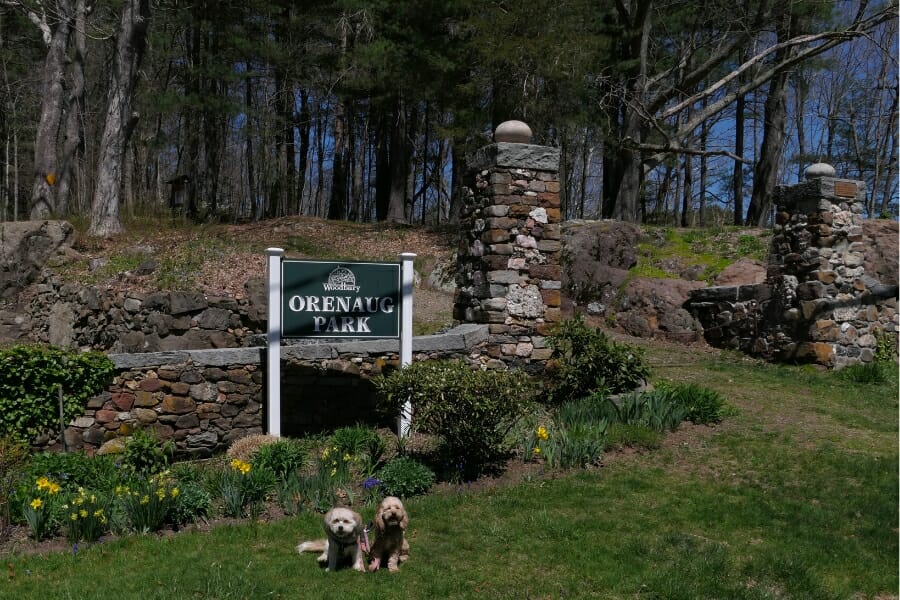
Located in the western part of our state, Orenaug Hills are a part of the broader Appalachian Highlands region. It’s a feast for the eyes with its rolling hills, forested areas, and scenic vistas that showcase the beauty of Connecticut’s countryside.
Orenaug Hills also have varied terrains, featuring wooded areas, rocky outcrops, and streams. This picturesque landscape provides ample opportunities for hiking, nature walks, and wildlife observation. Despite this, it’s relatively convenient to get to as it’s accessible via a network of highways.
With its beauty comes Orenaug Hills’ exhibit of rich geological history. The hills are blessed with a vast variety of rocks and minerals, including Amethyst.
Where we found amethyst in Orenaug Hills
You can find Amethyst in the different parts of Orenaug Hills, so make sure that you’re game for intense exploration when you visit here.
When you do find a specimen and you’re interested to know how much is Amethyst worth, you can checkout our pricing guide.
Reed’s Gap Quarry
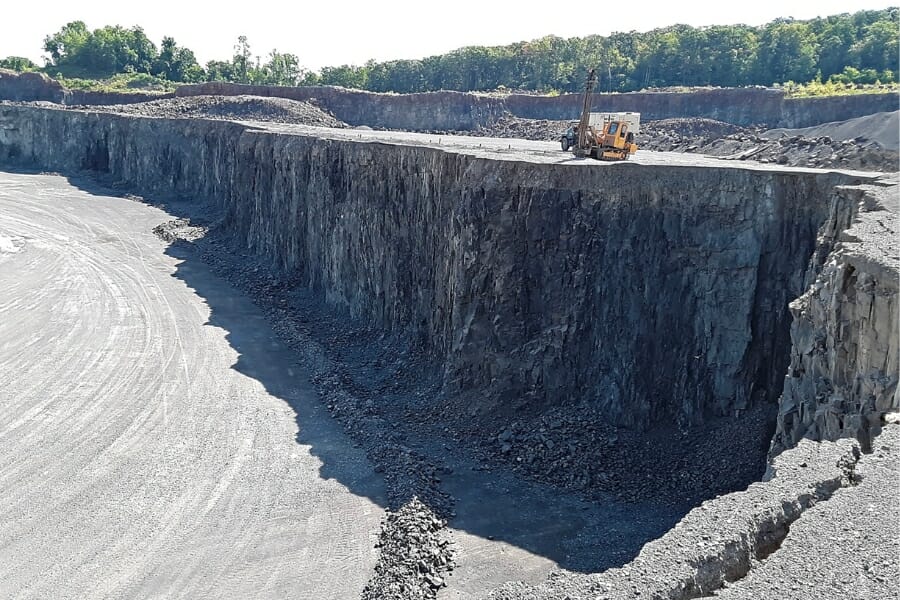
Reed’s Gap Quarry is another legit destination for rockhounds and gem enthusiasts. Situated in the town of Durham in Middlesex County, this quarry offers a unique opportunity to discover the allure of Amethyst.
An interesting thing about Reed’s Gap Quarry is its central location within Connecticut. It’s nestled within a scenic landscape, featuring rolling hills and picturesque countryside views. The quarry itself is located amidst this serene environment, providing an immersive experience for visitors.
Reed’s Gap Quarry’s terrain showcases rocky outcrops and exposed geological formations. It has gained attention for its Amethyst specimens. If you’re planning to go here, you can easily do so by car via local roads and highways.
Where we found amethyst in Reed’s Gap Quarry
We recommend exploring the different nooks and crannies of Reed’s Gap Quarry to find Amethyst.
New Haven County
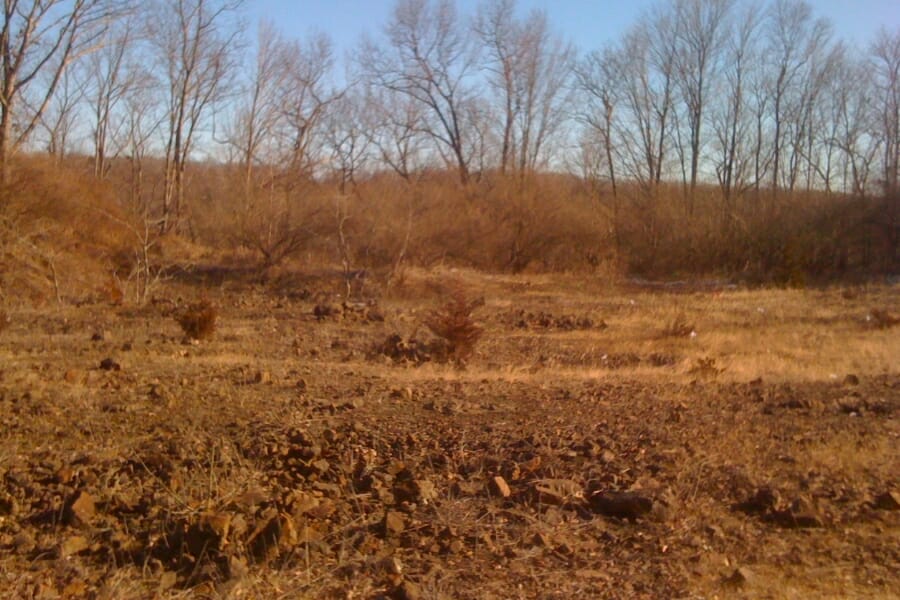
New Haven County offers a rich blend of natural beauty, historical significance, and cultural attractions. It has a diverse geography— stretching from the coastal areas along Long Island Sound to inland regions— marked by rolling hills and picturesque landscapes.
The coastal areas of New Haven County are characterized by sandy beaches, salt marshes, and estuaries, providing scenic vistas and recreational opportunities. As you move inland, its landscape transitions into wooded areas, small rivers, and verdant valleys.
As for its natural treasures, New Haven County exhibits a range of rock formations and geological diversity. There are a handful of locations within it where Amethyst specimens have been found. Lucky for you, this county benefits from excellent transportation infrastructure, so it is easily accessible by major highways.
Where we found amethyst in New Haven County
To find Amethysts, you can visit and explore the following areas of New Haven County:
- Cinque Quarry
- Foxon Quarry
- Highway 71 to road cut in Highway 6 in Meriden
- New Haven Traprock Quarry
- High Street and Interstate 95 interchange
- McLay Avenue
- Hubbard Park Quartz locality
- Meriden Trap Rock Quarry
- Pillow lava locality
- Southbury
- Bates’ Rock Road
- Heritage Village
- Sawteeth Acres
- Curtis Quarry
- Wallingford
- Salem
O & G Southbury Quarry
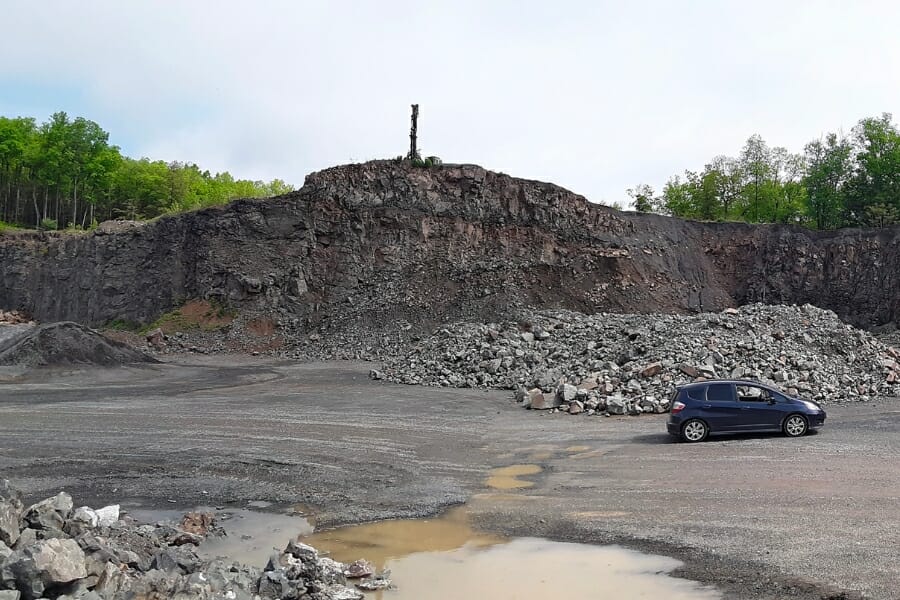
O & G Southbury Quarry is a notable destination for rockhounds and gem enthusiasts in search of Amethyst. Its close in distance to the picturesque countryside of Southbury. Surrounded by rolling hills and lush greenery, this quarry provides a serene and scenic setting for exploration and gem hunting.
The terrain of the O & G Southbury Quarry is marked by rocky outcrops and exposed geological formations, where you can find Amethyst. To go here, you can simply ride a car and travel via local roads and highways.
Where we found amethyst in O & G Southbury Quarry
The Amethyst deposits in O & G Southbury Quarry are scattered, so make sure you allot plenty of time for the exploration of its different areas when you go here.
Other Great Places To Mine For Amethyst in Connecticut
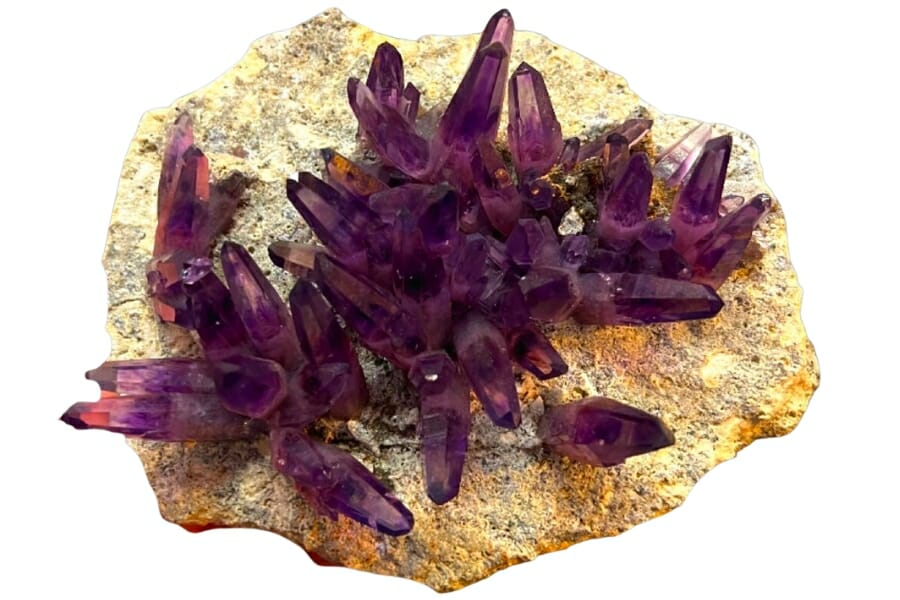
Our recommendations by county
Aside from our top recommendations, here are plenty other Amethyst-bearing sites that you can visit here in Connecticut.
| County | Location |
| Litchfield | Rockside Quarry |
| Litchfield | O & G Woodbury Traprock Quarry |
| Middlesex | Haddam |
| Middlesex | Strickland Quarry |
| New London | Route 11 road cuts |
| Tolland | Diamond Ledge |
| Tolland | Interstate 84 |
| Windham | Dayville |
| Windham | Moosup |
Additional areas you can find amethyst
To help you narrow down the areas you should checkout when you visit the places we recommended above, below are the usual spots where Amethysts can be found:
Quarries
Quarries are excellent spots to find Amethyst due to the abundance of exposed rock formations and mineral-rich deposits. The excavation activities here unearth layers of rock that would otherwise be hidden from view. This exposure increases your chances of discovering Amethyst specimens, along with other rocks and minerals.
Mines and Mine Dumps
Mines and mine dumps offer fruitful opportunities to discover Amethyst due to the abundance of mineral-rich deposits and the remnants left behind from mining activities.
Mines provide access to the heart of geological formations, where Amethyst crystals are often found, while mine dumps contain a wealth of materials that you can sift through for this gem.
Streams and creeks
Streams and creeks also offer excellent opportunities to find Amethyst due to the natural erosion processes that expose gemstones.
As water flows through the surrounding landscape, it gradually wears away rocks and minerals, carrying them downstream. This process reveals hidden Amethyst crystals that were once nestled within the earth. You can search along the banks or within the shallow waters to discover these sparkling treasures.
Common Amethyst-Hunting Questions
In this section, we’ll answer some of the most common questions asked by Amethyst hunters before they go on their journey. This information will come in handy especially when you’re planning your exploration, too.
Where can you find Amethyst Geodes in Connecticut?
While our state has abundant Amethyst deposits, Amethyst Geodes do not naturally occur here. But if you’re really keen on taking home on, you can visit some of our best local stores that offer wide selections of rocks and minerals. Checkout our list below.
Is it illegal to collect amethyst in Connecticut?
Collecting Amethyst in Connecticut is legal as long as its in compliance with our state’s collecting guidelines. In general, make sure you obtain any required permission or permit to be able to explore the area you’re planning to visit.
The Best Places To Buy Amethyst In Connecticut

If you’re looking for an Amethyst specimen with specific characteristics, it would be difficult to rely on luck that you’ll find it in the wild. You have better chances finding it by visiting our local gem shops.
Below are some of the best ones that we have:
A to Z Mineral Shop – 1650 Hartford-New London Turnpike, Oakdale, CT 06370
Borrowed Time Emporium – 352 Main St, Durham, CT 06422
Hidden Gem on Main – 33 N Main St suite d, Wallingford, CT 06492
Mondazzi Book, Bead & Crystal – 570 Hayden Station Rd Suite E&F, Windsor, CT 06095
Polaris Crystals – 438 Howe Ave, Shelton, CT 06484
Rock Garden – 17 S Main St, Branford, CT 06405
Additional Places To Find Amethyst In Nearby States
Check out the guides we made for the nearby states where you can find amethysts as well:
If you have any recommendations for our list please leave a comment below!