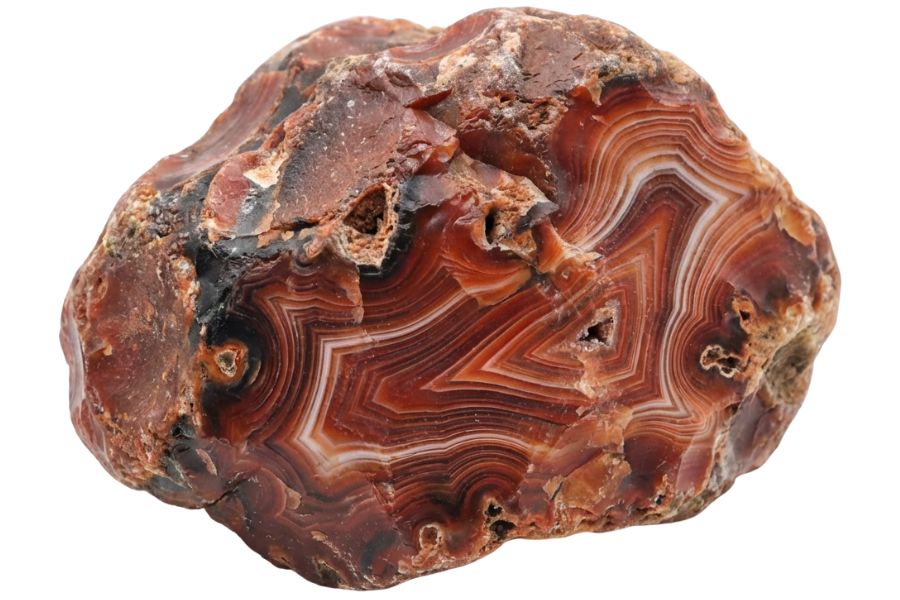
It may come as a surprise to some that the search for agates in North Carolina can be a worthwhile venture. While other minerals get more attention, these stones are waiting for the patient rockhound.
They often hide in plain sight, their subtle patterns and waxy luster blending in with countless other rocks in creek beds, fields, and along hillsides. Finding them takes patience, training your eyes to spot the faint translucence or the hint of a banded pattern that sets an agate apart from other stones.
A discovery might be a full, rough-skinned nodule or a broken fragment, each one a small, solid piece of our planet’s history.
Success in this hunt, however, depends on more than just a keen eye and a bit of luck. To add these specimens to your collection, you’ll need to know the most productive spots in the state to begin your search.
What North Carolina Agate Is
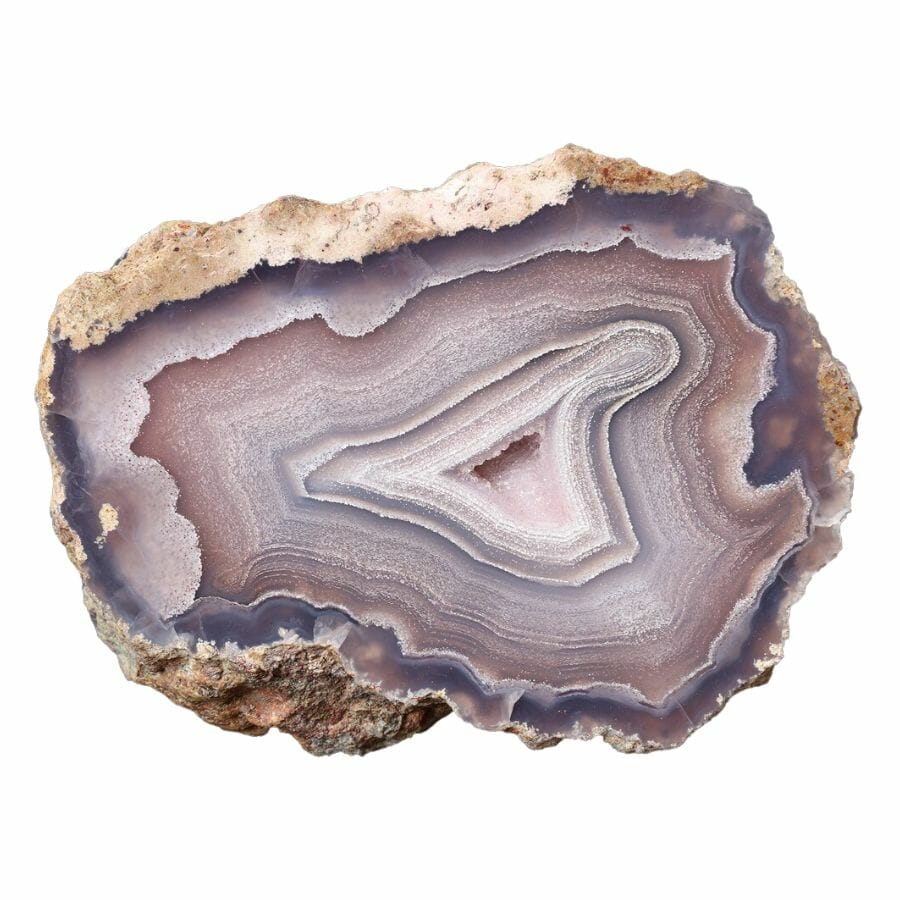
Agate is known for its brilliant patterns and colors. It’s a form of quartz, which means it’s made up of tiny crystals.
The unique patterns we see in agate come from the way these crystals slowly grow over time. The layers and colors build up, similar to how rings form in a tree trunk.
If you’re wondering about how to find agate in North Carolina, it’s good to know the common places they pop up. It can also help to know which general areas are known to have agate deposits.
While agate is beautiful to look at, it’s also valuable in other ways. The value of agate goes beyond its appearance. Whether for its beauty, history, or personal meaning, agate remains a cherished stone by many.
Blue Lace Agate
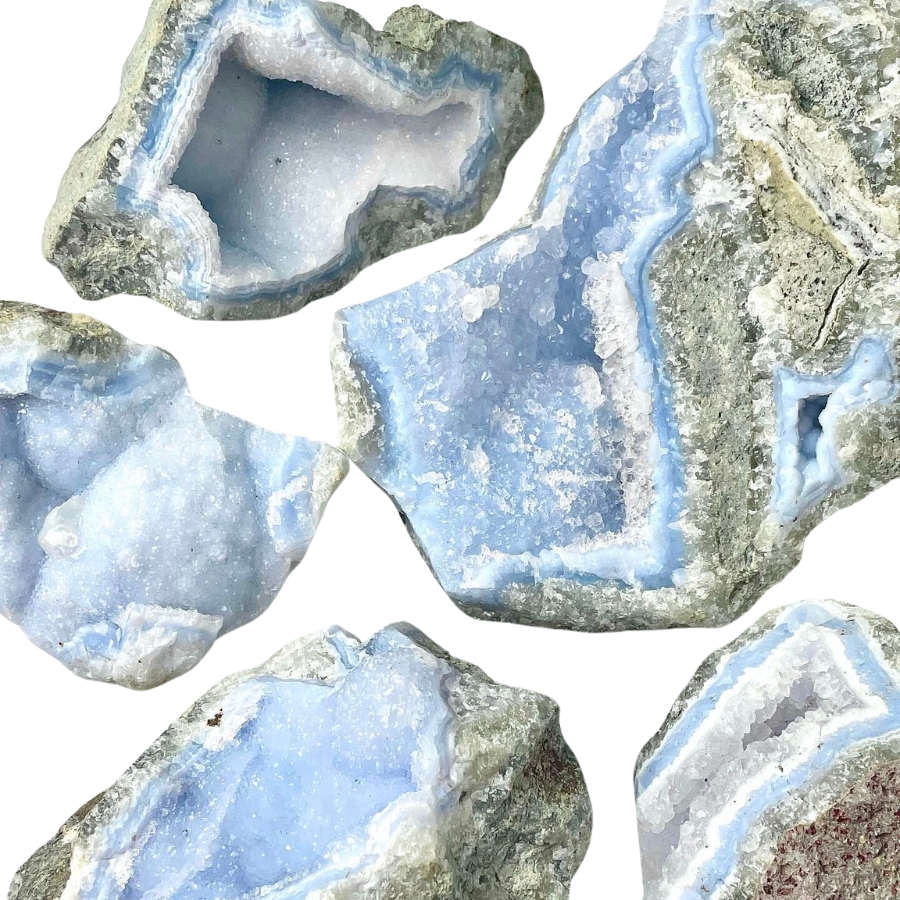
Blue lace agate is like the soft, sky-blue waves with lines that swirl and twist like delicate lace.
Its pattern comes from slow-forming layers of quartz, which create those beautiful, lace-like bands.
The bands of this agate type are often in shades of light blue, white, and sometimes a bit of grey. It’s different from other agates, which usually have more intense colors and stronger patterns.
The value of blue lace agate lies in its soft, tranquil look and the feeling of calm it brings. It’s often used in jewelry or as a decorative stone.
If you want REAL results finding incredible rocks and minerals you need one of these 👇👇👇

Finding the coolest rocks in isn’t luck, it's knowing what to look for. Thousands of your fellow rock hunters are already carrying Rock Chasing field guides. Maybe it's time you joined the community.
Lightweight, mud-proof, and packed with clear photos, it’s become the go-to tool for anyone interested discovering what’s hidden under our red dirt and what they've already found.
Join them, and make your next rockhounding trip actually pay off.
What makes it different:
- 📍 Find and identify 140 incredible crystals, rocks, gemstones, minerals, and geodes across the USA
- 🚙 Field-tested across America's rivers, ranchlands, mountains, and roadcuts
- 📘 Heavy duty laminated pages resist dust, sweat, and water
- 🧠 Zero fluff — just clear visuals and straight-to-the-point info
- ⭐ Rated 4.8★ by real collectors who actually use it in the field
Moss Agate
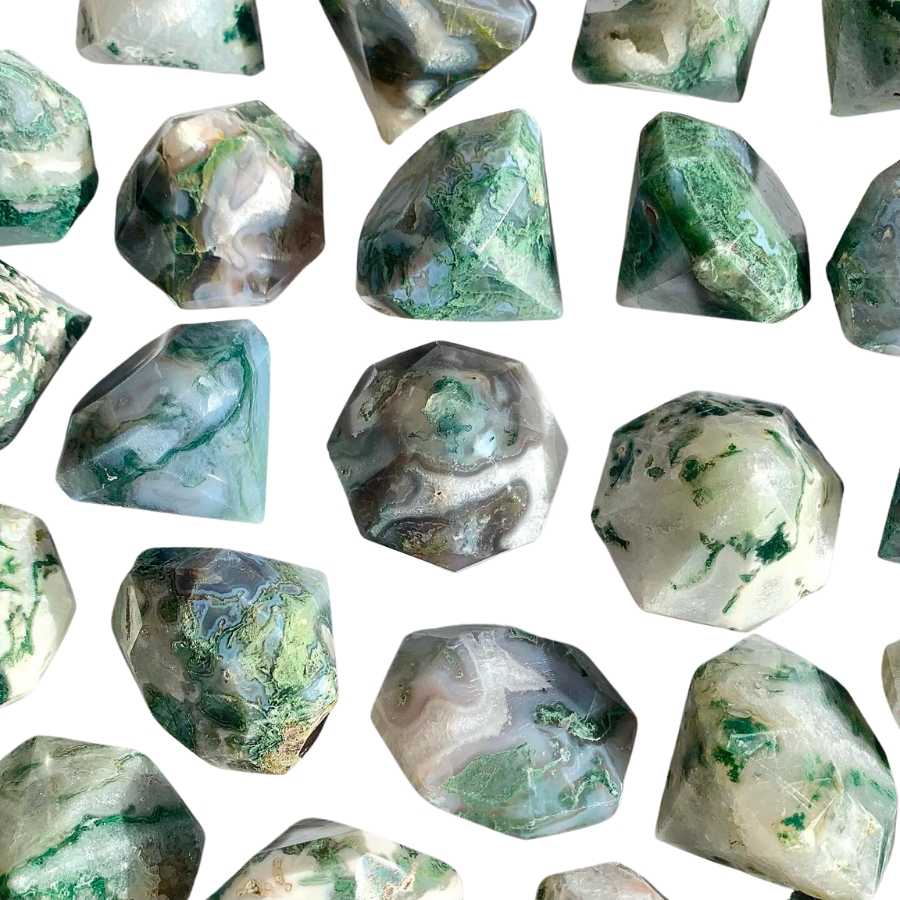
Instead of having the typical banding for which the different types of agates are known, moss agate has green inclusions that look like moss or trees.
These green patterns aren’t real plant material, though. They’re minerals like chlorite or iron oxide.
In some cultures, this type of agate is known as the “gardener’s stone” because of its green, plant-like appearance. It’s believed to help plants grow.
The price of moss agate can vary. It’s often quite affordable, but the more distinct and picturesque the green patterns, the more it might cost.
Fire Agate
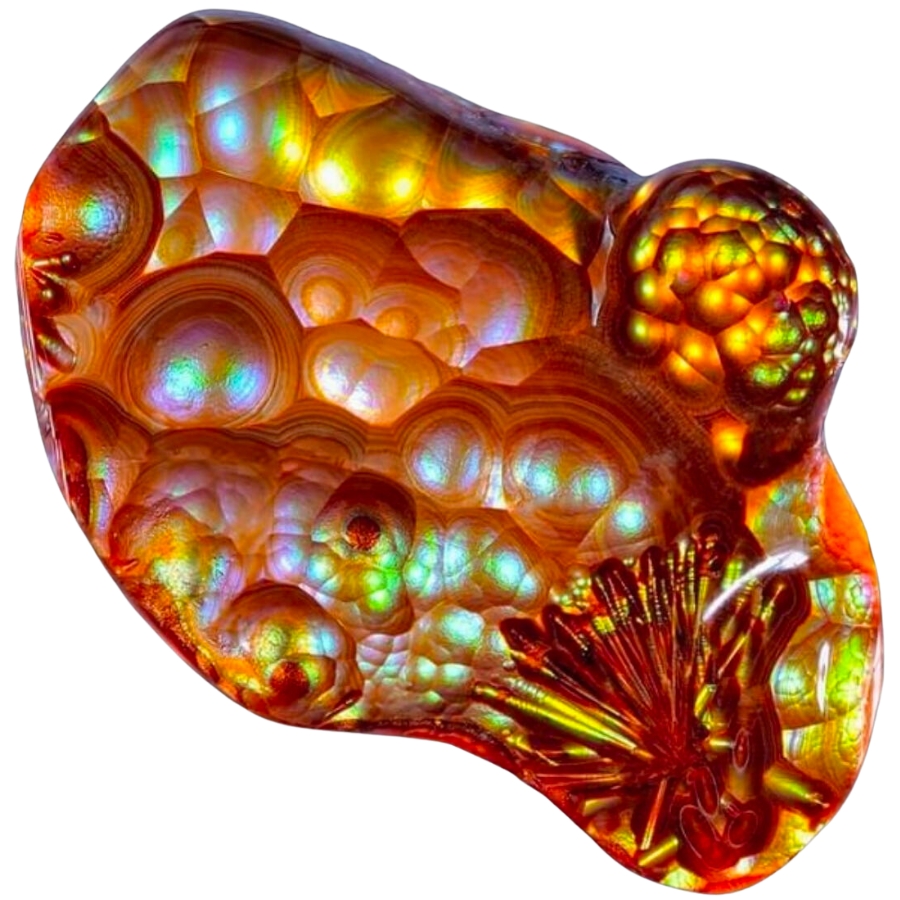
Fire agate is known for its incredible colors and the way it sparkles like fire. It’s got layers of silica and iron oxide that reflect light, creating a fiery effect.
When you look at fire agate, it’s like seeing flames trapped inside. Its colors can range from reds and oranges to greens and golds, all shimmering under the surface.
You might be wondering, “What is fire agate worth?” Well, its value comes from its rare beauty. The more color and sparkle, the more valuable the stone is.
Its fiery iridescence and lively play of color are used in jewelry pieces that are meant to stand out.
Dendritic Agate
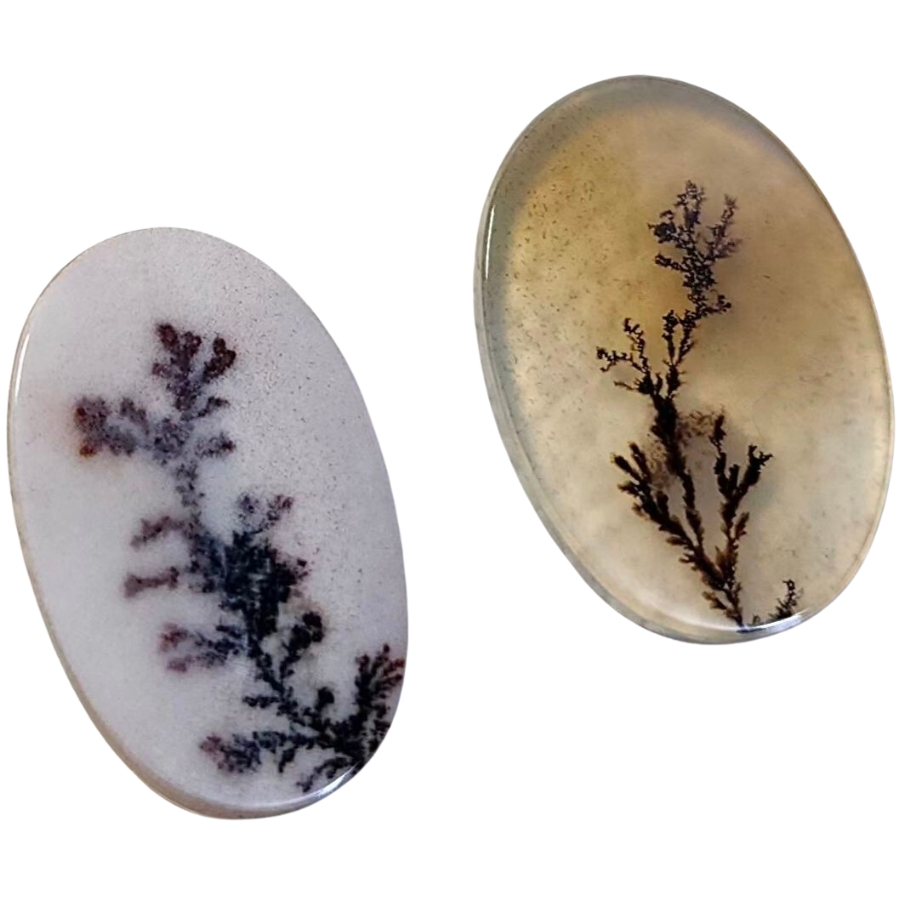
Dendritic agate is known for patterns that look like tiny trees or shrubs. Like moss agate, these patterns aren’t actual plants. They’re made of minerals, mostly manganese or iron oxides.
When you look at a dendritic agate, it’s like peering into a miniature forest or a frosty winter landscape.
The base of the stone is usually translucent to opaque, and the “dendrites”— those tree-like patterns— are often black or brown.
When it comes to how much dendritic agate is worth, it can vary. The more detailed and distinct the patterns are, the more it’s usually valued.
In some cultures, dendritic agate is believed to bring fullness and richness to life.
Crazy Lace Agate
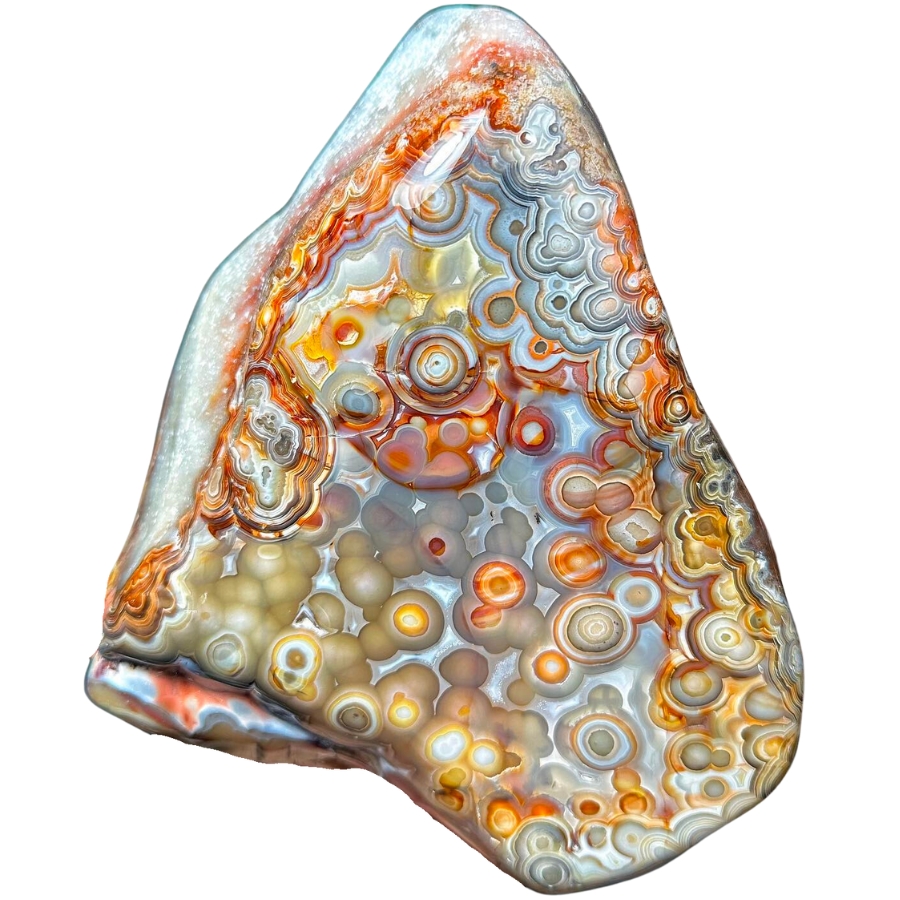
Crazy lace agate is like a party in a rock! It’s got swirls, circles, and all sorts of wild patterns dancing across it.
Its colors can be a mix of red, orange, yellow, and brown, and sometimes even a bit of gray or white.
What makes crazy lace agate stand out is its vibrant and complex patterns. No two pieces are the same. This distinctiveness is a big reason why it’s so valued.
Despite its wild and ‘crazy’ appearance, it’s sometimes called the “Laughter Stone” or “Happy Lace” because of the joy and positive vibes it’s believed to bring.
Laguna Agate
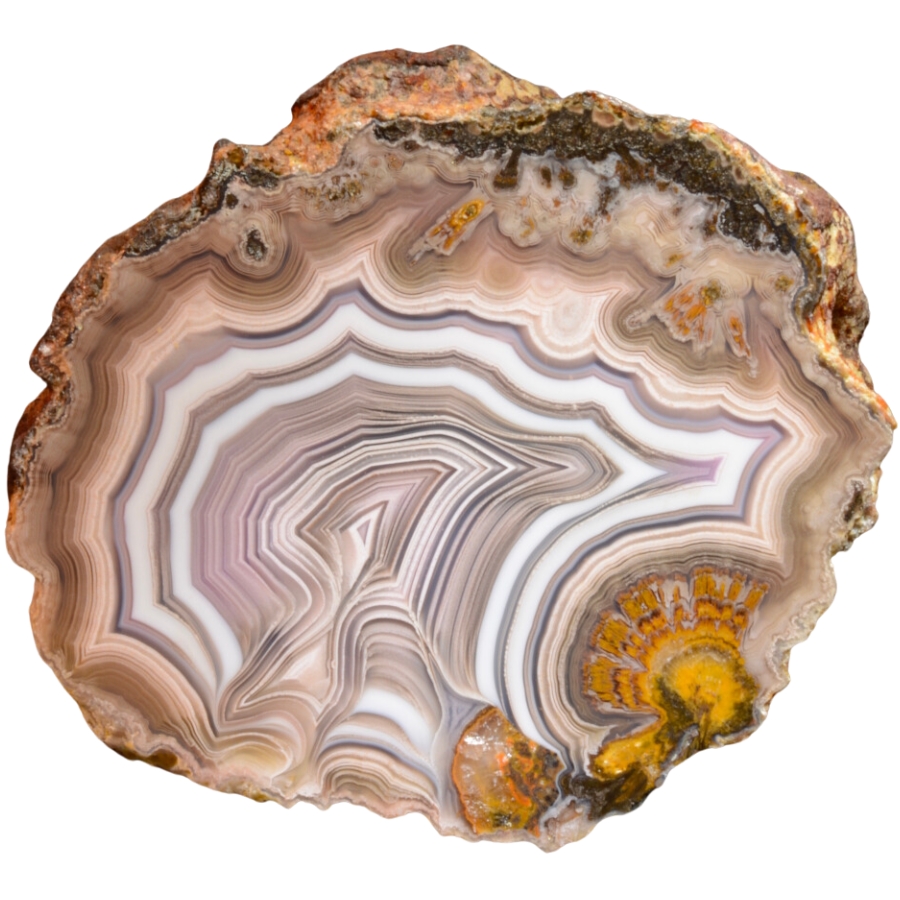
Laguna agate has incredibly sharp and fine banding. It has layers of red, orange, pink, yellow, and sometimes even purple and white all stacked in neat, tight bands.
These bands can form eye-catching patterns, like swirls, loops, and even landscapes.
The different colors of its bands come from various minerals present in the water at the time of its formation.
Laguna agate is considered one of the finest agates in the world due to its exceptional banding. This high regard among agate varieties makes it a prized possession for collectors.
Condor Agate
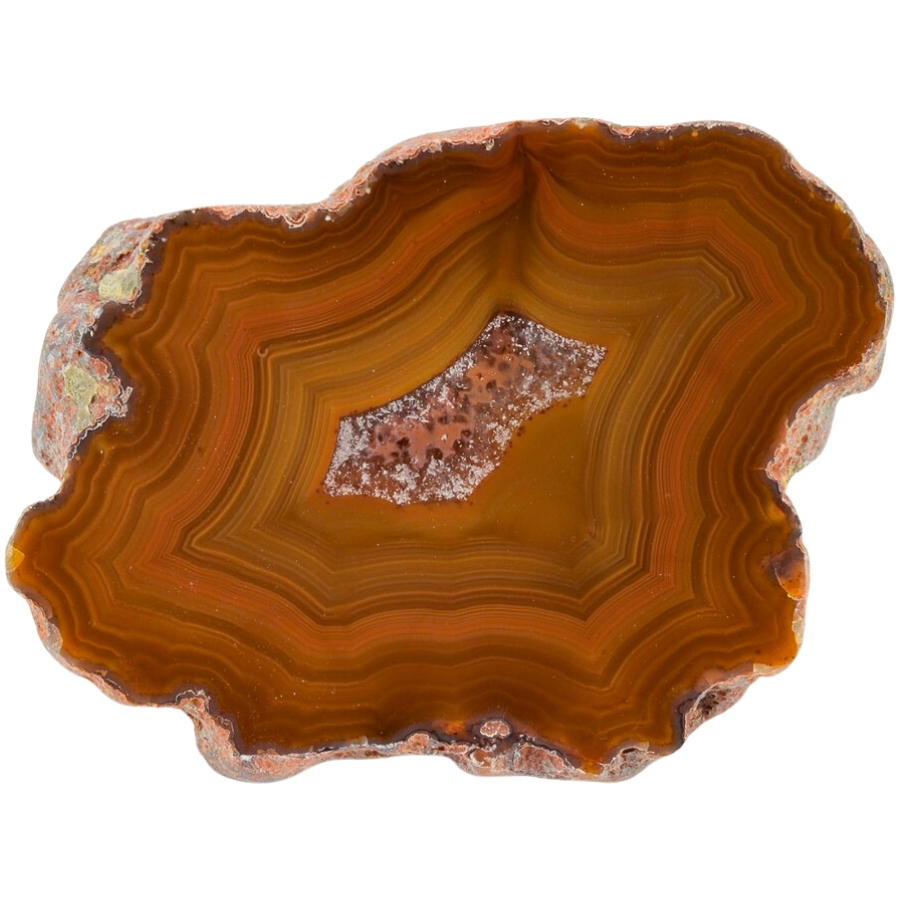
Condor agate is a real standout. It’s known for its bright, vivid colors and complex patterns.
It has reds, oranges, yellows, and sometimes even blues and greens all swirling together. These colors form in bands or in more random, artistic patterns.
The intensity and variety of its colors is what makes condor agate so special. It’s often used by artists and craftsmen who want to make a statement with their work.
Condor agate’s bold colors and patterns can turn a simple piece of jewelry or art into something really eye-catching.
Fortification Agate (Banded Agate)
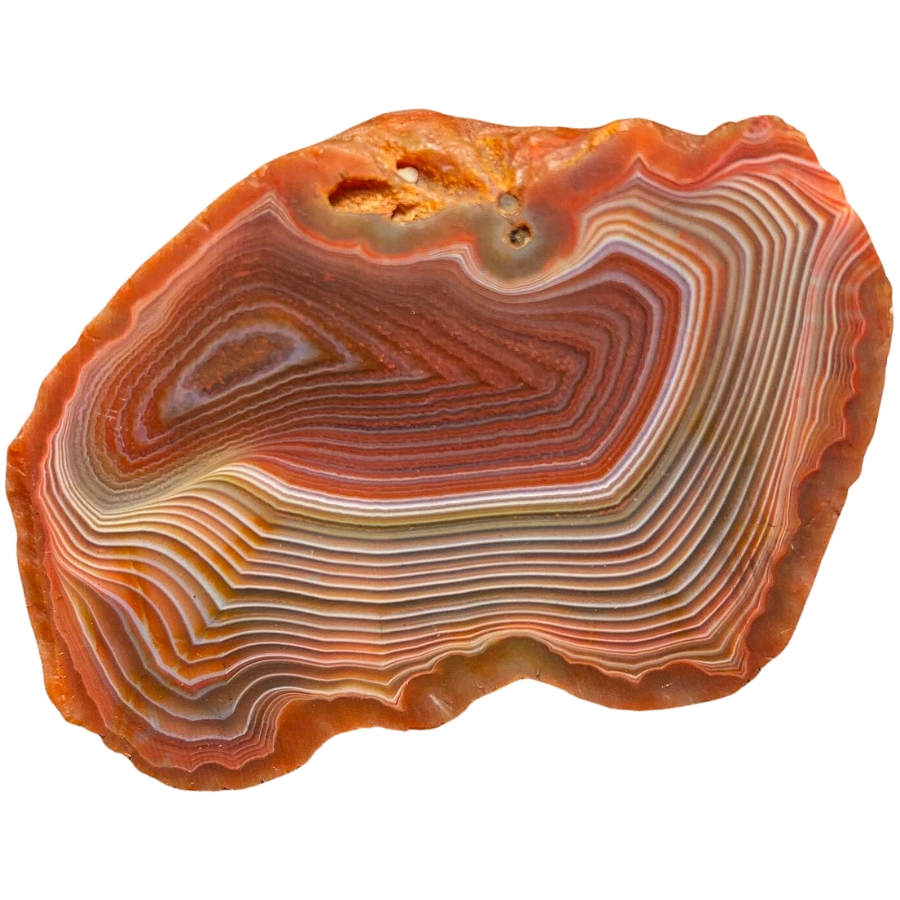
Fortification agate gets its name because the patterns inside it look like the aerial view of a fortified city.
Imagine seeing bands of color forming shapes that look like walls, with sharp angles and curves. They are usually in different colors, making each layer stand out.
If fortification agate is valuable, it’s because of its distinct patterns and colors. Its unique look makes it sought after for jewelry and as a collector’s item.
The clearer and more defined the patterns, the more valuable the stone can be. Some people also believe it can help with relaxation and calmness.
Iris Agate
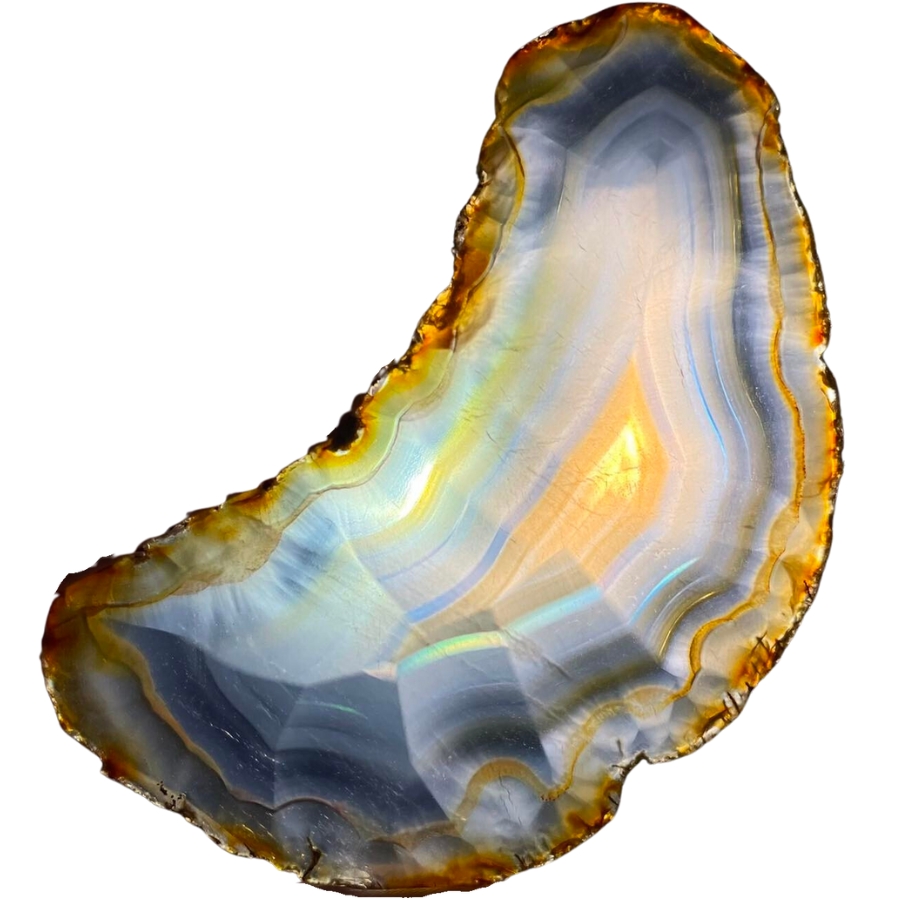
Iris agate looks like a regular agate at first, but when you hold it up to the light, something amazing happens. It shows all these rainbow colors, like light passing through a prism.
This is because it has very thin layers of silica, and when light hits these layers, it splits into all the colors of the rainbow.
The formation of iris agate is similar to other agates, but its layers are super thin, which is what creates the rainbow effect.
The value of iris agate comes from its unique ability to show these colors. In the past, people even used to think it had magical properties because of the way it showed colors. They saw it as a stone of good luck and wonder.
Plume Agate
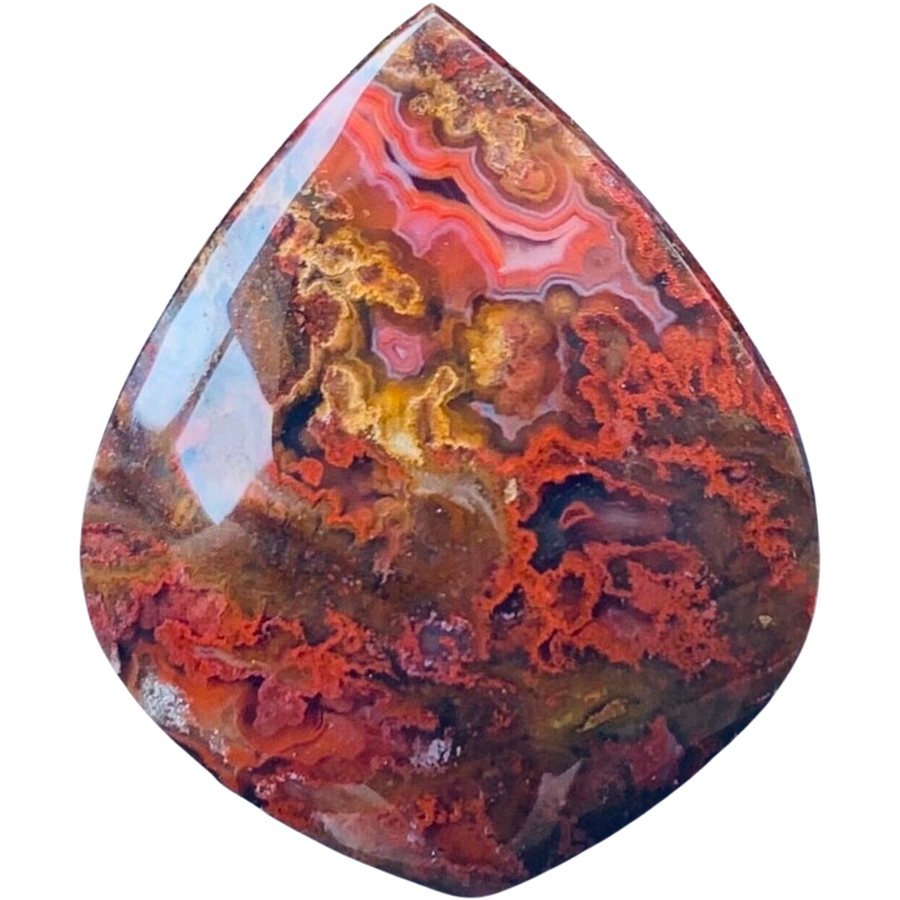
Plume agate gets its name from its patterns that look like soft, feathery plumes. These plumes can be in all sorts of colors: red, black, green, or yellow, set against a translucent or opaque background.
The way these plumes seem to float in the stone makes it look like a frozen underwater scene or like feathers caught in a breeze.
The plumes are made of minerals like manganese or iron oxide, which get trapped in the silica during the agate’s formation and create the feathery patterns.
The price of plume agate can vary depending on how clear and intricate the patterns are. The more detailed and colorful the plumes, the more the stone is usually worth.
Picture Agate (Scenic Agate)
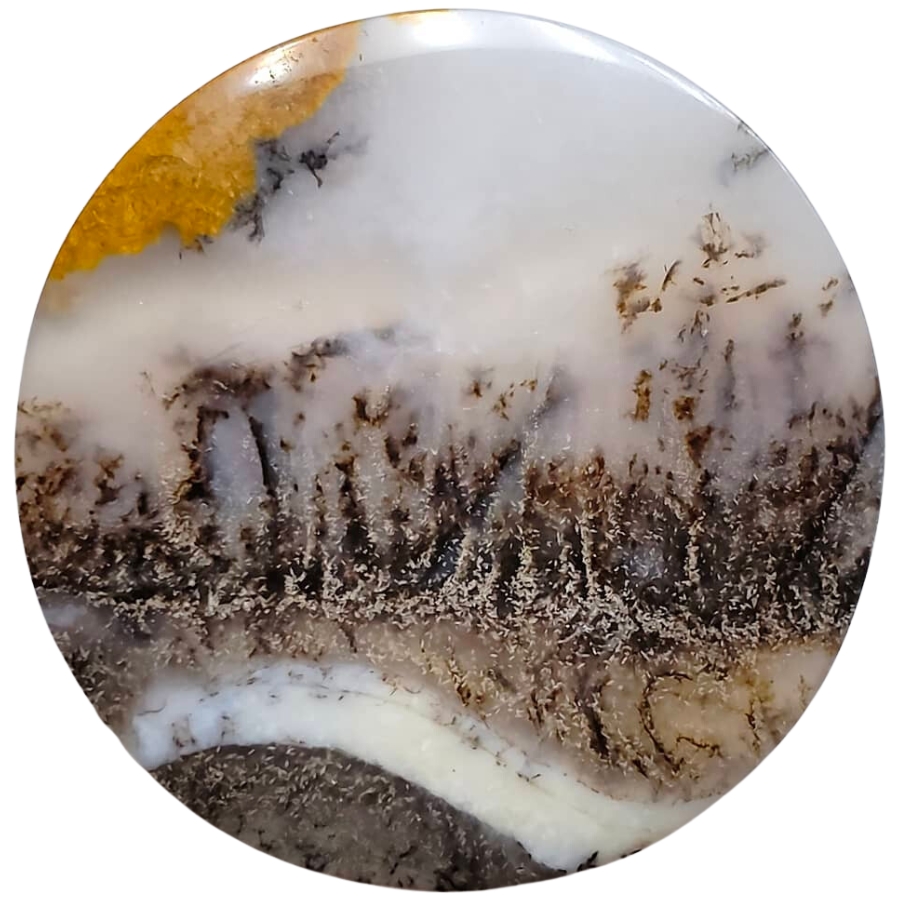
Picture agate is like a snapshot of nature captured in stone because it looks like it has pictures or scenes right inside it.
These “pictures” are actually natural patterns that resemble landscapes, mountains, trees, or even skies. They are usually in different shades of brown, white, and gray against a more translucent background.
The different patterns in picture agate or what’s also called scenic agate are made by various minerals in the water filled with silica that forms it.
If you’re thinking, “What is picture agate worth?“, its value comes from how distinct, clear, and detailed the natural “pictures” are.
Turritella Agate
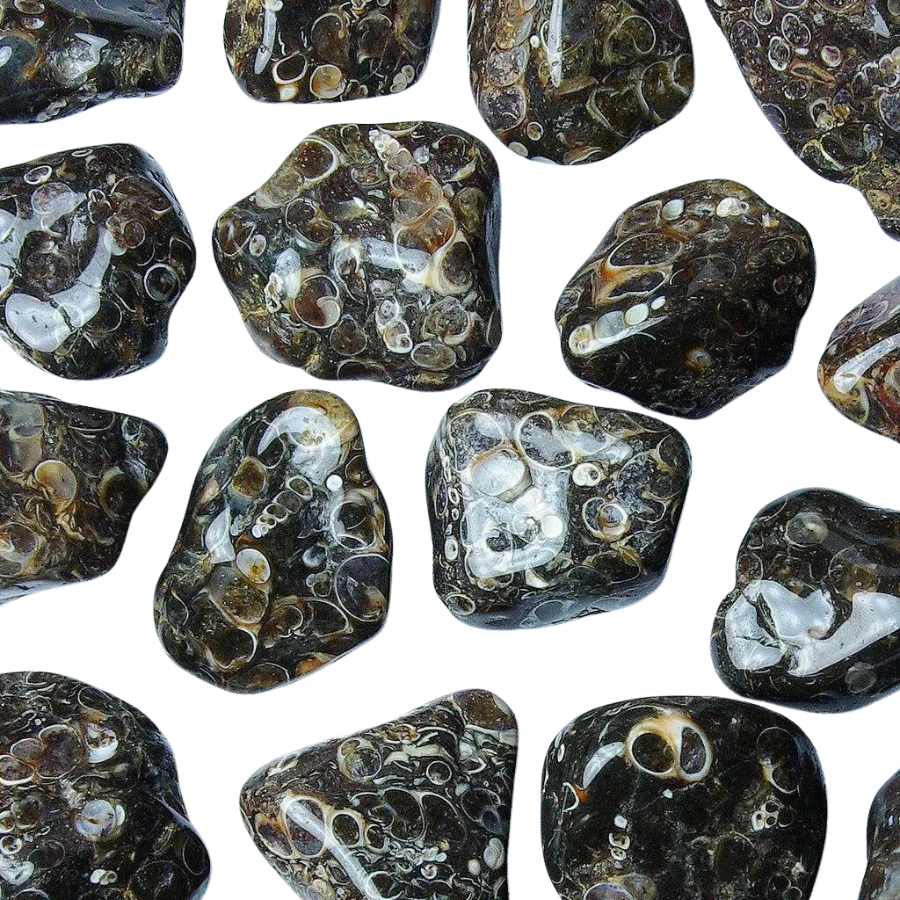
Turritella agate is not your typical agate because it’s full of fossilized snail shells! The shells belong to a creature called Turritella, a type of sea snail.
These shells are tightly packed and create a pattern that looks like a bunch of tiny, swirling towers. The background of the agate is usually a dark, earthy color, which makes the white or cream-colored snail shells really pop.
Over millions of years, these snail shells got buried in sediment and eventually became fossilized. As time went on, silica-rich water flowed through the sediment, turning it into the agate we see today.
The value of turritella agate comes from its unique blend of geology and history. More than a pretty stone, it’s a piece of ancient life preserved in rock.
Fairburn Agate
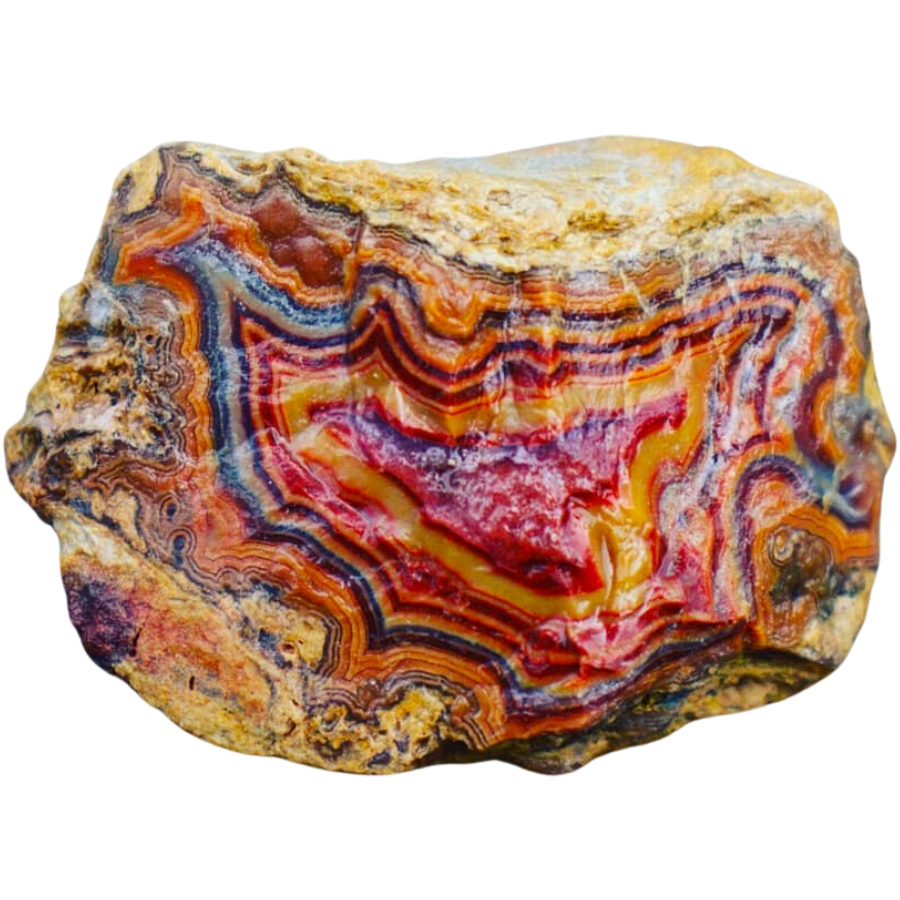
Known for its intricate patterns and bold colors, Fairburn agate is another fascinating type of agate. It usually has bands and swirls of different colors like red, yellow, orange, brown, and sometimes even pink or purple.
What’s special about these patterns is they often look like they’re in layers, creating a 3D effect. It’s like looking at a landscape made of stone.
It’s named after a place called Fairburn in South Dakota. This gives a clue about where it was first discovered.
People value Fairburn agate for the skill it takes to cut and polish it, which makes the patterns and colors really stand out.
Sagenite Agate
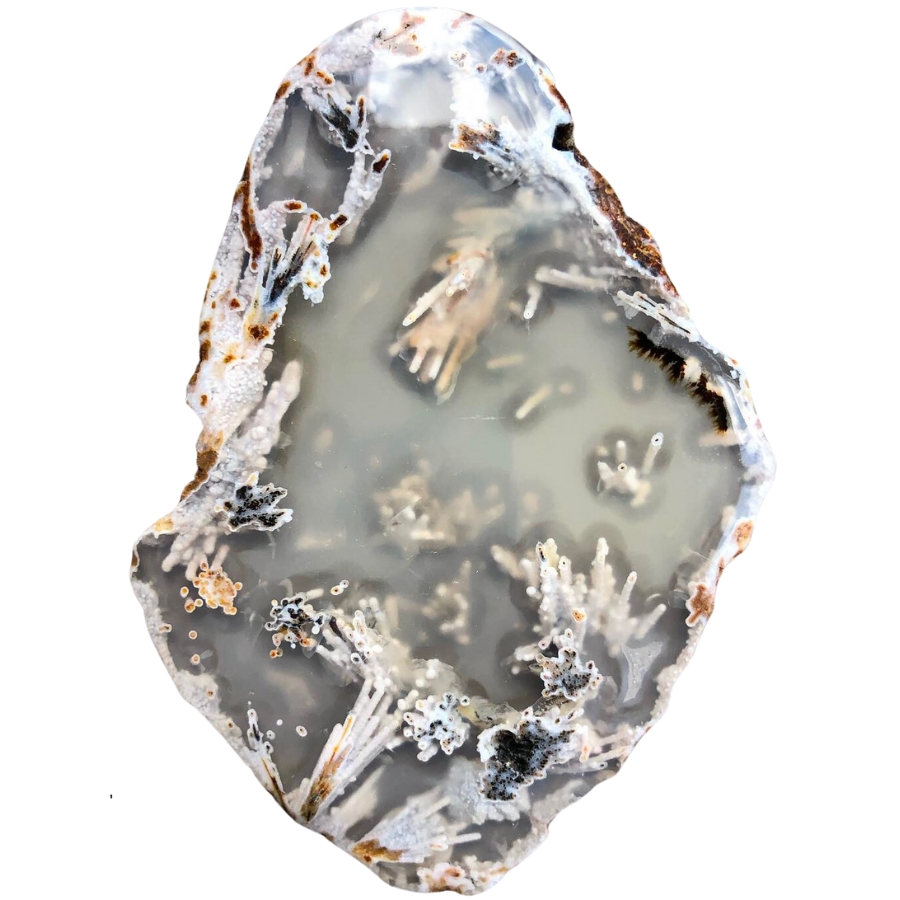
Sagenite agate has needle-like inclusions that look like tiny sprays of crystals inside it. They can be gold, silver, black, or even green, and they spread out in all directions, creating an amazing pattern.
The base of the agate is usually translucent, which lets you see these intricate needle patterns clearly.
These patterns are actually other minerals, like rutile or goethite, that get trapped inside the forming agate. These minerals grow in a crystal shape, looking like needles or hair.
Sagenite agate is often used in jewelry and other decorative items, with some people thinking that its needle patterns look like fireworks or starbursts.
Tree Agate
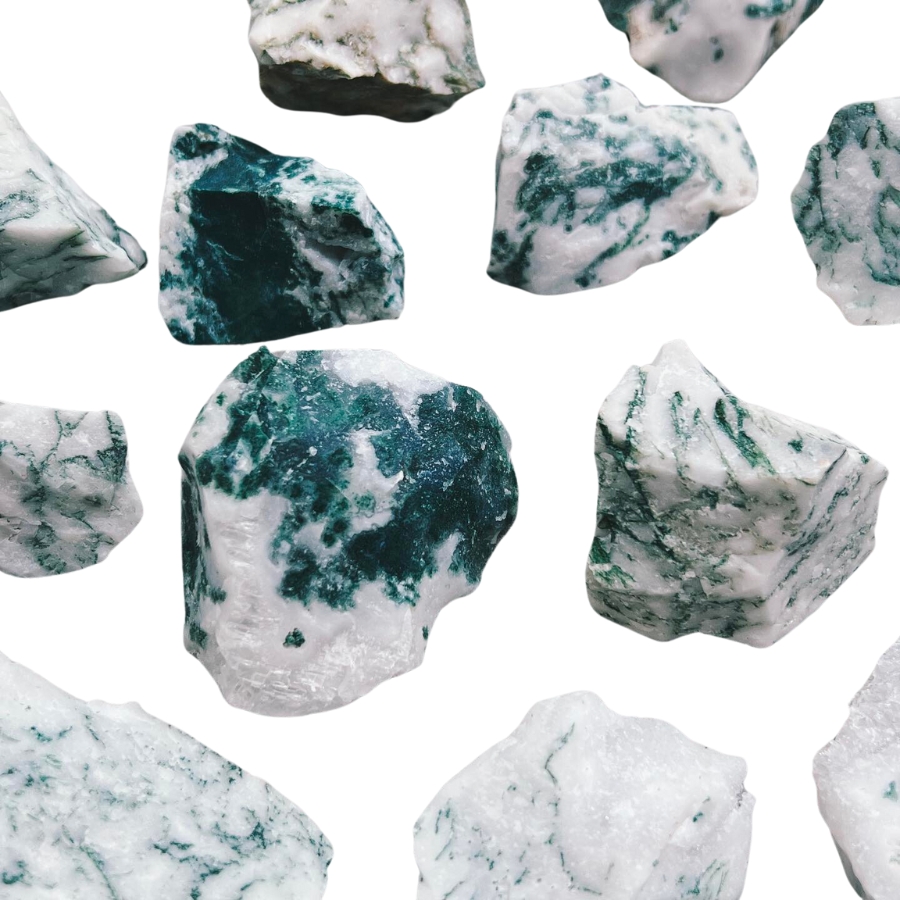
Tree agate, as its name suggests, looks like it’s got tiny trees or branches inside it. These tree-like patterns are usually green and spread out against a white or light gray background.
The green patterns aren’t actual trees, though. They’re made of minerals like chlorite or manganese.
Each piece of tree agate is different. You won’t find two that are exactly the same. It’s valued for its looks and it’s often used in jewelry and decorations.
The key factors in our recommendations are:
- The deep experience and understanding of our team about the area
- Recommendations from local groups and clubs
- How easy it is to get the a particular location
- Safety and potential hazards when collecting
- Weighing private and public locations
- The ability for both experienced and novice agate enthusiasts to find great samples
With these factors in mind we’ve been able to put together a fantastic list that just about anyone can use!

Kids. Beginners. Pros. Doesn’t matter. This book has become the go-to because it works for everyone.
Magy put it bluntly: “Identify rocks, crystals and minerals is so easy now!”
That’s not by accident, the photos are crisp, the callouts are simple, and the design is rugged enough to throw in a backpack without worrying. Whether it’s your first geode or your hundredth, this guide keeps the fun part simple: finding more treasures.
The Best Spots To Find Agates in North Carolina
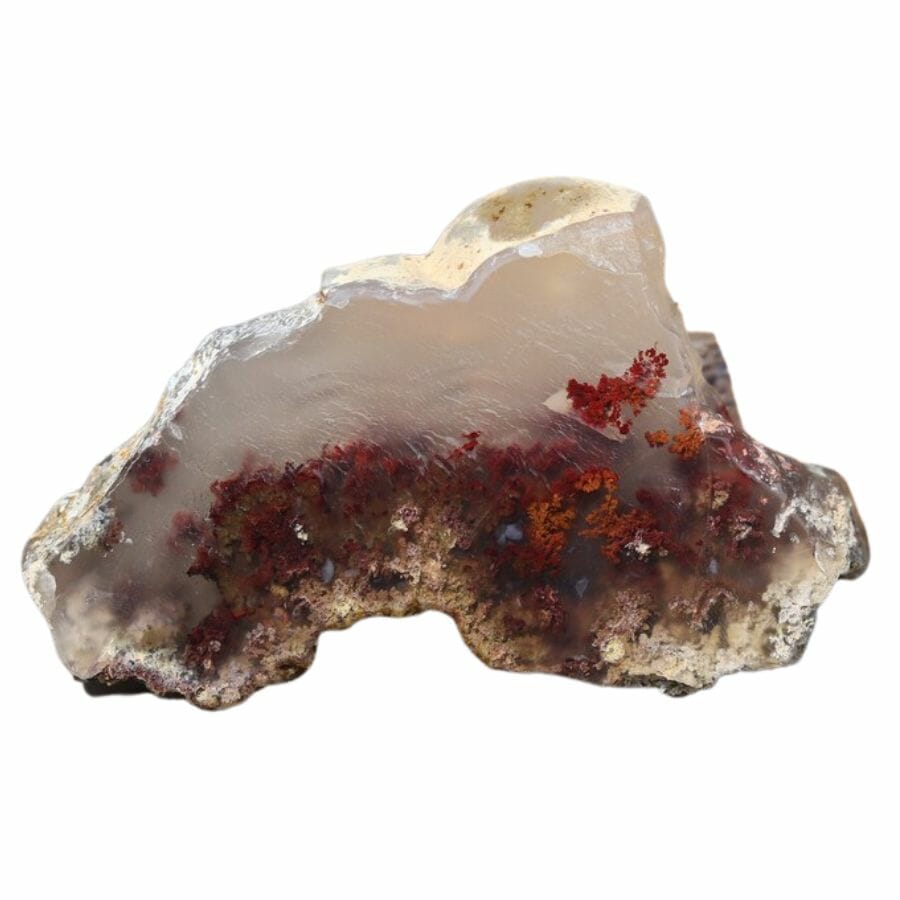
Finding agate can be a bit like searching for a needle in a haystack; it’s not always easy, and sometimes you might come up empty-handed. The trick is to know where to look and to have the right tips on your side.
North Carolina, with its diverse landscapes and geological history, presents its own unique challenges. Having the right guidance and a keen eye can make the journey of discovery more successful and enjoyable.
Cumberland County
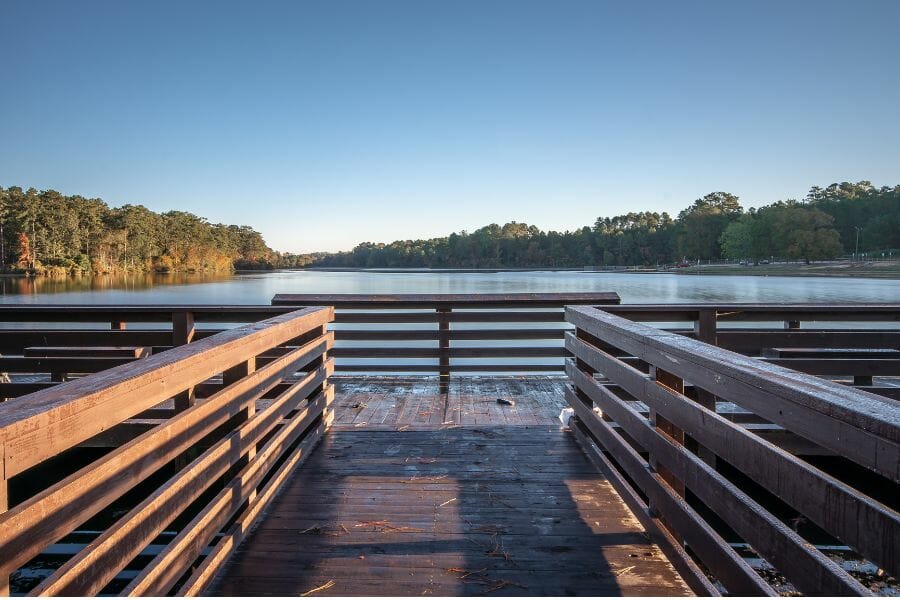
The terrain of v is primarily part of the coastal plain, which means it’s relatively flat with some gentle rolling hills.
As we dive deeper into its geology, the region consists of sedimentary rocks, mainly sand and clay, which were deposited over time by ancient rivers and seas.
The county is bordered by rivers and streams, making it a hub of waterways. These water systems have played a crucial role in shaping the land, eroding away older rocks and depositing new materials.
The ground beneath is rich with stories from millions of years ago, waiting to be explored by curious enthusiasts and geologists.
If you want to collect rocks on public lands, first consult with the Bureau of Land Management Southeastern States District Office. They provide necessary information on the guidelines and rules to ensure ethical and legal rock collecting.
Where we found agates in Cumberland County
Agates in Cumberland County often nestle within stream gravels and alluvial deposits that span the county. Additionally, gravel pits, excavations, and even road cuts might surprise you with a hidden agate.
Granville County
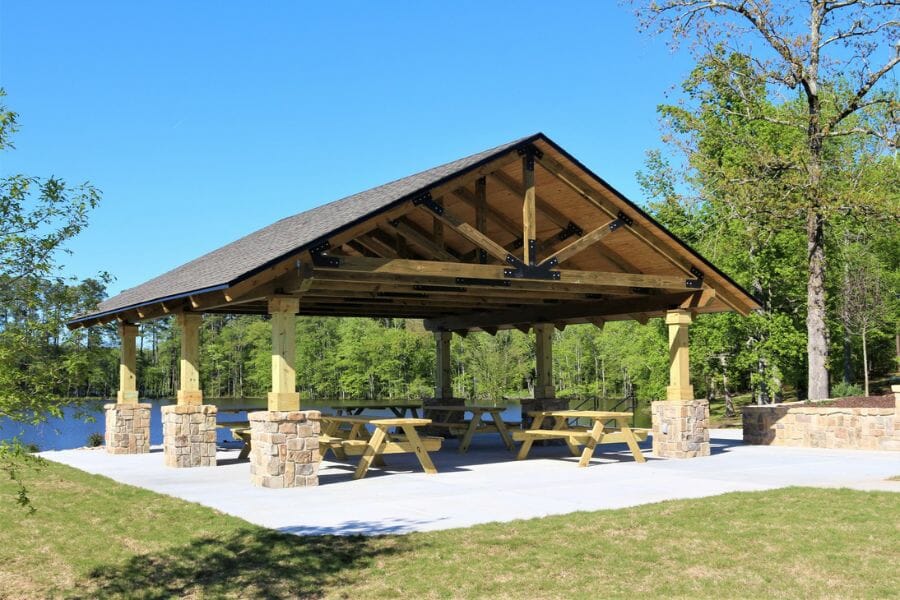
Granville County boasts a diverse landscape that captures the interest of rock enthusiasts and nature lovers alike. Positioned within the Piedmont region, its terrain features a mix of rolling hills, fertile plains, and meandering waterways.
The county’s geology reveals a history of sedimentary, metamorphic, and igneous rock formations. Several areas across the county offer up good spots where to mine for agate.
Additionally, the county’s rivers and streams, which have carved their paths through the landscape, also play a key role in revealing hidden gems and providing insights into the land’s geologic past.
Where we found agates in Granville County
Reed’s Creek gravels are known spots where agates can be found. Other notable locales include Oak Hill Township, Butner, and Creedmoor.
Mitchell County
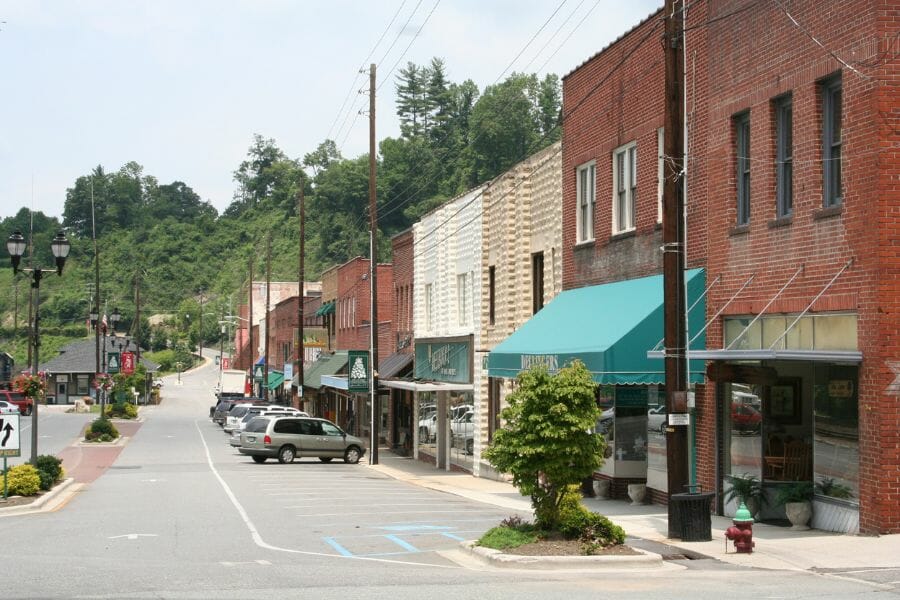
Mitchell County’s terrain is predominantly mountainous, offering scenic vistas and challenging hiking trails.
The county’s geology is shaped by a blend of metamorphic rocks, like schist and gneiss, which have been transformed by heat and pressure over time.
Streams and rivers carve through the landscape, revealing rock layers and mineral deposits. The land tells stories of tectonic forces, erosion, and sedimentation that have taken place over millions of years.
For those with a passion for rocks and minerals, Mitchell County provides a rich backdrop for exploration and discovery.
Where we found agates in Mitchell County
Agates are often nestled within countywide stream gravels, making waterways a promising spot to start the search. Local gravel pits also serve as potential areas to unearth these beautiful gems.
Chapel Hill
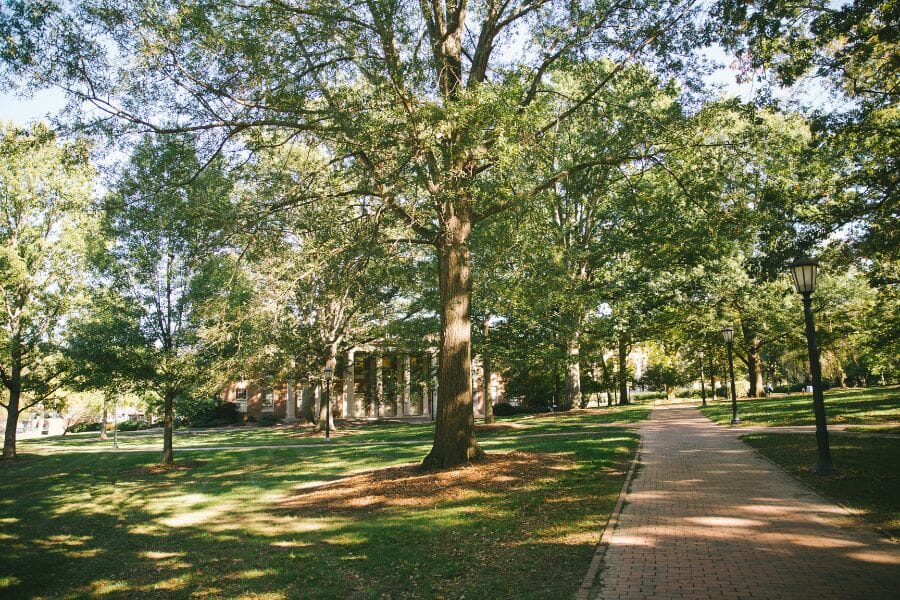
Chapel Hill offers a captivating blend of landscapes and geological features. The terrain is characterized by rolling hills and dense forests, presenting picturesque views and natural beauty.
Beneath the surface, the geology is shaped by a mix of igneous and metamorphic rocks, which have undergone transformation due to heat and pressure over time. These rocks are rich in minerals and tell tales of the area’s geological history.
Numerous streams meander through Chapel Hill, further enhancing the terrain and offering insights into the underlying bedrock.
Where we found agates in Chapel Hill
Knowing which areas to search in Chapel Hill is vital to understanding how to find agate in North Carolina.
Chapel Hill’s woods and fields occasionally reveal these moss agates, especially after a good rain. Additionally, the creek gravels in the area are known to house agates, with water exposing and shifting them over time.
Cape Fear River
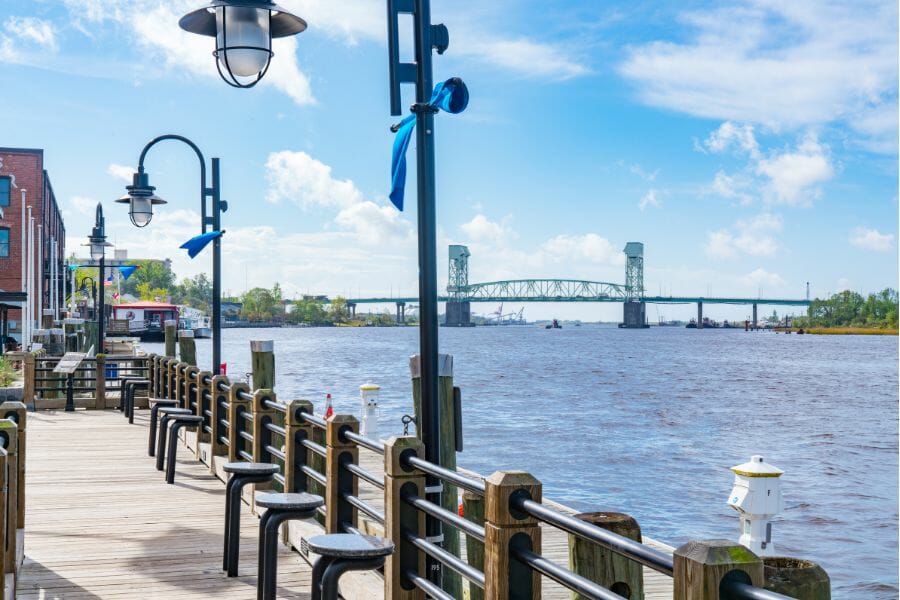
Cape Fear River is a prominent river, winding its way through diverse landscapes. Starting from its headwaters, the river traverses through rolling hills, gradually flowing towards the coastal plains and finally emptying into the Atlantic Ocean.
This journey influences the geology along its banks. The upper stretches are dominated by sedimentary rocks, evidence of old marine environments, while closer to the coast, sandy and clayey soils prevail, shaped by the river’s ebb and flow.
Numerous tributaries feed into Cape Fear River, enriching its waters and affecting the sediment load. As the river carves its path, it uncovers and deposits minerals and rocks.
Where we found agates in Cape Fear River
You can often stumble upon intriguing stones along the banks and bed of Cape Fear River, including agates. Many enthusiasts find agate nestled among the river gravels and sandbars, especially after periods of heavy rainfall.
Exploring areas where the river slows its pace, like bends or wider sections, can increase the chances of spotting these beautiful stones.
Other Great Places To Find Agates In North Carolina
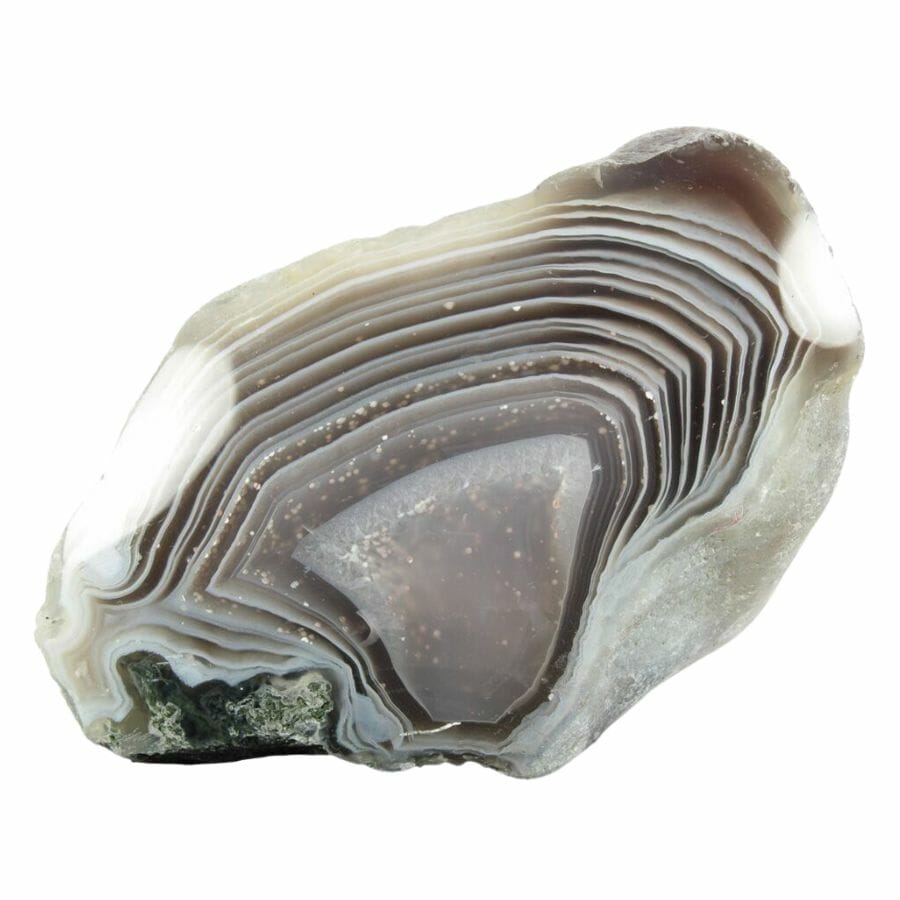
With its rich geology and varied terrains, it’s no surprise that North Carolina is home to many agate locations. Here’s a list of areas to consider on the next rock-hunting adventure in the state.
Our recommendations by county
| County | Location |
| Cabarrus County | Concord mines, regional fields, stream gravels |
| Cherokee County | Unaka; Beaverdam Creek gravels |
| Cleveland County | Casar |
| Henderson County | Lake Summit |
| Iredell County | Mooresville |
| Iredell County | Statesville |
| Mecklenburg County | Caldwell |
| Orange County | Hillsborough area fields, stream gravels, road cuts |
| Stokes County | Danbury area stream gravels |
| Vance County | Henderson area surfaces, gravels |
| Wilkes County | Traphill area fields, cuts, gravels |
Additional areas you can find agates
Agates have a knack for showing up in diverse settings throughout North Carolina. From the gentle slopes of hills to the banks of bustling rivers, these stones have made their mark.
Exploring varied terrains can lead to the exciting moment of spotting a beautiful agate.
Riverbeds and creekbeds
Riverbeds and creekbeds are dynamic places where water constantly shifts and sorts rocks and sediments. Over time, as water erodes the land, it can uncover North Carolina agates.
Exploring the gravels and sands of these waterways can lead to delightful discoveries of these unique stones.
Coastal areas
The constant motion of waves and tides in coastal areas churns the sands and gravels, often revealing hidden gems like agates.
These regions, with their mix of land and sea, offer a unique environment where agates get polished by the ocean’s waves.
Exploring beaches, dunes, and coastal cliffs can lead to exciting finds of these beautiful stones.
Quarries
Quarries are fascinating spots where the Earth’s layers are exposed, often revealing hidden gems. Deep excavations often unearth rocks and minerals, making quarries prime locations for finding agates.
For those with a keen eye, exploring a quarry can lead to the thrilling discovery of these unique and colorful gems.
Area exposures
Area exposures, where the Earth’s layers are visible above the surface, can be hotspots for discovering agates. These exposures, often resulting from natural processes or human activity, reveal hidden layers of rocks and minerals.
Agate beds near these areas can be a treasure, holding clusters of the gem. Exploring these sites offers a chance to find agates in their natural setting, making the hunt both exciting and rewarding.
Common Agate-Hunting Questions
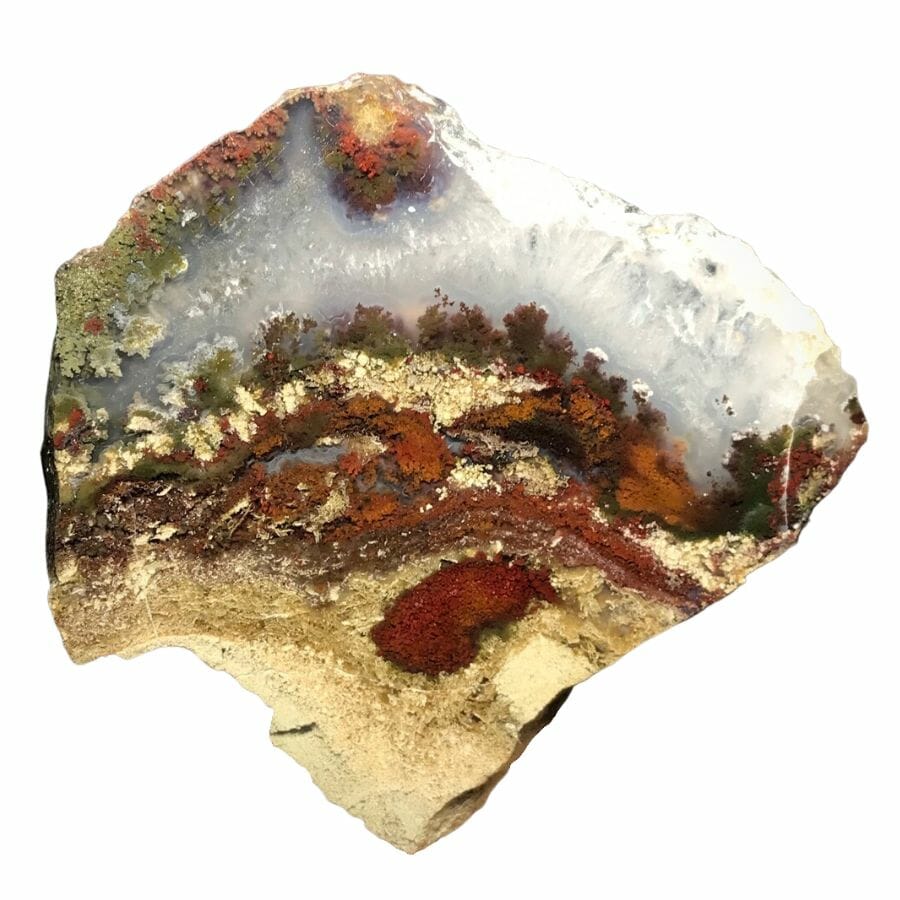
Many rock enthusiasts and curious minds turn their attention to the topic of agates in North Carolina. The state’s rich geology and diverse terrains spark interest and lead to numerous inquiries.
People are often eager to learn more, from where to find these stones to understanding their formation. It’s exciting to delve into the most frequently discussed aspects of North Carolina’s agate treasures.
Is it illegal to collect agate in North Carolina?
Collecting agate in North Carolina is generally allowed, but there are some important guidelines to follow.
First, always ensure you have permission if you’re on private property. Landowners have the right to their minerals, so always ask before collecting.
On public lands, rules can vary. Some areas, especially protected parks and preserves, may prohibit collecting any rocks or minerals to preserve the natural environment.
There might also be restrictions in areas designated for scientific study. It’s essential to research the specific location you’re interested in visiting ahead of time.
Always adhere to ethical rockhounding practices: take only what you need, fill in any holes you dig, and respect the land and its resources.
The Best Places To Buy Agates In North Carolina

North Carolina has several stores that cater to those seeking agates and other minerals. For those eager to add to their collections or just starting out, there are reputable places to explore.
Here’s a list of top spots in North Carolina to purchase agates.
- Maggie Valley Rock Shop – 3894 Soco Rd, Maggie Valley, NC 28751
- Crystal Mountain Gem Mine – 31 S Broad St, Brevard, NC 28712
- Gem Avenue – 400 E Arrowhead Rd, Charlotte, NC 28213
- Enter the Earth – 1 Page Ave #125, Asheville, NC 28801
- Points of Light Crystal and Mineral Gallery – 391 Merrimon Ave, Asheville, NC 28801
If you have any recommendations for our list please leave a comment below!