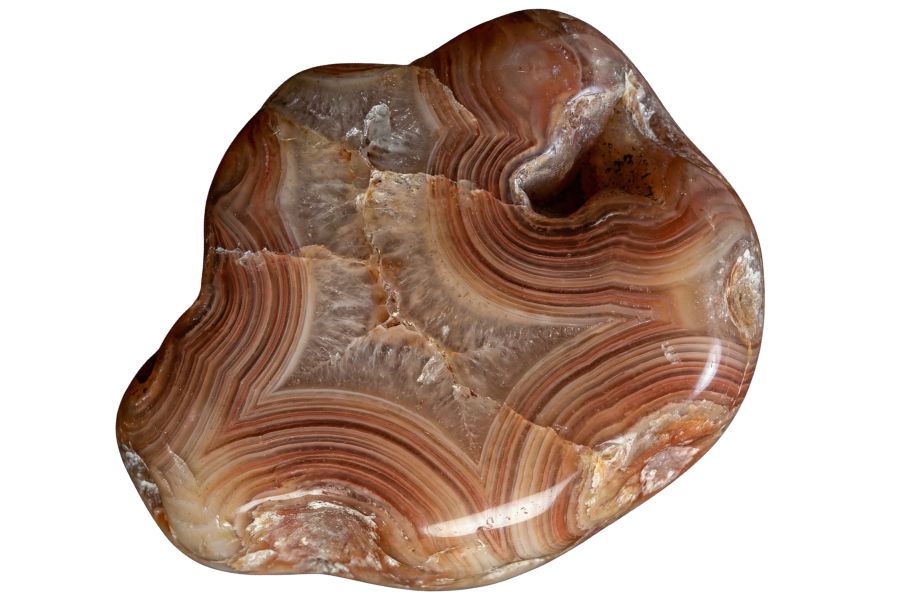
A great day of searching for New Jersey agates starts long before you get in the car. It begins with knowing exactly which destination to plug into your GPS.
It’s easy to waste a weekend exploring areas that have never produced a single quality agate. Just because a place looks rocky doesn’t mean it holds the gems you’re after.
The most successful collectors don’t rely on guesswork. They return to the same specific quarries, riverbeds, and gravel bars again and again for a reason.
These proven locations are not secrets, but they aren’t always obvious. We can help you get right to the good spots, and that’s exactly what we’ll do.
For those who are keen on broadening their rock and gem hunting experience, our guide provides a comprehensive guide on where and how to get started on this exciting adventure. Don’t miss out on the chance to mine gems in New Jersey!
What is New Jersey Agate?
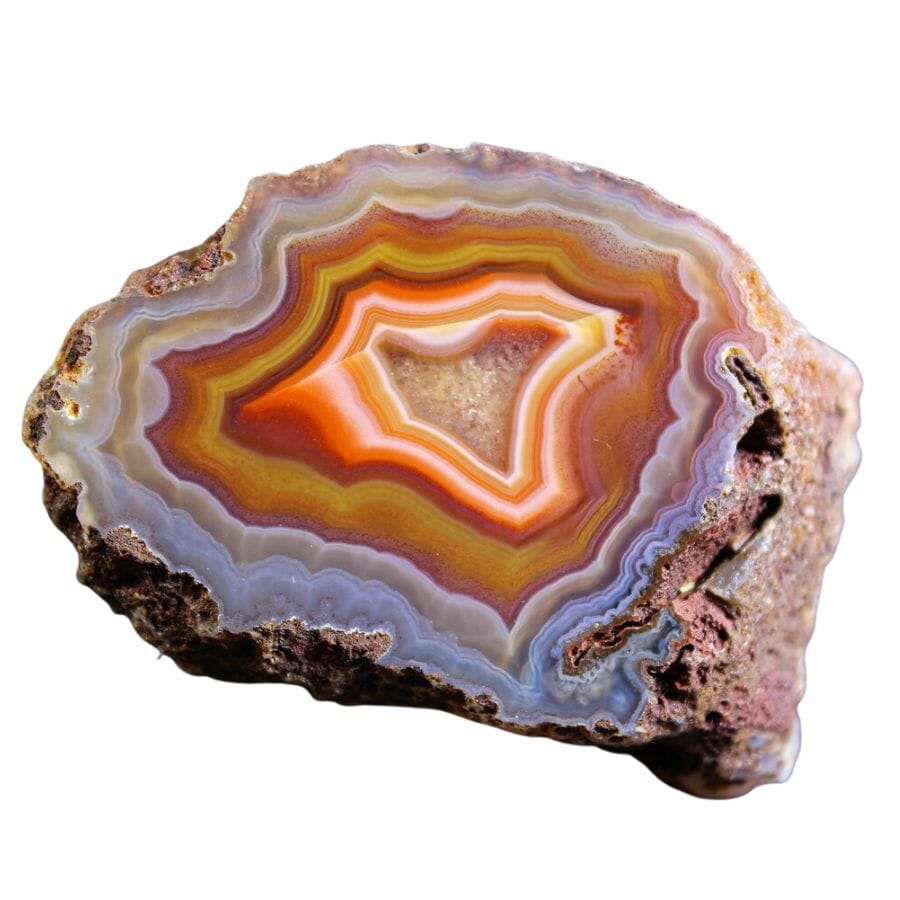
Agate is a cool rock that has many colors and patterns. It’s a type of quartz, which means it’s made from tiny crystal particles.
The stone gets its wonderful looks from the different layers that build up over time, each one adding its own splash of color or design.
Finding agate can be surprisingly easy at times. It’s often found near rivers, streams, and lakes. The flowing water helps shape and reveal these shiny stones.
Volcanic areas are also great spots to find agate. When volcanoes erupted a long time ago, the lava they spilled had bubbles of gas. As time passed, these bubbles filled up with minerals and turned into agate.
The value of agate varies a lot. Some are common, while others with unique patterns can be worth more. People love using agate for jewelry and decorations. Its beauty and strength make it popular for many things.
Blue Lace Agate
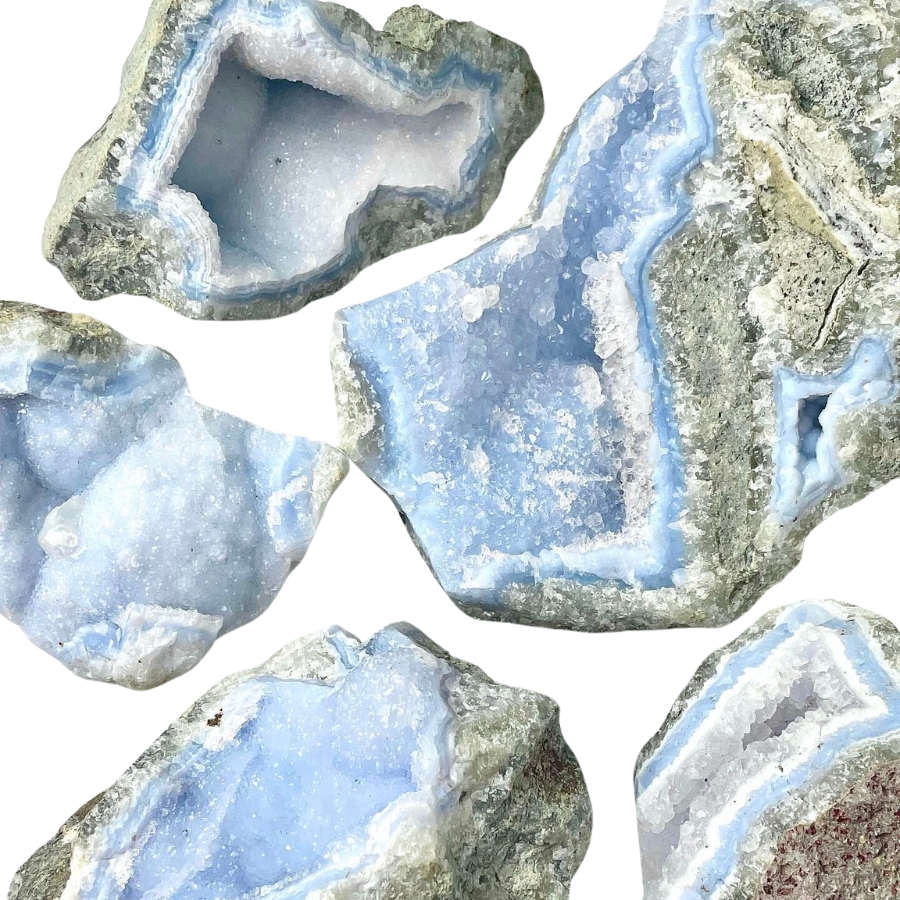
Blue lace agate is like the soft, sky-blue waves with lines that swirl and twist like delicate lace.
Its pattern comes from slow-forming layers of quartz, which create those beautiful, lace-like bands.
The bands of this agate type are often in shades of light blue, white, and sometimes a bit of grey. It’s different from other agates, which usually have more intense colors and stronger patterns.
The value of blue lace agate lies in its soft, tranquil look and the feeling of calm it brings. It’s often used in jewelry or as a decorative stone.
If you want REAL results finding incredible rocks and minerals you need one of these 👇👇👇

Finding the coolest rocks in isn’t luck, it's knowing what to look for. Thousands of your fellow rock hunters are already carrying Rock Chasing field guides. Maybe it's time you joined the community.
Lightweight, mud-proof, and packed with clear photos, it’s become the go-to tool for anyone interested discovering what’s hidden under our red dirt and what they've already found.
Join them, and make your next rockhounding trip actually pay off.
What makes it different:
- 📍 Find and identify 140 incredible crystals, rocks, gemstones, minerals, and geodes across the USA
- 🚙 Field-tested across America's rivers, ranchlands, mountains, and roadcuts
- 📘 Heavy duty laminated pages resist dust, sweat, and water
- 🧠 Zero fluff — just clear visuals and straight-to-the-point info
- ⭐ Rated 4.8★ by real collectors who actually use it in the field
Moss Agate
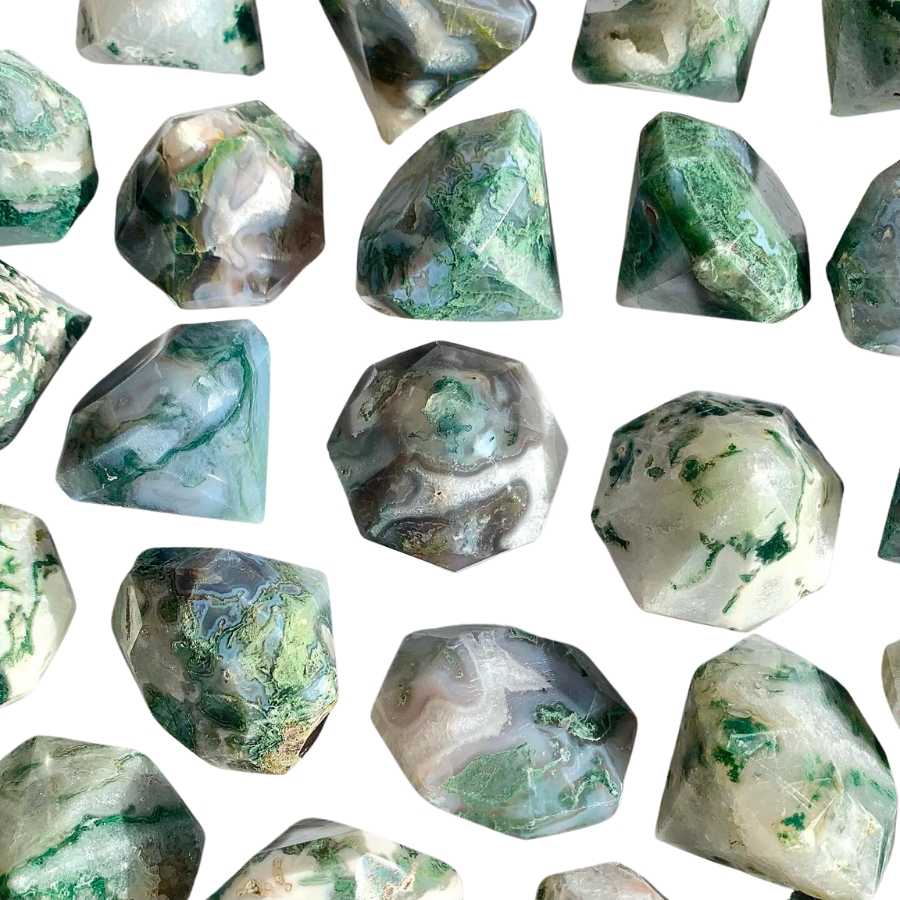
Instead of having the typical banding for which the different types of agates are known, moss agate has green inclusions that look like moss or trees.
These green patterns aren’t real plant material, though. They’re minerals like chlorite or iron oxide.
In some cultures, this type of agate is known as the “gardener’s stone” because of its green, plant-like appearance. It’s believed to help plants grow.
The price of moss agate can vary. It’s often quite affordable, but the more distinct and picturesque the green patterns, the more it might cost.
Fire Agate
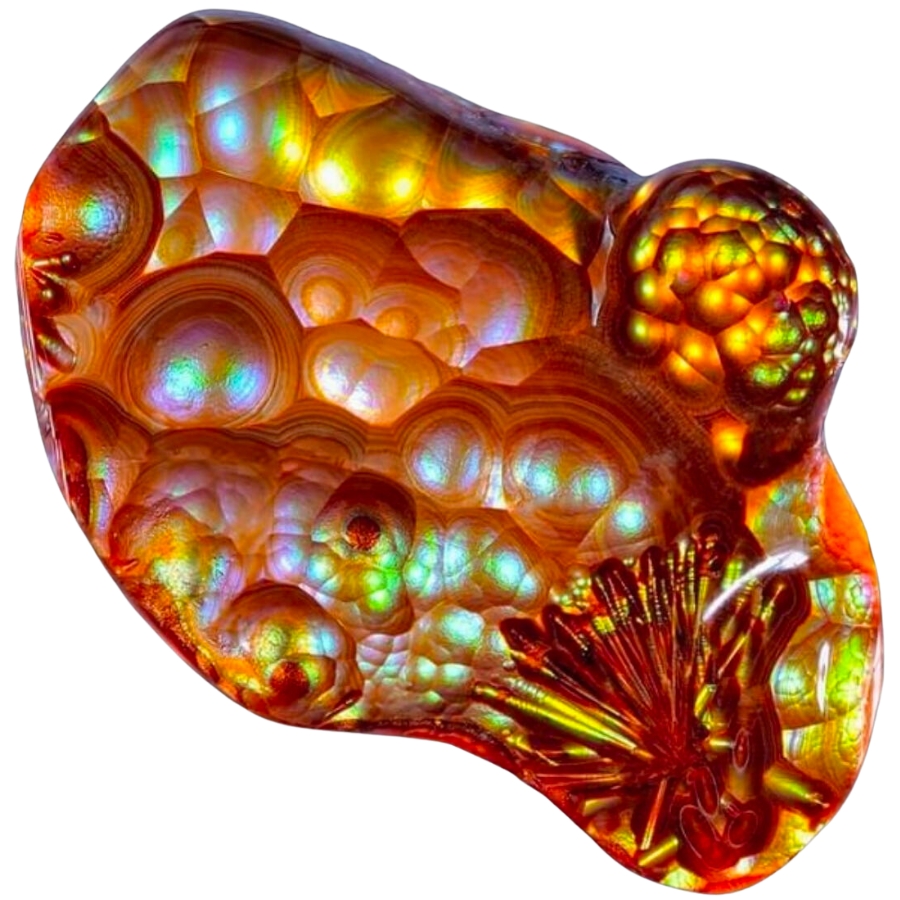
Fire agate is known for its incredible colors and the way it sparkles like fire. It’s got layers of silica and iron oxide that reflect light, creating a fiery effect.
When you look at fire agate, it’s like seeing flames trapped inside. Its colors can range from reds and oranges to greens and golds, all shimmering under the surface.
You might be wondering, “What is fire agate worth?” Well, its value comes from its rare beauty. The more color and sparkle, the more valuable the stone is.
Its fiery iridescence and lively play of color are used in jewelry pieces that are meant to stand out.
Dendritic Agate
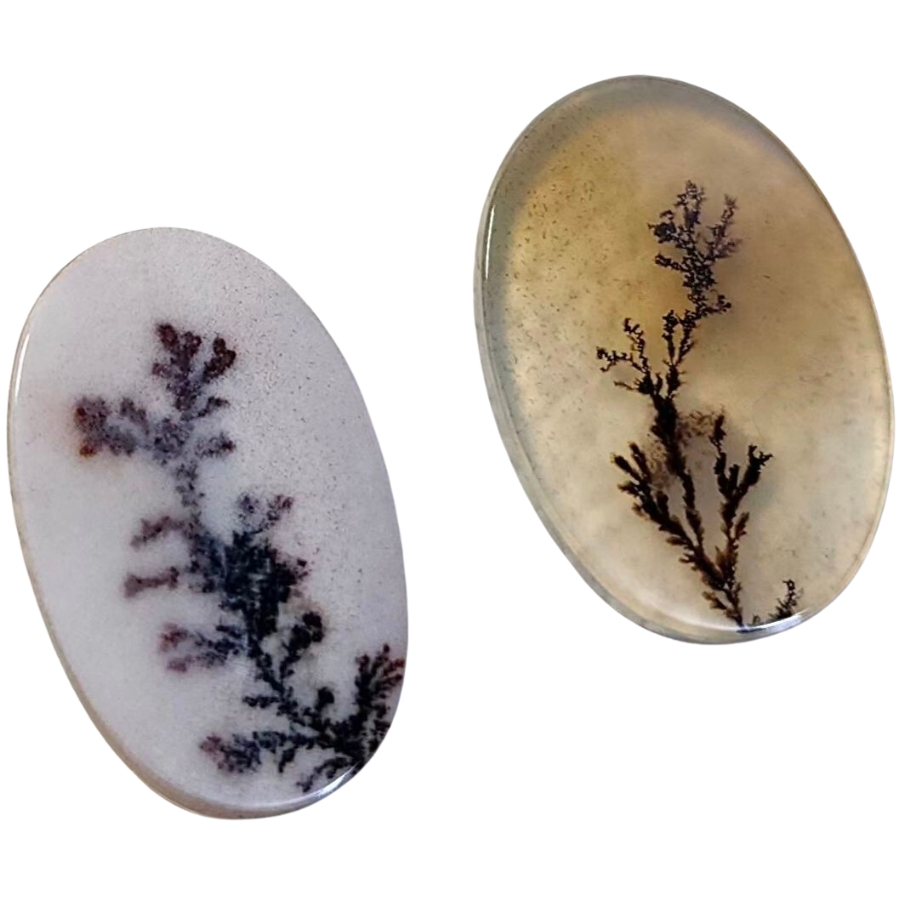
Dendritic agate is known for patterns that look like tiny trees or shrubs. Like moss agate, these patterns aren’t actual plants. They’re made of minerals, mostly manganese or iron oxides.
When you look at a dendritic agate, it’s like peering into a miniature forest or a frosty winter landscape.
The base of the stone is usually translucent to opaque, and the “dendrites”— those tree-like patterns— are often black or brown.
When it comes to how much dendritic agate is worth, it can vary. The more detailed and distinct the patterns are, the more it’s usually valued.
In some cultures, dendritic agate is believed to bring fullness and richness to life.
Crazy Lace Agate
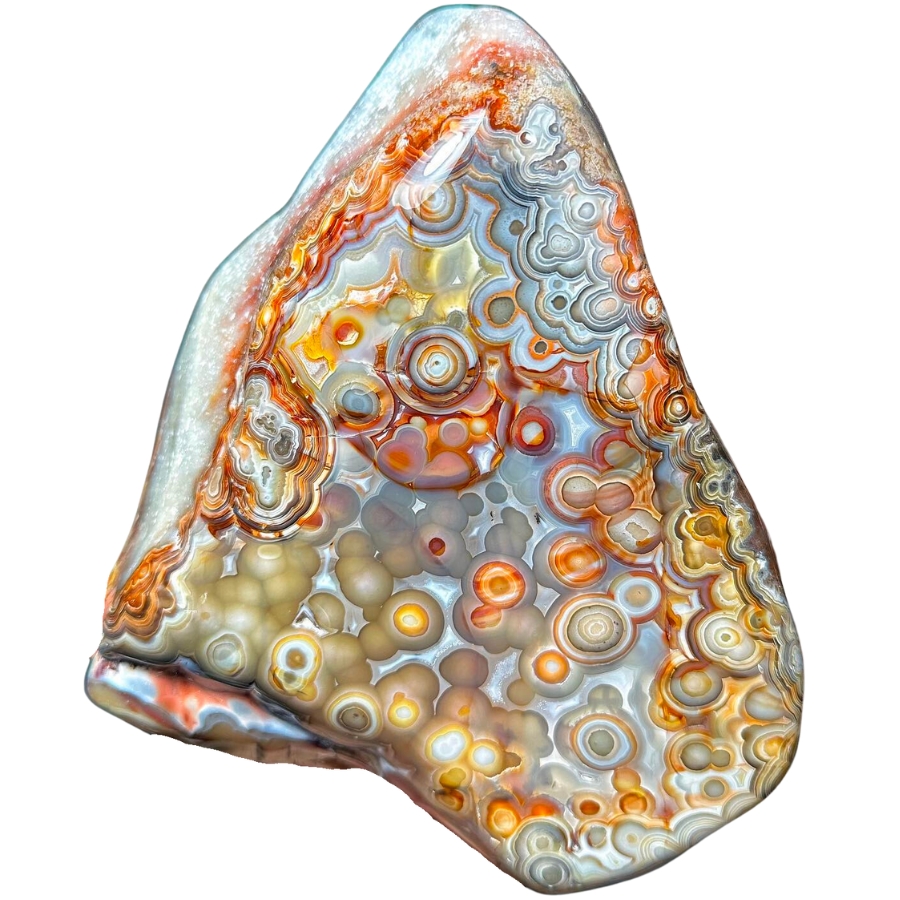
Crazy lace agate is like a party in a rock! It’s got swirls, circles, and all sorts of wild patterns dancing across it.
Its colors can be a mix of red, orange, yellow, and brown, and sometimes even a bit of gray or white.
What makes crazy lace agate stand out is its vibrant and complex patterns. No two pieces are the same. This distinctiveness is a big reason why it’s so valued.
Despite its wild and ‘crazy’ appearance, it’s sometimes called the “Laughter Stone” or “Happy Lace” because of the joy and positive vibes it’s believed to bring.
Laguna Agate
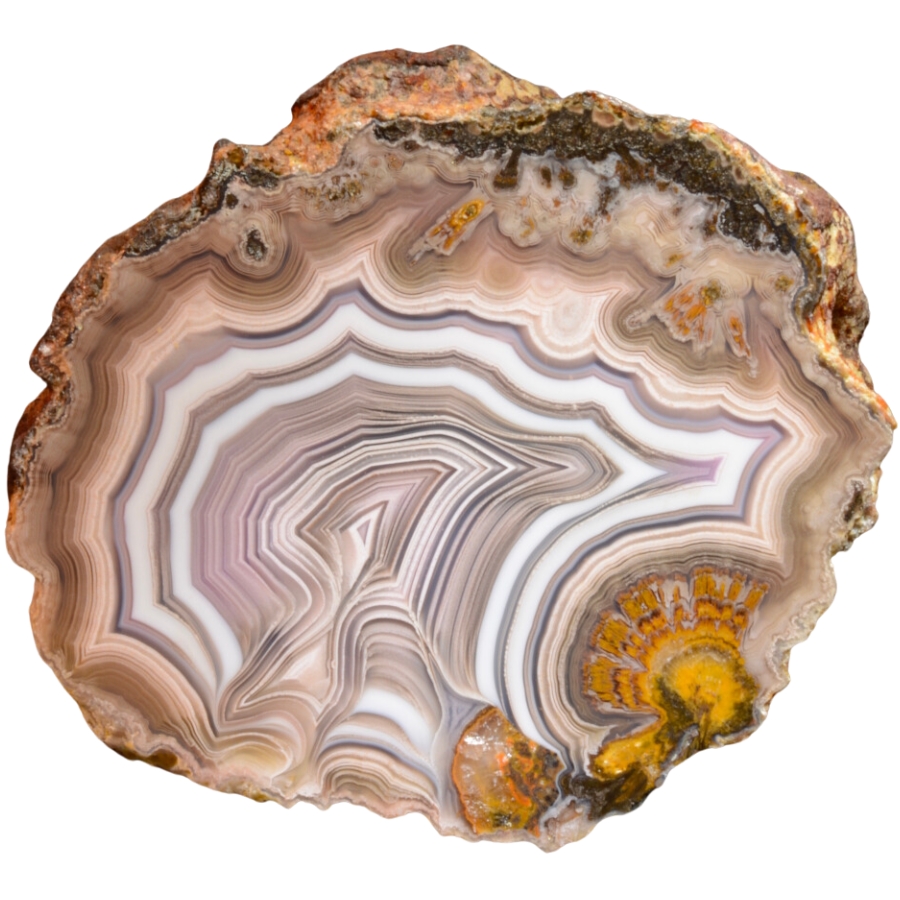
Laguna agate has incredibly sharp and fine banding. It has layers of red, orange, pink, yellow, and sometimes even purple and white all stacked in neat, tight bands.
These bands can form eye-catching patterns, like swirls, loops, and even landscapes.
The different colors of its bands come from various minerals present in the water at the time of its formation.
Laguna agate is considered one of the finest agates in the world due to its exceptional banding. This high regard among agate varieties makes it a prized possession for collectors.
Condor Agate
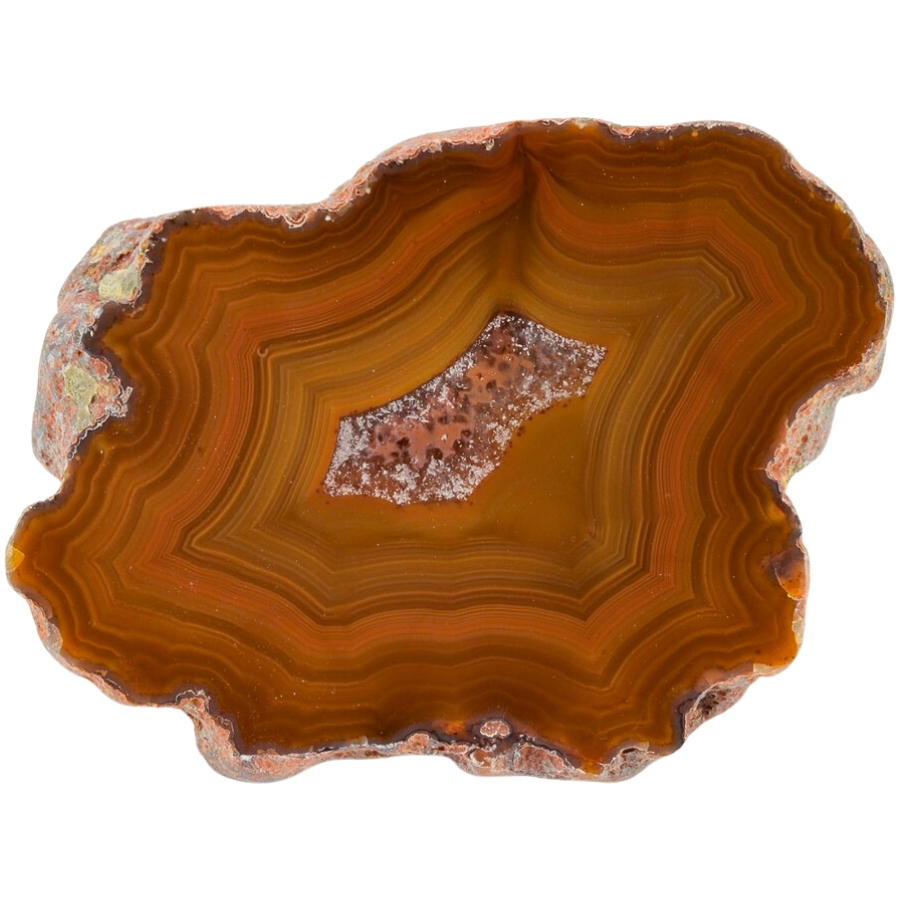
Condor agate is a real standout. It’s known for its bright, vivid colors and complex patterns.
It has reds, oranges, yellows, and sometimes even blues and greens all swirling together. These colors form in bands or in more random, artistic patterns.
The intensity and variety of its colors is what makes condor agate so special. It’s often used by artists and craftsmen who want to make a statement with their work.
Condor agate’s bold colors and patterns can turn a simple piece of jewelry or art into something really eye-catching.
Fortification Agate (Banded Agate)
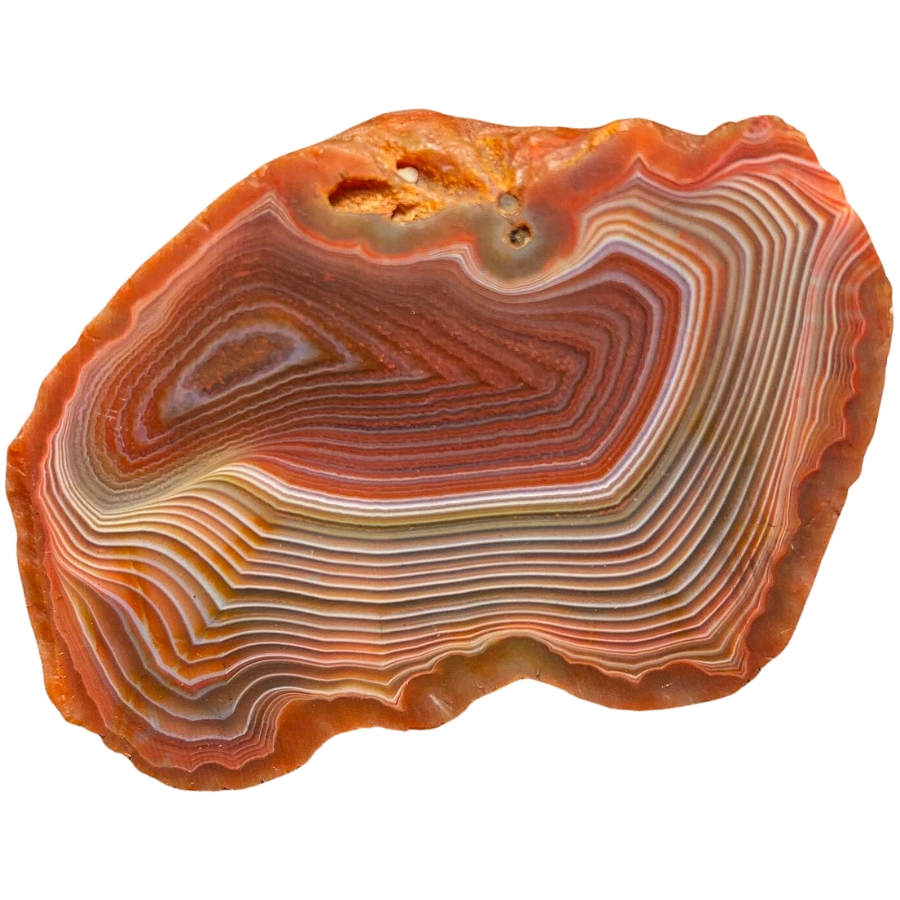
Fortification agate gets its name because the patterns inside it look like the aerial view of a fortified city.
Imagine seeing bands of color forming shapes that look like walls, with sharp angles and curves. They are usually in different colors, making each layer stand out.
If fortification agate is valuable, it’s because of its distinct patterns and colors. Its unique look makes it sought after for jewelry and as a collector’s item.
The clearer and more defined the patterns, the more valuable the stone can be. Some people also believe it can help with relaxation and calmness.
Iris Agate
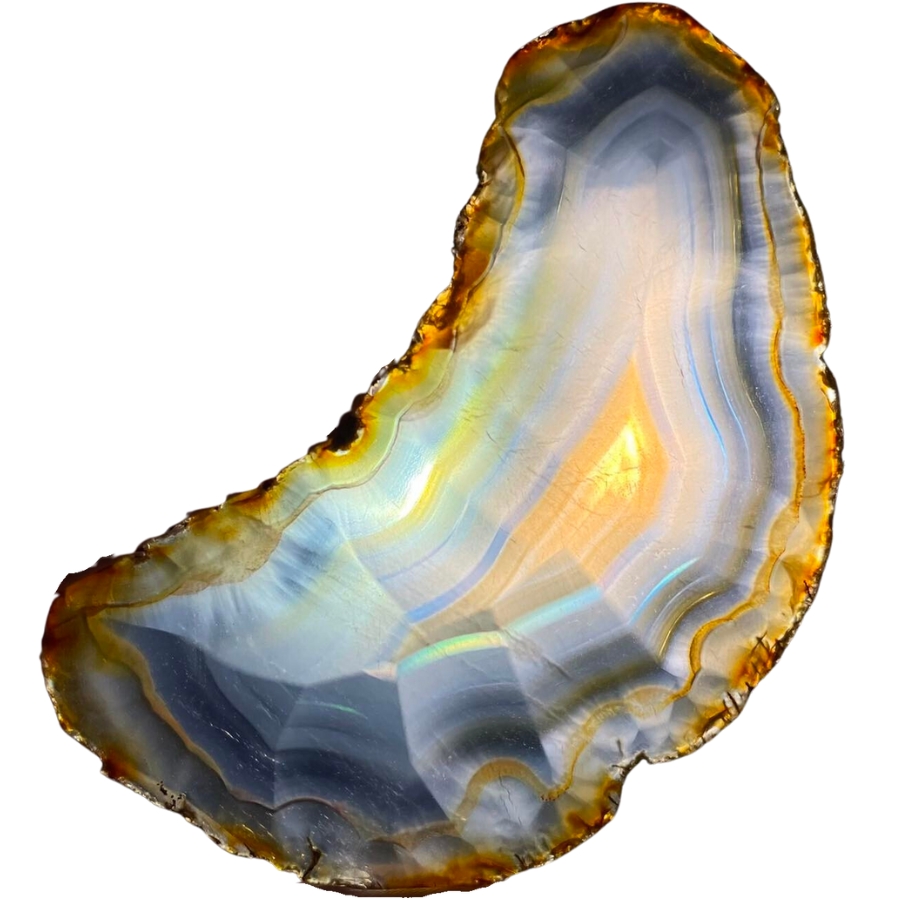
Iris agate looks like a regular agate at first, but when you hold it up to the light, something amazing happens. It shows all these rainbow colors, like light passing through a prism.
This is because it has very thin layers of silica, and when light hits these layers, it splits into all the colors of the rainbow.
The formation of iris agate is similar to other agates, but its layers are super thin, which is what creates the rainbow effect.
The value of iris agate comes from its unique ability to show these colors. In the past, people even used to think it had magical properties because of the way it showed colors. They saw it as a stone of good luck and wonder.
Plume Agate
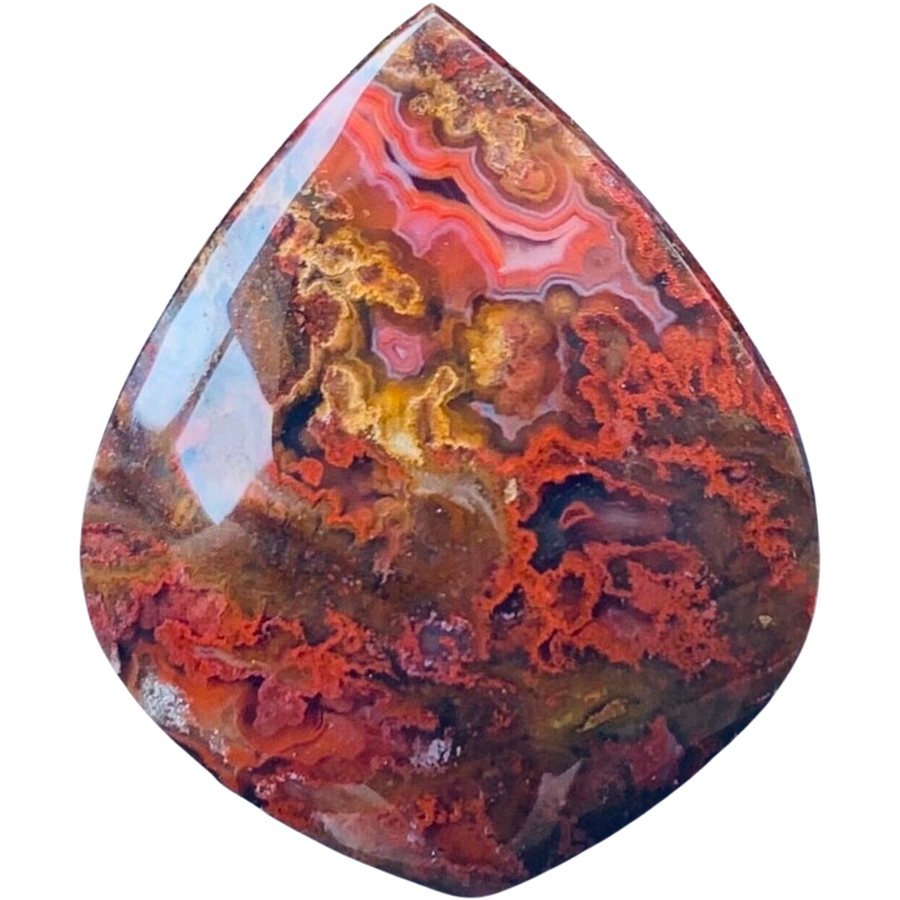
Plume agate gets its name from its patterns that look like soft, feathery plumes. These plumes can be in all sorts of colors: red, black, green, or yellow, set against a translucent or opaque background.
The way these plumes seem to float in the stone makes it look like a frozen underwater scene or like feathers caught in a breeze.
The plumes are made of minerals like manganese or iron oxide, which get trapped in the silica during the agate’s formation and create the feathery patterns.
The price of plume agate can vary depending on how clear and intricate the patterns are. The more detailed and colorful the plumes, the more the stone is usually worth.
Picture Agate (Scenic Agate)
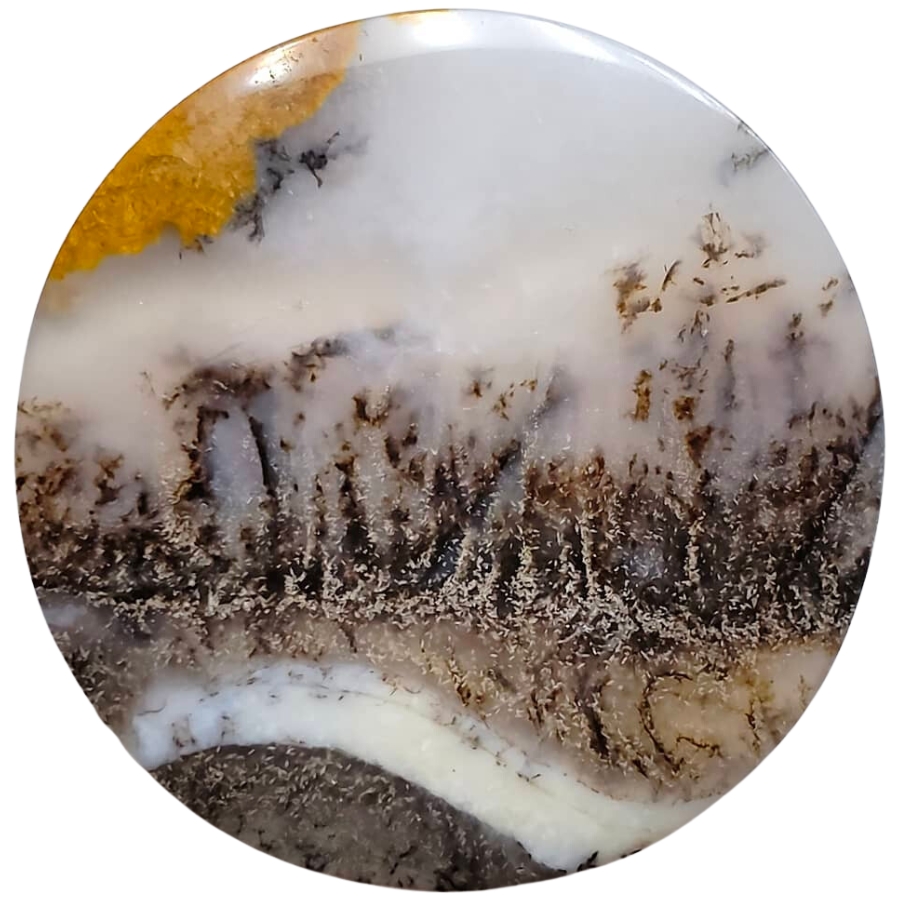
Picture agate is like a snapshot of nature captured in stone because it looks like it has pictures or scenes right inside it.
These “pictures” are actually natural patterns that resemble landscapes, mountains, trees, or even skies. They are usually in different shades of brown, white, and gray against a more translucent background.
The different patterns in picture agate or what’s also called scenic agate are made by various minerals in the water filled with silica that forms it.
If you’re thinking, “What is picture agate worth?“, its value comes from how distinct, clear, and detailed the natural “pictures” are.
Turritella Agate
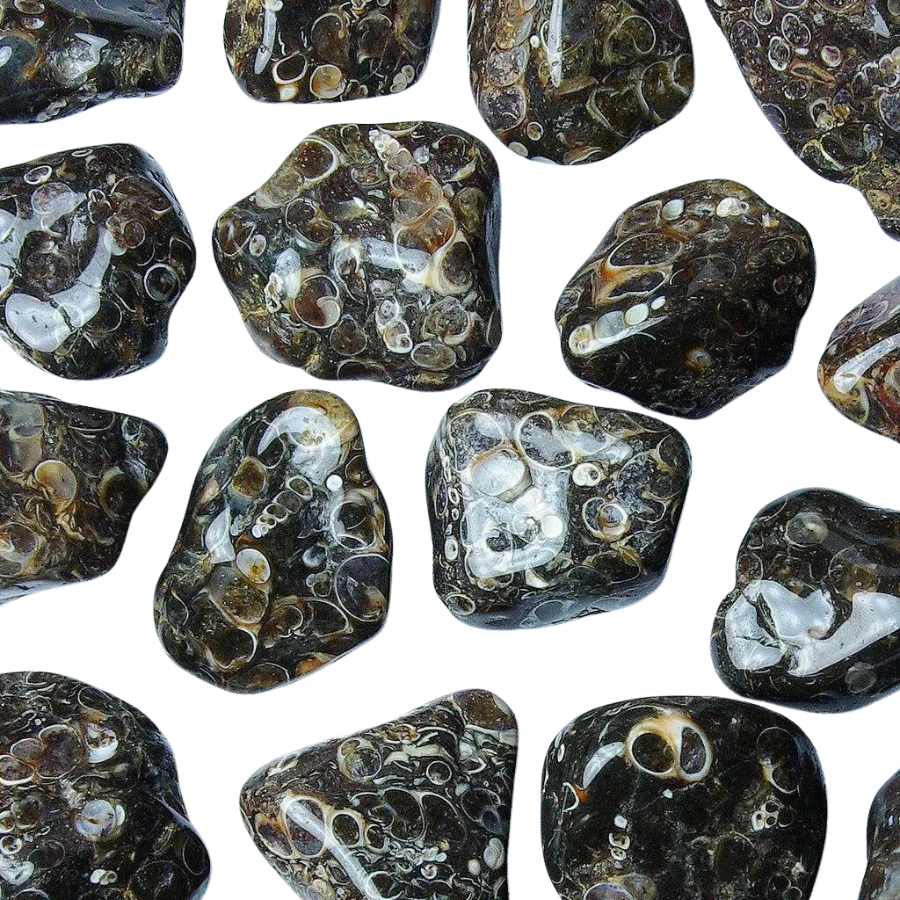
Turritella agate is not your typical agate because it’s full of fossilized snail shells! The shells belong to a creature called Turritella, a type of sea snail.
These shells are tightly packed and create a pattern that looks like a bunch of tiny, swirling towers. The background of the agate is usually a dark, earthy color, which makes the white or cream-colored snail shells really pop.
Over millions of years, these snail shells got buried in sediment and eventually became fossilized. As time went on, silica-rich water flowed through the sediment, turning it into the agate we see today.
The value of turritella agate comes from its unique blend of geology and history. More than a pretty stone, it’s a piece of ancient life preserved in rock.
Fairburn Agate
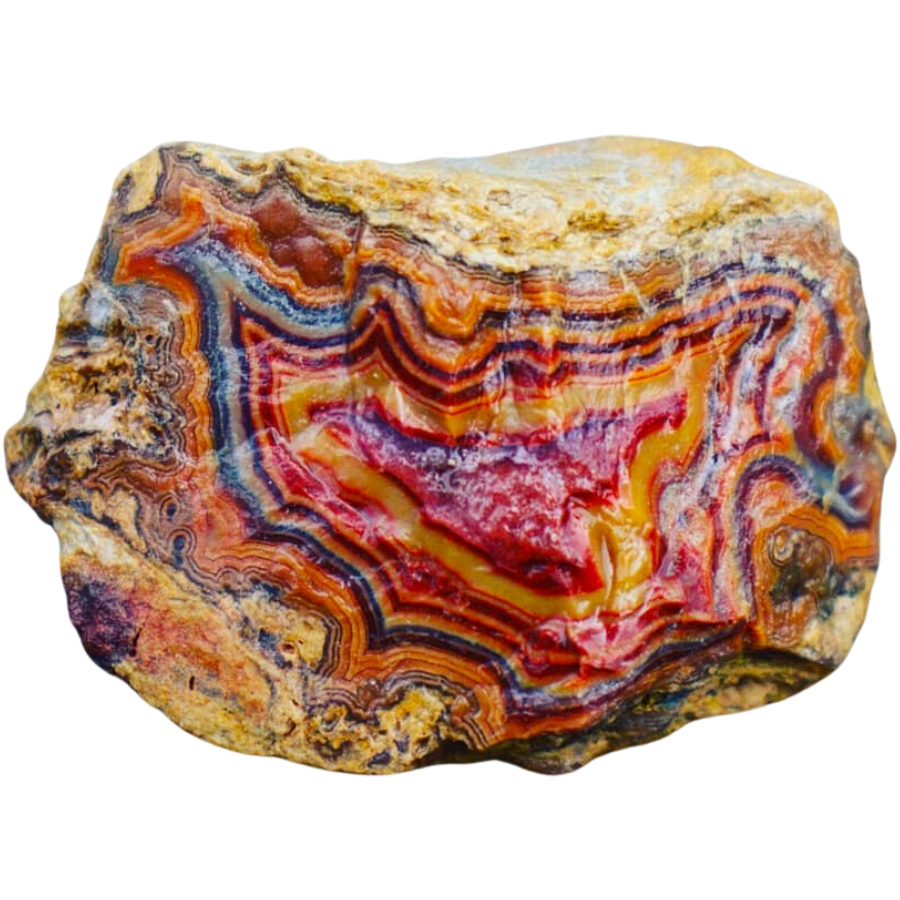
Known for its intricate patterns and bold colors, Fairburn agate is another fascinating type of agate. It usually has bands and swirls of different colors like red, yellow, orange, brown, and sometimes even pink or purple.
What’s special about these patterns is they often look like they’re in layers, creating a 3D effect. It’s like looking at a landscape made of stone.
It’s named after a place called Fairburn in South Dakota. This gives a clue about where it was first discovered.
People value Fairburn agate for the skill it takes to cut and polish it, which makes the patterns and colors really stand out.
Sagenite Agate
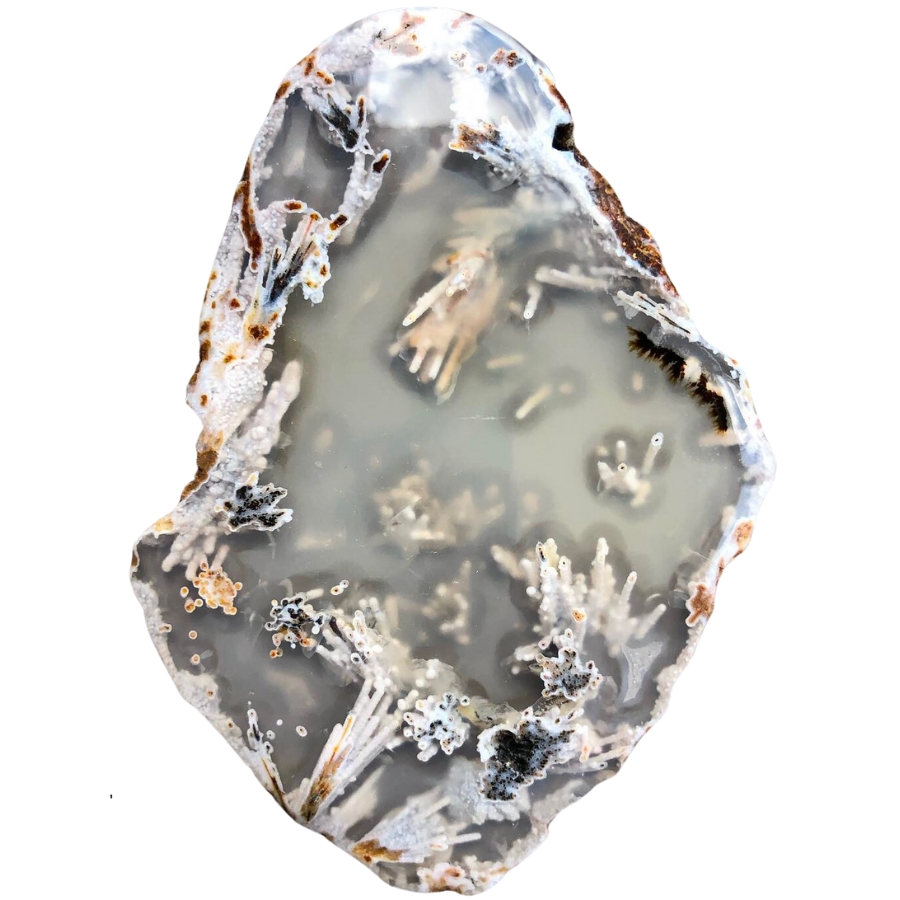
Sagenite agate has needle-like inclusions that look like tiny sprays of crystals inside it. They can be gold, silver, black, or even green, and they spread out in all directions, creating an amazing pattern.
The base of the agate is usually translucent, which lets you see these intricate needle patterns clearly.
These patterns are actually other minerals, like rutile or goethite, that get trapped inside the forming agate. These minerals grow in a crystal shape, looking like needles or hair.
Sagenite agate is often used in jewelry and other decorative items, with some people thinking that its needle patterns look like fireworks or starbursts.
Tree Agate
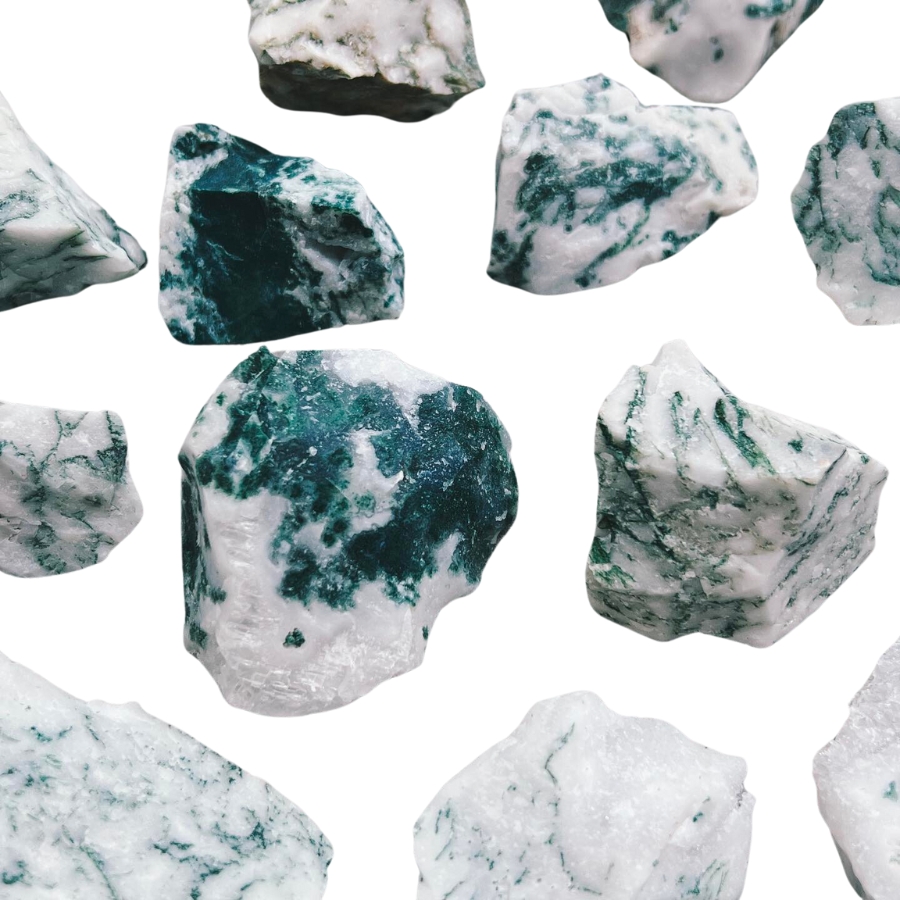
Tree agate, as its name suggests, looks like it’s got tiny trees or branches inside it. These tree-like patterns are usually green and spread out against a white or light gray background.
The green patterns aren’t actual trees, though. They’re made of minerals like chlorite or manganese.
Each piece of tree agate is different. You won’t find two that are exactly the same. It’s valued for its looks and it’s often used in jewelry and decorations.
The key factors in our recommendations are:
- The deep experience and understanding of our team about the area
- Recommendations from local groups and clubs
- How easy it is to get the a particular location
- Safety and potential hazards when collecting
- Weighing private and public locations
- The ability for both experienced and novice agate enthusiasts to find great samples
With these factors in mind we’ve been able to put together a fantastic list that just about anyone can use!

Kids. Beginners. Pros. Doesn’t matter. This book has become the go-to because it works for everyone.
Magy put it bluntly: “Identify rocks, crystals and minerals is so easy now!”
That’s not by accident, the photos are crisp, the callouts are simple, and the design is rugged enough to throw in a backpack without worrying. Whether it’s your first geode or your hundredth, this guide keeps the fun part simple: finding more treasures.
The Best Spots To Find Agates in New Jersey
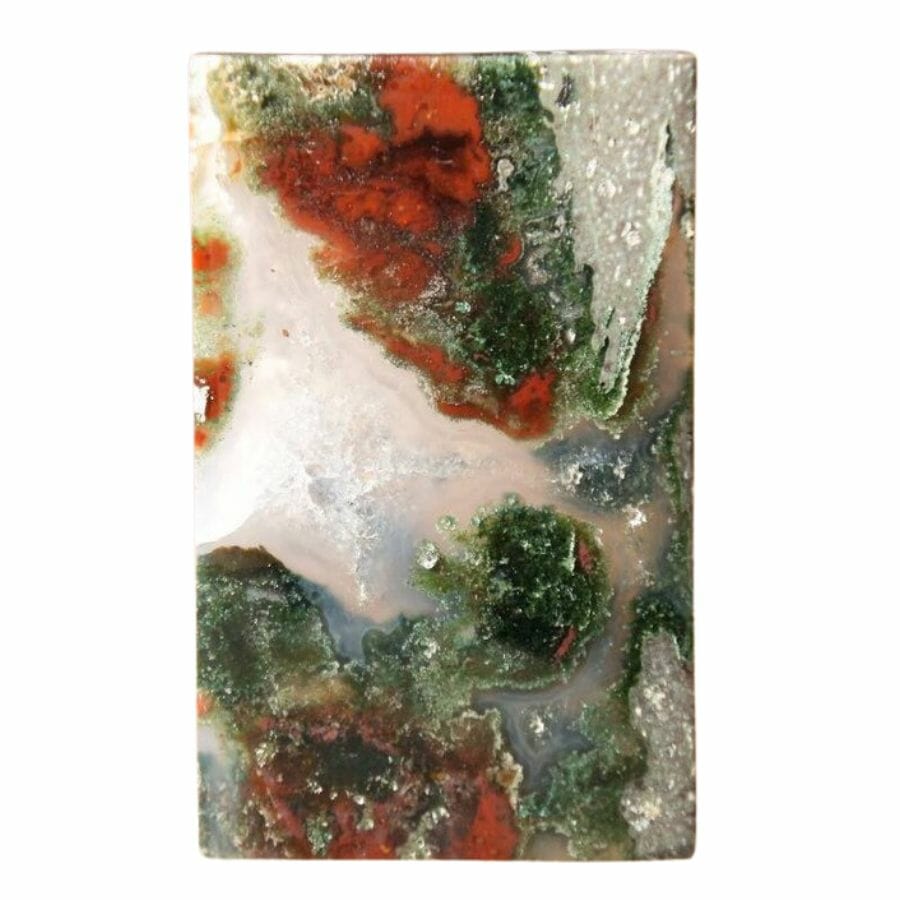
While agates are truly a sight to behold, tracking them down can be a bit challenging. Searching in random spots and hoping for the best definitely isn’t the best strategy. To find agate, it’s essential to have the right knowledge and guidance.
With the right tips and tricks up your sleeve, the hunt for agate becomes an exciting journey with rewarding finds. Knowing the best places to look for agates can make all the difference.
Burlington County
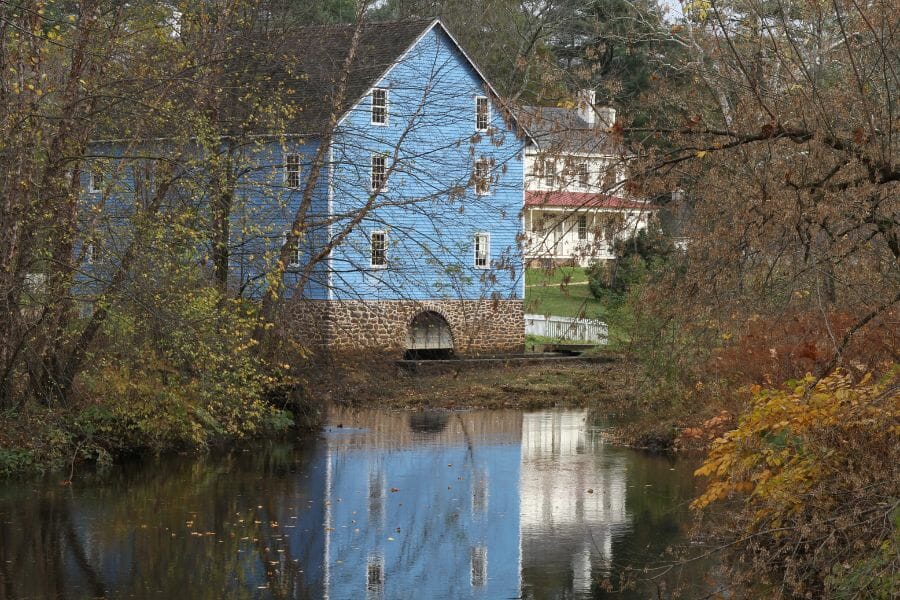
Burlington County is one of the largest counties by area in the state. It boasts a mix of various landscapes that offer a blend of both rural and suburban vibes.
The geography is quite diverse, from flat plains and fertile farmlands to gentle rolling hills.
This variety in terrain provides a rich ground for geology enthusiasts. There are deposits of clay, sand, and gravel, shaped over time by the natural processes of erosion and sedimentation.
Additionally, the county is a playground of geological wonders waiting to be explored. The county’s history of mining also points to a wealth of minerals beneath its surface.
Before setting out, always consult the New Jersey Department of Environmental Protection‘s guidelines for rock and mineral collecting. This ensures that everyone can enjoy the hobby while preserving the state’s natural beauty and resources.
Where we found agates in Burlington County
Clear and banded agates often show up in the county’s various agate beds. Spots near the Delaware River, particularly in its sands and gravels, have proven fruitful for agate hunters.
So, for those eager to add to their collections, these river-adjacent areas in Burlington County are worth a visit!
Bergen County

Bergen County boasts a diverse landscape that is both appealing to the eye and intriguing for geology buffs. It’s nestled between the Hudson River on the east and the Ramapo Mountains to the west.
This combination of river valleys and mountainous regions offers a unique blend of terrains. The mountains, in particular, tell tales of geological events from times past, showcasing rock formations that have been shaped and molded over eons.
The county’s hills and riverbeds are promising sites to explore and uncover geological treasures. Sandstone and shale, both results of sedimentary processes, are commonly found here.
Where we found agates in Bergen County
Agates in Bergen County often show up in the area’s basalt and diabase outcrops. For those looking to hunt for agates, focusing on spots exposed in road cuts, railroad tunnels, and building excavations can prove fruitful.
Camden County

Camden County offers a unique blend of landscapes that make it a gem for geology lovers. Positioned between the Delaware River and the Atlantic Coastal Plain, its geography is a mix of river valleys and flatlands.
The terrain showcases layers of sedimentary rocks, including sand, silt, and clay, which have settled over time. This history has created intriguing rock formations and mineral deposits.
For those curious about how to find agate, the county’s riverbanks and exposed outcrops can be promising hunting grounds.
The combination of geological processes and the county’s location has made it a hotspot for various minerals and stones, including agates.
Where we found agates in Camden County
Clear and banded agates can frequently be found in the sands and gravels across the county, especially those near the Delaware River. For enthusiasts on the hunt for agates, focusing on these river-adjacent areas can yield exciting discoveries.
The Palisades
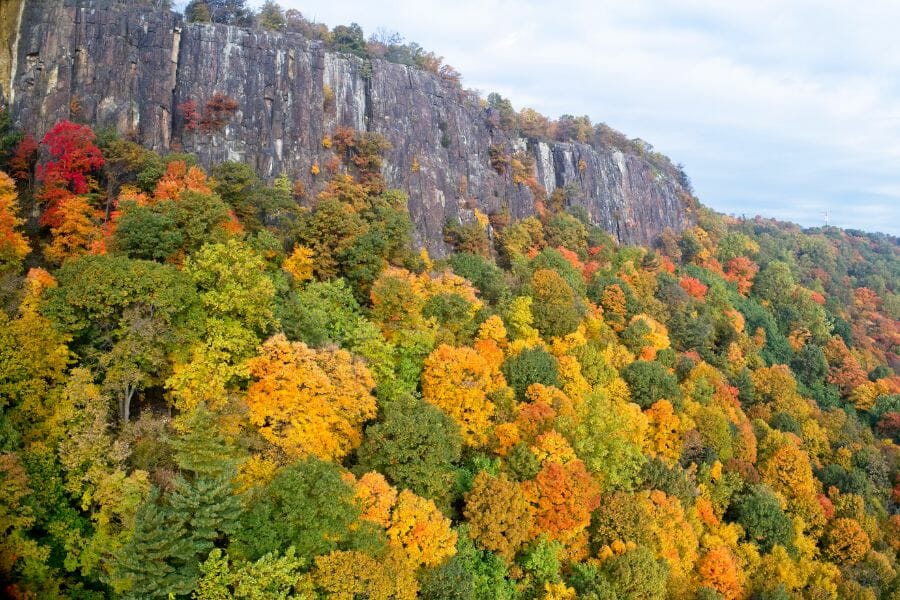
The Palisades are a line of steep cliffs along the western side of the Hudson River. These cliffs rise majestically, showcasing the area’s unique geology.
Formed from cooled lava, the diabase rock stands tall, offering a visual representation of Earth’s dynamic processes from long ago.
Over time, the erosion of these rocks has revealed different layers, some of which hint at where to mine for agate.
The terrain at the Palisades is rugged and rocky, with elevations that offer breathtaking views of the surrounding landscapes.
The distinct layers and mineral inclusions found here are a testament to the geological history that the area has witnessed.
Where we found agates in the Palisades
Agates can often be found within cavities of the rocky terrain of the Palisades. Additionally, they can be spotted amidst the debris scattered around the area.
Warren Township
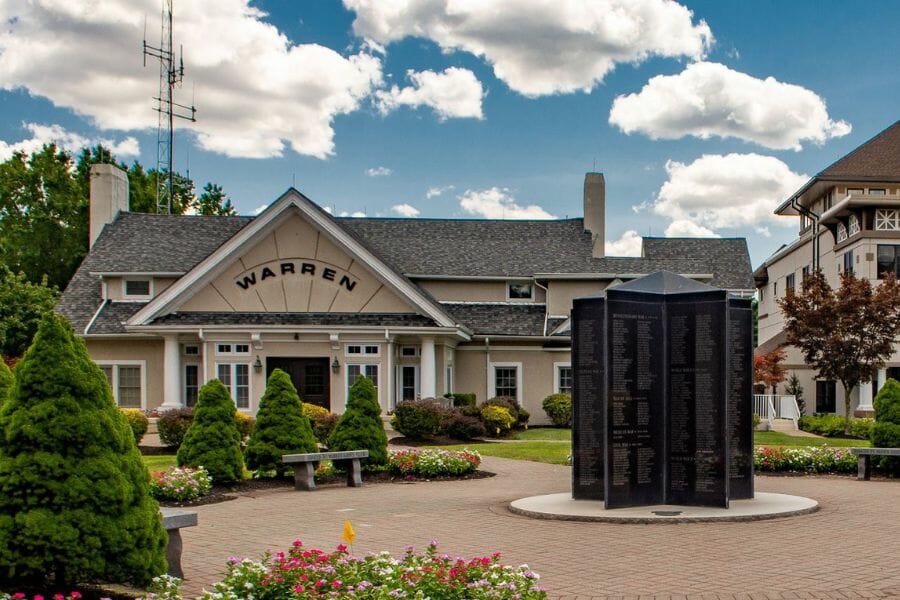
Warren is a unique blend of scenic landscapes and geological wonders. Nestled between rolling hills and flat plains, its geography offers a variety of terrains that attract many nature lovers and rock enthusiasts.
Over the years, erosion and other natural processes have exposed fascinating rock formations and mineral deposits in this area. One such gem, the New Jersey agate, is known to be found here, making the township a hotspot for rockhounds.
The region’s geology tells tales of times gone by, with sedimentary, igneous, and metamorphic rocks showcasing Earth’s dynamic processes. Layers upon layers of rock types provide insights into the events that shaped the land.
Where we found agates in Warren Township
Carnelian Creek is a known spot in Warren where both banded agate and moss agate have been discovered. So, for those looking to add to their collections, exploring the banks and surrounding areas of Carnelian Creek is a promising start.
Other Great Places To Find Agates in New Jersey
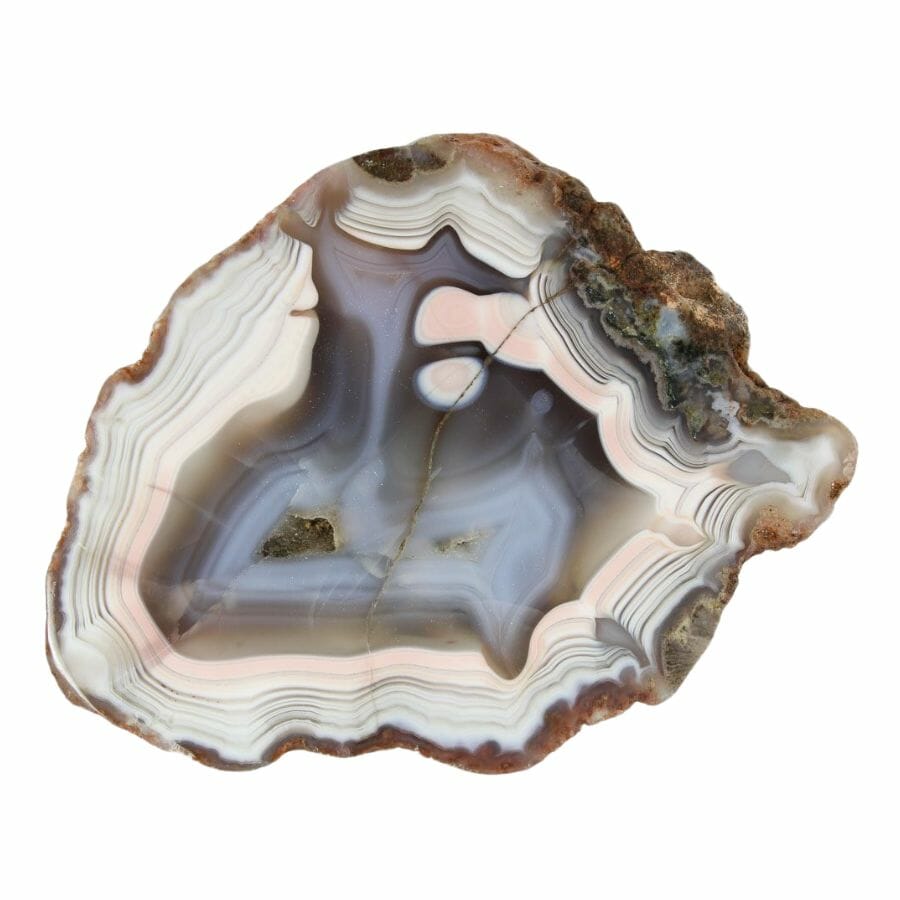
From riverbanks to quarries, New Jersey offers plenty of opportunities for agate hunting. Let’s dive into a list of top areas in the state to find these captivating gems.
Our recommendations by county
| County | Location |
| Essex County | Houdaille Construction Materials Quarry |
| Hudson County | Bergen Hill; railroad cuts, tunnels, and quarries Edgewater to Bergen Point along the Hudson River |
| Hudson County | Snake Hill |
| Hudson County | Edgewater, Gutenberg, Bayonne |
| Hudson County | Area basalt exposures and cavities in Hoboken |
| Hudson County | Schuyler Mine |
| Passaic County | Area quarries in Haledon and North Haledon |
| Passaic County | Braen’s Quarry |
| Passaic County | Upper Montclair Quarry |
| Passaic County | West Paterson Quarries |
| Passaic County | Prospect Park |
| Passaic County | Pompton Lakes |
| Passaic County | Great Notch |
| Somerset County | Barnardsville area quarries |
| Somerset County | Kingston Trap Rock Co. Quarry |
| Somerset County | Dock Watch Quarry |
| Somerset County | Somerville area quarries |
| Somerset County | 3M Quarry in Belle Mead |
| Somerset County | Bound Brook |
| Union County | Watchung Mountain area quarries |
| Union County | Plainfield area quarries |
| Union County | Scoth Plains area quarries |
| Union County | Traprock quarries and exposures |
| Union County | Houdaille Quarry |
Additional areas you can find agates
New Jersey boasts a variety of terrains that are prime spots for rock enthusiasts. From the shifting sands of its coastal regions to the rocky outcrops in its inland areas, the state offers a diverse backdrop for stone hunting.
Rivers and streams
As water flows, it moves and polishes stones, including agates. These stones often rest along riverbeds or get caught in small pockets on the stream’s banks.
Over time, erosion uncovers these hidden treasures, making river and stream areas perfect spots for rockhounds to explore and find beautiful agate specimens.
Beaches
Beaches are exciting spots for agate enthusiasts. Every winter, as bluffs naturally erode, they release agates which then make their way onto the sandy shores. Agates get tumbled by waves, giving them a polished appearance.
For those on the hunt for these gems, walking along the beach, especially after a storm, can yield beautiful finds.
Gravel deposits
Gravel deposits, formed by the natural accumulation of small rocks and pebbles, often hide gems like agates. As water and time move and shape the stones, agates get mixed in with other gravel pieces.
By searching through these deposits, you can uncover agates with their unique bands and colors, making gravel beds an exciting place for discovery.
Road cuts
Road cuts, created during road construction, expose layers of the Earth that were previously hidden. These freshly exposed areas can be a treasure trove for rockhounds.
As machinery cuts through hills and rock formations, it often reveals New Jersey agate among other rocks.
Common Agate-Hunting Questions
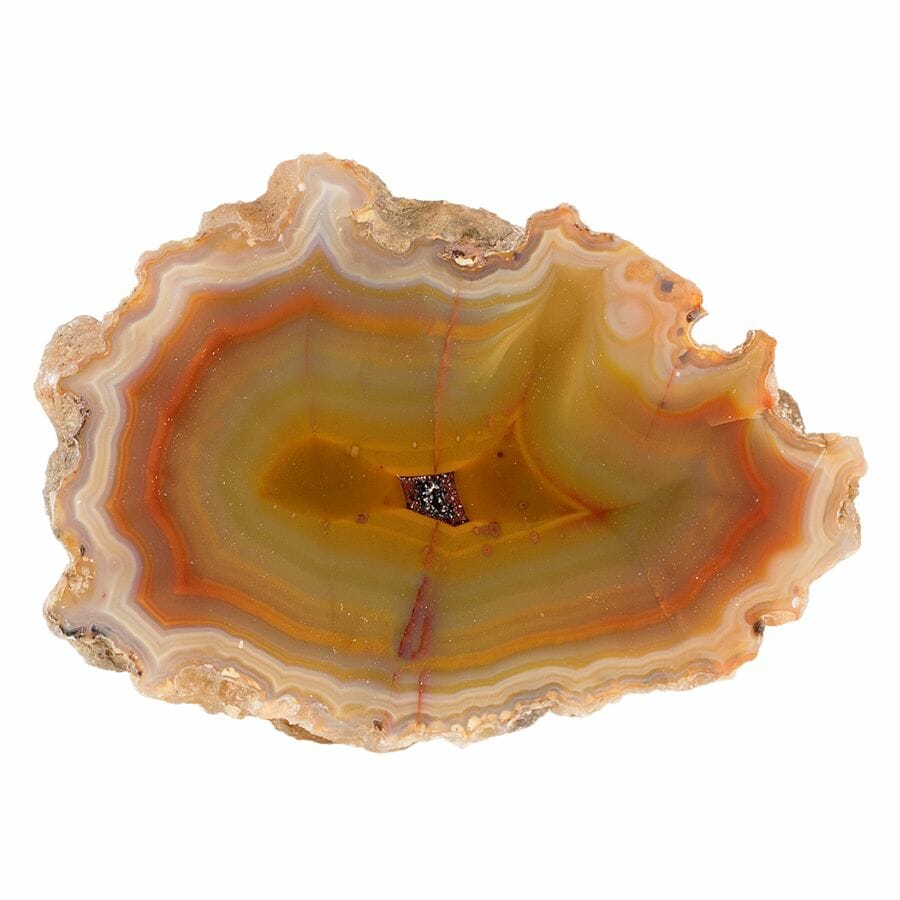
Many people are eager to learn about the formation, locations, and the best ways to identify agates. Dive into the fascinating world of these gemstones and discover the answers to the most common questions.
Is it illegal to collect agate in New Jersey?
In New Jersey, the rules surrounding rock and mineral collecting, including agates, depend on where you are and who owns the land.
Generally, collecting for personal use on public lands is allowed, but there are restrictions in certain areas like state parks, nature reserves, and historical sites. Always ensure you have the necessary permissions or permits before collecting.
If you’re on private land, you absolutely need the landowner’s permission. Without it, removing agates or any other minerals is considered theft.
If you’re curious about how to find agate without breaking any rules, consider joining a local rockhounding club. These groups often organize field trips and can provide guidance on the best and legal places to search.
The Best Places To Buy Agates In New Jersey
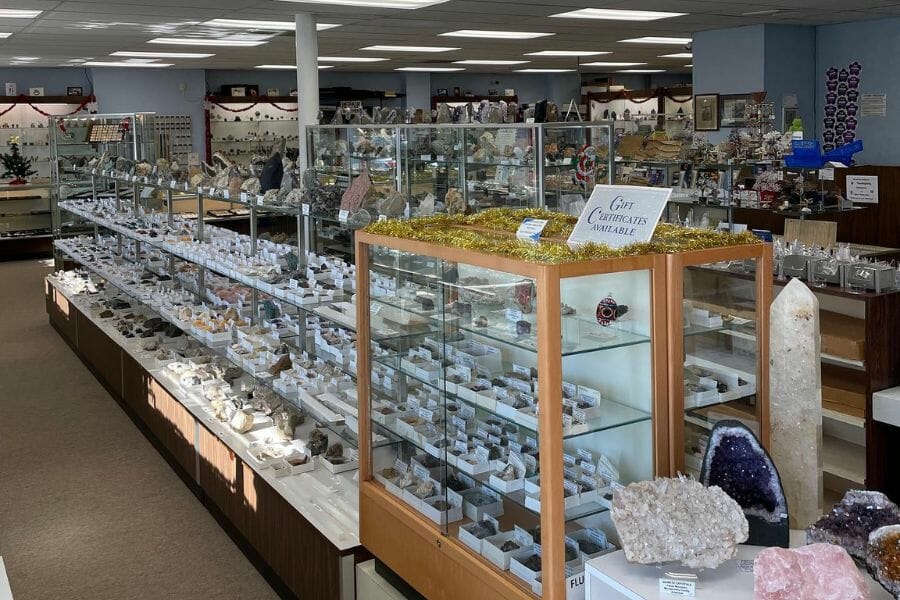
Whether you’re a seasoned rockhound or just starting your collection, there are several reputable places across the state to buy these beautiful stones. Here is a list of top spots where you can find high-quality agates for sale.
- Rocky’s Crystals & Minerals – 559 Bloomfield Ave, Montclair, NJ 07042
- Gary’s Gem Garden – 3119 NJ-38, Mt Laurel Township, NJ 08054
- The Rock Shop – 4403 Black Horse Pike, Mays Landing, NJ 08330
- Freedom Rocks – 550 Cookman Ave #106, Asbury Park, NJ 07712
- The Rock Box – 4 Elm St, Morristown, NJ 07960
If you have any recommendations for our list please leave a comment below!