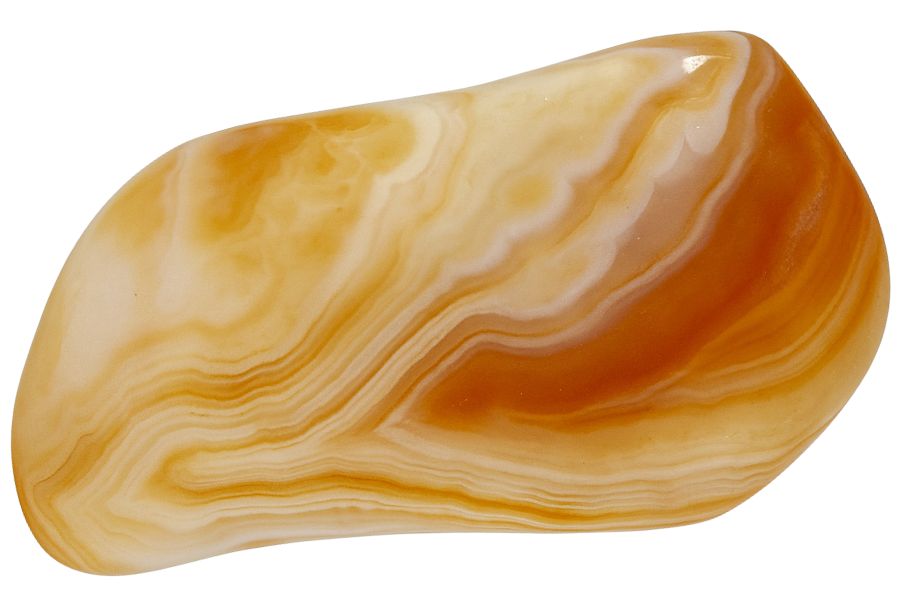
Knowing where to look makes all the difference when it comes to finding Maine agates. The state’s unique mix of volcanic rock and glacial history created small but rich areas where these stones are concentrated.
Wandering aimlessly might feel adventurous, but it usually means walking past the good spots. A little research turns the search from random guessing into something closer to a treasure hunt with clues.
The trick is learning which kinds of terrain tend to hold agates and why those places formed in the first place. When you focus on the right regions, every stone you pick up starts to tell a bigger story about the land.
A bit of solid guidance can save hours of frustration and lead to real results. With the right direction, you’ll end up with a collection of Maine agates that feels earned rather than lucky.
What Maine Agate Is
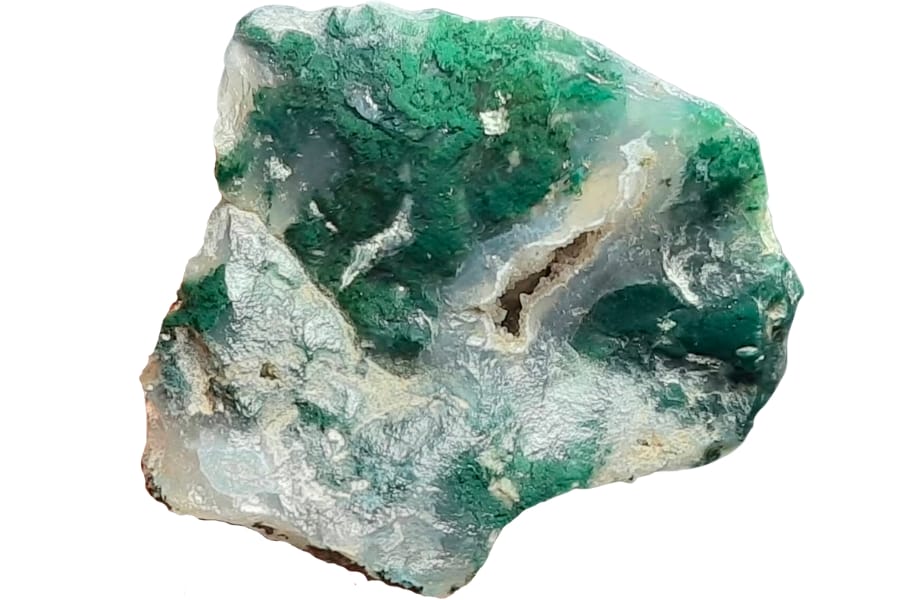
Agates are a type of chalcedony, which is a variety of quartz. What sets them apart are their striking bands and vibrant colors. These bands form as the mineral-rich solutions flow into cavities within rocks, layering them over time.
Its mesmerizing display of intricate patterns and hues is among the reasons for agate’s price and value in the market.
Another reason for its price is its availability. While they can be discovered in various places around the world, they’re most commonly found in areas with volcanic or metamorphic rocks.
In Maine, agates naturally occur, although they can be quite difficult to find because they are not common. But that’s why we’re here! Just keep in mind that patience and a keen eye are essential to finding agates in Maine.
Before we discuss each of the great agate-bearing sites here, let’s go through some of the most unique types of agates out there:
Moss Agate
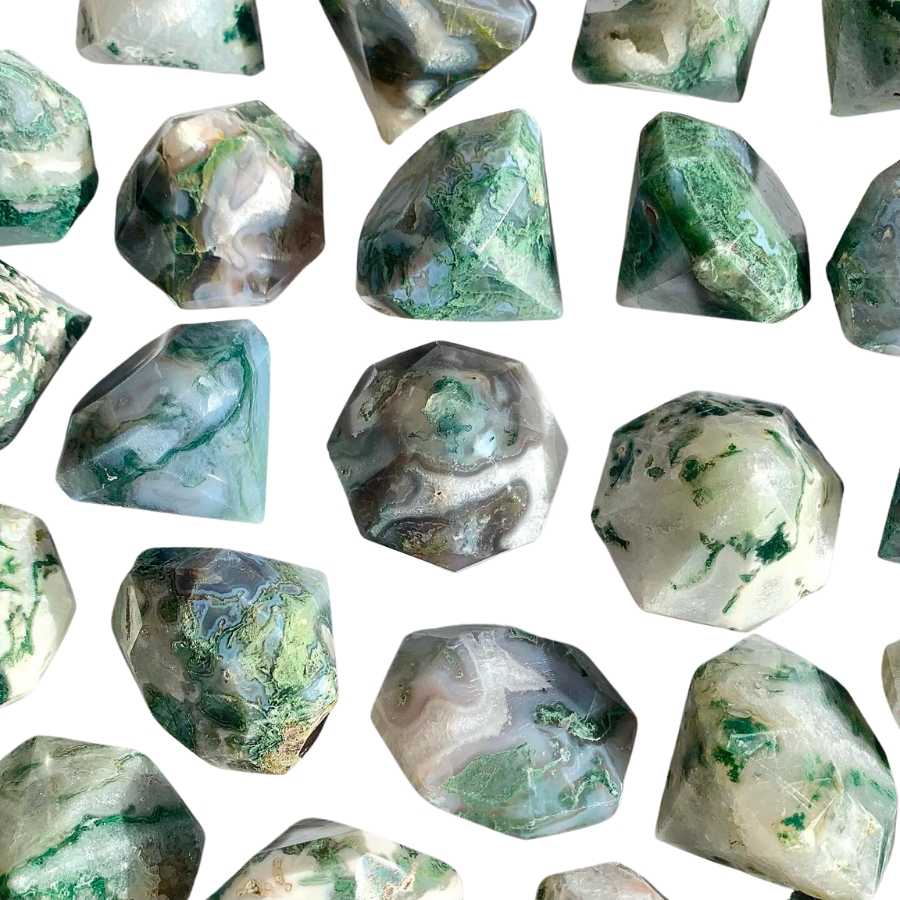
Instead of having the typical banding for which the different types of agates are known, moss agate has green inclusions that look like moss or trees.
These green patterns aren’t real plant material, though. They’re minerals like chlorite or iron oxide.
In some cultures, this type of agate is known as the “gardener’s stone” because of its green, plant-like appearance. It’s believed to help plants grow.
The price of moss agate can vary. It’s often quite affordable, but the more distinct and picturesque the green patterns, the more it might cost.
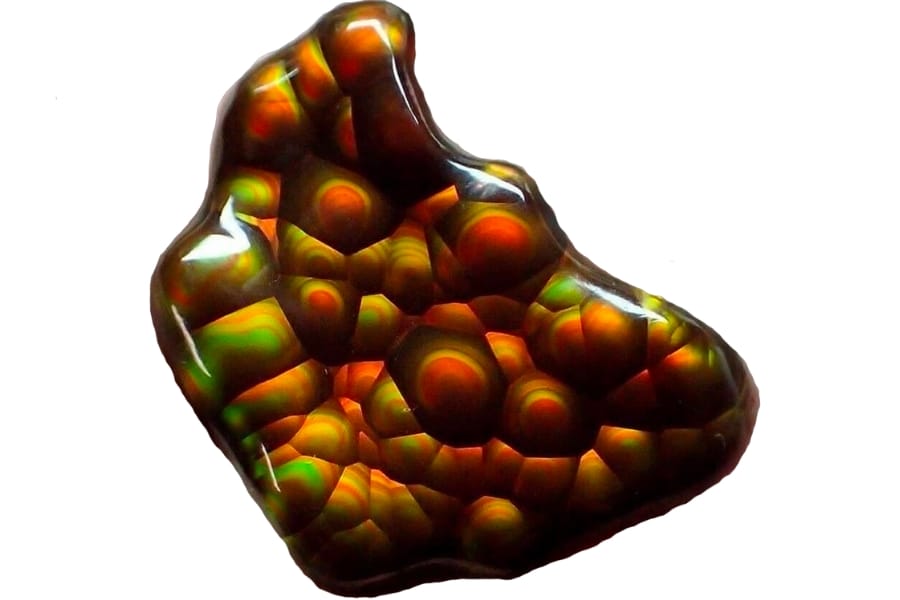
Fire Agate
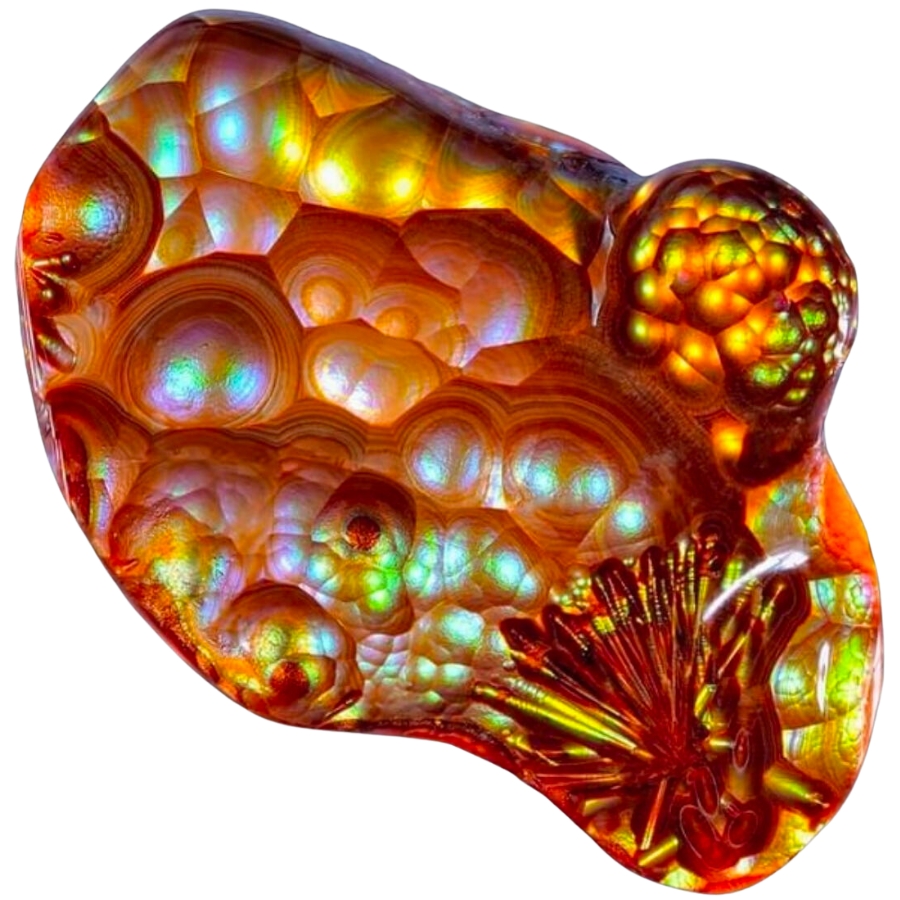
Fire agate is known for its incredible colors and the way it sparkles like fire. It’s got layers of silica and iron oxide that reflect light, creating a fiery effect.
When you look at fire agate, it’s like seeing flames trapped inside. Its colors can range from reds and oranges to greens and golds, all shimmering under the surface.
You might be wondering, “What is fire agate worth?” Well, its value comes from its rare beauty. The more color and sparkle, the more valuable the stone is.
Its fiery iridescence and lively play of color are used in jewelry pieces that are meant to stand out.
Dendritic Agate
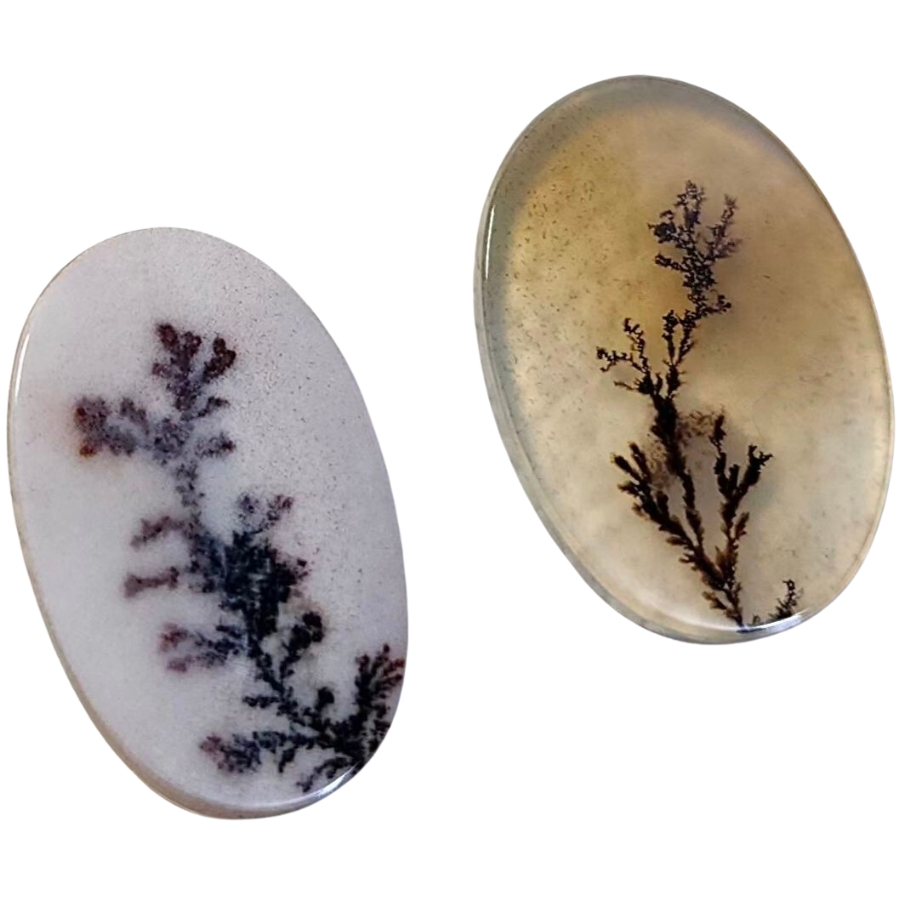
Dendritic agate is known for patterns that look like tiny trees or shrubs. Like moss agate, these patterns aren’t actual plants. They’re made of minerals, mostly manganese or iron oxides.
When you look at a dendritic agate, it’s like peering into a miniature forest or a frosty winter landscape.
The base of the stone is usually translucent to opaque, and the “dendrites”— those tree-like patterns— are often black or brown.
When it comes to how much dendritic agate is worth, it can vary. The more detailed and distinct the patterns are, the more it’s usually valued.
In some cultures, dendritic agate is believed to bring fullness and richness to life.
Crazy Lace Agate
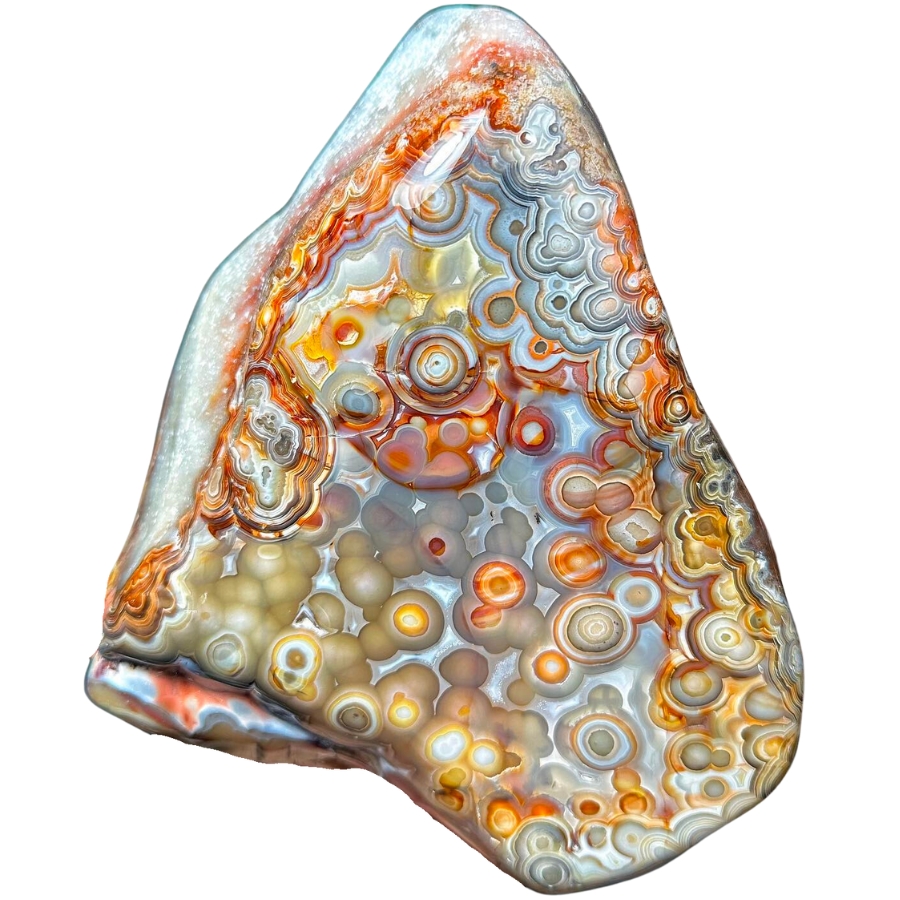
Crazy lace agate is like a party in a rock! It’s got swirls, circles, and all sorts of wild patterns dancing across it.
Its colors can be a mix of red, orange, yellow, and brown, and sometimes even a bit of gray or white.
What makes crazy lace agate stand out is its vibrant and complex patterns. No two pieces are the same. This distinctiveness is a big reason why it’s so valued.
Despite its wild and ‘crazy’ appearance, it’s sometimes called the “Laughter Stone” or “Happy Lace” because of the joy and positive vibes it’s believed to bring.
Laguna Agate
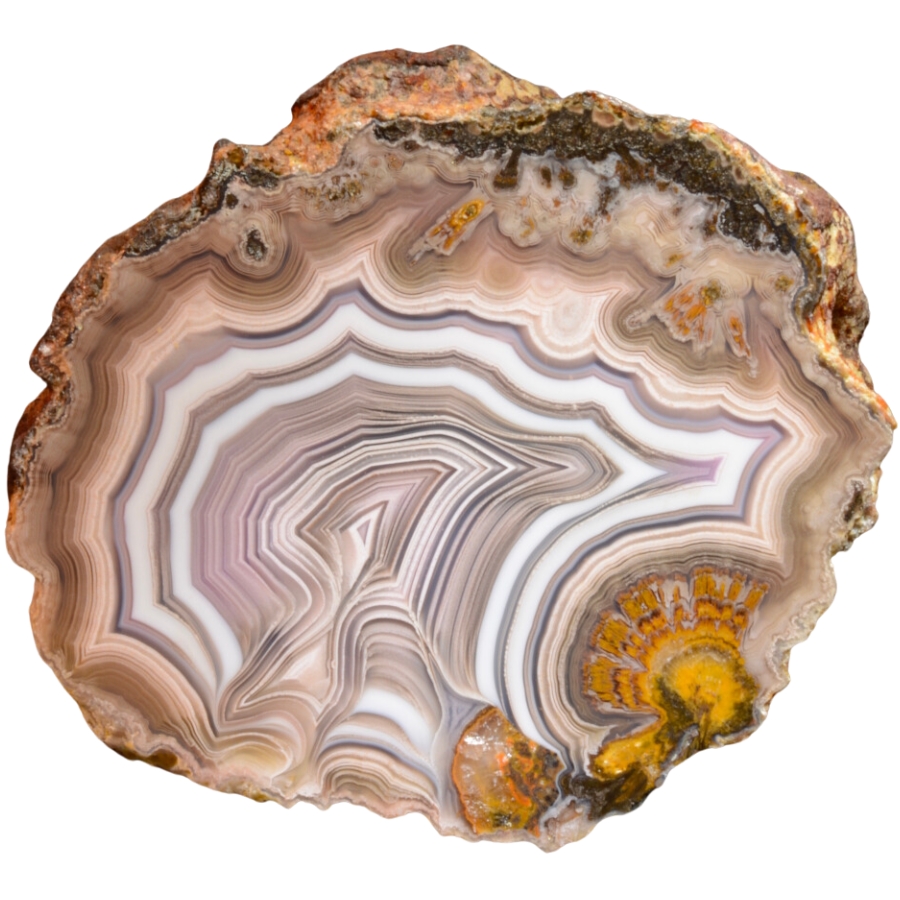
Laguna agate has incredibly sharp and fine banding. It has layers of red, orange, pink, yellow, and sometimes even purple and white all stacked in neat, tight bands.
These bands can form eye-catching patterns, like swirls, loops, and even landscapes.
The different colors of its bands come from various minerals present in the water at the time of its formation.
Laguna agate is considered one of the finest agates in the world due to its exceptional banding. This high regard among agate varieties makes it a prized possession for collectors.
Condor Agate
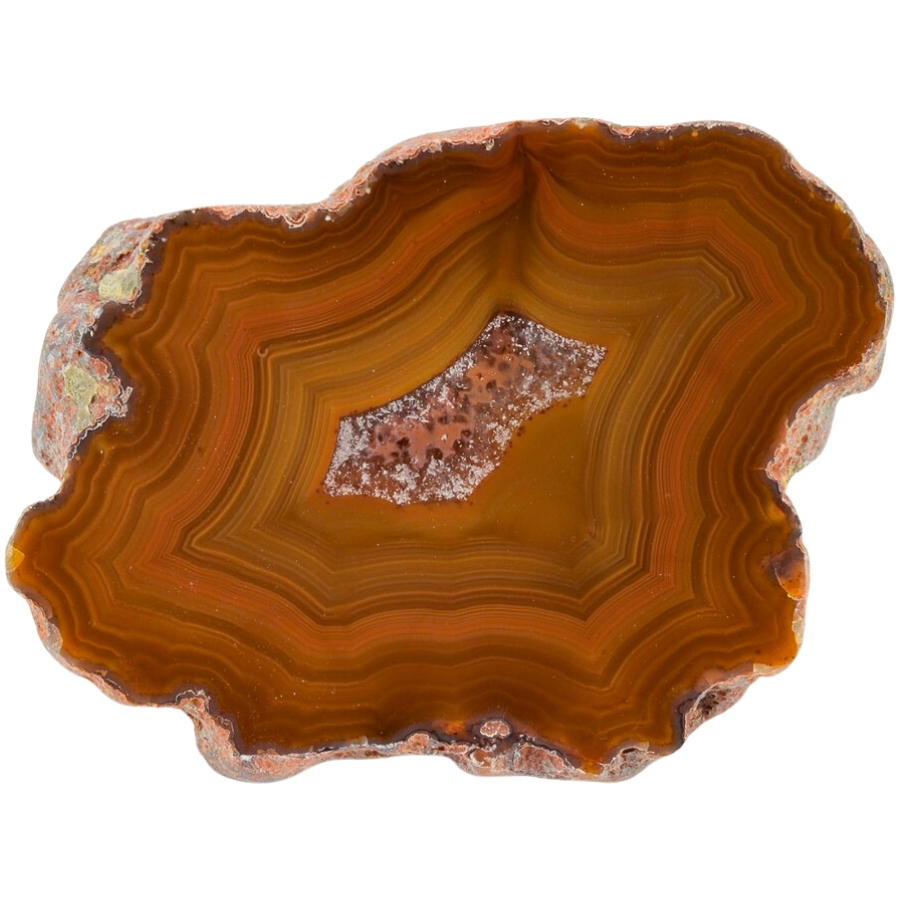
Condor agate is a real standout. It’s known for its bright, vivid colors and complex patterns.
It has reds, oranges, yellows, and sometimes even blues and greens all swirling together. These colors form in bands or in more random, artistic patterns.
The intensity and variety of its colors is what makes condor agate so special. It’s often used by artists and craftsmen who want to make a statement with their work.
Condor agate’s bold colors and patterns can turn a simple piece of jewelry or art into something really eye-catching.
Fortification Agate (Banded Agate)
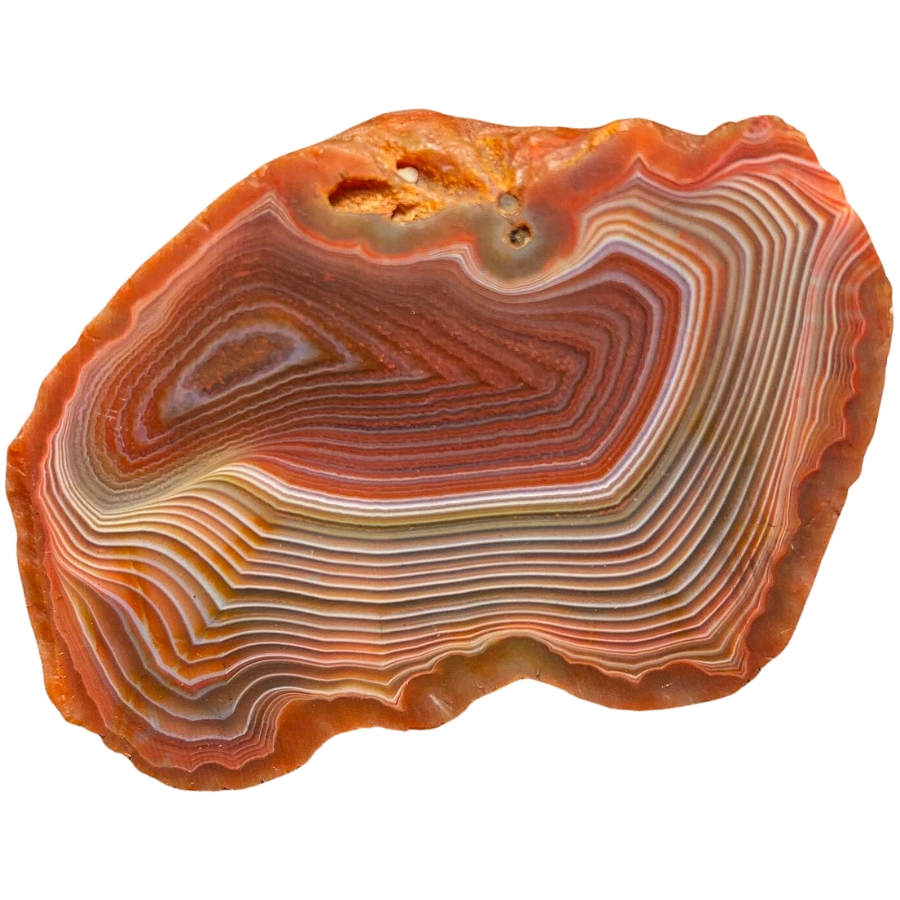
Fortification agate gets its name because the patterns inside it look like the aerial view of a fortified city.
Imagine seeing bands of color forming shapes that look like walls, with sharp angles and curves. They are usually in different colors, making each layer stand out.
If fortification agate is valuable, it’s because of its distinct patterns and colors. Its unique look makes it sought after for jewelry and as a collector’s item.
The clearer and more defined the patterns, the more valuable the stone can be. Some people also believe it can help with relaxation and calmness.
Iris Agate
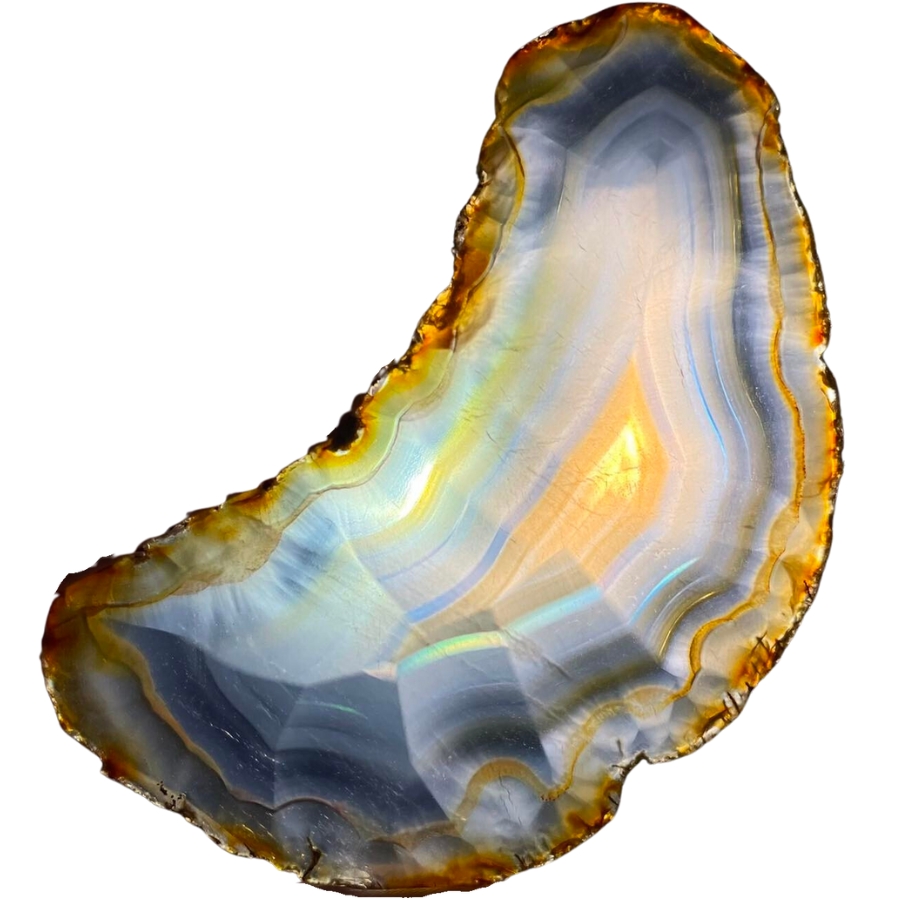
Iris agate looks like a regular agate at first, but when you hold it up to the light, something amazing happens. It shows all these rainbow colors, like light passing through a prism.
This is because it has very thin layers of silica, and when light hits these layers, it splits into all the colors of the rainbow.
The formation of iris agate is similar to other agates, but its layers are super thin, which is what creates the rainbow effect.
The value of iris agate comes from its unique ability to show these colors. In the past, people even used to think it had magical properties because of the way it showed colors. They saw it as a stone of good luck and wonder.
Plume Agate
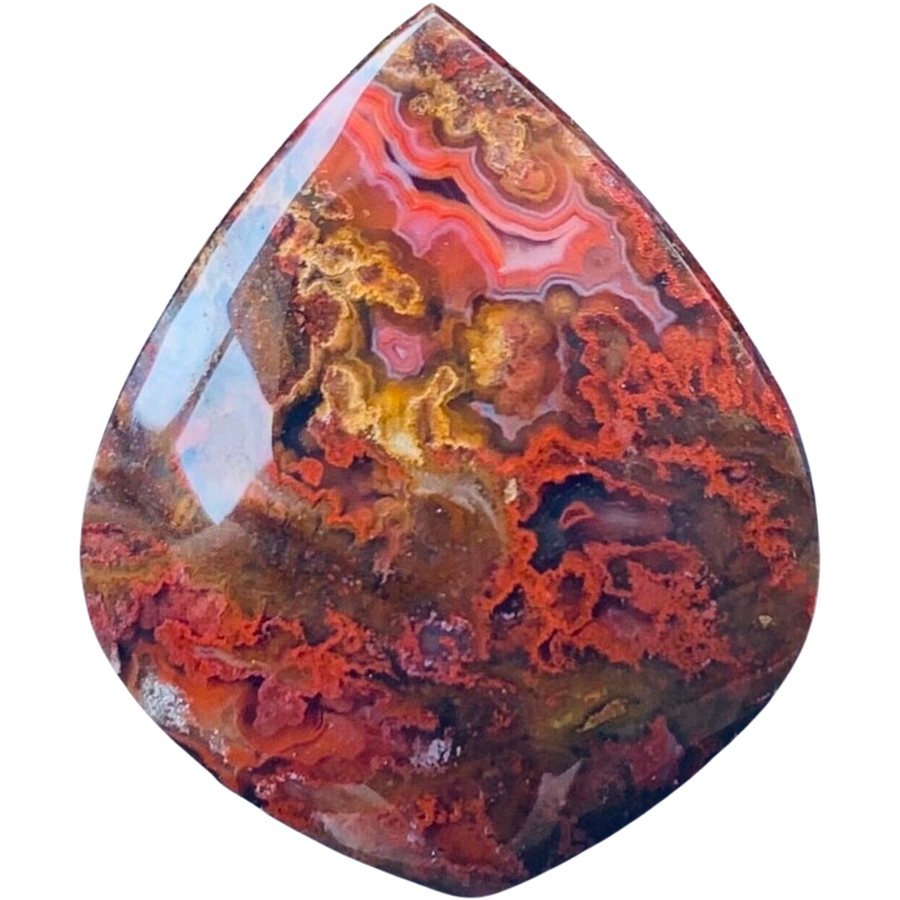
Plume agate gets its name from its patterns that look like soft, feathery plumes. These plumes can be in all sorts of colors: red, black, green, or yellow, set against a translucent or opaque background.
The way these plumes seem to float in the stone makes it look like a frozen underwater scene or like feathers caught in a breeze.
The plumes are made of minerals like manganese or iron oxide, which get trapped in the silica during the agate’s formation and create the feathery patterns.
The price of plume agate can vary depending on how clear and intricate the patterns are. The more detailed and colorful the plumes, the more the stone is usually worth.
Picture Agate (Scenic Agate)
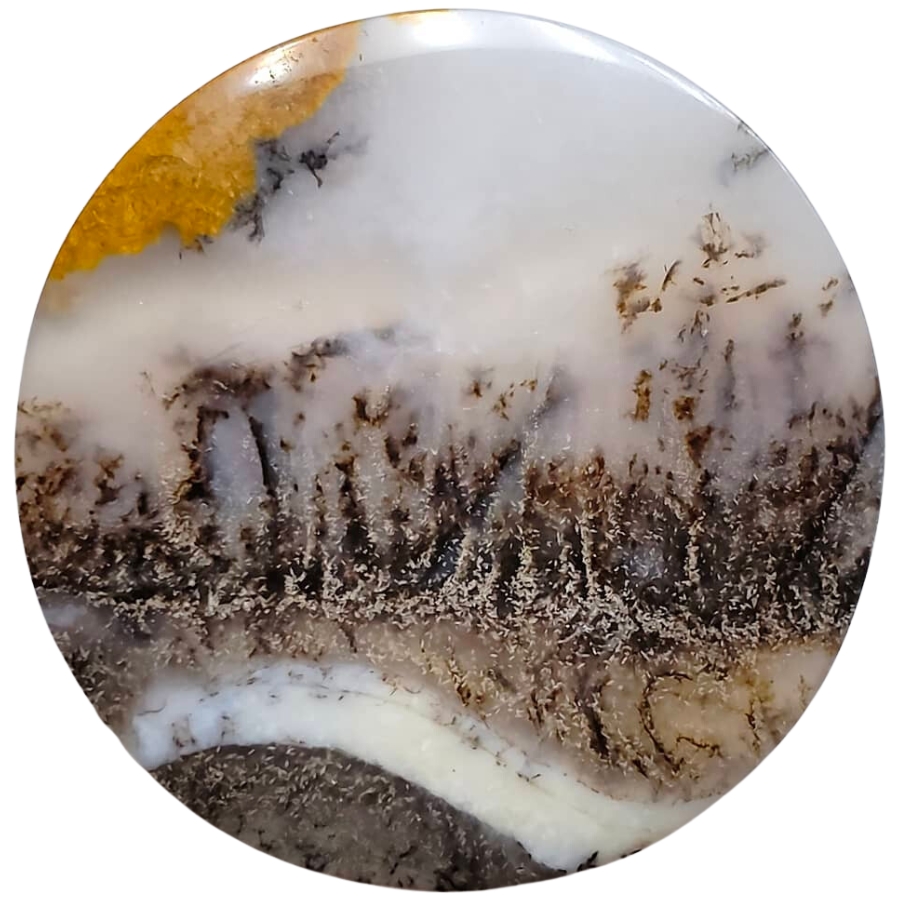
Picture agate is like a snapshot of nature captured in stone because it looks like it has pictures or scenes right inside it.
These “pictures” are actually natural patterns that resemble landscapes, mountains, trees, or even skies. They are usually in different shades of brown, white, and gray against a more translucent background.
The different patterns in picture agate or what’s also called scenic agate are made by various minerals in the water filled with silica that forms it.
If you’re thinking, “What is picture agate worth?“, its value comes from how distinct, clear, and detailed the natural “pictures” are.
Turritella Agate
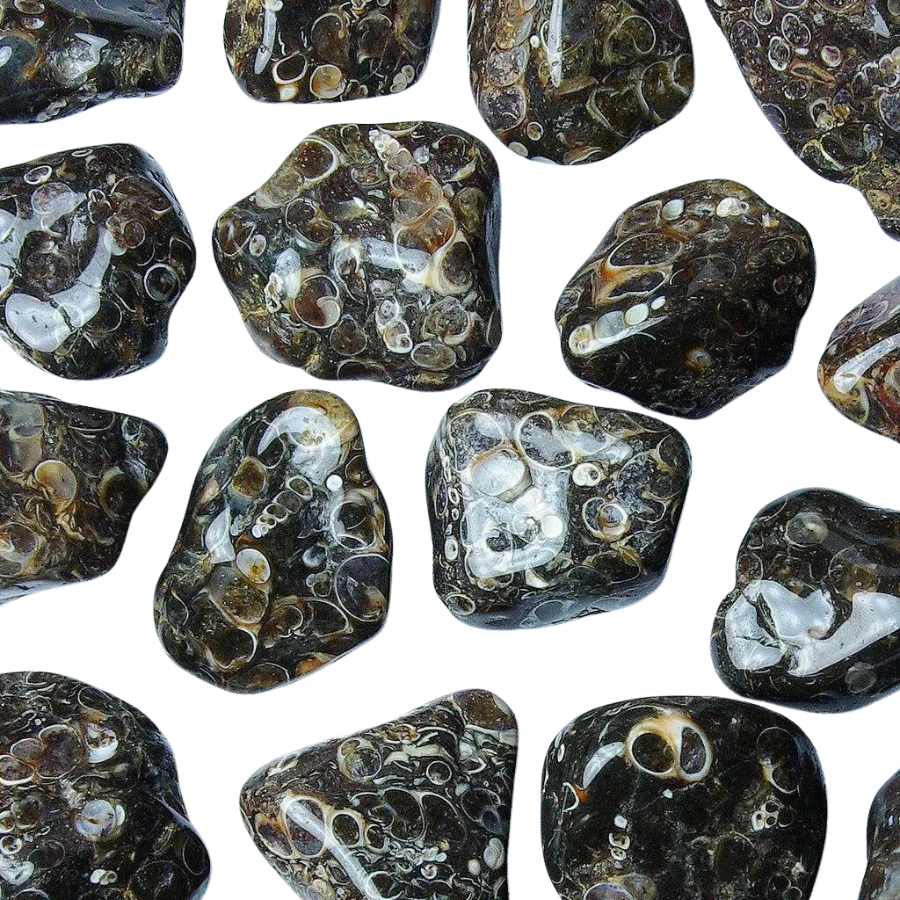
Turritella agate is not your typical agate because it’s full of fossilized snail shells! The shells belong to a creature called Turritella, a type of sea snail.
These shells are tightly packed and create a pattern that looks like a bunch of tiny, swirling towers. The background of the agate is usually a dark, earthy color, which makes the white or cream-colored snail shells really pop.
Over millions of years, these snail shells got buried in sediment and eventually became fossilized. As time went on, silica-rich water flowed through the sediment, turning it into the agate we see today.
The value of turritella agate comes from its unique blend of geology and history. More than a pretty stone, it’s a piece of ancient life preserved in rock.
Fairburn Agate
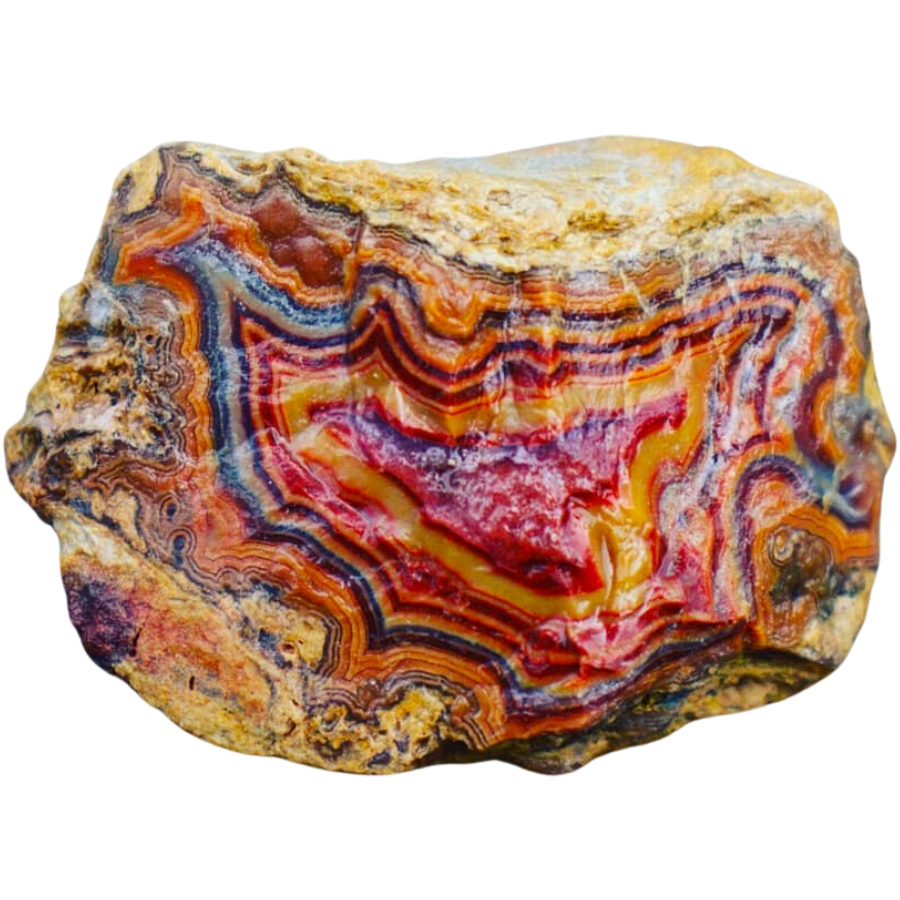
Known for its intricate patterns and bold colors, Fairburn agate is another fascinating type of agate. It usually has bands and swirls of different colors like red, yellow, orange, brown, and sometimes even pink or purple.
What’s special about these patterns is they often look like they’re in layers, creating a 3D effect. It’s like looking at a landscape made of stone.
It’s named after a place called Fairburn in South Dakota. This gives a clue about where it was first discovered.
People value Fairburn agate for the skill it takes to cut and polish it, which makes the patterns and colors really stand out.
Sagenite Agate
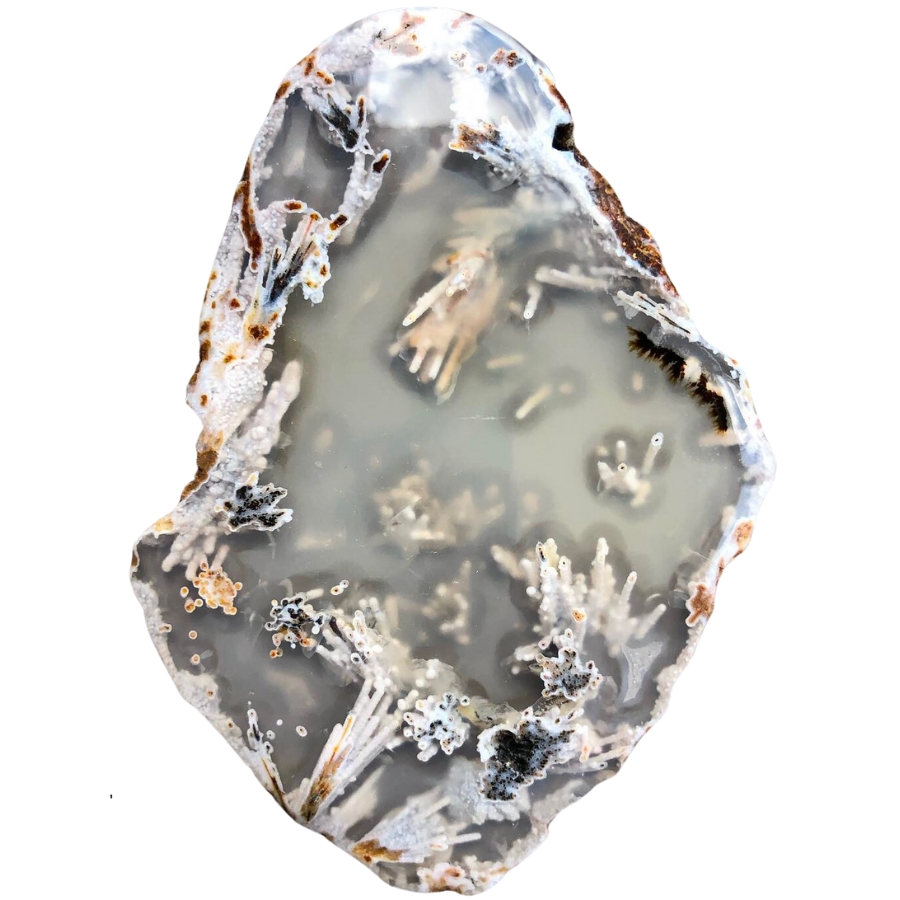
Sagenite agate has needle-like inclusions that look like tiny sprays of crystals inside it. They can be gold, silver, black, or even green, and they spread out in all directions, creating an amazing pattern.
The base of the agate is usually translucent, which lets you see these intricate needle patterns clearly.
These patterns are actually other minerals, like rutile or goethite, that get trapped inside the forming agate. These minerals grow in a crystal shape, looking like needles or hair.
Sagenite agate is often used in jewelry and other decorative items, with some people thinking that its needle patterns look like fireworks or starbursts.
Tree Agate
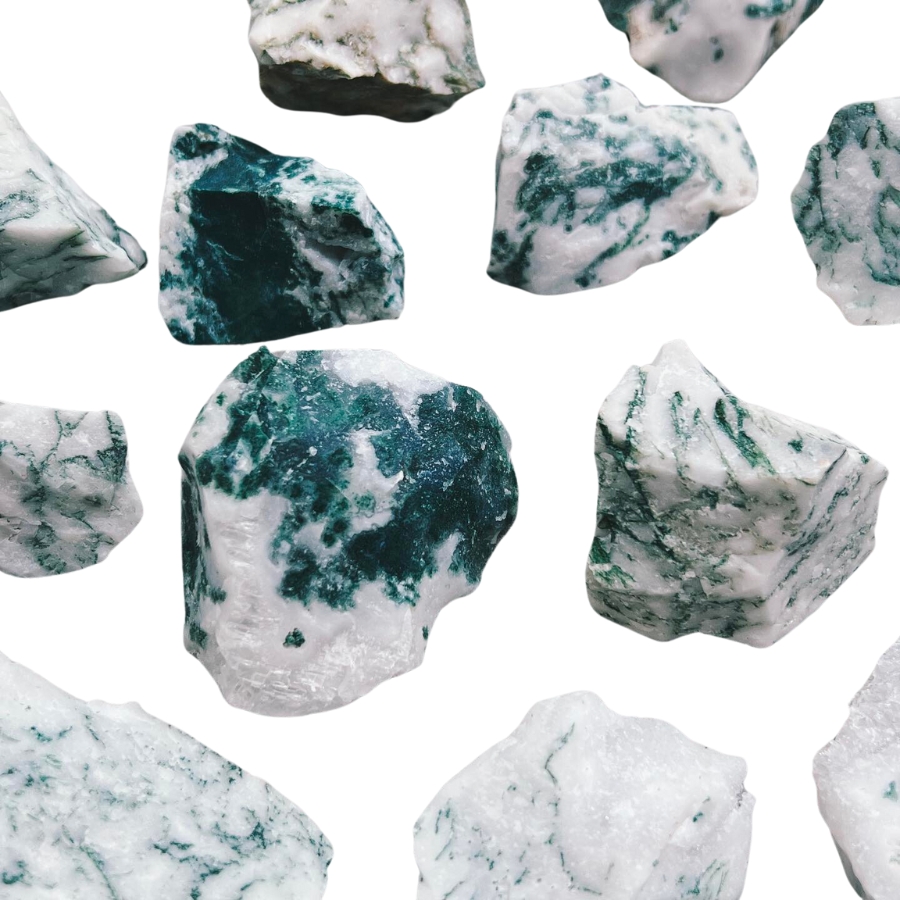
Tree agate, as its name suggests, looks like it’s got tiny trees or branches inside it. These tree-like patterns are usually green and spread out against a white or light gray background.
The green patterns aren’t actual trees, though. They’re made of minerals like chlorite or manganese.
Each piece of tree agate is different. You won’t find two that are exactly the same. It’s valued for its looks and it’s often used in jewelry and decorations.
The key factors in our recommendations are:
- The deep experience and understanding of our team about the area
- Recommendations from local groups and clubs
- How easy it is to get the a particular location
- Safety and potential hazards when collecting
- Weighing private and public locations
- The ability for both experienced and novice agate enthusiasts to find great samples
With these factors in mind we’ve been able to put together a fantastic list that just about anyone can use!

Kids. Beginners. Pros. Doesn’t matter. This book has become the go-to because it works for everyone.
Magy put it bluntly: “Identify rocks, crystals and minerals is so easy now!”
That’s not by accident, the photos are crisp, the callouts are simple, and the design is rugged enough to throw in a backpack without worrying. Whether it’s your first geode or your hundredth, this guide keeps the fun part simple: finding more treasures.
The Best Spots To Find Agates in Maine
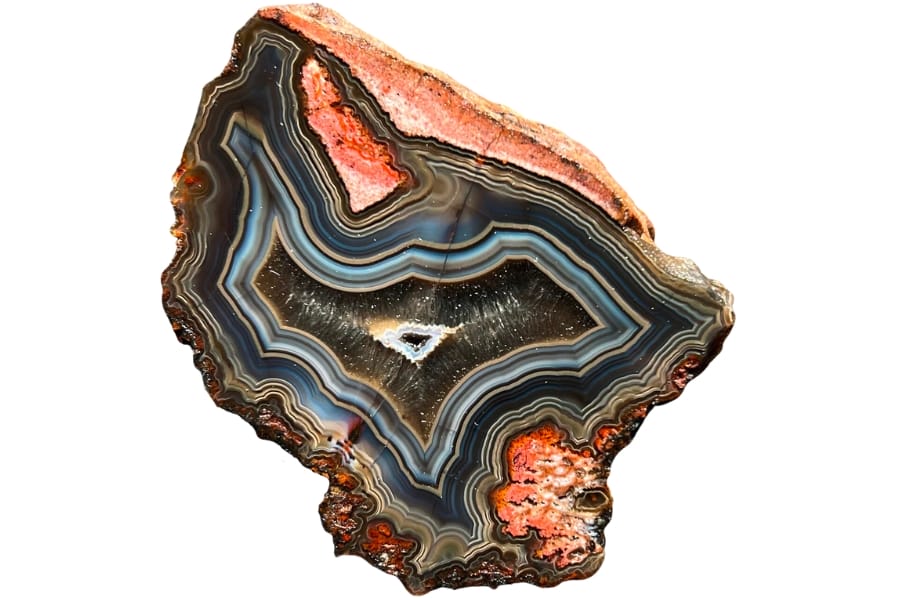
While there are many excellent gem mine sites in Maine, we recommend exploring the following great sites to find agates here:
Always Confirm Access and Collection Rules!
Before heading out to any of the locations on our list you need to confirm access requirements and collection rules for both public and private locations directly with the location. We haven’t personally verified every location and the access requirements and collection rules often change without notice.
Many of the locations we mention will not allow collecting but are still great places for those who love to find beautiful rocks and minerals in the wild without keeping them. We also can’t guarantee you will find anything in these locations since they are constantly changing.
Always get updated information directly from the source ahead of time to ensure responsible rockhounding. If you want even more current options it’s always a good idea to contact local rock and mineral clubs and groups
Gleason Cove
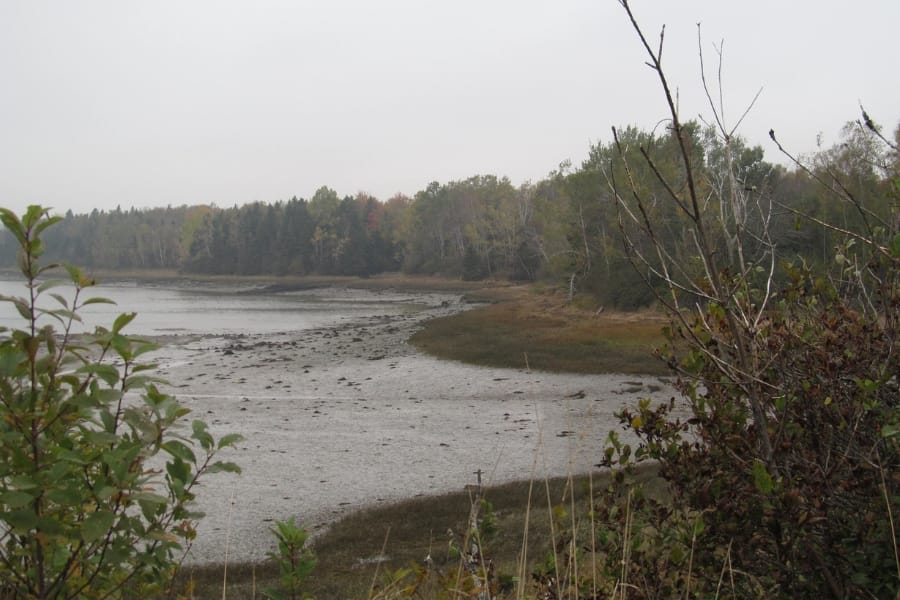
Nestled along the picturesque coastline of Maine, Gleason Cove offers a rich tapestry of geological wonders. Geographically, it’s situated in the Midcoast region, near the town of Harpswell. Its proximity to the Atlantic Ocean contributes to its distinctive coastal features.
Its rugged shoreline has a mix of rocky outcrops, tide pools, and sandy beaches, creating a dynamic environment. The accessibility of this location makes it a fantastic spot for rockhounding adventures.
It’s part of the Brunswick Formation, which consists of various metamorphic rocks like schist and phyllite. Within this formation, agates can be found.
Gleason Cove is reachable by car and is within a reasonable driving distance from popular Maine towns like Brunswick and Portland. But before you get excited to set out here, make sure to review Maine’s latest collecting guidelines first.
Where we found agates in Gleason Cove
You can find agates concealed within the gravel beds and rocky deposits of Gleason Cove. The relentless action of ocean waves has exposed and polished these agates over time, making them more accessible to you.
Loring Cove
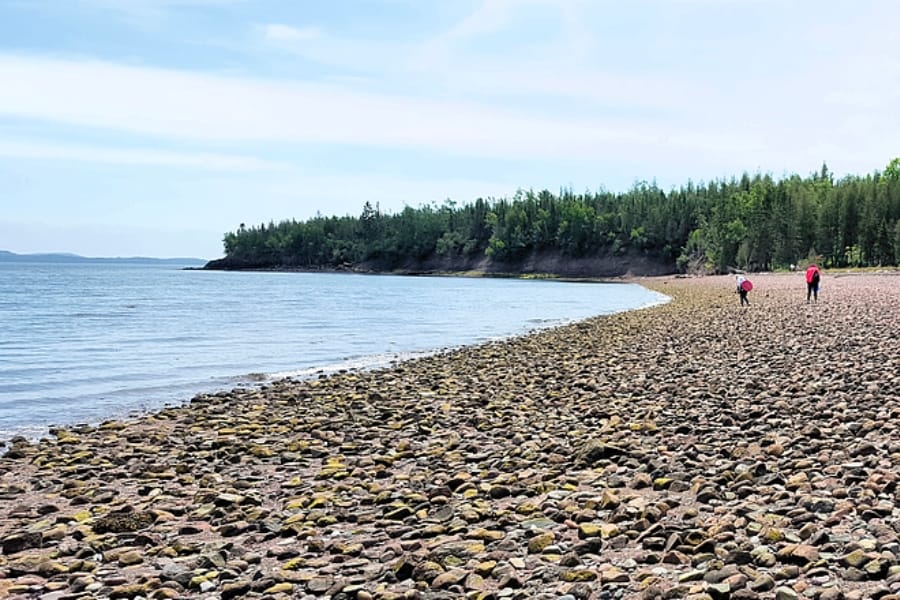
Tucked away along the rugged coast of our state is Loring Cove, a remarkable location that offers a captivating blend of natural beauty and natural wonders.
This cove is situated near the charming town of Georgetown in the Midcoast region. Like Gleason Cove, Loring Cove’s distinct coastal features are due to its proximity to the Atlantic Ocean.
The cove is endowed with a striking combination of rocky cliffs, pebbly beaches, and tidal pools. The terrain here is a mix of rocky outcrops and gravelly shores, which is ideal for agates to form.
Loring Cove is also a part of the Coastal Maine Belt, a region known for its metamorphic rocks. Collecting agates here is a rewarding experience, as their vibrant bands and intricate patterns stand out against Maine’s coastal beauty.
Getting to Loring Cove is relatively easy. It’s accessible by car and is within a reasonable driving distance from popular towns like Bath and Boothbay Harbor.
Where we found agates in Loring Cove
You can find agates if you search through the gravel beds and rocky deposits of Loring Cove. These, too, are polished over time, thanks to the ocean waves in this area.
Howard Lake
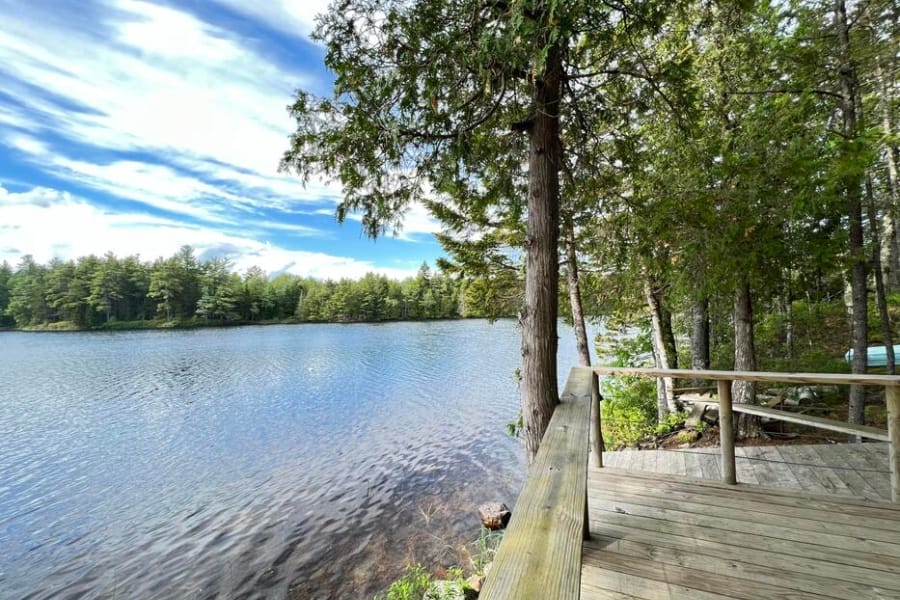
Howard Lake is nestled in the heart of the Maine wilderness, near the town of Wayne. Its remote location adds to its charm, providing a peaceful and serene environment for geological exploration.
The lake itself is surrounded by dense forests and rolling hills. Its terrain is influenced by a mix of rocky outcrops, pebbly shores, and forested areas. This diverse landscape is perfect for finding agates.
Howard Lake is part of the broader geological framework of our state, with rocks predominantly composed of granite and schist. The agates found here offer a unique contrast to these primary rock types.
However, getting to this site may require a bit of effort due to its remote location. It’s accessible by car, but keep in mind that some roads leading to it may be unpaved and rugged.
Where we found agates in Howard Lake
We recommend exploring along the shorelines of Howard Lake and searching through its gravel beds and rocky deposits to find agates.
Other Great Places To Find Agates in Maine
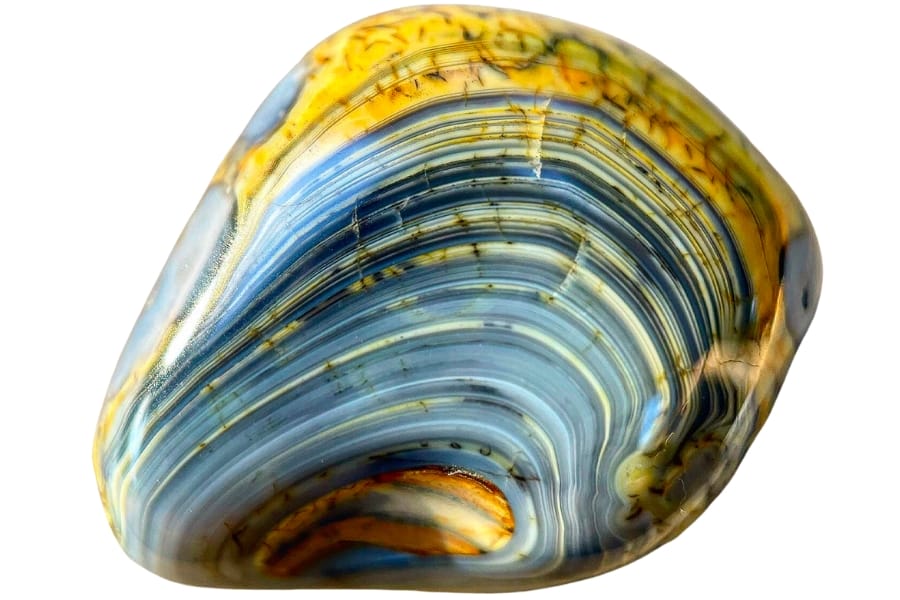
Additional areas you can find agates
We highly encourage you to start your exploration in the following areas where Maine agates usually hide:
Lake Shores
Maine offers some exciting opportunities for agate hunting along its beautiful lakeshores.
Agates are often hidden in the gravel beds. The constant action of waves and water movement helps expose those that were previously buried, making them easier to find and collect.
The combination of water, weathering, and geological factors can also polish and enhance the appearance of agates, making them more vibrant and attractive.
Beaches
The beaches in Maine are also great spots to collect agates. The constant action of waves and tides plays a vital role in hunting these gemstones.
Agates are often concealed within the sand and gravel along the shoreline. Over time, the abrasive action of water helps to expose these hidden treasures.
Maine’s diverse geological makeup also contributes to the presence of agates on its beaches. The combination of metamorphic and igneous rocks here creates the right conditions for agate formation.
When searching for Maine agates on its beaches, observe stones that display distinctive bands, vibrant colors, and intriguing patterns. They will be hard to miss!
Streams and Creeks
Streams and creeks are fantastic places to search for agates, and Maine offers some excellent opportunities.
Agates are often created when silica-rich solutions fill cavities in rocks, and over time, layers of minerals build up to create their distinctive patterns. Streams and creeks can expose these hidden treasures as they erode the surrounding rocks, revealing agates that were once nestled deep within.
The constant flow of water also helps polish and shape agates. When you explore Maine’s streams and creeks, keep an eye out for rounded, colorful stones that stand out from the surrounding rock.
Common Agate-Hunting Questions
In this section, we’ll answer the most common agate-hunting question that other rockhounds have asked in the past in case you share the same query:
Is it illegal to collect agate in Maine?
It’s generally legal to collect agates in Maine as long as you follow certain guidelines and regulations. We have laws and regulations in place to protect our natural resources, and these may apply to rock-collecting activities.
It’s essential to collect agates responsibly and ethically, without damaging the environment or disturbing wildlife. Always obtain any necessary permits or permissions if required, such as in state parks or private property.
Additionally, be mindful of any posted signs or restrictions that may prohibit collecting in certain areas. Should you need more clarification, visit the official website of the Maine Department of Agriculture, Conservation, and Forestry (DACF).
The Best Places To Buy Agates In Maine
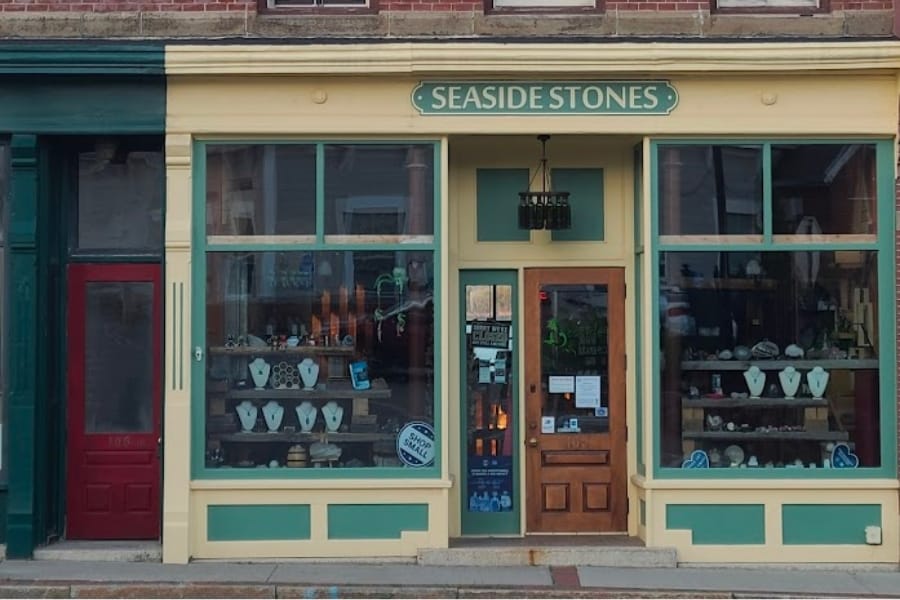
If you’re curious, not just about Maine agates, but also about agates from other areas, your best chance of taking home one from here is by paying a visit to our trusted local rock and mineral shops.
Below are some of our favorites:
- Crystal Joys – 191 Middle St, Portland, ME 04101
- Lavish Earth – 15 Holly St, Scarborough, ME 04074
- Leighton’s of West Paris – 194 Bethel Rd, West Paris, ME 04289
- Northern Maine Minerals – 16 Pritham Ave, Greenville, ME 04441
- Seaside Stones – PO Box 512, Perry, ME 04667
- The Raven Collections – 406 Main St, Norway, ME 04268
- The Rock and Art Shop – 36 Central St, Bangor, ME 04401
If you have any recommendations for our list please leave a comment below!